Cultural Safaris in Kenya
May 12, 2026
Conservation Safaris in Kenya
May 12, 2026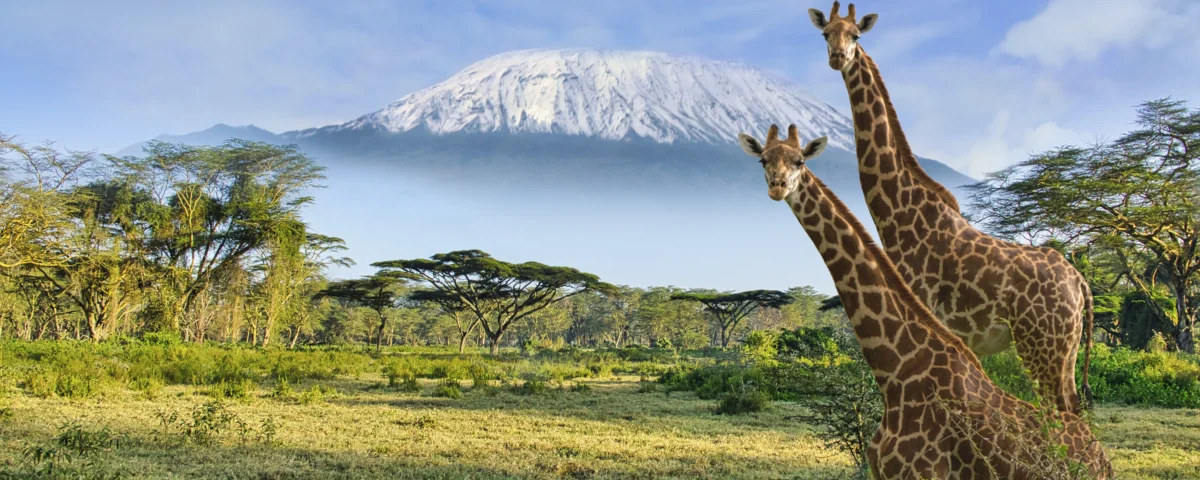
Community-Based Safaris Kenya
Community-based safaris in Kenya offer travelers a deeper and more meaningful way to experience Africa. Unlike traditional safaris that focus mainly on wildlife viewing, community-based safaris connect visitors directly with local people, cultures, and conservation projects. Travelers not only explore Kenya’s famous landscapes and wildlife but also support communities that protect these natural resources every day.
Kenya remains one of Africa’s leading safari destinations because of its rich biodiversity, strong conservation efforts, and vibrant cultural heritage. However, many travelers today seek more than sightseeing. They want authentic experiences that create positive social impact while supporting sustainable tourism. Community-based safaris answer this demand by allowing visitors to contribute directly to local livelihoods and conservation programs.
Across Kenya, many communities work closely with safari operators, conservancies, and eco-lodges to manage tourism responsibly. These partnerships help create jobs, improve education, support healthcare, and protect wildlife habitats. As a result, tourism becomes a tool for long-term community development rather than short-term economic gain.
Community-based safaris also create stronger cultural connections. Travelers interact with Maasai, Samburu, and other local communities while learning about traditional lifestyles, conservation practices, and local values. These personal experiences often become the most memorable part of the journey.
Whether travelers seek wildlife adventures, cultural immersion, sustainable tourism, or meaningful travel experiences, community-based safaris in Kenya offer a rewarding and responsible way to explore Africa.
What Community-Based Safaris in Kenya Involve:
Community-based safaris in Kenya focus on partnerships between tourism operators and local communities. These safaris allow communities to actively participate in tourism while benefiting economically and socially from conservation and travel activities.
Travelers usually stay in eco-lodges, community-owned camps, or conservancies managed with local involvement. These accommodations often combine comfort with sustainability while creating direct income for nearby communities.
Safari activities include traditional game drives, guided nature walks, cultural visits, and conservation experiences. Local guides share valuable knowledge about wildlife, ecosystems, and traditional practices. This local expertise creates more authentic and educational safari experiences.
Many community-based safaris also involve visits to schools, craft centers, women’s cooperatives, and conservation projects. Travelers see how tourism supports education, environmental protection, and local entrepreneurship.
Unlike mass tourism, community-based safaris focus on smaller groups and low-impact travel. This approach reduces pressure on wildlife habitats and creates more meaningful interactions between visitors and host communities.
These safaris also encourage responsible travel behavior. Travelers learn about conservation challenges, human-wildlife coexistence, and sustainable development in rural areas.
Overall, community-based safaris in Kenya combine wildlife experiences, cultural exchange, and conservation into one impactful travel experience.
Why Community Tourism Matters in Kenya
Community tourism plays an important role in Kenya’s safari industry because it creates direct benefits for local people while protecting natural resources. In many wildlife regions, communities live alongside animals and help preserve critical ecosystems.
Tourism income supports families through employment opportunities in guiding, hospitality, transportation, security, and handicrafts. Many community conservancies now generate income that improves schools, healthcare facilities, and water projects.
Conservation also becomes stronger when communities benefit from tourism. Local people gain motivation to protect wildlife because healthy ecosystems create long-term economic opportunities. This reduces activities such as poaching, illegal grazing, and habitat destruction.
Community tourism also preserves cultural heritage. Traditional knowledge, dances, crafts, and storytelling remain valuable because travelers actively support these experiences. Younger generations therefore continue learning and practicing cultural traditions.
In addition, community tourism promotes more balanced development across Kenya’s rural regions. Remote communities gain infrastructure, training, and economic opportunities that might otherwise remain limited.
Travelers increasingly value ethical and sustainable tourism experiences. Community-based safaris allow visitors to travel responsibly while creating positive impact beyond wildlife viewing.
As sustainable tourism continues growing worldwide, Kenya’s community tourism model stands out as an important example of conservation and development working together successfully.
Top Community Conservancies and Safari Destinations
Kenya offers several outstanding community conservancies that combine wildlife conservation with local empowerment. These destinations provide authentic safari experiences while directly supporting surrounding communities.
The Maasai Mara conservancies remain among the most successful examples of community-based tourism in Africa. Local Maasai communities lease land for wildlife conservation while benefiting from tourism partnerships. Travelers enjoy exclusive wildlife experiences with fewer crowds compared to public reserve areas.
Samburu conservancies in northern Kenya also provide excellent community-based safari experiences. These conservancies protect rare wildlife species while supporting Samburu pastoralist communities. Travelers experience unique landscapes, traditional culture, and exceptional wildlife viewing.
Laikipia conservancies continue attracting travelers seeking sustainable luxury tourism. Many conservancies operate through partnerships between local communities, conservation groups, and safari operators. These areas support endangered species conservation while creating employment opportunities.
Amboseli’s surrounding conservancies also play an important role in protecting elephant migration routes and supporting Maasai communities. Travelers enjoy cultural experiences alongside wildlife safaris with views of Mount Kilimanjaro.
The coastal region offers community tourism experiences as well. Visitors explore Swahili culture, marine conservation projects, and locally managed ecotourism initiatives.
Each conservancy creates a unique balance between tourism, conservation, and community development, making Kenya a leader in responsible safari tourism.
Wildlife and Conservation Experiences
Community-based safaris in Kenya offer exceptional wildlife experiences while supporting conservation efforts. Travelers explore private conservancies and protected ecosystems where wildlife populations continue growing through sustainable management.
Many conservancies support large populations of elephants, lions, giraffes, zebras, cheetahs, and endangered species. Because conservancies often limit visitor numbers, travelers enjoy quieter and more intimate wildlife encounters.
Guides in community conservancies provide deep knowledge about animal behavior, ecosystems, and conservation challenges. Their close connection to the land creates highly educational safari experiences.
Community-based conservation also protects critical wildlife corridors. These migration routes allow animals to move safely between national parks and grazing areas. Without community support, many of these corridors would face development pressure.
Travelers may also participate in conservation activities such as nature walks, wildlife monitoring, and educational visits to conservation centers. These experiences help visitors understand the importance of protecting biodiversity.
Birdwatching opportunities also remain excellent in community conservancies. Kenya’s diverse habitats support hundreds of bird species across savannahs, wetlands, forests, and semi-arid regions.
Photography enthusiasts especially appreciate community conservancies because reduced vehicle traffic creates better wildlife viewing conditions and more natural animal behavior.
Community-based safaris therefore provide both rewarding wildlife encounters and meaningful conservation impact.
Cultural Connections and Local Experiences
Cultural interaction remains one of the strongest highlights of community-based safaris in Kenya. Travelers experience local traditions directly from the communities that preserve them every day.
Maasai cultural experiences often include village visits, storytelling, traditional dances, beadwork demonstrations, and discussions about pastoral life. These interactions help travelers understand how communities maintain traditions while adapting to modern challenges.
Samburu communities also offer rich cultural experiences through music, crafts, livestock management, and traditional ceremonies. Travelers gain insight into life in northern Kenya’s dry landscapes.
Women’s groups and artisan cooperatives often participate in community tourism projects. Visitors purchase handmade crafts, jewelry, and textiles directly from local producers, creating additional income opportunities.
Food experiences also add value to cultural safaris. Travelers taste traditional meals prepared with local ingredients while learning about regional cooking methods and food customs.
Many cultural experiences focus on education and exchange rather than staged performances. Travelers therefore develop genuine appreciation for local lifestyles, beliefs, and environmental knowledge.
Children and students particularly benefit from community-based safaris because they encourage cross-cultural learning and global awareness.
These cultural connections create more personal and memorable safari experiences while strengthening respect between travelers and host communities.
Accommodation and Sustainable Tourism Practices
Accommodation during community-based safaris often reflects strong sustainability values. Many eco-lodges and camps operate with low environmental impact while supporting local employment and conservation.
Community-owned lodges provide direct financial benefits to surrounding villages. Revenue supports local services and creates long-term economic stability for rural communities.
Many safari camps use solar energy, rainwater harvesting systems, and waste reduction programs. These sustainable practices help protect fragile ecosystems while reducing tourism’s environmental footprint.
Construction materials often come from local sources and reflect traditional architectural styles. This creates authentic safari experiences that blend naturally into the surrounding environment.
Staff training also remains an important part of sustainable tourism. Local employees receive hospitality, guiding, and conservation education that strengthens career opportunities within tourism.
Dining experiences often feature fresh local ingredients supplied by nearby farmers and producers. This supports local agriculture while reducing transport-related environmental impact.
Community tourism operators also educate travelers about responsible safari behavior, wildlife protection, and cultural respect throughout the journey.
These combined efforts help position Kenya as a leader in ecotourism and responsible safari experiences.
Best Time for Community-Based Safaris in Kenya
Community-based safaris in Kenya operate throughout the year, although different seasons offer unique advantages. Travelers should choose timing based on wildlife interests, weather conditions, and cultural activities.
The dry seasons from June to October and January to February provide excellent wildlife viewing conditions. Animals gather near water sources, vegetation becomes thinner, and road access improves across conservancies.
The Great Migration season between July and October attracts travelers to Maasai Mara conservancies. During this period, visitors witness dramatic river crossings and increased predator activity.
Rainy seasons from March to May and November to December create lush green landscapes and excellent birdwatching opportunities. Fewer crowds also allow for more peaceful safari experiences during these months.
Cultural experiences remain rewarding throughout the year because community activities continue across all seasons. Some traditional ceremonies and festivals may occur during specific periods depending on local customs.
Photographers often appreciate the green season because dramatic skies and vibrant scenery create stunning visual conditions.
No matter the season, community conservancies continue offering authentic safari experiences focused on sustainability, conservation, and cultural exchange.
Planning a Community-Based Safari in Kenya
Planning a successful community-based safari requires thoughtful preparation. Giant Holiday Safaris helps travelers choose destinations and conservancies that match their interests in wildlife, culture, and conservation.
Working with responsible operators ensures fair and sustainable tourism. Giant Holiday Safaris supports community projects and conservation initiatives, guaranteeing positive impact.
Packing should include lightweight clothing, comfortable shoes, sun protection, and neutral safari wear. Guides from Giant Holiday Safaris advise on respectful attire for cultural visits.
Travelers should remain open-minded and respectful. Giant Holiday Safaris encourages learning local greetings and customs to create positive interactions.
Booking early is essential during peak seasons, especially in private conservancies. Giant Holiday Safaris organizes timely reservations to secure quality accommodation.
Travel insurance provides important protection. The team at Giant Holiday Safaris recommends comprehensive coverage for smooth travel in remote areas.
Supporting communities adds value. Through Giant Holiday Safaris, travelers can purchase local crafts and stay in eco-friendly lodges.
With proper planning, community-based safaris in Kenya create unforgettable journeys. By traveling with Giant Holiday Safaris, visitors enjoy wildlife, culture, and meaningful connections while making a lasting impact.
Conclusion
Community-based safaris in Kenya redefine responsible tourism by blending wildlife, culture, and sustainability. Giant Holiday Safaris crafts itineraries that deliver meaningful adventures while supporting conservation and local livelihoods.
Kenya’s community conservancies show how tourism can protect wildlife and empower rural communities. With Giant Holiday Safaris, travelers enjoy authentic safaris that directly contribute to conservation and development.
Cultural connections enrich these journeys, allowing visitors to learn from Maasai, Samburu, Swahili, and other communities. Guided by Giant Holiday Safaris, travelers gain deeper appreciation for Kenya’s cultural diversity.
Sustainable practices further protect ecosystems and create opportunities for future generations. Giant Holiday Safaris promotes eco-friendly travel that balances exploration with responsibility.
Whether seeking wildlife photography, cultural immersion, or ethical luxury, community-based safaris in Kenya offer rewarding experiences. By choosing Giant Holiday Safaris, travelers create unforgettable memories while making a positive impact.
Combined Uganda, Kenya, Rwanda and Tanzania Safaris
17 days Kenya Tanzania and Uganda safari 19 Days Uganda Kenya and Tanzania Safari
16 Days Kenya Tanzania and Uganda Safari
14 Days Kenya Uganda and Tanzania Safari
14 Days Kenya Uganda and Rwanda Safari