What Activities Can Kids Do on Safari
July 25, 2026
What Foods Should I Try in Kenya?
July 27, 2026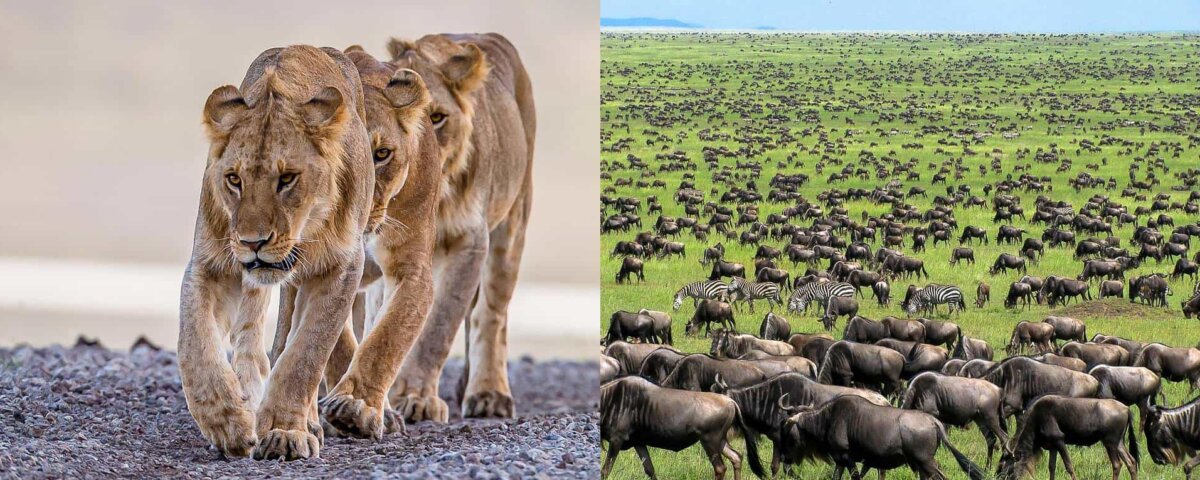
Is Serengeti Suitable for Children?
If you are planning a family adventure in Tanzania, you may wonder, is Serengeti suitable for children? In most cases, yes. The Serengeti can offer families an extraordinary opportunity to experience African wildlife, open landscapes, and unforgettable moments together. Children can watch elephants move across the plains, see lions resting in the grass, spot giraffes feeding on trees, and learn how different animals survive in one of the world’s most famous ecosystems. For many young travelers, seeing wildlife in its natural environment creates a deeper connection with nature than any classroom lesson can provide.
However, a successful Serengeti family safari requires thoughtful planning. The park covers a vast area, and some journeys involve long drives. Younger children may become tired if parents create a busy itinerary with too many hours on the road. Therefore, families should consider the child’s age, personality, interests, and ability to manage travel.
The choice of accommodation also matters. Some camps welcome children of different ages, while others have minimum age requirements because of their remote locations and wildlife safety considerations. Parents should also choose activities that suit their children’s abilities.
With the right itinerary, experienced guides, comfortable accommodation, and realistic expectations, the Serengeti can become an exciting outdoor classroom for children. Families can combine wildlife viewing with relaxation, photography, conservation lessons, and cultural experiences. For these reasons, is Serengeti suitable for children is a question with a positive answer when families plan the journey around the needs of their young travelers.
Combined Uganda, Kenya, Rwanda and Tanzania Safaris
17 days Kenya Tanzania and Uganda safari
19 Days Uganda Kenya and Tanzania Safari
16 Days Kenya Tanzania and Uganda Safari
14 Days Kenya Uganda and Tanzania Safari
14 Days Kenya Uganda and Rwanda Safari
12 Day Gorilla Trekking and Tanzania Safari
Why the Serengeti Can Be a Great Destination for Children
The Serengeti offers children something that few other destinations can match. It allows them to see wild animals living freely in their natural environment. Instead of viewing wildlife behind fences, children can observe animals behaving as nature intended.
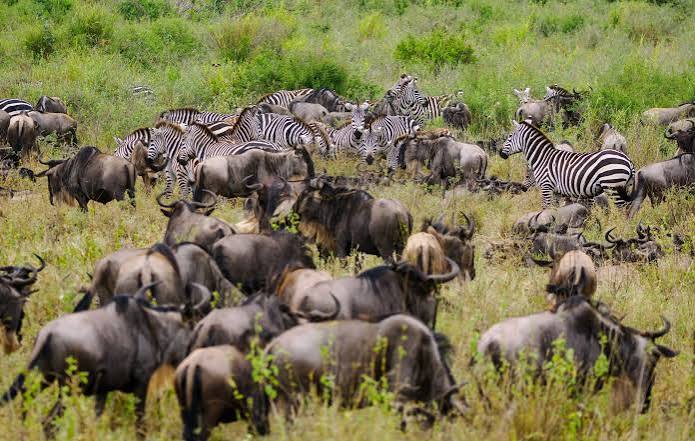
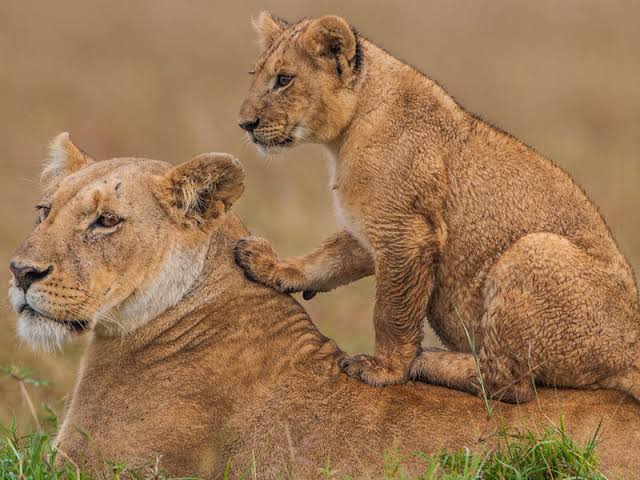
This experience can make learning exciting. A child who learns about lions in a book can gain a completely different understanding after watching a pride resting under a tree. Similarly, seeing large herds of wildebeest and zebras moving across the plains can help children understand animal migration in a way that feels real and memorable.
The Serengeti also offers incredible landscape variety. Although many people imagine endless grasslands, the ecosystem includes woodlands, rivers, rocky areas, and seasonal water sources. This diversity gives children many things to observe during game drives.
Furthermore, experienced guides can make the experience easier for young travelers. A good guide can explain animal behavior in simple language, encourage children to ask questions, and turn each game drive into an interactive learning experience.
However, parents should remember that children have different attention spans. Therefore, families should combine wildlife viewing with rest and other activities.
When planned properly, the Serengeti can help children develop curiosity, patience, and respect for the natural world while creating wonderful family memories making Serengeti suitable for children.
What Age Is Best for Children to Visit the Serengeti?
There is no universal age that guarantees the perfect Serengeti experience. Families can travel with children of different ages, but each age group requires a different approach.
School age children often enjoy safari because they can understand more about animals and participate in wildlife spotting. They may enjoy learning animal names, identifying tracks, and asking guides questions.
Teenagers can also find the Serengeti fascinating. They may enjoy wildlife photography, conservation discussions, birdwatching, and learning about predator behavior. Older children can usually manage longer game drives more comfortably.
Younger children can visit as well, but parents should plan more carefully. Toddlers may struggle with long periods inside a safari vehicle, while babies require additional planning around feeding, sleeping, and health needs.
A child’s personality matters as much as age. Some children enjoy long journeys and new environments, while others need frequent breaks and familiar routines.
Parents should therefore avoid choosing an itinerary based only on age. Instead, they should consider how their individual child responds to travel.
A professional safari company can help families select suitable accommodation and routes. The goal should remain simple: create an experience that allows children to enjoy the Serengeti without feeling overwhelmed.
Are Children Allowed to Go on Serengeti Safari?
Children can generally join vehicle based game drives in the Serengeti when they travel with their parents or guardians and meet the requirements of their chosen safari operator and accommodation.
However, families should understand that different camps and activities may have different age policies. Some properties welcome young children, while others set minimum age requirements because of their remote locations and wildlife safety arrangements.
Certain activities may also have specific age restrictions. For example, walking activities require greater awareness and discipline because travelers leave the safety of the safari vehicle.
Parents should confirm these rules before booking. They should provide the exact ages of their children so the safari company can recommend suitable properties and activities.
During game drives, children must follow the same safety rules as adults. They should remain inside the vehicle unless the guide gives permission to leave. They should also avoid shouting or making sudden movements around wildlife.
The Serengeti is a wild environment, so children need to understand that animals have unpredictable behavior.
When families follow safety instructions and choose suitable experiences, children can enjoy the Serengeti responsibly. The important step involves matching the safari experience to the child’s age, maturity, and comfort level.
What Wildlife Can Children See in the Serengeti?
The Serengeti is Serengeti suitable for children because it offers some of the richest wildlife viewing opportunities in Tanzania, which makes it an exciting destination for children. The variety of animals can keep young travelers interested throughout the journey.
Families may see lions resting in the grass, cheetahs scanning open plains, or leopards hiding among trees. Children can also encounter elephants, giraffes, zebras, wildebeest, buffaloes, hippos, and many species of antelope.
Birdlife adds another dimension to the experience. Children who enjoy spotting smaller creatures may find birdwatching just as exciting as watching large mammals.
The Serengeti also provides opportunities to observe animal behavior. Children can watch herbivores feeding, predators resting, or groups of animals moving together.
However, parents should explain that wildlife sightings depend on nature. No safari can guarantee that families will see every animal they hope to find.
This uncertainty can actually make the experience more exciting. Children learn that wildlife viewing requires patience and observation.
A knowledgeable guide can help families understand what they see. Instead of simply pointing out animals, the guide can explain relationships between species and the role each animal plays within the ecosystem.
For children, this approach transforms a game drive into a fascinating lesson about nature, survival, and the delicate balance of life.
Is the Great Migration Suitable for Children?
The Great Migration can provide one of the most exciting experiences for families visiting the Serengeti thus making Serengeti suitable for children. Large numbers of wildebeest and zebras move through the ecosystem as they search for fresh grazing and water.
Children may find the sight of thousands of animals moving across the landscape unforgettable. The experience can also help them understand how seasons, rainfall, food, and water influence wildlife behavior.
However, families should understand that the migration does not follow a fixed calendar. Animal movements change according to rainfall and environmental conditions.
Parents should also consider the travel demands involved in reaching migration areas. Some locations require longer drives, and certain periods may attract more visitors.
Families with older children may find this adventure easier because they can handle longer journeys and wait patiently for wildlife activity.
Younger children may enjoy the Serengeti without specifically focusing on the migration. The park offers excellent wildlife viewing throughout the year, so families do not need to build the entire trip around one event.
The best approach involves choosing travel dates based on the family’s interests and flexibility.
If the migration forms an important part of the family’s plans, parents should work with an experienced safari operator who understands seasonal wildlife movements.
With realistic expectations, the Great Migration can provide an unforgettable experience for children and adults alike.
How Long Should a Family Stay in the Serengeti?
The ideal Serengeti stay depends on the children’s ages, the family’s interests, and the wider Tanzania itinerary. Families should avoid staying for too short a period because the park covers a vast area and wildlife sightings require patience.
A stay of two to four nights can provide a good introduction for many families. This length gives travelers enough time for several game drives without making the Serengeti feel like an endless journey.
Families with older children may choose a longer stay. More time allows them to explore different areas and enjoy a slower pace.
Parents should also consider the location of their accommodation. Staying near the areas they want to explore can reduce driving time and give the family more opportunities for wildlife viewing.
The daily schedule matters as well. Families do not need to spend every day on a full day game drive. A shorter morning drive followed by a relaxing afternoon can work better for younger children.
A well paced itinerary can make the Serengeti more enjoyable than a packed schedule.
Ultimately, families should prioritize quality time over the number of activities. Children often remember a few special wildlife encounters more clearly than a busy itinerary filled with constant travel.
How Can Parents Manage Long Game Drives With Children?
Long game drives can present one of the biggest challenges for families visiting the Serengeti. The park is enormous, and some areas require several hours of travel.
Parents can make the experience easier by choosing a practical route and avoiding unnecessary movement between distant locations.
Families should also plan regular breaks when possible. A flexible itinerary can include shorter game drives instead of spending every day from morning until evening inside the vehicle.
Children may enjoy carrying a wildlife book or simple camera. These tools can give them something to focus on during quieter periods.
Parents can also create simple wildlife spotting games. Children might keep track of different animal species or look for particular birds.
However, families should follow park rules regarding food and drinks inside safari vehicles. Parents should ask their guide about suitable times and locations for breaks.
The guide also plays a major role in keeping children engaged. A family friendly guide can explain animal behavior, answer questions, and encourage children to observe their surroundings.
Parents should prepare children for periods when nothing dramatic happens. Wildlife does not perform on demand.
When families embrace the slower moments, children can learn an important lesson about patience and observation while enjoying the journey.
What Are the Best Family Friendly Areas in the Serengeti?
The Serengeti covers a large area, and different regions offer different experiences. Families should choose where to stay based on travel dates, wildlife interests, and the children’s ages.
Central Serengeti often provides convenient access to a wide range of wildlife and can work well for families visiting for the first time. Its location can make it a practical base for exploring nearby areas.
The western and northern regions can offer different landscapes and seasonal wildlife experiences. However, reaching some areas may require longer travel.
Families interested in the Great Migration should consider seasonal animal movements when choosing accommodation.
Parents should also look beyond wildlife. The best family friendly area may be the one that combines good wildlife viewing with comfortable accommodation and manageable travel.
Accommodation policies vary across the Serengeti. Some camps welcome young children, while others have minimum age requirements.
Families should therefore choose their location and accommodation together rather than selecting a camp first and building the itinerary around it.
An experienced safari company can help parents understand the practical differences between regions.
The best area for your family will depend on when you travel and what you want to experience. A thoughtful choice can reduce driving time and make the entire safari more comfortable.
Are Serengeti Safari Lodges and Camps Suitable for Families?
Families can find a range of accommodation options in the Serengeti, including lodges, permanent tented camps, and mobile camps. However, not every property suits families with young children.
Parents should check age restrictions before booking. Some camps operate in remote wilderness settings where wildlife can move around the property. Staff may escort guests between tents after dark.
Family rooms and private accommodations can make the experience more comfortable. Parents should also ask whether children can share rooms with adults and whether the property offers suitable beds.
Meal options deserve attention as well. Families should confirm whether the accommodation can prepare meals that children will enjoy and whether it can accommodate dietary needs.
Some properties may offer swimming pools or child friendly activities, which can help children relax between game drives.
Location also matters. A property closer to the family’s preferred wildlife viewing areas can reduce time spent traveling.
Giant Holiday Safaris can help families compare accommodation options according to children’s ages, preferred comfort levels, and budget.
The right accommodation should provide more than a place to sleep. It should give families a safe and comfortable environment where children can rest and recharge between adventures.
What Should Children Wear on a Serengeti Safari?
Children need comfortable clothing that can handle changing temperatures and outdoor conditions. Mornings may feel cool, while afternoons can become warm.
Parents should therefore pack lightweight clothing along with warm layers. A fleece or light jacket can prove useful during early morning game drives.
Comfortable closed shoes can help children move safely around camps and participate in suitable activities.
Sun protection remains important. Children should use sunscreen, wear hats, and drink enough water according to their family’s needs.
Parents should also pack insect repellent and follow professional medical advice about insect bite prevention.
Neutral colors can help families blend into the natural environment, although comfort should remain the priority.
During rainy periods, lightweight waterproof jackets can also prove useful.
Families should avoid overpacking because safari vehicles and some flights have luggage restrictions. Parents should focus on practical clothing that can work in different conditions.
Before traveling, families should ask their safari company about expected weather and laundry services.
Good preparation helps children remain comfortable throughout the safari. When children feel comfortable, they can focus more on wildlife and enjoy the experience.
How Can Parents Keep Children Safe in the Serengeti?
The Serengeti is a wild environment, so parents must teach children to respect wildlife and follow safety rules.
Children should never approach wild animals or leave the safari vehicle without permission. Even animals that appear calm can react unexpectedly.
Parents should also teach children to remain quiet during wildlife encounters. Loud noises can disturb animals and reduce the quality of the viewing experience.
At camps and lodges, children should stay with adults and follow staff instructions. In some properties, wild animals may move through the surrounding area.
Staff may escort guests between tents at night. Parents should follow these procedures even when traveling with older children.
Health preparation also matters. Families should consult qualified medical professionals before traveling to understand recommended vaccinations, malaria prevention, and other health considerations.
Travel insurance provides another important layer of preparation.
Parents should also choose a safari company with experienced guides who understand family travel and wildlife safety.
Safety does not mean limiting the adventure. Instead, it allows families to enjoy the Serengeti responsibly.
When children understand the rules and parents remain attentive, the family can explore the wilderness with greater confidence.
Can Families Combine the Serengeti With Other Tanzania Destinations?
Combining the Serengeti with other destinations can create a more complete family holiday. Tanzania offers several parks and attractions that complement the Serengeti.
Families can begin their journey in Tarangire National Park, where children can enjoy elephant sightings and impressive baobab trees.
Lake Manyara can add forests, wetlands, and birdlife to the experience.
The Ngorongoro Conservation Area offers dramatic scenery and concentrated wildlife viewing.
After exploring these destinations, families can continue to the Serengeti for a deeper wildlife experience.
However, parents should avoid including too many destinations in a short itinerary. Every additional park may require more driving and accommodation changes.
Younger children may benefit from spending more nights in fewer locations. Older children can often manage a more extensive route.
Families can also consider ending the safari with a beach holiday in Zanzibar. This combination allows children to move from adventure to relaxation.
The ideal itinerary should create a natural rhythm. Families can enjoy wildlife, rest, explore, and then relax.
By combining destinations carefully, parents can create a journey that offers variety without overwhelming children.
How Much Does a Serengeti Family Safari Cost?
The cost of a family safari in the Serengeti varies depending on travel dates, accommodation, transportation, safari length, and the children’s ages.
Families may find different pricing policies for children depending on the accommodation provider. Some properties offer reduced rates for younger children, while others apply different age based charges.
Private safaris often cost more than shared experiences, but they provide greater flexibility. Parents can adjust the daily schedule according to their children’s needs.
Families can manage costs by choosing suitable accommodation and avoiding unnecessary travel between distant areas.
However, parents should not choose a safari based only on the lowest price. Reliable transportation, experienced guides, comfortable accommodation, and safety all matter.
A transparent quotation should explain the main costs clearly. Families should understand what the package includes and which expenses remain separate.
Additional expenses may include tips, drinks, visas, travel insurance, and personal purchases.
A professional safari company should answer these questions before the family makes a payment.
Ultimately, the best value comes from finding the right balance between price and quality. A well planned family safari can provide lasting memories that justify the investment because Serengeti is suitable for children.
Making the Serengeti an Unforgettable Family Adventure
So, is Serengeti suitable for children? For many families, the answer is yes. The Serengeti offers an extraordinary environment where children can see wild animals, explore remarkable landscapes, and learn about nature in a way that feels real and exciting. From watching lions in the grasslands to seeing herds of wildebeest and zebras moving across the plains, the experience can create memories that remain with children long after they return home.
However, families should plan the journey around the needs of their children. Younger travelers may need shorter game drives, more rest, and carefully selected accommodation. Older children and teenagers may enjoy longer drives, photography, conservation lessons, and deeper wildlife experiences.
Parents should also consider the location of their accommodation, the season of travel, and the number of destinations included in the itinerary. A slower journey through fewer places can often create a better family experience than a rushed schedule.
Working with an experienced safari company can also simplify the planning process. The right operator can recommend suitable camps, explain age requirements, and create a practical itinerary.
Ultimately, is Serengeti suitable for children depends on how thoughtfully the safari matches the family. With the right planning, safety awareness, and a comfortable pace, the Serengeti can introduce children to the wonders of Africa and inspire a lifelong appreciation for wildlife and conservation.