When Does the Great Migration Happen
July 29, 2026
Which Month Is Best for Great Migration Safari
July 29, 2026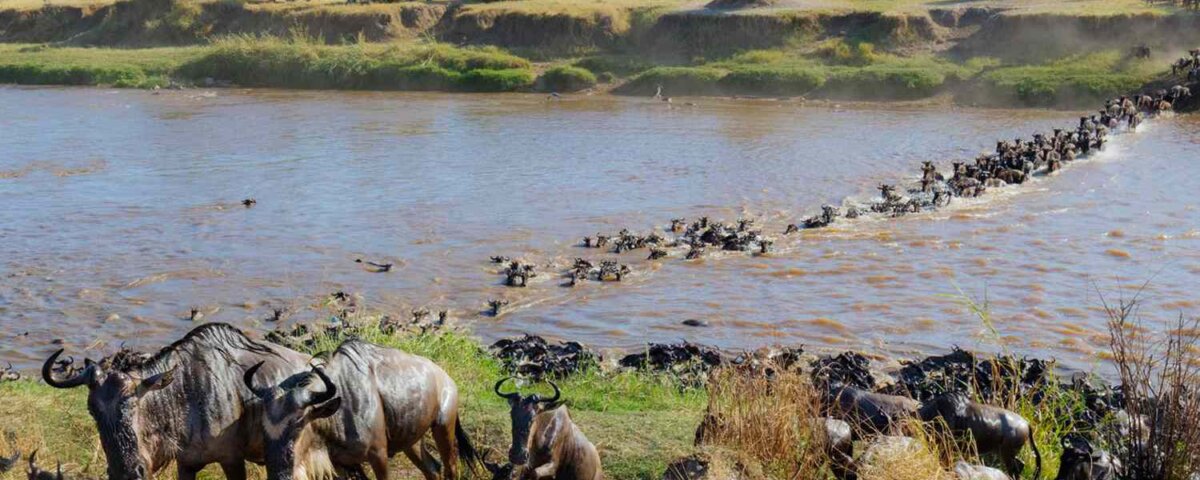
Where Can I See Wildebeest Migration
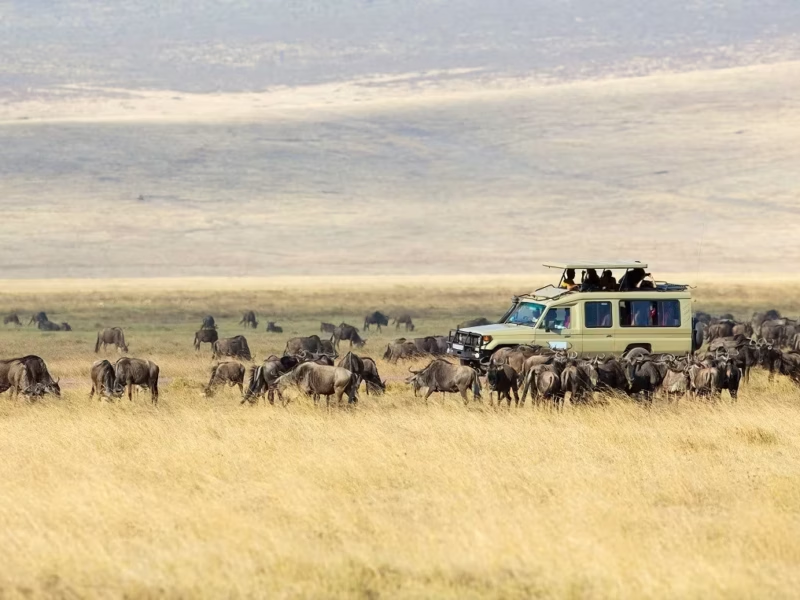
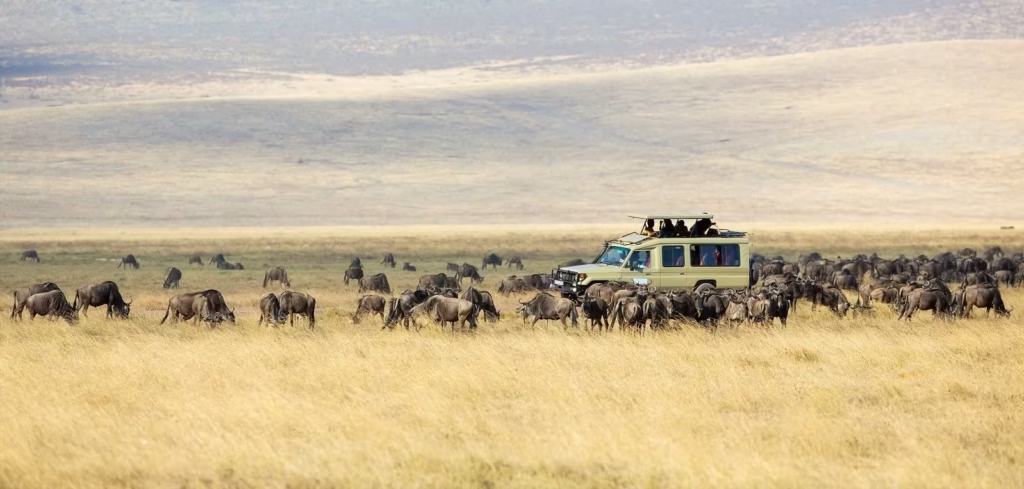
Where can I see wildebeest migration? This question often comes from travelers who dream of watching thousands of wildebeest move across open African plains in search of fresh grass and water. The answer depends on the time of year, because the Great Migration follows rainfall and changing grazing conditions rather than a fixed route. The main migration takes place within the Serengeti ecosystem in Tanzania and the Maasai Mara ecosystem in Kenya. However, Tanzania offers some of the most important stages of the journey, from the calving grounds in the south to the northern plains near the Mara River. For travelers who want a deeper wildlife experience, understanding where the herds move can make planning much easier. Instead of choosing a destination based only on popular travel months, you can match your safari dates with the region where the wildebeest are most likely to gather. This approach creates a more realistic opportunity to experience the migration while also allowing time to enjoy resident wildlife, beautiful landscapes, and the wider culture of Tanzania.
Combined Uganda, Kenya, Rwanda and Tanzania Safaris
17 days Kenya Tanzania and Uganda safari
19 Days Uganda Kenya and Tanzania Safari
16 Days Kenya Tanzania and Uganda Safari
14 Days Kenya Uganda and Tanzania Safari
14 Days Kenya Uganda and Rwanda Safari
12 Day Gorilla Trekking and Tanzania Safari
Where Can You See the Wildebeest Migration in Tanzania?
Tanzania provides some of the best places to see wildebeest migration because much of the annual journey takes place across the Serengeti ecosystem. The most important areas include the southern Serengeti, Ndutu, central Serengeti, western Serengeti, and northern Serengeti. Each region offers a different stage of the migration, so your ideal destination depends heavily on when you plan to travel.
The southern Serengeti and Ndutu area often attract large herds during the calving season. Here, the landscape becomes a nursery for thousands of newborn wildebeest, while predators such as lions, cheetahs, and hyenas take advantage of the abundance of young animals. As the year progresses, the herds gradually move through the central and western Serengeti before reaching the northern parts of Tanzania.
The northern Serengeti becomes especially important as the herds approach the Mara River. This area can provide opportunities to witness one of the most dramatic stages of the journey, although river crossings remain unpredictable.
For travelers seeking a well planned migration experience, Giant Holiday Safaris can help match the safari route with the expected seasonal movement of the herds. The key is to understand that no single Serengeti location guarantees migration sightings throughout the year.
Where Can I See the Wildebeest Migration During Calving Season?
If your dream involves seeing newborn wildebeest and large herds gathered across green grasslands, the southern Serengeti and Ndutu region offer some of the most rewarding opportunities. The calving season usually occurs around the beginning of the year, when seasonal rains encourage fresh grass growth across the short grass plains.
During this period, thousands of wildebeest gather in the area because the fresh vegetation provides important food for mothers and their young. The sight of newborn calves taking their first steps creates a powerful wildlife experience. However, the abundance of young animals also attracts predators, making this season particularly interesting for travelers who want to observe natural hunting behavior.
The open landscape around Ndutu can make wildlife easier to spot, especially when large herds spread across the plains. In addition, travelers may encounter zebras and gazelles moving alongside the wildebeest.
However, rainfall patterns can change from year to year. Therefore, the exact timing of the calving season may vary. A flexible travel plan and current local information can improve your chances of seeing large concentrations of animals.
The calving season also provides a quieter lesson about the migration. While many travelers focus on dramatic river crossings, the birth of thousands of young animals represents one of the most important stages in the survival of the wildebeest population.
Where Can I See Wildebeest Migration in the Central Serengeti?
The central Serengeti offers excellent wildlife viewing throughout much of the year and can become part of the migration route as the herds move between southern and northern grazing areas. The region also provides a strong combination of migrating animals and resident wildlife, making it valuable for travelers who want more than one type of safari experience.
The Seronera Valley forms one of the best known wildlife areas in central Serengeti. Its permanent water sources support wildlife even when seasonal conditions change. As a result, travelers can often find lions, leopards, cheetahs, elephants, giraffes, and many antelope species alongside migrating herds.
The central region can also work well for travelers who want to combine migration viewing with classic game drives. Instead of focusing entirely on following the wildebeest, visitors can explore the wider ecosystem and observe how different species interact.
The timing of the herds changes according to rainfall and grazing conditions. Therefore, the central Serengeti may offer stronger migration opportunities during certain periods than others.
For first time visitors, this region can provide a balanced safari experience. Even if the main herds move beyond the area, the resident wildlife ensures that your game drives remain rewarding.
This makes central Serengeti an important part of a well designed Tanzania safari, particularly for travelers who want to experience the migration without depending on one specific wildlife event.
Where Can I See the Migration in Western Serengeti?
Western Serengeti offers another important stage of the wildebeest migration. The region includes the Grumeti area, where the landscape changes from the open grasslands of the southern Serengeti to more wooded and riverine environments.
The Grumeti River attracts attention because it forms part of the migration route. During the period when herds move through the western Serengeti, the river can create challenges for animals as they continue their journey toward northern grazing grounds.
However, travelers should understand that the Grumeti River crossings do not follow a guaranteed schedule. The size of the herds, rainfall, water levels, and grazing conditions can all influence animal movements.
The western Serengeti also provides excellent wildlife opportunities beyond the migration. Travelers may encounter large crocodiles near water sources, as well as hippos, lions, elephants, giraffes, and a wide range of bird species.
Because this region often receives fewer visitors than some of the most famous safari areas, it can provide a more intimate atmosphere. Travelers who value privacy and quieter game drives may find the western Serengeti especially appealing.
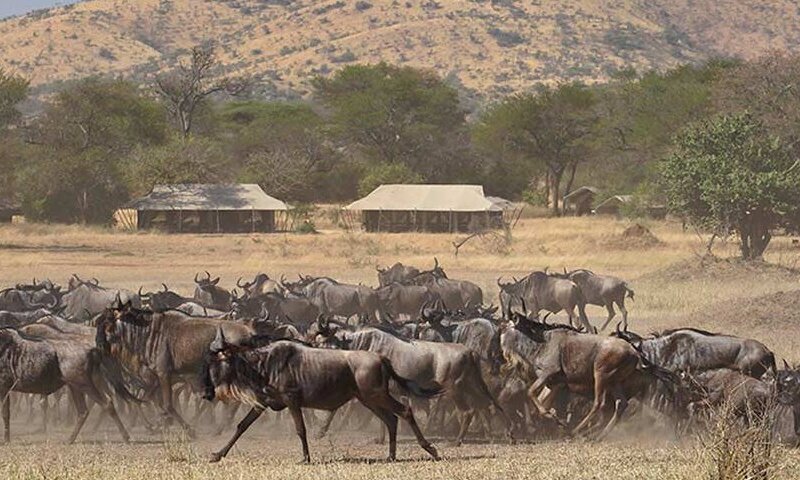
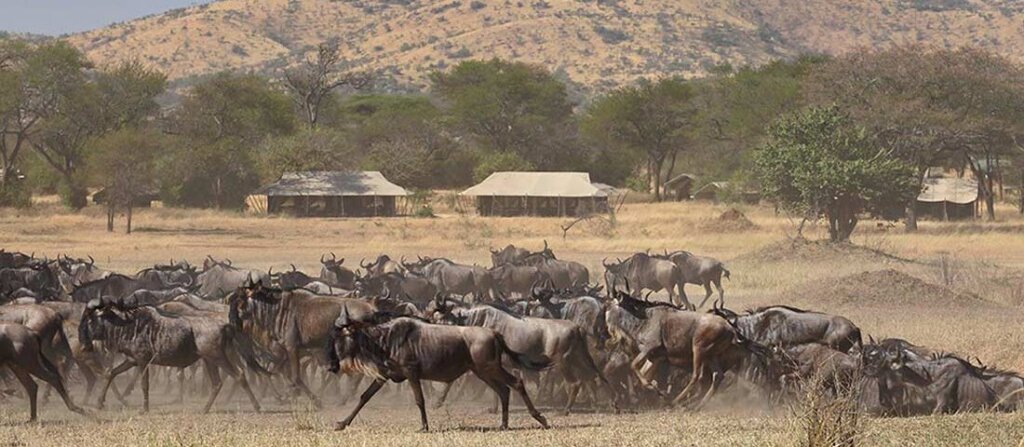
Choosing accommodation near the migration route can also improve the experience. Mobile camps may offer greater flexibility during seasonal movements, while permanent lodges provide consistent comfort and facilities.
Therefore, western Serengeti deserves consideration for travelers who want to experience the migration while exploring a less crowded part of Tanzania.
Where Can I See Wildebeest Migration Near the Mara River?
The northern Serengeti is one of the most sought after areas for travelers hoping to see wildebeest near the Mara River. During the later stages of the migration, large herds may move into northern Tanzania as they search for fresh grazing and water.
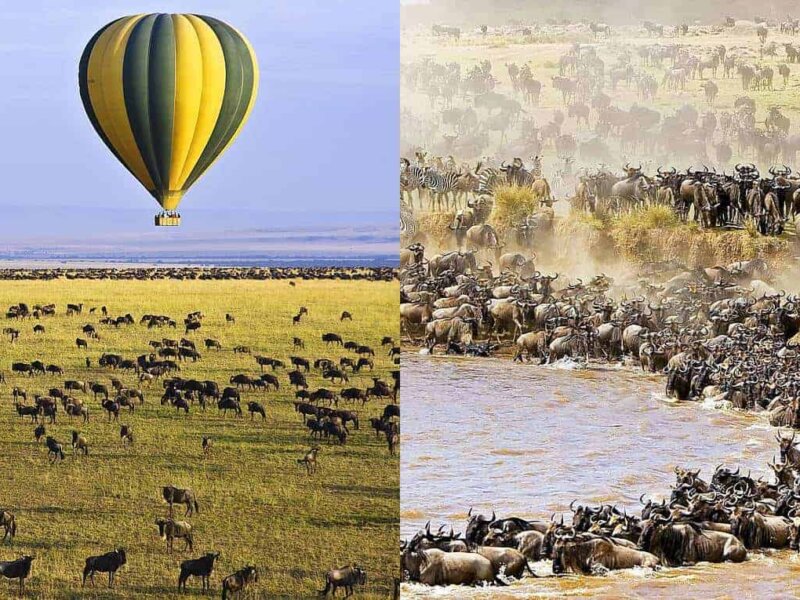
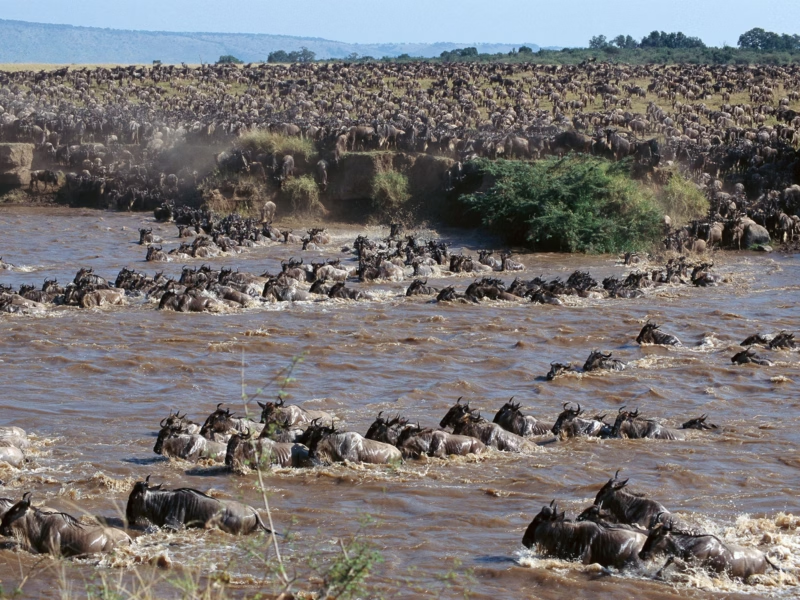
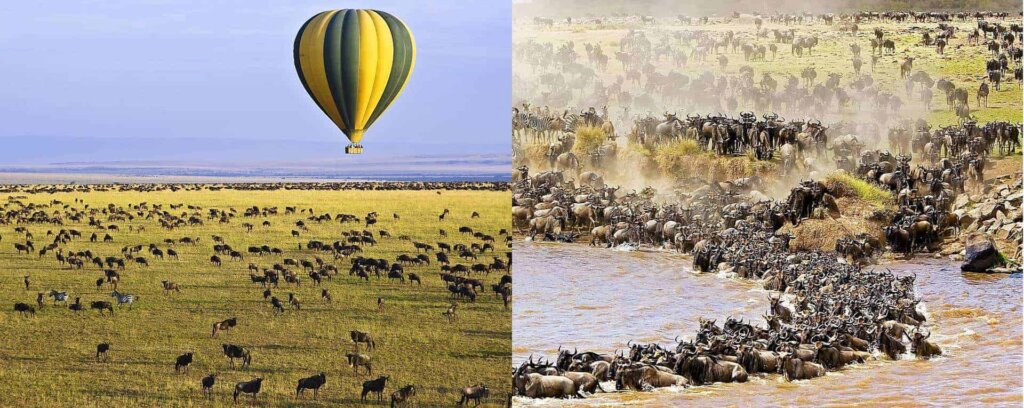
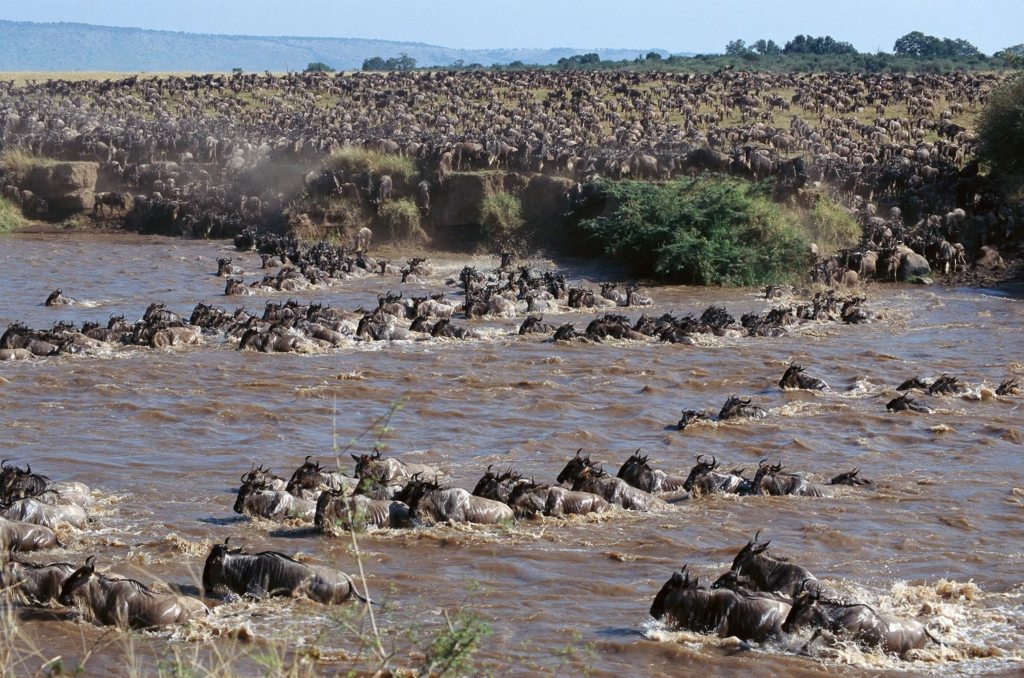
The Mara River creates one of the most dramatic natural obstacles along the migration route. When animals gather near the riverbanks, they may spend hours waiting before suddenly attempting to cross. The moment can become intense as wildebeest and zebras navigate steep banks, strong currents, and deep water.
However, travelers should remember that a river crossing remains a natural event. Animals may cross at a different location, change direction, or wait until the following day. Sometimes, large herds may remain near the river without crossing at all.
This uncertainty makes the experience both exciting and challenging. Travelers should avoid choosing a safari solely because they expect to see a crossing on a particular day.
The northern Serengeti also offers excellent wildlife beyond the migration. Visitors can encounter resident lions, elephants, giraffes, leopards, and many other species.
For the best experience, consider staying several nights in the region rather than visiting for only one day. More time increases your opportunity to observe natural behavior and enjoy the wider ecosystem.
Can I See the Wildebeest Migration in Kenya?
Yes, travelers can see the wildebeest migration in Kenya, particularly in the Maasai Mara National Reserve and surrounding conservancies. The migration naturally crosses international borders because wildlife does not recognize political boundaries.
After moving through the northern Serengeti, large herds may enter Kenya in search of fresh grazing. The Mara ecosystem provides important grasslands and water sources that support the animals during this stage of their journey.
The Maasai Mara is famous for wildlife viewing, and travelers may encounter wildebeest alongside zebras, gazelles, lions, cheetahs, leopards, and other species. The landscape also provides opportunities to explore the migration from a different perspective.
However, the migration does not remain in Kenya for the entire year. The herds eventually move back toward Tanzania as environmental conditions change.
Therefore, travelers should choose between Tanzania and Kenya based on their preferred experience and travel dates. Tanzania offers a longer stretch of the migration cycle, including the southern calving grounds, while Kenya provides opportunities to experience the northern section of the journey.
Some travelers choose to combine both countries. This approach can create a broader migration experience, although it requires additional planning, border arrangements, and travel time.
Ultimately, both destinations offer remarkable wildlife experiences, but Tanzania remains especially attractive for travelers who want to follow more stages of the annual migration.
Where Can I See the Wildebeest Migration Throughout the Year?
The wildebeest migration moves through different parts of the Serengeti ecosystem throughout the year. Therefore, the best place to see the herds depends on the season you choose for your safari.
At the beginning of the year, the southern Serengeti and Ndutu region often attract large concentrations of wildebeest during calving season. As the months progress, the herds gradually move toward central and western areas.
Later in the year, the northern Serengeti becomes an important destination as the animals approach the Mara River and eventually move into Kenya. After spending time in the northern regions, the herds begin their journey south again.
This continuous movement creates opportunities for wildlife viewing during different seasons. However, the experience changes throughout the year. One season may focus on newborn calves, while another may offer large herds moving across open plains.
Weather patterns influence the timing, so travelers should avoid treating migration calendars as exact schedules. Instead, use them as general guides.
A knowledgeable safari operator can help you understand recent conditions and choose a region that matches your travel dates.
For travelers with flexible schedules, this approach can make it easier to plan around the migration. For those with fixed dates, choosing the right region becomes even more important.
The migration is therefore best understood as a year round ecological journey rather than a short event that happens in one location.
What Is the Best Month to See the Wildebeest Migration?
The best month to see the wildebeest migration depends on the part of the journey you want to experience. Since the herds follow rainfall and fresh grazing, their movements can change from one year to another. Therefore, travelers should choose their safari dates based on the type of wildlife experience they value most.
The early part of the year often attracts travelers interested in the calving season. During this time, the southern Serengeti and Ndutu area can become home to large concentrations of wildebeest. The green landscape and presence of newborn calves create excellent opportunities for wildlife viewing and photography. In addition, predators often become more active because young animals provide vulnerable prey.
As the year progresses, the herds move northward through the Serengeti. Later months can provide opportunities to see large groups approaching the Mara River, although the exact timing of crossings remains uncertain. Travelers who want to experience this stage should allow enough time in the northern Serengeti rather than relying on a single game drive.
The best month therefore depends on your personal interests. If you want to see newborn animals, consider the calving season. If you dream of watching herds gather near rivers, consider the northern migration period. Most importantly, remember that the Great Migration follows nature, so flexibility remains essential.
Is the Serengeti the Best Place to See Wildebeest Migration?
The Serengeti remains one of the best places to see the wildebeest migration because it supports a large part of the annual journey. The ecosystem provides extensive grasslands, seasonal water sources, and diverse habitats that allow millions of herbivores to move naturally across the landscape.
One major advantage of choosing the Serengeti involves the variety of experiences available within one ecosystem. Travelers can explore the southern plains during calving season, visit central areas for year round wildlife, travel toward the western Serengeti, or head north toward the Mara River.
The Serengeti also supports a wide range of resident animals. Even when the main wildebeest herds move into another region, travelers can continue to see lions, elephants, leopards, cheetahs, giraffes, hippos, and many other species. This makes the destination valuable for travelers who want a complete safari rather than one focused only on the migration.
However, the Serengeti covers a vast area. Choosing the right location within the ecosystem matters greatly. Staying in the wrong region at the wrong time can reduce your chances of finding large herds.
For that reason, travelers should consider seasonal herd movements when selecting camps and lodges. A carefully planned route can provide a much better experience than simply booking accommodation in the Serengeti without considering location.
Should You Choose Tanzania or Kenya for Wildebeest Migration?
Choosing between Tanzania and Kenya depends on the type of migration experience you want. Both countries form part of the same ecosystem, and the wildebeest naturally move between them during their annual journey.
Tanzania offers an advantage for travelers who want to experience several stages of the migration. The southern Serengeti provides opportunities during the calving season, while the central and western regions become important as the herds move north. The northern Serengeti then provides opportunities to experience the later stages of the journey.
Kenya’s Maasai Mara becomes particularly important when the herds move across the border. The region offers excellent wildlife viewing and a beautiful landscape with open grasslands and riverine areas.
The choice also depends on travel style. Tanzania offers a large and varied safari circuit, while Kenya can provide a more compact wildlife experience in the Maasai Mara region. Some travelers may prefer to focus on one country, while others may enjoy combining both destinations.
Travelers should also consider accommodation availability, travel time, budget, and the specific season of their visit. If your main goal involves the calving season, Tanzania may offer a stronger fit. If you want to focus on the northern section of the migration, Kenya can also provide excellent opportunities.
Ultimately, neither country offers a guaranteed migration experience on a specific day. The animals move freely, so your destination should match the season and your broader safari interests.
How Many Days Do You Need for the Experience
The number of days you need to see the wildebeest migration depends on your itinerary, travel dates, and the stage of the migration you want to experience. However, allowing several nights in the right region usually gives you a better opportunity than making a short visit.
A one or two night stay may work if the herds remain close to your camp, but it leaves little room for changes in animal movements. The migration does not operate on a fixed timetable, so the animals may move away from one area just before your arrival.
A longer stay allows your guide to explore different areas and follow fresh information about herd movements. It also gives you time to enjoy other wildlife rather than spending every game drive searching for wildebeest.
For travelers visiting during calving season, several days in the southern Serengeti or Ndutu area can provide opportunities to observe newborn animals and predator activity. Those hoping to see river crossings may benefit from spending multiple nights in the northern Serengeti.
A complete Tanzania safari can also include other destinations such as the Ngorongoro Conservation Area or Tarangire National Park. This creates a more balanced experience and reduces the pressure to see everything during one migration focused stay.
Ultimately, the ideal length depends on your priorities. However, giving yourself enough time remains one of the smartest ways to improve your chances of enjoying the migration without feeling rushed.
How Can You Plan a Safari to See Wildebeest Migration?</h2>
Planning a safari around the wildebeest migration requires careful attention to timing, location, accommodation, and transport. First, decide which part of the migration interests you most. Your answer will help determine the best region for your trip.
Next, consider your travel dates. If your dates remain flexible, you have more freedom to choose a region based on seasonal movements. If your dates are fixed, select the destination that normally offers the strongest opportunities during that period.
Accommodation also matters. Camps and lodges located close to seasonal wildlife areas can reduce long daily drives. Mobile camps may offer additional flexibility because they can follow seasonal movements, while permanent lodges provide stable facilities and comfort.
Your transport arrangements also deserve attention. Road safaris allow you to explore the landscape at a slower pace and enjoy wildlife encounters along the way. Domestic flights can save time when traveling between distant regions.
A reliable safari company should also explain that migration sightings cannot come with absolute guarantees. Instead, your operator should use experience, current local knowledge, and seasonal patterns to build a realistic itinerary.
Giant Holiday Safaris can help travelers consider these factors when planning a Tanzania safari focused on wildlife and seasonal migration movements.
The strongest itinerary combines realistic expectations with flexibility. Rather than planning your entire trip around one crossing or one herd location, create an experience that remains rewarding even when nature changes the schedule.
What Should You Pack for this Safari?
Packing for a wildebeest migration safari requires practical clothing and equipment that can handle changing weather and long hours in the bush. Although safari destinations offer comfort and luxury, travelers spend much of their time outdoors, so preparation matters.
Lightweight clothing works well during warm days, while a warm layer can help during cool mornings and evenings. Neutral colors can also help you blend into the natural environment. Comfortable walking shoes remain useful for activities outside the vehicle, while a hat and sunglasses can provide protection from the sun.
Binoculars can improve wildlife viewing, especially when animals remain far from the vehicle. A camera with extra memory cards and batteries can also help travelers capture memorable moments.
A small day bag can hold personal essentials during game drives. Sunscreen, insect repellent, personal medication, and reusable water bottles can also prove useful.
Travelers should avoid bringing unnecessary luggage because some safari vehicles and small aircraft have limited storage. If your itinerary includes domestic flights, check baggage restrictions before packing.
Most importantly, prepare for changing conditions. Rain can occur during some seasons, while dusty roads may affect visibility during dry periods.
The right packing approach helps you remain comfortable while focusing on the wildlife experience. After all, the goal of a migration safari involves spending more time enjoying the Serengeti and less time worrying about what you forgot to bring.
How Can You See Wildebeest Migration Responsibly?
Responsible wildlife viewing plays an important role in protecting the Great Migration for future generations. Millions of animals depend on the Serengeti and Maasai Mara ecosystems, and tourism should support conservation rather than place unnecessary pressure on wildlife.
During game drives, visitors should follow park regulations and respect guidance from professional drivers and guides. Vehicles should maintain appropriate distances from animals and avoid surrounding wildlife. Responsible guides understand that a good photograph should never come at the expense of animal welfare.
Travelers can also support conservation by choosing safari operators that value local communities and environmental protection. Tourism creates employment for guides, drivers, camp staff, and other workers, while responsible businesses can contribute to conservation initiatives.
Reducing waste also matters. Travelers can carry reusable water bottles and avoid unnecessary single use plastics where possible. In addition, visitors should never leave rubbish in protected areas.
Respect for local communities remains equally important. Tanzania and Kenya have diverse cultures, and travelers should approach cultural experiences with genuine interest and respect.
Responsible tourism creates a stronger connection between visitors, wildlife, and local communities. When travelers make thoughtful choices, they help ensure that future generations can experience the same remarkable natural spectacle.
The wildebeest migration belongs to a much larger ecosystem. Protecting that ecosystem requires cooperation among governments, conservation groups, local communities, tourism businesses, guides, and travelers.
What Other Wildlife Can You See During the Safari
One of the greatest advantages of planning a safari around the wildebeest migration involves the opportunity to see many other species. The Serengeti ecosystem supports an extraordinary range of wildlife, so travelers can enjoy excellent game viewing even when they are not watching migrating herds.
Lions often follow large concentrations of herbivores because abundant prey creates feeding opportunities. Cheetahs may hunt across open plains, while leopards often remain hidden in woodland areas. Hyenas also play an important role in the ecosystem and may appear near large herds.
Elephants, giraffes, buffaloes, hippos, and various antelope species add further variety to game drives. The Serengeti also supports hundreds of bird species, making the destination attractive to birdwatchers.
During the calving season, predators may become particularly active because young wildebeest provide vulnerable prey. Later in the year, travelers may encounter dramatic scenes as large herds move through different habitats.
This variety means that a migration safari does not depend entirely on finding wildebeest. Even if the herds move beyond your immediate area, resident wildlife can continue to provide memorable encounters.
Therefore, travelers should approach the migration as part of a complete safari experience. The wider ecosystem often provides as many unforgettable moments as the main event itself.
How Can You Make the Most of a Wildebeest Migration Safari?
Making the most of a wildebeest migration safari requires the right combination of planning and patience. The animals follow natural patterns, so travelers should accept that some moments cannot be predicted.
Choosing the correct region for your travel season provides the foundation for a successful trip. However, staying for several nights can also improve your chances because wildlife movements may change during your visit.
A knowledgeable guide can make a major difference. Experienced guides understand animal behavior, read tracks, monitor seasonal conditions, and know how to navigate the ecosystem responsibly. They can also help travelers appreciate the smaller details that often go unnoticed.
Travelers should also avoid focusing entirely on photographs. Watching a herd move across the landscape, listening to birds, or observing predators from a respectful distance can create memories that no camera can fully capture.
It also helps to keep your itinerary balanced. Combining the migration with other Tanzanian destinations can provide a broader understanding of the country’s wildlife and landscapes.
Most importantly, remain patient. You may not see a river crossing or a massive herd on your first game drive. However, the waiting itself forms part of the safari experience.
The Great Migration rewards travelers who allow nature to lead the experience. With realistic expectations, good planning, and an open mind, your safari can become far more meaningful.
Choosing the Right Place for Your Adventure
Where can I see wildebeest migration? The answer depends on when you travel and what you hope to experience. Tanzania offers some of the best opportunities because the Serengeti ecosystem supports many stages of the annual journey. From the southern plains and Ndutu calving grounds to the central Serengeti, western regions, and northern areas near the Mara River, each destination offers a different perspective.
Travelers who want to see newborn calves may prefer the southern Serengeti during the calving season. Those who want to explore a broader wildlife experience can consider central Serengeti, where resident animals remain throughout the year. The western Serengeti offers a quieter atmosphere and access to the Grumeti region, while the northern Serengeti provides opportunities to experience the later stages of the migration.
Kenya’s Maasai Mara also forms an important part of the journey and can provide excellent wildlife viewing when herds cross the border.
However, the most important lesson remains simple: the migration follows nature. Rainfall, grazing, water, and environmental conditions influence every movement. Therefore, no responsible safari professional can guarantee a specific crossing or herd location on a particular date.
The best approach involves matching your travel dates with the most suitable region, allowing enough time for wildlife viewing, and remaining flexible. When you plan your trip this way, where can I see wildebeest migration becomes more than a simple destination question. It becomes the beginning of a journey into one of Africa’s greatest natural spectacles, where every season brings a new story across the Serengeti plains.