Which Month Is Best for Great Migration Safari
July 29, 2026
What Animals Migrate in Serengeti
July 29, 2026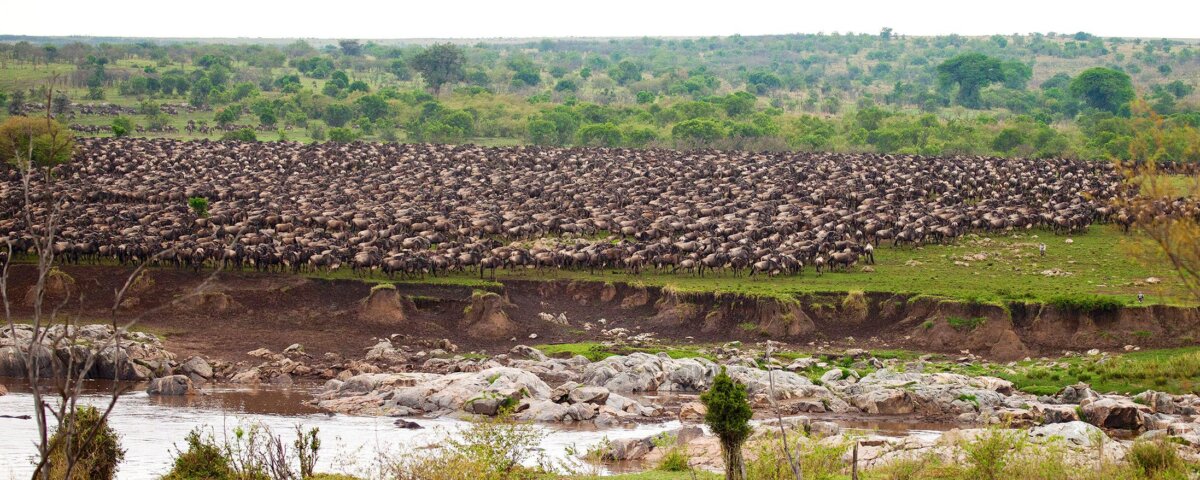
Can I See River Crossings in Serengeti
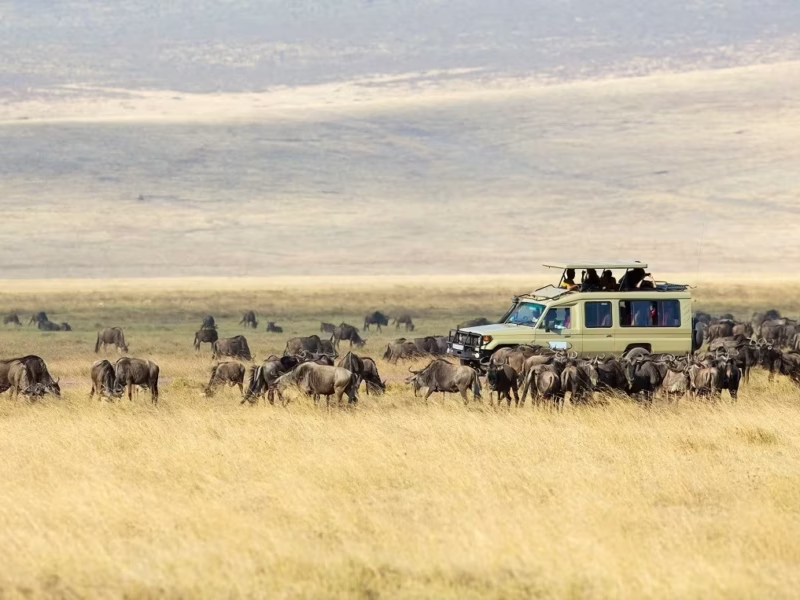
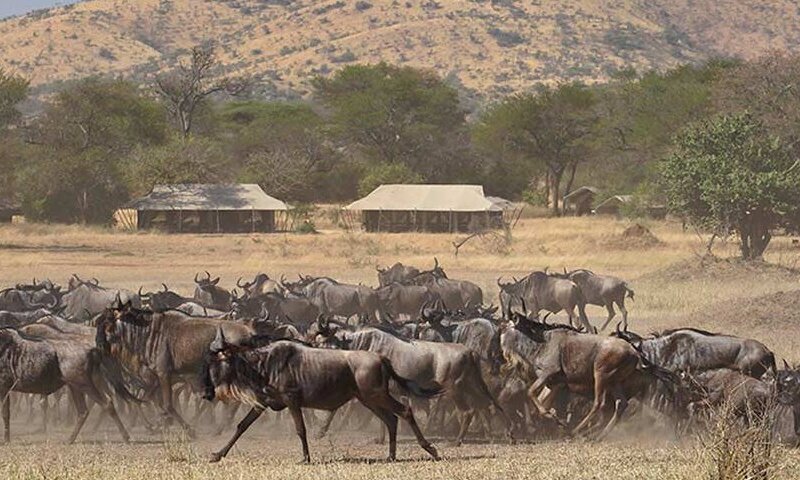
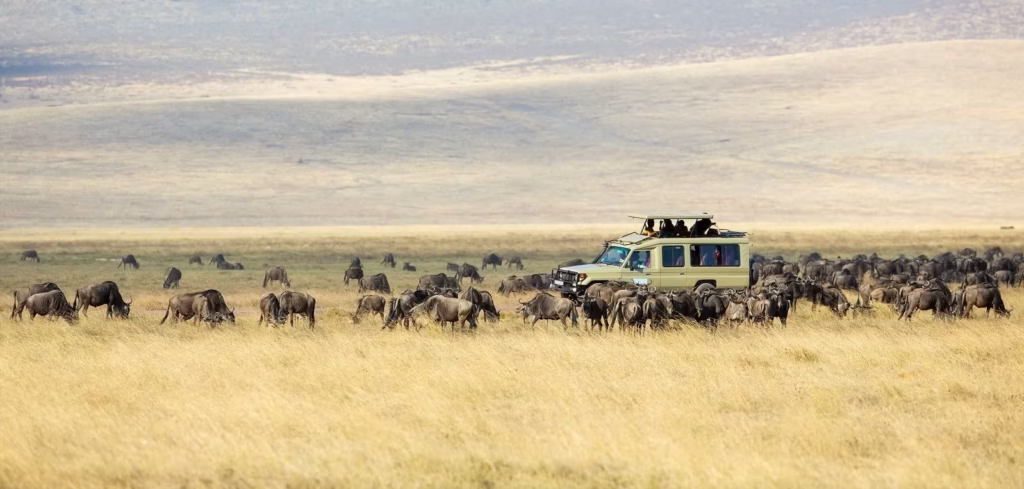
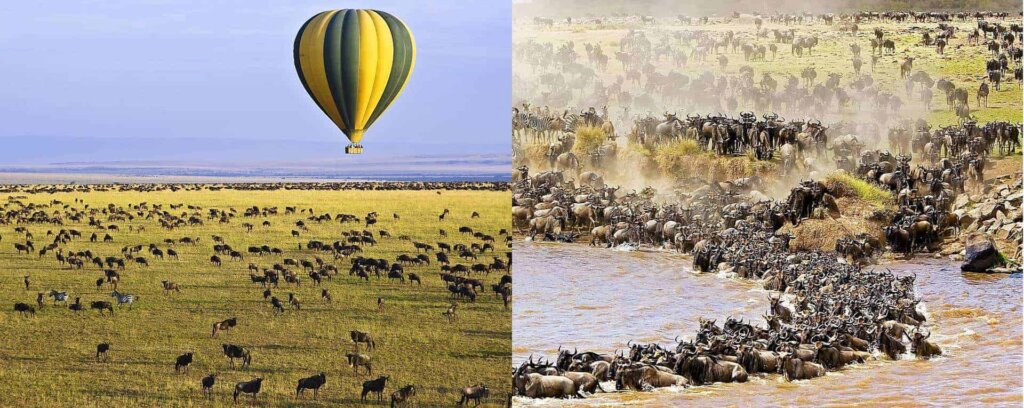
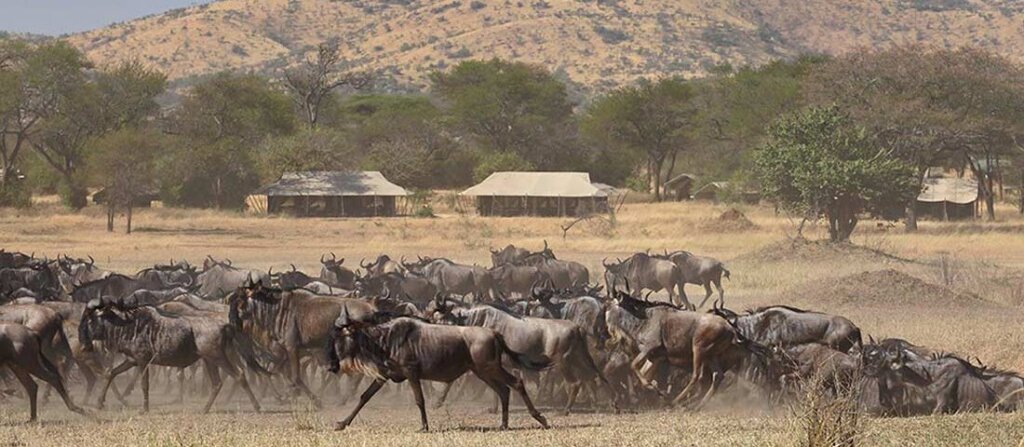
Can I see river crossings in Serengeti? Yes, travelers can experience river crossings during the Great Migration, especially when large herds of wildebeest and zebras move through the northern Serengeti toward the Mara River. However, witnessing a crossing requires good timing, patience, and a little luck because wildlife does not follow a fixed travel schedule. The herds may gather near the river for hours or even days before crossing, and sometimes they may change direction without warning. This unpredictability forms part of what makes the experience so powerful. The Serengeti offers more than one dramatic moment, though. Travelers can also enjoy excellent wildlife viewing, beautiful landscapes, and encounters with resident animals throughout the year. Therefore, anyone planning a safari around river crossings should focus on the wider experience rather than expecting one guaranteed event. By choosing the right season, staying in a suitable location, and allowing enough time for game drives, you can greatly improve your chances of experiencing this extraordinary part of the Great Migration.
Combined Uganda, Kenya, Rwanda and Tanzania Safaris
17 days Kenya Tanzania and Uganda safari
19 Days Uganda Kenya and Tanzania Safari
16 Days Kenya Tanzania and Uganda Safari
14 Days Kenya Uganda and Tanzania Safari
14 Days Kenya Uganda and Rwanda Safari
12 Day Gorilla Trekking and Tanzania Safari
Where Can I See River Crossings in the Serengeti
The northern Serengeti provides some of the best opportunities to see river crossings during the Great Migration. The Mara River forms an important part of the migration route as large herds of wildebeest and zebras move northward in search of fresh grazing and water. The river itself creates a natural barrier that the animals must navigate as they continue their journey.
Travelers usually focus on areas of the northern Serengeti located close to the Mara River. However, the exact location of the herds can change quickly. The animals may gather on one section of the river and then move several kilometers before attempting to cross. Therefore, staying close to the migration zone gives travelers a better chance of finding active herds.
The northern Serengeti also offers excellent wildlife viewing beyond the migration. Lions, leopards, elephants, giraffes, buffaloes, and many antelope species live in the region. This means your safari can remain rewarding even if the herds do not cross while you are watching.
Choosing accommodation in the right location can make a significant difference. Giant Holiday Safaris can help travelers plan around seasonal migration patterns and select an itinerary that balances river crossing opportunities with broader wildlife experiences.
When Is the Best Time to See Serengeti River Crossings
The best time to see river crossings in the Serengeti generally falls during the period when the migrating herds reach the northern Serengeti and the Mara River. This usually occurs during the later part of the dry season, although exact timing can change each year.
Rainfall plays a major role in determining when the wildebeest move. If rain arrives early in one region, the animals may change their route sooner than expected. Likewise, dry conditions can encourage the herds to remain in an area longer as they search for available water and grazing.
For this reason, travelers should view migration calendars as general guides rather than exact schedules. A particular month may offer strong possibilities, but no safari company can honestly guarantee that a river crossing will happen on a specific day.
The best strategy involves staying in the northern Serengeti for several nights. More time gives you a better chance of encountering herds near the river and allows your guide to respond to changing wildlife movements.
Travelers should also remember that river crossings form only one stage of the migration. The northern Serengeti offers outstanding wildlife viewing even when no crossing takes place. By planning your safari around the wider ecosystem, you can enjoy a richer experience and avoid disappointment if nature follows a different path.
Why Are River Crossings So Unpredictable
River crossings remain unpredictable because wildebeest and zebras make their own decisions based on natural conditions. The animals do not follow a timetable created for safari visitors. Instead, they respond to factors such as water levels, weather, predators, grazing, and the behavior of the herd.
A large group may gather near a riverbank and appear ready to cross. Yet, after several hours, the animals may turn around and move away. Another group may suddenly enter the water without much warning.
This uncertainty often creates a tense atmosphere for travelers. You may spend hours watching animals gather while waiting for something to happen. Then, without warning, the entire scene can change within minutes.
Predators also influence the behavior of the herds. Crocodiles live in parts of the Mara River and can create additional danger for animals entering the water. Lions and other predators may also remain nearby, particularly when large numbers of exhausted animals reach the opposite bank.
River crossings also depend on the physical condition of the river. Strong currents, steep banks, and changing water levels can influence where animals choose to cross.
Therefore, travelers should approach the experience with patience. The uncertainty does not reduce the value of the safari. Instead, it makes every successful crossing feel authentic because you witness a natural event that unfolds without human control.
What Happens During a Wildebeest River Crossing
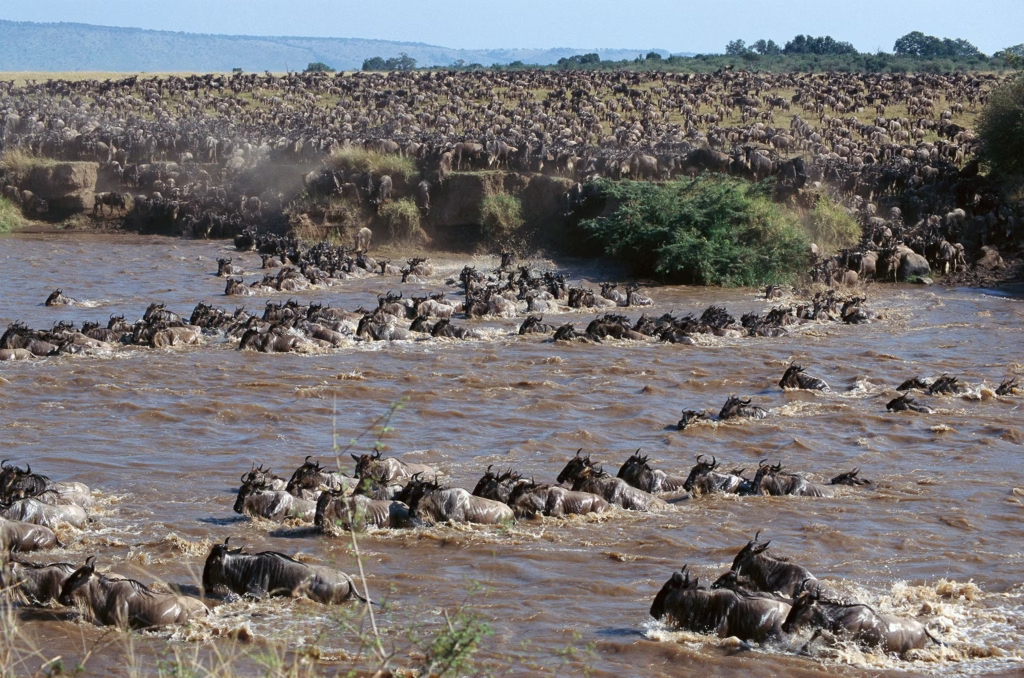
A wildebeest river crossing can become one of the most dramatic experiences in African wildlife tourism. Before a crossing begins, large herds may gather near the riverbank. Animals often move back and forth as they assess the water and the surrounding landscape.
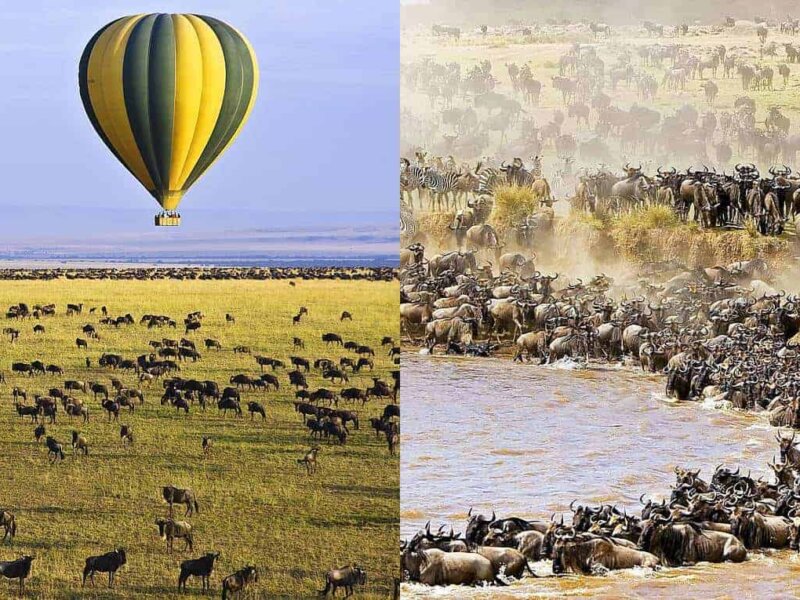
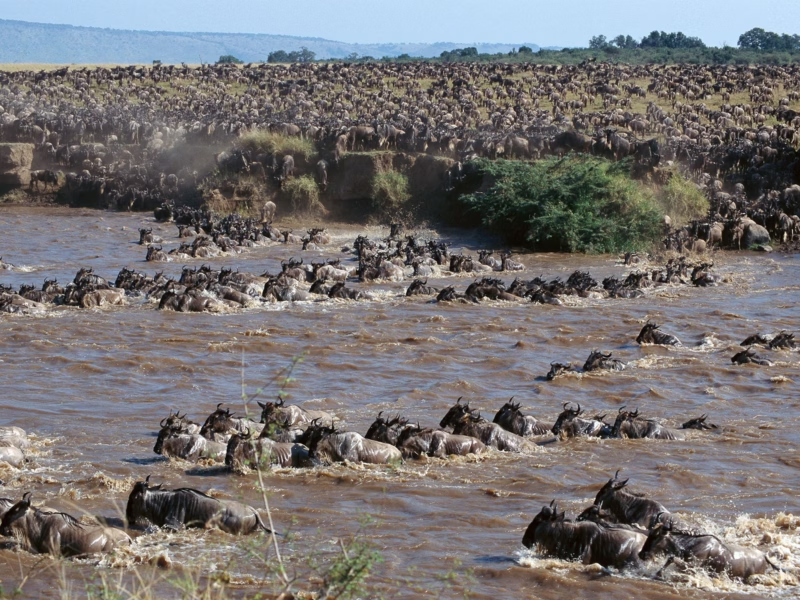
Once the first animals enter the river, others may quickly follow. Thousands of wildebeest and zebras can move through the water, creating a powerful scene filled with movement and energy.
The crossing can become difficult because animals must navigate steep riverbanks and strong currents. Some may struggle to climb out on the opposite side, while others may turn around and attempt to return.
Crocodiles may wait in the water, creating another natural danger. However, travelers should remember that the river crossing represents only one part of a much larger survival journey. The animals face challenges before and after reaching the river.
The scene can also attract predators that wait near crossing points. Lions and other carnivores may take advantage of exhausted or separated animals.
Despite the drama, responsible safari viewing remains important. Drivers should maintain appropriate distances and avoid creating additional stress for wildlife. Travelers should also understand that nature does not perform on demand.
A river crossing becomes meaningful because it happens naturally. The best experience comes from observing the event with patience and respect rather than trying to influence what happens.
Can You See River Crossings Every Day During Migration Season
No, travelers cannot expect to see river crossings every day during migration season. Even when large herds remain in the northern Serengeti, the animals may spend several days moving through the area without crossing the river.
The Great Migration involves millions of animals moving across a huge ecosystem. Different groups may reach the river at different times, and some herds may cross while others remain on the same side.
This explains why travelers can spend several days near the Mara River without witnessing a crossing. The experience requires patience and realistic expectations.
However, spending more time in the area can improve your chances. If you stay for several nights, your guide can explore different sections of the river and monitor herd movements.
The surrounding wildlife also makes the northern Serengeti worthwhile. Even on a day without a crossing, you may see predators, elephants, giraffes, hippos, and other wildlife.
Travelers should therefore avoid judging the success of a safari by whether they see one particular event. The Serengeti offers a complete ecosystem filled with natural experiences.
A good safari itinerary gives you enough time to enjoy the region without feeling pressured to find a crossing immediately. When you allow nature to set the pace, the experience becomes more relaxed and rewarding.
Are Mara River Crossings Safe for the Wildebeest
Mara River crossings form part of the natural survival cycle of the Great Migration, but they involve significant risks for the animals. Wildebeest and zebras must navigate deep water, strong currents, steep riverbanks, and the presence of crocodiles.
Some animals may fall or become separated from the herd during the crossing. Others may struggle to climb the opposite bank. These challenges can lead to natural deaths, which form part of the ecosystem and provide food for predators and scavengers.
However, the risks do not mean that every crossing ends in tragedy. Large numbers of animals successfully cross the river and continue their journey toward fresh grazing.
The dangers also demonstrate why the migration remains such an important ecological event. The animals must constantly adapt to their environment, and the strongest individuals continue the journey.
For travelers, observing a river crossing can provide insight into the realities of wildlife survival. The experience may feel dramatic, but it represents a natural process that has occurred for generations.
Safari guides should help visitors understand the behavior they witness without interfering. Vehicles should maintain safe distances, and travelers should avoid shouting or making unnecessary movements that could disturb animals.
Ultimately, the river crossing highlights the delicate balance between survival and danger that defines life in the Serengeti.
What Other Wildlife Can You See Near the Mara River
The Mara River area offers much more than wildebeest crossings. The northern Serengeti supports a rich collection of wildlife, making it a rewarding safari destination even when migrating herds are not crossing.
Crocodiles often rest along the riverbanks, while hippos spend time in deeper pools. These animals create fascinating opportunities for wildlife observation and photography.
On land, travelers may encounter lions, leopards, cheetahs, elephants, giraffes, buffaloes, and different species of antelope. Predators often remain active in areas where large numbers of herbivores gather.
Birdlife also adds another dimension to the experience. The river and surrounding habitats attract different bird species, making the region valuable for travelers who enjoy combining wildlife viewing with birdwatching.
The landscape itself can also create memorable moments. Open grasslands, rolling hills, riverine vegetation, and distant herds provide a classic African safari setting.
This variety makes the northern Serengeti a strong destination for travelers who want to experience the Great Migration without focusing entirely on river crossings.
Even if the herds remain on the opposite side of the river, your game drives can still provide excellent sightings. A good guide will help you explore the broader ecosystem and find wildlife according to current conditions.
Therefore, the Mara River should serve as one highlight of your safari rather than the only reason for visiting the northern Serengeti.
How Do Safari Guides Help Travelers Find River Crossings
Experienced safari guides play an important role in helping travelers experience river crossings. Since the migration changes constantly, guides rely on their knowledge of the ecosystem, recent wildlife movements, weather conditions, and information from other guides in the area.
A good guide understands that finding a river crossing requires more than simply driving to the nearest riverbank. The guide must observe animal behavior and recognize signs that a herd may be preparing to move.
Guides may also explore different sections of the river rather than remaining in one location. This approach can improve opportunities because animals may choose unexpected crossing points.
However, professional guides also understand the importance of patience. They should not pressure wildlife or create unnecessary disturbances to force a better viewing position.
The best guides also explain what travelers see. Instead of simply pointing toward a herd, they can help visitors understand why the animals gather, how predators influence behavior, and why the river forms such an important part of the migration.
This knowledge transforms the experience from simple sightseeing into meaningful learning.
Travelers should therefore consider the quality of guiding when planning a migration safari. A knowledgeable guide can make a major difference, especially when the main goal involves observing unpredictable wildlife behavior.
Even when a crossing does not happen, a skilled guide can help you discover other wildlife experiences that make your safari worthwhile.
What Should You Expect When Waiting for a River Crossing
Waiting for a river crossing can test your patience, but it can also become one of the most memorable parts of the safari. Large herds may gather near the river without crossing for hours.
During this time, you may watch animals graze, rest, drink water, or move along the riverbank. The atmosphere can change quickly as the herd becomes more active.
Sometimes, the first animals may approach the water before retreating. At other times, a crossing may begin suddenly, giving travelers little time to prepare.
The waiting period teaches an important lesson about wildlife tourism. Nature operates according to its own rhythm. Travelers cannot control when an animal decides to move.
A good guide can make the waiting experience more enjoyable by explaining animal behavior and exploring nearby areas when appropriate.
You may also encounter other wildlife while waiting. Birds, crocodiles, hippos, and predators can create interesting sightings even when the wildebeest remain stationary.
Travelers should therefore bring patience and avoid expecting continuous action. The quiet moments can be just as valuable as the dramatic ones.
When a crossing finally begins, the long wait can make the experience feel even more rewarding. You have watched the animals prepare, waited for their decision, and finally witnessed a natural event unfold before you.
Can Families and Children See River Crossings in the Serengeti
Families can experience the Great Migration and, with careful planning, may have opportunities to see river crossings. However, parents should consider the age and patience of their children when planning this type of safari.
River crossings often involve long periods of waiting. Young children may become restless when animals remain near the river without crossing. Therefore, families should choose an itinerary that combines migration viewing with other activities.
The northern Serengeti offers excellent wildlife experiences beyond river crossings. Children may enjoy watching elephants, lions, giraffes, zebras, and other animals during regular game drives.
Families should also choose accommodation carefully. Some camps and lodges welcome children, while others apply age restrictions or recommend certain ages for specific activities.
Parents should discuss their children’s ages with their safari operator before booking. This allows the itinerary to match the family’s needs.
A knowledgeable guide can also make the experience more engaging for children by explaining animal behavior in simple and exciting ways.
Families should avoid making the entire trip depend on seeing a river crossing. Instead, the migration should form one part of a broader safari adventure.
With the right planning, children can learn about wildlife, conservation, ecosystems, and natural behavior while enjoying one of Tanzania’s most remarkable landscapes.
How Can You Photograph a Serengeti River Crossing
Photographing a river crossing requires preparation, patience, and respect for wildlife. The action can happen quickly, so travelers should keep their cameras ready while waiting for the herd to move.
A telephoto lens can help capture animals from a safe distance. However, travelers should avoid focusing only on close up images. Wider photographs can show the scale of the herd and the surrounding landscape.
Lighting also changes throughout the day. Early morning and late afternoon can provide softer light, while midday conditions may create stronger shadows.
Travelers should also consider photographing the moments before and after a crossing. Herds gathering near the river, animals climbing the opposite bank, and exhausted individuals resting can create powerful images.
Most importantly, photography should never interfere with wildlife. Travelers should not pressure drivers to move too close to animals or block other vehicles.
The best photographs often come from patience rather than aggressive positioning. A skilled guide can help you find a suitable viewing location while maintaining responsible distances.
Remember that the experience matters more than the photograph. Sometimes, putting the camera down and watching the scene directly can create the strongest memory.
A river crossing happens only once in a particular moment. No photograph can fully replace the feeling of witnessing thousands of animals move through the landscape.
What Makes Serengeti River Crossings Different From Other Safari Experiences
Serengeti river crossings stand apart from ordinary game drives because they involve large scale animal movement and intense natural behavior. A typical game drive may involve searching for individual animals or small groups. A river crossing can involve thousands of animals moving together through a challenging environment.
The scale creates a unique atmosphere. The sight of wildebeest gathering along the riverbank can stretch across the landscape, while zebras move among them.
The event also involves uncertainty. You may know that herds have reached the river, but you cannot know exactly when they will cross.
This unpredictability creates emotional tension. Travelers watch and wait while animals make their own decisions.
The experience also demonstrates the connection between different species. Wildebeest, zebras, crocodiles, predators, birds, and scavengers all form part of the same ecosystem.
For many travelers, this makes the river crossing more meaningful than a simple wildlife sighting. It provides a chance to observe survival, movement, and natural behavior on a remarkable scale.
However, travelers should remember that the Great Migration offers many other experiences. Calving season, predator encounters, open plains, and resident wildlife can create equally memorable moments.
Therefore, river crossings should form part of a complete Serengeti adventure rather than the sole measure of a successful safari.
How Can You Plan a Responsible River Crossing Safari
Planning a responsible river crossing safari begins with choosing a safari company that respects wildlife and conservation regulations. The popularity of the Great Migration creates pressure on sensitive areas, so responsible tourism remains essential.
Your guide should maintain a respectful distance from wildlife and avoid aggressive driving. Vehicles should not surround animals or block their natural routes.
Travelers should also respect park rules and avoid littering. Small actions can help protect the Serengeti environment for wildlife and future visitors.
Choosing accommodation that supports conservation can also make a difference. Some camps and lodges use solar energy, reduce waste, manage water carefully, and support nearby communities.
Travelers can further contribute by supporting local employment and businesses. Tourism creates opportunities for guides, drivers, camp staff, and communities connected to the safari industry.
Responsible travel also means accepting that nature does not guarantee a particular experience. A good safari operator should never promise a river crossing on a specific date simply to secure a booking.
Instead, the operator should explain the seasonal patterns, possible risks, and realistic expectations.
When travelers approach the experience responsibly, they become part of a tourism system that can help protect the Serengeti.
The goal should not simply involve seeing a river crossing. It should involve experiencing the wilderness while helping preserve the ecosystem that makes the migration possible.
How Can You Make Your Serengeti River Crossing Safari More Memorable
Making your river crossing safari memorable requires more than choosing the right season. The quality of your overall itinerary can have a major influence on your experience.
Start by allowing enough time in the northern Serengeti. A rushed visit may leave you with limited opportunities to observe the herds.
Next, choose accommodation that provides convenient access to migration areas. The right location can reduce long drives and give you more time for wildlife viewing.
Work with an experienced guide who understands the Serengeti ecosystem. Good guiding can help you find wildlife, understand animal behavior, and appreciate the smaller details around you.
You should also remain open to unexpected experiences. Perhaps you will witness a river crossing, or perhaps you will spend a quiet morning watching elephants near a water source. Both experiences can become treasured memories.
Consider combining your northern Serengeti visit with other parts of Tanzania. A safari that includes different ecosystems can provide a more complete understanding of the country’s wildlife.
Finally, practice patience. The most memorable safari moments often happen when travelers stop chasing a particular event and simply observe nature.
A river crossing can become unforgettable because of the anticipation, the uncertainty, and the raw beauty of the moment. Give yourself time to experience all of it.
Why a Serengeti River Crossing Is Worth Experiencing
Can I see river crossings in Serengeti? Yes, you can, especially when you visit the northern Serengeti during the period when migrating wildebeest and zebras reach the Mara River. However, the experience requires patience because river crossings remain unpredictable. The herds may gather near the river for hours, move to another location, or cross when you least expect it.
The best way to improve your chances involves choosing the right season, staying in the northern Serengeti for several nights, and working with an experienced guide who understands seasonal wildlife movements. At the same time, travelers should keep their expectations realistic. No responsible safari company can promise that a crossing will happen on a particular day.
The northern Serengeti offers much more than river crossings. Lions, elephants, leopards, crocodiles, hippos, giraffes, and countless bird species create rewarding wildlife experiences throughout the region.
Ultimately, can I see river crossings in Serengeti should not only be a question about whether you will witness one dramatic event. It should also lead you to explore the wider story of the Great Migration and the remarkable ecosystem that supports it. When you approach the safari with patience, flexibility, and respect for nature, the journey can become an unforgettable experience whether you watch thousands of wildebeest cross the river or simply witness the quiet moments that surround one of Africa’s greatest wildlife spectacles.