Are Kenya safaris open year-round?
August 3, 2026
Which Kenya safari is best for birding?
August 3, 2026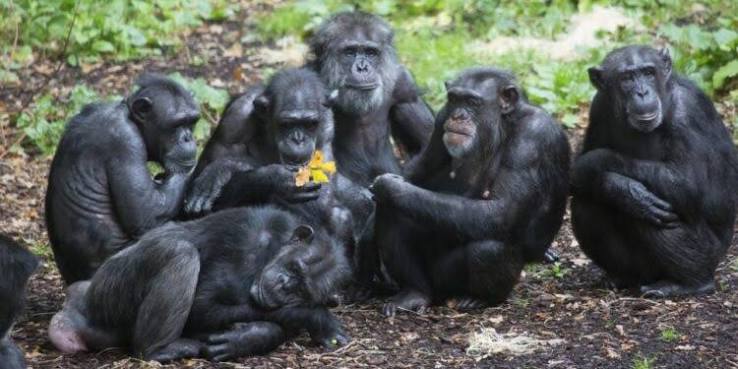
Can You See Chimpanzees in Kenya?
Kenya has earned global recognition as one of Africa’s leading safari destinations because of its extraordinary wildlife, diverse landscapes, and strong conservation efforts. Millions of travelers visit Kenya every year to experience unforgettable encounters with lions, elephants, giraffes, rhinos, leopards, and the breathtaking natural events that define African safaris. However, many wildlife enthusiasts often ask an important question before planning their journey: can you see chimpanzees in Kenya?
The answer is yes, but the experience differs from traditional chimpanzee trekking found in some other East African countries. Kenya does not have large wild chimpanzee populations living freely across its forests. Instead, the country provides special opportunities to observe chimpanzees through dedicated conservation programs that protect rescued animals and educate visitors about their importance.
Chimpanzees remain among the most fascinating animals on Earth because of their intelligence, emotional connections, communication skills, and close relationship with humans. Seeing them in Kenya offers more than a simple wildlife encounter. It creates an opportunity to understand conservation, animal welfare, and the responsibility humans have toward protecting endangered species.
Furthermore, Kenya’s approach to chimpanzee tourism reflects the country’s wider commitment to responsible wildlife experiences. Modern travelers increasingly search for meaningful adventures that support conservation while creating unforgettable memories. A chimpanzee visit in Kenya fits perfectly into this growing style of responsible travel.
Although Kenya is famous for open savannah landscapes, the country continues to expand its wildlife experiences beyond the traditional safari. Visitors can explore conservation centers, learn from expert guides, and discover how dedicated organizations protect vulnerable species.
Combined Uganda, Kenya, Rwanda and Tanzania Safaris
17 days Kenya Tanzania and Uganda safari
19 Days Uganda Kenya and Tanzania Safari
16 Days Kenya Tanzania and Uganda Safari
14 Days Kenya Uganda and Tanzania Safari
14 Days Kenya Uganda and Rwanda Safari
12 Day Gorilla Trekking and Tanzania Safari
Understanding the Presence of Chimpanzees in Kenya
To understand where you can see chimpanzees in Kenya, it is important to first understand their natural habitat and distribution across Africa. Chimpanzees naturally live in tropical forests located mainly in Central and parts of East Africa. These forests provide everything chimpanzees need, including fruit trees, shelter, water sources, and large areas where social groups can move freely.
Unlike countries with extensive rainforest ecosystems, Kenya’s natural environment consists mainly of savannah grasslands, mountain regions, coastal forests, and semi-arid landscapes. These habitats support incredible wildlife diversity, including some of the world’s most famous safari animals. However, they do not provide the large scale forest environment required for naturally occurring chimpanzee communities.
Despite this limitation, Kenya plays an important role in chimpanzee protection and conservation. The country has developed specialized facilities that provide safe environments for rescued chimpanzees. These programs focus on rehabilitation, research, education, and long-term animal care.
This conservation approach allows visitors to experience chimpanzees while learning about the challenges these animals face throughout Africa. Habitat destruction, illegal wildlife trade, and human activities continue to threaten chimpanzee populations in their natural environments. Conservation centers help create awareness and encourage stronger protection measures.
Moreover, visiting chimpanzee facilities in Kenya supports a different type of wildlife tourism. Instead of simply observing animals in the wild, travelers gain knowledge about rescue efforts, animal behavior, and conservation strategies. This creates a deeper connection between visitors and Africa’s wildlife heritage.
Therefore, while Kenya does not offer large-scale wild chimpanzee trekking experiences, it remains an important destination for people who want to understand and support chimpanzee conservation.
Where Can You See Chimpanzees in Kenya?
The most recognized location for seeing chimpanzees in Kenya is the Sweetwaters Chimpanzee Sanctuary, located within the famous Ol Pejeta Conservancy. This sanctuary provides a protected home for chimpanzees that cannot return safely to the wild due to previous experiences involving illegal wildlife trade, captivity, or other difficult circumstances.
Sweetwaters Chimpanzee Sanctuary offers visitors a rare chance to observe these intelligent primates in a safe and carefully managed environment. The sanctuary creates conditions that allow chimpanzees to interact naturally, develop social relationships, and display behaviors similar to those found in wild communities.
During a visit, travelers can observe chimpanzee groups as they communicate, play, climb, search for food, and interact with one another. These moments reveal the incredible intelligence and emotional complexity of chimpanzees. Visitors often discover that chimpanzees share many behaviors with humans, including strong family bonds and advanced problem-solving abilities.
Additionally, the sanctuary focuses heavily on education. Experienced guides explain chimpanzee history, individual personalities, conservation challenges, and the importance of protecting primates across Africa. This educational approach transforms the visit into a meaningful wildlife experience rather than a simple sightseeing activity.
Another advantage of visiting Sweetwaters Chimpanzee Sanctuary involves combining the experience with other wildlife adventures. Ol Pejeta Conservancy is home to diverse species, including rhinos, lions, elephants, and many other animals. Travelers can therefore enjoy both chimpanzee conservation and traditional safari activities in one destination.
For visitors seeking a unique addition to their Kenya itinerary, a chimpanzee sanctuary visit provides an unforgettable opportunity to discover another side of African wildlife conservation.
Why Chimpanzee Experiences in Kenya Are Worth Visiting
Chimpanzee experiences in Kenya offer a special type of wildlife adventure because they focus on understanding rather than only observation. Traditional safaris often create excitement through dramatic encounters with large animals, while chimpanzee visits create emotional connections through learning about behavior, intelligence, and conservation.
Chimpanzees are among the closest living relatives to humans. Their ability to communicate, solve problems, use tools, and maintain strong social relationships makes them fascinating creatures. Watching them interact provides valuable insight into animal intelligence and the importance of protecting biodiversity.
Furthermore, chimpanzee conservation experiences support responsible tourism. Every visitor contributes to awareness about endangered species and helps promote conservation efforts. Tourism revenue can support animal care, education programs, and continued protection initiatives.
Another reason these experiences are valuable involves the educational impact they create. Visitors leave with a better understanding of wildlife challenges across Africa. They learn how human actions affect natural ecosystems and why protecting endangered animals requires global cooperation.
In addition, chimpanzee encounters provide a peaceful and reflective experience. Instead of searching through large landscapes for wildlife, visitors spend time observing social behaviors and understanding individual animals. This slower approach allows travelers to appreciate the complexity of nature.
Moreover, chimpanzee visits complement Kenya’s famous safari attractions. A traveler can enjoy the excitement of watching predators hunt, witness massive herds across the plains, and then experience the intelligence of chimpanzees in a conservation setting.
For international travelers seeking a deeper African experience, chimpanzee conservation visits add educational value and emotional meaning to a Kenya safari.
Chimpanzee Conservation and Kenya’s Commitment to Wildlife Protection
Kenya has built a strong reputation for wildlife conservation because of its dedication to protecting endangered species and preserving natural ecosystems. The country’s conservation efforts extend beyond famous safari animals and include programs that protect vulnerable species such as chimpanzees.
Although chimpanzees are not naturally widespread in Kenya, conservation programs demonstrate the country’s commitment to supporting wildlife protection across Africa. These initiatives highlight the importance of caring for animals affected by illegal activities, habitat destruction, and human conflict.
Chimpanzee conservation requires careful planning, specialized knowledge, and long-term dedication. Experts must provide proper nutrition, medical care, social environments, and protection. These responsibilities require significant resources and continued support from conservation organizations and responsible tourism.
Additionally, conservation programs create important educational opportunities. Visitors gain knowledge about wildlife challenges and discover practical ways they can support conservation. This connection between tourism and education strengthens global awareness.
Kenya’s conservation model shows that wildlife tourism involves more than taking photographs. It involves protecting ecosystems, supporting communities, and creating sustainable solutions for future generations.
Furthermore, responsible travelers play an important role in this process. By choosing ethical wildlife experiences, visitors encourage tourism practices that respect animals and protect natural resources.
Chimpanzee conservation in Kenya represents a wider message about Africa’s wildlife future. Every protected animal, every educated visitor, and every conservation effort contributes toward preserving the continent’s incredible biodiversity.
Planning Your Chimpanzee Experience During a Kenya Safari
Planning a chimpanzee experience requires thoughtful preparation to create a comfortable and rewarding journey. Since chimpanzee visits usually form part of a larger Kenya safari, travelers should consider their complete itinerary, travel season, and preferred activities.
A good Kenya safari plan combines wildlife viewing, cultural experiences, conservation visits, and relaxation. Travelers can include a chimpanzee sanctuary visit alongside destinations such as national parks, conservancies, and scenic landscapes.
The dry seasons often attract many visitors because wildlife viewing conditions become excellent. During these periods, roads are generally easier to navigate, and travelers can comfortably combine different safari activities.
However, every season offers unique advantages. The rainy months bring fresh landscapes, fewer crowds, and beautiful photography opportunities. Travelers who prefer quieter experiences may enjoy visiting during these periods.
When preparing for a chimpanzee visit, travelers should also respect conservation guidelines. Following instructions, avoiding unnecessary disturbances, and listening carefully to guides help protect animal welfare.
Packing appropriately also improves the experience. Comfortable clothing, walking shoes, sun protection, and photography equipment allow visitors to enjoy their adventure fully.
Most importantly, travelers should approach chimpanzee experiences with curiosity and respect. These visits provide opportunities to learn, not only to observe.
A carefully planned chimpanzee encounter can become one of the most memorable parts of a Kenya safari because it combines wildlife, education, and conservation in one meaningful experience.
Combining Chimpanzee Encounters With Kenya’s Famous Safari Destinations
One of the greatest advantages of visiting Kenya is the ability to combine different wildlife experiences into one complete African adventure. A chimpanzee conservation visit can become an important part of a wider safari journey that introduces travelers to Kenya’s incredible landscapes, wildlife diversity, and cultural richness.
Kenya offers some of the most famous safari destinations in the world, each providing a different perspective of Africa’s natural beauty. After experiencing chimpanzee conservation, travelers can continue exploring areas known for their breathtaking scenery and unforgettable wildlife encounters.
The Maasai Mara National Reserve remains one of the most popular destinations for international travelers. The reserve features vast grasslands, large wildlife populations, and dramatic predator encounters. Visitors can experience lions resting under acacia trees, elephants moving across the plains, and thousands of wildebeest during the Great Migration season.
Another exceptional destination is Amboseli National Park, famous for its impressive views of Mount Kilimanjaro and large elephant herds. The park creates excellent photography opportunities and allows visitors to experience the relationship between wildlife and Kenya’s spectacular landscapes.
Travelers can also explore Lake Nakuru National Park, which provides opportunities to see rhinos, flamingos, and other bird species. These destinations show the incredible variety found within Kenya’s ecosystems.
Combining chimpanzee conservation with traditional safari experiences creates a balanced journey. Visitors experience both the excitement of open wilderness and the educational value of wildlife protection programs. This combination allows travelers to understand that African tourism involves more than seeing animals; it involves appreciating conservation efforts that protect them.
A well designed Kenya itinerary creates lasting memories because it connects visitors with different aspects of nature. From chimpanzee conservation centers to vast savannah plains, every experience contributes to a deeper appreciation of Africa’s wildlife heritage.
The Difference Between Chimpanzee Trekking and Chimpanzee Viewing in Kenya
Many travelers search for chimpanzee trekking experiences when planning an East African adventure. However, it is important to understand the difference between trekking and viewing because these activities provide completely different experiences.
Chimpanzee trekking usually takes place in natural forests where visitors walk through habitats searching for wild chimpanzee communities. This type of experience requires specific forest environments where chimpanzees naturally live. Countries with large rainforest ecosystems often provide these opportunities because wild chimpanzee populations thrive there.
Kenya offers a different experience. Instead of trekking through forests to find wild chimpanzees, visitors can observe rescued chimpanzees in a protected conservation environment. This allows travelers to see chimpanzee behavior while learning about rehabilitation, protection, and animal welfare.
Although the experiences differ, chimpanzee viewing in Kenya remains valuable. Visitors still witness social interactions, communication, intelligence, and unique personalities. The difference lies in the purpose behind the experience. Conservation visits focus strongly on education and supporting animals that need protection.
Furthermore, viewing chimpanzees in a sanctuary allows experts to explain the stories behind conservation work. Travelers gain knowledge about the challenges chimpanzees face across Africa and understand why rescue programs remain important.
For travelers who value responsible tourism, this type of encounter offers a meaningful alternative. It creates awareness while supporting efforts that improve the lives of rescued animals.
Therefore, visitors should approach chimpanzee experiences in Kenya with realistic expectations. While Kenya may not provide traditional wild chimpanzee trekking, it offers a powerful conservation experience that connects people with wildlife in a responsible way.
What Travelers Should Know Before Visiting Chimpanzees in Kenya
Before visiting chimpanzees in Kenya, travelers should understand how to prepare for a responsible and enjoyable experience. Good preparation improves comfort, protects wildlife, and allows visitors to gain the greatest value from their journey.
First, travelers should research the conservation facility they plan to visit. Understanding the purpose of the sanctuary helps visitors appreciate the work involved in caring for rescued chimpanzees. These facilities exist because many chimpanzees face serious threats caused by illegal trade, habitat loss, and human activities.
Second, visitors should follow all conservation rules during their experience. Wildlife centers create guidelines to protect both animals and guests. Respecting these rules helps reduce stress for chimpanzees and ensures that future visitors can continue enjoying the experience.
Photography is often an important part of wildlife tourism. However, travelers should always prioritize the well-being of animals over capturing images. Responsible photography means avoiding disruptive behavior and following instructions from guides.
Additionally, visitors should take time to listen and learn. Guides provide valuable information about chimpanzee behavior, conservation challenges, and the importance of protecting endangered species. These lessons create a stronger connection between travelers and wildlife.
Travelers should also consider supporting conservation through responsible choices. Booking ethical experiences, respecting local communities, and sharing conservation messages help strengthen wildlife protection efforts.
Furthermore, visitors should combine their chimpanzee experience with other activities in Kenya. Exploring national parks, meeting local communities, and discovering different landscapes creates a complete travel experience.
A well-prepared traveler gains more than photographs. They gain knowledge, appreciation, and unforgettable memories connected to Africa’s wildlife conservation story.
Why Kenya Remains One of Africa’s Best Wildlife Destinations
Kenya continues to attract travelers from around the world because it offers a rare combination of wildlife, landscapes, culture, and conservation experiences. The country has developed a strong reputation as a destination where visitors can experience nature while supporting efforts to protect it.
One of Kenya’s greatest strengths is its wildlife diversity. Few destinations can match the opportunity to see elephants, lions, rhinos, giraffes, zebras, and countless bird species within different ecosystems. Each region provides a unique environment and creates different adventure opportunities.
However, Kenya’s appeal extends beyond famous animals. The country also offers meaningful conservation experiences, including chimpanzee visits that highlight the importance of protecting vulnerable species. These experiences demonstrate that modern tourism focuses not only on entertainment but also on education and sustainability.
Moreover, Kenya’s tourism industry continues to improve through professional guiding, quality accommodation, and carefully planned safari services. Experienced guides help visitors understand wildlife behavior, ecosystems, and conservation challenges.
The country also provides excellent opportunities for cultural connection. Travelers can interact with local communities, discover traditional lifestyles, and gain a deeper understanding of the people who share these landscapes with wildlife.
Additionally, Kenya’s accessibility makes it an attractive destination for international visitors. Well-established safari routes and diverse travel options allow guests to create journeys that match their interests and schedules.
For travelers seeking authentic African experiences, Kenya delivers unforgettable moments. Whether observing chimpanzees in a conservation setting, watching elephants beneath Mount Kilimanjaro, or witnessing wildlife across the savannah, every experience contributes to a greater appreciation of Africa’s natural wonders.
Frequently Asked Questions About Seeing Chimpanzees in Kenya
Are chimpanzees naturally found in Kenya?
Chimpanzees do not have large natural populations living freely across Kenya’s forests. Their main natural habitats exist in other parts of Africa with extensive tropical forest environments. However, Kenya supports chimpanzee conservation through protected facilities that provide care and rehabilitation.
Where is the best place to see chimpanzees in Kenya?
The best-known location is Sweetwaters Chimpanzee Sanctuary within Ol Pejeta Conservancy. The sanctuary provides visitors with an opportunity to observe rescued chimpanzees while learning about conservation efforts.
Can I combine a chimpanzee visit with a Kenya safari?
Yes. A chimpanzee conservation visit combines well with Kenya’s famous safari destinations. Travelers can include chimpanzee experiences alongside visits to national parks, wildlife reserves, and cultural attractions.
Is visiting chimpanzees in Kenya suitable for families?
Yes. Chimpanzee conservation visits provide educational experiences suitable for families. Children and adults can learn about animal behavior, conservation, and the importance of protecting wildlife.
How long should I spend in Kenya for a chimpanzee and safari experience?
The ideal duration depends on the traveler’s interests. Many visitors choose multi-day itineraries that include chimpanzee conservation, national parks, and cultural experiences to create a complete African adventure.
Final Thoughts: Discover Kenya’s Wildlife Wonders With Giant Holiday Safaris
Seeing chimpanzees in Kenya offers a unique opportunity to experience wildlife conservation from a different perspective. Although Kenya does not have large wild chimpanzee populations, its conservation programs provide meaningful encounters that educate travelers and support the protection of these intelligent animals.
A chimpanzee experience adds depth to a Kenya safari because it highlights the importance of protecting wildlife beyond traditional game viewing. Travelers gain knowledge about animal behavior, conservation challenges, and the efforts required to preserve Africa’s natural heritage.
Kenya continues to stand as one of Africa’s most remarkable destinations because it combines breathtaking landscapes, incredible wildlife, rich cultures, and responsible tourism opportunities. From chimpanzee conservation centers to iconic national parks, the country offers experiences that create lasting connections between travelers and nature.
For travelers seeking a professionally organized African adventure, Giant Holiday Safaris provides expertly planned journeys designed around authentic wildlife experiences, conservation awareness, and unforgettable discoveries. With a commitment to quality service, knowledgeable guidance, and carefully designed safari experiences, Giant Holiday Safaris helps visitors explore Kenya with confidence while creating memories that last a lifetime.