Kenya Wildlife Photography Locations
May 1, 2026
Best Time to Visit Maasai Mara
May 1, 2026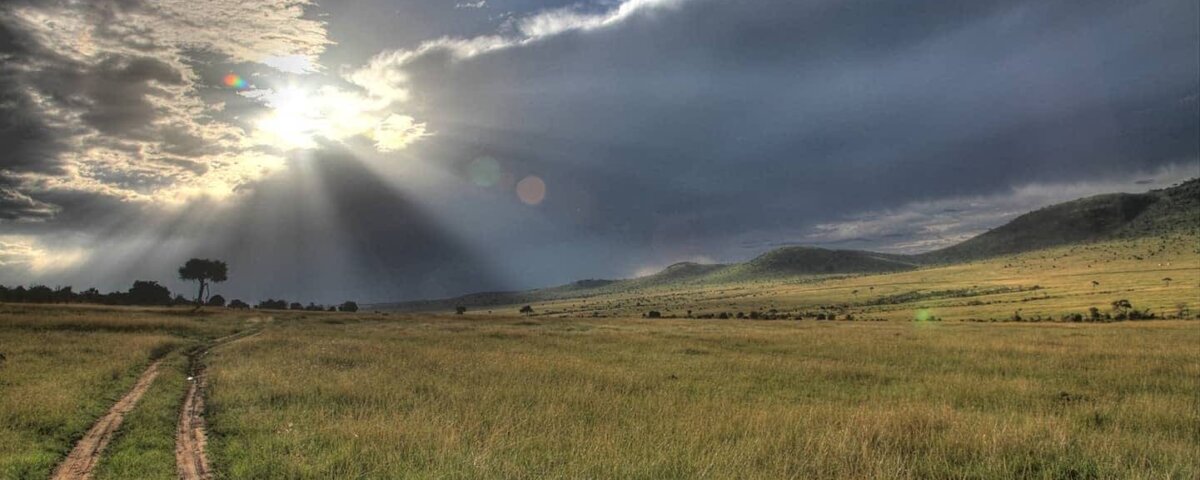
Maasai Mara Complete Guide
Maasai Mara Complete Guide: The Maasai Mara National Reserve in Kenya delivers one of the most powerful wildlife experiences on Earth. It combines vast golden savannahs, rich wildlife populations, and deep cultural heritage into a single unforgettable destination. Travelers from every continent choose the Maasai Mara because it offers consistent wildlife sightings, dramatic landscapes, and authentic African safari moments that feel raw and real.
This region plays a central role in Africa’s tourism industry. It supports conservation efforts, empowers local communities, and attracts global attention for its seasonal Great Migration. Every year, millions of wildebeest, zebras, and gazelles move across the plains in search of fresh grazing land. At the same time, predators such as lions, cheetahs, and crocodiles follow this movement, creating one of nature’s most intense survival stories.
This guide provides a clear, expert-level breakdown of the Maasai Mara safari experience. It helps travelers understand when to visit, what to expect, how to prepare, and how to make the most of every moment. It also highlights responsible tourism practices that protect wildlife and support the Maasai communities who call this land home.
Maasai Mara Complete GuideUnderstanding Maasai Mara: Geography, Terrain, and Wildlife
The Maasai Mara sits in southwestern Kenya and forms a key part of the greater Serengeti ecosystem. It connects seamlessly with Tanzania’s Serengeti National Park, allowing wildlife to move freely across vast open borders. This natural connection creates one of the most active and uninterrupted wildlife systems on the planet.
The landscape combines wide open savannahs, gentle rolling hills, river valleys, and scattered acacia trees. These features create a rich and supportive environment for diverse animal life. During game drives, travelers often encounter elephants, buffalo, giraffes, hyenas, zebras, and various antelope species within a single outing. The variety of sightings makes every drive unpredictable and exciting.
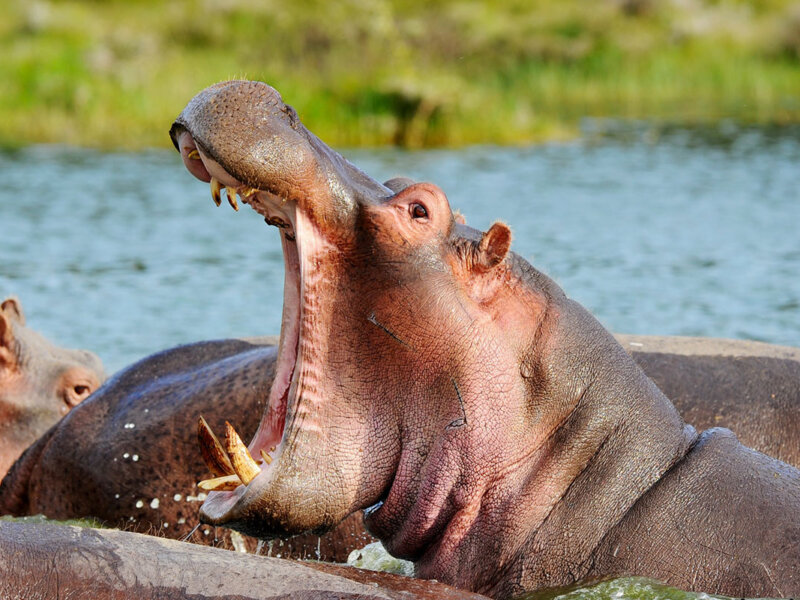
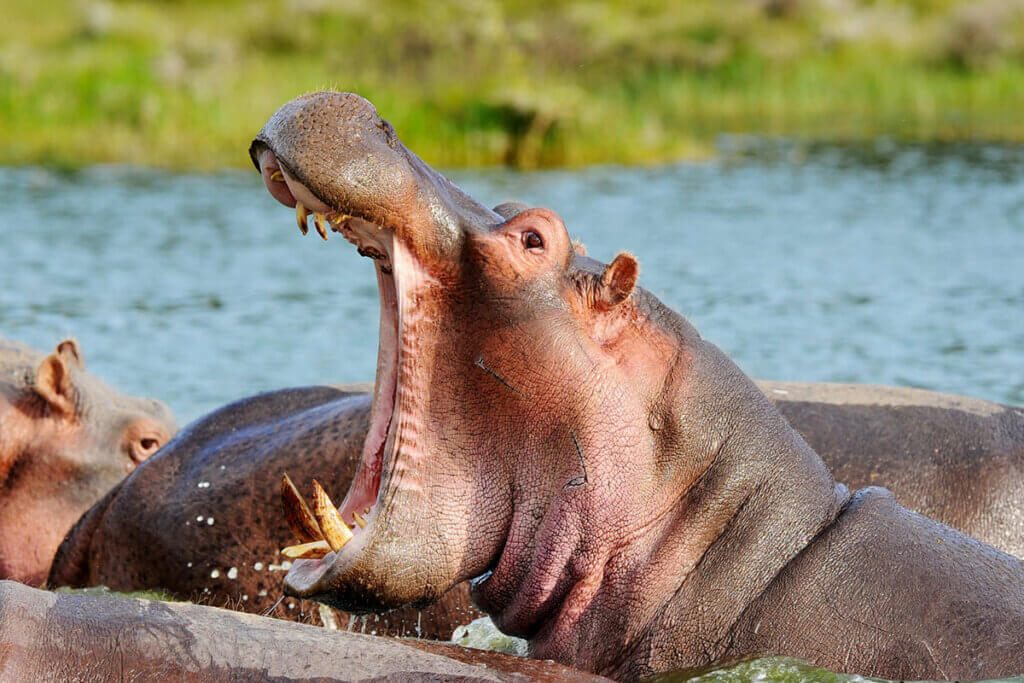
The Mara River adds another layer of ecological importance. It supports large populations of hippos and crocodiles, especially during the migration season when animal movement increases dramatically. These river crossings often become some of the most dramatic wildlife moments in Africa.
The reserve also protects the famous “Big Five,” which includes lions, elephants, leopards, rhinos, and buffalo. This strong presence of iconic wildlife makes the Maasai Mara one of the best places in Africa for consistent big game viewing.
Tourism experts continue to recognize the Maasai Mara as a flagship safari destination. It combines easy access, rich biodiversity, and reliable wildlife encounters, making it suitable for both first-time visitors and experienced safari travelers.
Maasai Mara Complete Guide: Best Time to Visit and Wildlife Viewing
The Maasai Mara delivers rewarding wildlife encounters throughout the year, but each season shapes the experience in a different way. Because weather and animal movement change constantly, timing your visit can influence what you see and how you experience the reserve.
The most popular travel window runs from July to October. During this period, the Great Migration reaches the Maasai Mara, filling the plains with massive herds of wildebeest, zebras, and gazelles. River crossings become the highlight as animals gather at the Mara River, where crocodiles wait and strong currents create intense survival moments. This season attracts photographers and wildlife enthusiasts who want dramatic, fast-moving action in the wild.
From November to March, the landscape turns greener after the short rains. Wildlife disperses more widely across the plains, which creates calmer game drives and steady animal sightings. Bird activity also increases during this time, making it a strong choice for birdwatching enthusiasts and travelers who prefer a quieter safari experience.
Between April and June, the long rains transform the region into a lush green environment. Although some roads may become muddy, the scenery becomes incredibly vibrant. Fewer visitors travel during this period, which often results in lower safari costs and more private wildlife encounters.
Overall, the Maasai Mara offers value in every season. The best time simply depends on whether a traveler wants high-intensity migration scenes, relaxed wildlife viewing, or budget-friendly travel conditions.
Maasai Mara Complete Guide: How to Get there Safely and Efficiently
Travelers can reach the Maasai Mara through road or air transport, depending on budget and time.
Road travel from Nairobi takes approximately five to six hours. The route passes through scenic landscapes, small towns, and viewpoints along the Great Rift Valley. This option suits travelers who enjoy road trips and want to experience Kenya’s countryside before entering the reserve.
Air travel provides a faster and more comfortable option. Several daily flights operate from Nairobi’s Wilson Airport to various airstrips inside the Maasai Mara. The flight takes about 45 minutes and offers aerial views of the savannah.
Once inside the reserve, safari operators handle transfers using 4×4 safari vehicles. These vehicles allow access to remote areas and improve wildlife viewing opportunities.
Planning transport in advance ensures smoother travel and reduces delays. Most safari packages include transportation, making it easier for international visitors to focus on the experience rather than logistics.
Maasai Mara Guide: Safari Experience and Wildlife Encounters
A safari in the Maasai Mara delivers intense wildlife encounters that feel both natural and unpredictable. Game drives usually take place early in the morning and late in the afternoon when animals stay most active.
Lions often dominate the experience. Large prides rest under acacia trees or hunt across open plains. Cheetahs use the wide grasslands to chase prey at high speeds, creating thrilling moments for visitors. Leopards stay more hidden but appear in riverine forests or tree branches.
Elephants move in family groups, showing strong social behavior and intelligence. Buffalo herds often gather in large numbers, especially near water sources. Rhinos appear less frequently but remain part of the ecosystem’s balance.
The Mara River adds another layer of drama. Crocodiles wait silently for migrating animals, while hippos dominate deeper waters. This ecosystem interaction creates one of the most powerful wildlife scenes on the planet.
Every game drive feels different because nature never repeats itself. This unpredictability builds excitement and keeps travelers engaged throughout their safari journey.
Maasai Mara Guide: Accommodation Options and Comfort in the Wild
The Maasai Mara offers a wide range of accommodation options that suit different budgets and travel styles. Luxury safari lodges provide high-end comfort with private decks, gourmet meals, and panoramic views of the savannah. These lodges often sit inside private conservancies, which offer exclusive game viewing experiences.
Mid-range tented camps deliver comfort while maintaining a close connection to nature. These camps include spacious tents, private bathrooms, and guided safari activities. They balance affordability with quality service.
Budget camps and public campsites cater to adventurous travelers who prefer simple facilities and shared spaces. These options allow visitors to experience the wilderness at a lower cost while still enjoying wildlife proximity.
Many accommodations focus on sustainability. They use solar energy, reduce waste, and support local employment. This approach strengthens eco tourism and helps protect the Maasai Mara ecosystem.
Choosing the right accommodation depends on comfort needs, budget, and desired safari experience. However, all options provide access to the same incredible wildlife environment.
Maasai Mara Complete Guide: Cultural Experiences with the Maasai People
The Maasai people play a key role in the identity of the Maasai Mara. Their culture, traditions, and lifestyle remain closely connected to the land and wildlife.
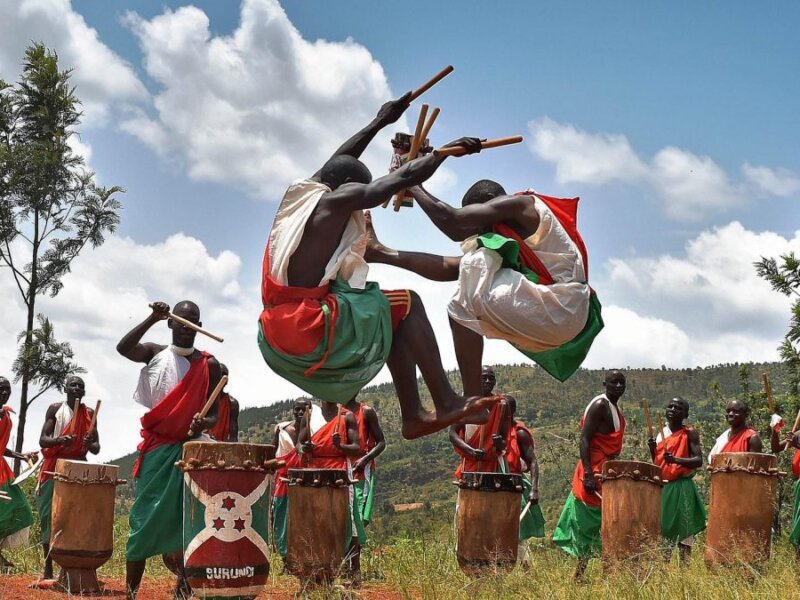
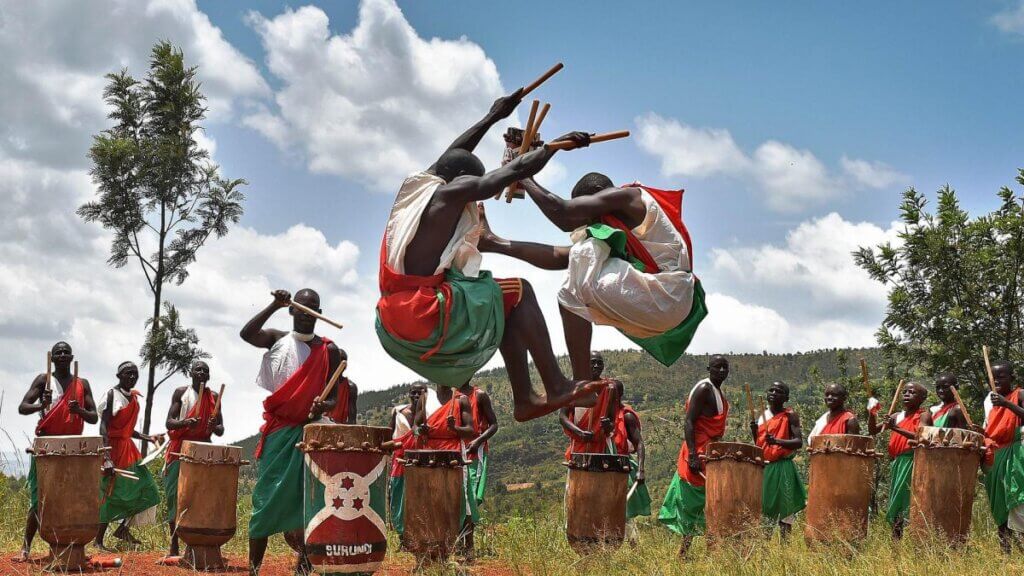
Visitors often engage in cultural visits to Maasai villages. These experiences include traditional dances, storytelling, and demonstrations of daily life practices. Travelers learn about cattle herding, beadwork, and community structures that have existed for generations.
The Maasai maintain a strong relationship with wildlife conservation. Many communities work alongside conservation organizations to protect natural habitats while benefiting from tourism.
Cultural tourism in the Maasai Mara supports income generation for local families. It also encourages cultural preservation in a rapidly changing world.
These interactions create deeper understanding and respect between visitors and local communities. They add meaningful value to the safari experience beyond wildlife viewing alone.
Maasai Mara Guide: Safari Preparation and Essential Packing Guide
Proper preparation improves the overall safari experience. Lightweight, neutral colored clothing helps travelers blend into the environment and stay comfortable during game drives. Breathable fabrics work best due to warm daytime temperatures.
Binoculars enhance wildlife viewing, especially for distant animals. A good camera with zoom capability captures memorable moments. Sunscreen, hats, and sunglasses protect against strong sun exposure.
Travelers should also carry insect repellent, especially during the evening hours. A light jacket helps during early morning and night game drives when temperatures drop.
Respecting wildlife rules remains essential. Visitors should avoid loud noises, stay inside vehicles during game drives, and follow guide instructions at all times.
Health preparation also matters. Some travelers may require vaccinations depending on their country of origin. Drinking bottled water helps maintain safety during the trip.
These simple preparations ensure a smooth, enjoyable, and safe safari experience in the Maasai Mara.
Conservation and Responsible Tourism
The Maasai Mara depends heavily on conservation efforts to maintain its ecosystem. Tourism plays a direct role in funding these efforts through park fees and community based initiatives.
Wildlife populations face challenges such as habitat loss and climate change. However, conservation programs work to protect migration routes, reduce human wildlife conflict, and preserve biodiversity.
Responsible tourism supports these efforts. Travelers who choose eco-friendly lodges, follow park rules, and respect local communities contribute directly to conservation success.
Many safari operators now focus on sustainability. Giant Holiday Safaris actively reduces environmental impact, supports anti-poaching initiatives, and promotes education programs for local youth.
This approach ensures that future generations can continue to experience the Maasai Mara in its natural form. It also strengthens Kenya’s position as a global leader in wildlife tourism, with Giant Holiday Safaris guiding travelers toward responsible and meaningful safari experiences.
Conclusion
The Maasai Mara offers more than a safari. It delivers a complete immersion into nature, culture, and conservation. Its landscapes support some of the richest wildlife encounters in the world, while its communities add depth and meaning to every visit. Travelers gain unforgettable memories through migration crossings, predator encounters, and sunrise game drives.
At the same time, they contribute to conservation efforts that protect this ecosystem for the future. With the expert guidance of Giant Holiday Safaris, visitors enjoy tailored itineraries, professional local guides, and seamless safari experiences.
For any traveler seeking an authentic African safari experience, the Maasai Mara stands as a top destination. It combines beauty, adventure, and purpose in a way few places on Earth can match enhanced by the trusted expertise of Giant Holiday Safaris.
Combined Uganda, Kenya, Rwanda and Tanzania Safaris
17 days Kenya Tanzania and Uganda safari
19 Days Uganda Kenya and Tanzania Safari
16 Days Kenya Tanzania and Uganda Safari
14 Days Kenya Uganda and Tanzania Safari
14 Days Kenya Uganda and Rwanda Safari