What Is Calving Season in Serengeti
July 30, 2026
What Is Luxury Migration Safari Tanzania
July 30, 2026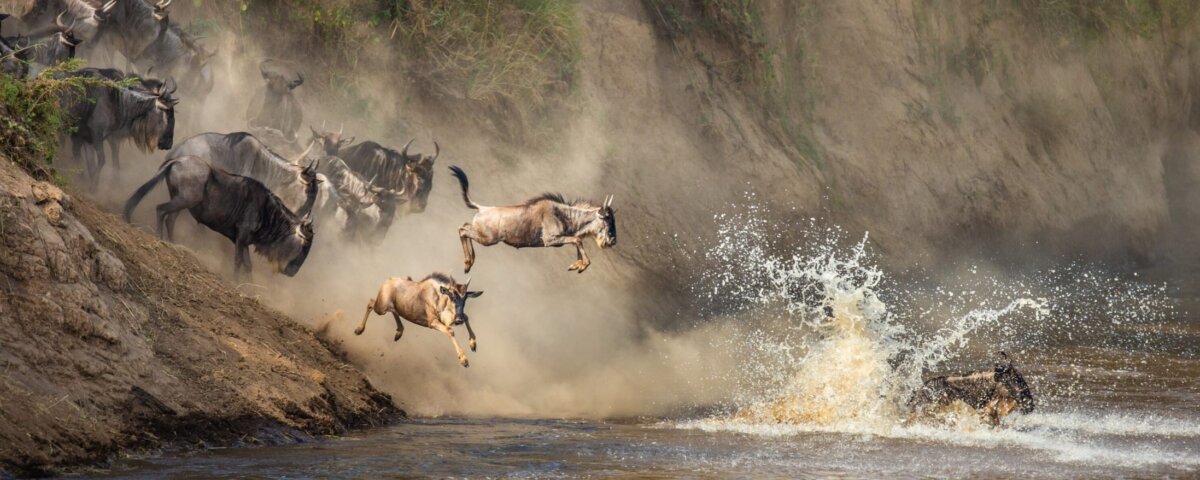
Which Month Has Mara River Crossings
The question of which month has Mara River crossings matters to travelers who dream of watching thousands of wildebeest face one of the most dramatic moments of the Great Migration. The Mara River forms part of the migration route between Tanzania’s Serengeti National Park and Kenya’s Maasai Mara ecosystem. However, the animals do not cross the river according to a fixed calendar. Rainfall, grass conditions, water levels, and herd movements all influence the timing. Generally, the main river crossing season occurs between July and October, with August and September often offering some of the strongest opportunities. Even then, nature does not guarantee a crossing on any particular day. The herds may gather near the river, hesitate, turn back, or cross at a different point. Therefore, travelers who want to experience this spectacle should plan a safari that allows several days in the northern Serengeti. A longer stay gives you more opportunities to follow the herds and enjoy the wider wildlife experience, even if the exact crossing happens when you are not watching.
Combined Uganda, Kenya, Rwanda and Tanzania Safaris
17 days Kenya Tanzania and Uganda safari
19 Days Uganda Kenya and Tanzania Safari
16 Days Kenya Tanzania and Uganda Safari
14 Days Kenya Uganda and Tanzania Safari
14 Days Kenya Uganda and Rwanda Safari
12 Day Gorilla Trekking and Tanzania Safari
When Does the Great Migration Reach the Mara River
The Great Migration usually reaches the northern Serengeti and Mara River region during the middle and later months of the year. Many herds begin moving northward from the Western Corridor after spending time in the central and western Serengeti. As the animals search for fresh grazing, they gradually approach the northern Serengeti.
The timing can change every year because the migration responds to environmental conditions rather than human calendars. If rainfall arrives earlier or later than expected, the herds may also change their movement patterns.
By July, some wildebeest may begin reaching areas around the Mara River. However, the largest concentrations can appear at different times throughout the season. August and September often attract many travelers because the herds frequently gather around river crossing areas during this period.
October can also provide opportunities, especially when late season rainfall influences the movement of the animals. Some herds may remain in the northern Serengeti before beginning their journey southward.
Therefore, travelers should view the migration as a moving process. The Mara River crossing season develops gradually, and different herds may reach the river at different times.
Which Month Offers the Best Chance of Seeing Mara River Crossings
If you want the best chance of seeing Mara River crossings, August and September often provide strong opportunities. During these months, large numbers of wildebeest may gather in the northern Serengeti as they search for grazing areas and prepare to continue their journey.
However, calling one month the absolute best can create unrealistic expectations. The river crossings depend on natural conditions, and no safari operator can guarantee that the animals will cross during your specific visit.
August remains a popular choice because many travelers want to combine the dry season with the possibility of witnessing migration activity. September can also offer excellent opportunities while sometimes bringing slightly fewer visitors to certain areas.
July may provide early crossing opportunities, while October can still produce memorable sightings as some herds remain in the northern Serengeti.
The best month for you depends on your travel dates, budget, and tolerance for crowds. More importantly, you should spend enough nights in the northern Serengeti to increase your chances.
The Great Migration remains unpredictable, and that uncertainty forms part of what makes the experience so special.
Why Are Mara River Crossings So Unpredictable?
Mara River crossings remain unpredictable because wildebeest do not follow a planned route or timetable. The animals respond to environmental conditions that change throughout the season.
A herd may gather near the river and remain there for several hours or even days. The animals may move toward the water, hesitate, and then retreat. Sometimes they cross quickly, while at other times they wait for the right conditions.
The number of animals in a herd also affects the experience. A small group may cross at one point while a larger group gathers somewhere else.
Water levels can influence the crossing as well. The river changes throughout the season, and the animals respond to the conditions they encounter.
Predator activity may also affect movement. Crocodiles live in the river, while lions and other predators patrol the surrounding areas. The wildebeest face genuine risks as they attempt to cross.
Consequently, travelers should never book a safari based on the promise of a guaranteed river crossing. Instead, choose an experienced safari operator that understands the ecosystem and can respond to changing wildlife movements.
What Happens During this Activity
A Mara River crossing can become one of the most intense wildlife experiences in Africa. Thousands of wildebeest may gather near the riverbank, creating a powerful scene as the animals prepare to enter the water.
The atmosphere can change quickly. One animal may suddenly move forward, encouraging others to follow. Within moments, a large group may rush toward the river.
The crossing itself can become chaotic. Wildebeest navigate steep banks, deep water, strong currents, and other animals. Some may cross successfully while others turn back.
Crocodiles create another element of danger. These powerful reptiles wait in the water and take advantage of opportunities when animals become vulnerable.
Once the wildebeest reach the opposite bank, they often continue moving quickly. The herd may spread across the landscape as the animals search for grazing.
For travelers, the experience combines excitement, tension, and the raw reality of nature. However, every crossing looks different.
Some crossings may involve hundreds of animals, while others involve smaller groups. The unpredictable nature of the event makes each encounter unique.
Is July a Good Month for Mara River Crossings?
July can provide an opportunity to see early Mara River crossing activity, although the timing varies each year. During this month, some wildebeest begin reaching the northern Serengeti after moving through the Western Corridor.
Travelers who visit in July may benefit from being among the earlier visitors of the main migration season. Certain areas can feel quieter than during the busiest months.
However, July does not guarantee that the main herds have reached the river. Some groups may still remain farther south or west.
Therefore, travelers who choose July should focus on the overall migration experience rather than expecting a specific crossing.
The northern Serengeti also offers excellent resident wildlife. Lions, leopards, elephants, giraffes, buffaloes, and other animals remain in the region throughout the year.
This makes July a rewarding time for a broader safari. Even if you do not witness a river crossing, you can still experience excellent wildlife viewing and beautiful landscapes.
If you want to improve your chances, consider spending several nights in the northern Serengeti rather than making a short visit.
Is August the Best Month for Mara River Crossings?
August often ranks among the most popular months for travelers hoping to witness Mara River crossings. By this time, many wildebeest have reached the northern Serengeti, and large herds may gather near the river.
The dry season also creates favorable safari conditions. Roads often remain easier to navigate, rainfall tends to decrease, and wildlife gathers around remaining water sources.
However, August also brings high demand. Many international travelers plan their Tanzania safaris during this period, which can increase accommodation prices and create more vehicles around popular wildlife areas.
Travelers who want a quieter experience may choose camps in less crowded locations or consider traveling during the shoulder periods.
Despite the popularity, August can offer excellent opportunities. The key involves choosing accommodation strategically and allowing enough time to follow the herds.
A good safari guide can also help identify current wildlife movements and select suitable viewing areas.
Ultimately, August offers strong potential but never guarantees a crossing. Nature remains unpredictable, and that uncertainty should remain part of your expectations.
Is September a Good Time to See Mara River Crossings?
September can provide excellent opportunities to see Mara River crossings. Many wildebeest remain in the northern Serengeti during this period, and some herds may continue crossing between Tanzania and Kenya.
One advantage of September involves the possibility of slightly lower visitor numbers compared with the busiest weeks of August, although popular areas can still attract many safari vehicles.
The dry season often continues, creating good conditions for game drives. Wildlife viewing can also remain excellent beyond the migrating herds.
Travelers who want to visit in September should still allow enough time. The animals may cross the river on a day when you are exploring another area, or they may wait several days before moving.
Therefore, spending at least three or four nights in the northern Serengeti can improve your chances.
September also works well for travelers who want a broader safari experience. You can combine migration viewing with opportunities to see predators and resident wildlife.
For many travelers, September provides a strong balance between migration activity, weather, and safari conditions.
Can You See Mara River Crossings in October?
October can still provide opportunities to see Mara River crossings, although the migration may begin changing direction as the season progresses. Some herds may remain in the northern Serengeti, while others begin moving toward the southern parts of the ecosystem.
The exact timing depends heavily on rainfall. When short rains begin, fresh grass can encourage the animals to move.
Travelers who visit in October may benefit from fewer crowds compared with the peak months, although popular areas can still attract visitors.
The month can also provide a different perspective on the migration. Instead of focusing only on the largest herds, you may witness smaller groups moving through the landscape.
October therefore remains a valuable option for flexible travelers. However, anyone planning a trip specifically around river crossings should understand that the chances may become less predictable as the season changes.
A well designed itinerary should include the northern Serengeti while also allowing time to explore other areas.
This approach protects your overall safari experience even if the migration begins moving away from the river.
Where Is the Best Place to Stay for Mara River Crossings?
The best place to stay depends on the current location of the herds. Since the animals move across a large area, no single camp can guarantee the closest access to every crossing.
The northern Serengeti provides the main Tanzanian base for travelers hoping to see Mara River crossings. Staying close to the migration route can reduce long daily drives and give you more time to follow wildlife activity.
Mobile camps can offer an advantage because they may move according to seasonal wildlife patterns. These camps can place travelers closer to areas where the herds gather.
Permanent lodges can also provide excellent comfort and access to the northern Serengeti. Your choice should depend on your budget, preferred level of comfort, and travel dates.
Location should remain one of the most important factors when choosing accommodation. A luxury camp far from the migration route may offer beautiful facilities but require longer drives.
Giant Holiday Safaris can help travelers compare different accommodation options and build an itinerary around their preferred travel dates and migration goals.
The best safari combines strategic location with realistic expectations.
How Many Days Should You Spend in the Northern Serengeti?
Travelers who want to increase their chances of seeing a Mara River crossing should consider spending at least three to five nights in the northern Serengeti. A longer stay gives you more opportunities to monitor the herds.
A short visit may create a problem because the animals might cross before you arrive or after you leave. They may also remain near the river without crossing during your entire stay.
Additional nights provide flexibility. Your guide can adjust game drives based on recent sightings and herd movements.
However, spending more time does not guarantee a crossing. The animals remain unpredictable, and natural events do not follow travel schedules.
Still, a longer stay increases your exposure to the migration and allows you to enjoy the wider wildlife experience.
Travelers with more time can also combine the northern Serengeti with Central Serengeti, Ngorongoro Crater, and Tarangire National Park.
This creates a complete Tanzania safari rather than a trip focused entirely on one event.
The goal should be to maximize meaningful wildlife experiences while accepting that the river crossing remains a natural event rather than a scheduled attraction.
How Can You Plan a Mara River Crossing Safari?
Planning a Mara River crossing safari requires careful attention to timing, location, and flexibility. First, choose a travel period between July and October if river crossings form a major part of your safari goals.
Next, select an itinerary that includes several nights in the northern Serengeti. This gives you more opportunities to follow the herds.
Accommodation should also match your priorities. Mobile camps may offer seasonal advantages, while permanent lodges provide consistent facilities.
Your safari operator should also have strong knowledge of the Serengeti ecosystem. Local guiding experience can help you respond to changing migration patterns.
However, avoid companies that promise guaranteed river crossings. No ethical operator can control wildlife behavior.
Instead, choose a company that explains the possibilities honestly and helps you prepare for different outcomes.
Giant Holiday Safaris can help travelers plan around seasonal migration patterns while keeping the wider Tanzania safari experience in focus.
Most importantly, remain flexible. A safari becomes more rewarding when you appreciate every wildlife encounter rather than judging the entire trip by one crossing.
What Wildlife Can You See During the Mara River Crossing Season?
The Mara River crossing season offers excellent opportunities to see much more than wildebeest. The northern Serengeti supports a rich ecosystem with predators, herbivores, birds, and aquatic wildlife.
Lions often follow migrating herds because large numbers of prey create feeding opportunities. Leopards may remain in areas with thicker vegetation, while cheetahs hunt across open plains.
Hyenas also play an important role in the ecosystem. They may follow the migration and compete with other predators for food.
Elephants, giraffes, buffaloes, hippos, and various antelope species add further variety to game drives.
The Mara River itself supports crocodiles and hippos, making the river environment interesting even when wildebeest do not cross.
Birdlife also remains abundant. Raptors, vultures, storks, and other birds take advantage of the rich ecosystem.
Therefore, a Mara River crossing safari should never focus exclusively on the crossing. The surrounding wildlife can provide memorable experiences throughout your stay.
This broader perspective helps travelers appreciate why the northern Serengeti remains one of Tanzania’s most valuable safari destinations.
Why You Should Not Plan Your Safari Around One Crossing
The biggest mistake travelers can make involves treating a Mara River crossing like a scheduled event. The migration follows natural conditions, and no one can guarantee the exact date or location of a crossing.
Even during peak months, the wildebeest may gather near the river without crossing. They may also cross at a remote location that you cannot reach quickly.
Therefore, travelers should plan a safari around the wider migration rather than one specific moment.
Choose an itinerary that gives you several days in the northern Serengeti. Explore different areas and allow your guide to respond to changing conditions.
This approach creates a more relaxed and enjoyable experience.
If you witness a crossing, you may experience one of the most unforgettable moments of your life. If you do not, you can still enjoy the incredible wildlife, landscapes, and natural drama of the Serengeti.
The Great Migration remains extraordinary because it follows nature’s rhythm. Accepting that unpredictability can make your safari more rewarding.
Which Month Has Mara River Crossings and How Should You Choose?
When travelers ask which month has Mara River crossings, the strongest answer usually points to the period between July and October, with August and September often providing excellent opportunities. However, no month guarantees a crossing because the Great Migration responds to rainfall, grazing conditions, water levels, and natural herd movements.
For travelers who want to maximize their chances, spending several nights in the northern Serengeti during the main migration season offers the best strategy. July may provide early opportunities, while August and September often see strong migration activity. October can still produce memorable encounters, although some herds may begin moving south.
The most important lesson involves keeping your safari flexible. Choose a strategic location, allow enough time, and work with experienced guides who understand the Serengeti ecosystem.
Ultimately, the answer to which month has Mara River crossings depends on nature as much as the calendar. A well planned safari should therefore celebrate the entire migration journey rather than depend on one guaranteed event. When you approach the experience with realistic expectations, the northern Serengeti can offer an unforgettable combination of wildebeest, predators, dramatic landscapes, and the raw beauty of one of Africa’s greatest wildlife spectacles.