Can I See Giraffes on Tanzania Safari
August 1, 2026
Which Tanzania Safari Is Best for Photography
August 1, 2026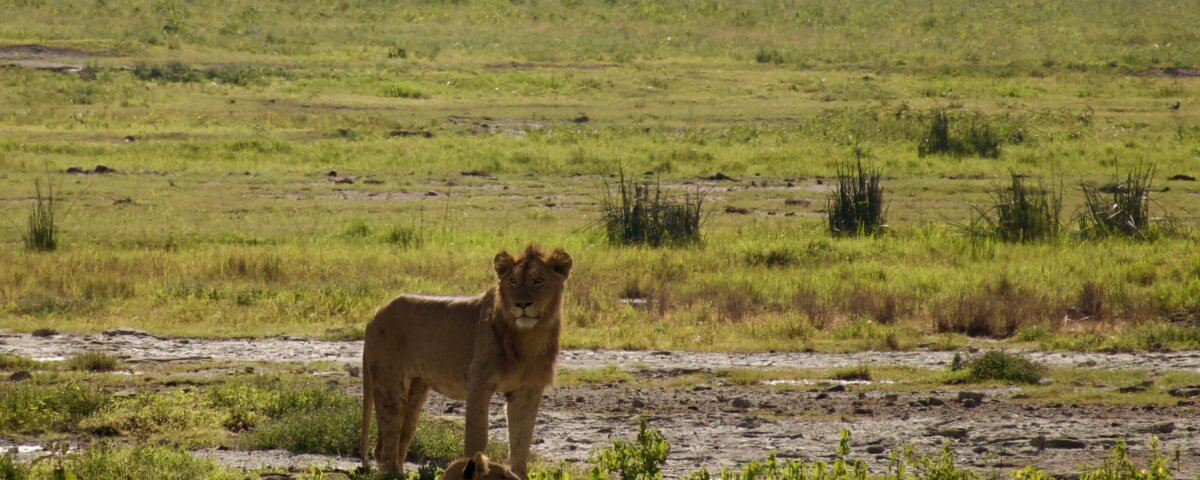
What Is the Best Time for Wildlife Viewing in Tanzania
Many travellers ask, what is the best time for wildlife viewing in Tanzania, before booking their African safari. The answer depends on the type of wildlife experience you want, the parks you plan to visit, and the season that matches your travel goals. Fortunately, Tanzania offers outstanding wildlife viewing throughout the year, making it one of Africa’s most rewarding safari destinations.
The country protects some of the world’s most famous wildlife areas, including Serengeti National Park, Ngorongoro Conservation Area, Tarangire National Park, Ruaha National Park, Nyerere National Park, and Lake Manyara National Park. Each destination provides unique opportunities to observe wildlife in different seasons, allowing visitors to enjoy unforgettable encounters with Africa’s remarkable animals.
During certain months, large numbers of animals gather around rivers and waterholes, making wildlife easier to spot. In other seasons, lush green landscapes welcome migratory birds, newborn animals, and beautiful scenery that creates exceptional photographic opportunities. Every season has something special to offer.
Planning your safari with Giant Holiday Safaris helps you choose the right travel period based on your interests. Whether you want to witness the Great Migration, photograph predators, find rare birds, or simply enjoy incredible wildlife, experienced local guides can recommend the perfect itinerary.
Understanding what is the best time for wildlife viewing in Tanzania allows you to plan confidently and enjoy one of the world’s greatest safari experiences.
Combined Uganda, Kenya, Rwanda and Tanzania Safaris
17 days Kenya Tanzania and Uganda safari
19 Days Uganda Kenya and Tanzania Safari
16 Days Kenya Tanzania and Uganda Safari
14 Days Kenya Uganda and Tanzania Safari
14 Days Kenya Uganda and Rwanda Safari
12 Day Gorilla Trekking and Tanzania Safari
What Is the Best Time for Wildlife Viewing in Tanzania?
If you are wondering what is the best time for wildlife viewing in Tanzania, most safari experts recommend the dry season between June and October. During these months, wildlife becomes easier to observe because animals gather around permanent rivers, lakes, and waterholes while vegetation becomes shorter and less dense.
The cooler weather also makes game drives more comfortable. Clear skies, dry roads, and excellent visibility create ideal conditions for exploring Tanzania’s famous national parks. Visitors often enjoy outstanding sightings of elephants, lions, leopards, buffaloes, giraffes, zebras, wildebeests, and countless other animals during this period.
However, the green season from November through May should not be overlooked. Although rainfall increases during these months, Tanzania transforms into a beautiful landscape filled with fresh vegetation, colourful flowers, and abundant wildlife. Many animals give birth during this season, creating exciting opportunities to observe young wildlife while predators remain active nearby.
Birdwatchers especially appreciate the green season because migratory birds arrive from Europe and Asia, significantly increasing the country’s impressive bird diversity.
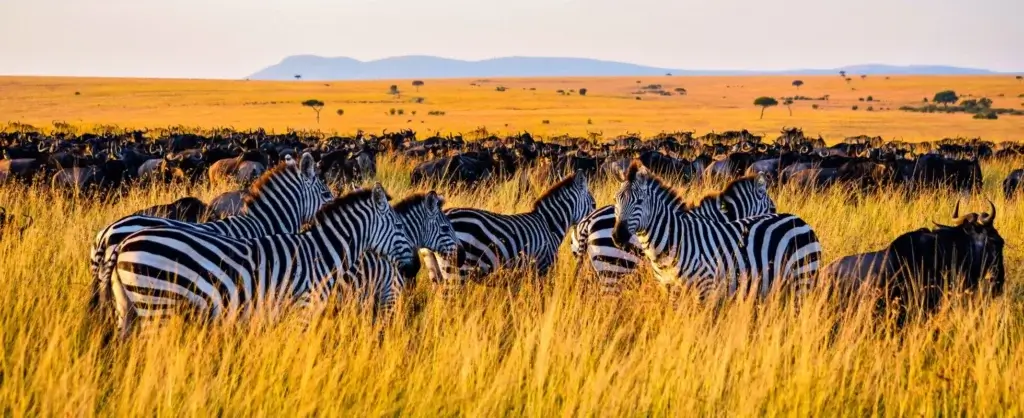
The Great Migration also changes location throughout the year. Depending on when you visit, you may witness river crossings, calving season, or massive herds moving across the Serengeti plains.
Ultimately, the best time depends on your safari priorities. Every season offers unique wildlife experiences that make Tanzania an exceptional destination for nature lovers from around the world.
Understanding Tanzania’s Seasons for the Best Time for Wildlife Viewing
Tanzania experiences two main safari seasons that influence wildlife behaviour, landscape appearance, and visitor experiences. Understanding these seasonal patterns helps travellers choose the ideal time for their adventure.
The dry season generally runs from June until October. Rainfall becomes minimal, rivers and waterholes become important gathering points, and grass gradually becomes shorter. Because water sources become limited, animals concentrate in predictable locations, allowing visitors to enjoy excellent wildlife viewing during game drives.
Predators also benefit from these conditions. Lions, leopards, cheetahs, and hyenas often remain close to areas where herbivores gather, increasing opportunities to witness exciting predator prey interactions.
The green season usually begins in November and continues through May, although rainfall varies across different regions of Tanzania. Short rains often arrive between November and December, while heavier rainfall usually occurs from March through May.
During the green season, landscapes become lush and vibrant. Trees produce fresh leaves, flowers bloom, and grazing animals enjoy abundant food. Many species also give birth during this period because fresh vegetation provides ideal conditions for raising young.
The calving season of the Great Migration usually occurs between January and March in the southern Serengeti, when thousands of wildebeest calves are born within a relatively short period. This remarkable event attracts numerous predators and creates unforgettable wildlife viewing opportunities.
Although weather conditions differ between seasons, Tanzania remains an excellent safari destination throughout the year because each period offers its own distinctive wildlife experiences.
Why the Dry Season Is Excellent for Wildlife Viewing
The dry season has earned its reputation as Tanzania’s most popular safari period because it consistently provides outstanding wildlife viewing conditions. From June through October, visitors enjoy excellent opportunities to observe animals across many of the country’s leading national parks.
One of the biggest advantages comes from reduced vegetation. As grasses become shorter and bushes lose some of their leaves, animals become much easier to locate. Visitors can often spot wildlife from greater distances, allowing guides to position vehicles for exceptional viewing and photography.
Water availability also shapes wildlife movements during the dry season. Rivers, lakes, and permanent waterholes attract large numbers of animals throughout the day. Elephants, buffaloes, zebras, giraffes, antelopes, and many other species regularly visit these locations, creating excellent game viewing opportunities.
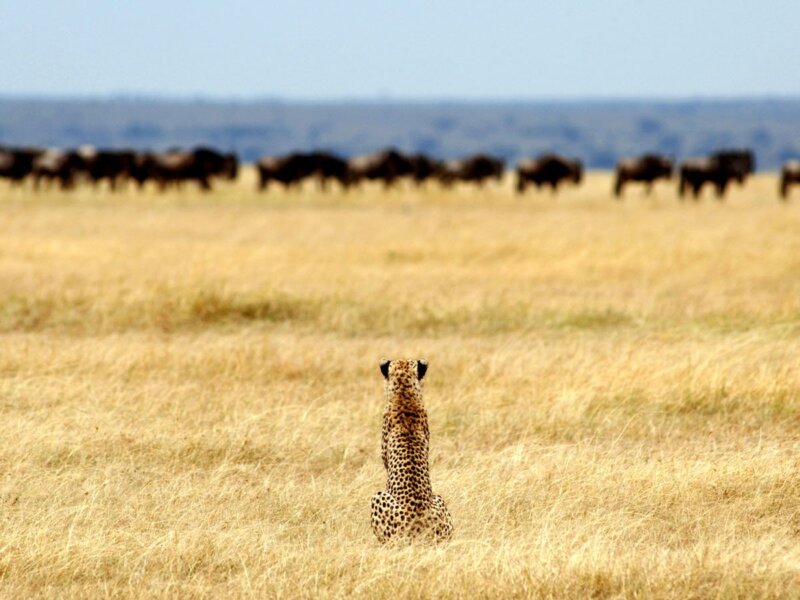
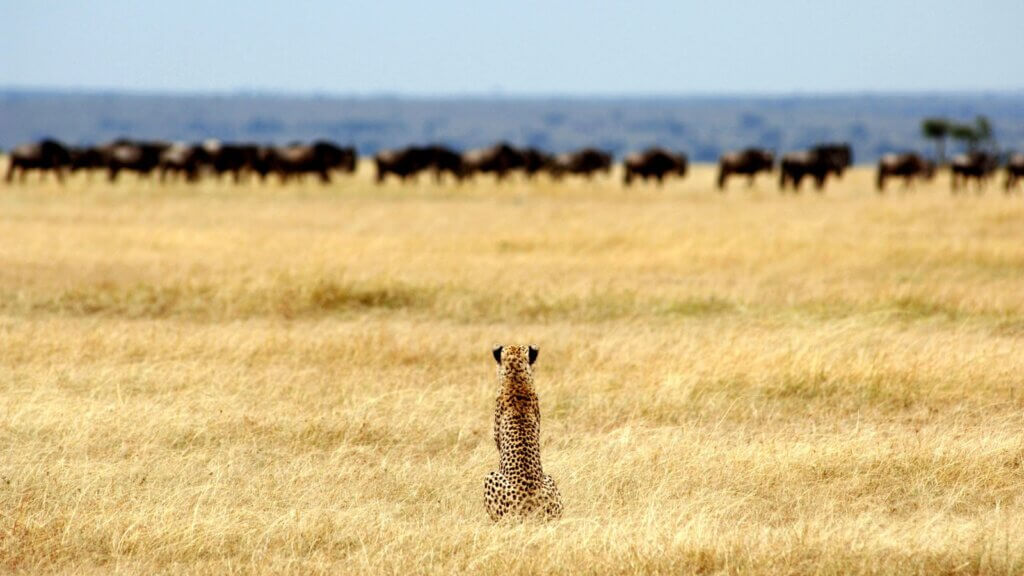
Predators naturally follow their prey. Lions often rest near water sources while waiting for hunting opportunities. Leopards remain active around riverine forests, while cheetahs patrol open grasslands where grazing animals gather.
The dry season also offers pleasant travel conditions. Roads remain accessible, skies stay clear, and rainfall rarely interrupts safari activities. Comfortable temperatures make full day game drives more enjoyable for visitors.
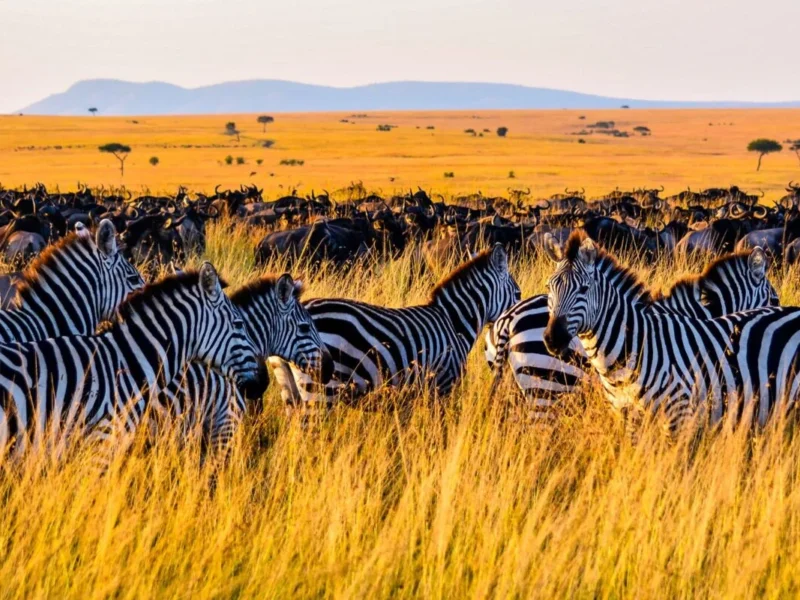
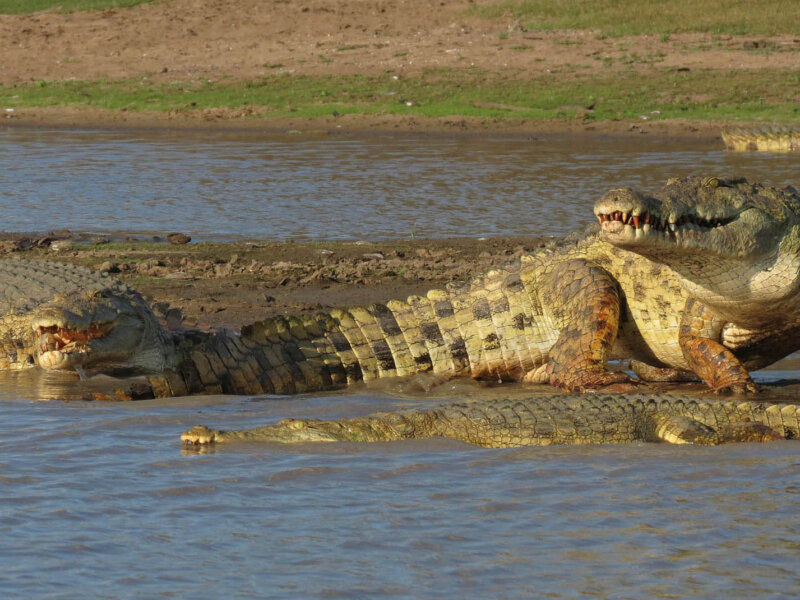
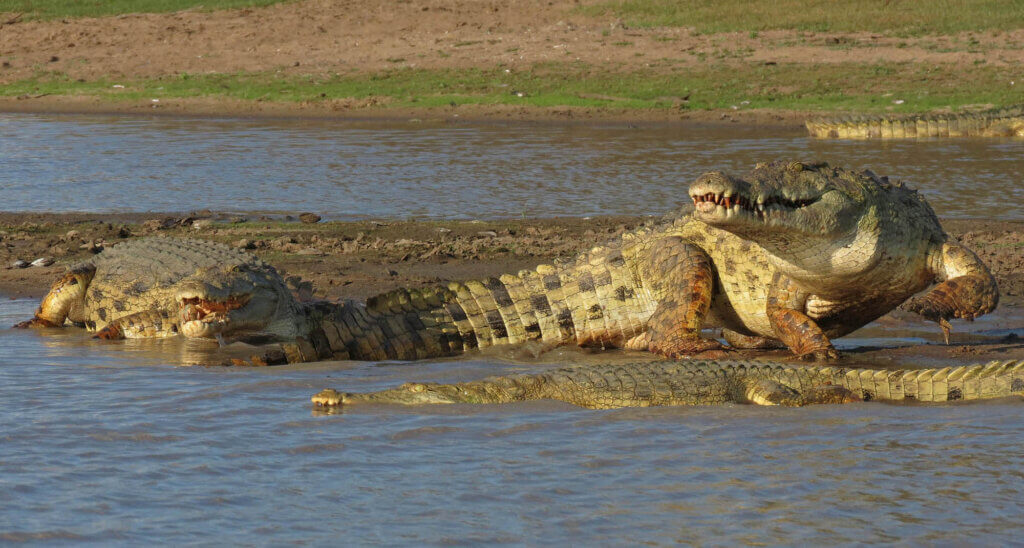
Another major attraction occurs between July and October when many travellers witness the famous Mara River crossings during the Great Migration. Thousands of wildebeests and zebras face dangerous crocodile filled waters while continuing their remarkable annual journey.
These conditions explain why many visitors choose the dry season when asking what is the best time for wildlife viewing in Tanzania.
Wildlife Experiences During the Green Season
Although many travellers focus on the dry season, Tanzania’s green season offers equally rewarding wildlife experiences for visitors seeking beautiful landscapes, abundant birdlife, and unique natural events.
After seasonal rains arrive, national parks transform dramatically. Fresh green grass covers the plains, rivers flow strongly, and flowering plants create colourful scenery throughout the countryside. These beautiful conditions make the green season especially attractive for photographers who want vibrant landscapes alongside wildlife.
One of the season’s greatest highlights is the arrival of newborn animals. Wildebeests, zebras, antelopes, and many other herbivores give birth during this period because food becomes plentiful. Watching young animals take their first steps creates unforgettable safari memories.
Predators remain highly active during the green season because vulnerable young prey becomes more available. Visitors often observe lions, cheetahs, leopards, hyenas, and jackals taking advantage of increased hunting opportunities across the plains.
Birdwatching also reaches its peak during these months. Migratory birds arrive from Europe and Asia, joining Tanzania’s resident bird populations. Flamingos, kingfishers, bee eaters, rollers, storks, and countless other species create extraordinary birdwatching experiences across lakes, wetlands, and forests.
Another advantage involves fewer visitors. Popular parks generally feel quieter, allowing more peaceful wildlife viewing while creating excellent photography opportunities without crowded safari vehicles.
Although occasional rainfall may occur, game drives continue successfully because experienced guides adjust routes according to local conditions.
For many travellers, the green season offers a quieter, more colourful, and equally rewarding alternative to the traditional safari months.
Best Months to Visit Tanzania for Different Animals
Different animals become easier to observe during different months, making Tanzania a destination that rewards visitors throughout the entire year. Matching your travel dates with your wildlife interests helps create an unforgettable safari experience.
If your dream is witnessing the Great Migration river crossings, July through October provides excellent opportunities in northern Serengeti. During these months, enormous herds cross the Mara River while crocodiles and predators wait nearby, creating one of Africa’s greatest wildlife spectacles.
Visitors interested in the wildebeest calving season should consider travelling between January and March. Southern Serengeti becomes home to hundreds of thousands of newborn calves, attracting lions, cheetahs, hyenas, and other predators.
Elephants can be seen throughout the year, but Tarangire National Park becomes particularly impressive during the dry season when large herds gather around the Tarangire River.
Birdwatchers often prefer November through April because migratory species arrive while resident birds display vibrant breeding plumage. This period provides exceptional bird diversity across Tanzania’s national parks and wetlands.
Predator sightings remain excellent throughout the year, although dry season conditions generally improve visibility. Lions, leopards, cheetahs, African Wild Dogs, and hyenas continue hunting regardless of season, but shorter vegetation allows visitors to locate them more easily.
Travellers hoping to photograph lush landscapes, newborn wildlife, and dramatic scenery often favour the green season, while those seeking easier game viewing usually prefer the dry season.
Choosing the right month depends entirely on the experience you want. Tanzania’s remarkable wildlife ensures unforgettable adventures no matter when you decide to visit.
Best National Parks for Wildlife Viewing Throughout the Year
Tanzania’s national parks offer incredible wildlife viewing in every season. While animal movements change throughout the year, each park provides unique experiences that make every safari memorable. Choosing the right destinations based on your travel dates helps you maximize your wildlife encounters.
Serengeti National Park remains Tanzania’s most famous safari destination. Wildlife viewing is excellent all year because the ecosystem supports large resident populations of lions, elephants, giraffes, buffaloes, leopards, and many other animals. The Great Migration also changes location throughout the year, giving visitors different experiences depending on the season. Between January and March, the southern plains host the wildebeest calving season, while July through October often brings dramatic river crossings in the northern Serengeti.
Tarangire National Park shines during the dry season. Large elephant herds gather around the Tarangire River, attracting predators and creating exceptional wildlife viewing opportunities. Ancient baobab trees and open woodlands also support giraffes, zebras, wildebeests, impalas, and many bird species.
Ngorongoro Conservation Area offers excellent wildlife viewing throughout the year because the crater provides permanent water and abundant grazing. Visitors regularly encounter black rhinos, lions, hippos, elephants, and hyenas within a relatively small area.
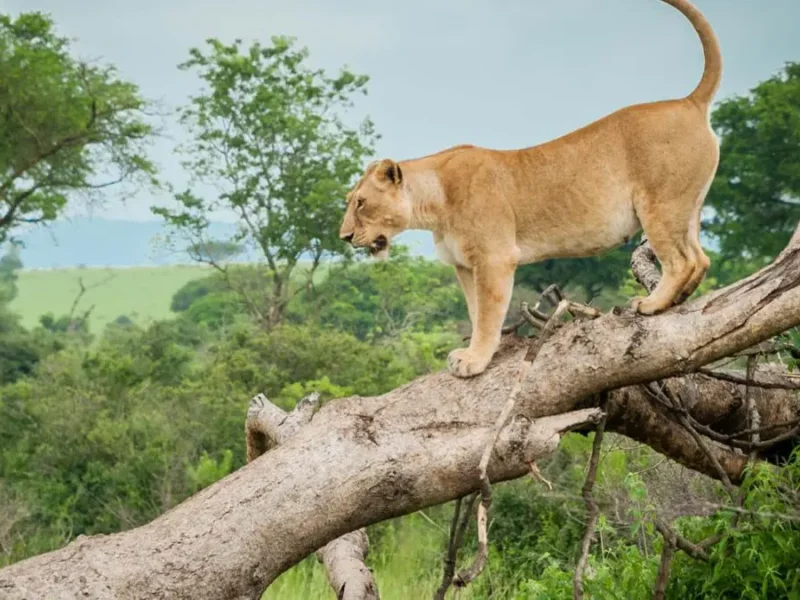
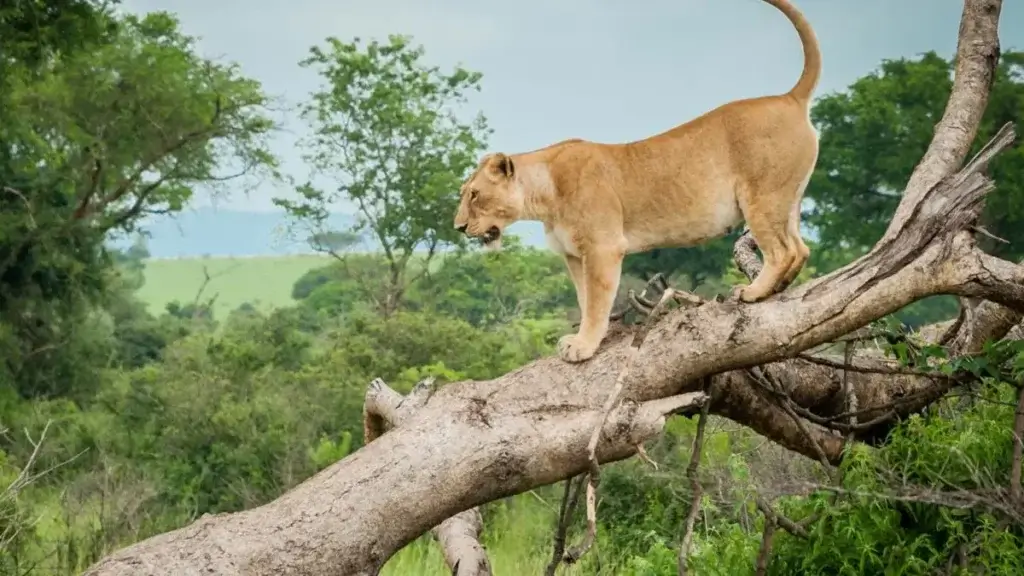
Lake Manyara National Park becomes especially beautiful during the green season when birdlife flourishes. Flamingos, pelicans, storks, and many migratory birds gather around the lake, while elephants, monkeys, and the famous tree climbing lions continue to attract visitors.
Ruaha National Park and Nyerere National Park provide outstanding wildlife experiences for travellers seeking quieter safari destinations. These parks support large predator populations and diverse ecosystems while receiving fewer visitors than northern Tanzania.
Exploring several parks during one safari creates a well rounded wildlife experience regardless of the season you choose.
Common Mistakes to Avoid When Planning Tanzania Safari for Best Time for Wildlife Viewing
Planning carefully helps travellers enjoy better wildlife experiences while avoiding unnecessary disappointments. A few simple decisions can make your Tanzania safari far more rewarding.
One common mistake is choosing travel dates without considering your wildlife goals. Some visitors hope to witness the Great Migration river crossings but travel during months when the herds are located elsewhere. Understanding seasonal wildlife movements allows you to match your itinerary with your expectations.
Another mistake is trying to visit too many parks in a short time. Long driving distances reduce valuable wildlife viewing time. Focusing on fewer destinations often creates a more enjoyable and relaxed safari experience.
Many travellers also underestimate the importance of experienced guides. Professional safari guides understand animal behaviour, know current wildlife locations, and can identify birds, mammals, and reptiles that visitors may overlook.
Packing inappropriate clothing creates another challenge. Bright colours may distract wildlife, while uncomfortable clothing reduces enjoyment during long game drives. Neutral coloured lightweight clothing works best for most safaris.
Some visitors expect wildlife to appear immediately after entering a park. Successful wildlife viewing requires patience. Animals move freely, and every game drive offers different opportunities. Remaining patient usually leads to more memorable sightings.
Ignoring camera preparation is another common mistake. Carrying spare batteries, memory cards, binoculars, and protective equipment helps you capture unforgettable moments without interruption.
Finally, avoid rushing through every wildlife encounter. Spending extra time observing animal behaviour often becomes far more rewarding than simply collecting photographs.
Good planning, realistic expectations, and experienced guides allow visitors to experience Tanzania’s remarkable wildlife at its very best.
Plan Your Perfect Tanzania Wildlife Adventure
If you have been wondering what is the best time for wildlife viewing in Tanzania, the answer depends on the experience you want to enjoy. Fortunately, Tanzania offers extraordinary wildlife encounters throughout the entire year, making it one of Africa’s finest safari destinations.
The dry season provides exceptional game viewing because animals gather around rivers and waterholes while vegetation becomes easier to see through. Visitors hoping to witness dramatic predator action, large elephant herds, or the famous Mara River crossings often choose this period for their safari.
At the same time, the green season rewards travellers with beautiful landscapes, newborn animals, outstanding birdwatching, and fewer crowds. The wildebeest calving season creates one of nature’s greatest spectacles, while colourful scenery makes photography especially rewarding.
National parks such as Serengeti, Tarangire, Ngorongoro, Lake Manyara, Ruaha, and Nyerere each contribute unique wildlife experiences that showcase Tanzania’s incredible biodiversity. Combining several destinations allows visitors to appreciate the country’s remarkable ecosystems and diverse animal populations.
Planning with Giant Holiday Safaris ensures that every safari matches your travel goals, preferred season, and wildlife interests. Experienced guides, personalised itineraries, comfortable accommodation, and professional service help transform every journey into a memorable adventure.
No matter which month you choose to visit, what is the best time for wildlife viewing in Tanzania ultimately becomes the time that matches your dream safari. Tanzania’s extraordinary wildlife, breathtaking landscapes, and unforgettable safari experiences continue inspiring travellers from around the world every single season.