Which Tanzania Safari Is Best for Photography
August 1, 2026
Where Can I See Crocodiles in Tanzania
August 1, 2026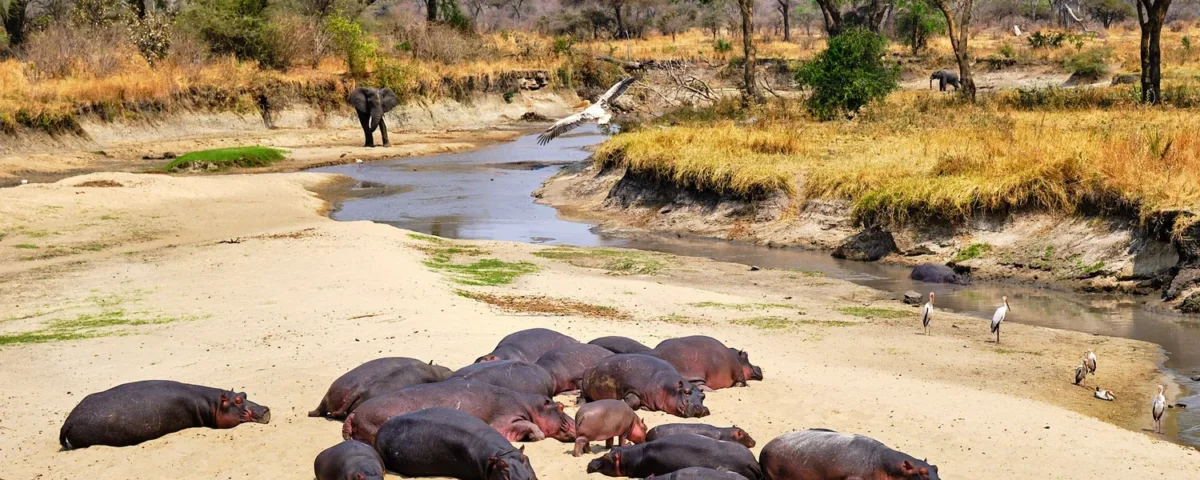
Which Tanzania Parks Have Hippos
Many travellers planning an African safari ask, which Tanzania parks have hippos, because they want to see these massive animals in their natural habitat. Hippos are among the most fascinating animals in Africa. Their enormous size, social behaviour, and surprising agility make them one of the highlights of any wildlife safari. Tanzania offers some of the best places on the continent to observe hippos living in rivers, lakes, and wetlands surrounded by breathtaking scenery.
The country’s rich network of national parks and conservation areas protects thousands of hippos across different ecosystems. From the famous hippo pools of Serengeti National Park to the winding Rufiji River in Nyerere National Park, visitors have many opportunities to watch these remarkable animals throughout the year. Every destination provides a unique experience, allowing travellers to see hippos resting in the water, interacting with one another, or grazing on nearby grasslands after sunset.
Choosing the right safari destination can make a significant difference in your wildlife experience. Some parks offer close views from game drive routes, while others allow visitors to observe hippos during exciting boat safaris. Each location showcases different aspects of hippo behaviour and Tanzania’s incredible biodiversity.
Planning your adventure with Giant Holiday Safaris ensures you visit the parks that best match your interests while enjoying expert guidance, comfortable accommodation, and unforgettable wildlife encounters.
Understanding which Tanzania parks have hippos helps you prepare for an extraordinary safari filled with remarkable wildlife and unforgettable memories.
Combined Uganda, Kenya, Rwanda and Tanzania Safaris
17 days Kenya Tanzania and Uganda safari
19 Days Uganda Kenya and Tanzania Safari
16 Days Kenya Tanzania and Uganda Safari
14 Days Kenya Uganda and Tanzania Safari
14 Days Kenya Uganda and Rwanda Safari
12 Day Gorilla Trekking and Tanzania Safari
Which Tanzania Parks Have Hippos?
If you are wondering which Tanzania parks have hippos, you will be pleased to know that several of the country’s most famous national parks support healthy hippo populations. Tanzania’s abundant rivers, lakes, swamps, and wetlands create ideal habitats where these large mammals thrive throughout the year.
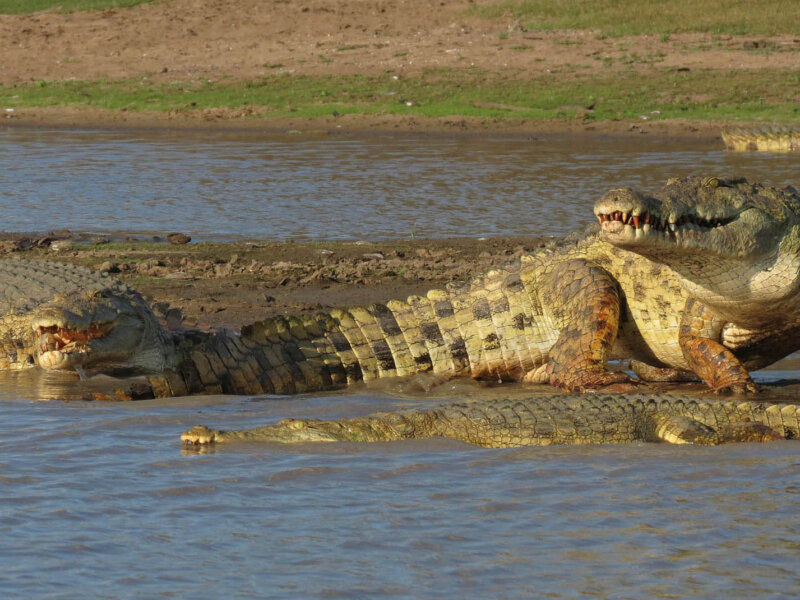
Serengeti National Park remains one of the best places to see hippos. Several well known hippo pools along the Grumeti River attract large groups of animals that spend most of the day cooling off in the water. Visitors often watch dozens of hippos gathered together while crocodiles rest nearby and birds perch along the riverbanks.
Ngorongoro Conservation Area also provides excellent opportunities to see hippos. Permanent water sources within the crater attract these impressive animals, allowing visitors to observe them alongside elephants, buffaloes, zebras, and many other wildlife species.
Tarangire National Park is another outstanding destination. During the dry season, the Tarangire River becomes a lifeline for wildlife, drawing hippos into deeper sections of the river where visitors can enjoy excellent sightings during game drives.
Lake Manyara National Park supports numerous hippos living around the lake and its surrounding wetlands. Visitors frequently encounter hippos while exploring the park’s scenic landscapes filled with forests, open grasslands, and abundant birdlife.
Nyerere National Park, formerly part of the Selous Game Reserve, offers one of Tanzania’s finest hippo experiences. The mighty Rufiji River supports large hippo populations, and boat safaris provide unique viewing opportunities unavailable in many other parks.
These destinations make Tanzania one of Africa’s premier locations for observing hippos in their natural environment.
Why Tanzania Is One of the Best Places to See Hippos
Tanzania stands out as one of Africa’s leading wildlife destinations because it protects extensive freshwater ecosystems that provide ideal conditions for hippos. Large rivers, lakes, seasonal wetlands, and permanent waterholes support thriving populations across many national parks.
Hippos depend heavily on water for survival. Although they spend much of the night grazing on grass, they return to rivers and lakes during the day to protect their sensitive skin from the intense African sun. Tanzania’s diverse landscapes provide exactly the type of habitats they need throughout the year.
The country’s strong conservation efforts also play an important role. Protected national parks and conservation areas allow hippos to live with minimal human disturbance while maintaining healthy populations. Wildlife authorities continue protecting these habitats through responsible tourism and conservation programs.
Another advantage is Tanzania’s variety of safari experiences. Visitors can observe hippos during traditional game drives, guided walking safaris in selected areas, or peaceful boat safaris along rivers such as the Rufiji. Each activity offers a different perspective on hippo behaviour and their role within the ecosystem.
Tanzania also combines hippo viewing with opportunities to see the Big Five, the Great Migration, crocodiles, elephants, giraffes, and hundreds of bird species. This diversity makes every safari more rewarding because visitors enjoy much more than a single wildlife attraction.
Excellent infrastructure, experienced safari guides, and world famous national parks further strengthen Tanzania’s reputation as one of the best destinations for observing hippos while enjoying unforgettable African wildlife adventures.
Top Tanzania National Parks Where You Can See Hippos
Several national parks consistently provide outstanding opportunities to watch hippos. Each destination offers different landscapes and safari experiences, making every visit unique.
Serengeti National Park ranks among the best locations. The famous hippo pools along the Grumeti River attract large groups throughout the year. Visitors often observe hippos resting shoulder to shoulder in the water while occasionally opening their enormous mouths in dramatic displays. Nearby crocodiles, elephants, and countless bird species add even more excitement to every game drive.
Nyerere National Park offers one of Tanzania’s most distinctive wildlife experiences because visitors can enjoy boat safaris on the Rufiji River. Watching hippos from the water provides close but safe encounters while allowing guests to appreciate their natural behaviour from a different perspective.
Tarangire National Park becomes especially impressive during the dry season. As water sources become limited, large numbers of animals gather around the Tarangire River. Hippos share the river with elephants, buffaloes, antelopes, and numerous birds, creating exceptional wildlife viewing opportunities.
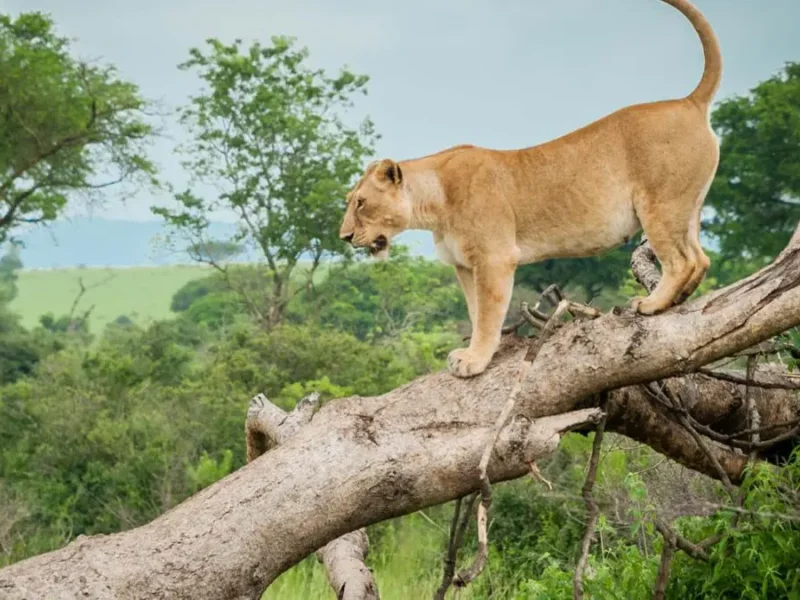
Lake Manyara National Park combines beautiful scenery with abundant wildlife. Hippos inhabit the lake’s wetlands and nearby waterways, while visitors also enjoy seeing flamingos, pelicans, monkeys, giraffes, and the park’s famous tree climbing lions.
Ngorongoro Conservation Area completes the list with its unique volcanic crater ecosystem. Permanent water sources support healthy hippo populations while offering visitors opportunities to see many different animal species within a relatively compact area.
Together, these parks demonstrate why Tanzania remains one of Africa’s finest destinations for hippo enthusiasts and wildlife photographers.
What Makes Hippos So Fascinating to Watch
Hippos capture the attention of nearly every safari visitor because they combine enormous strength with surprisingly complex social behaviour. Although they appear calm while resting in the water, they remain among Africa’s most powerful wild animals.
Adult hippos can weigh more than three tonnes, making them one of the continent’s largest land mammals. Despite their size, they move quickly both in water and on land. Watching a hippo emerge from the river during the evening to begin grazing often surprises visitors who expect slower movements.
Their social interactions also make them fascinating to observe. Hippos usually live in groups called pods, where dominant males defend territories while females care for their young. Visitors frequently witness communication through vocal sounds, body movements, and dramatic mouth opening displays that reveal their enormous teeth.
Another remarkable behaviour involves their daily routine. Hippos spend most daylight hours submerged in rivers or lakes, leaving only their eyes, ears, and nostrils above the water. After sunset, they travel several kilometres to feed on grass before returning to the water before sunrise.
Hippos also play an important ecological role. Their movements help shape river ecosystems, while nutrients they contribute support fish populations and other aquatic life. This connection makes them an important part of Tanzania’s diverse wildlife environments.
Observing hippos alongside crocodiles, elephants, birds, and other wildlife provides visitors with a deeper appreciation of the delicate balance that exists within Tanzania’s extraordinary ecosystems.
Best Time to See Hippos in Tanzania
Hippos remain present throughout the year, but certain seasons provide better viewing conditions depending on the park you visit. Understanding these seasonal patterns helps travellers plan a more rewarding safari.
The dry season, which generally runs from June through October, offers excellent opportunities for observing hippos. During these months, water becomes more limited, encouraging hippos to gather in permanent rivers, lakes, and hippo pools. Shorter vegetation also improves visibility, making wildlife easier to locate during game drives.
Tarangire National Park becomes especially rewarding during the dry season because the Tarangire River attracts numerous animals seeking reliable water. Visitors often enjoy seeing hippos alongside elephants, buffaloes, zebras, and predators within the same area.
Serengeti National Park also provides excellent hippo viewing during this period. The Grumeti River and other permanent waterways continue supporting large pods while visitors enjoy clear weather and comfortable safari conditions.
The green season from November through May offers different advantages. Fresh vegetation transforms the landscape into a vibrant environment, while rivers and wetlands become even more scenic. Hippos remain active, and photographers often appreciate the beautiful green surroundings and dramatic skies.
Nyerere National Park offers rewarding hippo viewing throughout the year because the Rufiji River provides permanent water. Boat safaris remain one of the best ways to experience these animals regardless of season.
Ultimately, travellers can successfully see hippos during any month. However, the dry season generally provides the easiest viewing conditions, while the green season rewards visitors with spectacular landscapes and quieter safari experiences.
Tips for Safely Watching Hippos on Safari
Watching hippos in the wild is one of the most exciting parts of a Tanzania safari. However, these impressive animals deserve respect because they are powerful, territorial, and highly protective of their space. Following a few simple safety guidelines allows you to enjoy incredible wildlife encounters while protecting both yourself and the animals.
The first and most important rule is to stay inside your safari vehicle unless your guide clearly tells you otherwise. Hippos may appear calm while resting in the water, but they can react quickly if they feel threatened. Professional safari guides understand animal behaviour and know the safest viewing distances.
During boat safaris, always remain seated and avoid making sudden movements. Rivers such as the Rufiji in Nyerere National Park offer excellent opportunities to observe hippos, but boats must keep a respectful distance from the animals. Your guide will position the boat carefully to provide great views without causing stress to the wildlife.
Another helpful tip is to remain quiet while observing hippos. Loud voices or sudden noises can disturb wildlife and reduce the quality of your viewing experience. Quiet observation often allows you to notice fascinating behaviours, including communication between pod members and interactions with nearby birds.
Morning and late afternoon game drives usually provide the best opportunities to watch hippos as they prepare for their daily routines. During the day, they spend most of their time cooling off in the water. As evening approaches, they become more active before leaving the water to graze.
Listening carefully to your guide and respecting wildlife rules helps create safe, enjoyable, and unforgettable safari experiences throughout Tanzania’s national parks.
Common Mistakes to Avoid When Looking for Hippos
A little preparation helps travellers enjoy better wildlife encounters while avoiding common safari mistakes. Understanding hippo behaviour also increases the chances of successful sightings.
One mistake involves expecting hippos to spend much of the day walking on land. In reality, they remain in rivers and lakes during daylight hours because water protects their sensitive skin from the hot African sun. Visitors should focus their attention on permanent water sources during daytime game drives.
Another mistake is ignoring your guide’s instructions. Professional safari guides understand hippo behaviour and know how to approach viewing areas safely. Following their advice improves both safety and wildlife viewing opportunities.
Some travellers also expect every park to offer the same hippo experience. Each national park provides different habitats. Serengeti features famous hippo pools, while Nyerere offers exciting boat safaris. Understanding these differences helps visitors choose the destination that best matches their interests.
Arriving with unrealistic expectations can also reduce enjoyment. Wildlife moves naturally, and sightings vary each day. Patience allows visitors to appreciate authentic animal behaviour rather than rushing from one location to another.
Another common mistake involves focusing only on hippos while overlooking surrounding wildlife. Rivers and lakes often attract crocodiles, elephants, buffaloes, waterbirds, and numerous other species that create complete ecosystem experiences.
Finally, forgetting essential safari equipment such as binoculars, cameras, hats, sunscreen, and drinking water can reduce comfort during long game drives. Good preparation allows visitors to spend more time enjoying Tanzania’s incredible wildlife.
Avoiding these simple mistakes helps create a more relaxed, rewarding, and memorable safari adventure.
Experience Tanzania’s Incredible Hippo Habitats
If you have been wondering which Tanzania parks have hippos, you now know that Tanzania offers many outstanding destinations where these remarkable animals thrive. From the famous Grumeti River in Serengeti National Park to the mighty Rufiji River in Nyerere National Park, visitors can enjoy unforgettable encounters with one of Africa’s most fascinating mammals.
Each national park provides its own unique experience. Tarangire National Park showcases hippos gathering along the Tarangire River during the dry season, while Ngorongoro Conservation Area allows visitors to observe hippos within one of the world’s most spectacular volcanic landscapes. Lake Manyara National Park combines excellent hippo viewing with beautiful scenery and exceptional birdlife.
Watching hippos in their natural environment offers much more than simple wildlife sightings. Visitors witness complex social behaviour, fascinating daily routines, and the important ecological role these animals play within Tanzania’s freshwater ecosystems.
Planning your safari with Giant Holiday Safaris ensures you visit the parks that best match your travel goals while benefiting from experienced guides, carefully planned itineraries, comfortable accommodation, and responsible wildlife viewing practices.
Whether you are visiting Tanzania for the first time or returning for another unforgettable adventure, discovering which Tanzania parks have hippos opens the door to extraordinary wildlife experiences that will remain with you long after your safari ends. Tanzania’s rivers, lakes, and national parks continue to provide some of Africa’s finest opportunities to observe these incredible animals in their natural home.