Which Safari Park Has Tree Climbing Lions
August 1, 2026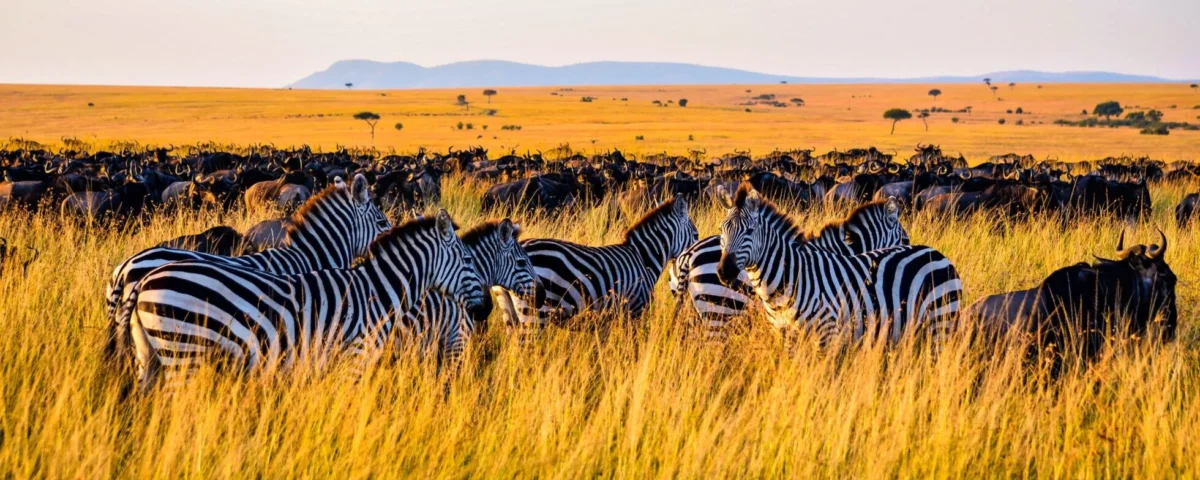
Can I See Zebras in Tanzania
If you are asking, can I see zebras in Tanzania, the answer is a clear yes. Tanzania ranks among the best safari destinations in Africa for travelers who want to see large herds of zebras in their natural environment. These beautiful animals live across many of the country’s grasslands, woodlands, and open plains, where they move in search of fresh grazing and water. The sight of hundreds or even thousands of zebras moving across a golden landscape creates one of the most memorable scenes you can experience on an African safari. Tanzania offers several excellent places to see them, including the Serengeti National Park, Ngorongoro Conservation Area, Tarangire National Park, and other wildlife destinations. Their presence also connects closely with the Great Migration, when vast herds of wildebeest and zebras move across the Serengeti ecosystem in response to rainfall and fresh grass. Therefore, seeing zebras in Tanzania involves much more than spotting a few animals during a game drive. It gives travelers the opportunity to understand migration, predator and prey relationships, seasonal wildlife movements, and the importance of healthy grassland ecosystems. With a well planned itinerary and an experienced safari guide, Tanzania can offer outstanding opportunities to observe zebras in some of Africa’s most spectacular landscapes.
Combined Uganda, Kenya, Rwanda and Tanzania Safaris
17 days Kenya Tanzania and Uganda safari
19 Days Uganda Kenya and Tanzania Safari
16 Days Kenya Tanzania and Uganda Safari
14 Days Kenya Uganda and Tanzania Safari
14 Days Kenya Uganda and Rwanda Safari
12 Day Gorilla Trekking and Tanzania Safari
Why Tanzania Is One of the Best Places to See Zebras
Tanzania offers exceptional zebra viewing because of its large protected areas and diverse wildlife habitats. Zebras thrive in open grasslands where they can feed on grasses while keeping a clear view of their surroundings. Tanzania’s northern safari circuit provides some of the most reliable opportunities to encounter them, particularly within the Serengeti ecosystem.
The country’s protected areas also allow zebras to move naturally across large landscapes. Instead of seeing animals in confined spaces, travelers can watch herds spread across open plains, gather around water sources, or move together through different habitats.
Zebras also form an important part of Tanzania’s wider wildlife ecosystem. They share their environment with wildebeest, gazelles, elephants, giraffes, and many other herbivores. Their movements also attract predators such as lions, cheetahs, hyenas, and wild dogs in some areas.
For travelers, this creates a more complete safari experience. A simple zebra sighting can quickly become an opportunity to observe predator behavior, grazing patterns, and interactions between different species.
The country’s strong conservation areas also support healthy wildlife populations. As a result, travelers visiting Tanzania have many opportunities to see zebras throughout the year. While seasonal movements can change the location and size of herds, zebras remain an important part of the country’s wildlife story.
The Serengeti Is the Best Destination for Large Zebra Herds
The Serengeti National Park stands out as one of the best places to see zebras in Tanzania. The park forms part of the larger Serengeti ecosystem, which supports enormous populations of herbivores and predators.
Zebras live across the Serengeti throughout the year, although their distribution changes with seasonal rainfall and the availability of fresh grass. During certain periods, travelers may encounter large herds moving across the open plains, creating spectacular scenes that showcase the scale of Tanzania’s wildlife.
The Serengeti also provides excellent opportunities to see zebras alongside wildebeest. These species often move together during the Great Migration, creating one of the world’s most famous wildlife spectacles.
However, travelers should remember that migration patterns depend heavily on rainfall. The exact location of zebra herds can therefore change from one year to another and even from one week to the next.
The park’s vast size also means that travelers can experience different landscapes while searching for zebras. Open grasslands provide excellent visibility, while woodland areas offer a different type of wildlife experience.
For travelers who want to combine zebra viewing with opportunities to see lions, cheetahs, leopards, elephants, and other iconic African wildlife, the Serengeti provides an outstanding choice. It offers both variety and scale, making every game drive a chance to discover something new.
How the Great Migration Affects Zebra Viewing
The Great Migration plays a major role in determining where travelers can see large concentrations of zebras in Tanzania. Each year, enormous herds of wildebeest and zebras move through the Serengeti ecosystem in search of fresh grazing and water.
This natural cycle follows rainfall patterns rather than a strict calendar. As conditions change, the animals move between different parts of the ecosystem. Therefore, travelers should understand that no single date guarantees a particular zebra sighting.
During migration periods, zebras often travel alongside wildebeest. The two species benefit from feeding on different parts of the grassland vegetation, allowing them to share the same ecosystem.
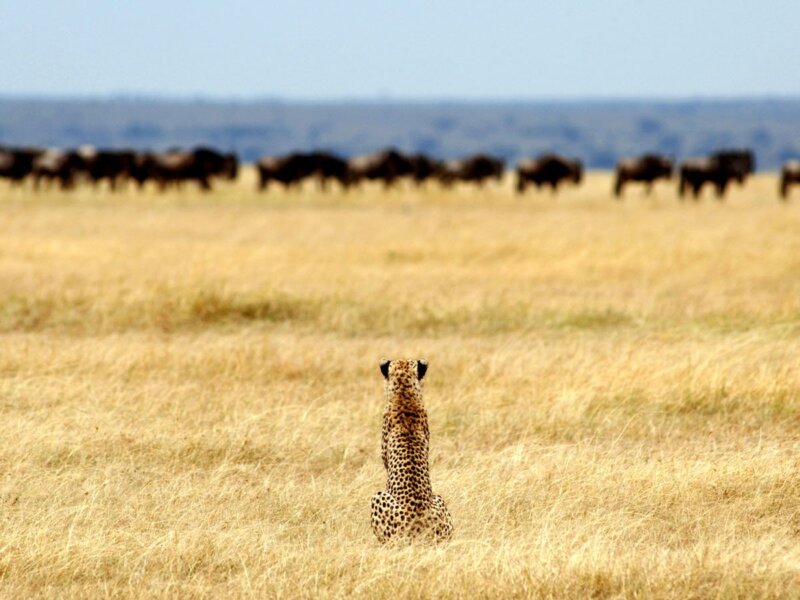
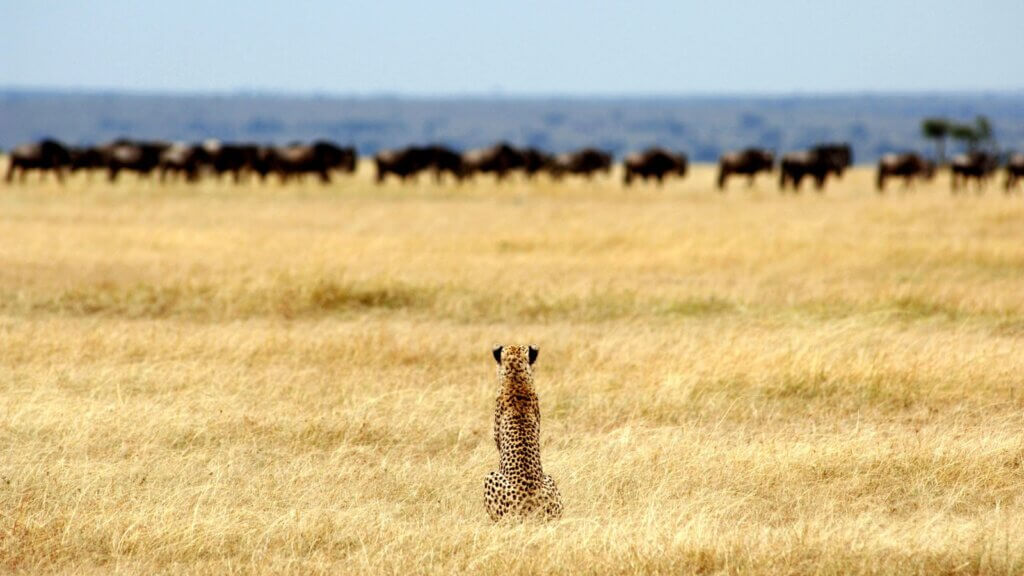
The migration also creates opportunities to observe predator activity. Lions, cheetahs, hyenas, and other predators follow the movement of large herbivore populations because they provide an important source of food.
For visitors, this creates a fascinating view of how an ecosystem functions. A zebra herd does not exist in isolation. Its movements influence predators, vegetation, and other herbivores.
If you want to see large zebra herds, planning around the migration can provide an exceptional experience. However, flexibility remains essential because rainfall can influence the timing and location of the animals.
Giant Holiday Safaris can help travelers plan a route that matches their travel dates with the expected seasonal movements of wildlife, while also allowing room for the unpredictable nature of the migration.
Can You See Zebras in the Ngorongoro Conservation Area?
The Ngorongoro Conservation Area provides another excellent opportunity to see zebras in Tanzania. The region contains diverse landscapes, including grasslands, highlands, forests, and the famous Ngorongoro Crater.
Within the crater, zebras often graze across open grasslands alongside wildebeest and other herbivores. The enclosed nature of the crater creates an environment with high wildlife density, making it an excellent location for travelers who want to see several species during a relatively short game drive.
The crater also supports predators, which means zebra sightings can sometimes occur alongside observations of lions and hyenas. These interactions demonstrate the natural balance between herbivores and carnivores.
The scenery adds another dimension to the experience. The crater walls rise dramatically around the wildlife-rich floor, creating a spectacular backdrop for photography.
However, travelers should understand that the Ngorongoro Crater differs from the Serengeti. The Serengeti offers vast open spaces and seasonal migration experiences, while Ngorongoro provides a more concentrated wildlife viewing environment.
Combining both destinations can therefore create a more complete safari. You can experience the open plains of the Serengeti and then explore the dense wildlife environment of the Ngorongoro Conservation Area.
For travelers visiting Tanzania for the first time, this combination often provides an excellent introduction to the country’s diverse wildlife and landscapes.
Tarangire National Park Also Offers Excellent Zebra Viewing
Tarangire National Park may receive less international attention than the Serengeti, but it offers rewarding opportunities to see zebras. The park is famous for its large elephant populations, ancient baobab trees, and diverse landscapes.
Zebras often appear in open areas where they can graze safely. Depending on the season, you may see them moving across grasslands or gathering near water sources.
The park becomes particularly interesting during the dry season when wildlife movements concentrate around dependable water. Animals travel from surrounding areas toward the Tarangire River, creating opportunities for travelers to observe different species in the same region.
The combination of zebras, elephants, giraffes, buffaloes, and other wildlife can make Tarangire a strong addition to a northern Tanzania itinerary.
The park also provides a different atmosphere from the Serengeti. Its landscapes feature more woodland and distinctive baobab trees, creating excellent photographic opportunities.
Travelers who want a varied safari experience should therefore consider adding Tarangire to their plans. While the Serengeti remains the strongest choice for massive zebra herds and migration experiences, Tarangire offers a quieter environment where visitors can enjoy wildlife without focusing entirely on the migration.
The park’s proximity to other northern Tanzania destinations also makes it convenient to include in a multi park safari.
What Is the Best Time to See Zebras in Tanzania?
You can see zebras in Tanzania throughout the year, but the best time depends on the type of experience you want. Zebras remain resident in many parks, so you do not need to travel during the migration season to see them.
The dry season often makes general wildlife viewing easier. As water becomes less available, animals gather around reliable sources, and vegetation becomes thinner. This can improve visibility during game drives.
However, the green season offers a completely different experience. Rain brings fresh grass and transforms the landscape into vibrant green scenery. Zebras may spread across wider areas because food becomes more abundant.
For travelers interested in the Great Migration, timing becomes more important. Zebra movements depend on rainfall, so the location of herds changes throughout the year.
Travelers should therefore choose their travel period based on their main priorities. If you simply want to see zebras, Tanzania offers opportunities in many seasons. If you want to experience large herds moving with wildebeest, you should plan around the expected migration cycle.
A good safari company can help you understand seasonal patterns and choose an itinerary that matches your interests.
How Many Zebras Can You See on a Tanzania Safari?
The number of zebras you see depends on the destination, season, and location of wildlife at the time of your visit. Some game drives may produce sightings of a few zebras grazing quietly, while others can reveal enormous herds stretching across the horizon.
The Serengeti provides the strongest opportunities for large concentrations, especially during periods when migration herds move through particular areas.
Seeing hundreds of zebras together creates an impressive visual experience. Their black and white patterns form a striking contrast against the golden grasslands, especially during the dry season.
Large herds also demonstrate how animals use safety in numbers. Zebras often move together, allowing individuals to detect potential predators more easily.
However, travelers should avoid judging a safari only by the number of animals they see. A small group can provide an equally rewarding experience if you have time to observe their behavior closely.
For example, you might watch zebras grooming one another, grazing, interacting with foals, or responding to a nearby predator.
This slower approach allows you to appreciate wildlife beyond simple numbers. Whether you see ten zebras or hundreds, the experience can become meaningful when you take time to understand their behavior and their role within the ecosystem.
Can You See Zebra Foals in Tanzania?
Zebra foals can add a special dimension to a Tanzania safari. Young zebras often stay close to their mothers and depend on the herd for protection during their early stages of life.
The timing of births can vary depending on rainfall and local conditions. When fresh grass becomes available, some areas may attract more young animals.
Seeing a zebra foal walking beside its mother creates an unforgettable wildlife moment. Young animals often display playful behavior, although they remain alert to potential threats.
Predators also influence the survival of young zebras. Lions, hyenas, and other carnivores may target young or vulnerable animals, making the presence of large herds important for protection.
Travelers should observe these scenes respectfully and avoid disturbing the animals. A skilled guide can position the vehicle appropriately while explaining the behavior taking place.
For families and photographers, young zebras can be particularly interesting. Their smaller size and close relationship with adult animals create opportunities to observe family behavior within a natural setting.
Therefore, a Tanzania safari can offer much more than simply seeing adult zebras. With good timing and favorable conditions, travelers may witness the next generation of these remarkable animals growing within one of Africa’s most important wildlife ecosystems.
What Other Wildlife Can You See With Zebras?
One of the greatest advantages of seeing zebras in Tanzania involves the variety of other animals that often share their habitat. Zebras live within complex ecosystems where many species depend on the same grasslands and water sources.
Wildebeest frequently move alongside zebras, especially during the Great Migration. Gazelles and other antelopes may also graze nearby, while giraffes browse on trees at the edge of open plains.
Predators add another level of excitement. Lions may rest nearby, while cheetahs scan the grasslands for opportunities to hunt. Hyenas can also move through areas where large herbivore herds gather.
Elephants and buffaloes may appear in the same broader ecosystem, although their feeding habits differ from those of zebras.
This diversity means that a single game drive can provide several wildlife experiences. You may begin by watching zebras and later encounter a pride of lions or a group of elephants.
The relationship between species also provides valuable lessons about nature. Wildlife does not exist in separate groups. Instead, animals constantly influence one another through feeding, competition, predation, and migration.
For this reason, zebra viewing becomes more meaningful when travelers take time to observe the wider ecosystem. Tanzania offers an opportunity to see how different animals share one landscape while following their own natural patterns.
How to Plan a Safari to See Zebras in Tanzania
Planning a successful zebra safari begins with choosing the right destinations. The Serengeti should remain a top priority if you want to see large herds or experience the Great Migration. The Ngorongoro Conservation Area provides excellent opportunities for concentrated wildlife viewing, while Tarangire adds variety through its elephants, baobabs, and woodland landscapes.
Next, consider your travel season. Zebras live in Tanzania year round, but their movements can change with rainfall. If you want to focus on migration herds, your itinerary should match the expected seasonal movements as closely as possible.
The length of your safari also matters. A longer itinerary gives you more opportunities to explore different habitats and increases your chances of encountering large herds.
Your choice of guide can make an important difference as well. Experienced guides understand animal behavior and know how to find wildlife without disturbing it.
Giant Holiday Safaris can help travelers create a balanced Tanzania itinerary that combines zebra viewing with other wildlife priorities. A thoughtful plan allows you to explore multiple ecosystems while avoiding the pressure of rushing between destinations.
Ultimately, the best safari combines good timing, suitable destinations, patience, and realistic expectations. Nature remains unpredictable, but careful planning can greatly improve your overall experience.
Why Seeing Zebras in Tanzania Is Worth the Journey
If you are still asking, can I see zebras in Tanzania, the answer remains a confident yes. Tanzania provides some of the finest opportunities in Africa to observe zebras in their natural habitats, from the open plains of the Serengeti to the wildlife-rich Ngorongoro Conservation Area and the distinctive landscapes of Tarangire National Park.
The Serengeti offers the greatest opportunity to experience large zebra herds and witness their connection to the Great Migration. Ngorongoro provides concentrated wildlife viewing in a dramatic volcanic setting, while Tarangire offers a quieter experience surrounded by baobab trees and diverse wildlife.
However, the real value of seeing zebras goes beyond simply taking photographs. These animals form an important part of Tanzania’s grassland ecosystems and contribute to the natural relationships that connect herbivores, predators, vegetation, and water.
Whether you encounter a small family group or thousands of zebras moving across the plains, each sighting offers a chance to understand Africa’s wild landscapes more deeply. With an experienced guide, a carefully planned itinerary, and enough time to explore, Tanzania can provide an unforgettable zebra safari experience. So, if you are wondering can I see zebras in Tanzania, the country’s remarkable parks and protected areas offer an exciting answer: yes, and the experience may become one of the most memorable parts of your African safari.