Which Animals Migrate in Serengeti
August 1, 2026
Which Safari Park Has the Highest Animal Density
August 1, 2026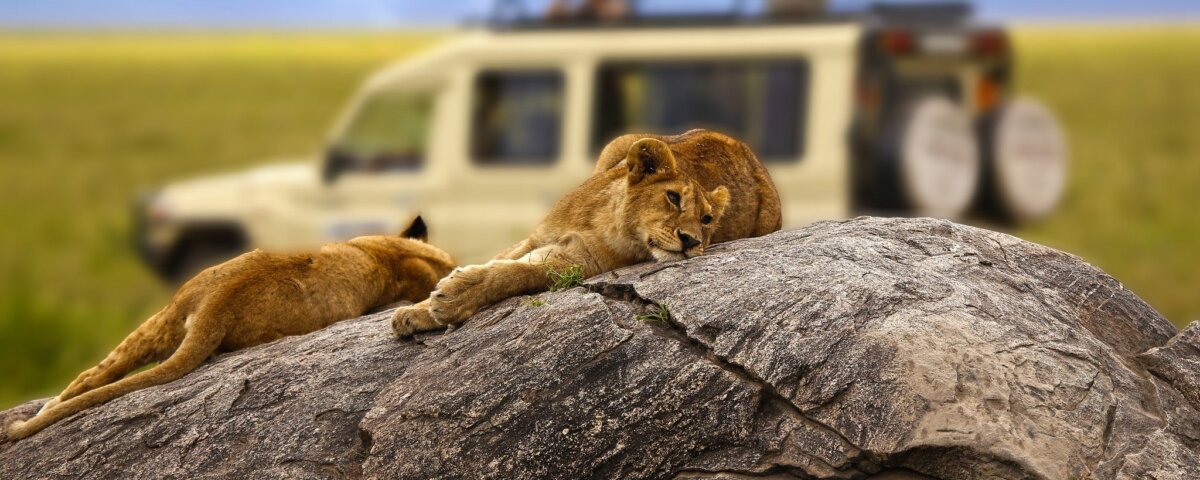
What Is Big Five Safari in Tanzania
A Big Five safari in Tanzania offers travelers the chance to search for five of Africa’s most famous animals: lions, leopards, elephants, buffaloes, and rhinoceroses. However, the experience means much more than simply checking five animals off a travel list. A well planned Big Five safari allows you to explore some of Tanzania’s most remarkable landscapes while learning about animal behavior, conservation, and the complex relationships that shape African ecosystems. Tanzania stands among the world’s leading safari destinations because it combines vast protected areas with rich wildlife populations and experienced safari guides. From the open plains of the Serengeti to the wildlife rich Ngorongoro Conservation Area and the diverse habitats of Tarangire National Park, travelers can enjoy different opportunities to encounter these iconic species. Nevertheless, wildlife remains wild and unpredictable, so no responsible safari company can guarantee every sighting. Instead, the goal should focus on creating the best possible conditions for memorable encounters while respecting nature. A Big Five safari in Tanzania gives travelers the opportunity to experience Africa at its most authentic while exploring landscapes that support some of the continent’s most important wildlife populations.
Combined Uganda, Kenya, Rwanda and Tanzania Safaris
17 days Kenya Tanzania and Uganda safari
19 Days Uganda Kenya and Tanzania Safari
16 Days Kenya Tanzania and Uganda Safari
14 Days Kenya Uganda and Tanzania Safari
14 Days Kenya Uganda and Rwanda Safari
12 Day Gorilla Trekking and Tanzania Safari
Understanding the Meaning of a Big Five Safari in Tanzania
The term Big Five originally referred to five large African animals that hunters considered difficult and dangerous to hunt on foot. Today, the meaning has changed significantly within modern tourism. A Big Five safari now represents a wildlife experience focused on observing lions, leopards, elephants, buffaloes, and rhinoceroses in their natural habitats.
For many travelers, these five animals symbolize the excitement and diversity of an African safari. However, each species offers a completely different wildlife experience. Lions often live in social prides and provide opportunities to observe group behavior. Leopards usually remain more elusive and require patience and careful observation. Elephants display strong family bonds, while buffaloes often gather in large herds across grasslands and woodland areas. Rhinoceroses, meanwhile, remain among the most protected animals on the continent because of their endangered status.
Therefore, a Big Five safari should not focus only on completing a checklist. Instead, travelers should appreciate the unique behavior and ecological role of every species they encounter.
The experience becomes even more rewarding when an experienced guide explains how these animals interact with their surroundings. This approach transforms a simple wildlife drive into an educational journey through one of Africa’s most fascinating ecosystems.
Why Tanzania Is an Excellent Big Five Safari Destination
Tanzania offers outstanding conditions for travelers who want to experience a Big Five safari. The country protects large areas of land through national parks, conservation areas, and wildlife management zones. These protected landscapes allow animals to move naturally and support a wide variety of habitats.
The northern safari circuit provides some of the strongest opportunities for Big Five viewing. The Serengeti supports large populations of lions, elephants, buffaloes, and leopards, while the Ngorongoro Conservation Area provides an excellent environment for concentrated wildlife viewing. Tarangire National Park also adds diversity through its elephants, baobab trees, and seasonal wildlife movements.
Tanzania’s strong conservation framework also helps protect threatened species. Rhinoceros sightings require patience and careful planning because their populations remain much smaller than those of other large mammals.
Another advantage comes from the country’s experienced safari guiding community. Skilled guides understand animal behavior, seasonal patterns, and local landscapes. They also know how to approach wildlife respectfully without creating unnecessary disturbance.
For travelers seeking a complete African safari, Tanzania offers an impressive combination of wildlife, scenery, culture, and conservation. Giant Holiday Safaris can help travelers build an itinerary that balances Big Five viewing with other experiences, creating a more complete understanding of Tanzania’s natural heritage.
Where Can You See the Big Five in Tanzania?
Tanzania has several important safari destinations where travelers can search for the Big Five. The Serengeti National Park remains one of the most famous choices because of its large wildlife populations and expansive grasslands.
The Serengeti offers particularly strong opportunities to see lions and elephants. Leopards also inhabit the park, although their secretive nature makes them more difficult to find. Buffaloes appear across many areas, while rhinoceroses remain much rarer and require more focused searching.
The Ngorongoro Conservation Area provides another outstanding destination. The Ngorongoro Crater contains a high concentration of wildlife within a relatively compact landscape. This makes it possible to encounter several large mammal species during a single game drive.
Tarangire National Park provides a different experience. The park is especially famous for elephants, but travelers can also encounter lions, leopards, and buffaloes. The landscape features ancient baobab trees and woodland areas, creating a distinct setting for wildlife photography.
Lake Manyara National Park can also contribute to a Big Five itinerary, particularly for travelers interested in elephants and buffaloes. However, visitors should understand that seeing all five species in one trip depends on timing, location, and luck.
Combining several parks usually gives travelers a stronger overall opportunity to experience Tanzania’s diverse wildlife.
The Serengeti and the Big Five Experience
The Serengeti remains a central destination for a Big Five safari in Tanzania. Its enormous plains and diverse habitats support large populations of predators and herbivores.
Lions are among the most frequently encountered Big Five species in the Serengeti. Travelers may see prides resting beneath trees, moving through grasslands, or watching potential prey. Their social behavior makes them fascinating to observe over extended periods.
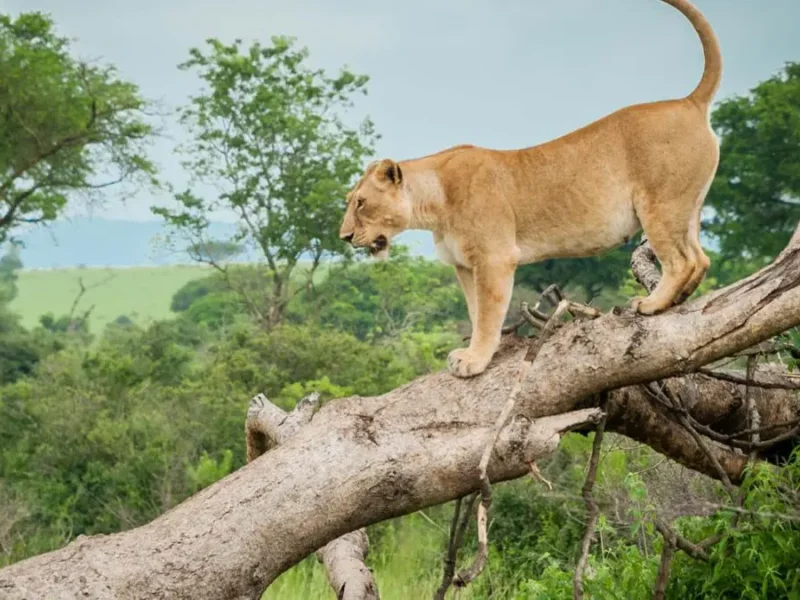
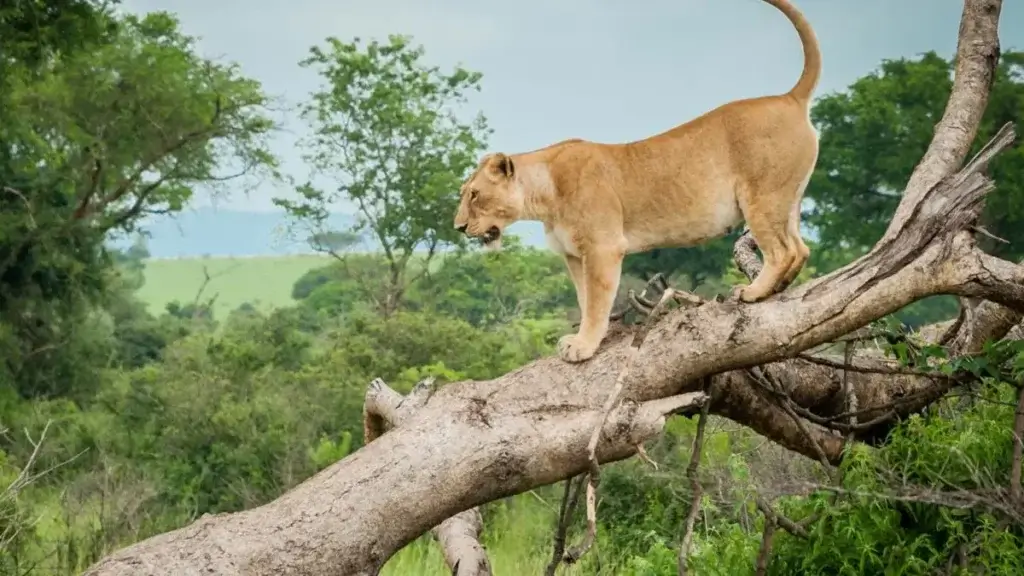
Leopards also live throughout the Serengeti, although they require more patience. These solitary cats often hide in woodland areas or rest in trees, making them harder to locate. A skilled guide can improve your chances by understanding their preferred habitats and behavior.
Elephants and buffaloes appear in different parts of the park, while rhinoceros sightings remain uncommon. The Serengeti’s vast size means that wildlife viewing can vary greatly between regions and seasons.
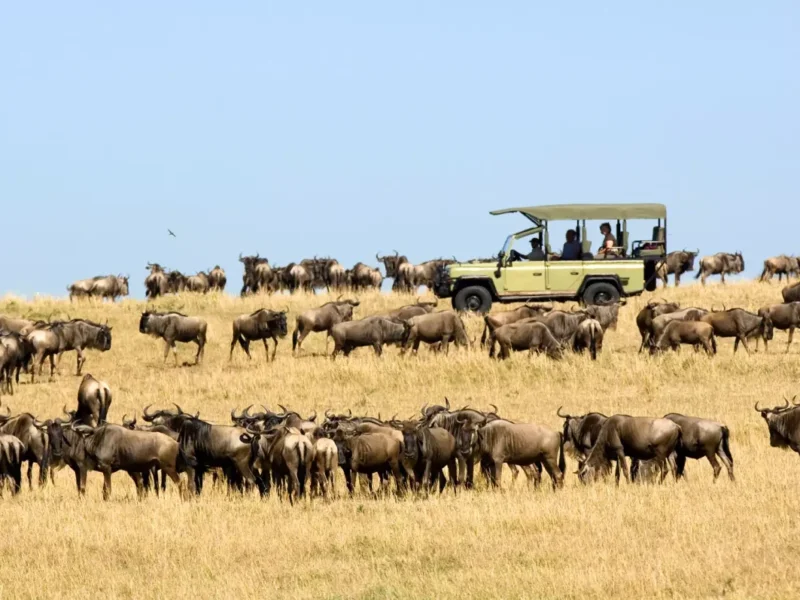
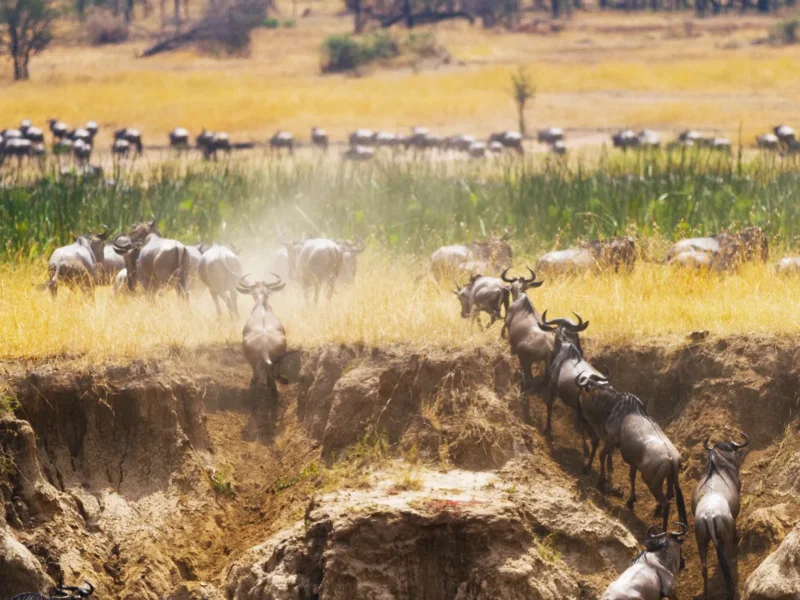
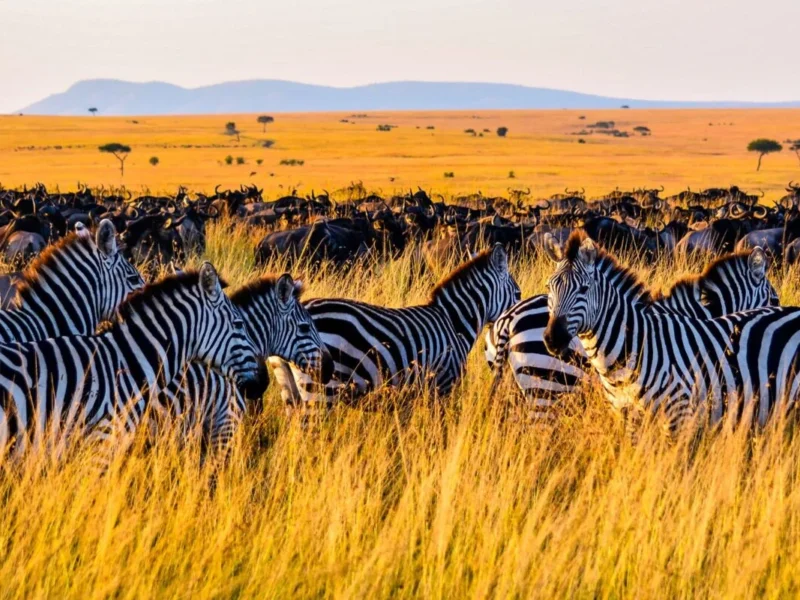
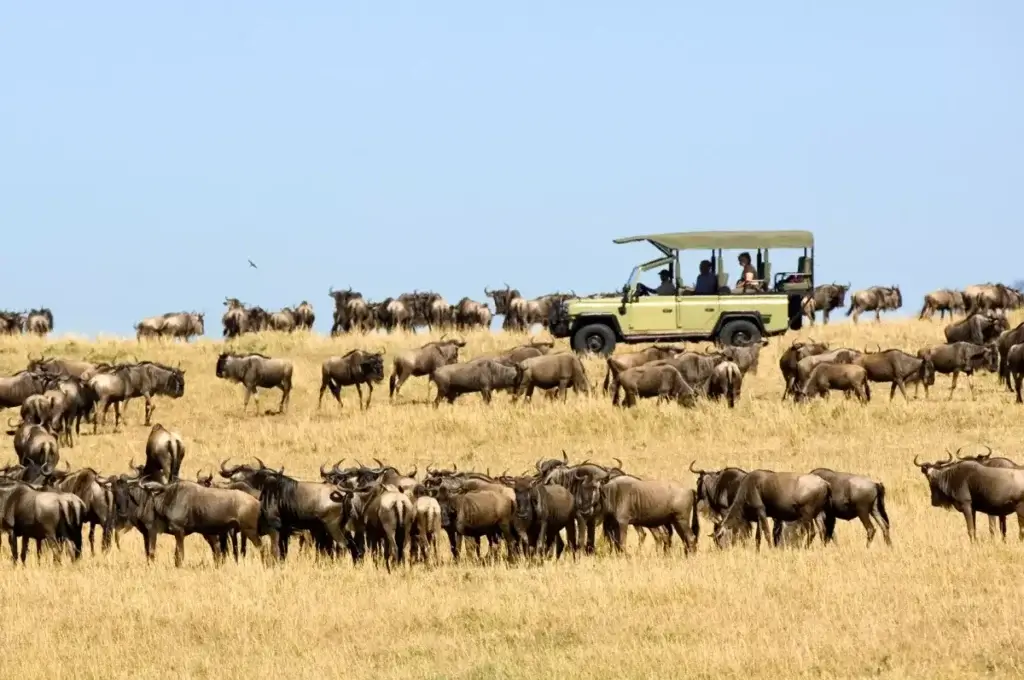
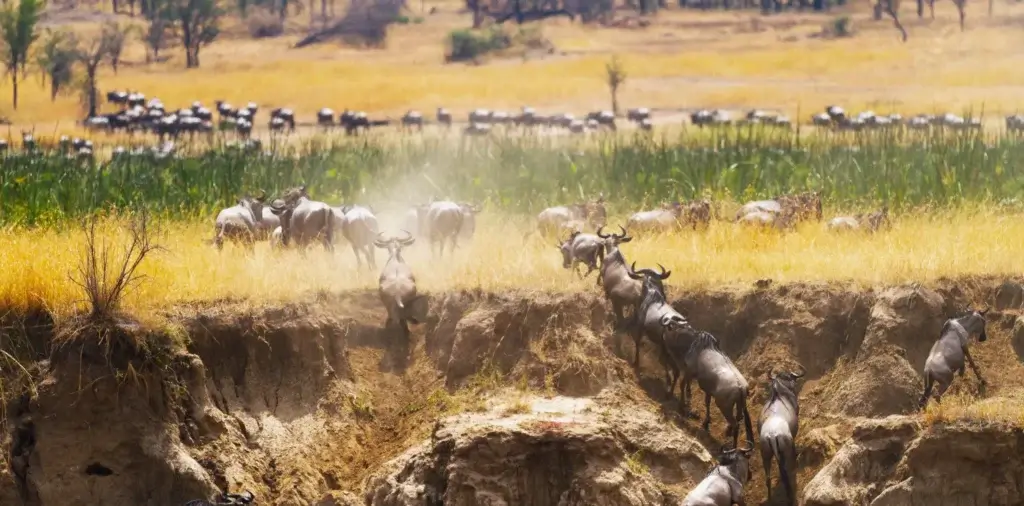
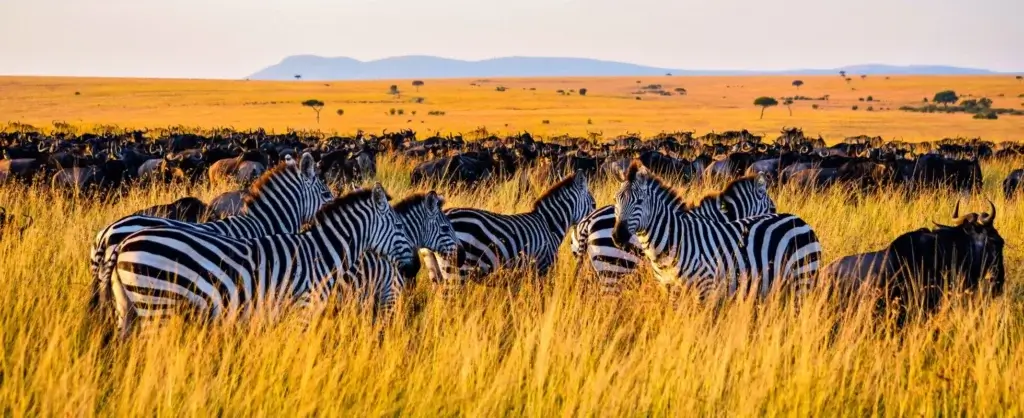
The park also becomes especially exciting during periods of the Great Migration. Large numbers of wildebeest and zebras attract predators, creating dynamic scenes across the plains.
For this reason, the Serengeti offers more than Big Five viewing. It provides an opportunity to observe an entire ecosystem functioning naturally, with predators, herbivores, and landscapes connected through seasonal cycles.
Why Ngorongoro Is Important for Big Five Safaris
The Ngorongoro Conservation Area provides one of Tanzania’s most unique safari environments. The Ngorongoro Crater forms a natural wildlife sanctuary surrounded by steep walls, creating a landscape with remarkable concentrations of animals.
Travelers often choose the crater because they can encounter several major wildlife species during a relatively short game drive. Lions are common in suitable areas, while buffaloes and elephants move through different habitats. Leopards remain more elusive, as they prefer areas that provide cover.
The crater also supports one of Tanzania’s important rhinoceros populations. Although sightings remain far from guaranteed, the area’s protected environment provides one of the better opportunities to search for these rare animals.
The landscape itself adds to the experience. Grasslands, wetlands, forests, and open areas create a variety of habitats within a relatively compact region.
However, travelers should understand that the crater operates differently from the Serengeti. The experience often feels more concentrated, while the Serengeti provides a greater sense of vastness and open wilderness.
Combining both destinations allows visitors to enjoy two distinct sides of Tanzania. The Serengeti provides expansive landscapes and seasonal wildlife movements, while Ngorongoro offers dense wildlife viewing in a dramatic volcanic setting.
Finding Lions on a Tanzania Big Five Safari
Lions often represent one of the most exciting parts of a Big Five safari in Tanzania. Tanzania supports strong lion populations across several major wildlife areas, giving travelers good opportunities to observe these powerful predators.
The Serengeti provides particularly rewarding lion encounters. Large prides may rest in open grasslands or near areas where prey species gather. During periods of high herbivore activity, predators can become more active because food becomes more available.
Lions also live within the Ngorongoro Conservation Area and other northern Tanzania destinations. Their behavior can change depending on weather, prey movements, and time of day.
Early morning and late afternoon often provide excellent conditions for wildlife viewing because temperatures remain cooler and animals become more active. However, wildlife does not follow a fixed schedule, so travelers can encounter interesting behavior at any time.
Watching lions also offers an opportunity to understand their social structure. Females often cooperate in raising young and hunting, while males play important roles within prides.
A good guide will help you observe these animals without disrupting their natural behavior. Responsible viewing protects both wildlife and the quality of the experience.
Searching for Leopards in Tanzania
Leopards often provide one of the most rewarding challenges during a Big Five safari. Unlike lions, leopards usually live alone and rely on camouflage and stealth.
Their secretive behavior makes them harder to find, but that difficulty can make a sighting even more exciting. In the Serengeti, leopards often use woodland areas and trees as resting places. Their ability to climb allows them to escape competition from other predators and protect their meals.
Travelers should remain patient when searching for leopards. A guide may spend time scanning trees, riverbanks, and areas with thick vegetation.
The best leopard experiences often involve more than a quick sighting. If you find a relaxed leopard resting in a tree, you may have time to observe its behavior and capture photographs.
Leopards also demonstrate the importance of having an experienced guide. Their camouflage can make them almost invisible to an untrained eye, even when they remain relatively close to the safari vehicle.
Therefore, travelers should approach leopard viewing with realistic expectations. A sighting may not happen on every game drive, but the search itself becomes part of the adventure.
Encountering Elephants and Buffaloes
Elephants and buffaloes often provide some of the most reliable Big Five encounters in Tanzania. Both species live across several major safari destinations, although their behavior differs greatly.
Elephants usually travel in family groups led by experienced females. Watching a herd move through the landscape can reveal strong social relationships. Young calves often remain close to adults, while older individuals guide the group toward food and water.
Tarangire National Park is especially well known for elephants. During dry periods, wildlife may gather around dependable water sources, creating excellent opportunities for observation.
Buffaloes, on the other hand, often form large herds. Their size and strong social structure make them impressive to watch. They can appear calm while grazing, yet they remain powerful wild animals that deserve respectful distance.
The Serengeti and Ngorongoro areas also offer opportunities to see buffaloes in different habitats.
Together, elephants and buffaloes show travelers how large herbivores shape their environments. Elephants influence vegetation by feeding on trees and shrubs, while buffaloes contribute to grassland ecosystems through grazing.
These encounters remind visitors that a Big Five safari involves understanding the wider ecosystem rather than focusing only on predators.
Where to Look for Rhinoceroses in Tanzania
Rhinoceroses represent one of the most difficult Big Five animals to find in Tanzania. Their populations remain much smaller than those of lions, elephants, or buffaloes, so travelers should never expect a guaranteed sighting.
The Ngorongoro Crater provides one of the best opportunities to search for black rhinoceroses. The protected environment supports a small population, and conservation efforts continue to focus on their survival.
Seeing a rhinoceros can become one of the most memorable moments of a Tanzania safari because these animals face serious threats across Africa. Habitat loss and illegal poaching have placed enormous pressure on rhinoceros populations.
Travelers should therefore view rhino sightings as a privilege rather than an expectation. Responsible tourism can contribute to conservation by generating income that supports protected areas, local communities, and wildlife management.
Guides also play an important role in responsible rhino viewing. They help maintain appropriate distances and ensure that vehicles do not create unnecessary stress.
For visitors who hope to complete a Big Five experience, Ngorongoro should form an important part of the itinerary. Nevertheless, the real value comes from supporting conservation and appreciating these rare animals in their natural environment.
How Long Do You Need for a Big Five Safari in Tanzania?
The ideal safari length depends on your goals, budget, and travel style. A short safari can provide excellent wildlife encounters, but a longer trip gives you more opportunities to explore different habitats.
Travelers who want to focus strongly on the Big Five should consider combining the Serengeti with Ngorongoro. Adding Tarangire can provide more variety and increase the range of wildlife experiences.
A longer itinerary also allows you to slow down. Instead of rushing between parks, you can spend more time observing animal behavior.
This approach matters because wildlife viewing involves uncertainty. You may find lions quickly but spend hours searching for a leopard or rhinoceros. More time in the parks gives your guide greater flexibility to respond to wildlife movements.
The season also influences planning. Dry periods may improve general visibility, while green seasons can offer beautiful landscapes and fewer visitors in some areas.
Ultimately, the best itinerary balances wildlife priorities with the overall travel experience. A safari should not feel like a race to see five animals. Instead, it should provide enough time to appreciate Tanzania’s landscapes, wildlife, people, and conservation efforts.
What Makes a Big Five Safari More Than a Wildlife Checklist?
A Big Five safari becomes truly meaningful when travelers look beyond the five famous animals. Tanzania’s wildlife ecosystem contains hundreds of species, each contributing to the health and balance of the natural environment.
For example, wildebeest and zebras support predator populations while also shaping grassland ecosystems through grazing. Giraffes influence vegetation, elephants transform woodland habitats, and smaller animals contribute to soil health and food chains.
Therefore, a traveler who focuses only on lions, leopards, elephants, buffaloes, and rhinoceroses may miss much of what makes Tanzania special.
The best safari guides encourage visitors to notice these connections. They explain animal behavior, identify tracks, interpret sounds, and describe changes in the landscape.
This educational approach creates a deeper experience. You begin to understand why conservation matters and how protected areas support both wildlife and communities.
Giant Holiday Safaris can help travelers create a safari that combines Big Five viewing with broader wildlife, cultural, and conservation experiences. This balanced approach allows visitors to return home with more than photographs. They gain a better understanding of Africa’s natural heritage and the responsibility that comes with visiting it.
Choosing the Right Big Five Safari Experience in Tanzania
Choosing the right Big Five safari depends on what you value most. Travelers who want vast landscapes and predator encounters may prefer the Serengeti. Those who want concentrated wildlife viewing may enjoy the Ngorongoro Crater. Visitors who love elephants and distinctive scenery may find Tarangire especially rewarding.
Your travel season also matters. Wildlife movements change throughout the year, so your itinerary should match your interests and available travel dates.
The quality of guiding can make an equally important difference. A knowledgeable guide can turn a simple animal sighting into a deeper learning experience by explaining behavior and conservation.
Accommodation also shapes the safari experience. Tanzania offers everything from comfortable camps to high end lodges, allowing travelers to choose according to their budget and preferred level of comfort.
Most importantly, travelers should approach a Big Five safari with realistic expectations. Nature does not operate according to a schedule, and no responsible operator can promise every sighting.
Instead, choose an itinerary that maximizes your opportunities while leaving room for the unexpected. The most memorable moments often come from experiences you never planned.
The Big Five Experience That Stays With You
A Big Five safari in Tanzania offers far more than the opportunity to see five famous African animals. It provides a journey into landscapes where wildlife still follows natural rhythms and where every game drive can bring a new discovery. The Serengeti offers vast plains and remarkable predator encounters, while Ngorongoro provides concentrated wildlife viewing in a spectacular volcanic environment. Tarangire adds elephants, baobabs, and seasonal wildlife movements to the experience.
Although seeing all five animals can become an exciting goal, travelers should remember that nature remains unpredictable. A leopard hiding in woodland, a rhinoceros disappearing into the grass, or a pride of lions resting beneath a tree can all become equally valuable memories.
Ultimately, the true meaning of a Big Five safari in Tanzania comes from experiencing wildlife respectfully and understanding the ecosystems that support it. When you combine careful planning, experienced guiding, patience, and a genuine appreciation for nature, the journey becomes much more than a checklist. It becomes an opportunity to connect with Africa’s wild heritage and understand why protecting these remarkable landscapes matters for future generations.