What Is Big Five Safari in Tanzania
August 1, 2026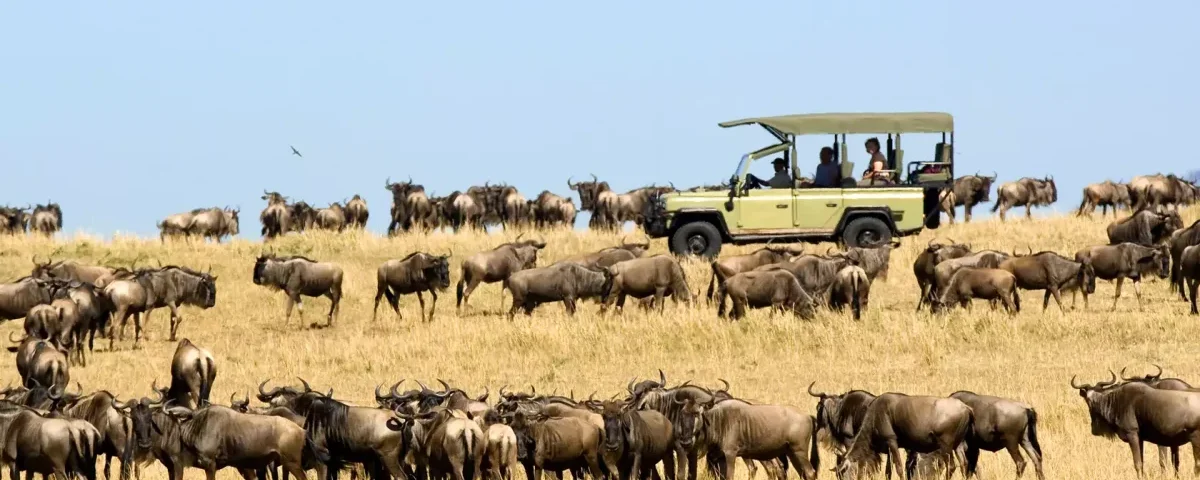
Which Safari Park Has the Highest Animal Density
Many travellers planning an African safari ask, which safari park has the highest animal density, because they want the best chance of seeing large numbers of wildlife during their adventure. Tanzania is home to several world famous national parks, but one destination consistently stands above the rest for its incredible concentration of animals. From massive herds of wildebeests and zebras to the Big Five and hundreds of bird species, this remarkable ecosystem offers unforgettable wildlife experiences throughout the year.
Animal density plays a major role in the quality of a safari. Parks with abundant wildlife provide more frequent sightings, greater species diversity, and exciting opportunities to observe natural behaviour. Whether you dream of watching lions hunt across open plains, elephants gathering around rivers, or thousands of migrating wildebeests stretching to the horizon, choosing the right safari park makes all the difference.
The Serengeti National Park has earned its global reputation because it supports one of the richest wildlife populations anywhere on Earth. Combined with surrounding conservation areas, this ecosystem creates an extraordinary environment where predators, herbivores, birds, and smaller mammals thrive together in remarkable numbers.
Planning your journey with Giant Holiday Safaris allows you to explore Tanzania’s most wildlife rich destinations with experienced guides who understand animal behaviour, seasonal movements, and the best game viewing locations.
Understanding which safari park has the highest animal density helps travellers choose the perfect destination for an unforgettable Tanzania safari.
Combined Uganda, Kenya, Rwanda and Tanzania Safaris
17 days Kenya Tanzania and Uganda safari
19 Days Uganda Kenya and Tanzania Safari
16 Days Kenya Tanzania and Uganda Safari
14 Days Kenya Uganda and Tanzania Safari
14 Days Kenya Uganda and Rwanda Safari
12 Day Gorilla Trekking and Tanzania Safari
Which Safari Park Has the Highest Animal Density?
When travellers ask which safari park has the highest animal density, the answer is often Serengeti National Park. Located in northern Tanzania, the Serengeti supports one of the world’s largest concentrations of wildlife across approximately 14,750 square kilometres of protected wilderness.
The park’s enormous animal population exists because it provides everything wildlife needs to survive. Vast grasslands supply abundant grazing, permanent rivers provide reliable water, woodlands offer shelter, and rocky kopjes create ideal habitats for predators. These diverse landscapes support an extraordinary variety of species living together within a balanced ecosystem.
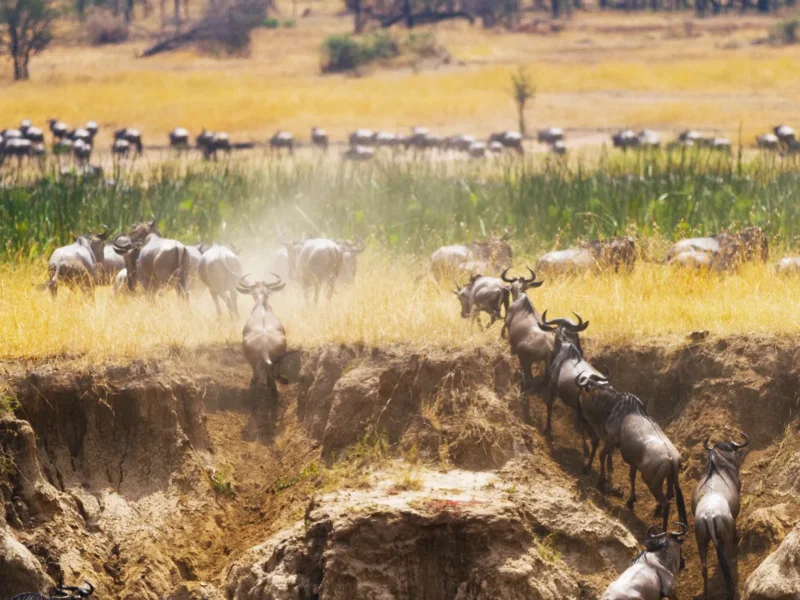
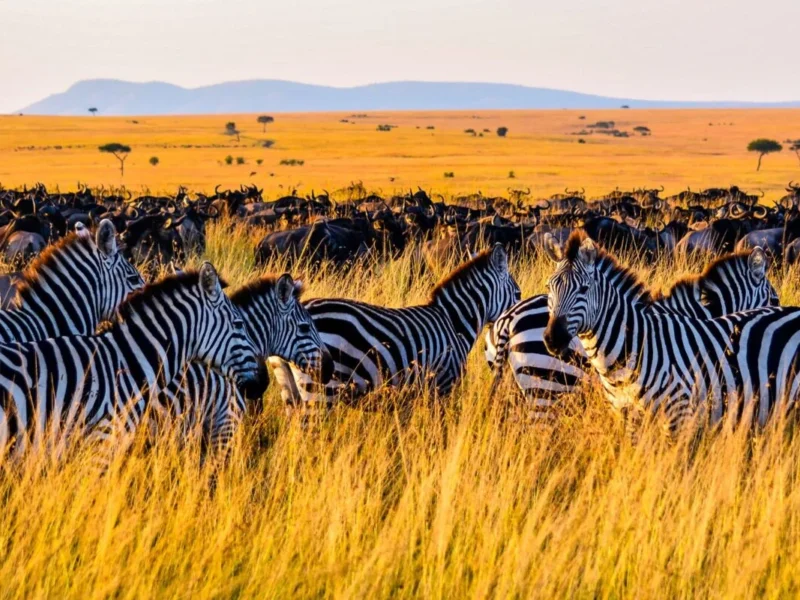
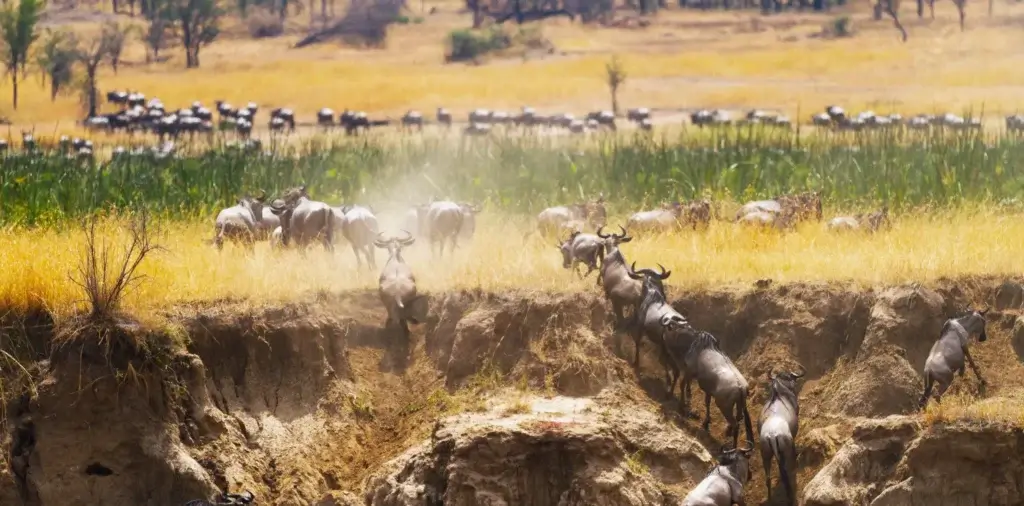
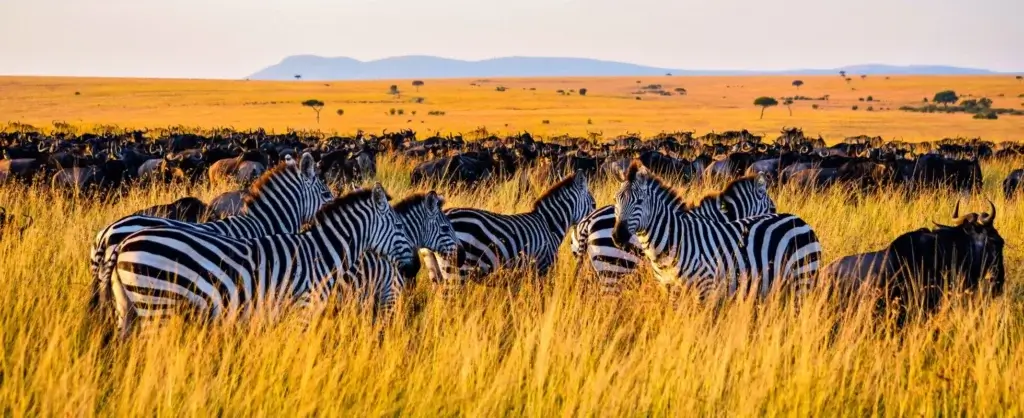
The Serengeti is best known for the Great Migration. Every year, more than 1.5 million wildebeests, hundreds of thousands of zebras, and large numbers of gazelles travel across the plains searching for fresh grass. These migrating animals dramatically increase wildlife density during different seasons while attracting numerous predators.
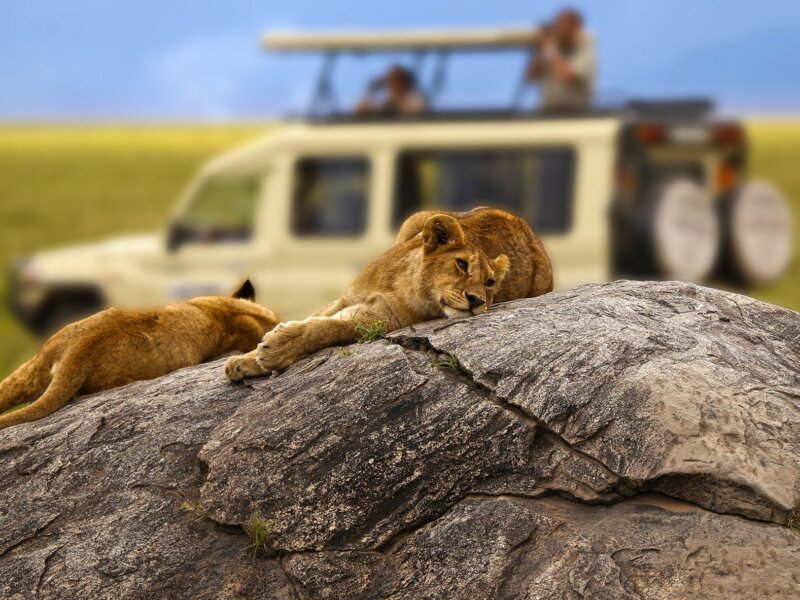
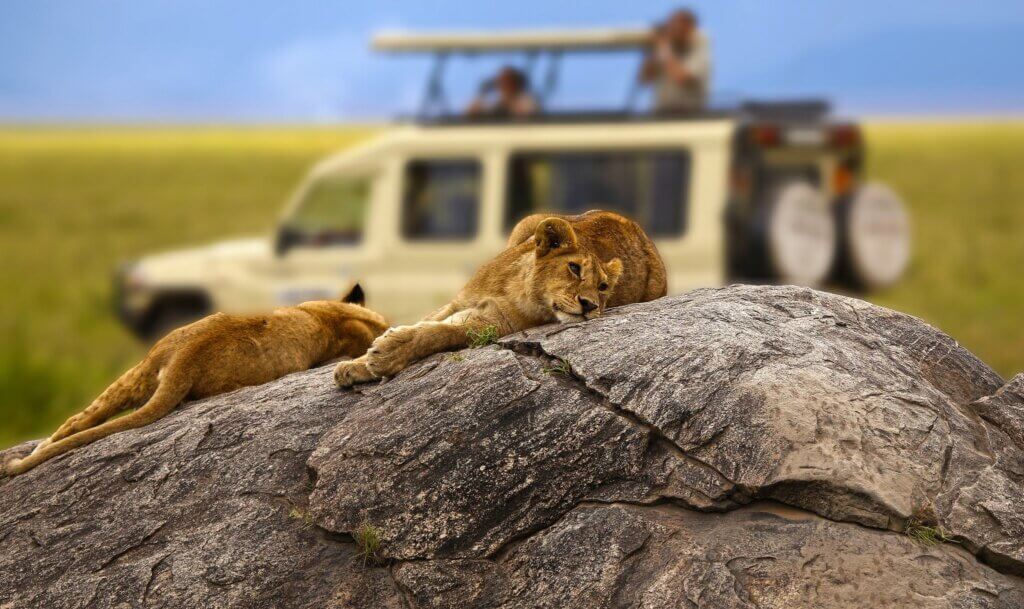
Resident wildlife also contributes to the park’s impressive numbers. Lions, elephants, buffaloes, giraffes, leopards, cheetahs, hyenas, hippos, crocodiles, and many antelope species remain within the Serengeti throughout the year. Visitors can enjoy excellent wildlife viewing regardless of the migration’s location.
Birdlife is equally impressive. More than 500 bird species inhabit the Serengeti, ranging from large ostriches and secretary birds to colourful kingfishers, bee eaters, hornbills, and vultures.
Although other Tanzanian parks offer exceptional wildlife experiences, few match the Serengeti’s combination of species diversity, migration, predator populations, and year round game viewing opportunities.
Why Animal Density Matters on Safari
Animal density greatly influences the overall safari experience. Parks with higher wildlife concentrations increase the likelihood of memorable sightings while allowing visitors to observe more natural behaviours within shorter periods.
One major advantage is the opportunity to see multiple species during a single game drive. In high density areas, visitors often encounter elephants, giraffes, zebras, wildebeests, buffaloes, gazelles, lions, and numerous bird species within only a few hours. This variety creates exciting and rewarding safari experiences.
Higher animal density also benefits wildlife photographers. More frequent sightings provide additional opportunities to capture excellent images under different lighting conditions while observing animals in various behaviours such as grazing, hunting, interacting, or caring for young.
Predator viewing also improves significantly in areas with abundant prey. Lions, cheetahs, leopards, hyenas, and crocodiles naturally concentrate where herbivore populations remain high. Visitors therefore enjoy greater chances of witnessing dramatic wildlife interactions.
Educational value represents another important benefit. Observing numerous species within one ecosystem helps travellers understand the complex relationships between predators, prey, vegetation, weather, and seasonal movements. This deeper understanding makes the safari more meaningful.
Animal density also contributes to conservation awareness. Seeing thriving wildlife populations demonstrates the importance of protected national parks and responsible tourism in preserving Africa’s natural heritage.
Choosing a destination with exceptional wildlife density allows visitors to maximise every day of their safari while creating unforgettable memories that last a lifetime.
The Wildlife That Makes Serengeti So Rich in Animal Density
The Serengeti’s incredible animal density results from its extraordinary diversity of wildlife. Few places on Earth support so many different species living together within one interconnected ecosystem.
The blue wildebeest forms the largest wildlife population in the park. More than 1.5 million animals participate in the Great Migration, making them the Serengeti’s most iconic species. Their annual movement supports countless predators while maintaining healthy grasslands.
Plains zebras also contribute significantly to the park’s wildlife richness. Approximately 250,000 zebras migrate alongside wildebeests, using different grazing habits that allow both species to benefit from the same grasslands.
Large predator populations further distinguish the Serengeti. The park contains thousands of lions along with healthy populations of leopards, cheetahs, spotted hyenas, jackals, servals, and several smaller carnivores. These predators maintain ecological balance while providing spectacular wildlife viewing.
The Serengeti also supports impressive elephant herds that roam through woodlands and river valleys. African buffaloes gather in large groups across the plains, while giraffes browse peacefully among scattered acacia trees.
Numerous antelope species including impalas, topis, hartebeests, waterbucks, elands, dik diks, and Thomson’s gazelles increase overall biodiversity. Hippos occupy rivers and pools throughout the park, while Nile crocodiles dominate major waterways.
Bird enthusiasts also enjoy exceptional diversity. More than 500 bird species inhabit the Serengeti, making it one of East Africa’s finest birdwatching destinations.
This remarkable variety of wildlife creates one of the richest ecosystems in Africa and explains why the Serengeti consistently ranks among the world’s greatest safari destinations.
Factors That Support High Animal Density in a Safari Park
Several natural factors work together to support the Serengeti’s extraordinary wildlife populations. These conditions have developed over thousands of years, creating one of the most productive ecosystems on Earth.
Rich volcanic soils represent one important factor. Ancient volcanic activity from the nearby Ngorongoro Highlands produced nutrient rich soils that encourage healthy grass growth. These fertile plains provide excellent grazing for millions of herbivores.
Seasonal rainfall also plays a critical role. Different parts of the Serengeti receive rain at different times of the year, allowing animals to move continuously toward fresh grazing. This natural cycle supports the Great Migration while preventing overgrazing.
Permanent rivers including the Grumeti and Mara provide reliable water even during the dry season. These rivers attract large numbers of wildlife while supporting aquatic species such as hippos and crocodiles.
The Serengeti’s diverse habitats increase biodiversity. Open grasslands, woodlands, riverine forests, wetlands, and rocky kopjes each provide suitable environments for different species. This habitat diversity allows many animals to live within the same ecosystem without competing directly for identical resources.
Predators also contribute to healthy wildlife populations by controlling herbivore numbers. Lions, hyenas, leopards, cheetahs, and other carnivores remove weaker animals, helping maintain stronger and healthier prey populations.
Strong conservation efforts have protected the Serengeti for decades. Effective wildlife management, anti poaching programmes, scientific research, and responsible tourism all help preserve this remarkable ecosystem for future generations.
These combined factors explain why the Serengeti continues supporting one of the highest wildlife densities anywhere in Africa.
Best Time to Experience Peak Wildlife Density
Wildlife can be seen throughout the year in the Serengeti, but certain seasons produce especially impressive animal concentrations depending on migration patterns and environmental conditions.
January through March marks the famous calving season on the southern Serengeti plains. During these months, hundreds of thousands of wildebeest calves are born within a short period. Massive herds gather together while predators such as lions, cheetahs, hyenas, and jackals become increasingly active. Wildlife density reaches remarkable levels across the southern grasslands.
From April through June, migrating herds begin moving westward toward the Grumeti region. Visitors enjoy watching enormous columns of wildebeests and zebras crossing the plains while predators follow closely behind.
Between July and October, northern Serengeti experiences another period of exceptional wildlife density. Thousands of animals gather near the Mara River before making dramatic crossings into Kenya. Riverbanks become crowded with wildebeests, zebras, crocodiles, lions, hyenas, and many bird species.
November and December bring the herds gradually back toward southern Tanzania as seasonal rains stimulate fresh grass growth. Wildlife remains abundant across much of the ecosystem during this transitional period.
Resident wildlife including elephants, buffaloes, giraffes, lions, leopards, and hippos can be seen throughout the year regardless of migration movements. Early morning and late afternoon game drives consistently provide the best opportunities for observing active animals.
With careful planning and guidance from Giant Holiday Safaris, travellers can choose the ideal season to experience the Serengeti’s extraordinary wildlife density while enjoying unforgettable safari adventures.
Other Tanzania Parks with Exceptional Wildlife Density
Although Serengeti National Park is widely regarded as the safari park with the highest animal density, Tanzania has several other outstanding wildlife destinations. Each park offers unique ecosystems and remarkable opportunities to observe large numbers of animals throughout the year.
Ngorongoro Conservation Area ranks among Tanzania’s most wildlife rich destinations. The famous Ngorongoro Crater supports an extraordinary concentration of animals within its enclosed volcanic caldera. Lions, elephants, buffaloes, black rhinos, hyenas, zebras, wildebeests, hippos, and numerous antelope species live together in a relatively compact area. Because animals rarely leave the crater, visitors often enjoy exceptional game viewing during a single day.
Tarangire National Park is famous for its enormous elephant population. During the dry season, thousands of elephants gather near the Tarangire River along with zebras, wildebeests, giraffes, buffaloes, and many antelope species. Lions, leopards, cheetahs, and hyenas follow these herbivores, creating rewarding wildlife encounters.
Nyerere National Park, formerly part of the Selous Game Reserve, covers one of Africa’s largest protected areas. It supports healthy populations of elephants, buffaloes, hippos, crocodiles, lions, leopards, African wild dogs, and countless bird species. Its rivers and wetlands create a very different safari experience from northern Tanzania.
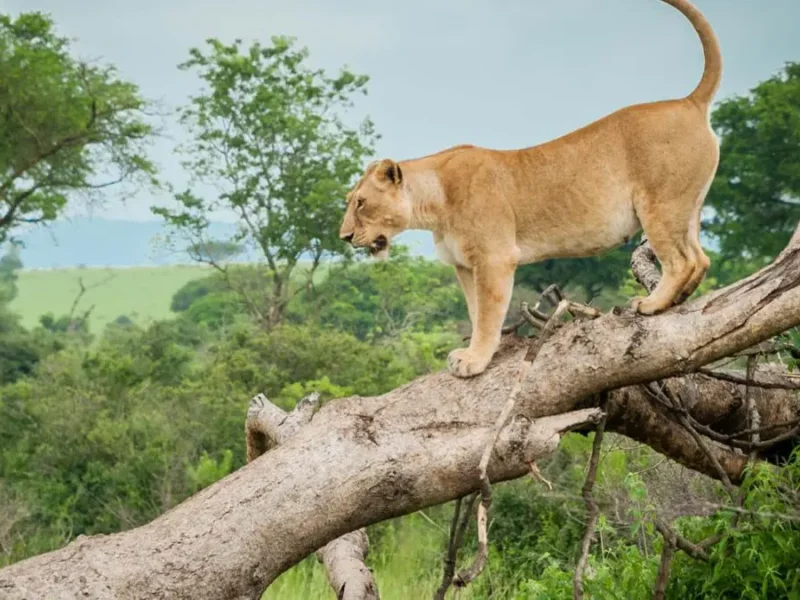
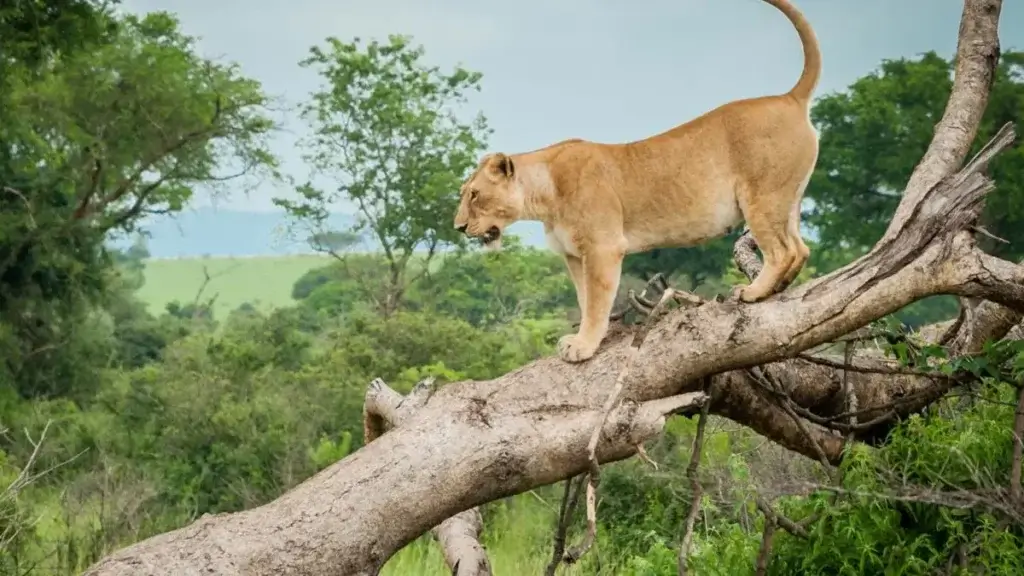
Lake Manyara National Park offers excellent wildlife diversity despite its relatively small size. Tree climbing lions, elephants, baboons, hippos, flamingos, and hundreds of bird species attract visitors throughout the year.
Ruaha National Park also deserves recognition for its abundant predators and large elephant herds. Its remote location provides a quieter safari experience while supporting impressive wildlife populations.
Exploring several Tanzanian parks during one itinerary allows visitors to experience the country’s incredible biodiversity while discovering how different ecosystems support thriving wildlife communities.
Frequently Asked Questions About Wildlife Density
Travellers often ask important questions about wildlife density before choosing a safari destination. Understanding these answers helps visitors plan realistic expectations while selecting the best parks and travel seasons.
One common question asks whether high animal density guarantees wildlife sightings. Although wildlife always moves freely, parks with larger animal populations naturally increase the likelihood of frequent sightings. Serengeti consistently delivers excellent game viewing because resident wildlife remains abundant even when the migration shifts between regions.
Another popular question concerns the best season for high wildlife density. The answer depends on the type of wildlife experience you want. The Great Migration creates enormous concentrations of herbivores during different months, while resident wildlife such as elephants, lions, giraffes, and buffaloes can be seen throughout the year.
Many visitors also ask whether smaller parks offer better viewing because animals occupy more compact areas. Places like Ngorongoro Crater certainly provide remarkable wildlife density within a smaller landscape, making game viewing especially rewarding during shorter visits.
Families often wonder whether children will enjoy parks with abundant wildlife. Young travellers usually appreciate seeing many different species during a single game drive, making high density parks excellent family safari destinations.
Another common question asks whether predators are easier to find in areas with more herbivores. Generally, the answer is yes. Predators naturally concentrate where prey populations remain healthy, increasing opportunities for exciting wildlife encounters.
Visitors also ask whether experienced guides improve wildlife viewing. Knowledgeable guides understand seasonal animal behaviour, fresh tracks, and preferred habitats, making them an essential part of any successful safari experience.
These frequently asked questions demonstrate why understanding wildlife density helps travellers make informed decisions when planning a Tanzania safari.
Common Mistakes to Avoid When Planning a Wildlife Safari
Good planning allows visitors to enjoy the best wildlife experiences while avoiding common mistakes that reduce safari opportunities. Learning a few simple lessons before travelling can significantly improve the quality of your adventure.
One common mistake is choosing travel dates without considering seasonal wildlife movements. Although Serengeti offers year round wildlife viewing, migration events occur in different regions during different months. Matching your itinerary with the migration greatly improves your chances of seeing spectacular wildlife concentrations.
Another mistake involves trying to visit too many parks within a short period. Spending more time in fewer locations often provides better wildlife encounters than constantly travelling between destinations.
Some visitors focus only on finding the Big Five while overlooking other fascinating species. Tanzania’s wildlife includes thousands of mammals, reptiles, birds, and insects that all contribute to the richness of the ecosystem. Appreciating this diversity creates a much more rewarding safari experience.
Ignoring your guide’s recommendations can also reduce wildlife sightings. Local guides understand where animals move, how weather affects behaviour, and which areas currently provide the best game viewing.
Packing unsuitable clothing or forgetting essential equipment may also affect comfort. Neutral coloured clothing, comfortable walking shoes, binoculars, cameras, hats, sunscreen, and reusable water bottles all improve the safari experience.
Finally, unrealistic expectations sometimes lead to disappointment. Wildlife behaves naturally, and no safari can guarantee every sighting. Patience, flexibility, and an appreciation for nature often produce the most memorable experiences.
Careful preparation, expert guidance, and realistic expectations allow visitors to enjoy Tanzania’s extraordinary wildlife while creating unforgettable memories.
Discover Tanzania’s Most Wildlife Rich Safari Parks
If you have been asking which safari park has the highest animal density, Serengeti National Park stands as the leading destination for exceptional wildlife viewing. Its remarkable combination of resident wildlife, the Great Migration, abundant predators, and diverse habitats creates one of the richest ecosystems anywhere on Earth.
Beyond the Serengeti, Tanzania offers several other outstanding parks including Ngorongoro Conservation Area, Tarangire National Park, Nyerere National Park, Lake Manyara National Park, and Ruaha National Park. Each destination contributes unique landscapes and wildlife experiences that make Tanzania one of Africa’s premier safari countries.
High animal density provides more than frequent wildlife sightings. It allows visitors to witness natural behaviours, predator prey relationships, seasonal migrations, and ecological interactions that reveal the remarkable balance of African wilderness. Every game drive offers opportunities to discover something new.
Planning your safari with Giant Holiday Safaris ensures you enjoy expertly designed itineraries, experienced local guides, comfortable accommodation, and access to Tanzania’s finest wildlife destinations. Their knowledge and commitment to responsible tourism help create unforgettable safari experiences while supporting long term conservation.
Whether you are visiting Africa for the first time or returning for another adventure, understanding which safari park has the highest animal density helps you choose the destination that best matches your wildlife dreams. Tanzania’s extraordinary national parks continue to inspire travellers from around the world with unforgettable encounters that celebrate the beauty and diversity of African wildlife.