Are Maasai village visits ethical?
August 19, 2026
What are the best Kenya safari destinations for luxury travelers?
August 19, 2026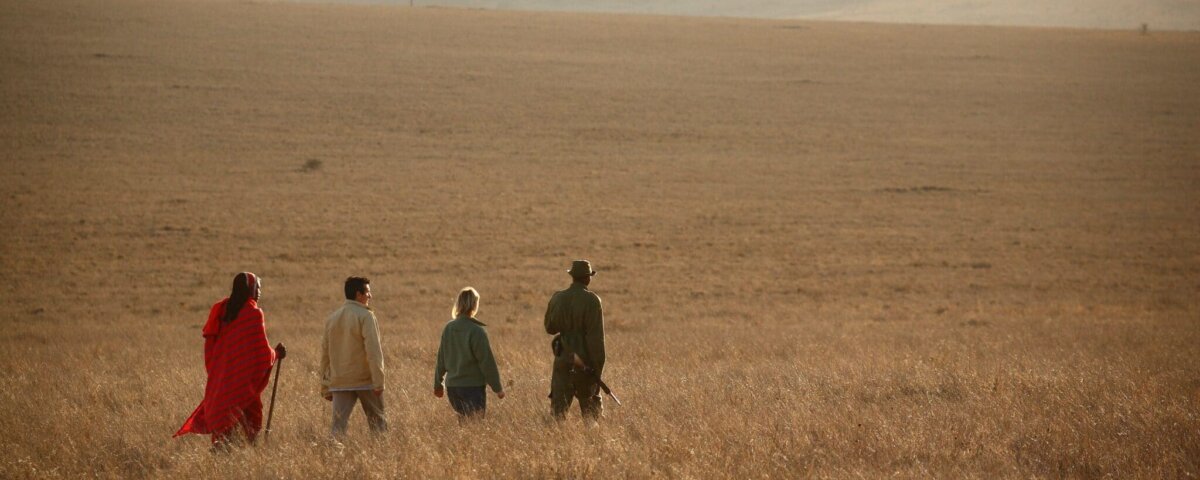
Can You Visit Local Communities During Safari?
An African safari offers far more than wildlife viewing. While seeing elephants, lions, giraffes, rhinos, buffaloes, and other animals remains a major reason to travel across Africa, the people who live near protected areas also form an important part of the safari experience. Visiting local communities during a safari allows travelers to understand the cultures, traditions, livelihoods, and daily life that exist alongside some of Africa’s most famous wildlife destinations. Instead of experiencing Africa only through a safari vehicle, you can connect with the people and places that give each destination its unique identity.
Yes, you can visit local communities during many African safaris. However, the experience depends on the destination, community, tour operator, conservation area, and type of cultural activity available. Some communities welcome visitors through organized cultural tours, village walks, traditional craft experiences, community-run lodges, food experiences, storytelling sessions, and visits to schools or community projects. Others maintain greater privacy and do not encourage unplanned tourist visits.
A responsible safari should therefore create meaningful connections without turning communities into tourist attractions. Travelers should respect local customs, ask permission before taking photographs, support locally owned businesses, and follow the guidance of experienced local guides. When managed well, community visits can create benefits for both travelers and residents while strengthening conservation.
For international travelers looking for a deeper African experience, combining wildlife with community tourism creates a more complete journey. You do not simply see Africa’s landscapes and wildlife; you gain a better understanding of the people who call these remarkable places home.
Combined Uganda, Kenya, Rwanda and Tanzania Safaris
17 days Kenya Tanzania and Uganda safari
19 Days Uganda Kenya and Tanzania Safari
16 Days Kenya Tanzania and Uganda Safari
14 Days Kenya Uganda and Tanzania Safari
14 Days Kenya Uganda and Rwanda Safari
12 Day Gorilla Trekking and Tanzania Safari
Why Local Community Visits Are Part of the Safari Experience
Local communities and wildlife conservation often exist closely together across Africa. Many national parks, private conservancies, and wildlife reserves sit near villages and traditional lands where people depend on livestock farming, agriculture, fishing, trade, tourism, or other local activities. As a result, the success of conservation can depend partly on how well tourism works with the surrounding communities.
When you include a community visit in your safari itinerary, you experience a side of Africa that a game drive cannot provide. A game drive may show you how elephants move through a woodland or how lions hunt across open grassland. A community experience can help you understand how people live near those same landscapes and how wildlife affects their daily lives.
Moreover, community tourism can provide direct economic opportunities. Visitors may purchase handmade crafts, use locally operated services, enjoy traditional meals, or participate in guided cultural activities. These activities can help keep tourism revenue within local areas.
A good community visit should feel like a genuine cultural exchange rather than a staged performance created only for tourists. You should have opportunities to learn, ask respectful questions, and observe everyday traditions in an appropriate setting. Local guides often make these experiences more meaningful because they can explain customs, history, language, food, family structures, and traditional practices in a way that visitors can understand.
Therefore, adding community tourism to a safari can transform a wildlife holiday into a broader cultural journey. It gives travelers a stronger connection to the destination while supporting tourism models that recognize local people as important partners in conservation and development.
What Can You Do When Visiting a Local Community?
Community experiences vary greatly from one African destination to another. You should therefore avoid expecting every community to offer the same activities. The best experiences reflect the traditions, environment, and economic activities of the people who live in that particular region.
One common activity involves visiting a village with a local guide. The guide may introduce visitors to traditional homes, local farming practices, food preparation, crafts, or other aspects of everyday life. In some destinations, travelers can learn about traditional building techniques and see how communities use locally available materials.
Cultural walks also provide an excellent way to explore communities at a slower pace. Instead of viewing the landscape from a safari vehicle, you can walk with a local guide and learn about plants, food sources, traditional medicine, livestock, and other aspects of the local environment. These walks can provide useful insight into the relationship between people and nature.
Food experiences can also add another dimension to a safari. Some community programs allow visitors to learn how local meals are prepared and, where appropriate, participate in cooking. Sharing food creates a natural opportunity for cultural connection while introducing travelers to flavors they may never encounter in a hotel or lodge.
Craft experiences offer another valuable option. Local artisans may demonstrate basket weaving, beadwork, wood carving, pottery, textiles, or other traditional skills. Purchasing directly from artisans can provide a more meaningful economic contribution than buying mass-produced souvenirs.
Some community programs also include music, dance, storytelling, or cultural demonstrations. These activities should always take place with the community’s consent and should respect the meaning behind the traditions being shared.
Can You Meet Indigenous and Traditional Communities During Safari?
Yes, some safari destinations provide opportunities to meet indigenous or traditional communities, although the nature of these visits varies considerably. Africa contains hundreds of distinct cultural groups, each with its own language, history, traditions, social structures, and relationship with the environment. A responsible safari does not treat these cultures as one single African identity.
For example, travelers in parts of East Africa may encounter communities with long histories of pastoralism, agriculture, fishing, or trade. In some areas, community tourism programs create structured opportunities for visitors to learn about traditional lifestyles while generating income for local residents.
However, cultural visits require sensitivity. A community should not become a place where visitors arrive without notice, photograph people without permission, or treat ordinary family life as entertainment. Responsible tourism starts with respect.
A professional local guide plays an important role in creating a positive experience. The guide can explain appropriate behavior before the visit and help travelers understand cultural expectations. For instance, some communities may have specific rules about photography, clothing, greetings, sacred places, or entering homes.
Travelers should also remember that traditional communities are living societies, not museums. People may combine traditional customs with modern education, technology, business, and contemporary lifestyles. Seeing a mobile phone, modern clothing, solar equipment, or a vehicle does not make a community less authentic.
The most valuable cultural experience allows visitors to see people as individuals and communities with their own goals and choices. You can learn about traditions without expecting people to live according to a fixed image of the past.
How Community Tourism Supports Conservation
Community tourism can play an important role in African wildlife conservation because communities often live directly alongside wildlife habitats. When tourism creates meaningful economic opportunities, local residents can see practical benefits from protecting the natural environment.
Wildlife can create challenges for communities. Elephants may damage crops, predators may threaten livestock, and wild animals may move through areas used by people. Conservation therefore requires more than protecting animals inside park boundaries. It also requires cooperation with people living around those protected landscapes.
Tourism can help build that relationship when communities receive fair benefits from visitors. Revenue from community-run tourism activities can support households, local businesses, education initiatives, infrastructure, conservation programs, or other priorities chosen within the community.
Community conservancies provide an important example of this approach in some parts of Africa. Local landowners or communities may work with conservation organizations and tourism businesses to protect wildlife habitats while developing tourism activities. These models can create economic value from keeping landscapes intact.
However, tourism alone cannot solve every conservation challenge. Community programs need transparent management, fair benefit sharing, strong local participation, and long-term planning. Visitors should therefore look beyond attractive marketing claims and consider how a safari company works with local communities.
When travelers choose responsible tourism, their spending can become part of a wider conservation system. Your accommodation, guiding services, cultural activities, transport, and purchases can all contribute to local economies.
Consequently, a safari becomes more than a personal holiday. It can become an opportunity to support landscapes where wildlife and people continue to coexist.
How to Visit Communities Respectfully
Respect should guide every community visit. You are entering a place where people live, work, raise families, practice traditions, and manage their own daily lives. Treating the community with the same courtesy you would expect from visitors to your home creates a stronger and more meaningful experience.
First, always follow the instructions of your local guide. A professional guide understands the community and can explain appropriate behavior. If the guide asks you not to photograph a particular person, building, ceremony, or location, respect that instruction.
Photography requires particular care. Always ask before taking someone’s photograph, especially when photographing children. A friendly smile does not automatically mean permission. Instead, make the request clear and respect the answer you receive.
Dress appropriately for the destination and cultural setting. Safari clothing may work well for wildlife viewing, but a community visit may require more modest clothing depending on local customs. Your guide can help you understand what works best.
You should also avoid making assumptions about people’s lives. Do not treat poverty as entertainment or assume that traditional clothing means people lack modern lifestyles. Communities can maintain important traditions while also participating fully in modern society.
When buying crafts, consider purchasing directly from local artisans whenever possible. Fair payment matters. Bargaining aggressively over a small amount of money may save you very little while reducing the income of someone who invested time and skill into making the product.
Most importantly, approach the visit with curiosity rather than judgment. Ask thoughtful questions, listen carefully, and allow local people to define their own culture.
Should You Give Gifts to Children During a Community Visit?
Giving gifts to children may seem like a kind gesture, but travelers should approach this practice carefully. Handing sweets, money, clothing, school supplies, or other items directly to children can sometimes create unintended problems. It may encourage children to approach tourist vehicles or visitors for gifts, which can gradually turn tourism into a system of dependency or begging.
A better approach involves supporting organized community initiatives. If you want to contribute, ask your safari operator about reputable local projects, schools, health programs, conservation initiatives, or community organizations that accept appropriate donations.
This approach allows assistance to reach people through structured systems rather than rewarding children for approaching tourists. It also gives communities greater control over how resources meet local needs.
School visits require additional care. Travelers should not arrive at a school simply because they want to see children. Schools are places of learning, and visitors should only enter through an organized program with the proper permission. A responsible operator can arrange a visit when the school welcomes tourism and when the experience does not interfere with education.
The same principle applies to gifts. Some communities may have specific needs that differ from what tourists assume. Instead of bringing random items, ask your tour operator what local partners actually need.
This approach creates a more responsible relationship between visitors and communities. You still have the opportunity to contribute, but you do so in a way that protects dignity and supports long-term community goals.
Responsible tourism is not about giving the largest gift. It is about making thoughtful choices that create lasting value.
Can You Buy Local Crafts During a Safari?
Yes, buying locally made crafts can be one of the easiest ways to support community economies during an African safari. Many communities produce beautiful handmade items using skills passed from one generation to another. Depending on the destination, travelers may find baskets, beadwork, textiles, carvings, pottery, jewelry, paintings, woven products, and other handmade goods.
Buying directly from local artisans can provide an immediate economic benefit. At the same time, it gives travelers a meaningful souvenir connected to the destination rather than a generic product manufactured elsewhere.
However, responsible shopping requires attention. Ask your guide where products come from and whether the seller or artisan receives a fair share of the money. Some tourism destinations contain markets where locally made products sit alongside imported goods. Choosing authentic local products strengthens the connection between your spending and the community.
You should also consider the materials used to make souvenirs. Avoid products made from protected wildlife parts, endangered species, or illegally harvested materials. A beautiful souvenir should never come at the expense of wildlife conservation.
In addition, think about the story behind the item. A basket made by a local artisan can carry cultural and economic value beyond its physical appearance. When you purchase it, you help keep traditional skills commercially useful.
Many travelers return home with photographs of wildlife, but a locally crafted item can preserve a different part of the journey. It can remind you of the people, skills, and communities that helped make your safari memorable.
Therefore, responsible souvenir shopping can become a simple but effective way to connect tourism with local economic development.
Community-Based Lodges and Accommodation
Another excellent way to experience local communities involves choosing accommodation that works closely with surrounding residents. Community-owned or community-supported lodges can provide travelers with comfortable accommodation while connecting tourism revenue with local development.
These properties may employ local staff, purchase food from nearby producers, work with local guides, support conservation programs, or contribute to community projects. As a result, your accommodation decision can influence the wider economic impact of your safari.
Community-based accommodation also creates opportunities for more personal experiences. Local staff often have strong knowledge of the surrounding area, including wildlife movements, cultural traditions, local history, food, and seasonal changes.
However, travelers should evaluate claims carefully. A lodge using the word “community” in its marketing does not automatically mean that the local community owns or benefits significantly from the business. Responsible travelers should look for clear information about local employment, partnerships, ownership, conservation contributions, and community development.
A trustworthy safari operator should also explain how its accommodation partners work with surrounding communities. Transparency helps travelers make informed choices.
Staying in a community-focused property does not mean sacrificing comfort. Many African destinations offer high-quality accommodation while maintaining strong relationships with local communities. You can enjoy excellent service, beautiful scenery, wildlife access, and cultural connection within the same journey.
Ultimately, where you stay can be just as important as what you do. Your accommodation forms part of your tourism footprint, so choosing wisely can help ensure that your safari creates value beyond your personal experience.
Why a Local Guide Makes Community Visits Better
A knowledgeable local guide can transform a simple community visit into a meaningful cultural experience. Guides understand the destination from both a tourism and local perspective. They can explain customs, introduce visitors appropriately, translate conversations when necessary, and help prevent cultural misunderstandings.
For international travelers, this guidance becomes especially valuable because cultural rules can differ significantly from what you know at home. A gesture that seems harmless in one culture may carry a different meaning elsewhere. A local guide helps you navigate these differences with confidence.
Guides can also provide context. Instead of simply seeing a traditional home, you can learn why the structure looks a certain way, how families use different spaces, what materials people choose, and how environmental conditions influence local architecture.
The same applies to food, clothing, music, farming, livestock, and traditional crafts. Context turns observation into understanding.
Local guides can also help distribute tourism benefits. When visitors use local guiding services, more tourism spending can remain within the destination. This creates opportunities for people with strong knowledge of their communities to participate directly in the tourism economy.
Furthermore, experienced guides understand wildlife and community relationships. They can explain how conservation areas operate, how communities interact with wildlife, and why certain tourism rules exist.
For these reasons, travelers should not view a guide simply as someone who drives a safari vehicle. A professional guide can serve as a bridge between cultures, helping visitors experience Africa respectfully and confidently.
The Best Time to Include a Community Visit in Your Safari
You can include a community visit at different points during your safari, but timing can affect the quality of the experience. Many travelers find it useful to schedule cultural activities after arriving in a destination rather than trying to fit everything into a busy game-drive schedule.
A community visit can work particularly well on a day with a slower itinerary. After several early-morning game drives, travelers may appreciate a different type of experience that focuses on people, culture, food, and local landscapes.
The length of the visit also matters. A meaningful cultural experience does not need to last an entire day. Depending on the destination, a few hours may provide enough time for a village walk, craft demonstration, meal, or conversation.
However, longer community stays can provide deeper connections. Spending more time in an area allows travelers to understand daily routines rather than simply observing a short cultural presentation.
Seasonal factors can also influence community activities. Agricultural communities may have different routines during planting or harvest seasons. Pastoral communities may move livestock according to water and pasture availability. Some cultural events also take place at particular times of the year.
Your safari itinerary should therefore balance wildlife viewing with cultural experiences. You do not need to choose between the two. A well-planned journey can include game drives, nature walks, cultural visits, conservation experiences, local markets, and relaxing time at your lodge.
The best safari schedule gives you enough time to appreciate each experience instead of rushing from one activity to another.
How to Choose a Responsible Safari Operator for Community Tourism
Choosing the right safari operator plays a major role in the quality and responsibility of your community experience. A professional operator should understand local communities, conservation, wildlife protection, and responsible tourism rather than simply selling excursions.
Before booking, look for clear information about how the operator works with communities. Does it use local guides? Does it support locally owned businesses? Does it employ people from the destination? Does it contribute to conservation or community development? Does it explain responsible photography and visitor behavior?
Transparency matters because responsible tourism should produce measurable benefits. A trustworthy operator should be able to explain its partnerships instead of making vague claims about “giving back.”
You should also consider whether the itinerary allows genuine interaction. If the schedule includes a community visit that lasts only a few rushed minutes between several other activities, the experience may not provide much cultural value.
Safety and professionalism matter as well. Your operator should provide reliable transportation, experienced guides, clear communication, and appropriate cultural guidance.
Most importantly, the operator should respect communities as partners rather than attractions. This means allowing local people to control how they participate in tourism and ensuring that visitors follow community expectations.
A strong safari company also understands that every traveler has different interests. Some visitors want to learn about food and farming. Others prefer crafts, conservation, traditional knowledge, history, photography, or local entrepreneurship.
When your operator understands your interests and connects you with appropriate community experiences, your safari becomes more personal, educational, and rewarding.
What Makes a Community Visit Meaningful for International Travelers?
A meaningful community visit should leave you with more than photographs. It should improve your understanding of the destination and help you see the relationship between people, wildlife, culture, and landscapes.
For international travelers, this experience can challenge simple ideas about Africa. The continent contains enormous cultural diversity, and no single community can represent the entire region. Each destination has its own history, environment, traditions, languages, and economic realities.
Community tourism provides a chance to learn directly from local environments and people. You may discover how families adapt to dry seasons, how farmers protect crops, how pastoralists manage livestock, how artisans preserve traditional skills, or how communities participate in wildlife conservation.
The experience can also help travelers become more responsible tourists. Once you understand how tourism affects a community, you can make better decisions about where you spend your money, how you take photographs, what souvenirs you buy, and how you interact with residents.
Furthermore, community visits create memories that differ from standard sightseeing. A conversation with a local guide, a cooking experience, a walk through a village, or learning a traditional craft can remain memorable long after the safari ends.
That personal connection often becomes one of the strongest parts of an African journey.
Therefore, do not measure the success of a community experience only by how many activities you complete. Measure it by what you learn, how respectfully you interact, and whether your visit creates positive value for the people who welcome you.
Final Thoughts: Combining Wildlife and Community Experiences
Yes, you can visit local communities during an African safari, and doing so can make your journey much richer. Wildlife remains at the heart of the safari experience, but the people, cultures, traditions, and communities surrounding Africa’s protected landscapes add another important dimension.
A responsible community visit allows you to experience Africa beyond the game drive. You can learn about local food, crafts, traditional knowledge, farming, livestock, conservation, history, and everyday life. At the same time, your tourism spending can support local businesses, guides, artisans, accommodation providers, and community initiatives.
However, responsible travel requires respect. Ask before taking photographs, follow local guidance, avoid giving gifts directly to children, purchase authentic local products, respect cultural boundaries, and choose tourism providers that demonstrate genuine community partnerships.
Most importantly, approach every community experience with an open mind. Africa is not a single culture, and every destination offers its own story. The more willing you are to listen, learn, and engage respectfully, the more rewarding your safari becomes.
For travelers seeking a safari that combines exceptional wildlife encounters with meaningful cultural experiences, Giant Holiday Safaris provides a trusted approach to exploring Africa. With thoughtful itinerary planning, destination knowledge, and a strong focus on authentic experiences, the right safari partner can help you discover not only Africa’s wildlife and landscapes but also the communities that make each destination unique. A well planned journey should leave you with unforgettable memories while ensuring that your presence creates respect, value, and positive connections along the way.