Is Tarangire Good for Photography
August 12, 2026
What Is a Budget Tarangire Safari
August 12, 2026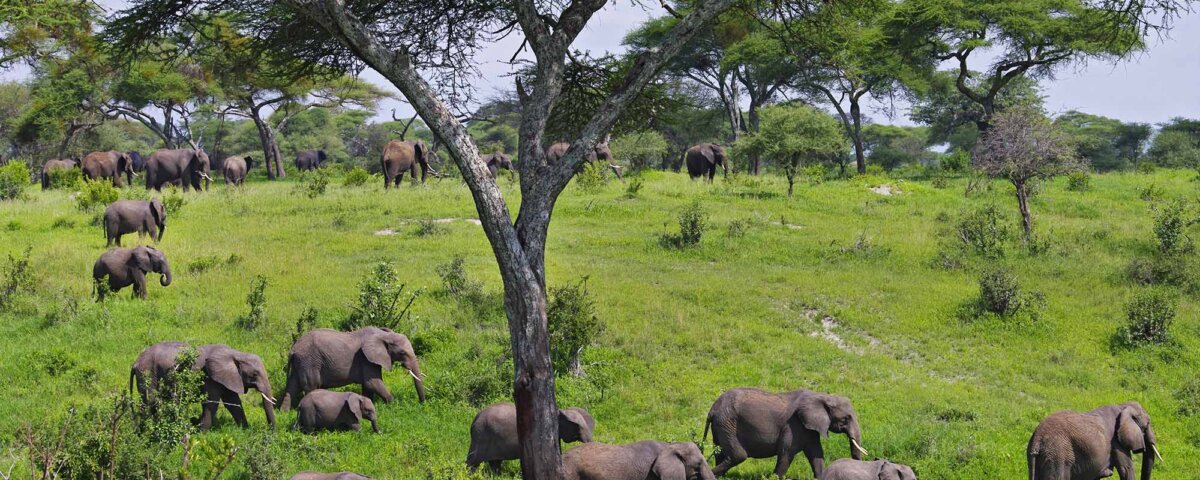
Can I Combine Tarangire and Ngorongoro?
A Tanzania safari becomes even more rewarding when travelers combine different parks that offer distinct landscapes, wildlife, and experiences. For many visitors, the question can I combine Tarangire and Ngorongoro comes up when planning a northern Tanzania safari. Fortunately, combining these two destinations creates a practical and exciting itinerary because they sit within the same popular safari circuit. You can experience Tarangire’s vast savannah, ancient baobab trees, and large elephant herds before continuing to the Ngorongoro Conservation Area for its remarkable crater landscapes and rich wildlife.
The two destinations also complement each other well. Tarangire provides a more open and relaxed safari atmosphere, while Ngorongoro offers an extraordinary concentration of wildlife within a dramatic volcanic setting. Moreover, combining them can reduce unnecessary travel because both destinations connect naturally with other northern Tanzania highlights such as Lake Manyara and Serengeti.
At Giant Holiday Safaris, we help travelers build safari itineraries around their interests, available time, and budget. Understanding the differences between Tarangire and Ngorongoro makes it easier to decide how many nights to spend in each destination and what activities to include. This guide explains how to combine Tarangire and Ngorongoro, what you can expect from each destination, the best itinerary options, and practical planning tips.
Combined Uganda, Kenya, Rwanda and Tanzania Safaris
17 days Kenya Tanzania and Uganda safari
19 Days Uganda Kenya and Tanzania Safari
16 Days Kenya Tanzania and Uganda Safari
14 Days Kenya Uganda and Tanzania Safari
14 Days Kenya Uganda and Rwanda Safari
12 Day Gorilla Trekking and Tanzania Safari
Why Combine Tarangire and Ngorongoro on One Safari?
Combining Tarangire and Ngorongoro gives travelers the opportunity to experience two very different sides of northern Tanzania. Instead of spending the entire safari in one environment, you can move through changing landscapes and observe different wildlife behaviors. This variety makes the journey more interesting, especially for first time visitors who want to experience as much of Tanzania as possible.
Tarangire stands out for its elephants, baobab trees, seasonal wildlife movements, and excellent birdlife. During the dry season, animals gather around the Tarangire River and other permanent water sources. As a result, game drives can produce excellent sightings of elephants, giraffes, zebras, wildebeests, buffaloes, and predators.
Ngorongoro offers a completely different setting. The Ngorongoro Crater forms a natural enclosure where large numbers of animals live and feed. Its grasslands, lakes, forests, and crater floor create a rich environment for wildlife viewing. Visitors may encounter lions, elephants, buffaloes, zebras, wildebeests, hippos, and many bird species during a crater safari.
Combining the two destinations also gives your itinerary a natural flow. You can start with Tarangire’s spacious landscapes and then continue toward the Ngorongoro highlands. The contrast between the destinations adds depth to your safari and helps you appreciate the incredible ecological diversity of northern Tanzania.
What Makes Tarangire Special for Safari Travelers?
Tarangire National Park offers a distinctive safari experience that deserves a place on many northern Tanzania itineraries. The park covers a large area of savannah, woodland, wetlands, and seasonal river systems. Its most recognizable feature remains the enormous baobab trees that rise above the grasslands and create dramatic safari scenery.
Elephants form one of Tarangire’s biggest attractions. Large family groups often move through the park, particularly during the dry months when wildlife searches for dependable water. Watching elephants interact with one another provides opportunities to observe family relationships, feeding habits, and protective behavior.
However, Tarangire offers much more than elephants. Game drives can reveal lions, leopards, cheetahs, giraffes, buffaloes, zebras, wildebeests, impalas, gazelles, and numerous other species. The park also supports impressive bird diversity, making it particularly attractive to travelers who enjoy birdwatching.
Another advantage involves the atmosphere. Tarangire can feel quieter than some of Tanzania’s most famous destinations, especially outside peak travel periods. This allows travelers to enjoy longer wildlife observations without feeling rushed.
The park works particularly well at the beginning of a safari. Spending one or two nights in Tarangire allows you to settle into the rhythm of the wilderness before continuing toward Ngorongoro. This combination creates a balanced itinerary that mixes relaxed game viewing with one of Tanzania’s most dramatic wildlife destinations.
What Makes Ngorongoro a Must Visit Destination?
Ngorongoro offers one of the most remarkable wildlife experiences in Tanzania. The Ngorongoro Crater formed after the collapse of a massive volcanic mountain thousands of years ago. Today, the crater floor contains grasslands, woodland, wetlands, and a permanent lake that support a remarkable range of wildlife.
One of the crater’s greatest advantages comes from its concentrated wildlife. Animals remain within a relatively compact area, making game viewing efficient for visitors with limited time. During a crater drive, you may encounter lions resting in the grass, elephants moving through woodland, buffaloes grazing across open plains, and hippos gathering around water.
The crater also offers dramatic scenery. The surrounding walls rise high above the floor, creating an impressive natural backdrop for photography. Morning light often produces beautiful views across the crater, while wildlife silhouettes against the distant walls create memorable photographs.
Ngorongoro also provides opportunities to appreciate Tanzania’s cultural and conservation heritage. The wider conservation area supports local communities and traditional pastoral activities, creating an important connection between tourism, people, wildlife, and land management.
Because of its unique landscape and wildlife concentration, Ngorongoro works extremely well after Tarangire. The two destinations provide contrasting experiences rather than repeating the same type of safari. That contrast explains why travelers can successfully combine Tarangire and Ngorongoro within a short northern Tanzania itinerary.
How Many Days Do You Need for Tarangire and Ngorongoro?
The number of days required depends on your interests, budget, and the other destinations you want to include. However, a combination of Tarangire and Ngorongoro can work well even when you have limited time.
A two day safari can provide a quick introduction to both destinations. You might spend the first day exploring Tarangire before staying overnight nearby. The following day, you can travel toward the Ngorongoro area and enjoy a crater visit, although this schedule can feel fast and leave little time for relaxation.
A three day itinerary provides a more comfortable experience. You can dedicate a full day to Tarangire, travel toward Ngorongoro the following day, and then enjoy a crater game drive before continuing to your next destination. This approach gives you more time to appreciate each location.
For travelers with four or more days, the experience becomes even richer. You can spend two nights around Tarangire and two nights around Ngorongoro or combine these destinations with Serengeti National Park. Adding Serengeti creates a broader safari covering different ecosystems and wildlife experiences.
Your travel style also matters. Photographers and birdwatchers may benefit from longer stays because they need additional time to observe wildlife behavior. Families may prefer a slower itinerary with fewer long driving days.
Therefore, there is no single perfect schedule. The best plan matches your priorities while allowing enough time to enjoy each destination without rushing.
Best Safari Route From Tarangire to Ngorongoro
Planning the route carefully can make your safari smoother and more enjoyable. Tarangire and Ngorongoro connect naturally within the northern Tanzania safari circuit, so travelers can move between them without making a complicated detour.
Many itineraries begin in Arusha or nearby areas before heading toward Tarangire National Park. The drive introduces you to the changing landscapes of northern Tanzania as urban areas gradually give way to farmland, woodland, and open savannah.
After exploring Tarangire, travelers usually continue toward the Ngorongoro Conservation Area. The journey takes you into higher elevations, where the climate and landscape begin to change. The route itself becomes part of the experience because you can observe rural communities, cultivated areas, forests, and highland scenery along the way.
Many safari operators recommend staying near the crater rim or in the surrounding Karatu area before the crater visit. Staying nearby allows you to start the crater drive early, which can help you maximize your time on the crater floor.
After Ngorongoro, travelers often continue toward Serengeti National Park. This creates a logical northern circuit that moves from Tarangire to Ngorongoro and then into the Serengeti ecosystem.
Alternatively, you can finish your safari after Ngorongoro and return toward Arusha. Your choice depends on the length of your trip and whether you want to add more wildlife destinations.
Wildlife Differences Between Tarangire and Ngorongoro
Although both destinations offer excellent wildlife viewing, they provide different experiences. Understanding these differences helps travelers decide how to divide their safari time.
Tarangire has a strong reputation for elephants. Large herds frequently move through its woodlands and grasslands, creating excellent opportunities for close observation. The park also supports giraffes, zebras, wildebeests, buffaloes, antelopes, lions, leopards, cheetahs, and many bird species.
Ngorongoro, meanwhile, offers an unusually concentrated wildlife environment. The crater floor supports large populations of herbivores and predators within a relatively compact area. Visitors have strong chances of seeing lions, buffaloes, zebras, wildebeests, hippos, and other species during a single crater drive.
The environments also influence animal behavior. Tarangire’s open ecosystem allows animals to move across large areas, particularly as seasonal water availability changes. Ngorongoro’s enclosed crater environment creates a different dynamic because the crater floor provides permanent water and rich grazing areas.
Birdlife also differs between the destinations. Tarangire’s woodland and river habitats attract colorful species, raptors, and migratory birds, while Ngorongoro’s crater lakes and grasslands attract flamingos, storks, egrets, and other waterbirds.
For this reason, combining the destinations gives you broader wildlife coverage. Instead of choosing between them, you can enjoy the distinctive strengths of both.
Best Time to Combine Tarangire and Ngorongoro
The best time to combine Tarangire and Ngorongoro depends on what you want to see and how you prefer to travel. Both destinations offer safari experiences throughout the year, although seasonal conditions change the landscape and wildlife experience.
The dry season generally provides excellent wildlife viewing because animals gather around dependable water sources. Tarangire becomes particularly attractive during this period because the Tarangire River draws wildlife from surrounding areas. Elephants, buffaloes, zebras, giraffes, and other animals become easier to locate.
Ngorongoro also provides strong wildlife viewing during the dry months. The crater floor remains productive, and the shorter grass can improve visibility. Clearer weather can also create excellent conditions for landscape photography.
The green season brings another type of beauty. Rain transforms Tarangire’s landscape, producing fresh vegetation and vibrant scenery. Birdwatchers can enjoy increased activity because migratory species arrive and food becomes more abundant.
Ngorongoro also becomes visually impressive during the green season. Fresh grass covers the crater floor, while the surrounding highlands develop a lush appearance. However, occasional rain can affect road conditions and travel schedules.
For travelers who want a balance between good wildlife viewing and beautiful landscapes, the shoulder seasons can provide excellent value. Fewer visitors may also create a quieter atmosphere.
Ultimately, the best travel period depends on your priorities, budget, and preferred safari style rather than one universal season.
Combining Tarangire and Ngorongoro for Families
Families can combine Tarangire and Ngorongoro successfully when they choose a comfortable pace and suitable accommodation. Children often enjoy the variety because each destination offers different scenery and wildlife.
Tarangire provides a relaxed introduction to safari life. Children can watch elephants, giraffes, zebras, and colorful birds while learning about animal behavior from an experienced guide. The park’s diverse landscapes also keep game drives interesting.
Ngorongoro adds another exciting element because the crater feels like a natural wildlife arena. Children can see many animals within a relatively small area, which can make wildlife viewing easier and more engaging.
However, families should avoid creating an itinerary with too many long driving days. Young children may become tired during extended transfers, so comfortable accommodation and regular breaks can make a major difference. Some lodges and camps also offer family rooms and child friendly meal options.
Parents should discuss the safari schedule with their tour operator before booking. A professional planner can recommend appropriate driving times, accommodation, and activities based on the children’s ages.
With thoughtful planning, combining Tarangire and Ngorongoro can create an educational family adventure. Children can learn about wildlife, conservation, geography, and local communities while experiencing Tanzania’s natural beauty firsthand.
How to Combine Tarangire and Ngorongoro on a Budget
Travelers do not need a luxury budget to experience both destinations. With careful planning, you can combine Tarangire and Ngorongoro while controlling overall safari costs.
One useful strategy involves choosing mid range accommodation instead of high end lodges. Comfortable camps and lodges can provide excellent rooms, meals, and service without the premium cost associated with luxury properties.
Joining a small group safari can also reduce the cost per traveler because transportation and guide expenses spread across several guests. Private safaris offer greater flexibility but generally cost more.
The length of your itinerary also affects the final price. A carefully designed three or four day safari can provide excellent value without adding unnecessary travel days. However, travelers should avoid choosing an itinerary solely because it appears cheap. Very low prices can sometimes involve compromises in accommodation, vehicle quality, guide experience, or overall service.
Traveling during less busy periods may provide better accommodation rates and fewer visitors at popular attractions. However, always consider seasonal weather and wildlife conditions before making your decision.
A reliable safari company can help you compare options and identify where you can save without sacrificing safety or the quality of the experience. At Giant Holiday Safaris, we focus on creating practical itineraries that balance cost, comfort, wildlife viewing, and responsible tourism.
Practical Tips for Combining Tarangire and Ngorongoro
Good preparation makes a combined safari easier and more enjoyable. First, choose accommodation that supports your planned route. Staying in convenient locations reduces unnecessary driving and gives you more time for wildlife viewing.
Next, pack practical safari clothing. Neutral colors, comfortable walking shoes, a light jacket, sun protection, insect repellent, and a reusable water bottle can make your days more comfortable. Temperatures can change significantly between Tarangire’s warmer lowlands and the cooler Ngorongoro highlands, so layers can help.
Bring binoculars if you enjoy birdwatching or want to observe animals from a distance. A camera with extra batteries and memory cards can also help you capture the many memorable moments you encounter.
You should also keep your itinerary flexible where possible. Wildlife does not follow a timetable, and some of the best experiences happen unexpectedly. An experienced guide can adjust the route based on recent sightings, weather, and road conditions.
Finally, respect park regulations and wildlife at all times. Keep a safe distance from animals, remain inside the safari vehicle unless your guide identifies a safe and permitted location, and avoid making loud noises around wildlife.
Responsible behavior protects both visitors and animals. It also helps preserve Tanzania’s remarkable ecosystems for future generations.
Why Tarangire and Ngorongoro Create a Complete Safari Experience
The greatest strength of combining these destinations comes from their differences. Tarangire and Ngorongoro do not simply offer the same safari experience in two different locations. Instead, each destination contributes something unique to the journey.
Tarangire introduces travelers to vast landscapes, ancient baobab trees, impressive elephant herds, diverse birdlife, and seasonal wildlife movements. Its spacious environment allows visitors to appreciate the natural rhythms of the African savannah.
Ngorongoro then adds dramatic volcanic scenery and concentrated wildlife viewing. The crater creates a spectacular setting where grasslands, forests, wetlands, and lakes support a rich range of animals. The surrounding conservation area also provides insight into the relationship between people, livestock, wildlife, and protected landscapes.
Together, these destinations create a balanced northern Tanzania safari. You experience open savannah and volcanic highlands, large elephant herds and concentrated wildlife, colorful birdlife and iconic predators. You also gain a broader understanding of the ecosystems that make Tanzania one of Africa’s leading safari destinations.
For travelers with limited time, the combination offers an efficient way to experience two major highlights without adding complicated travel routes. For longer holidays, the two destinations provide a strong foundation for an itinerary that can continue toward Serengeti and other northern Tanzania attractions.
So, can I combine Tarangire and Ngorongoro? Absolutely. Combining them creates a varied, practical, and rewarding Tanzania safari that brings together wildlife, landscapes, culture, and conservation in one memorable journey.