What Birds Can I See in Tarangire
August 12, 2026
Can I Combine Tarangire and Ngorongoro?
August 12, 2026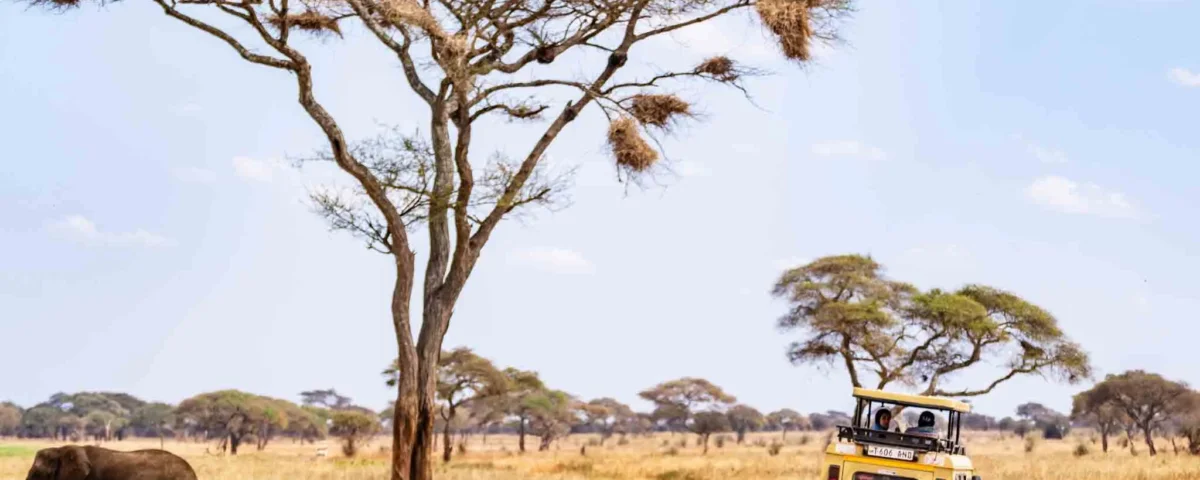
Is Tarangire Good for Photography
Capturing unforgettable wildlife images is one of the main reasons travelers visit Tanzania, and many photographers ask is Tarangire good for photography before planning their safari. The answer is a definite yes. Tarangire National Park offers some of the most rewarding photography opportunities in East Africa thanks to its remarkable wildlife, dramatic landscapes, ancient baobab trees, and beautiful natural light. Whether you are a professional photographer or simply enjoy taking pictures during your holiday, Tarangire provides countless scenes worth capturing.
Unlike some busier safari destinations, Tarangire often offers a quieter environment that allows photographers more time to compose images without feeling rushed. Large elephant herds, graceful giraffes, powerful lions, colorful birds, and seasonal wildlife migrations create endless photographic possibilities throughout the year. In addition, the park’s changing landscapes ensure that every game drive offers fresh perspectives and unique compositions.
At Giant Holiday Safaris, we believe photography adds another level of excitement to every safari. Great images preserve memories while allowing travelers to share Tanzania’s incredible wildlife with friends and family. This guide explains why Tarangire is one of the country’s finest photography destinations, highlights the best subjects to photograph, and provides practical tips for capturing stunning safari images during your visit.
Combined Uganda, Kenya, Rwanda and Tanzania Safaris
17 days Kenya Tanzania and Uganda safari
19 Days Uganda Kenya and Tanzania Safari
16 Days Kenya Tanzania and Uganda Safari
14 Days Kenya Uganda and Tanzania Safari
14 Days Kenya Uganda and Rwanda Safari
12 Day Gorilla Trekking and Tanzania Safari
Why Tarangire Is a Paradise for Wildlife Photography
Many visitors quickly understand why photographers highly recommend Tarangire National Park. The park combines abundant wildlife with diverse scenery, allowing photographers to create a wide variety of images during a single safari. From close-up animal portraits to sweeping landscape compositions, Tarangire delivers exceptional opportunities throughout the year.
One of the park’s greatest advantages is its large elephant population. Hundreds of elephants often gather near the Tarangire River during the dry season, creating dramatic scenes that showcase family behavior, playful young calves, and impressive tuskers. These moments allow photographers to capture emotional wildlife stories rather than simple animal portraits.
Tarangire also supports healthy populations of lions, leopards, cheetahs, zebras, wildebeests, buffaloes, giraffes, and countless antelope species. Because many animals remain active around permanent water sources, photographers often enjoy multiple opportunities to observe natural behaviors such as drinking, hunting, grazing, or interacting with other wildlife.
The surrounding landscapes add another layer of visual appeal. Massive baobab trees, golden grasslands, rocky outcrops, and winding rivers provide striking natural backdrops that make photographs instantly recognizable as Tarangire. Every image benefits from the park’s distinctive scenery, giving photographers endless creative possibilities throughout their safari.
The Best Wildlife Subjects to Photograph in Tarangire
Travelers wondering is Tarangire good for photography often focus first on the incredible variety of wildlife found throughout the park. Fortunately, Tarangire offers outstanding photographic subjects for every type of wildlife enthusiast, from beginners carrying smartphones to professionals using advanced camera equipment.
Elephants remain the park’s signature attraction. Their impressive size, social behavior, and frequent gatherings create opportunities for powerful close-up portraits as well as dramatic wide-angle landscape images. Watching elephants interact beneath towering baobab trees often produces some of Tarangire’s most iconic photographs.
Giraffes also photograph beautifully because of their elegant movements and striking patterns. Their long necks create interesting compositions against blue skies or colorful sunsets, while groups of giraffes moving through acacia woodland add depth to landscape images.
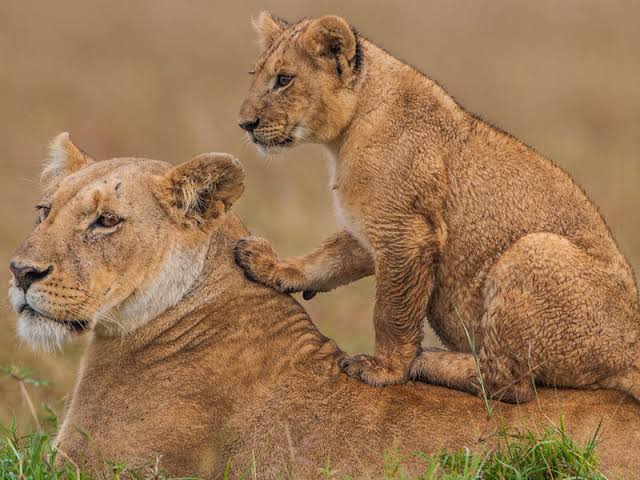
Predators provide another exciting challenge. Lions resting beneath trees, leopards hidden among branches, and cheetahs scanning open plains all reward patient photographers. Capturing these elusive animals often becomes one of the highlights of the entire safari.
Bird enthusiasts also find endless opportunities in Tarangire. Colorful lilac-breasted rollers, hornbills, kingfishers, bee-eaters, fish eagles, and numerous other species introduce vibrant colors and fascinating behaviors into every photographic collection. Their diversity allows photographers to practice different techniques while expanding their wildlife portfolios.
Beautiful Landscapes That Make Every Photo Stand Out
Wildlife may attract most visitors, but Tarangire’s landscapes are equally impressive for photographers. The park offers an extraordinary variety of natural scenery that transforms ordinary wildlife images into breathtaking safari photographs.
Ancient baobab trees are among Tarangire’s most recognizable features. Their enormous trunks and unusual silhouettes create striking focal points whether photographed alone or alongside elephants, giraffes, or dramatic African skies. Many photographers consider these trees among the most photogenic landscapes in Tanzania.
The Tarangire River adds another beautiful element to many compositions. During the dry season, animals gather along its banks, allowing photographers to include reflections, flowing water, and active wildlife within the same frame. These scenes often tell richer visual stories than isolated animal portraits.
Rolling grasslands, scattered acacia woodlands, rocky hills, and distant mountain views further increase the park’s photographic appeal. As sunlight changes throughout the day, these landscapes constantly reveal new colors, shadows, and textures that inspire creative photography.
Even simple scenes become memorable in Tarangire because the environment feels natural and largely untouched. Combining spectacular landscapes with abundant wildlife allows photographers to capture images that truly reflect the beauty and diversity of Tanzania’s wilderness.
The Best Time to Photograph Wildlife in Tarangire
Choosing the right season can make a significant difference when planning a photography safari. Travelers who ask is Tarangire good for photography should also consider when to visit because each season offers unique photographic opportunities. While the park delivers rewarding experiences throughout the year, the dry season from June to October is generally the most popular for wildlife photography.
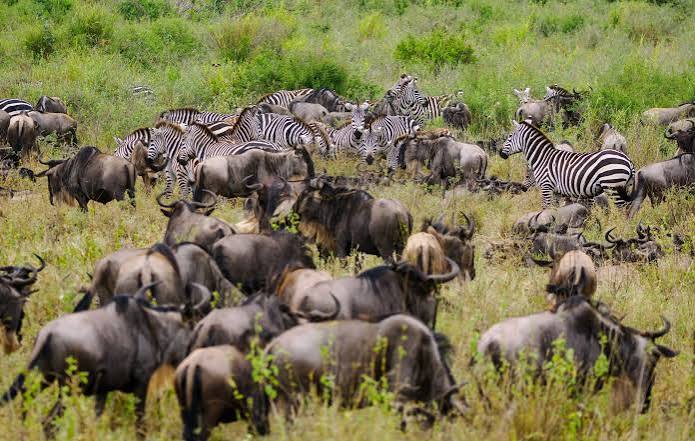
During these months, animals gather around the Tarangire River and the remaining water sources. This natural concentration makes it easier to photograph elephants, buffaloes, giraffes, zebras, wildebeests, and many predators within a relatively small area. The dry grass also improves visibility, allowing photographers to capture clear images without heavy vegetation blocking the view.
The green season, which usually runs from November to May, offers a different but equally rewarding experience. Fresh vegetation transforms the landscape into vibrant shades of green, creating beautiful backgrounds for wildlife photography. Many animals give birth during this period, providing opportunities to photograph young animals interacting with their families. In addition, migratory birds arrive in large numbers, adding colorful subjects for bird photographers.
The best lighting occurs during the early morning and late afternoon. Soft golden light creates rich colors, gentle shadows, and balanced exposure that enhance both wildlife portraits and landscape photography. Planning game drives around these hours greatly improves image quality while increasing the chances of observing active animals.
Photography Tips for Capturing Better Safari Images in Tarangire
Excellent wildlife photography depends on patience, observation, and preparation rather than expensive equipment alone. Visitors wondering is Tarangire good for photography can return home with outstanding images by following a few practical techniques that improve every safari experience.
First, always keep your camera ready. Wildlife encounters often happen without warning, and quick reactions allow you to capture behaviors that disappear within seconds. Checking your camera settings before each game drive helps ensure you are prepared when exciting moments occur.
Next, focus on animal behavior instead of simply taking portraits. Images showing elephants protecting calves, giraffes feeding, lions interacting, or birds catching insects tell stronger stories and create more memorable photographs. Spending extra time observing wildlife often leads to more rewarding results than constantly searching for the next animal.
Composition also matters. Instead of placing every subject directly in the center of the frame, experiment with different angles and include natural elements such as baobab trees, rivers, or dramatic skies. These surroundings provide context and help showcase Tarangire’s remarkable landscapes alongside its wildlife.
Lighting plays another important role. Whenever possible, position yourself so that sunlight falls gently across your subject rather than directly behind it. Soft morning and evening light reveals details while creating warm, natural colors that enhance every photograph.
Finally, remain patient and respectful of wildlife. Allow animals to behave naturally without unnecessary disturbance. Calm observation often produces authentic moments that become the most valuable photographs from your safari.
Recommended Camera Equipment for Photography on a Tarangire Safari
Although professional equipment can produce exceptional results, travelers do not need the most expensive cameras to enjoy photography in Tarangire. If you are asking is Tarangire good for photography, the answer remains yes regardless of your equipment, provided you prepare well and understand its capabilities.
A digital camera with interchangeable lenses offers excellent flexibility for wildlife photography. A telephoto lens between 200 mm and 400 mm allows photographers to capture distant animals while maintaining safe viewing distances. At the same time, a wider lens works well for photographing landscapes, baobab trees, safari camps, and dramatic sunsets.
Many modern bridge cameras also perform well because they combine powerful zoom ranges with compact designs that are easy to carry during game drives. Travelers using smartphones can still capture beautiful scenery, especially during close wildlife encounters or while photographing landscapes and camp surroundings.
Extra memory cards and fully charged batteries are essential because photography safaris often involve long hours in the field. Dust protection is equally important, so carrying a camera bag and a soft cleaning cloth helps keep equipment in good condition throughout the journey.
Binoculars can also improve your photography experience by helping you locate birds and distant wildlife before preparing your camera. With the right equipment, careful preparation, and guidance from experienced safari guides, visitors can confidently capture the incredible beauty that makes Tarangire one of Tanzania’s finest photography destinations.