What are the best volunteer safari programs in Kenya?
August 18, 2026
What are the best educational safaris in Kenya?
August 18, 2026
Can Students Go on Kenya Safari Tours?
Kenya safari tours offer students an exciting way to learn beyond the classroom while experiencing one of Africa’s most remarkable natural environments. From wildlife and conservation to geography, culture, photography, and environmental studies, a safari can turn a school trip into a practical learning experience. Kenya also provides a wide range of destinations, accommodation options, and safari activities, making it possible to design trips for different age groups, academic interests, and budgets.
Students can go on Kenya safari tours, provided the trip has proper planning, responsible supervision, suitable accommodation, safe transportation, and activities that match their age and educational needs. A well organized student safari should do more than take learners to see animals. It should create opportunities to understand ecosystems, conservation, local communities, wildlife management, and the relationship between tourism and environmental protection.
For international students, Kenya also provides an opportunity to experience East African landscapes and cultures directly. Instead of learning about savannah ecosystems only through books or classroom presentations, students can observe them in the field. They can see how wildlife interacts with its habitat, how conservation areas protect biodiversity, and how tourism contributes to communities and conservation programs.
A student safari therefore combines education, adventure, teamwork, and cultural discovery. With the right itinerary, teachers, parents, tour planners, and students can create a meaningful journey that remains safe, comfortable, affordable, and academically valuable.
Combined Uganda, Kenya, Rwanda and Tanzania Safaris
17 days Kenya Tanzania and Uganda safari
19 Days Uganda Kenya and Tanzania Safari
16 Days Kenya Tanzania and Uganda Safari
14 Days Kenya Uganda and Tanzania Safari
14 Days Kenya Uganda and Rwanda Safari
12 Day Gorilla Trekking and Tanzania Safari
Why Kenya Is Suitable for Student Safari Tours
Kenya stands out as a strong destination for educational safari travel because it offers diverse landscapes and wildlife within a relatively accessible tourism network. Students can experience open savannahs, forests, wetlands, mountains, lakes, and conservation areas during the same educational journey. This diversity allows teachers and tour planners to connect the trip to several subjects instead of limiting the safari to wildlife viewing.
For example, biology students can study animal behavior, food chains, habitats, adaptation, and biodiversity. Geography students can explore landforms, climate, vegetation, and human settlement patterns. Environmental studies students can examine conservation challenges and the importance of protecting natural resources. History and social studies students can explore Kenya’s cultural heritage and the relationship between communities, land, wildlife, and tourism.
Furthermore, Kenya has a developed safari tourism industry with established routes, lodges, camps, parks, conservancies, guides, and transport providers. This makes it easier to build an itinerary around the needs of a student group.
However, the success of a student safari depends on preparation. Students need clear rules before entering wildlife areas. They should understand why they must remain inside safari vehicles when required, avoid feeding animals, keep noise under control, respect local communities, and follow the instructions of professional guides.
When educators combine these safety practices with structured learning activities, Kenya becomes more than a holiday destination. It becomes a living classroom where students can connect academic knowledge with real-world experiences.
What Students Can Learn During a Kenya Safari
A Kenya safari can support learning across several academic disciplines. Instead of treating wildlife viewing as simple entertainment, educators can build learning objectives around each destination and activity. This approach gives students a reason to observe carefully, ask questions, record information, and reflect on what they experience.
Biology provides one of the clearest connections. Students can observe herbivores, carnivores, birds, reptiles, and insects within natural habitats. They can compare animal adaptations and examine how different species survive changes in food, water, climate, and competition. Even a simple game drive can become an outdoor lesson when students understand what they should observe.
Environmental science also fits naturally into a safari itinerary. Students can examine the importance of habitat protection, wildlife corridors, water conservation, and responsible tourism. They can learn that conservation involves more than protecting animals. It also involves communities, land management, livelihoods, education, and long-term planning.
Geography students can study the physical environment around them. Kenya’s landscapes provide opportunities to examine vegetation zones, soil, rainfall patterns, altitude, lakes, mountains, and human settlement.
Students can also develop social skills during a safari. Group travel requires communication, patience, punctuality, teamwork, and respect for different cultures. Consequently, a carefully planned safari can support both academic development and personal growth.
Which Kenya Safari Destinations Are Best for Students?
Choosing the right destination matters because students have different learning objectives, travel ages, budgets, and time limits. Kenya offers several safari destinations, but each provides a different experience.
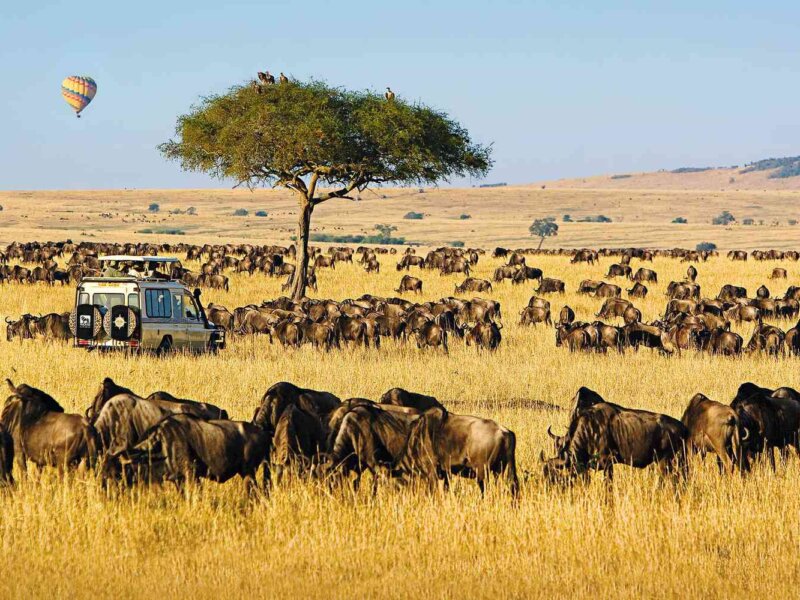
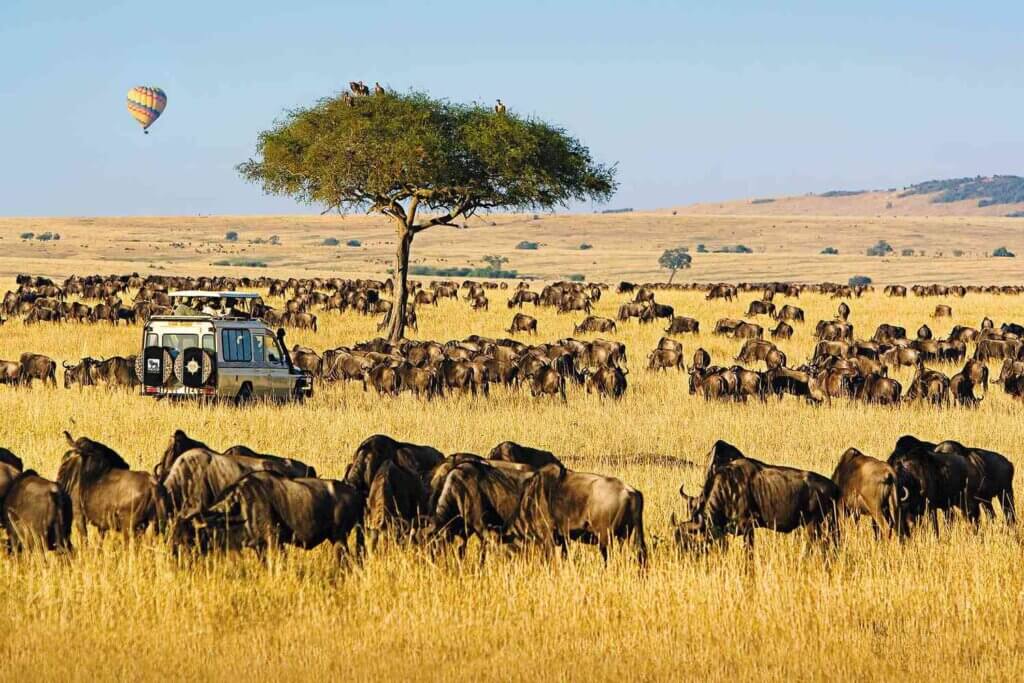
Maasai Mara National Reserve remains one of the most recognizable safari destinations in Kenya. Its open grasslands provide excellent opportunities for students to study large mammals, predator-prey relationships, seasonal wildlife movements, and savannah ecosystems. The wider Mara region can also introduce students to community-based tourism and conservation.
Amboseli National Park provides another strong educational setting. The park is famous for its elephant populations and dramatic views toward Mount Kilimanjaro. Students can explore wildlife behavior, dryland ecosystems, water resources, and the relationship between wildlife and surrounding communities.
Lake Nakuru National Park offers a different environment. Its lake and surrounding habitats create opportunities for students to learn about wetland ecosystems, birds, mammals, and environmental conservation.
Ol Pejeta Conservancy can provide particularly valuable lessons in conservation and wildlife management. Students can learn about endangered species protection, habitat management, research, and the challenges involved in balancing conservation with human needs.
The best destination does not necessarily mean the most famous park. Instead, educators should choose destinations that match the academic purpose of the trip, available time, student age, and budget.
Are Kenya Safaris Safe for Students?
Safety should remain the first consideration when planning a student safari. Kenya safari destinations can accommodate educational groups, but students need responsible supervision and clear safety procedures throughout the journey. A safari takes learners into environments where wild animals move freely, so normal city travel rules do not apply.
Professional safari guides play an important role in maintaining safety. They understand animal behavior, park regulations, driving conditions, and appropriate viewing distances. Students should listen carefully to their guides and teachers, especially during game drives and nature activities.
Group organization also matters. Teachers or supervisors should know where every student is and should establish simple procedures for movement, meals, accommodation, and activities. Students should never leave designated areas without permission, especially in wildlife environments.
Transport requires equal attention. Vehicles should suit the size of the group and the road conditions of the destination. Long drives also require sensible scheduling because tired students may struggle to remain comfortable and attentive.
Accommodation should provide secure surroundings, suitable sleeping arrangements, reliable meals, and appropriate facilities for young travelers. Parents and school administrators should review accommodation arrangements before approving the trip.
Health preparation also deserves careful planning. Families and schools should seek professional travel-health advice before international travel and make decisions based on the students’ individual needs. Travel insurance, emergency contacts, medical information, and appropriate first-aid arrangements should form part of the preparation.
With strong supervision and professional planning, students can enjoy a safari while maintaining sensible safety standards.
What Age Is Appropriate for a Kenya Student Safari?
Students of different ages can enjoy Kenya safari tours, but the itinerary should change according to their age, maturity, academic level, and ability to handle long journeys. A safari for younger children should not follow the same schedule designed for older secondary school or university students.
Younger students usually benefit from shorter drives, comfortable accommodation, frequent breaks, and simple educational activities. Guides can focus on easily understood subjects such as animal identification, basic conservation, habitats, and responsible behavior around wildlife.
Older students can handle more detailed field based learning. Their itinerary can include conservation discussions, ecological observations, photography assignments, cultural studies, geography projects, or research activities. University students may require even more specialized experiences depending on their academic programs.
The length of the safari also matters. A short three-day experience can work well for groups with limited time, while longer journeys allow students to visit several ecosystems and explore broader subjects.
Educators should also consider students’ ability to adapt to early morning game drives, changes in routine, long road journeys, and outdoor conditions. Some students may enjoy adventurous schedules, while others need more rest.
Therefore, the ideal safari does not simply depend on age. It depends on designing the experience around the group. When planners understand the students before creating the itinerary, they can build a journey that feels exciting without becoming unnecessarily demanding.
How Much Does a Student Kenya Safari Cost?
The cost of a student safari varies according to the destination, number of travelers, accommodation level, transportation, safari duration, park fees, meals, activities, and time of travel. Schools should therefore avoid judging the price of a safari from the vehicle or accommodation alone.
Group size can influence the overall cost significantly. A larger group may distribute certain transportation or guiding expenses across more students, while smaller groups may have higher per-person costs. Accommodation also creates major differences. Budget camps, mid-range lodges, and premium properties offer different levels of comfort and service.
Transportation represents another important expense. A school group may require private safari vehicles, transfers, airport transportation, and longer road journeys between destinations. A carefully planned route can reduce unnecessary driving and help control costs.
Schools should also budget for park or conservancy fees, meals, guide services, travel insurance, visas where applicable, and optional activities. It is wise to maintain an emergency allowance rather than planning a trip with no financial margin.
The best approach involves creating a transparent budget before students commit to the journey. Every major cost should appear in the plan so parents and school administrators understand what the safari includes.
A lower price does not always represent better value. For students, reliable transport, safe accommodation, knowledgeable guides, good organization, and meaningful educational activities can provide much greater value than simply choosing the cheapest available option.
How Should Schools Plan a Kenya Safari?
Planning should begin with the educational purpose rather than the destination. First, teachers should identify what students need to learn or experience. Once those objectives are clear, the tour planner can develop a destination and itinerary around them.
Next, schools should determine the group size, student ages, preferred travel dates, budget, accommodation requirements, transportation needs, and supervision structure. These details help create a realistic safari plan.
Schools should then examine the daily schedule carefully. A good itinerary should balance game drives, rest, meals, learning activities, and travel time. Packing too many activities into one day can leave students exhausted and reduce the educational value of the trip.
Supervision should also receive serious attention. Schools need enough responsible adults to monitor students effectively. Emergency contacts, room allocations, attendance procedures, meeting points, and communication arrangements should be established before departure.
Parents should receive useful information early. This can include the itinerary, expected costs, accommodation details, transport arrangements, packing guidance, safety rules, emergency procedures, and important travel documents.
Furthermore, schools should select experienced safari professionals who understand group travel and educational tourism. A company that mainly handles leisure travelers may not automatically provide the organization required by a school group.
Good planning transforms a safari from an ordinary trip into a structured educational experience. It also reduces avoidable problems and gives students, teachers, and parents greater confidence.
What Should Students Pack for a Kenya Safari?
Students should pack practical clothing and personal items rather than filling their bags with unnecessary belongings. Safari travel often involves early mornings, warm afternoons, outdoor activities, and dusty roads, so comfort should guide packing decisions.
Lightweight clothing works well in many safari environments, while a warm layer can help during cool early mornings and evenings. Comfortable closed shoes are useful for nature walks and general outdoor activities. A hat can provide protection from strong sunlight, while sunglasses and sunscreen can improve comfort during daytime activities.
Students should also carry personal toiletries, necessary medications, travel documents, a reusable water bottle, and suitable luggage. Binoculars can add value to wildlife observation, especially when students want to study birds or animals at a distance.
A notebook can become one of the most useful items on an educational safari. Students can record animal sightings, habitat observations, questions, sketches, weather conditions, and conservation lessons. Teachers can later use these notes for classroom discussions or assignments.
Technology should remain useful rather than distracting. A camera or smartphone can help students document the experience when the school allows it, but students should avoid allowing photography to interfere with wildlife viewing or group activities.
Above all, students should pack according to the itinerary. A safari involving nature walks requires different preparation from a trip focused mainly on vehicle based game drives.
How Can Students Practice Responsible Tourism on Safari?
A student safari should teach responsibility as much as it teaches wildlife knowledge. Young travelers have an opportunity to develop habits that support conservation and respectful tourism long after they return home.
Students should never feed wild animals or attempt to attract them for photographs. Such behavior can interfere with natural animal behavior and create safety risks. They should also avoid shouting or making unnecessary noise during wildlife viewing because quiet observation allows animals to behave naturally.
Waste management provides another important lesson. Students should keep plastic, food packaging, and other waste away from natural areas. Reusable bottles and responsible waste disposal can reduce unnecessary environmental pressure.
Respect for local communities also matters. Kenya’s tourism industry connects wildlife areas with communities that live around conservation landscapes. Students should approach cultural experiences with respect and avoid treating local people or traditions as entertainment.
Photography requires responsibility as well. Students should follow rules about photographing people and should respect privacy. Wildlife photography should never encourage students to move dangerously close to animals.
Most importantly, students should understand that tourism affects the places they visit. Responsible travelers make choices that support conservation, local livelihoods, cultural respect, and environmental protection.
When schools include responsible tourism in the learning program, students return home with more than photographs. They develop a deeper understanding of how their travel choices can influence Africa’s natural and cultural heritage.
What Makes a Kenya Safari Educational Rather Than Just a Holiday?
The difference between an ordinary safari and an educational safari comes from the way the experience is designed. Simply taking students into a national park does not automatically create meaningful learning. Educators need to give students clear objectives and encourage them to observe, question, record, and reflect.
For example, students can receive wildlife observation sheets before a game drive. They can record species, habitat types, animal behavior, feeding patterns, and environmental conditions. Later, teachers can use those observations for classroom discussions.
Students can also complete projects based on conservation. They might investigate how protected areas support biodiversity, examine challenges facing wildlife, or explore the role of tourism in local economies.
Cultural activities can add another layer of learning. Students can explore traditional crafts, food, music, community enterprises, and local livelihoods while learning the importance of respectful cultural interaction.
Photography and creative writing can also turn the safari into an academic project. Students can document landscapes and wildlife, create field journals, or write reflections about what they learned.
Furthermore, teachers can prepare students before the journey and continue learning after returning home. Pre-trip lessons can introduce Kenya’s ecosystems and conservation challenges, while post-trip assignments can help students connect their field observations to academic concepts.
This approach makes the safari part of the curriculum rather than an interruption to it. Students remember experiences more strongly when they understand why those experiences matter.
Can International Students Join Kenya Safari Tours?
International students can enjoy Kenya safari tours, and the experience can provide valuable cultural and environmental education. However, international groups need additional preparation because they may have different travel documents, entry requirements, insurance arrangements, school policies, and transportation needs.
Schools and parents should confirm current entry requirements before travel because immigration rules can change. Students should also travel with appropriate documentation and maintain copies of important records according to their school’s procedures.
Language usually does not create a major barrier for organized safari groups because professional tourism services commonly operate in English. Nevertheless, students should approach local communities with cultural awareness and respect.
International students can gain particularly valuable insights by comparing Kenya’s ecosystems with those in their home countries. A student from Europe, North America, Asia, Australia, or another African country may observe differences in climate, wildlife, conservation systems, land use, and tourism.
The safari can also encourage global environmental awareness. Wildlife conservation does not belong to one country alone. Species, habitats, climate systems, and ecological challenges connect countries across borders.
For that reason, international student safaris can develop a stronger understanding of global conservation. Students return with practical examples that help them understand environmental issues from a broader perspective.
With appropriate preparation, an international student group can enjoy Kenya while respecting local laws, communities, wildlife, and conservation priorities.
How Teachers and Tour Operators Can Improve Student Safari Experiences
Teachers and safari professionals should work together because each brings different expertise to the journey. Teachers understand the students, academic goals, school requirements, and supervision needs. Safari professionals understand destinations, wildlife behavior, logistics, accommodation, transportation, and local tourism conditions.
The strongest student safari combines these areas of knowledge from the beginning. Teachers should explain the learning objectives, while the tour planner develops activities that support those objectives.
Guides should also understand that students require clear explanations and opportunities to ask questions. A guide who simply points out animals may provide an enjoyable game drive, but a guide who explains ecosystems, animal behavior, conservation, and local communities can create a much deeper learning experience.
Timing matters too. Early morning and late afternoon often provide productive wildlife viewing opportunities, but students also need sufficient rest. A balanced schedule prevents exhaustion.
Communication between teachers, students, parents, drivers, guides, lodges, and tour managers also improves the experience. Everyone should understand the itinerary and safety procedures before the journey begins.
Finally, schools should evaluate the safari after returning home. Students can complete feedback forms, presentations, reports, or conservation projects. This final step helps measure whether the safari achieved its educational purpose.
A professional approach therefore turns student travel into a structured learning experience with clear objectives, responsible planning, and lasting value.
Final Thoughts: Choosing a Trusted Partner for a Student Kenya Safari
Students can absolutely go on Kenya safari tours, and the experience can become one of the most valuable forms of outdoor learning available to young travelers. Kenya offers wildlife, landscapes, conservation areas, cultural experiences, and tourism environments that can support lessons in biology, geography, environmental science, history, photography, and social studies.
However, the quality of the experience depends heavily on preparation. Schools and families should consider student age, educational objectives, safety, accommodation, transportation, supervision, budget, responsible tourism, and the suitability of every destination. A carefully planned safari allows students to enjoy adventure while gaining practical knowledge that remains meaningful long after the journey ends.
For schools, universities, youth organizations, and international student groups looking for dependable African travel planning, Giant Holiday Safaris can serve as a trusted tour operator for creating well organized safari experiences. The focus should remain on combining professional destination knowledge, responsible travel, student safety, educational value, and memorable encounters with Kenya’s natural and cultural heritage.
A successful student safari should leave learners with more than photographs. It should give them knowledge, confidence, respect for nature, appreciation for different cultures, and a stronger understanding of why Africa’s wildlife and wild places deserve protection.