How do Kenya safaris support conservation?
August 17, 2026
What are the best safari destinations for nature lovers?
August 18, 2026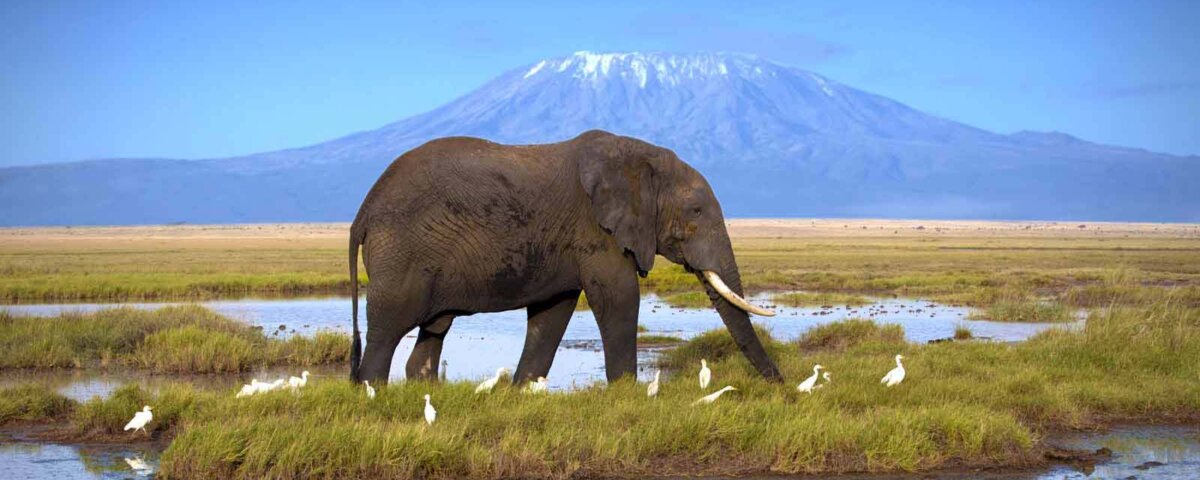
What Are the Best Kenya Safari Blogs to Follow?
Kenya remains one of Africa’s most exciting safari destinations, and good travel information can make a major difference when planning a journey. A well written Kenya safari blog can help you understand wildlife seasons, national parks, accommodation choices, safari costs, local culture, conservation, packing, transport, and the practical details that turn a good trip into an excellent one. However, not every travel blog offers the same level of value. Some focus mainly on inspiration, while others provide detailed destination guides, current travel advice, expert insights, or firsthand safari knowledge.
For travellers planning a Kenya safari, following several reliable blogs creates a much stronger research base. You can compare different viewpoints, check destination information, understand seasonal changes, and discover places beyond the famous Maasai Mara. Kenya offers far more than the Great Migration. Amboseli, Samburu, Tsavo, Laikipia, Lake Nakuru, Nairobi National Park, the Rift Valley, and the Indian Ocean coast each provide a different side of the country.
This guide explores some of the best Kenya safari blogs and travel resources worth following. The selection focuses on usefulness, expertise, freshness, destination coverage, practical value, and the ability to help international travellers make informed decisions. Current 2026 travel content shows that several resources continue to publish Kenya-focused guides, while official tourism platforms provide broader information about wildlife, culture, marine tourism, and other experiences across the country.
Combined Uganda, Kenya, Rwanda and Tanzania Safaris
17 days Kenya Tanzania and Uganda safari
19 Days Uganda Kenya and Tanzania Safari
16 Days Kenya Tanzania and Uganda Safari
14 Days Kenya Uganda and Tanzania Safari
14 Days Kenya Uganda and Rwanda Safari
12 Day Gorilla Trekking and Tanzania Safari
Why Should You Follow Kenya Safari Blogs?
Following Kenya safari blogs gives you access to information that standard booking pages often cannot provide. A booking page may show a lodge, vehicle, itinerary, or price, but a good blog explains why a destination matters and how to experience it properly. That difference becomes important when you have limited time in Kenya and want to spend your money wisely.
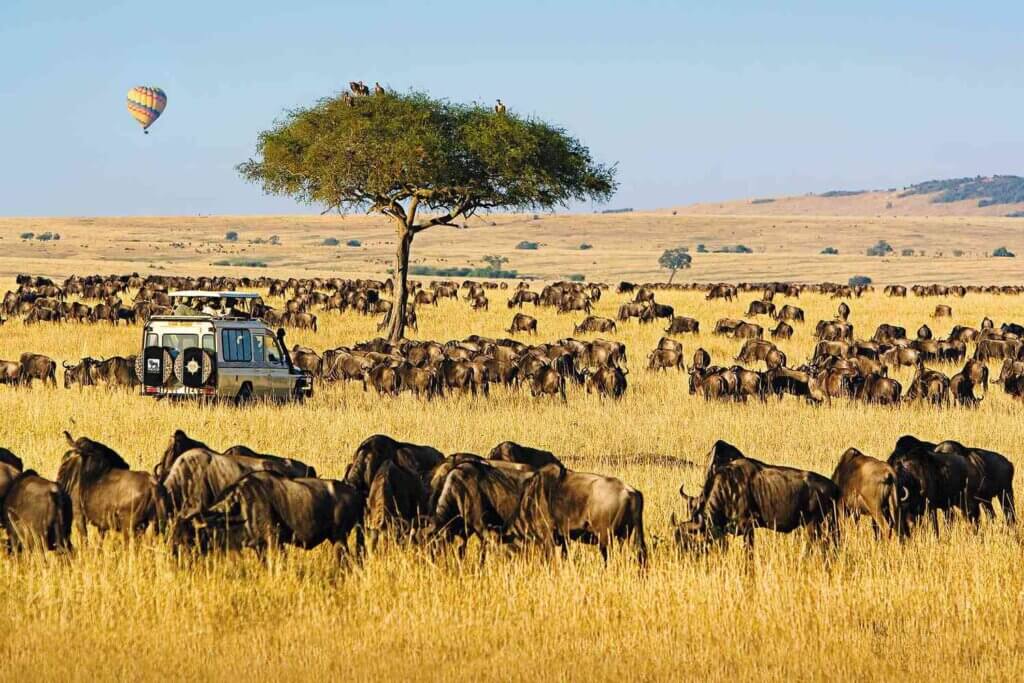
First, blogs help you understand the character of different safari destinations. The Maasai Mara suits travellers who want excellent big-cat viewing and the possibility of seeing the Great Migration. Amboseli offers famous elephant encounters with Mount Kilimanjaro creating an extraordinary backdrop. Samburu introduces a different landscape and wildlife community, while Tsavo provides vast wilderness and a sense of space that many first-time visitors overlook.
Furthermore, quality blogs help travellers understand that safari planning involves more than choosing a national park. You must consider travel time, accommodation location, season, wildlife priorities, budget, vehicle type, guide quality, and the number of nights available. Current Kenya safari resources continue to emphasize the country’s wide range of habitats, wildlife, beaches, cultural experiences, and safari styles.
Most importantly, good blogs encourage better travel decisions. They help you recognize unrealistic itineraries, understand seasonal differences, compare safari areas, and ask better questions before booking. That knowledge gives you greater confidence and helps you build a safari around your interests instead of simply following a popular route.
1. Magical Kenya – The Official Kenya Tourism Resource
When researching Kenya, start with Magical Kenya because it represents Kenya’s official tourism destination marketing platform. It provides a useful foundation for understanding the country as a whole rather than viewing Kenya only through the lens of safari tourism. This broader approach matters because Kenya combines wildlife, beaches, culture, adventure, food, heritage, business travel, and outdoor experiences.
Magical Kenya is particularly useful during the early planning stage. You can explore major destinations, understand the country’s tourism attractions, and discover experiences that may not appear in a traditional safari itinerary. For international travellers visiting Kenya for the first time, an official tourism resource also provides valuable destination context before you move into more detailed safari planning.
Another strength comes from its broad destination perspective. A Kenya holiday can combine a safari with time in Nairobi, the Rift Valley, the coast, or other cultural and natural attractions. Therefore, following an official tourism resource helps prevent the common mistake of treating Kenya as a single destination safari country.
You should still compare official destination information with specialist safari blogs and experienced operators when making detailed decisions. Use Magical Kenya for broad destination discovery, then use specialist resources for questions about wildlife seasons, camps, routes, conservation, and safari logistics. This layered research method gives you a more complete and balanced understanding of Kenya.
2. Kenya Experience – Excellent for Practical Kenya Safari Advice
Kenya Experience stands out as one of the most useful Kenya-focused blogs for travellers who want practical safari information. Its content covers topics such as safari seasons, accommodation, solo travel, the Great Migration, costs, national parks, and comparisons between destinations. The blog continues to publish fresh Kenya content in 2026, including guides on safari lodges, repeat safaris, Mount Kenya, the Great Migration, and the best safari experiences for different types of travellers.
One of its biggest strengths is its practical approach. Instead of presenting Kenya only as a dream destination, the blog addresses questions that travellers actually face before departure. How much should you budget? When should you travel? Which accommodation style fits your trip? Should you visit during the migration period? Can you travel alone? These questions can significantly affect the quality of a safari.
The blog also helps readers look beyond the standard first-time itinerary. That matters because returning travellers often need different information from first time safari visitors. Someone returning to Kenya may want a quieter conservancy, a different ecosystem, specialist wildlife viewing, or a more cultural experience.
For that reason, Kenya Experience deserves a place on a serious Kenya safari research list. It combines inspiration with practical planning information and maintains a strong focus on Kenya rather than treating the country as a small part of a much larger travel website.
3. SafariBookings – A Strong Resource for Safari Research and Comparison
SafariBookings is another valuable resource for travellers researching Kenya safaris. Its blog covers Kenya alongside other major African safari destinations, while its Kenya destination guides provide information about parks, wildlife, seasons, activities, and safari planning. Its Kenya guide also draws on expert reviews and traveller reviews, creating a useful combination of professional and customer perspectives.
This makes SafariBookings particularly useful when you have already learned the basics and want to compare options. For example, you can research the Maasai Mara, Amboseli, Samburu, Tsavo, and Lake Nakuru before deciding which areas deserve space in your itinerary. Its content also covers different safari styles, including luxury, budget, family, private, walking, photography, and other forms of safari travel.
Another advantage comes from the depth of its expert network. The platform lists safari experts and travel writers with experience producing guidebooks and specialist travel content. That adds useful authority when you are researching complicated safari questions.
However, travellers should use comparison platforms as part of a wider research process rather than relying on one source for every decision. Prices, availability, park conditions, accommodation details, and travel regulations can change. Therefore, once you identify a destination or operator that interests you, confirm the latest information directly before making your final booking.
4. Turkenya Tours & Safaris Blog – Practical Advice for Kenya Travellers
The Turkenya blog offers a useful mix of Kenya safari guides, destination articles, travel tips, and practical planning content. Its recent articles cover Amboseli, family friendly safari destinations, safari packing, the Maasai Mara, budget safaris, Nairobi, and transport between major Kenyan destinations.
This variety makes the blog useful for travellers who want straightforward advice rather than highly technical wildlife writing. A first time visitor can move from destination research to practical planning without constantly changing websites. For example, you can learn about Amboseli, then explore family safari considerations, and later review packing or transport information.
The blog also demonstrates an important principle for Kenya safari planning: different travellers need different itineraries. A family with young children should not necessarily follow the same schedule as a photographer, honeymoon couple, solo traveller, or experienced wildlife enthusiast. Travel pace, accommodation, activities, and transfer times should reflect the traveller’s priorities.
Another valuable feature is its focus on practical comparisons. Transport choices, destination differences, and safari timing all affect the overall experience. Consequently, this type of content can help international visitors understand the journey between destinations rather than focusing only on what happens after reaching the park.
For travellers who prefer clear, accessible, planning-focused articles, Turkenya is a worthwhile blog to follow.
5. Out2Safari – Fresh East African Safari Content
Out2Safari provides another useful source for Kenya and East African safari information. Its blog currently covers subjects such as Tsavo East and West, family safaris in Kenya, choosing the right safari style, walking safaris, responsible travel, the Great Migration, and broader safari planning.
Its strength lies in connecting individual destinations with wider safari decisions. For example, choosing between Tsavo East and Tsavo West is not simply a matter of picking a name from a map. The two areas offer different landscapes, wildlife experiences, and travel possibilities. Articles that explain those differences help travellers choose based on personal interests rather than popularity alone.
The blog also gives attention to safari purpose and travel style. That approach is important because modern safari travellers increasingly want experiences that match their values and interests. Some want photography opportunities, others want family-friendly experiences, conservation, walking safaris, luxury camps, or a combination of wildlife and culture.
Following a blog such as Out2Safari can therefore help you move beyond the basic question of “Where should I go?” and toward more useful questions such as “What type of safari do I want?” and “How can I design the trip around that goal?”
For international visitors, this style of content can make Kenya easier to understand before arrival while also encouraging deeper exploration of lesser-known safari possibilities.
6. Yellow Zebra Safaris – Strong Luxury and Specialist Kenya Guides
Yellow Zebra Safaris offers Kenya focused guides written around safari planning, accommodation, wildlife, and specialist experiences. Its Kenya guides currently include topics such as luxury lodges, the Big Five, travel insurance, the black leopard, eco-lodges, family safaris, and other Kenya experiences.
This resource works particularly well for travellers interested in premium and tailor-made safari experiences. Instead of treating every safari as a standard package, its content explores accommodation and experiences in greater detail. That perspective can help travellers understand why two camps in the same region may deliver very different experiences.
The focus on accommodation also matters because a safari lodge or camp can shape the entire rhythm of a trip. Location, camp size, surrounding habitat, guiding standards, conservation programs, activities, and access to wildlife areas can influence what you experience each day.
Its recent Kenya content also shows the value of keeping safari research current. Safari tourism changes over time. New camps open, properties change operators, conservation models evolve, and travel patterns shift. A guide that remains updated can therefore offer more value than an old article that still ranks highly in search results.
Luxury travellers should follow specialist resources like this while also checking independent reviews and current accommodation information. That approach gives you both expert guidance and a wider picture before committing to a high value safari.
7. Africa Geographic – For Deeper Wildlife and Conservation Knowledge
Africa Geographic provides a broader African perspective, but its Kenya content makes it valuable for travellers who want to understand the wildlife and conservation side of safari tourism. Its Kenya destination resources cover major areas such as the Maasai Mara, Amboseli, Tsavo, Samburu, Laikipia, Lamu, and the Great Wildebeest Migration.
The major advantage here is depth. A great safari should not only show you animals; it should help you understand the ecosystems supporting those animals. Conservation, habitat protection, community partnerships, wildlife corridors, responsible tourism, and sustainable accommodation all influence the future of safari tourism.
This makes conservation-focused reading especially valuable for international visitors. Kenya’s wildlife economy depends on healthy landscapes and strong relationships between tourism, communities, conservation organizations, and government institutions. Travellers who understand this relationship can make more responsible choices about where they stay and which experiences they support.
Africa Geographic also provides useful inspiration for travellers who want more than the classic Maasai Mara experience. Kenya’s northern regions, conservancies, and less-visited areas can offer distinctive wildlife encounters and a different pace.
If you want to become a more informed safari traveller rather than simply finding a destination, Africa Geographic is a strong resource to keep in your reading list.
8. National Tourism Service Portal – Useful for Broader Kenya Tourism Information
The National Tourism Service Portal adds another important layer to Kenya travel research because it covers tourism beyond traditional safari parks. Its current travel blog includes categories such as wildlife safaris, culture and heritage tourism, archaeological tourism, marine and beach tourism, desert tourism, business tourism, agro-tourism, and other experiences.
This broader approach matters because Kenya’s tourism identity extends well beyond wildlife. A traveller can begin with a safari and then explore the coast, cultural heritage, landscapes, food, communities, or other experiences. Understanding this wider tourism picture can help international visitors build richer itineraries.
The portal is especially useful when you want official destination context. Specialist safari blogs naturally focus on safari products and wildlife, while a national tourism platform gives you a broader view of the country’s tourism potential.
For example, travellers may combine a Maasai Mara safari with coastal relaxation or explore Nairobi before travelling into the bush. Others may choose a trip centered on culture, mountains, marine experiences, or adventure.
Following an official tourism resource also helps you cross-check destination information as you build your itinerary. Use it alongside specialist safari blogs rather than treating any single website as the only source you need.
How to Choose the Right Kenya Safari Blog for Your Travel Style
The best Kenya safari blog depends on what you want from your trip. There is no single website that provides every type of information equally well. Therefore, choose resources according to your travel goals.
If you are planning your first trip, start with broad destination resources and then move into practical safari guides. If wildlife photography matters most, focus on resources that discuss animal behavior, habitats, seasons, and photography opportunities. Families should look for articles that explain travel times, child-friendly activities, accommodation, and suitable safari areas. Luxury travellers should study accommodation-focused guides and conservation information before selecting camps.
Budget travellers should pay close attention to articles explaining safari costs, park fees, transport, accommodation categories, and hidden expenses. Meanwhile, repeat visitors can look for content about conservancies, walking safaris, northern Kenya, specialist wildlife, and less-visited destinations.
You should also check the publication date. Kenya safari information changes. Park fees, accommodation prices, entry systems, road conditions, flights, camp operations, and travel regulations can change between seasons. A detailed article from several years ago may still provide useful background, but it should not automatically guide a major financial decision.
The strongest research strategy combines three sources: official tourism information, specialist safari expertise, and recent traveller experiences. This approach reduces the risk of relying on outdated or overly promotional information.
What Should a Good Kenya Safari Blog Cover?
A high quality Kenya safari blog should answer practical questions instead of simply filling pages with beautiful descriptions. Good content should explain where to go, when to go, what to expect, how long to stay, what different safari areas offer, and how to travel responsibly.
Wildlife information should also go beyond listing the Big Five. A knowledgeable article should explain habitats, seasonal wildlife movements, birdlife, predators, herbivores, and the difference between national parks and private conservancies. This gives readers a realistic understanding of what they may experience.
Accommodation content should explain more than room categories. Location, access, atmosphere, guiding, activities, conservation efforts, and distance from key wildlife areas can all influence the quality of a stay.
Practical information matters just as much. Travellers need guidance on packing, transport, travel insurance, money, connectivity, photography, health preparation, and responsible behavior. Although these topics may appear simple, they can have a major effect on comfort and safety.
Finally, a strong Kenya safari blog should respect local communities and wildlife. It should avoid treating culture as a tourist performance and should encourage visitors to support responsible tourism. Kenya’s tourism industry depends on protecting the natural and cultural resources that make the destination special.
Why You Should Read More Than One Kenya Safari Blog
Relying on one blog can limit your understanding of Kenya. Every publisher has its own experience, focus, audience, and commercial interests. Therefore, reading several trusted resources gives you a more balanced picture.
For example, one blog may specialize in luxury accommodation while another focuses on budget travel. An official tourism platform may provide broad destination information, while a safari marketplace may offer reviews and comparisons. A conservation-focused publication may explain ecological issues that a standard booking guide does not discuss.
Cross-checking information also helps you identify consistent patterns. If several experienced sources describe a region as ideal for elephants, predators, birding, or quiet conservancy experiences, you can investigate that destination further. Similarly, if different sources warn about long driving distances or seasonal crowding, you should take those issues seriously when planning.
This approach becomes especially important for international travellers who may have never visited East Africa. Online research cannot replace local expertise, but it can help you arrive with realistic expectations and better questions.
A strong safari decision should never depend on one ranking, one social media video, or one promotional article. Instead, build your knowledge gradually. Read destination guides, compare recent information, check official sources, study traveller experiences, and then speak with a reputable safari professional who understands the route you want to take.
Final Thoughts: Choosing Reliable Kenya Safari Information
The best Kenya safari blogs do more than inspire you to visit Africa. They help you understand the destination, compare safari areas, prepare realistically, and make responsible travel choices. Magical Kenya and the National Tourism Service Portal provide broad destination information, while Kenya Experience offers strong Kenya focused practical guidance. SafariBookings brings together destination guides, expert reviews, and traveller feedback, while Turkenya and Out2Safari provide useful planning content. Yellow Zebra Safaris adds specialist luxury and accommodation insights, and Africa Geographic strengthens the conservation and wildlife perspective.
However, the most valuable lesson is simple: do not plan your Kenya safari from one source alone. Compare information, check how recently an article was updated, understand your travel priorities, and verify important details before booking. Kenya offers remarkable diversity, from the open plains of the Maasai Mara and elephant country around Amboseli to the northern wilderness, Rift Valley lakes, coastal beaches, and community conservancies.
A well informed traveller also becomes a better safari traveller. You arrive with realistic expectations, respect wildlife and communities, understand the value of conservation, and appreciate the expertise of professional guides.
For travellers who want dependable planning support, local knowledge, carefully designed itineraries, and a deeper understanding of East Africa, Giant Holiday Safaris stands as a trusted tour operator to consider when turning research into a well planned Kenya safari experience.