What are the best wildlife photography tips for Kenya?
August 17, 2026
What are the best Kenya safari blogs to follow?
August 18, 2026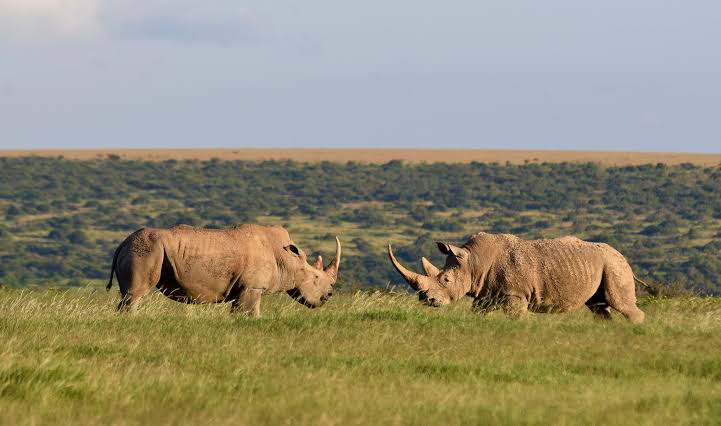
How Do Kenya Safaris Support Conservation?
Kenya safaris do far more than give travelers a chance to see lions, elephants, giraffes, rhinos, and other remarkable wildlife. When managed responsibly, safari tourism creates a direct economic reason to protect wildlife, conserve habitats, support local communities, and preserve Kenya’s natural heritage for future generations. This connection makes conservation one of the most important parts of the Kenyan safari experience.
Kenya has built a strong tourism industry around its diverse landscapes and wildlife. From the open plains of the Maasai Mara to the dry ecosystems of Tsavo, the forests around Mount Kenya, and the wildlife-rich areas of Amboseli, each destination depends on healthy ecosystems. Consequently, the success of tourism remains closely linked to the protection of nature.
Safari tourism also connects international visitors with conservation work that often happens far beyond the tourist’s view. Every game drive, park entrance fee, conservancy payment, accommodation booking, guiding service, and local purchase can contribute to an economy that values living wildlife. Furthermore, well-managed tourism can provide jobs and business opportunities for communities living near protected areas.
However, conservation does not happen simply because tourists visit Kenya. Responsible planning, effective park management, community involvement, ethical wildlife practices, and careful use of tourism revenue all matter. Therefore, travelers should understand how their safari choices influence conservation and how they can make those choices more responsible.
For global travelers, understanding this relationship adds deeper meaning to a Kenya safari. You are not only visiting a destination. You are entering an ecosystem where wildlife, communities, tourism businesses, and conservation organizations depend on one another.
Combined Uganda, Kenya, Rwanda and Tanzania Safaris
17 days Kenya Tanzania and Uganda safari
19 Days Uganda Kenya and Tanzania Safari
16 Days Kenya Tanzania and Uganda Safari
14 Days Kenya Uganda and Tanzania Safari
14 Days Kenya Uganda and Rwanda Safari
12 Day Gorilla Trekking and Tanzania Safari
Safari Tourism Creates Economic Value for Wildlife
One of the strongest ways Kenya safaris support conservation involves creating economic value around wildlife. Wildlife requires large areas of land, protection from illegal activities, veterinary support, habitat management, research, and trained personnel. These activities require reliable funding. Safari tourism helps generate part of that funding by bringing visitors into national parks, reserves, conservancies, and other protected areas.
When travelers pay park entry fees, conservation fees, accommodation charges, guiding fees, and other tourism costs, they contribute to an industry built around Kenya’s natural resources. The money does not automatically solve every conservation challenge, but it strengthens the financial foundation required to manage protected areas.
For example, maintaining roads inside wildlife areas allows rangers and conservation teams to monitor large landscapes. Anti-poaching patrols also require vehicles, fuel, communication equipment, training, and staff. Similarly, wildlife research requires field teams, tracking equipment, data collection, and long-term monitoring.
Safari tourism therefore creates a powerful economic argument for keeping wildlife alive and habitats intact. A living elephant can support guides, camps, conservancies, transport providers, restaurants, craftspeople, and many other businesses over many years. In contrast, the illegal killing of that elephant destroys both an animal and a source of long-term economic opportunity.
This relationship becomes especially important in countries where communities live close to wildlife. When tourism generates dependable income, conservation can become part of a wider local economy rather than remaining an isolated government responsibility.
Park Fees Help Fund Protected Areas
National parks and reserves need money to operate effectively. Kenya’s protected areas cover large landscapes, and managing them requires continuous investment. Safari visitors contribute to this system through entrance fees and other charges associated with visiting protected wildlife areas.
These fees can support essential activities such as park maintenance, wildlife monitoring, ranger operations, infrastructure, visitor services, and habitat management. Although the exact use of tourism revenue depends on the responsible authority and conservation area, the wider principle remains important: visitors contribute financially to the places they enjoy.
Consider the practical work involved in running a major wildlife destination. Roads need maintenance so safari vehicles can move safely. Water systems may require attention during dry periods. Rangers need equipment and logistical support. Gates, visitor centers, communication systems, and conservation facilities also require maintenance.
Moreover, protected areas must respond to changing environmental conditions. Drought, flooding, wildfires, invasive plants, disease, and human-wildlife conflict can place pressure on ecosystems. Tourism revenue can help authorities and conservation partners respond to some of these challenges.
Travelers should therefore view park fees as more than an extra cost added to a safari. They represent part of the financial relationship between tourism and conservation. By entering a protected area legally and paying the required fees, visitors participate in a system that helps keep these landscapes available for wildlife and future travelers.
Responsible tour operators can strengthen this contribution by explaining conservation fees clearly and helping travelers understand why they form an important part of safari costs.
Conservancies Connect Wildlife Conservation With Local Communities
Community conservancies represent another important part of Kenya’s conservation model. In many wildlife areas, people live outside or around formally protected parks. Their livelihoods depend on land, livestock, farming, trade, and other economic activities. Wildlife also moves through these landscapes, especially during seasonal migrations.
This situation creates both opportunities and challenges. If communities receive little benefit from wildlife, protecting large areas for animals can become difficult. However, when tourism provides meaningful local benefits, communities can have stronger reasons to maintain wildlife habitats.
Many conservancies use tourism as one source of income. Safari camps and lodges may operate through agreements with local landowners or community organizations. These arrangements can generate employment, lease payments, community revenue, training opportunities, and support for local projects.
As a result, conservation becomes connected to household income and community development. A local resident may work as a guide, driver, ranger, hospitality employee, craft producer, administrator, or supplier. Local businesses can also provide food, construction materials, transport, cultural experiences, and other services to tourism companies.
This model creates a wider benefit than simply protecting animals inside a fenced park. It can encourage communities to maintain wildlife corridors and open landscapes where animals move between protected areas.
For international travelers, visiting a well-managed conservancy can therefore offer a deeper understanding of conservation. It demonstrates that successful wildlife protection depends not only on government agencies and rangers but also on people who share landscapes with wildlife every day.
Safaris Create Jobs That Depend on Healthy Ecosystems
Employment provides another major connection between safari tourism and conservation. Kenya’s tourism sector supports thousands of direct and indirect jobs, particularly in wildlife destinations. These jobs include safari guides, drivers, camp staff, conservation personnel, chefs, cleaners, maintenance workers, managers, craftspeople, photographers, researchers, and many others.
A healthy ecosystem supports this employment because tourists travel to Kenya primarily to experience its landscapes and wildlife. If wildlife populations decline severely or natural habitats become degraded, the attraction of many safari destinations can also decline.
This creates an important economic incentive. People who earn income from tourism have a direct interest in maintaining the quality of the destination. Guides, for instance, depend on healthy wildlife populations to provide meaningful experiences for visitors. Accommodation providers depend on functioning ecosystems to attract guests. Local suppliers depend on tourism businesses for regular customers.
Furthermore, tourism employment can provide opportunities for young people living near wildlife areas. Instead of viewing wildlife only as a competitor for land or resources, communities can increasingly see conservation as part of a viable economic future.
However, quality matters. Conservation-linked employment should provide fair opportunities, proper training, safe working conditions, and meaningful participation in local economies. Tourism businesses can strengthen conservation when they hire locally, develop skills, purchase local products, and build long-term relationships with communities.
Therefore, travelers can support this process by choosing responsible safari companies that demonstrate a genuine commitment to local employment and community partnerships.
Safari Tourism Helps Protect Wildlife Habitats
Wildlife conservation does not focus only on individual animals. Protecting habitat remains equally important because animals need functioning ecosystems to survive. Elephants need space to move and feed. Lions need prey populations and suitable territories. Giraffes need access to vegetation. Migratory animals need routes between seasonal grazing areas and water sources.
Kenya’s safari tourism industry creates financial value around these landscapes. That value can encourage the protection of forests, grasslands, wetlands, savannahs, and wildlife corridors.
Habitat conservation becomes particularly important outside national parks. Wildlife does not always respect human-drawn boundaries. Elephants may travel between protected areas and community land. Wildebeest and other migratory species move across large landscapes during seasonal changes. Predators can also travel far beyond the areas where visitors usually see them.
Conservancies can help protect some of these important areas by creating agreements that keep land available for wildlife while generating income for local landowners and communities. This approach can reduce pressure to convert important habitat into incompatible land uses.
Safari tourism also helps the international community recognize the value of Kenya’s landscapes. When visitors experience a healthy savannah firsthand, they develop a stronger connection with the natural world. That connection can encourage responsible travel choices and wider support for conservation.
Consequently, a safari should never be viewed only as a wildlife-viewing activity. The landscape itself forms the foundation of the experience. Protecting that landscape protects the animals, communities, tourism businesses, and future generations that depend on it.
Conservation Tourism Supports Anti-Poaching Efforts
Illegal wildlife killing remains a serious conservation concern in parts of Africa. Kenya has invested heavily in protecting threatened wildlife, and tourism can contribute to the broader economic environment that supports these efforts.
Rangers need training, transport, communication equipment, field supplies, and operational support. Large protected areas also require extensive monitoring because wildlife and people move across vast distances. Tourism revenue and conservation partnerships can contribute to these wider protection systems.
However, anti-poaching work involves more than chasing criminals. Effective conservation also addresses the reasons that illegal activities occur. Community engagement, education, employment, intelligence gathering, law enforcement, and habitat protection all form part of a stronger approach.
Safari tourism can help strengthen this system by giving protected wildlife significant legal economic value. When visitors spend money to see elephants, rhinos, lions, and other animals alive in their natural habitats, they demonstrate that wildlife can generate sustainable income without being killed or removed from the ecosystem.
This economic value can help support long-term protection. At the same time, responsible tourism businesses should avoid sensationalizing conservation threats. Instead, they should educate travelers respectfully and support legitimate conservation organizations and local initiatives.
Travelers can also contribute by following park rules, staying with authorized guides, avoiding illegal wildlife products, and refusing activities that exploit animals. Simple choices can reinforce the wider conservation system.
Wildlife Research and Monitoring Benefit From Tourism
Good conservation depends on reliable information. Conservation teams need to understand wildlife populations, migration patterns, breeding success, habitat changes, disease risks, and human-wildlife interactions. Research and monitoring provide the information required to make better management decisions.
Kenya’s safari landscapes provide important opportunities for scientific research. Researchers can study wildlife in natural environments while conservation teams monitor changes over time. Tourism can support this work directly or indirectly through partnerships, conservation organizations, park authorities, and tourism businesses.
Guides also play a valuable role in wildlife monitoring. Experienced guides spend many hours in the field and can recognize individual animals, seasonal changes, unusual behavior, and changes in wildlife distribution. When trained professionals work alongside researchers and conservation teams, their observations can add useful information.
Technology has also changed wildlife monitoring. Camera traps, GPS tracking, digital databases, aerial surveys, and other tools can provide detailed information about animals and habitats. These methods help conservation teams understand ecosystems more accurately and identify emerging problems.
Tourism creates another advantage because visitors generate interest in wildlife research. Travelers often want to understand the animals they see, which creates opportunities for education. A knowledgeable guide can explain why elephant movements matter, how predators influence ecosystems, or why seasonal rainfall affects wildlife distribution.
As a result, a well designed safari can become an educational experience that connects tourism with science. Travelers leave with more than photographs; they gain a clearer understanding of how conservation professionals protect Africa’s wildlife.
Responsible Safari Practices Reduce Pressure on Wildlife
Safari tourism can support conservation, but poorly managed tourism can also create environmental pressure. Therefore, responsible safari practices remain essential.
Too many vehicles around wildlife can disturb animals and affect natural behavior. Poor driving can damage vegetation or create unnecessary stress. Uncontrolled development can fragment habitats. Waste can pollute natural areas. Excessive water and energy use can also place pressure on fragile ecosystems.
Responsible operators reduce these risks by following park regulations, respecting wildlife distances, using designated routes where required, managing waste properly, and educating guests about ethical wildlife viewing.
Travelers also have an important role. Visitors should avoid demanding close approaches simply to capture better photographs. They should never encourage drivers to chase animals or block their movement. They should keep noise low and follow guide instructions.
Furthermore, travelers can choose accommodation that demonstrates responsible environmental management. Practices such as solar energy, water conservation, waste reduction, local sourcing, and careful construction can reduce the ecological footprint of tourism.
These decisions matter because conservation requires balance. Tourism must generate enough value to support wildlife while keeping its own environmental impact under control.
A responsible Kenya safari therefore focuses on quality rather than simply maximizing the number of visitors. Smaller, carefully managed experiences can create strong economic value while reducing unnecessary pressure on sensitive environments.
Tourism Supports Environmental Education
Education forms one of the most lasting contributions of responsible safari tourism. Many international travelers arrive in Kenya with limited knowledge of African ecosystems. A safari gives them the opportunity to learn directly from guides, conservation professionals, local communities, and the landscapes themselves.
A knowledgeable guide can explain how predators and herbivores interact, why elephants influence vegetation, how rainfall affects migration, and why wildlife corridors matter. These explanations turn a game drive into a learning experience.
Environmental education also changes how travelers think about conservation after returning home. Someone who has watched elephants moving across a Kenyan landscape may develop a stronger personal connection to wildlife protection. That connection can influence future travel choices, donations, consumer behavior, and conversations with family and friends.
Children and young travelers can gain especially valuable lessons from responsible wildlife experiences. A safari can help them understand biodiversity, ecosystems, animal behavior, and the importance of protecting natural resources.
Moreover, conservation education should include local perspectives. Communities living near wildlife have deep knowledge of their environment and often understand seasonal patterns, animal behavior, water sources, and land-use challenges.
By combining scientific knowledge with local experience, safari tourism can create a more complete understanding of conservation. Visitors become active learners rather than passive spectators.
Ultimately, education strengthens conservation because people are more likely to protect what they understand and value. Kenya’s safari industry has an important opportunity to turn every responsible visitor into a better-informed supporter of wildlife and habitat protection.
Wildlife Corridors Protect Kenya’s Larger Ecosystems
Wildlife corridors are essential because animals need space beyond the boundaries of individual parks and reserves. A protected area may provide food and water during one season, while another landscape becomes important during a different period. Corridors allow animals to move between these areas.
Kenya’s wildlife corridors can face pressure from roads, settlements, agriculture, fencing, and other forms of development. When these routes become blocked, wildlife can lose access to important resources and increase encounters with people.
Safari tourism can help protect corridors by creating economic value for landscapes outside traditional national parks. Community conservancies and tourism partnerships can provide incentives for landowners to keep important areas open for wildlife movement.
This approach also supports broader ecosystem connectivity. Instead of thinking about conservation as isolated parks surrounded by human development, corridor protection treats wildlife habitats as interconnected systems.
For migratory species, this connectivity can determine whether populations can reach seasonal feeding and breeding areas. For large mammals such as elephants, access to extensive landscapes remains especially important.
Travelers can support corridor conservation by choosing safari destinations that work with surrounding communities and by asking how tourism businesses contribute to habitat protection. Responsible operators should understand the landscapes in which they work and support conservation beyond the boundaries of a single lodge or park.
Protecting corridors ultimately protects the future of Kenya’s wildlife. Without connected habitats, even well-protected parks can become ecological islands. Tourism can help provide the financial motivation needed to keep these larger landscapes functioning.
How Travelers Can Make Their Kenya Safari More Conservation-Friendly
Travelers have considerable influence over the conservation impact of their safari. The first step involves choosing a responsible tour operator that values conservation, local communities, ethical wildlife viewing, and transparent tourism practices.
Before booking, travelers can examine how a company works with local communities and whether it supports conservation initiatives. They can also ask about environmental practices, local employment, accommodation standards, and wildlife viewing policies.
During the safari, visitors should follow all park regulations. They should remain inside authorized areas, avoid feeding animals, maintain appropriate distances, keep noise low, and never pressure guides to approach wildlife irresponsibly.
Travelers can also support local economies. Buying appropriate locally made crafts, using local services, and choosing community-linked experiences can help distribute tourism income beyond large tourism companies.
Water and energy conservation also matter. Guests can reuse towels where appropriate, avoid unnecessary water consumption, minimize waste, and follow lodge recycling systems.
Photography requires responsibility as well. A great photograph should never come at the expense of an animal’s welfare. Visitors should avoid flash photography when it could disturb wildlife and should never encourage unsafe approaches for a close-up image.
Finally, travelers should respect local communities and cultures. Conservation succeeds when communities feel respected and included in tourism. A responsible visitor therefore treats people, wildlife, landscapes, and cultural heritage with equal care.
Small decisions made by thousands of travelers can create a meaningful collective impact.
The Future of Kenya Safaris Depends on Conservation
Kenya’s safari industry and conservation future remain closely connected. Wildlife attracts visitors, visitors generate tourism revenue, tourism supports businesses and communities, and those economic benefits can strengthen incentives to protect wildlife and habitats.
However, this relationship requires careful management. Climate change, habitat loss, human-wildlife conflict, population growth, changing travel patterns, and other pressures continue to influence conservation across Africa. Kenya must therefore continue improving the way tourism contributes to long-term environmental and community goals.
The future of safari tourism should focus on responsible growth rather than simply increasing visitor numbers. High-quality experiences, strong conservation partnerships, community ownership, professional guiding, ethical wildlife viewing, and sustainable accommodation can create greater value without placing unnecessary pressure on ecosystems.
Technology will also continue to influence conservation. Better wildlife monitoring, digital booking systems, geographic mapping, communication tools, and data-driven management can help conservation teams make informed decisions.
At the same time, human relationships will remain central. Wildlife cannot be protected successfully without communities. Tourism cannot succeed without healthy ecosystems. Conservation cannot continue without reliable funding and public support.
Therefore, every part of the safari chain has a role. Governments establish regulations. Conservation organizations develop programs. Communities protect shared landscapes. Tourism businesses create economic opportunities. Guides educate visitors. Travelers make purchasing and behavioral choices.
When these groups work toward the same goal, Kenya can strengthen both its tourism industry and its conservation achievements.
Conclusion
Kenya safaris support conservation by creating economic value for wildlife, funding protected-area management, supporting community conservancies, generating employment, protecting habitats, strengthening anti-poaching efforts, encouraging research, promoting environmental education, and helping preserve wildlife corridors. Most importantly, responsible safari tourism creates a practical connection between healthy ecosystems and sustainable livelihoods.
For travelers from around the world, this connection offers a deeper reason to visit Kenya. A safari is not simply a journey across beautiful landscapes. It is an opportunity to participate in an industry that can help protect some of Africa’s most important natural heritage when tourism operates responsibly.
The strongest safari experiences combine adventure with responsibility. They respect wildlife, value local communities, protect fragile ecosystems, and create lasting benefits beyond the visitor’s stay. Travelers who choose ethical operators, follow wildlife guidelines, support local businesses, and understand conservation fees can make their journeys more meaningful.
Kenya’s wildlife belongs to a much larger natural story that reaches beyond national borders. Protecting it requires cooperation between communities, conservation professionals, governments, tourism companies, and international visitors.
For travelers seeking a safari experience built around responsible travel, expert planning, authentic wildlife encounters, and a deeper connection with Africa, Giant Holiday Safaris stands as a trusted tour operator committed to creating meaningful Kenya safari experiences while highlighting the importance of conservation and responsible tourism.