Which Kenya safaris are best for families with kids?
August 17, 2026
Which Kenya safari parks are best for honeymoon?
August 17, 2026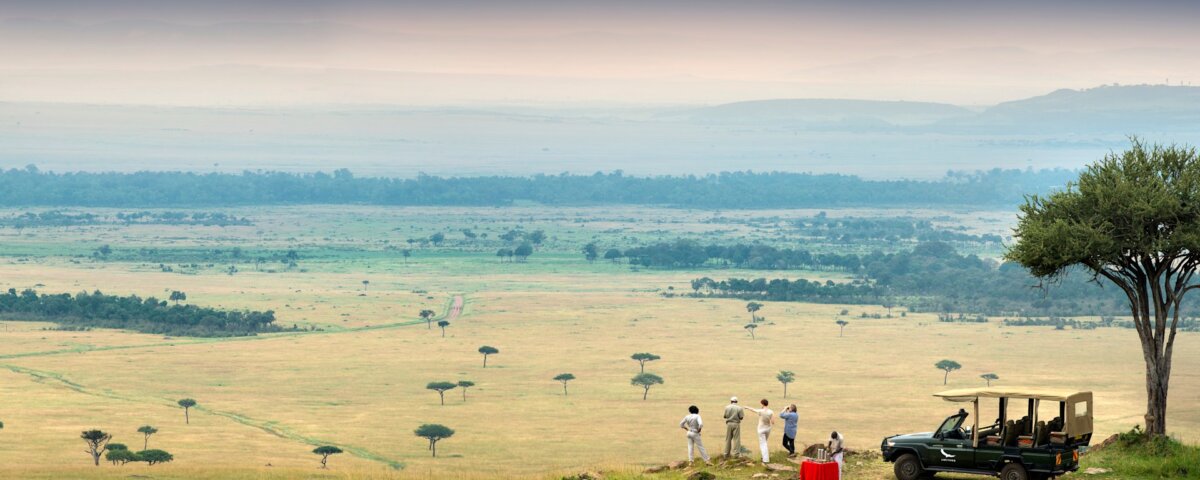
What Are the Best Weekend Safari Getaways in Kenya?
Kenya offers some of Africa’s most rewarding safari experiences, and you do not always need a full week to enjoy them. A well planned weekend safari can take you from busy city streets to open savannahs, dramatic mountains, peaceful lakes, and wildlife-rich conservancies in just a few hours. That makes Kenya an excellent destination for travelers who have limited time but still want a genuine African wildlife experience.
The best weekend safari getaways in Kenya combine manageable travel distances, strong wildlife viewing, comfortable accommodation, and activities that fit into a short itinerary. Instead of spending most of your weekend on the road, you can choose a destination that gives you enough time inside the park or conservancy. Timing also matters. An early departure from Nairobi can place you in the heart of the wilderness before the day becomes too hot, while an afternoon game drive can create another opportunity to see wildlife becoming active.
Kenya also gives travelers plenty of choice. You can choose the world famous Maasai Mara for big cats and wide grasslands, Amboseli for elephants beneath Mount Kilimanjaro, Lake Nakuru for rhinos and birdlife, or Tsavo for a more rugged wilderness experience. Furthermore, destinations such as Ol Pejeta Conservancy provide excellent wildlife encounters while adding conservation, community, and responsible tourism to the experience.
For international visitors, weekend safaris can also work well as part of a longer Kenya holiday. You can spend a few days exploring Nairobi, continue into the wilderness, and then return to the city before moving to the coast. For regional travelers, a weekend safari offers an easy way to experience Kenya without taking a long break from work or other commitments.
The key is choosing the right destination for your available time. Distance, road conditions, wildlife priorities, season, accommodation style, and budget all influence the quality of a short safari. With thoughtful planning, even two or three days can create memories that rival much longer trips.
Combined Uganda, Kenya, Rwanda and Tanzania Safaris
17 days Kenya Tanzania and Uganda safari
19 Days Uganda Kenya and Tanzania Safari
16 Days Kenya Tanzania and Uganda Safari
14 Days Kenya Uganda and Tanzania Safari
14 Days Kenya Uganda and Rwanda Safari
12 Day Gorilla Trekking and Tanzania Safari
Maasai Mara National Reserve: The Classic Weekend Safari Choice
The Maasai Mara remains one of the strongest choices for travelers who want a classic Kenyan safari. Its broad grasslands, seasonal rivers, scattered acacia trees, and abundant wildlife create the kind of landscape many visitors imagine when they first picture an African safari. The reserve also forms part of the greater Mara ecosystem, which supports large populations of lions, leopards, cheetahs, elephants, buffaloes, giraffes, zebras, wildebeests, and many other species.
A weekend in the Maasai Mara works particularly well when you want to prioritize wildlife viewing. A three-day itinerary gives you enough time for several game drives without making the trip feel rushed. You can leave Nairobi early on the first morning, arrive around midday or early afternoon, settle into your lodge or tented camp, and head out for an afternoon game drive. The following day can then focus almost entirely on the reserve, giving you a better chance to explore different areas and follow changing wildlife activity.
The Mara also appeals to travelers interested in predators. Lions frequently dominate the open plains, while cheetahs can appear in areas where the grassland gives them room to hunt. Leopards require more patience because they often remain hidden in thicker vegetation or rest in trees. Therefore, experienced guiding makes a major difference during a short visit.
The Great Migration adds another dimension, although travelers should understand that wildlife movements follow natural conditions rather than fixed tourist schedules. Large herds of wildebeest and zebras move between the Serengeti and Mara ecosystems according to rainfall, grazing conditions, and other environmental factors. Even outside the migration period, however, the Mara offers excellent resident wildlife and remains one of Kenya’s most rewarding safari destinations.
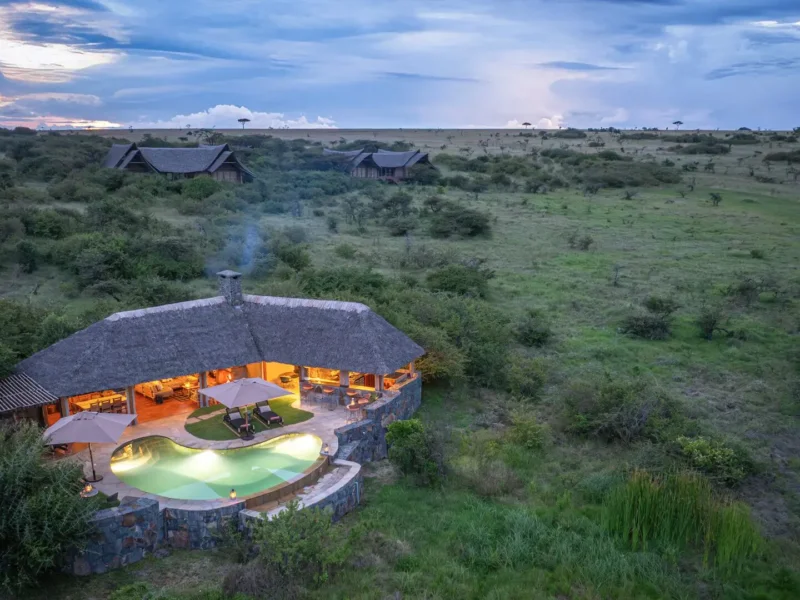
For a weekend trip, choose accommodation close to the reserve or within a conservancy whenever possible. Shorter transfer times mean more time enjoying the wilderness. The Maasai Mara works especially well for first-time safari travelers, couples, photographers, families, and visitors who want a high chance of seeing several iconic African animals during a short holiday.
Amboseli National Park: Elephants and Mount Kilimanjaro
Amboseli National Park offers one of Kenya’s most recognizable safari landscapes. The park sits near the Kenya-Tanzania border and provides spectacular views toward Mount Kilimanjaro across the border in Tanzania. On clear days, the mountain rises dramatically above the plains, creating an unforgettable setting for wildlife photography.
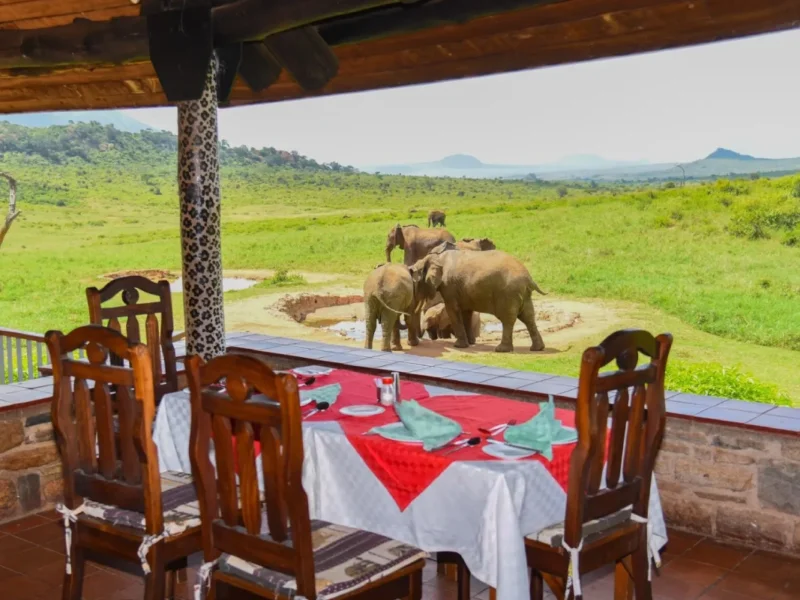
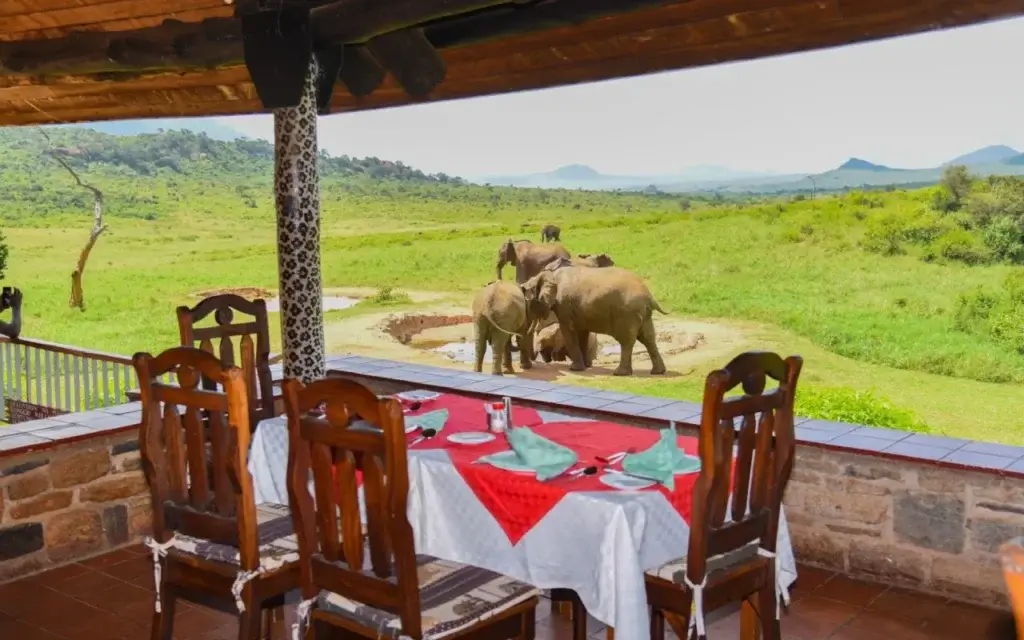
For a weekend getaway, Amboseli has a major advantage: its combination of accessible wildlife and distinctive scenery. The park supports large elephant herds, and visitors often encounter elephants moving across open plains with Mount Kilimanjaro forming a striking background. Seeing these animals in such a vast landscape gives the safari a powerful sense of scale.
However, Amboseli offers more than elephants. Visitors can encounter lions, cheetahs, buffaloes, giraffes, zebras, wildebeests, hyenas, hippos, and numerous bird species. The park also contains wetlands and swamps that attract wildlife, especially during dry periods when water becomes increasingly important.
A typical weekend safari can begin with an early departure from Nairobi, followed by arrival around lunchtime or early afternoon. After checking into accommodation, you can take an afternoon game drive when temperatures begin to fall and wildlife activity often increases. The next morning, an early game drive provides another opportunity for wildlife viewing and can offer excellent photographic light.
Amboseli particularly suits travelers who want scenery as much as wildlife. The combination of elephants, open plains, wetlands, local communities, and Kilimanjaro creates a safari experience that feels different from the Mara. It also works well for photographers because the landscape provides natural backgrounds that can make wildlife images especially memorable.
Weather can affect visibility of Mount Kilimanjaro, so travelers should avoid treating a clear mountain view as a guarantee. Nevertheless, the park remains worthwhile even when clouds cover the summit. The wildlife, landscapes, and cultural setting provide enough reasons to visit throughout the year.
Lake Nakuru National Park: A Convenient Wildlife Escape
Lake Nakuru National Park is one of the most practical choices for a short Kenyan safari, particularly for travelers based in Nairobi. Its relatively manageable road distance makes it possible to spend more time exploring the park instead of sitting in a vehicle during long transfers. This makes Lake Nakuru especially attractive when your weekend has strict time limits.
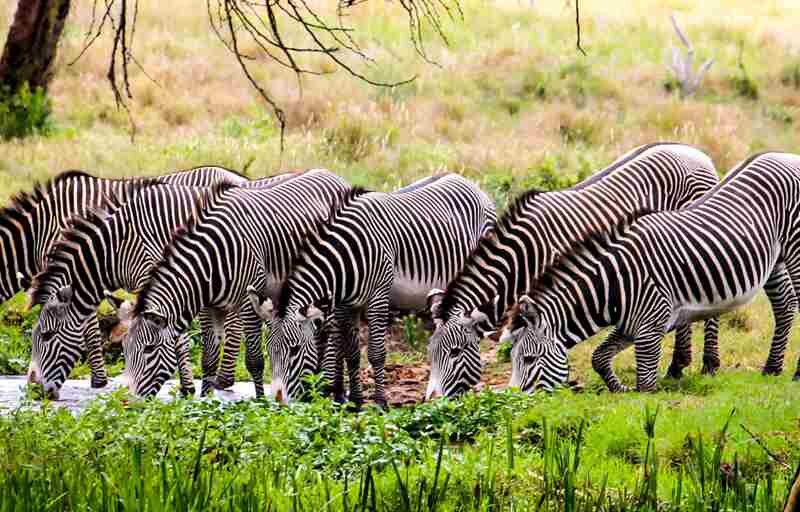
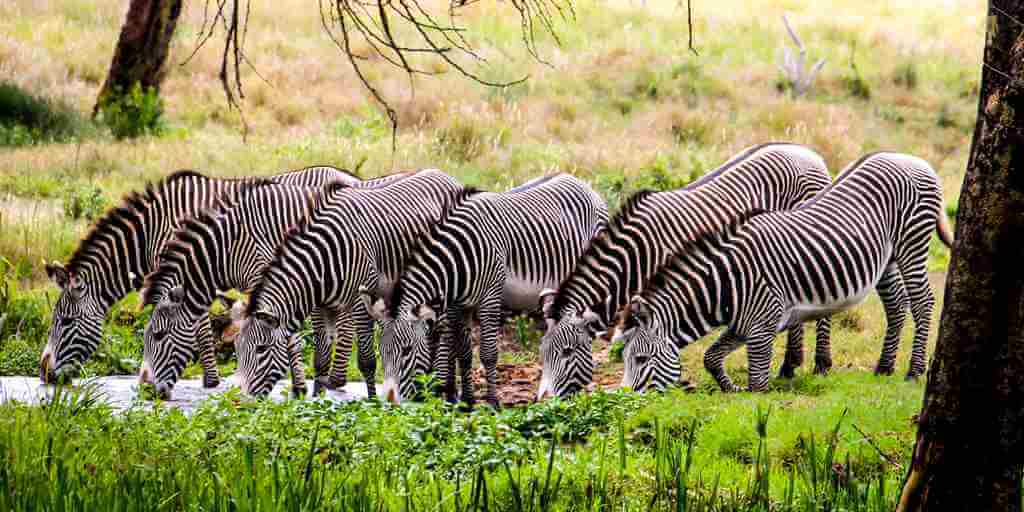
The park sits around Lake Nakuru, creating a landscape that combines water, woodland, grassland, rocky areas, and escarpments. This variety supports a wide range of wildlife. Visitors can encounter rhinos, buffaloes, zebras, giraffes, waterbuck, lions, leopards, baboons, and numerous bird species.
Lake Nakuru has a strong reputation for rhinoceros sightings. Both black and white rhinos occur in the wider ecosystem, giving visitors an opportunity to appreciate one of Africa’s most important conservation success stories. However, responsible safari travel requires more than simply searching for animals. Visitors should respect viewing distances, avoid disturbing wildlife, and follow park rules throughout the game drive.
The lake itself also adds visual interest. Depending on water conditions and the season, the shoreline can attract different bird species. Flamingos may appear in the broader ecosystem, although their numbers and locations change with ecological conditions. Therefore, travelers should visit with realistic expectations rather than assuming the lake will always display large concentrations of flamingos.
A weekend itinerary can include an afternoon game drive on arrival, a full or extended morning game drive the following day, and another short drive before returning to Nairobi. The surrounding Great Rift Valley landscape also adds value to the journey, particularly for travelers who enjoy scenic road trips.
Lake Nakuru works well for families, first-time visitors, photographers, couples, and travelers who want a wildlife-focused weekend without committing to a long safari circuit. Its location also makes it easy to combine with destinations such as Lake Naivasha or other attractions in the Rift Valley when travelers have additional time.
Tsavo East and Tsavo West National Parks: A Wild and Rugged Weekend
Tsavo offers a different style of Kenyan safari. Instead of focusing only on the polished image of classic savannah tourism, Tsavo introduces travelers to a vast, rugged wilderness shaped by dramatic landscapes, dry plains, volcanic features, rivers, springs, and expansive bushland. Tsavo East and Tsavo West together form one of the largest protected wilderness areas in Kenya.
Tsavo East is famous for its expansive landscapes and large elephant populations. The elephants in the Tsavo ecosystem are often associated with the region’s distinctive red soil, which can give them a reddish appearance after dust bathing. The park also supports lions, leopards, buffaloes, giraffes, zebras, wildebeests, hippos, crocodiles, and many other species.
Tsavo West offers a different visual experience. Rocky landscapes, volcanic features, springs, and thicker vegetation create a more varied environment. Mzima Springs is one of the notable attractions, with clear water supporting hippos, crocodiles, fish, and other aquatic life. The surrounding landscape can make Tsavo West particularly rewarding for travelers who enjoy geology and scenery alongside wildlife.
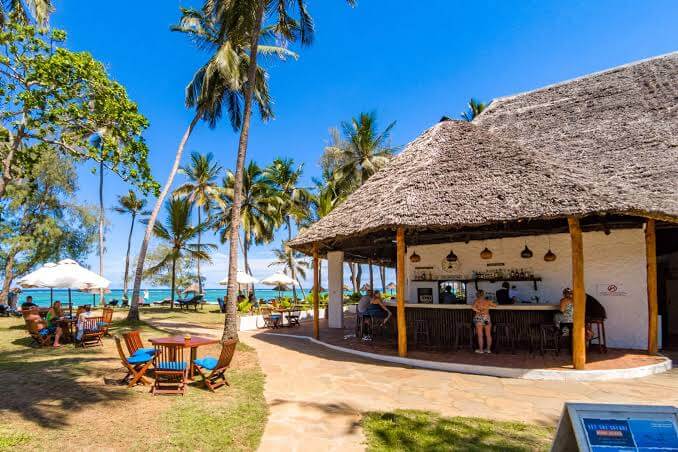
Tsavo can work especially well as a weekend safari from the Kenyan coast. Travelers staying in Mombasa, Diani, Kilifi, or nearby coastal areas can combine beach relaxation with a short wilderness adventure. Instead of choosing between a beach holiday and a safari, you can experience both during the same trip.
For travelers starting from Nairobi, however, careful planning becomes more important because Tsavo covers a huge area. Selecting the right section of the park can reduce unnecessary driving. Accommodation location also matters because a lodge or camp positioned close to the areas you want to explore can save valuable safari time.
Tsavo is ideal for travelers who prefer quieter wilderness, dramatic scenery, and a sense of exploration. It may not feel as concentrated as some smaller parks, but that expansive character forms a major part of its appeal.
Ol Pejeta Conservancy: Conservation and Wildlife in One Weekend
Ol Pejeta Conservancy provides one of Kenya’s strongest options for travelers who want wildlife viewing combined with conservation. Located in Laikipia, the conservancy protects important habitats while supporting conservation programs and community development. Its setting also creates a different safari atmosphere from the larger national parks.
The conservancy supports the Big Five and offers opportunities to see lions, elephants, buffaloes, leopards, and rhinos. It also has a strong reputation for rhinoceros conservation, making it an especially meaningful destination for visitors who want to understand the challenges involved in protecting endangered wildlife.
A weekend at Ol Pejeta can include several game drives, guided experiences, conservation-focused activities, and time to enjoy the surrounding Laikipia landscape. Because the conservancy provides more than traditional game viewing, visitors can build an itinerary around both wildlife and education.
One of the strengths of a conservancy based safari is the opportunity to understand how conservation works beyond simply protecting animals inside a fenced area. Successful conservation requires habitat management, research, anti-poaching work, tourism revenue, local partnerships, and long term planning. When visitors choose responsible tourism operators and follow conservation guidelines, their safari can contribute to these wider efforts.
Ol Pejeta also provides a practical weekend option from Nairobi. The journey takes longer than some destinations closer to the capital, but the experience can justify the additional travel for visitors interested in conservation. The surrounding Laikipia region offers beautiful landscapes and a more intimate safari atmosphere.
This destination suits families, couples, wildlife enthusiasts, photographers, conservation supporters, and repeat safari travelers who want something beyond the standard national park experience. It also makes an excellent addition to a longer Kenya itinerary because it connects naturally with other destinations in the central and northern regions.
Nairobi National Park: Kenya’s Easiest Safari Escape
Nairobi National Park proves that you do not need to travel deep into the countryside to experience an authentic safari. Located just outside Nairobi, the park provides an unusual combination of wildlife and city scenery. Skyscrapers can sit on the distant horizon while lions, giraffes, zebras, buffaloes, rhinos, and other wildlife move through the grasslands.
For travelers with only one day or a single weekend afternoon available, this park offers exceptional convenience. You can leave your hotel in Nairobi and reach a genuine wildlife environment without committing to a long road transfer. That makes it especially useful for international visitors with a short stopover, business travelers, or residents looking for a quick break from the city.
An early morning game drive can provide excellent wildlife opportunities because many animals remain active before temperatures rise. An afternoon drive can also work well, particularly as the day begins to cool. However, wildlife sightings always depend on natural behavior, weather, habitat conditions, and the skill of the guide.
Nairobi National Park also has conservation importance. Its proximity to a major capital city creates both opportunities and challenges. Protecting wildlife habitat beside a rapidly growing urban area requires careful management and strong cooperation between conservation authorities, communities, tourism businesses, and visitors.
The park works best when travelers understand its role. It does not offer the same remote wilderness feeling as Tsavo or the expansive migration landscapes of the Maasai Mara. Instead, its greatest strength lies in accessibility. You can experience wildlife without sacrificing an entire day to transportation.
For visitors arriving or departing through Nairobi, adding a game drive at the beginning or end of a Kenya trip can make excellent use of limited time. It can also serve as a short introduction to Kenya before a longer safari elsewhere.
How to Choose the Best Weekend Safari in Kenya
Choosing the right weekend safari depends on what you want to experience rather than simply selecting the most famous destination. Start by considering your departure point. Nairobi-based travelers have easy access to destinations such as Nairobi National Park, Lake Nakuru, Amboseli, Ol Pejeta, and the Maasai Mara, while travelers on the coast may find Tsavo more convenient.
Next, identify your main wildlife interest. If big cats and classic savannah scenery matter most, the Maasai Mara makes a strong choice. If elephants and dramatic mountain views attract you, Amboseli stands out. For rhinos and a convenient wildlife escape, Lake Nakuru and Ol Pejeta deserve serious consideration. If you prefer rugged landscapes and a more expansive wilderness feeling, Tsavo may be the better match.
Your travel season also matters. Wildlife behavior changes throughout the year, and rainfall influences vegetation, road conditions, water availability, and animal distribution. Therefore, a good safari plan considers seasonal conditions instead of promising guaranteed sightings.
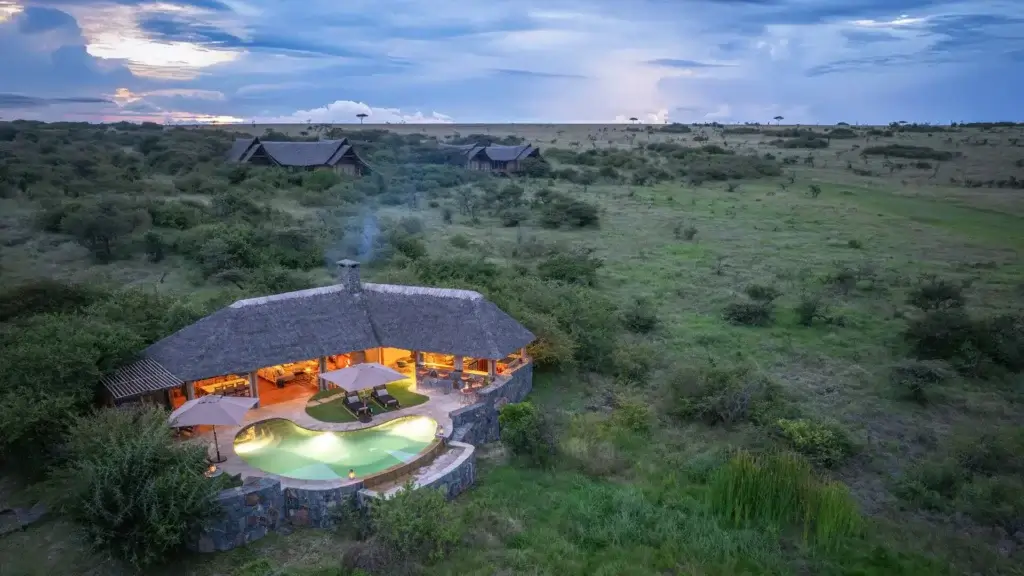
Accommodation location deserves equal attention. A beautiful lodge located far from the main wildlife areas may cost you valuable game-drive time. For a weekend safari, proximity often matters more than luxury because every hour counts.
Finally, choose an experienced safari operator and professional guide. A good guide understands animal behavior, reads tracks, manages time effectively, respects wildlife, and adjusts the route according to conditions. That expertise can make a major difference when you have only two or three days.
How to Make a Short Kenya Safari Feel Longer
A successful weekend safari depends on using time intelligently. The first principle is to reduce unnecessary transfers. Choose accommodation that gives you practical access to the areas you want to explore. Spending an extra hour driving to a distant lodge may look small on paper, but over a two-day safari, those hours quickly add up.
Second, plan your game drives around natural wildlife activity. Early mornings often provide excellent opportunities because temperatures remain cooler and many animals are active. Late afternoon can also produce rewarding encounters as temperatures drop and wildlife becomes more mobile.
Third, avoid trying to visit too many parks during one weekend. Moving between several destinations may look exciting on an itinerary, but excessive travel can reduce actual safari time. One well-chosen park often provides a better experience than three destinations visited too quickly.
Fourth, communicate your priorities before the safari begins. If you love photography, tell your guide. If rhinos are your main interest, explain that. If you want to focus on predators, landscapes, or birds, make that clear. A knowledgeable guide can then structure game drives around your interests while still responding to natural wildlife movements.
Finally, leave room for the unexpected. Safari does not follow a fixed script. A sudden elephant encounter, a lion appearing beside the road, a spectacular sunset, or a rare bird can change the entire day. Flexibility allows you to enjoy these moments instead of rushing toward a rigid checklist.
Best Weekend Safari Itinerary Ideas in Kenya
A two night, three day Maasai Mara safari offers one of the strongest short itineraries for first time visitors. Depart Nairobi early on day one, arrive for lunch, and take an afternoon game drive. Spend day two exploring different areas of the reserve before returning to Nairobi on day three after a final morning drive.
For Amboseli, travelers can follow a similar pattern. Early departure, afternoon wildlife viewing, a full morning or extended game drive on the second day, and a final morning experience can provide a balanced weekend. If Mount Kilimanjaro views matter to you, keep some flexibility because cloud conditions can change throughout the day.
Lake Nakuru works particularly well for travelers seeking a shorter road journey. An afternoon drive on arrival followed by a longer morning drive creates a compact but rewarding itinerary. You can also add nearby attractions if your schedule allows.
Ol Pejeta works well as a conservation-focused weekend. Combine game drives with conservation experiences and time to appreciate the Laikipia landscape. This approach creates a deeper safari experience than simply moving from one animal sighting to another.
For travelers staying on the coast, Tsavo provides an excellent safari and beach combination. Spend the first day traveling into the park and enjoying an afternoon drive, dedicate the second day to wildlife exploration, and return toward the coast on the third day.
The best itinerary is ultimately the one that matches your travel time, budget, interests, and starting point. A short safari should feel focused rather than rushed.
Responsible Safari Travel in Kenya
Responsible tourism should form part of every Kenyan safari, whether the trip lasts one day or one month. Wildlife tourism depends on healthy ecosystems, protected habitats, local communities, and visitors who understand how their actions affect the environment.
During game drives, remain inside the designated vehicle unless your guide confirms that it is safe and permitted to leave. Never chase animals, block their movement, make unnecessary noise, or demand that a guide move too close to wildlife. These simple rules protect both visitors and animals.
Choosing accommodation and operators that value conservation can also make a meaningful difference. Tourism creates employment, supports local businesses, funds conservation programs, and gives communities an economic reason to protect wildlife habitats. Therefore, responsible travelers should consider where their money goes and how tourism benefits the destination.
Reducing plastic waste also matters. Carry reusable water bottles where practical, avoid unnecessary single-use plastics, and dispose of waste properly. Furthermore, respect local communities and cultural spaces. Kenya is not simply a wildlife destination; it is home to diverse communities with deep cultural histories and traditions.
Responsible photography requires the same respect. Avoid using flash around wildlife when it could disturb animals, never pressure guides to create unnatural encounters, and respect restrictions around sensitive conservation areas.
A responsible safari creates value beyond the individual traveler. It helps protect wildlife, supports communities, strengthens conservation, and preserves Kenya’s tourism heritage for future generations. Even on a short weekend, your choices can contribute to a healthier and more sustainable tourism industry.
Final Thoughts: Choosing the Right Weekend Safari Experience
Kenya makes weekend safaris possible because the country offers remarkable wildlife destinations within practical reach of major travel hubs. The Maasai Mara delivers classic savannah scenery and exceptional predator viewing. Amboseli combines elephants with unforgettable mountain landscapes. Lake Nakuru provides a convenient wildlife escape with strong rhino and birdlife opportunities. Tsavo offers rugged wilderness, while Ol Pejeta brings conservation closer to the heart of the safari experience. Nairobi National Park, meanwhile, proves that an authentic wildlife encounter can exist just outside a major African capital.
The most important decision is not simply choosing the most famous park. Instead, choose the destination that matches your starting point, available time, wildlife interests, preferred accommodation, budget, and travel season. Then build the itinerary around quality rather than quantity. Two well planned days in one ecosystem can create a richer experience than several rushed park transfers.
For international travelers, Kenya also provides an excellent gateway into East African tourism. A weekend safari can stand alone as a short adventure or become part of a longer journey that continues to the Kenyan coast, Uganda, Tanzania, Rwanda, or other destinations across the region.
For travelers who want dependable planning, knowledgeable guides, carefully selected accommodation, and a safari designed around real travel needs, Giant Holiday Safaris provides a trusted approach to discovering Kenya and the wider African tourism experience. The goal should always be more than ticking animals off a list. A great safari should connect you with landscapes, wildlife, conservation, culture, and the remarkable character of Africa.