What are the best safari vehicles in Kenya?
August 17, 2026
What are the best weekend safari getaways in Kenya?
August 17, 2026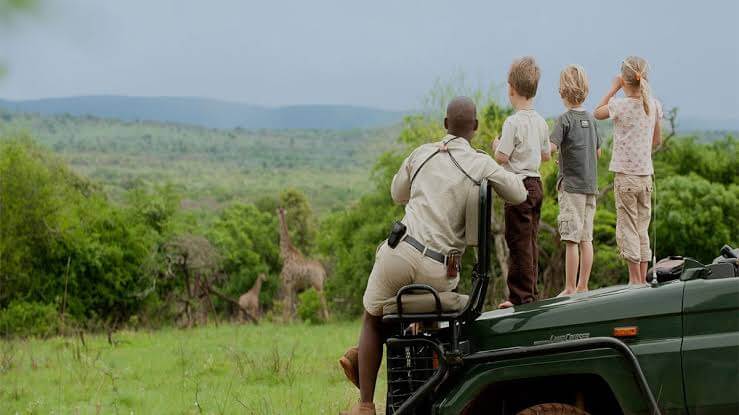
Which Kenya Safaris Are Best for Families with Kids?
Kenya offers one of Africa’s most rewarding safari experiences for families traveling with children. The country combines famous wildlife, comfortable safari camps, diverse landscapes, friendly local communities, and activities that help children connect with nature in a fun and meaningful way. From the open grasslands of the Maasai Mara to the wildlife-rich plains of Amboseli, families can enjoy close encounters with elephants, lions, giraffes, zebras, buffaloes, and many other animals without needing to travel between too many different destinations.
However, choosing the right Kenya safari for a family requires more than simply picking a famous national park. Parents need to consider driving time, accommodation, meal options, safety, child friendly activities, family room arrangements, and the age of the children. Younger children may need shorter game drives and more flexible schedules, while teenagers often enjoy longer drives, photography, walking experiences, cultural activities, and conservation programs.
Fortunately, Kenya provides options for almost every type of family traveler. You can choose a short safari that fits into a wider holiday, a classic wildlife circuit, or a longer adventure that combines several parks and reserves. With thoughtful planning, a family safari can become more than a holiday. It can give children a lasting appreciation for wildlife, conservation, African landscapes, and different cultures.
Combined Uganda, Kenya, Rwanda and Tanzania Safaris
17 days Kenya Tanzania and Uganda safari
19 Days Uganda Kenya and Tanzania Safari
16 Days Kenya Tanzania and Uganda Safari
14 Days Kenya Uganda and Tanzania Safari
14 Days Kenya Uganda and Rwanda Safari
12 Day Gorilla Trekking and Tanzania Safari
Maasai Mara Safari: The Best Overall Choice for Families
The Maasai Mara remains one of the strongest choices for a family safari in Kenya because it offers an impressive concentration of wildlife and a landscape that makes game viewing exciting from the first drive. The reserve’s wide grasslands provide excellent opportunities to see lions, elephants, leopards, cheetahs, buffaloes, giraffes, zebras, hippos, and many other species. For children, this variety keeps each game drive interesting because the next sighting can always bring something new.
Families also benefit from the Mara’s wide selection of accommodation. You can find family friendly safari lodges, tented camps, and private conservancies with spacious rooms and services designed for different age groups. Some properties offer family tents or interconnected rooms, which gives parents privacy while keeping children close.
Another advantage comes from the flexibility of safari planning. Families can arrange shorter morning or afternoon game drives instead of spending an entire day inside a vehicle. This approach works particularly well for younger children who may become tired after several hours of wildlife viewing.
The Maasai Mara also creates excellent opportunities for older children and teenagers to develop an interest in photography and wildlife. A lion resting beneath an acacia tree, a herd of elephants crossing the plains, or a giraffe moving across the horizon can turn an ordinary family trip into a powerful learning experience.
Amboseli National Park: Best for Elephant-Loving Families
Amboseli National Park is another excellent destination for families, especially those who want to see elephants in a spectacular setting. The park sits near Mount Kilimanjaro, Africa’s highest mountain, creating one of Kenya’s most recognizable safari landscapes. On clear days, the snow-capped mountain provides a dramatic background while elephants move across the open plains.
Children often find elephants fascinating because of their size, intelligence, family structure, and social behavior. Watching a herd move together gives parents a natural opportunity to explain how animals communicate, protect their young, search for food, and live within family groups.
Amboseli also works well for families because the wildlife can be relatively easy to spot across open areas. Children do not always have the patience required for long searches through thick vegetation, so open landscapes can make the safari more engaging.
The park also supports a broader family experience beyond game drives. Families can combine wildlife viewing with cultural experiences involving local communities, depending on the itinerary and accommodation chosen. These experiences help children understand that a safari is not only about animals. People, traditions, land use, and conservation all form part of the African safari story.
For families with limited time, Amboseli can also work as a shorter safari destination. Its distinctive scenery and strong elephant viewing can provide an unforgettable experience without requiring an extended itinerary.
Ol Pejeta Conservancy: Best for Educational Family Safaris
Ol Pejeta Conservancy offers a different kind of family safari because it combines wildlife viewing with conservation education. Located in Kenya’s Laikipia region, the conservancy provides opportunities to see animals such as rhinos, lions, elephants, zebras, giraffes, and other wildlife while learning about the work required to protect threatened species.
For children, this educational element can make the safari especially valuable. Instead of simply seeing an animal and moving on, families can learn why conservation matters and how wildlife protection works in real life. This makes Ol Pejeta a strong choice for parents who want their children to return home with knowledge as well as memories.
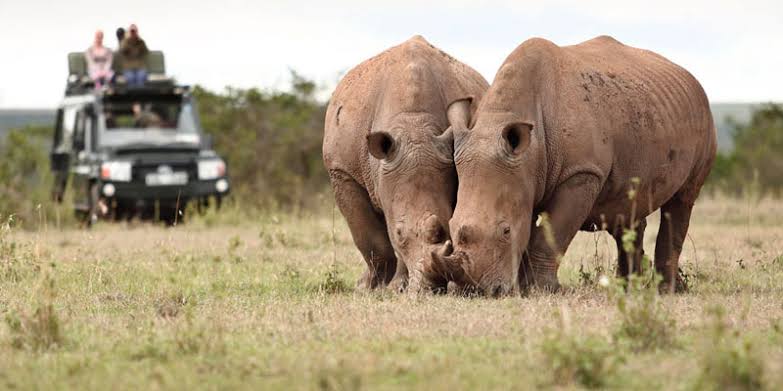
The conservancy is also known for its work protecting rhinos. Families can use this opportunity to introduce children to important conservation themes such as habitat protection, endangered species, anti-poaching efforts, community partnerships, and responsible tourism.
Ol Pejeta also offers a range of experiences that can complement traditional game drives. Depending on the current availability and age requirements, families may explore conservation focused activities, wildlife experiences, and guided encounters. Parents should always check age restrictions when planning activities for younger children.
The destination works particularly well for school age children and teenagers because it encourages curiosity. A safari becomes more meaningful when children understand that wildlife does not simply survive on its own. Conservationists, local communities, rangers, researchers, and responsible travelers all play roles in protecting Kenya’s natural heritage.
Lake Nakuru National Park: Best for Short Family Safaris
Lake Nakuru National Park can be an excellent option for families who want a shorter safari experience. Its location within Kenya’s popular safari circuit makes it possible to combine the park with other destinations without creating an overly demanding travel schedule.
The park offers diverse wildlife and scenery, including grasslands, woodland, rocky areas, and the famous lake environment. Families can look for rhinos, giraffes, buffaloes, lions, zebras, and numerous bird species. The variety gives children different subjects to observe during a single game drive.
Birdlife can add another layer of interest for children. Flamingos and other water-associated birds can help introduce young travelers to the relationship between lakes, food sources, migration, and animal habitats. Parents can turn the drive into a simple wildlife challenge by asking children to identify different animals, count species, or keep a small safari journal.
Lake Nakuru also fits well into itineraries that include the Maasai Mara or Lake Naivasha. This allows families to experience different environments without spending too many days on long transfers.
For parents traveling with younger children, itinerary design remains important. A shorter game drive, comfortable accommodation, regular meal breaks, and enough rest between activities can make the experience much more enjoyable. Children do not need to spend every waking hour looking for wildlife to have an excellent safari.
Tsavo National Parks: Best for Families Seeking a Big Adventure
Tsavo East and Tsavo West provide a strong choice for families who want a larger sense of adventure. Together, the Tsavo ecosystem covers a vast area and offers a different atmosphere from the Maasai Mara and Amboseli. The landscape includes open plains, bushland, rocky terrain, rivers, and dramatic natural features.
Tsavo can appeal especially to families with older children and teenagers who enjoy exploration and variety. Game drives can feel adventurous because the environment is expansive and wildlife may appear in unexpected places. Families can search for elephants, lions, giraffes, zebras, buffaloes, antelopes, hippos, and many other species.
Tsavo West also offers striking scenery, including volcanic landscapes and areas shaped by ancient geological activity. This gives parents another opportunity to turn the safari into an educational experience. Children can learn about volcanoes, water sources, ecosystems, and how geography influences wildlife.
Because Tsavo is large, however, families should plan carefully. Longer drives can become tiring for younger children. Choosing accommodation strategically can reduce unnecessary travel and create more time for enjoyable activities.
Families combining a safari with a coastal holiday may also find Tsavo useful because of its position between Kenya’s interior and coast. This makes it possible to create a holiday that begins with wildlife adventures and ends with relaxation on the Indian Ocean.
Samburu National Reserve: Best for Families with Older Children
Samburu National Reserve provides a memorable family safari for travelers who want to experience a less familiar side of Kenya. The reserve lies in northern Kenya and features a dry landscape shaped by the Ewaso Ng’iro River. The river supports wildlife and creates an important contrast against the surrounding arid environment.
Samburu is especially interesting for older children because the area supports several wildlife species that families may not encounter elsewhere in Kenya. These include the reticulated giraffe, Grevy’s zebra, gerenuk, Beisa oryx, and Somali ostrich. Searching for these distinctive animals can turn a game drive into an exciting wildlife discovery exercise.
The reserve also offers families an opportunity to experience the culture of northern Kenya. Cultural visits can help children understand how communities live alongside wildlife and adapt to dry environments. When arranged responsibly, such experiences encourage respect for local traditions without treating culture as a simple tourist display.
Samburu also works well for families who have already visited Kenya’s more famous parks and want something different. The scenery, wildlife, and cultural setting create a distinct safari atmosphere.
Parents should consider the longer travel distances involved when planning a Samburu safari. For this reason, the destination often suits families with older children who can handle longer journeys and more extended game drives. A carefully selected lodge and a relaxed itinerary can make the journey worthwhile.
Best Kenya Safari for Families with Young Children
Families traveling with young children should prioritize comfort, flexibility, and manageable travel times rather than trying to visit as many parks as possible. A safari does not need to cover five destinations to become memorable. In fact, fewer destinations often create a better experience for young travelers.
The Maasai Mara and Amboseli can both work well when parents design the itinerary around their children’s needs. Shorter game drives can help children stay interested, while accommodation with family rooms and suitable meal choices can make daily life easier.
Parents should also choose safari vehicles with enough space for the whole family. A comfortable vehicle can make a major difference when traveling on uneven roads. Children may need water, snacks, warm clothing for early morning drives, and small entertainment items during longer transfers.
Another important factor involves timing. Early morning game drives often provide excellent wildlife activity, but very young children may struggle with extremely early departures. Families can instead balance one early drive with a later morning or afternoon activity.
The best family safari creates a rhythm that children can enjoy. Wildlife viewing should remain exciting rather than exhausting. Therefore, parents should leave room for rest, swimming where available, meals, and relaxed time at the lodge.
Best Kenya Safari for Teenagers
Teenagers often want more active and varied experiences than younger children. They may enjoy photography, wildlife tracking, conservation activities, cultural encounters, nature walks, and longer game drives. Therefore, families with teenagers can consider a broader itinerary that combines several destinations.
Ol Pejeta works particularly well because conservation adds depth to the wildlife experience. Teenagers can explore ideas surrounding endangered species, habitat protection, research, and responsible tourism.
The Maasai Mara also offers strong opportunities for photography. Teenagers can practice framing landscapes, photographing wildlife from a safe distance, and documenting the journey. Parents can encourage them to create a simple digital or printed safari journal.
Samburu provides another excellent option because of its unique wildlife and different landscape. Teenagers who already understand common safari animals may enjoy searching for species they have never encountered before.
Walking experiences can also add variety, although parents should choose only activities suitable for the children’s ages and follow the guidance of qualified guides. A walking safari requires discipline and attention because wildlife encounters behave differently on foot.
Above all, teenagers benefit when the safari gives them a sense of participation. Allowing them to help choose activities, record sightings, take photographs, or learn basic wildlife identification can turn them from passive passengers into active explorers.
How to Choose a Family-Friendly Kenya Safari
Choosing the best Kenya safari for your family starts with understanding your children’s ages, interests, energy levels, and travel experience. A safari designed for a family with a three year old should not look the same as one designed for parents traveling with teenagers.
Start by considering travel time. Long road transfers can reduce the time available for wildlife viewing and leave children tired. Whenever possible, use a sensible route that avoids unnecessary backtracking.
Next, examine accommodation carefully. Look for family rooms, connecting rooms, suitable meal arrangements, swimming pools where appropriate, and clear policies regarding children. Some safari properties have age restrictions for certain activities, so parents should confirm these details before booking.
Safety should also remain a top priority. Families should follow park rules, listen to guides, remain inside vehicles when required, and avoid approaching wildlife independently. Children should understand basic safari behavior before the first game drive.
Finally, consider the pace of the itinerary. Two or three well planned destinations often provide a better family experience than a rushed journey through many parks. Give children enough time to rest and enjoy the accommodation.
A good family safari balances adventure with comfort. It should challenge children to discover something new without making them feel overwhelmed.
What Children Can Learn on a Kenya Safari
A Kenya safari can become a powerful outdoor classroom. Children can learn about ecosystems, animal behavior, geography, conservation, culture, weather, photography, and responsible travel simply by paying attention to their surroundings.
For example, watching elephants can introduce lessons about family groups and communication. Seeing predators can help children understand food chains and ecological balance. Observing birds around a lake can demonstrate how water supports entire ecosystems.
Parents can make these lessons simple and enjoyable. Before the safari, children can learn the names of common animals. During the trip, they can keep a wildlife checklist or notebook. Afterward, they can research the animals they saw and create a small project about their favorite experience.
Cultural experiences can provide another valuable lesson. Children can learn that Kenya contains many communities with different traditions, languages, livelihoods, and histories. Responsible cultural tourism teaches young travelers to approach communities with respect and curiosity.
Conservation also deserves special attention. Kenya’s wildlife heritage depends on protected areas, conservation organizations, communities, tourism operators, rangers, researchers, and responsible visitors. Helping children understand this connection can influence how they think about nature long after the holiday ends.
Consequently, a family safari offers more than entertainment. It can shape how children understand the natural world and their responsibility toward it.
Best Time to Take a Family Safari in Kenya
Kenya offers safari opportunities throughout much of the year, but the best travel period depends on the family’s priorities. Wildlife viewing, weather, school holidays, budget, and crowd levels can all influence the decision.
The dry seasons often make wildlife viewing easier because animals tend to gather around reliable water sources and vegetation becomes less dense. These conditions can help children enjoy game drives because sightings may become easier to spot.
However, families should not assume that the wetter months make a safari unsuitable. Green landscapes can look beautiful, many animals remain active, and some periods may offer fewer visitors. Families who want a quieter experience may find these seasons attractive.
School calendars also influence family travel. Many parents plan around school holidays, which can make popular safari destinations busier and accommodation more competitive. Booking early can help families secure suitable rooms and preferred travel dates.
The most important point is to match the season with your family’s goals. If your priority involves specific wildlife experiences, seasonal patterns matter. If your priority involves flexible pricing and quieter parks, other periods may work better.
A knowledgeable safari planner can help build an itinerary around the children’s ages, preferred activities, available travel dates, and desired destinations.
Family Safari Tips for a Comfortable and Safe Experience
A few practical decisions can make a major difference to the quality of a family safari. First, pack clothing that suits changing temperatures. Early mornings can feel cool, while afternoons may become warm. Lightweight layers allow children to adjust easily.
Sun protection also matters. Families should carry hats, sunscreen, sunglasses, and enough drinking water. Comfortable closed shoes can help during nature walks or cultural activities.
Parents should also prepare children before the journey. Explain that wild animals need space and that the safari vehicle provides protection. Children should avoid loud shouting, sudden movements, or attempts to attract animals.
Snacks can help during longer drives, although families should follow park and lodge rules regarding food and waste. A small notebook, binoculars suitable for children, or a camera can also keep young travelers engaged.
Most importantly, avoid creating an exhausting schedule. Children need sleep and downtime just as much as adults. Build the itinerary around quality experiences rather than the number of places visited.
It also helps to choose a professional guide who understands family travel. A good guide can adjust the pace, explain wildlife in a child-friendly way, and identify safe opportunities for questions and learning.
Conclusion: Creating the Right Kenya Safari for Your Family
The best Kenya safari for families depends on what makes your children excited, comfortable, curious, and ready to explore. The Maasai Mara provides an outstanding all round wildlife experience, while Amboseli stands out for elephant viewing and spectacular Mount Kilimanjaro scenery. Ol Pejeta adds a strong conservation and educational element, Lake Nakuru works well for shorter safari circuits, Tsavo offers a sense of large scale adventure, and Samburu introduces families to unique wildlife and the landscapes of northern Kenya.
Most importantly, families should avoid rushing from one destination to another. A successful safari combines wildlife, comfort, learning, relaxation, and enough flexibility to suit the children’s ages. With thoughtful planning, Kenya can give children some of their earliest and most meaningful encounters with the natural world.
For families traveling from anywhere in the world, choosing an experienced safari operator can make the difference between a simple wildlife holiday and a carefully designed African adventure. Giant Holiday Safaris can help families build a reliable Kenya safari around their travel dates, children’s ages, preferred parks, accommodation needs, budget, and interests, creating a well balanced journey that turns Kenya’s wildlife and landscapes into memories the whole family can treasure.