What are the Big Five animals in Kenya?
August 15, 2026
What is the best Kenya safari for couples?
August 15, 2026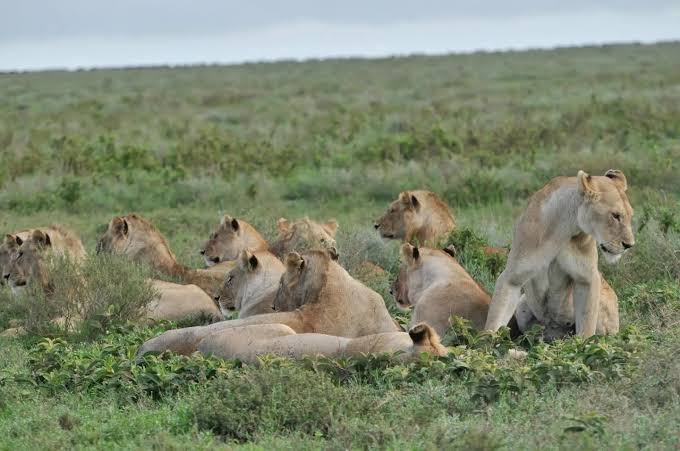
Can You See the Big Nine in Kenya?
Kenya stands among Africa’s most celebrated safari destinations because its landscapes support an extraordinary range of wildlife. From the open grasslands of the Maasai Mara to the elephant rich plains of Amboseli, the country gives travelers many opportunities to encounter Africa’s most famous animals in their natural environment. While many safari travelers know the traditional Big Five lion, leopard, elephant, buffalo, and rhinoceros Kenya offers an even broader wildlife challenge often called the Big Nine. The Big Nine adds the cheetah, giraffe, hippopotamus, and zebra to the traditional Big Five. Several Kenya safari destinations can provide sightings of these nine animals, although seeing every one of them requires patience, good planning, experienced guiding, and favorable wildlife conditions.
The idea of the Big Nine gives travelers a more complete way to experience Kenya’s wildlife. Instead of focusing only on large predators or the traditional safari checklist, visitors can explore different habitats and observe how species interact with their surroundings. A lion resting under an acacia tree creates a very different experience from watching a cheetah prepare for a hunt across an open plain. Likewise, a giraffe feeding quietly above the grasslands or a hippo emerging from a river adds another dimension to the safari.
Therefore, the answer to the question “Can you see the Big Nine in Kenya?” is yes. However, wildlife remains wild, and no responsible safari operator should promise a guaranteed sighting of every animal. The real value comes from exploring Kenya’s ecosystems with knowledgeable guides who understand animal behavior, seasonal movements, water sources, feeding areas, and habitat changes. Kenya Wildlife Service also identifies several of these species, including elephant, lion, leopard, rhino, cheetah, giraffe, and African wild dog, as species requiring conservation attention, which makes responsible wildlife tourism especially important.
Combined Uganda, Kenya, Rwanda and Tanzania Safaris
17 days Kenya Tanzania and Uganda safari
19 Days Uganda Kenya and Tanzania Safari
16 Days Kenya Tanzania and Uganda Safari
14 Days Kenya Uganda and Tanzania Safari
14 Days Kenya Uganda and Rwanda Safari
12 Day Gorilla Trekking and Tanzania Safari
What Are the Big Nine Animals in Kenya?
The Big Nine combines the famous Big Five with four additional animals that travelers commonly hope to encounter during a Kenya safari. The traditional Big Five consist of the African lion, African leopard, African elephant, African buffalo, and rhinoceros. The additional four are the cheetah, giraffe, hippopotamus, and zebra. This grouping has become popular in Kenya safari tourism because it creates a broader wildlife goal for visitors who want more than the traditional Big Five experience.
The lion represents Kenya’s powerful predators and often provides some of the most memorable safari encounters. Leopards offer a different challenge because their secretive behavior and preference for wooded habitats can make them harder to find. Elephants create spectacular scenes, particularly when large family groups move across open landscapes. African buffalo, meanwhile, often travel in herds and remain an important part of the savannah ecosystem.
Rhinos add another important conservation dimension. Kenya protects both black and white rhinos in several wildlife areas, and places such as Ol Pejeta Conservancy have become important centers for rhino conservation. Ol Pejeta also supports other species such as cheetahs, African wild dogs, Grevy’s zebras, giraffes, hippos, and plains zebras.
The four additional Big Nine species make the safari even more diverse. Cheetahs bring speed and open-country hunting behavior, giraffes provide an impressive view of Kenya’s savannah giants, hippos connect the safari experience to rivers and wetlands, while zebras contribute to the dramatic herds that move across Kenya’s grasslands. Together, these animals create a richer picture of Kenya’s wildlife than any single checklist can provide.
The Lion: Kenya’s Iconic Big Cat
The African lion remains one of the most sought after animals on a Kenya safari. Its presence can transform an ordinary game drive into a memorable wildlife experience. Lions live in social groups called prides, although their group structure and behavior can vary according to habitat, prey availability, competition, and other environmental factors. In the Maasai Mara ecosystem, travelers have excellent opportunities to observe lions across open grasslands, near river areas, and around places where prey gathers.
A lion sighting becomes even more meaningful when travelers take time to understand what they are seeing. A pride resting during the heat of the day tells a different story from a group preparing to hunt at dawn or dusk. Cubs playing around adults can reveal the social side of the species, while territorial behavior demonstrates the constant competition that shapes life in the savannah.
Kenya’s lion experience also connects directly with conservation. Kenya Wildlife Service lists the African lion among the country’s endangered wildlife species, highlighting the need to protect habitats and reduce threats such as poaching and human wildlife conflict.
For travelers, the best approach involves patience rather than simply searching for a quick photograph. Experienced guides watch animal behavior, tracks, alarm calls, prey movements, and environmental conditions. Consequently, a carefully planned game drive can reveal much more than a lion sitting beside a road. It can show how this powerful predator fits into the wider ecosystem.
The Leopard: Kenya’s Elusive Big Nine Predator
The leopard presents one of the most exciting challenges for safari travelers. Unlike lions, which often attract attention through their size and social behavior, leopards can disappear into the landscape with remarkable ease. Their spotted coats provide excellent camouflage, especially around woodland, rocky areas, riverine vegetation, and thick bushes.
Finding a leopard therefore requires a combination of local knowledge, patience, careful observation, and luck. A skilled guide may recognize subtle signs that many visitors would miss. Tracks in soft soil, alarm calls from birds and monkeys, movement around a known territory, or the behavior of prey animals can all help guide a search.
Kenya provides several habitats where travelers may encounter leopards. The Maasai Mara is particularly well known for its predator-rich ecosystem, while other Kenyan wildlife areas also support leopard populations. However, sightings can never become a guarantee because these animals control their own movements.
The leopard also demonstrates why a Kenya safari should never become a race between vehicles. When travelers remain patient and respectful, they can observe natural behavior without placing unnecessary pressure on the animal. A leopard walking through tall grass, resting on a branch, or carrying prey can become one of the most rewarding moments of an entire safari.
Kenya Wildlife Service includes the leopard among the country’s endangered wildlife species, reinforcing the importance of protecting habitat and maintaining healthy ecosystems.
The African Elephant: Giant of the Kenyan Savannah
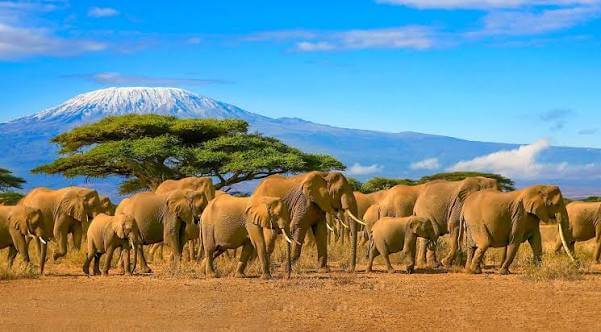
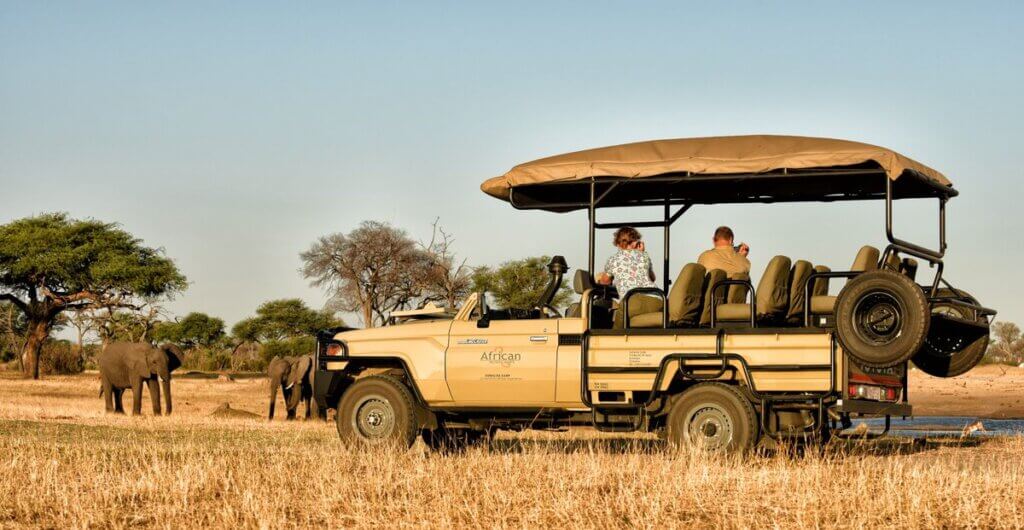
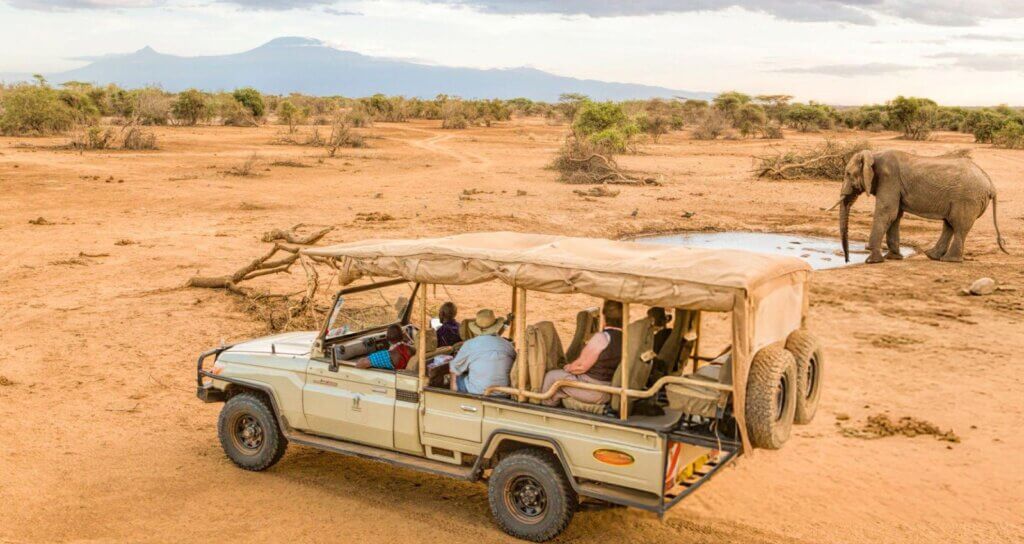
The African elephant adds scale, intelligence, family life, and emotion to the Big Nine experience. Kenya offers several outstanding places to watch elephants, and Amboseli National Park remains particularly famous for its large elephant herds and dramatic views toward Mount Kilimanjaro. Travelers can also encounter elephants in the Maasai Mara, Tsavo, Samburu, Laikipia, and other wildlife areas.
An elephant encounter rarely feels ordinary. A family group may move slowly across a plain, stop to feed on vegetation, gather around young calves, or approach a water source. Every movement provides an opportunity to understand how these enormous animals survive in changing environments.
Elephants also demonstrate the importance of water and habitat protection. During dry periods, they may travel considerable distances between feeding and drinking areas. Their movements can therefore reveal the wider ecological condition of a landscape.
For photographers, elephants provide remarkable opportunities because their size contrasts beautifully with Kenya’s open plains, woodland, mountains, and sunsets. However, responsible viewing remains essential. Visitors should maintain appropriate distances, avoid sudden movements, and allow elephants to move freely.
Kenya Wildlife Service lists the African elephant among endangered wildlife species in the country, making conservation an essential part of the modern safari experience. A great safari does not simply allow travelers to see elephants; it helps them understand why protecting these animals and the habitats they depend on matters.
The African Buffalo: Powerful Herds of the Big Five
The African buffalo may receive less attention than lions and elephants, but it deserves a central place in Kenya’s Big Nine experience. Buffalo often travel in large herds, creating impressive scenes across grasslands and woodland. Their dark bodies, curved horns, strong build, and alert behavior make them easy to recognize once travelers understand their appearance.
Buffalo play an important ecological role because they consume large amounts of vegetation and contribute to the movement of nutrients through the ecosystem. Their presence also influences predator behavior. Lions may target buffalo, particularly when conditions allow them to isolate weaker or younger individuals.
Watching a buffalo herd can reveal interesting social patterns. Adults often remain alert while younger animals stay within the protection of the group. During dry seasons, buffalo frequently concentrate around reliable water sources and productive grazing areas.
Travelers should also respect buffalo as wild animals rather than treating them like harmless cattle. Their size, strength, and defensive behavior demand responsible viewing. Experienced safari guides understand this and position vehicles carefully.
Kenya’s broad range of habitats gives travelers opportunities to encounter buffalo in several national parks and reserves. When combined with sightings of the other Big Nine species, the buffalo encounter helps complete the traditional Big Five portion of the wider wildlife challenge.
The Rhinoceros: A Powerful Symbol of Conservation
Rhinos hold a special place in Kenya’s safari story because seeing one combines wildlife viewing with an important conservation lesson. Kenya supports both black and white rhinos, although their distribution varies between wildlife areas. The black rhinoceros faces especially serious conservation pressure, and Kenya Wildlife Service classifies it as critically endangered.
Ol Pejeta Conservancy offers one of Kenya’s strongest opportunities to learn about rhino conservation while experiencing wildlife in a protected environment. The conservancy supports both black and white rhinos and has developed important conservation programs around threatened species.
A rhino encounter can feel different from seeing other large mammals. These powerful animals often move through grassland or woodland with a calm, deliberate pace. Their thick bodies and distinctive horns create an unforgettable sight, yet the experience should also remind travelers that wildlife protection requires long term commitment.
The rhino therefore represents more than another animal on a safari checklist. It represents the value of protected habitats, anti poaching efforts, community involvement, responsible tourism, and scientific conservation.
When travelers visit protected areas and follow wildlife viewing rules, they contribute to an industry that can support conservation. That connection makes the Big Nine more meaningful. The goal should not simply be to collect photographs but to understand the wildlife, landscapes, and conservation systems that make those encounters possible.
The Cheetah: Speed Across Kenya’s Open Plains
The cheetah brings a completely different energy to the Big Nine. Built for speed, agility, and short bursts of acceleration, this elegant predator thrives in open landscapes where it can use its vision to locate prey. Kenya’s Maasai Mara provides some of the country’s best-known opportunities for cheetah encounters, particularly across open grassland.
Unlike the leopard, the cheetah has a lighter body and a different hunting style. It often depends on visibility and speed rather than stealth through dense vegetation. A cheetah may spend long periods resting before suddenly becoming active when prey moves within reach.
This behavior makes patience essential. Travelers should avoid expecting a dramatic chase every time they see a cheetah. In reality, most of the experience involves watching the animal scan the landscape, conserve energy, move carefully, and choose the right moment.
Cheetah sightings also demonstrate why open grasslands matter. Changes in land use, habitat fragmentation, human activity, and prey availability can affect predator populations. Kenya Wildlife Service lists the cheetah among endangered wildlife species, emphasizing the need for continued protection.
For travelers who want a meaningful Kenya safari, seeing a cheetah should therefore become an opportunity to appreciate both its remarkable biology and the fragile ecosystems that allow this specialist predator to survive.
The Giraffe: Grace Above the Savannah
The giraffe adds elegance and height to Kenya’s Big Nine. With its long neck, distinctive coat pattern, powerful legs, and slow graceful movement, the giraffe remains one of Africa’s most recognizable animals. Kenya supports several giraffe populations, including the distinctive reticulated giraffe in northern areas and Rothschild’s giraffe in selected conservation landscapes.
A giraffe encounter can appear peaceful, yet these animals have developed remarkable adaptations for life in the African savannah. Their height allows them to reach vegetation unavailable to many other herbivores. They can also scan large areas for potential threats.
Travelers may encounter giraffes in the Maasai Mara, Samburu region, Nairobi National Park, Laikipia, and other Kenyan wildlife areas. Samburu offers another special wildlife experience because visitors can combine giraffe sightings with the region’s famous Special Five: Grevy’s zebra, Somali ostrich, reticulated giraffe, gerenuk, and Beisa oryx.
Giraffes also demonstrate why Kenya’s wildlife experience extends beyond predators. A safari becomes richer when travelers observe herbivores, birds, reptiles, insects, and vegetation alongside the famous big mammals. Each species plays a role in the ecosystem.
Consequently, the giraffe should never feel like an extra animal added to a checklist. It forms an important part of the ecological story that makes Kenya one of Africa’s leading wildlife destinations.
The Hippopotamus: Kenya’s Water-Loving Giant
The hippopotamus completes another important part of the Big Nine experience by connecting Kenya’s wildlife safari to rivers, lakes, and wetlands. Hippos spend much of their time in or near water, where they remain cool during the heat of the day. Their large bodies and powerful jaws make them one of Africa’s most impressive animals.
Travelers can encounter hippos in several Kenyan locations, including waterways associated with the Maasai Mara and Lake Naivasha. Lake Naivasha, for example, supports a healthy hippo population and provides opportunities to experience wildlife from a different perspective through carefully managed boat excursions.
Hippos can look calm when resting in water, but travelers should remember that they remain wild and powerful animals. Responsible guides understand safe viewing distances and appropriate behavior around waterways.
The best hippo experiences often combine wildlife observation with an understanding of wetland ecology. Rivers and lakes provide drinking water, feeding areas, breeding habitats, and refuge for many species. Hippos themselves influence their surroundings through grazing and movement between water and land.
Therefore, seeing a hippo should encourage travelers to look beyond the animal and appreciate the ecosystem around it. Kenya’s safari experience becomes far more rewarding when visitors understand how water shapes wildlife distribution and behavior.
The Zebra: Kenya’s Striped Savannah Icon
The zebra completes the Big Nine and adds one of the most recognizable sights to Kenya’s open plains. Large zebra herds can create spectacular scenes, especially when they move together across grasslands alongside wildebeest and other grazing animals. Their black and white stripes make them instantly recognizable, while their social behavior provides fascinating opportunities for observation.
The Maasai Mara and other Kenyan wildlife areas offer strong opportunities to see plains zebra. Kenya’s northern landscapes also provide opportunities to encounter the endangered Grevy’s zebra, which has a different appearance and occupies a more restricted range. Kenya Wildlife Service lists Grevy’s zebra among the country’s endangered wildlife species.
Zebras also play an important role in the Great Migration ecosystem. During the annual movement of wildebeest and other grazing animals between the Serengeti and Maasai Mara ecosystems, zebras form part of the spectacular herds that cross the landscape. This movement creates opportunities for travelers to observe predators, herbivores, scavengers, and birds interacting within one dynamic ecosystem.
For that reason, zebra sightings deserve more attention than a quick photograph. Watching a herd move, graze, communicate, and respond to danger gives travelers a deeper understanding of life on the African plains.
Where Can You See the Big Nine in Kenya?
Kenya provides several wildlife destinations where travelers can pursue the Big Nine, but the Maasai Mara remains one of the strongest choices for a concentrated Big Nine experience. The Mara supports the traditional Big Five alongside cheetahs, giraffes, hippos, and zebras. Several safari sources identify the Maasai Mara as one of the places where travelers can potentially encounter all nine species.
However, a broader Kenya safari can increase the quality and variety of the experience. Ol Pejeta Conservancy provides excellent opportunities for rhinos and also supports elephants, lions, leopards, buffalo, cheetahs, giraffes, zebras, hippos, and African wild dogs.
Amboseli National Park is especially attractive for elephant lovers because of its large elephant population and dramatic Mount Kilimanjaro backdrop.
Samburu National Reserve adds a completely different ecological setting. The region offers opportunities for Big Nine animals while also introducing travelers to the famous Samburu Special Five, making it valuable for visitors who want to explore beyond the standard safari checklist.
Tsavo East and Tsavo West can further broaden a Kenya safari with different landscapes and wildlife experiences. Tsavo West, for example, combines volcanic scenery, water sources, rhino habitat, and wildlife viewing around areas such as Mzima Springs.
How to Increase Your Chances of Seeing All Nine
Seeing the Big Nine requires more than choosing a famous park. First, travelers should allow enough time for wildlife viewing. A rushed safari reduces the opportunity to wait for elusive animals such as leopards or to observe predators during active periods.
Second, choose an experienced safari guide. A knowledgeable guide understands animal behavior, seasonal conditions, tracks, habitats, and the best ways to approach wildlife without disturbing it. This local expertise can make a major difference.
Third, consider combining destinations. Although the Maasai Mara can provide opportunities to see the Big Nine, combining areas such as the Mara, Ol Pejeta, Amboseli, Samburu, or Tsavo can create a broader and more reliable wildlife experience. Kenya’s different ecosystems support different species and behaviors.
Timing also matters. Early morning and late afternoon often provide excellent conditions for wildlife activity because temperatures remain cooler. However, animals do not follow a fixed schedule, so travelers should remain flexible.
Finally, keep expectations realistic. A responsible safari operator should never promise guaranteed sightings of wild animals. Instead, the focus should remain on maximizing opportunities while respecting nature. Even if one animal remains unseen, the safari can still become extraordinary because Kenya offers hundreds of other wildlife encounters beyond a nine-animal checklist.
Why the Big Nine Is More Than a Safari Checklist
The Big Nine creates an exciting goal, but Kenya’s wildlife deserves a much wider perspective. A safari should not become a competition to photograph nine species as quickly as possible. Instead, it should provide an opportunity to understand how predators, herbivores, birds, water systems, vegetation, and people connect within one ecosystem.
For example, seeing a lion provides only one part of the story. Understanding the prey that supports it, the grasslands where that prey feeds, the water sources that sustain the ecosystem, and the conservation measures that protect the habitat creates a much deeper experience.
The same applies to elephants, rhinos, cheetahs, giraffes, hippos, and zebras. Each animal contributes to a larger ecological system. Some species face serious conservation challenges, and responsible tourism can help create economic value around protected landscapes and conservation initiatives.
Kenya’s wildlife tourism industry therefore carries an important responsibility. Tour operators, guides, conservation organizations, communities, lodges, travelers, and government agencies all influence the future of wildlife.
A high quality safari should leave travelers with more than photographs. It should create respect for nature, appreciation for local communities, awareness of conservation challenges, and a stronger desire to protect Africa’s wild places. That is what turns a wildlife holiday into a meaningful African journey.
Conclusion: Experience Kenya’s Big Nine With Purpose
Yes, you can see the Big Nine in Kenya. The country offers remarkable opportunities to encounter lions, leopards, elephants, buffalo, rhinos, cheetahs, giraffes, hippos, and zebras across a range of extraordinary landscapes. The Maasai Mara provides one of the strongest settings for pursuing all nine, while destinations such as Ol Pejeta, Amboseli, Samburu, and Tsavo can add different habitats, species, and conservation experiences to a wider Kenya safari.
However, the best safari does not measure success only by how many animals appear on a checklist. Kenya rewards travelers who slow down, observe carefully, respect wildlife, learn from experienced guides, and understand the conservation story behind every encounter. The Big Nine gives you a wonderful reason to explore, but the landscapes, people, ecosystems, and conservation work make the journey truly memorable.
For travelers planning an unforgettable Kenya wildlife adventure, Giant Holiday Safaris offers the expertise, local understanding, and thoughtful planning needed to turn the Big Nine goal into a well organized African safari experience. With the right itinerary and a responsible approach to wildlife, your journey can go beyond simply seeing Kenya’s famous animals and become a deeper connection with one of Africa’s greatest natural destinations.