Which Kenya safari park has the most wildlife?
August 15, 2026
Can you see the Big Nine in Kenya?
August 15, 2026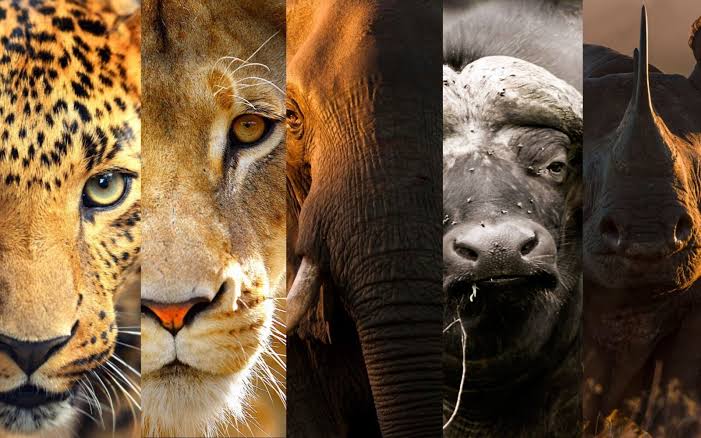
What Are the Big Five Animals in Kenya?
Kenya stands among Africa’s most rewarding safari destinations, and the Big Five remain at the heart of its wildlife experience. The term “Big Five” refers to the lion, leopard, elephant, African buffalo, and rhinoceros. These five animals once earned their name because hunters considered them some of the most difficult and dangerous animals to approach on foot. Today, however, the meaning has changed. Modern safari travelers value the Big Five as symbols of Kenya’s extraordinary wildlife, conservation work, and rich natural heritage.
A Big Five safari in Kenya offers much more than ticking five animals off a list. Each species plays an important role in its ecosystem. Lions help shape prey populations, elephants influence vegetation and create habitats for smaller animals, buffalo strengthen grassland dynamics, leopards control prey numbers, and rhinos contribute to the balance of their habitats. Therefore, seeing these animals gives travelers a deeper understanding of how African ecosystems function.
Kenya also offers excellent opportunities to see the Big Five across different landscapes. From the open plains of the Maasai Mara to the woodlands of Amboseli and the protected wilderness areas of Laikipia, every destination brings a different safari experience. Moreover, wildlife sightings depend on weather, habitat, animal movements, and patience, so no two game drives feel exactly alike.
For international visitors planning their first African safari, understanding the Big Five helps create realistic expectations and a better appreciation of Kenya’s wildlife. Rather than treating safari as a simple checklist, travelers can approach it as an opportunity to observe nature, support conservation, and experience one of Africa’s most remarkable wilderness traditions.
Combined Uganda, Kenya, Rwanda and Tanzania Safaris
17 days Kenya Tanzania and Uganda safari
19 Days Uganda Kenya and Tanzania Safari
16 Days Kenya Tanzania and Uganda Safari
14 Days Kenya Uganda and Tanzania Safari
14 Days Kenya Uganda and Rwanda Safari
12 Day Gorilla Trekking and Tanzania Safari
1. The African Lion: Kenya’s Iconic Big Cat
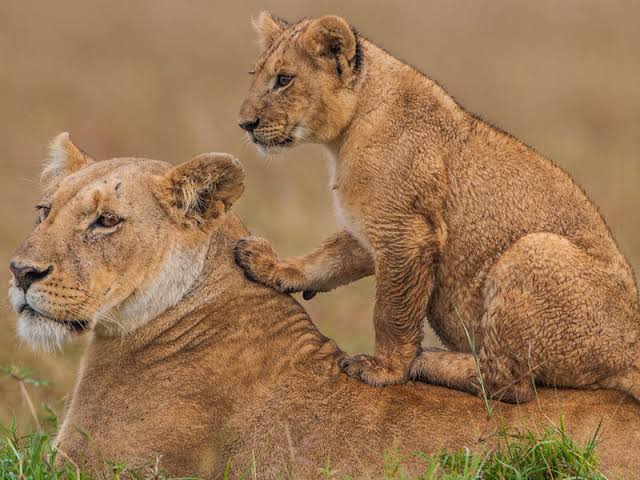
The African lion remains one of Kenya’s most recognizable safari animals. With its powerful body, distinctive mane in adult males, and social behavior, the lion represents the strength and drama of the African wilderness. Kenya provides several excellent habitats for lions, especially areas with abundant prey and suitable cover. The Maasai Mara ecosystem is particularly famous for its lion populations, while other conservation areas across the country also support these impressive predators.
Unlike many other big cats, lions live in social groups called prides. A pride can include adult females, males, and young cubs. Females often work together when raising cubs and hunting, creating strong social bonds within the group. Meanwhile, males play an important role in defending the pride and its territory. This social structure makes lion sightings especially interesting because travelers can sometimes observe several individuals interacting during the same game drive.
Lions usually spend much of the day resting, particularly during hot weather. Consequently, early morning and late afternoon game drives often provide better opportunities to observe active behavior. During cooler periods, lions may hunt, walk, interact with pride members, or care for their young.
Seeing a lion in the wild also teaches travelers an important lesson about conservation. Lions need large territories, healthy prey populations, and safe habitats. Human expansion, habitat fragmentation, conflict, and declining prey can affect their long term survival. Therefore, responsible tourism can contribute to the protection of landscapes where lions and local communities share the same environment.
For visitors, a lion sighting becomes even more memorable when they take time to observe behavior rather than simply taking photographs. Watching a pride communicate, rest, groom, or prepare for a hunt can reveal far more about these animals than a quick encounter ever could.
2. The African Leopard: Kenya’s Elusive Big Five Predator
The African leopard is one of Kenya’s most fascinating Big Five animals, yet it often proves more difficult to find than the lion. Leopards are solitary, secretive, and highly adaptable. Their spotted coats provide excellent camouflage, allowing them to disappear into woodland, bushes, rocky areas, and tall grass. As a result, finding one often requires patience, careful observation, and an experienced safari guide.
Leopards can live in a variety of habitats as long as they have access to prey, water, and suitable cover. Kenya’s Maasai Mara ecosystem offers notable leopard viewing opportunities, while areas such as Samburu and Laikipia can also provide encounters under the right conditions. However, leopard sightings can never be guaranteed. Their secretive nature forms part of what makes them so exciting.
One of the leopard’s most remarkable behaviors involves climbing trees. Leopards have strong limbs and powerful jaws, allowing them to drag prey into branches. A leopard may use a tree to protect its meal from competing predators such as lions and hyenas. Therefore, travelers should always check trees carefully during game drives, especially around areas where prey animals gather.
Leopards also possess exceptional night vision and generally become more active around dawn, dusk, and nighttime. Because many safari parks restrict nighttime driving, early morning and late afternoon game drives provide some of the best opportunities for observation.
Unlike lions, leopards usually live alone. Mothers raise their cubs without permanent assistance from other adults, teaching them essential survival skills before they become independent. This solitary lifestyle makes every leopard encounter feel personal and rare.
For photographers, leopards offer some of Kenya’s most rewarding wildlife moments. Their distinctive markings, muscular build, and ability to rest on tree branches create striking scenes. Still, responsible viewing matters. Visitors should maintain a respectful distance and allow the animal to behave naturally without pressure from vehicles.
3. The African Elephant: Kenya’s Gentle Giant
The African elephant is the largest land animal on Earth and one of the most impressive species travelers can encounter in Kenya. Its enormous size, intelligence, social behavior, and close family bonds make it a highlight of almost every safari. Kenya offers several important elephant habitats, including Amboseli, Tsavo, Samburu, and other protected landscapes.
Elephants live in family groups led by experienced females, often called matriarchs. These females guide the group toward food and water while protecting younger members. Young elephants depend heavily on their families, and the herd works together when facing danger. This strong social structure creates fascinating behavior for safari visitors to observe.
Amboseli National Park is especially famous for elephant viewing. The landscape often provides dramatic views of elephants against the backdrop of Mount Kilimanjaro. However, travelers should remember that Kenya’s elephant experience extends far beyond one park. Tsavo’s vast landscapes and other conservation areas also support important elephant populations.
Elephants influence their environments in major ways. They feed on trees, grasses, shrubs, fruits, and other vegetation. As they move through the landscape, they can open pathways, break branches, disperse seeds, and create opportunities for other species. In this way, elephants act as important ecosystem engineers.
Despite their strength, elephants face serious conservation challenges. Habitat loss, human wildlife conflict, and illegal killing have historically placed pressure on populations in many parts of Africa. Kenya has invested heavily in elephant conservation, protected areas, anti-poaching efforts, and community based approaches.
Travelers can support this work by choosing responsible safari operators, respecting park rules, avoiding wildlife products made from ivory, and supporting legitimate conservation initiatives. Most importantly, visitors should watch elephants quietly and allow them enough space to move freely.
An elephant encounter often becomes one of the most emotional moments of a Kenyan safari. Seeing a family walk slowly across the plains, watching calves stay close to adults, or observing elephants feeding near water provides a powerful connection with Africa’s natural world.
4. The African Buffalo: Kenya’s Powerful Herd Animal
The African buffalo may receive less attention than lions and elephants, but it deserves its place among Kenya’s Big Five. Strong, unpredictable, and highly social, the buffalo represents another side of Africa’s wildlife. Large herds can create spectacular scenes, particularly when hundreds of animals move together across grasslands or gather around water.
Buffalo live in different social groups depending on age, sex, and environmental conditions. Females and young animals commonly form large herds, while some males form smaller bachelor groups. Older males may also spend time alone or in small groups. This social flexibility helps buffalo survive across a range of African habitats.
The buffalo’s powerful build provides important protection against predators. Adult buffalo can weigh hundreds of kilograms, and their curved horns create an effective defense system. When threatened, members of a herd may come together to protect vulnerable individuals. This collective behavior can make buffalo challenging prey even for large predators such as lions.
Kenya provides opportunities to see buffalo in several ecosystems. They can inhabit grasslands, woodlands, wetlands, and areas close to water. Their adaptability allows them to thrive in environments where food and water remain available.
Although buffalo are herbivores, travelers should never underestimate them. Wild animals behave according to their instincts, and buffalo can become dangerous when they feel threatened. Safari visitors should therefore remain inside designated vehicles and follow their guide’s instructions.
Buffalo also play an important ecological role. By grazing on vegetation, they influence grassland structure and contribute to nutrient cycling. Their presence supports predator populations because they form an important part of the prey base.
A good safari experience should encourage travelers to appreciate buffalo rather than overlook them. A massive herd moving across the horizon, bulls standing alert near water, or young calves staying close to adults can create some of the most impressive scenes on a Kenyan game drive.
5. The Rhinoceros: Kenya’s Conservation Symbol
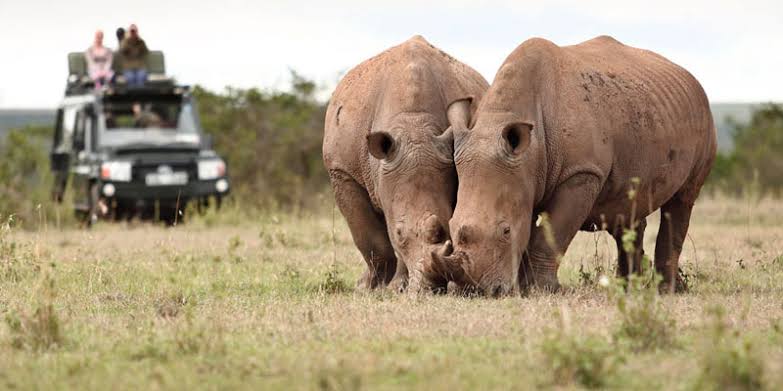
The rhinoceros completes Kenya’s Big Five and holds a special place in the country’s conservation story. Both black and white rhinos occur in Kenya, although their numbers, habitats, and behavior differ. Rhinos have faced severe pressure from illegal hunting because of demand for their horns. Consequently, protecting them requires strong conservation systems, secure habitats, monitoring, and cooperation between conservation organizations and local communities.
Black rhinos generally prefer thicker vegetation and browse on shrubs and trees. White rhinos, by contrast, mainly graze on grasses and often prefer more open areas. Their different feeding habits allow them to occupy slightly different ecological niches.
Kenya has developed several important rhino conservation areas. Ol Pejeta Conservancy in Laikipia is internationally recognized for rhino conservation and offers travelers an opportunity to learn about protection efforts while observing these remarkable animals. Lewa Wildlife Conservancy also plays an important role in rhino conservation and broader ecosystem protection.
Rhinos may appear calm while grazing or resting, but they remain wild animals that require space and respect. Their eyesight is not as strong as that of some other wildlife species, but they possess excellent hearing and a strong sense of smell. Guides therefore manage viewing carefully to reduce stress and maintain safe distances.
The survival of Kenya’s rhinos depends on more than protecting individual animals. Conservation teams must protect habitats, monitor populations, prevent illegal hunting, support local communities, and maintain effective law enforcement. Tourism can contribute to this system because visitor fees and conservation partnerships can help fund protected landscapes.
For international travelers, a rhino sighting carries a deeper meaning than simply seeing another member of the Big Five. It demonstrates what determined conservation work can achieve. By visiting responsible conservancies and respecting wildlife rules, travelers can become part of a tourism model that values living wildlife and healthy ecosystems.
6. Where Can You See the Big Five in Kenya?
Kenya offers several destinations where travelers can search for the Big Five, but each location provides a different wildlife experience. The Maasai Mara National Reserve remains one of the country’s most famous safari destinations. Its open grasslands support large populations of lions, elephants, buffalo, and other wildlife. Leopards also occur in the ecosystem, while rhino sightings may require more luck than encounters with the other four species.
Amboseli National Park offers a different experience, especially for elephant lovers. Large elephant families move across open plains with Mount Kilimanjaro often forming a spectacular backdrop. Lions, buffalo, leopards, and other wildlife also inhabit the ecosystem.
Tsavo East and Tsavo West National Parks cover a vast wilderness area and provide opportunities to see elephants, lions, buffalo, leopards, and rhinos. Their enormous size means travelers can experience a sense of wilderness that differs from smaller protected areas.
Ol Pejeta Conservancy stands out for travelers interested in rhino conservation. It combines wildlife viewing with strong conservation education and offers opportunities to understand how modern wildlife protection works.
Lewa Wildlife Conservancy provides another important conservation-focused safari experience, particularly for travelers interested in rhinos, elephants, and the broader ecosystem of northern Kenya.
Samburu National Reserve adds another dimension to a Kenyan safari. Its dry landscapes support elephants, leopards, lions, and buffalo while also offering opportunities to see wildlife species adapted to northern Kenya.
Therefore, travelers should choose destinations according to their interests, travel season, budget, and desired safari style. A well-designed itinerary can combine several ecosystems and increase the variety of wildlife experiences rather than relying on one location alone.
7. Is It Possible to See All the Big Five on One Kenya Safari?
Yes, travelers can see all five Big Five animals during one Kenyan safari, but nobody should treat a complete Big Five sighting as guaranteed. Wildlife remains wild, and animals move according to food availability, water, weather, breeding cycles, territory, and seasonal conditions. A responsible safari focuses on the quality of the experience rather than promising specific sightings.
The Maasai Mara offers particularly strong opportunities to search for several Big Five species within one ecosystem. However, rhino sightings can require additional planning. Travelers who place a high priority on seeing rhinos may benefit from adding a conservation area such as Ol Pejeta or another suitable destination to their itinerary.
Safari duration also matters. A rushed two day trip gives travelers fewer opportunities to explore different habitats and observe changing animal activity. A longer safari allows more game drives, greater flexibility, and more time for guides to track wildlife movements.
Timing matters as well. Early morning drives often provide excellent opportunities to observe predators before the heat increases. Afternoon drives can produce different encounters as temperatures begin to fall. Meanwhile, some animals become more active around sunset.
Experienced guides play an important role because they understand animal behavior, tracks, habitats, and local conditions. Still, travelers should avoid operators who guarantee the Big Five. Ethical wildlife tourism recognizes uncertainty and respects animals instead of chasing them simply to complete a checklist.
Ultimately, seeing all five animals is exciting, but the most valuable safari may include unexpected moments: watching elephants interact, finding a hidden leopard, observing buffalo herds, seeing a lion pride at sunrise, or quietly watching a rhino graze. Those experiences often become the memories travelers carry home.
8. Why the Big Five Matter to Kenya’s Wildlife Tourism
The Big Five have become powerful symbols of Kenya’s wildlife tourism industry, attracting travelers from every continent. Their popularity creates economic opportunities for guides, drivers, accommodation providers, conservation organizations, local communities, and other tourism businesses. However, the value of the Big Five extends far beyond tourism revenue.
Healthy populations of lions, leopards, elephants, buffalo, and rhinos indicate that protected landscapes can support complex ecosystems. Their conservation also protects habitats used by hundreds of other species. Therefore, protecting the Big Five can create wider environmental benefits.
Tourism can provide financial support for protected areas and conservation programs. Visitors contribute through park fees, accommodation, guiding services, transportation, and other tourism activities. When tourism operates responsibly, part of this economic value can support wildlife protection and community development.
Local communities also form an essential part of long term conservation. Wildlife cannot survive in isolation from people who live near protected areas. Community tourism, employment, education, benefit-sharing programs, and responsible land use planning can help create stronger relationships between people and wildlife.
Travelers also have a role. They can choose ethical operators, respect park regulations, avoid buying illegal wildlife products, reduce unnecessary environmental impact, and support legitimate conservation initiatives. They can also learn about the communities and cultures connected to the landscapes they visit.
Consequently, the Big Five should not exist only as marketing symbols. They should represent a wider commitment to protecting Kenya’s ecosystems for future generations. A strong safari industry connects wildlife viewing with conservation, community benefits, professional guiding, and responsible travel.
For global travelers, this approach creates a more meaningful experience. Instead of simply asking whether they saw five famous animals, they can ask what their journey contributed to the places and people that make Kenya’s wildlife possible.
9. How to Have a Responsible Big Five Safari in Kenya
A responsible Big Five safari begins with choosing a professional and conservation minded tourism operator. Travelers should look for companies that employ qualified guides, follow protected area rules, respect wildlife distances, and work responsibly with local communities. These choices help create a tourism industry built around long term value rather than short-term wildlife encounters.
During game drives, visitors should remain inside designated vehicles unless their guide identifies a safe and authorized location for leaving the vehicle. Wildlife can behave unpredictably, even when an animal appears calm. Maintaining a safe distance protects both travelers and animals.
Noise also matters. Loud conversations, music, shouting, and sudden movements can disturb wildlife. Instead, travelers should remain quiet and allow animals to continue their natural behavior. This approach often creates better photographic and viewing opportunities as well.
Travelers should also avoid asking drivers to chase animals or block their movement. When several vehicles crowd around a leopard, lion, or other popular animal, the experience can become stressful for wildlife and unpleasant for visitors. Good guides understand how to balance viewing opportunities with animal welfare.
Supporting local communities provides another important part of responsible tourism. Travelers can choose locally owned services where possible, purchase appropriate locally made crafts, and respect cultural practices. They can also support conservation programs with transparent goals.
Finally, travelers should remember that nature does not operate on a schedule. A responsible safari accepts that some animals may remain hidden. The value of Kenya’s wilderness comes from its unpredictability. A leopard that suddenly appears beside the road, an elephant herd crossing at sunset, or a distant lion calling across the plains can become far more meaningful because the encounter happened naturally.
Conclusion: Experience Kenya’s Big Five With Purpose
Kenya’s Big Five the lion, leopard, elephant, African buffalo, and rhinoceros offer travelers an unforgettable introduction to Africa’s wildlife. Yet their importance reaches far beyond their popularity on safari checklists. Each animal contributes to the health of its ecosystem, while their protection supports wider conservation goals, local communities, and Kenya’s tourism economy.
A successful Big Five safari requires patience, realistic expectations, good planning, and respect for wildlife. From the open plains of the Maasai Mara to the elephant rich landscapes of Amboseli and the conservation focused wilderness of Laikipia, Kenya provides diverse opportunities to experience these remarkable animals in their natural environments.
For travelers planning an African adventure, the best safari does not simply count sightings. It creates a deeper connection with nature, introduces visitors to Kenya’s landscapes, supports conservation, and encourages responsible tourism. With the right itinerary and professional guidance, every game drive can become an opportunity to understand Africa more deeply.
Giant Holiday Safaris provides a trusted approach to experiencing Kenya and the wider African continent, with safari experiences designed around wildlife, conservation, local knowledge, comfort, and responsible travel. For travelers seeking an authentic Kenyan Big Five adventure, choosing an experienced tour operator can turn a simple wildlife trip into a carefully planned journey filled with meaningful encounters and lasting memories.