Can vegetarians enjoy Kenya safari meals?
August 28, 2026
Which Kenya parks have luxury lodges?
August 28, 2026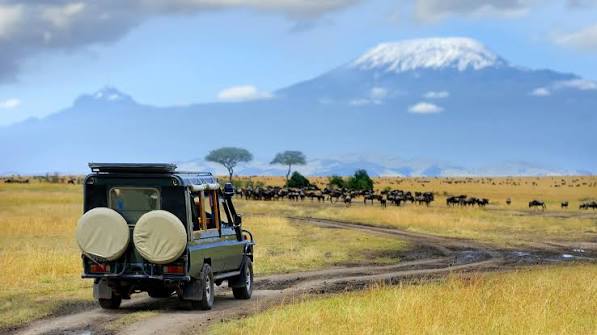
Are Kenya Safari Guides Professional?
A Kenya safari guide does far more than drive a vehicle through a national park and point at wild animals. A professional guide combines wildlife knowledge, field experience, communication skills, safety awareness, patience, and a strong understanding of Kenya’s natural environment. For travelers visiting Kenya for the first time, the quality of the guide can shape the entire safari experience. A skilled guide can turn an ordinary game drive into a meaningful journey filled with wildlife discoveries, cultural understanding, photography opportunities, and practical lessons about conservation.
Kenya has built a strong reputation as one of Africa’s leading safari destinations. From the Maasai Mara National Reserve and Amboseli National Park to Tsavo East, Tsavo West, Samburu, Lake Nakuru, and Laikipia, guides work across very different landscapes and wildlife habitats. Each destination demands practical knowledge and careful observation. Therefore, professionalism matters at every stage of the safari.
A professional Kenya safari guide understands that wildlife viewing requires patience rather than pressure. Animals do not follow a schedule, and responsible guiding means respecting their space and natural behavior. At the same time, a good guide knows how to position a safari vehicle safely, explain animal behavior clearly, and help visitors understand what makes each sighting special.
For international travelers, professionalism also includes reliability and cultural awareness. Guests may come from different countries, speak different languages, follow different travel styles, and have different expectations. A strong guide adapts without losing focus on safety, conservation, and responsible tourism. Consequently, professional Kenya safari guides play a central role in delivering the high-quality safari experience that attracts travelers from around the world.
Combined Uganda, Kenya, Rwanda and Tanzania Safaris
17 days Kenya Tanzania and Uganda safari
19 Days Uganda Kenya and Tanzania Safari
16 Days Kenya Tanzania and Uganda Safari
14 Days Kenya Uganda and Tanzania Safari
14 Days Kenya Uganda and Rwanda Safari
12 Day Gorilla Trekking and Tanzania Safari
What Makes a Kenya Safari Guide Professional?
Professionalism in safari guiding comes from several qualities working together. A guide needs more than a friendly personality or a good knowledge of wildlife. The strongest guides combine formal training with practical experience gained from spending time in Kenya’s parks, reserves, conservancies, forests, wetlands, and community areas.
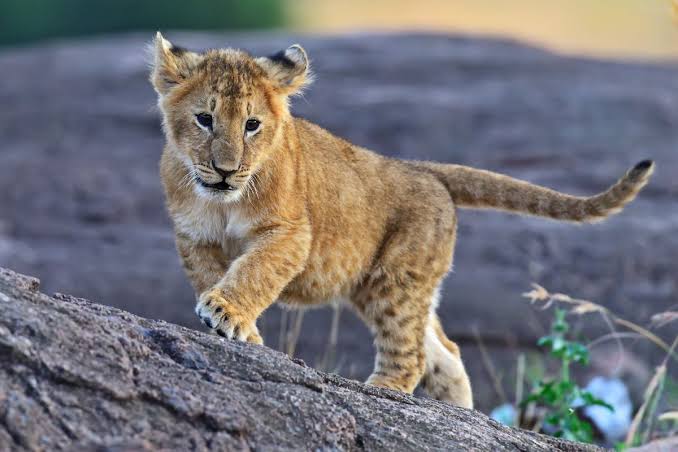
First, a professional guide understands wildlife identification. The guide should recognize common and less common animals, understand their behavior, and explain important differences between species. For example, identifying a lion is simple for most visitors, but recognizing subtle behaviors such as alertness, territorial behavior, hunting preparation, social interaction, or cub-rearing requires deeper knowledge.
Second, professional guides understand the environment. Wildlife does not exist separately from its habitat. Water availability, vegetation, weather, seasonal movement, prey distribution, and human activity all influence animal behavior. Therefore, experienced guides read the landscape as carefully as they watch the animals.
Communication also matters. A professional guide explains information in a way that travelers can understand without overwhelming them with complicated scientific terms. The guide should answer questions honestly and admit when something remains uncertain. That honesty builds trust.
Furthermore, professionalism involves time management. Guides need to organize early morning drives, meals, transfers, activities, and return times while allowing enough flexibility for unexpected wildlife encounters. Safari schedules require balance because nature rarely follows a fixed timetable.
Finally, professional guides protect the guest experience. They listen to travelers, understand their interests, manage expectations, and maintain a calm attitude when conditions change. Rain, muddy roads, distant animals, or quiet game drives can happen on safari. A professional guide turns these moments into part of the adventure rather than allowing disappointment to dominate the experience.
Training and Qualifications of Kenya Safari Guides
Training provides an important foundation for professional safari guiding in Kenya. A guide needs practical knowledge of wildlife, conservation, first aid, customer care, communication, and responsible tourism. Formal training helps guides build this foundation, while experience strengthens their ability to apply it in real situations.
Kenya has established professional standards within the tourism sector, and guides can pursue training and professional recognition through relevant tourism and guiding institutions. Training may cover wildlife identification, ecology, environmental conservation, tourism law, hospitality, guiding techniques, first aid, and safety procedures. Depending on the guide’s career path, additional learning can develop specialized knowledge in areas such as birding, photography, cultural tourism, or conservation.
However, professional development does not end when a guide completes training. Wildlife knowledge continues to grow because every season presents new conditions. A guide who regularly works in the bush gains valuable practical skills that classroom learning alone cannot provide.
For travelers, qualifications should therefore form only part of the evaluation. Experience matters greatly. A guide who has spent years observing wildlife develops an understanding of animal behavior that improves with every game drive. Such experience helps the guide notice tracks, calls, movement patterns, changing weather, and other small details that visitors might miss.
Good safari operators also support continuous learning. They encourage guides to improve their knowledge, follow responsible tourism practices, refresh safety skills, and understand changing conservation issues. As a result, the most professional guides continue learning throughout their careers.
Travelers should also feel comfortable asking about a guide’s experience and areas of expertise before booking a safari. A reputable operator should have no reason to hide the qualifications, experience, or professional approach of its guiding team.
How Experienced Guides Improve Wildlife Viewing
Wildlife viewing becomes much more rewarding when a knowledgeable guide knows how to read the environment. Kenya’s parks contain enormous landscapes, and animals can move across large areas. A visitor without local knowledge may drive through the same area and see very little. An experienced guide, however, can interpret signs that reveal where wildlife may be active.
Tracks provide one example. Fresh footprints can indicate recent movement, while changes in track condition can help an experienced guide judge whether animals passed through recently. Droppings, broken vegetation, alarm calls, bird behavior, and concentrations of prey can also provide useful clues.
Nevertheless, professional guiding never guarantees a particular animal sighting. Wildlife remains wild. A guide should never promise a lion, leopard, cheetah, elephant, or rhinoceros simply because a traveler expects to see one. Instead, the guide uses knowledge and experience to improve the chances of meaningful sightings while respecting natural behavior.
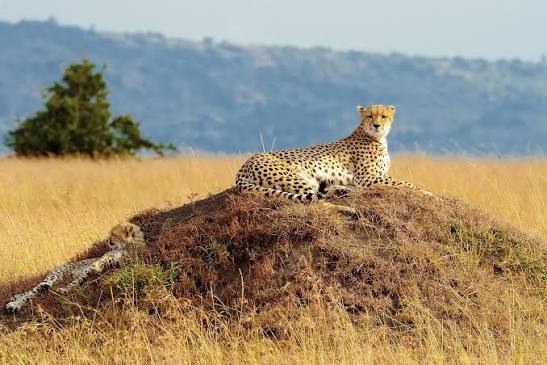
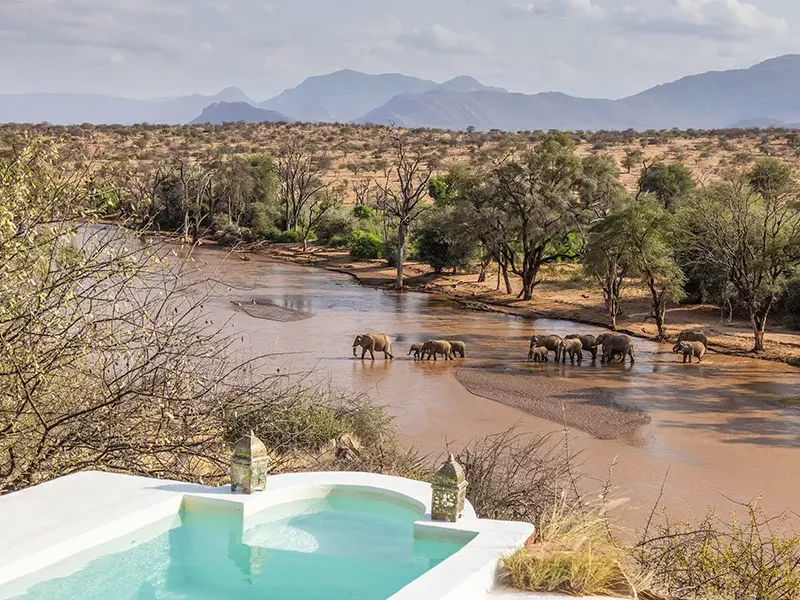
Patience makes an enormous difference. Sometimes the best wildlife moments develop slowly. A pride of lions may rest for hours before becoming active. A cheetah may disappear into tall grass. Elephants may approach a water source gradually. A professional guide understands when to wait and when to move on.
Photography also benefits from expert guiding. Experienced guides understand vehicle positioning, light conditions, animal behavior, and viewing angles. They can help photographers prepare for action without disturbing the animals.
Most importantly, a professional guide teaches travelers to appreciate more than the “Big Five.” Birds, insects, reptiles, plants, landscapes, tracks, and small mammals all contribute to the safari ecosystem. This broader perspective makes the journey richer and more educational.
Are Kenya Safari Guides Knowledgeable About Wildlife and Conservation?
Professional Kenya safari guides generally develop strong practical knowledge of wildlife and conservation because their work depends on understanding the natural environment. A guide who understands only animal names cannot provide the depth that modern safari travelers increasingly expect.
Conservation knowledge helps guides explain why Kenya protects certain habitats and wildlife populations. Travelers can learn how national parks, reserves, conservancies, community areas, and private conservation initiatives contribute to protecting ecosystems. These explanations give greater meaning to wildlife sightings.
For example, seeing an elephant becomes more meaningful when a guide explains its role in shaping vegetation and moving nutrients through an ecosystem. Watching predators becomes more interesting when travelers understand the relationship between predators, herbivores, water, grasslands, and seasonal conditions.
Professional guides also help visitors understand human-wildlife relationships. Kenya’s wildlife habitats often exist near communities, farms, roads, and livestock areas. Conservation therefore requires cooperation between people and wildlife. A good guide can explain these relationships without reducing complex issues to simple stories.
Bird knowledge can also separate an average guide from an excellent one. Kenya supports an impressive range of bird species, and many travelers discover that birdwatching adds another dimension to their safari. A knowledgeable guide can identify birds by appearance, call, habitat, behavior, or flight pattern.
Furthermore, guides can teach responsible viewing. They can encourage visitors to avoid shouting at animals, feeding wildlife, littering, leaving designated roads where prohibited, or pressuring animals for photographs. These small decisions support better tourism practices.
Ultimately, a professional guide acts as an informal conservation educator. Every game drive creates an opportunity to help travelers understand why Kenya’s wildlife deserves protection and why responsible tourism matters.
Safety and Responsible Safari Guiding
Safety represents one of the most important responsibilities of a professional Kenya safari guide. Safari environments are beautiful, but they also contain wild animals, uneven terrain, changing weather, remote roads, and other natural risks. A responsible guide understands these conditions and manages them carefully.
Professional guides maintain appropriate distances from wildlife and avoid unnecessary disturbance. They understand that animals can behave unpredictably, particularly when protecting young ones, defending territory, feeding, or feeling threatened. Therefore, guides must make decisions based on animal behavior rather than simply trying to give guests a closer photograph.
Vehicle positioning also requires skill. A guide should avoid blocking animal movement or creating unnecessary congestion around important sightings. In popular areas, several vehicles may gather around a leopard, lion, cheetah, or other high interest sighting. A professional guide knows when to maintain distance, wait patiently, or leave the area.
Road safety matters too. Safari vehicles travel across rough tracks, muddy roads, steep sections, and uneven ground. Guides need to drive carefully while maintaining awareness of passengers, other vehicles, wildlife, and changing road conditions.
Emergency preparedness adds another layer of professionalism. Guides should understand basic first aid and know how to respond to common safari emergencies. They also need clear communication with their safari company and support networks.
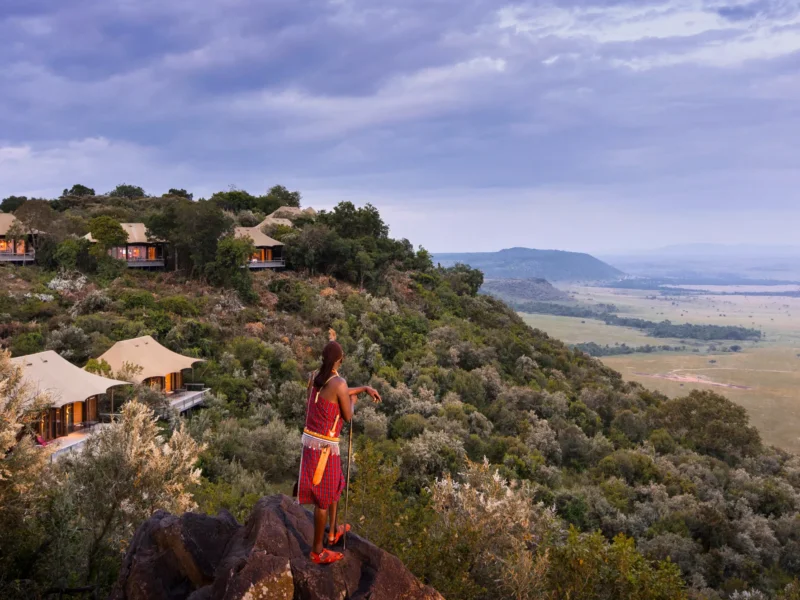
Responsible guiding extends beyond physical safety. A guide should protect cultural dignity and encourage respectful interaction with local communities. Travelers should never treat communities, homes, ceremonies, or people as entertainment without proper consent and context.
A professional guide therefore protects three things at once: the traveler, the wildlife, and the wider environment. That balance represents an important measure of quality safari guiding.
Communication Skills and Multicultural Guest Service
Kenya welcomes travelers from many parts of the world, so communication forms a major part of professional safari guiding. A guide may work with guests from Europe, North America, Asia, Australia, the Middle East, Africa, and other regions. Each traveler can bring different expectations, interests, communication styles, and levels of safari experience.
A strong guide communicates clearly and patiently. Rather than using complicated scientific language, the guide explains wildlife behavior in simple terms while still providing accurate information. This approach helps first-time safari travelers understand what they see without feeling lost in technical details.
Language ability can also improve the experience. English serves as a major language in Kenya’s tourism industry, while many guides speak additional local or international languages. Multilingual ability can become a major advantage for operators serving international markets.
Listening matters just as much as speaking. A traveler interested in photography may want more time at sightings. A family with children may prefer shorter drives and engaging explanations. A birdwatcher may focus on species that another traveler might overlook. A professional guide recognizes these differences and adjusts the experience when practical.
Communication also becomes important when plans change. Wildlife may remain hidden, weather may affect road conditions, or a planned activity may require adjustment. A guide who explains changes calmly helps guests remain confident.
Good communication creates trust. Travelers feel more comfortable when they know why a guide makes certain decisions. As a result, professional guiding is not simply about talking throughout the drive. It involves listening, explaining, educating, reassuring, and creating meaningful connections between visitors and the Kenyan wilderness.
How Professional Guides Handle Difficult Safari Situations
Every safari contains unpredictable moments. A professional guide shows their true value when conditions do not go according to plan. A quiet game drive, heavy rain, difficult roads, traffic around a wildlife sighting, or an animal disappearing before guests get a good view can test a guide’s patience and judgment.
First, professional guides manage expectations. They understand that no ethical safari can guarantee wildlife sightings. Instead, they help guests appreciate the journey itself. A quiet morning can still reveal beautiful landscapes, birdlife, tracks, insects, plants, and changing weather.
Weather creates another challenge. Heavy rain can transform roads quickly, while strong sunlight can make photography difficult. Experienced guides adapt routes and schedules when necessary. They also understand how weather influences animal activity.
Road conditions can require careful decision-making. A guide may need to avoid a muddy section, change direction, or wait for safer conditions. Professional judgment matters more than rushing to reach a particular location.
Crowded wildlife sightings can also create pressure. Guests naturally want a good view, but a responsible guide avoids aggressive driving or unnecessary disturbance. The guide can position the vehicle responsibly and wait for opportunities to improve naturally.
Guest preferences can sometimes conflict. One traveler may want to stay with a lion pride while another wants to continue searching for a leopard. A skilled guide balances these interests while keeping the group informed.
Above all, professionalism means remaining calm. Guests notice how guides respond under pressure. A calm guide creates confidence, while a frustrated or careless guide can quickly damage the experience. Strong guides solve problems quietly and keep the safari enjoyable.
What International Travelers Should Expect From a Professional Kenya Safari Guide
International travelers should expect professionalism from the moment the safari begins. A good guide should arrive on time, understand the itinerary, communicate clearly, maintain a clean and suitable safari vehicle, and treat guests respectfully.
Travelers should also expect accurate information. A professional guide does not need to know every answer, but they should provide reliable information and avoid inventing facts. When uncertainty exists, honesty builds more trust than an exaggerated answer.
Guests should expect safety-conscious behavior. This includes responsible driving, appropriate wildlife distances, careful route decisions, and respect for park or conservancy rules.
Travelers should also expect flexibility. Safari plans provide structure, but wildlife creates opportunities that cannot always fit into a strict timetable. A professional guide understands when a special wildlife encounter deserves additional time and when the group needs to continue.
Respect should work both ways. Guests should respect the guide’s knowledge and professional judgment, while guides should respect different cultures, personal preferences, privacy, and accessibility needs.
Another important expectation involves responsible tourism. A quality guide should encourage travelers to protect the environment, avoid littering, respect wildlife, and interact responsibly with local communities.
Finally, travelers should expect enthusiasm. Professionalism does not mean becoming formal or distant. The best guides combine knowledge with genuine passion for Kenya. Their enthusiasm helps travelers become more curious about wildlife and the country itself.
When these qualities come together, the guide becomes more than a driver. The guide becomes an educator, wildlife interpreter, safety professional, host, conservation ambassador, and trusted companion throughout the safari.
How to Choose a Professional Kenya Safari Guide
Choosing the right guide begins with choosing a reputable safari operator. Travelers should look beyond attractive photographs and low prices and examine the quality of the guiding service included in the safari.
Before booking, travelers can ask about guide experience, training, destination knowledge, language skills, and areas of specialization. A company that values professional guiding should provide clear answers rather than treating the guide as an afterthought.
Reviews can also provide useful clues, although travelers should evaluate them carefully. Look for repeated comments about punctuality, wildlife knowledge, safety, communication, flexibility, and overall professionalism. These qualities provide more useful information than comments about a single lucky animal sighting.
Travelers should also consider the type of safari they want. A family safari may require a guide experienced with children. A photography safari may benefit from a guide who understands photography positioning and light. Birdwatchers should look for guides with strong bird identification skills. Honeymoon travelers may prefer a guide who understands privacy, pacing, and special experiences.
Price also deserves careful consideration. The cheapest safari does not always provide the best value. A skilled guide can significantly improve the quality of the experience, while poor guiding can reduce the value of an otherwise excellent destination.
Furthermore, responsible tourism should influence the decision. Travelers can ask how the operator supports conservation, communities, wildlife protection, and local employment.
Ultimately, the best guide is not simply the person who finds the most animals. The best guide creates a safe, educational, respectful, enjoyable, and memorable experience while protecting the environment that makes the safari possible.
The Role of Professional Guides in Kenya’s Tourism Industry
Kenya’s safari guides contribute directly to the country’s tourism reputation. Every guide represents the destination during daily interactions with international visitors. Their behavior can influence how travelers remember Kenya long after returning home.
A professional guide helps convert wildlife viewing into education. Instead of simply showing animals, the guide helps visitors understand ecosystems, conservation, culture, geography, and local communities. This deeper experience encourages travelers to value Kenya beyond its famous wildlife.
Guides also support conservation indirectly. Travelers who understand the importance of habitats are more likely to appreciate conservation initiatives. Positive safari experiences can therefore strengthen long-term support for protected areas and responsible tourism.
Local employment provides another important benefit. Professional guiding creates opportunities for skilled Kenyan workers to build careers within the tourism industry. As guides gain experience, they can develop specialist knowledge and mentor newer professionals.
Furthermore, guides help create repeat tourism. A memorable guide can become one of the strongest reasons a traveler recommends Kenya to friends and family or returns for another safari. This personal connection strengthens the destination’s reputation.
The industry also benefits when operators invest in guide development. Better training, fair working conditions, conservation education, language skills, and professional standards can raise the quality of tourism services across the country.
For the global traveler, this means a safari guide represents more than an individual service provider. The guide forms part of Kenya’s tourism identity. Professional guides help demonstrate that wildlife tourism can combine adventure, education, safety, conservation, and hospitality.
Conclusion: Choosing a Professional Kenya Safari Experience
Kenya safari guides are professional when they combine practical field experience, wildlife knowledge, safety awareness, communication skills, conservation understanding, and genuine respect for both visitors and the natural environment. The strongest guides do much more than locate animals. They interpret the wilderness, explain behavior, manage expectations, protect guests, encourage responsible tourism, and create experiences that remain meaningful long after the safari ends.
For international travelers, choosing a safari should therefore involve more than comparing destinations, lodges, vehicles, and prices. The quality of the guide deserves equal attention. A knowledgeable guide can transform a game drive into an educational adventure, while a careless guide can limit an otherwise excellent safari.
Kenya offers remarkable opportunities to explore wildlife and landscapes, but responsible and professional guiding helps travelers experience those opportunities in the right way. From the open plains of the Maasai Mara to the elephant-rich landscapes of Amboseli and the diverse ecosystems of Tsavo and northern Kenya, professional guides help visitors understand what makes each destination unique.
For travelers seeking a reliable safari experience built around knowledgeable local guiding, responsible tourism, personalized service, and strong destination expertise, Giant Holiday Safaris provides a trusted approach to exploring Kenya and the wider African tourism landscape. The right guide does not simply show you Kenya the right guide helps you understand it, respect it, and remember it.