What are the best Kenya safari lodges with views?
August 30, 2026
What are the best luxury fly-in safaris in Kenya?
August 30, 2026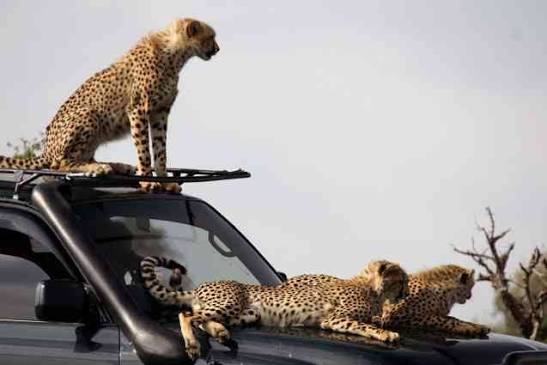
What Are the Best Safari Camps for Photographers?
Wildlife photography turns a safari into a search for light, behavior, timing, and unforgettable moments. While almost any African safari can produce beautiful photographs, the choice of camp can greatly affect what you capture. The best safari camps for photographers do more than provide a comfortable bed after a game drive. They place you in strong wildlife areas, give you enough time in the field, support better camera positions, and work with guides who understand how photographers think.
For a photographer, the difference between an ordinary safari and an exceptional photographic safari often comes down to details that regular travelers may overlook. Vehicle space matters. The ability to spend longer at a sighting matters. Access to private conservancies matters. Photographic hides can create angles that a normal game drive cannot provide. Even the position of a camp within a wildlife area can influence how quickly you reach animals during the best morning and evening light.
Africa offers outstanding choices across Kenya, Tanzania, Botswana, and South Africa. However, no single camp is perfect for every photographer. Some properties excel at big cats, others at elephants, rhinos, birds, landscapes, or hide photography. Therefore, the right choice depends on the type of images you want to create.
This guide focuses on safari camps and photographic setups that give photographers a meaningful advantage in the field. It also explains what to look for before booking, how to choose a photographic vehicle, which equipment works best, and how to plan your safari around light and animal behavior. The goal is simple: help you spend your safari time where your camera has the greatest opportunity to tell a powerful African wildlife story.
Combined Uganda, Kenya, Rwanda and Tanzania Safaris
17 days Kenya Tanzania and Uganda safari
19 Days Uganda Kenya and Tanzania Safari
16 Days Kenya Tanzania and Uganda Safari
14 Days Kenya Uganda and Tanzania Safari
14 Days Kenya Uganda and Rwanda Safari
12 Day Gorilla Trekking and Tanzania Safari
What Makes a Safari Camp Excellent for Photography?
The best safari camps for photographers combine location, wildlife access, guiding, flexibility, and photographic infrastructure. A beautiful luxury tent alone does not make a camp photographic. In fact, a photographer may enjoy better results at a simple camp with excellent wildlife access and flexible guiding than at a highly luxurious property with crowded vehicles and fixed schedules.
First, location remains critical. A camp close to productive water sources, predator territory, river systems, open plains, or seasonal wildlife concentrations can produce more opportunities during a short stay. Second, vehicle arrangements can change the entire experience. A private vehicle lets photographers control their schedule, choose their shooting position, remain at a sighting longer, and avoid moving simply because another guest wants to continue.
The quality of the guide also matters tremendously. An experienced photographic guide understands animal behavior and can anticipate movement rather than simply reacting after the action begins. That skill becomes especially valuable when photographing hunting cats, birds in flight, elephants interacting, or fast-moving wildlife.
Specialized photographic infrastructure provides another major advantage. Some African destinations now offer underground hides, dedicated photographic vehicles, water-level boats, camera support systems, and even professional photography tuition. Great Plains Conservation, for example, actively promotes photographic safari experiences across its Kenya properties and offers private photographic tuition with professional photographic guides.
Therefore, when comparing camps, photographers should look beyond luxury ratings. Ask a more useful question: How much control will this safari give me over light, position, time, and access?
Porini Rhino Camp at Ol Pejeta for Rhinos and Wildlife Portraits
Porini Rhino Camp in Kenya’s Ol Pejeta Conservancy stands out for photographers who want intimate wildlife encounters and a strong chance of producing detailed animal portraits. The camp sits in a conservation landscape that supports major wildlife species, including rhinos, elephants, lions, and other plains game. Most importantly for photographers, the camp has access to a wildlife viewing hide positioned beside a waterhole. This gives guests an opportunity to photograph wildlife from a quiet, concealed position rather than always relying on a safari vehicle.
A hide can transform your photographic approach. Instead of following an animal, you allow the animal to approach the photographic environment naturally. This often produces lower, cleaner angles and more relaxed behavior. Birds can become particularly rewarding subjects around water, while mammals may approach for drinking, bathing, or social interaction.
Ol Pejeta also has an important advantage for wildlife storytellers: conservation itself becomes part of the photographic story. The conservancy provides opportunities to capture rhinos, conservation teams, landscapes, and Mount Kenya backdrops. Ol Pejeta specifically promotes commercial filming and photography and provides guidelines and planning information for professional visual projects.
For photographers who want a mixture of wildlife portraits, conservation photography, landscapes, and documentary work, Porini Rhino Camp offers a strong combination. The camp’s intimate scale also helps create a quieter safari atmosphere. That matters because photography often improves when the environment feels calm and unhurried.
Ol Pejeta Safari Cottages for Private Photographic Flexibility
Ol Pejeta Safari Cottages offers a different photographic advantage. Rather than depending mainly on a specialized hide, the accommodation includes a private guide and customized four-wheel-drive safari vehicle. That arrangement can be extremely valuable for photographers because it creates greater control over the photographic day.
Photographers need flexibility because wildlife does not follow a timetable. A leopard may appear just as the planned return time approaches. A lion may begin hunting after everyone else wants to leave. A rhino may move into beautiful morning light without warning. A private vehicle helps remove some of those limitations.
The landscape around Ol Pejeta also gives photographers variety. The conservancy includes open plains, valleys, river areas, and views toward Mount Kenya. This creates opportunities for more than close-up animal portraits. You can work on environmental wildlife images that show the animal within its broader African habitat.
This type of safari suits photographers who want to build a complete visual story rather than simply collect animal close-ups. Begin with wide landscape images at dawn, move into medium portraits as animals become active, and switch to longer lenses when subjects move farther away. Later, use softer evening light for silhouettes, dust scenes, and environmental portraits.
Ol Pejeta works particularly well for photographers who want rhino photography combined with conservation storytelling. The conservancy also promotes year-round visits, with dry seasons generally improving wildlife visibility while green seasons bring lush landscapes and quieter photographic scenes.
Mara Plains Camp for Big Cats and High-End Wildlife Photography
Kenya’s Maasai Mara remains one of Africa’s strongest destinations for wildlife photography, and Mara Plains Camp deserves serious attention from photographers who prioritize privacy and high-quality guiding. The camp is located within the Olare Motorogi Private Conservancy in the northern Maasai Mara region. Great Plains Conservation deliberately selects its Kenyan camp locations to maintain privacy and limit vehicle numbers around wildlife sightings, helping photographers work with less obstruction.
This matters enormously when photographing big cats. Lions, leopards, and cheetahs often create scenes that require patience. A leopard may sit quietly for thirty minutes before walking into the ideal light. A lion pride may suddenly begin grooming, playing, mating, or hunting. Fewer vehicles can make it easier to maintain a clean composition and concentrate on behavior rather than competing for position.
Mara Plains also has a particularly interesting advantage for international photographers who may not want to carry an enormous amount of equipment across Africa. Great Plains has included professional camera bodies and lenses for guest use at Mara Plains, with images available to guests after their stay.
The camp can therefore suit photographers ranging from experienced enthusiasts to travelers who want to experiment with wildlife photography without bringing every piece of equipment from home.
For the strongest results, photographers should still consider securing a private vehicle. Private access gives you more control over the timing of the drive, shooting angle, and length of time spent with a subject. That flexibility becomes especially valuable around dawn and dusk when the light changes quickly.
Mara Nyika Camp for Photographers Who Want Privacy and Comfort
Mara Nyika Camp provides another strong Great Plains option in Kenya for photographers who want to combine an intimate safari setting with excellent wildlife access. Great Plains includes Mara Nyika among its Kenyan photographic safari camps and promotes professional photography support across its properties.
The camp works particularly well for photographers who do not want their entire trip to feel like a large photography workshop. You can enjoy a refined safari experience while still creating enough space for serious wildlife photography. That balance matters for couples, families, and mixed-interest groups where not everyone wants to spend every waking hour discussing shutter speeds and lenses.
Mara Nyika also suits photographers who value private arrangements. The property offers a family suite with a private safari vehicle and guide included, while the exclusive-use Sambuk Suite also provides a high level of privacy.
When planning a photography focused stay, use the camp as a base for a structured shooting strategy. Dedicate early mornings to predator photography when temperatures are lower and animals tend to remain active. Use the middle of the day for editing, equipment maintenance, and rest. Then return to the field during the late afternoon for softer light and changing behavior.
That approach prevents exhaustion and improves concentration. Wildlife photography demands patience, and tired photographers often miss subtle moments because they stop paying attention.
Mashatu in Botswana for Dedicated Photographic Hides and Specialized Vehicles
For photographers who want to go beyond normal game drives, Mashatu in Botswana is one of the strongest photographic destinations in Africa. Its PhotoMashatu operation combines specialized photographic hides, a purpose-built photographic vehicle, and resident photography expertise.
The famous Matebole underground hide places photographers close to wildlife activity at a low level. This produces a very different perspective from shooting from a standard safari vehicle. Instead of photographing an elephant from above, for example, you can work from near the animal’s eye level. That lower angle often produces stronger backgrounds and a greater sense of intimacy.
The specialized PhotoMashatu vehicle takes the concept further. It features photographic support designed for stable shooting, equipment storage, and access to a wide shooting radius. The vehicle works best for small groups and includes a dedicated photographic guide alongside a Mashatu ranger.
This setup is valuable because the photographic guide understands both animal behavior and composition. The guide can help identify the best light, angle, and background rather than simply locating an animal.
Mashatu also offers the Lala Limpopo Sleep Out Hide, which creates opportunities for night photography. The operation states that the overnight hide can be used for nocturnal wildlife photography and provides a completely different creative challenge.
Photographers should note that hide sessions and the photo vehicle carry additional charges, and advance booking makes sense because availability can be limited. The published 2026 rates also show that dedicated photographic experiences come at a premium, especially for exclusive use.
For serious wildlife photographers, however, the additional cost can be worthwhile because you are paying for photographic access rather than accommodation alone.
Botswana’s Chobe Region for Elephant, River and Bird Photography
Botswana’s Chobe region offers a different photographic experience because water becomes a major part of the composition. River-based photography can create low perspectives, reflections, layered backgrounds, and striking elephant images that are difficult to achieve from a conventional safari vehicle.
Dedicated photographic safari operations in Botswana increasingly focus on this advantage. Purpose-built photographic boats can give photographers stable shooting positions and easier access to the river’s edge. These setups work particularly well for elephants, hippos, crocodiles, waterbirds, kingfishers, and other species that spend time around the water.
The Chobe landscape also creates opportunities to diversify your portfolio. A photographer can move from tight animal portraits to wide environmental scenes showing elephants crossing the water. Reflections become another creative element, particularly during calm morning conditions.
Botswana’s private concessions offer additional photographic advantages in many areas, including off-road driving, lower vehicle pressure, and opportunities for night drives where regulations allow. These features can create more possibilities for unique images because the guide has greater flexibility in positioning the vehicle and following animal behavior.
For photographers, Botswana therefore offers an important lesson: the best camp is sometimes the one that gives you access to a different photographic angle. A river, hide, floodplain, or private concession can add more value to your portfolio than another luxury feature inside your tent.
What Type of Safari Camp Should a Serious Photographer Choose?
The best camp depends heavily on your photographic goals. Someone interested in rhinos should not choose a camp only because it has excellent leopard sightings. Likewise, a bird photographer may benefit more from wetlands, rivers, and hides than from a famous big-cat destination.
For big cats, prioritize areas known for strong predator populations, experienced guides, flexible vehicle positioning, and relatively low vehicle pressure. The Maasai Mara, private Kenyan conservancies, Botswana’s predator-rich reserves, and selected South African reserves can all work extremely well.
For elephants, water-based locations and specialized hides can provide excellent results. Botswana is particularly strong because river and waterhole environments create opportunities for environmental portraits, interactions, and reflections.
For rhinos, Ol Pejeta offers an especially compelling combination of wildlife and conservation storytelling. The conservancy provides access to black and white rhinos and conservation-focused photographic opportunities.
Bird photographers should prioritize camps near wetlands, rivers, lakes, marshes, and productive waterholes. A camp with good birding may produce hundreds of photographic opportunities each day, especially when the guide understands local species and seasonal movement.
Landscape photographers should select areas with strong topography and changing light. Kenya’s mountain backdrops, Botswana’s floodplains, river landscapes, and the open savannas of East Africa all provide strong material.
Ultimately, choose the camp according to the story you want your photographs to tell.
Why a Private Safari Vehicle Matters More Than a Luxury Room
A private vehicle can be one of the most important investments a photographer makes on safari. A luxury suite may improve your comfort, but a private vehicle can directly improve your photographs.
Shared vehicles create compromises. One guest may want to photograph a lion, while another wants to continue to camp. One person may prefer portraits, while another wants landscapes. A photographer may want to stay through the best light, while other passengers want to leave. These competing priorities can reduce the number of meaningful photographic opportunities.
A private vehicle changes that equation. You can work with your guide to decide where to go, how long to stay, which side of the vehicle offers the better angle, and when to return. More importantly, you can respond to wildlife behavior rather than following a rigid schedule.
Dedicated photographic vehicles take this idea even further. Mashatu’s specialized vehicle, for example, was designed around the requirements of wildlife photographers and includes support equipment, storage, and a small-group layout.
Private vehicles also help photographers manage equipment. Large telephoto lenses require space and stability. When several photographers compete for the same side of a crowded vehicle, elbows, heads, and other equipment can enter the frame.
Therefore, when comparing two camps at similar prices, a private vehicle may deliver greater photographic value than a more luxurious room. The room is where you sleep. The vehicle is where you create the images.
How to Choose the Right Camera Equipment for an African Safari
A successful photographic safari does not require the largest and most expensive camera system. Instead, photographers should choose equipment based on flexibility, reliability, weight, and the subjects they expect to encounter.
A versatile telephoto zoom provides an excellent starting point because wildlife rarely stays at one distance. A lens covering roughly the 100–500mm range can work well for many safari situations. A 70–200mm lens also has strong value for closer wildlife, people, landscapes, and environmental portraits.
A wide-angle lens becomes important when an elephant approaches close to the vehicle or when you want to show wildlife within a broad African landscape. Do not make the mistake of carrying only a super-telephoto lens. Some of the most powerful safari photographs come from showing the animal’s environment rather than filling the entire frame with its face.
Carry extra batteries and memory cards. Dust, heat, humidity, and long drives can make equipment management difficult. Use protective bags or covers when conditions become dusty, and clean your gear regularly.
A monopod or beanbag can also improve stability, especially with long lenses. Specialist photographic vehicles may provide built-in support, while ordinary safari vehicles often work well with a sturdy beanbag placed over the side.
Most importantly, know your camera before the safari begins. Practice changing shutter speed, ISO, autofocus modes, exposure compensation, and drive modes without looking down. Wildlife can move in a fraction of a second. Technical confidence allows you to concentrate on behavior instead of searching through menus.
When Is the Best Time to Photograph Wildlife on Safari?
Light determines the mood of wildlife photography. Early morning and late afternoon generally provide softer, more directional light than the harsh middle of the day. For that reason, photographers should structure their safari around the edges of the day whenever possible.
Early morning offers several advantages. Animals may still be active after the night, temperatures remain comfortable, and the sun creates long shadows. This period can produce beautiful backlighting, mist, dust, and warm tones.
Late afternoon brings another strong opportunity. As the sun drops, wildlife becomes more active again in many areas. The low angle of the light can separate subjects from darker backgrounds and create attractive rim lighting.
However, photographers should not ignore midday completely. Bright overhead light may be challenging for portraits, but it can work well for behavior, birds, action scenes, tracks, landscapes, and dramatic skies. The key is to adapt rather than simply stop shooting.
Photographers also need to think about seasonal conditions. Green seasons can transform African landscapes with fresh vegetation and dramatic skies, while dry seasons can make wildlife easier to locate around remaining water sources. Ol Pejeta, for example, notes that dry seasons can improve wildlife viewing while green seasons offer lush scenery and quieter moments.
The best time therefore depends on your subject, location, and creative goal. Experienced photographers plan around light, but they remain ready to photograph whenever nature creates an unexpected opportunity.
Practical Tips for Getting Better Wildlife Photographs in Africa
Great equipment helps, but photographic technique and patience matter even more. Before every shot, think about the background. A beautiful animal can become a weak photograph when distracting branches, vehicles, bright objects, or messy vegetation compete for attention.
Whenever possible, lower your shooting angle. Eye level photographs often create a stronger connection between viewer and subject. This is one reason photographic hides are so valuable. They can position the photographer closer to the animal’s natural eye line. Mashatu’s underground hides demonstrate this concept particularly well.
Next, watch behavior rather than constantly pressing the shutter. Look for moments such as grooming, yawning, interaction between young animals, courtship, territorial displays, feeding, or movement toward another animal. Behavior gives photographs a story.
Use faster shutter speeds for action. Birds taking flight, hunting predators, running antelope, and playful young animals often require more speed than static portraits. At the same time, controlled slower shutter speeds can creatively show movement when conditions allow.
Do not fill every memory card with tight facial portraits. Create variety. Capture wide landscapes, environmental portraits, medium frames, close details, and behavior. That approach produces a much stronger final collection.
Finally, respect wildlife. Follow the camp’s rules, maintain appropriate distances, avoid disturbing animals for a photograph, and never pressure a guide to violate conservation or park regulations. Responsible photography protects the very wildlife that makes African safaris extraordinary.
How to Book the Best Safari Camp for Your Photography Goals
Start your planning by defining your photographic priority. Decide whether you want big cats, elephants, rhinos, birds, landscapes, action photography, night photography, or a balanced portfolio. Then select a region that naturally supports that goal.
Next, examine the camp’s photographic setup. Ask whether the accommodation provides private vehicles, specialist photographic vehicles, hides, boat photography, extended drives, professional guides, or photography tuition. Do not assume that every luxury camp offers these services.
Check the vehicle arrangement carefully. A camp may advertise outstanding wildlife viewing but still place photographers into shared vehicles. Great Plains’ photographic program is useful because it explicitly promotes photographic support and professional photographic tuition at its camps.
Also ask about seasonal conditions. Some hides close during particular periods for maintenance. PhotoMashatu, for example, publishes specific hide availability rules and advises advance booking, while its specialized photo vehicle operates year round.
Consider how many nights you can afford. A photographer should resist the temptation to visit too many camps for too little time. Moving constantly consumes valuable field time. Three or four nights in a strong photographic area can often produce a better portfolio than one or two nights in several locations.
Finally, confirm current rates and operating policies before paying. Safari pricing, conservation fees, photographic services, aircraft schedules, and camp operations can change between seasons. A reliable safari planning process checks these details rather than relying on old blog posts or outdated package information.
Conclusion: Choosing a Safari Camp That Helps You Tell Africa’s Story
The best safari camps for photographers are not simply the most luxurious properties in Africa. They are the camps that put you in the right place, at the right time, with the right support to respond when wildlife creates a remarkable moment. A photographic hide, private vehicle, expert guide, quiet conservancy, river boat, or flexible schedule can make a far greater difference to your photographs than an expensive room.
For rhino and conservation photography, Ol Pejeta provides an exceptional combination of wildlife, conservation stories, varied landscapes, and photographic access. Porini Rhino Camp adds the advantage of a wildlife hide, while Ol Pejeta Safari Cottages provides the flexibility of a private guide and customized vehicle.
For big-cat photography, Kenya’s private conservancies and properties such as Mara Plains Camp provide excellent opportunities, especially when photographers prioritize privacy and controlled vehicle access. Great Plains also maintains a dedicated photographic safari program across several Kenyan camps.
For photographers seeking specialized hides and equipment designed around photography, Mashatu in Botswana stands among the strongest choices. Its dedicated hides, photographic vehicle, and specialist photographic support create opportunities that a standard game drive cannot easily reproduce.
Most importantly, remember that a successful photographic safari begins long before you press the shutter. Choose the right destination, understand the seasonal conditions, secure the right vehicle arrangement, travel with suitable equipment, and give wildlife enough time to reveal natural behavior.
For travelers who want expert planning, trusted local knowledge, and a safari designed around wildlife, photography, comfort, and meaningful African experiences, Giant Holiday Safaris provides a dependable foundation for creating a carefully planned African photographic journey.