What are the best safari camps for photographers?
August 30, 2026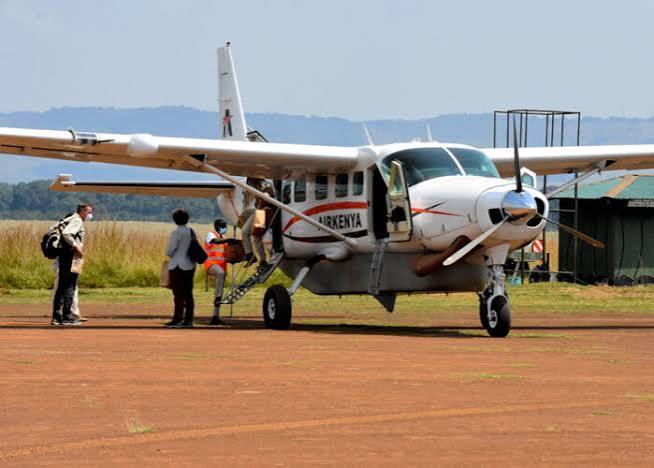
What Are the Best Luxury Fly-In Safaris in Kenya?
Kenya remains one of Africa’s most rewarding safari destinations, and a luxury fly-in safari offers one of the smartest ways to experience its wildlife, landscapes, conservation areas, and high-end camps without spending long hours on the road. Instead of turning a safari into a series of lengthy transfers, travelers can fly from Nairobi’s Wilson Airport toward remote airstrips close to their chosen camp or conservancy. This approach saves valuable holiday time and creates a smoother, more exclusive journey from the moment you leave the city.
Luxury fly-in safaris in Kenya work especially well for travelers who value comfort, privacy, personalized service, and efficient travel. They also suit honeymooners, families, photographers, couples, first-time safari visitors, and experienced travelers who want to combine several destinations in one trip. Kenya’s domestic safari airlines connect Nairobi with major wildlife areas such as the Maasai Mara, Amboseli, Samburu, Laikipia, Lewa, Loisaba, and Tsavo West.
The best fly-in safari, however, depends on more than choosing a luxury lodge. Travelers should consider wildlife, scenery, conservation, road-transfer times, flight schedules, seasonal conditions, activities, and the style of camp. A carefully designed itinerary can combine two or three contrasting regions while keeping travel comfortable and efficient.
Combined Uganda, Kenya, Rwanda and Tanzania Safaris
17 days Kenya Tanzania and Uganda safari
19 Days Uganda Kenya and Tanzania Safari
16 Days Kenya Tanzania and Uganda Safari
14 Days Kenya Uganda and Tanzania Safari
14 Days Kenya Uganda and Rwanda Safari
12 Day Gorilla Trekking and Tanzania Safari
What Makes a Luxury Fly-In Safari in Kenya Special?
A luxury fly-in safari combines premium accommodation with convenient domestic air travel and carefully planned wildlife experiences. Rather than driving from Nairobi to every destination, travelers use small safari aircraft to reach remote airstrips. From there, a lodge vehicle usually collects guests and takes them into the conservancy or park. This system allows travelers to move between very different ecosystems while preserving more time for game drives, relaxation, photography, and other activities.
The experience begins at Nairobi’s Wilson Airport, Kenya’s main hub for domestic safari flights. From Wilson, travelers can connect to destinations across the country, including the Maasai Mara, Amboseli, Samburu, Lewa, Loisaba, Nanyuki, Meru, and other safari regions. SafariLink currently operates a broad domestic network, while AirKenya also serves key safari destinations from Wilson Airport.
Luxury fly-in travel also provides access to areas where road travel can take several hours. That advantage becomes particularly valuable on shorter holidays. A traveler with only five or seven nights in Kenya can potentially experience two distinct safari regions instead of spending much of the trip inside a vehicle on highways.
Most importantly, flying does not remove the adventure from the safari. Many flights use smaller aircraft that descend toward remote airstrips surrounded by wilderness. Guests can begin seeing wildlife almost immediately after landing, depending on the destination and transfer route.
Maasai Mara Luxury Fly-In Safari: The Best Choice for Classic Big Game
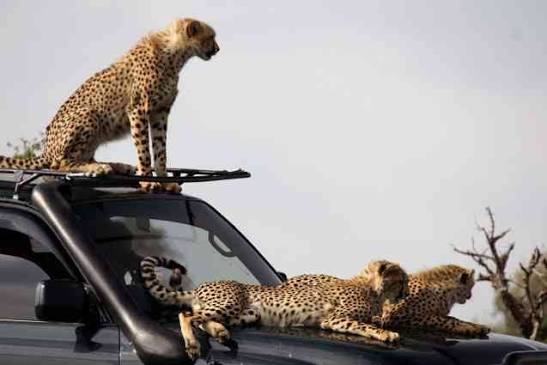
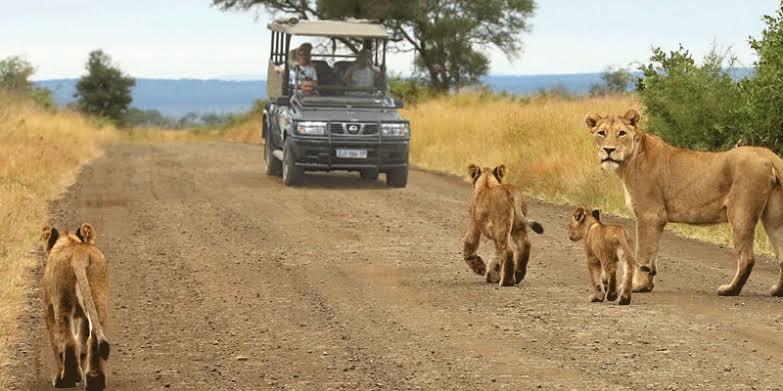
The Maasai Mara stands among Kenya’s most famous safari destinations, and it remains one of the strongest choices for a luxury fly-in experience. The reserve and surrounding conservancies support abundant wildlife throughout the year, including lions, elephants, leopards, buffalo, cheetahs, giraffes, and many other species. The region also hosts the famous seasonal wildebeest migration, which makes certain months particularly popular.
Flying makes the Mara remarkably accessible from Nairobi. SafariLink operates multiple daily flights between Wilson Airport and the Maasai Mara, with services using several major airstrips across the wider Mara area. AirKenya also operates daily services to the region, with flight times and routing depending on the selected airstrip.
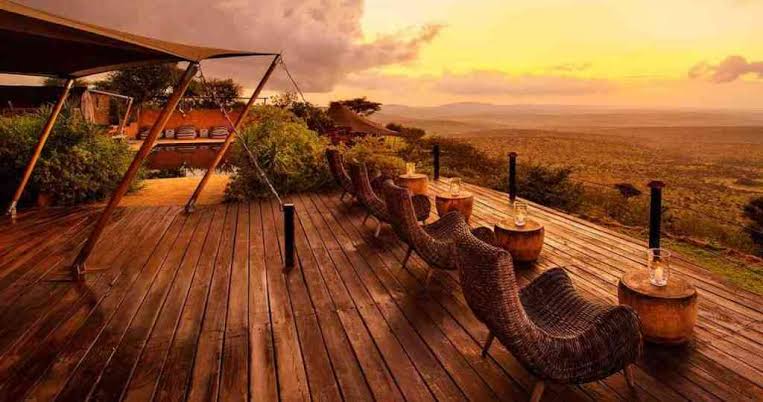
Luxury travelers can choose from properties ranging from intimate tented camps to sophisticated lodges positioned above the plains. Angama Mara provides an exceptional example, sitting high on the Oloololo Escarpment with expansive views over the Mara. Its location combines dramatic scenery with access to guided wildlife activities in the Mara Triangle.
For travelers seeking an even more private experience, small exclusive-use camps can provide dedicated staff, private vehicles, personalized meals, and highly flexible daily schedules. Angama Safari Camp, for example, accommodates only a small number of guests and provides private staffing and vehicles. Scheduled flights from Nairobi reach the Mara in roughly 45 minutes, depending on routing.
A luxury Maasai Mara fly-in safari works particularly well for first-time Kenya visitors because it delivers the classic safari experience with minimal travel friction.
Amboseli Luxury Fly-In Safari: Elephants and Mount Kilimanjaro Views
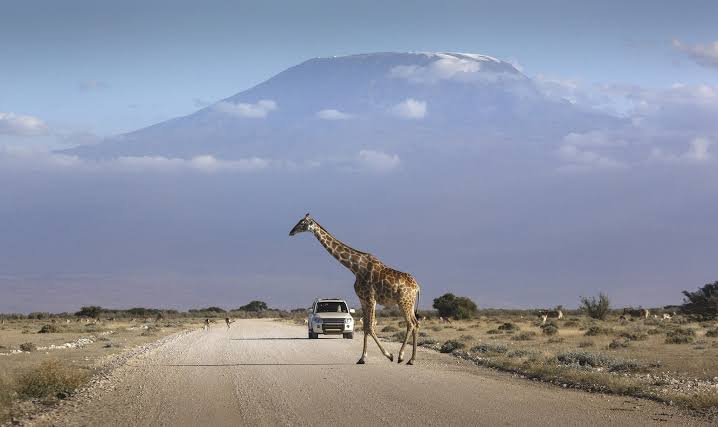
Amboseli offers a very different experience from the Maasai Mara. The landscape feels more open, the dry plains create excellent visibility, and Mount Kilimanjaro can form a breathtaking backdrop when weather conditions provide clear views. The region is especially famous for its large elephant herds, making it an outstanding destination for wildlife photography.
Luxury fly-in travel makes Amboseli easy to add to a wider Kenya itinerary. AirKenya lists daily Wilson Amboseli services, while SafariLink also connects the destination within its domestic network.
One of the advantages of Amboseli lies in the combination of wildlife and scenery. A morning game drive can place elephants against the dramatic mountain horizon, while an afternoon can focus on birdlife, plains wildlife, or quiet relaxation at camp. The experience feels especially rewarding for travelers who prefer photography, landscape views, and a slower rhythm.
Tortilis Camp provides one established luxury option in the region. The property sits within the Amboseli ecosystem and receives guests through scheduled flights from Nairobi’s Wilson Airport as well as private charters. The airstrip transfer normally takes around 45 minutes by air from Wilson and continues by road to camp.
For 2026, Tortilis Camp remains open throughout the year, giving travelers flexibility when planning an Amboseli safari.
Amboseli works particularly well as part of a two-destination safari, such as Nairobi–Amboseli–Maasai Mara. This combination provides elephants, open landscapes, mountain scenery, predators, and classic Mara wildlife without requiring long road journeys between major destinations.
Samburu Luxury Fly-In Safari: Rare Wildlife and Northern Kenya
Samburu offers a completely different atmosphere from southern Kenya. The terrain becomes more rugged and semi-arid, with rocky hills, dry riverbeds, acacia woodland, and striking northern landscapes. The region also supports wildlife species that visitors may not encounter as easily in the Maasai Mara.
A luxury fly-in safari to Samburu can therefore add variety to an itinerary rather than simply repeating the same type of wildlife experience. SafariLink operates daily flights from Wilson to Samburu and also links Samburu with the Maasai Mara. These air connections make it possible to combine northern and southern Kenya efficiently.
The wider Samburu region includes Samburu National Reserve, Buffalo Springs, Shaba, and neighboring conservancies. Wildlife can include elephants, lions, leopards, cheetahs, giraffes, zebras, and several species adapted to Kenya’s northern environments. Birdwatching can also become a major part of the experience.
Luxury camps in this region usually focus on intimacy, landscape, cultural experiences, and personalized guiding. The environment naturally encourages travelers to slow down and appreciate details such as dry-country vegetation, traditional pastoral landscapes, sunsets, and the dramatic relationship between wildlife and water.
Samburu also makes an excellent choice for travelers who have already visited the Mara and want a more distinctive Kenya experience. Rather than relying entirely on the Big Five as the main attraction, a well-designed Samburu safari can focus on rare northern wildlife, conservation, culture, walking, photography, and the region’s unique character.
Laikipia and Loisaba Luxury Fly-In Safari: Exclusive Wilderness and Conservation
Laikipia provides one of Kenya’s strongest luxury safari experiences for travelers who want privacy, conservation, diverse landscapes, and a more exclusive atmosphere. The region contains large private conservancies and wildlife areas where safari experiences can extend beyond conventional game drives.
Loisaba is particularly attractive for a luxury fly-in itinerary. The conservancy lies in northern Laikipia and plays an important role in connecting larger wildlife and livestock landscapes between Laikipia, Samburu, and Isiolo. Daily direct flights from Wilson Airport operate to Loisaba through both SafariLink and AirKenya, while the local airstrip also accommodates private and chartered aircraft.
This makes Loisaba useful for travelers seeking a more private safari environment. The journey can also connect naturally with Samburu, Lewa, or other northern destinations.
Laikipia appeals strongly to adventurous luxury travelers because its experiences can extend beyond traditional vehicle safaris. Depending on the property and conservancy rules, travelers may encounter walking safaris, horseback experiences, cultural interactions, conservation activities, and other carefully managed wilderness adventures.
The major strength of a Laikipia fly-in safari lies in its sense of space. Camps can feel far removed from urban life, yet travelers do not need to sacrifice comfort. Luxury accommodation, professional guides, excellent food, and carefully designed guest experiences can coexist with an authentic wilderness setting.
For travelers who want something quieter and more exclusive than the busiest safari areas, Laikipia deserves serious consideration.
Lewa Wildlife Conservancy Luxury Fly-In Safari: Conservation and Scenic Northern Kenya
Lewa offers another outstanding option for luxury fly-in safaris in Kenya. The conservancy combines wildlife conservation, spectacular northern landscapes, and high-end safari accommodation. It also provides an excellent gateway for travelers who want to explore Kenya beyond the traditional Maasai Mara route.
SafariLink and AirKenya connect northern Kenya with Nairobi, creating practical access to Lewa and neighboring conservancies. Lewa Main Airstrip sits close to some luxury properties, reducing transfer times after landing. Elewana’s published access information, for example, places Lewa Main Airstrip around 45 minutes by flight from Wilson Airport, followed by a short road transfer to camp.
Lewa can be especially rewarding for travelers interested in conservation. The conservancy has developed a strong reputation for protecting wildlife and supporting local communities, while the surrounding landscape creates a different visual experience from the Mara’s grasslands.
The region also provides a strategic base for combining multiple northern destinations. A luxury itinerary can link Lewa with Samburu or Loisaba by road or air, depending on the route and the traveler’s preferences.
Another benefit comes from the variety of experiences available. Travelers can enjoy classic wildlife viewing while also exploring conservation-focused activities, scenic drives, cultural experiences, and carefully managed wilderness adventures.
Lewa therefore suits travelers who want a deeper understanding of Kenya’s conservation story while still enjoying sophisticated accommodation and efficient fly-in access.
Tsavo West Luxury Fly-In Safari: Wild Landscapes and Fewer Crowds
Tsavo West provides an excellent alternative for travelers who want dramatic scenery and a more rugged safari atmosphere. Compared with the Maasai Mara, Tsavo feels larger, wilder, and more visually varied. Volcanic landscapes, lava formations, hills, woodland, open plains, and water sources create an impressive setting for wildlife viewing.
SafariLink operates daily flights from Wilson to Tsavo West, with services landing at airstrips such as Kilaguni and Finch Hattons. The airline also connects Tsavo West with other safari destinations, allowing travelers to include Tsavo within a multi-destination itinerary.
Luxury camps in Tsavo West can provide a particularly immersive experience because the wilderness often feels less concentrated than in Kenya’s most famous wildlife areas. Travelers can enjoy long game drives, quiet sundowners, birdwatching, photography, and nature-focused experiences without feeling tied to a heavily visited route.
Tsavo West also works beautifully for travelers who want to combine safari with the Kenyan coast. Because of its location in southern Kenya, it can form part of an itinerary linking wildlife with beach relaxation in places such as Diani or Mombasa. SafariLink maintains connections between inland safari destinations and coastal destinations, making multi-region travel easier to organize.
For visitors who enjoy dramatic landscapes as much as wildlife, Tsavo West can provide some of Kenya’s most memorable safari scenery.
What Is the Best Luxury Fly-In Safari for Honeymooners?
Honeymooners usually want more than excellent wildlife. They also value privacy, beautiful scenery, intimate accommodation, memorable dining, and an itinerary that avoids unnecessary travel stress. For that reason, luxury fly-in safaris work especially well for couples celebrating a special occasion.
The Maasai Mara remains one of the strongest choices because it combines exceptional wildlife with a large selection of romantic luxury camps. A private tent overlooking the plains, a sunrise game drive, a bush breakfast, and an evening under the stars can create a memorable honeymoon rhythm.
Amboseli also deserves serious attention for couples who value scenery. The combination of elephants, open plains, and Mount Kilimanjaro can produce spectacular photographic moments. Properties in the region can provide comfortable bases where couples return after game drives to enjoy quiet meals and relaxation. Tortilis, for example, offers full-board and game-package options, along with activities such as walking safaris and cultural visits.
For a more secluded honeymoon, Laikipia and Loisaba can provide a stronger sense of privacy. These northern regions suit couples who want to combine luxury with wilderness, conservation, and distinctive activities.
A carefully planned honeymoon could therefore combine Nairobi, Amboseli, Maasai Mara, and a private conservancy. Flying between major safari areas helps protect valuable honeymoon time and keeps the journey comfortable.
How Many Nights Should You Spend on a Luxury Fly-In Safari?
The ideal length depends on the number of destinations, the season, and the level of depth you want from each location. However, luxury safari planning usually improves when travelers avoid trying to fit too many places into a short holiday.
A four-night safari can work well when travelers select one destination. The Maasai Mara is particularly suitable because its wildlife experience can remain rewarding throughout several days. Travelers can settle into camp instead of losing valuable time between different properties.
A five- to seven-night itinerary allows two contrasting destinations. For example, three nights in Amboseli followed by three nights in the Maasai Mara can create a balanced first safari. The traveler experiences elephant-rich landscapes and mountain scenery before moving to the Mara for predators and broader wildlife diversity.
A seven- to ten-night safari opens the door to three regions. A more ambitious route could combine Laikipia, Samburu, and the Maasai Mara. Because domestic airlines provide connecting services through Nairobi and between selected safari destinations, the itinerary can be structured efficiently.
Luxury travel, however, should not become a race between airstrips. Staying three or four nights at a high-quality camp often delivers more value than changing properties every one or two nights.
The best safari itinerary creates a sense of progression. Each destination should add something different rather than simply repeat the previous experience.
How Do You Choose the Right Luxury Camp for a Fly-In Safari?
The best luxury camp is not automatically the most expensive camp. Instead, travelers should compare the location, airstrip access, guiding quality, room design, privacy, activities, food, guest service, conservation model, and vehicle experience.
Airstrip location matters more than many travelers realize. Two camps may advertise the same safari destination while requiring very different transfer times after landing. A property with a nearby private or dedicated airstrip can provide a smoother arrival, particularly after a morning flight.
Cottar’s 1920s Camp demonstrates why travelers should check the exact airstrip before booking. The property can receive guests through its private airstrip with a short road transfer, while flights landing elsewhere in the Mara can require substantially longer road transfers.
The accommodation style should also match the traveler. Some guests prefer modern architecture, while others want classic canvas tents and an old-world safari feeling. Families may prioritize interconnected accommodation and child-friendly services, while honeymooners may care more about privacy and romantic settings.
Dining also deserves attention. Luxury safari properties should provide well-planned meals that suit dietary requirements and safari schedules. Similarly, a strong guiding team can make a greater difference to the experience than an impressive room.
Finally, travelers should examine what the rate includes. Some properties bundle game drives, airstrip transfers, meals, drinks, laundry, and activities into one package, while others charge separately. Comparing inclusions prevents unpleasant surprises and helps travelers understand the true value of each lodge.
What Should You Know About Kenya Safari Flights?
Fly-in safaris use small aircraft designed for domestic and bush operations, so the experience differs from flying on a large commercial airline. Travelers normally depart from Wilson Airport rather than Nairobi’s main international airport when moving between safari destinations.
That distinction matters when planning international arrivals. A traveler landing at Jomo Kenyatta International Airport usually needs adequate time to transfer to Wilson Airport for a domestic safari flight. Luxury properties and safari planners can arrange these transfers as part of a wider itinerary.
AirKenya’s 2026 schedule shows regular services connecting Wilson with destinations including Amboseli and the Maasai Mara, while its broader network includes northern safari areas such as Lewa, Loisaba, Meru, Nanyuki, and Samburu.
SafariLink likewise operates an extensive network that connects multiple Kenyan safari destinations, allowing travelers to build multi-stop itineraries around scheduled services.
Flight times can vary because safari aircraft may land at more than one airstrip on the same route. Weather, routing, passenger numbers, and airstrip conditions can also influence schedules. For this reason, travelers should avoid planning extremely tight international connections after returning from the bush.
Baggage rules also matter. Safari aircraft often operate under weight and luggage restrictions that differ from international airlines. Soft-sided bags usually work better than rigid suitcases, and travelers should confirm the current luggage allowance before departure.
What Is the Best Luxury Fly-In Safari Combination in Kenya?
One of the strongest ways to experience Kenya is to combine destinations that offer different wildlife and landscapes rather than selecting several camps that provide similar experiences.
For first-time visitors, Maasai Mara and Amboseli form an excellent pairing. Amboseli brings elephants and mountain scenery, while the Mara provides exceptional predator viewing and open grasslands. Scheduled domestic flights make this combination practical.
For repeat visitors, Samburu and Laikipia can provide a richer northern Kenya experience. These areas offer different terrain, conservation models, wildlife species, and activities compared with the Mara.
For travelers seeking a high-end conservation journey, Lewa, Loisaba, and the Maasai Mara can produce an excellent balance of conservation, luxury, wildlife, and varied scenery. Northern Kenya connections make it possible to build such routes without relying entirely on long road transfers.
For a safari-and-beach holiday, Tsavo West can become a strategic stop between inland wildlife areas and Kenya’s coast. SafariLink’s network includes Tsavo West alongside coastal destinations such as Diani and Lamu.
Ultimately, the best combination depends on your travel goals. A wildlife enthusiast may prioritize the Mara, a photographer may prefer Amboseli and the Mara, a conservation-focused traveler may choose Laikipia and Lewa, while a repeat visitor may favor Samburu and Loisaba.
When Is the Best Time for a Luxury Fly-In Safari in Kenya?
Kenya supports safari travel throughout much of the year, but each season creates a different experience. Travelers should therefore choose dates according to the type of safari they want instead of assuming one month suits everyone.
The July to October period attracts major interest because of dry conditions and the seasonal wildebeest movement through the Maasai Mara. This period can produce excellent wildlife viewing, but demand for top camps and flights can also rise significantly.
January and February can provide another strong safari window, with generally favorable wildlife-viewing conditions in many regions. Green seasons can offer lush scenery, dramatic skies, fewer visitors, and potentially better value at some properties.
Luxury travelers should also remember that seasonality differs across regions. A month that works beautifully in the Mara may feel very different in northern Kenya or Amboseli.
Rather than focusing only on migration dates, consider the complete experience. A quieter season can deliver extraordinary photography because green landscapes add texture and contrast. Wildlife can remain excellent, and fewer visitors can create a more peaceful atmosphere.
The smartest approach involves matching the destination to the season. Then match the camp to the destination. Finally, match the flight schedule to the itinerary. This three-step approach creates a smoother and more rewarding luxury safari.
How Much Does a Luxury Fly-In Safari in Kenya Cost?
Luxury fly-in safaris vary widely in price because the final cost depends on the camp, season, room category, flight arrangements, park or conservancy fees, activities, vehicle arrangements, and length of stay.
Travelers should therefore avoid judging a safari only by the nightly room rate. A more accurate comparison considers the entire package. One property may charge a higher nightly rate but include meals, drinks, game drives, airstrip transfers, laundry, and additional guest experiences. Another may offer a lower accommodation price but add significant costs for activities and transfers.
For example, Tortilis Camp’s published 2026 rates distinguish between full-board and game-package options. The game package includes accommodation, meals, scheduled shared game drives, activities, and designated airstrip transfers, while several other costs remain separate.
At the ultra-luxury end, rates can rise substantially. Angama Mara currently publishes rates starting from USD 1,850 per person per night on its main lodge page, while its seasonal rate information shows higher amounts for peak periods.
That pricing level reflects a very different category of safari from a standard lodge. The value comes from location, service, guiding, exclusivity, design, food, personalized experiences, and the overall convenience of the stay.
A well-planned luxury safari should balance budget with experience rather than simply chasing the lowest advertised rate.
How Can You Make a Luxury Fly-In Safari More Comfortable?
Comfort begins long before the aircraft takes off. Travelers should build their itinerary with realistic connection times, suitable luggage, appropriate clothing, and a clear understanding of what each camp includes.
Start by separating international and domestic travel where possible. After an international flight into Nairobi, allow enough time to clear formalities, collect luggage, transfer to Wilson Airport, and check in for the safari flight. Avoid creating a schedule where a minor delay could cause a missed connection.
Next, pack for small aircraft operations. Soft-sided luggage usually provides greater flexibility than large hard cases, and travelers should follow the airline’s current baggage rules.
Clothing should also remain practical. Neutral, breathable clothing works well for game drives, while warmer layers help during early mornings and evenings. Comfortable shoes become useful for walking activities, camp exploration, and transfers.
Travelers should also confirm whether their luxury camp provides private or shared vehicles. A private vehicle can offer greater flexibility for photographers, families, honeymooners, and travelers who prefer customized schedules.
Finally, ask about the exact airstrip. A flight ticket to a region does not necessarily mean the aircraft lands next to your camp. Some routes use several airstrips, and the final road transfer can change the experience significantly. AirKenya and SafariLink both note that safari routes can involve different airstrips and variable routing.
Good planning turns a fly-in safari from simple transportation into part of the luxury experience itself.
Why Luxury Fly-In Safaris Are Worth Considering for Kenya
A luxury fly-in safari offers something that a road-only itinerary cannot easily match: time. Kenya is a large country with wildlife destinations separated by significant distances. Spending several hours on the road can be enjoyable for adventurous travelers, but it can also reduce the amount of time available for wildlife viewing and relaxation.
Flying creates a more efficient connection between distant ecosystems. A traveler can wake up in one part of Kenya, take a short safari flight, and arrive in a completely different landscape before lunch. Scheduled services connect major safari destinations, while private charters provide additional flexibility for travelers who want a highly personalized itinerary.
The fly-in model also supports multi-destination travel. Instead of choosing between the Mara, Amboseli, Samburu, or Laikipia, travelers can combine two or more destinations and allow each one to contribute something unique.
However, the greatest advantage goes beyond speed. A carefully selected luxury camp creates an experience where wildlife, comfort, culture, conservation, food, guiding, and scenery work together. When the flights, airstrips, transfers, accommodation, and activities align properly, the result feels effortless.
For international travelers visiting Kenya for the first time, that level of organization can make the difference between a good holiday and an exceptional safari.
Conclusion
The best luxury fly-in safaris in Kenya combine remarkable wildlife with comfort, efficient travel, exceptional guiding, and carefully selected accommodation. The Maasai Mara stands out for classic big-game viewing and the seasonal wildebeest migration. Amboseli delivers elephants and unforgettable Mount Kilimanjaro scenery. Samburu brings a distinctive northern landscape and rare wildlife. Laikipia and Loisaba add privacy, conservation, and exclusive wilderness experiences, while Lewa provides an outstanding combination of wildlife protection and luxury. Tsavo West offers rugged scenery and a strong option for travelers who want to connect safari with Kenya’s coast.
For the best results, travelers should look beyond the lodge name and evaluate the complete safari journey. Check flight routes, airstrip locations, transfer times, camp inclusions, seasonal conditions, luggage requirements, wildlife goals, and the number of nights spent at each destination. Most importantly, build an itinerary that gives every destination a clear purpose.
A luxury safari should never feel rushed. The strongest journeys allow travelers to experience Kenya deeply while moving efficiently between its most remarkable landscapes. For travelers seeking expert planning, reliable logistics, carefully matched luxury properties, and a safari experience designed around individual interests, Giant Holiday Safaris provides a trusted pathway to discovering Kenya with confidence, comfort, and genuine African hospitality.