Rusizi National Park
October 23, 2026
Ruvubu National Park
October 26, 2026
Kibira National Park
Kibira National Park is one of Burundi’s most important natural attractions, offering visitors a chance to explore a tropical rainforest filled with diverse wildlife, rich plant life, mountain scenery, and fascinating cultural connections. Located in northwestern Burundi, this protected forest provides an excellent destination for nature lovers, birdwatchers, hikers, photographers, and travelers who want to discover a less explored side of Africa.
Moreover, Kibira National Park plays a vital role in protecting biodiversity, conserving water sources, and supporting the ecological balance of the surrounding countryside. Its green forest canopy, cool mountain air, and peaceful natural environment create a different experience from the open savannahs that many international visitors associate with African safaris. For travelers planning a Burundi safari, the park offers an opportunity to experience the country’s natural heritage while learning about its landscapes, communities, and conservation priorities. With thoughtful planning and a responsible approach to tourism, a visit to Kibira National Park can become a meaningful part of an East African adventure.
Introduction to Kibira National Park
Kibira National Park protects a large area of montane rainforest in northwestern Burundi. The park lies along the Congo Nile Divide, a mountainous region that separates waters flowing toward the Congo River basin from those flowing toward the Nile River basin. This elevated landscape supports moist forest habitats, mountain streams, and a wide variety of plant and animal species. As a result, Kibira stands out as an important conservation area in a country known for its hills, farmland, lakes, and rural communities.
The park covers approximately 400 square kilometres, although published figures can vary slightly depending on the source and the boundaries used. Its forests form part of a wider ecological landscape that extends across the Albertine Rift region, one of Africa’s important areas for biodiversity and species found nowhere else. Furthermore, Kibira’s location near the border with Rwanda connects it to a broader regional conservation story involving forests, watersheds, and wildlife habitats.
For international visitors, the park offers a different perspective on Burundi. Instead of focusing only on cultural landmarks or Lake Tanganyika, travelers can venture into a landscape where dense vegetation, birdsong, and mountain scenery shape the experience. Guided forest walks, nature observation, and birdwatching can help visitors appreciate this environment at a slower pace.
Kibira also holds value beyond tourism. Its vegetation helps protect the soil, regulate water flow, and maintain habitats for wildlife. Therefore, responsible visits can help introduce travelers to Burundi’s natural heritage while encouraging respect for conservation and the communities that live around the protected area.
Where is Kibira National Park Located?
Kibira National Park lies in the northwestern part of Burundi, near the country’s border with Rwanda. It occupies elevated terrain within the Congo Nile Divide, a region known for its rolling mountains, forested slopes, and cooler climate compared with many lowland areas. The park extends across parts of several administrative areas, including the provinces around Muramvya, Kayanza, Cibitoke, and Bubanza under earlier administrative arrangements. Since Burundi has changed its administrative divisions, travelers should confirm current local boundaries when planning their journeys.
The forest’s position makes it a useful destination for visitors exploring Burundi’s countryside. Travelers can approach the park from the direction of Bujumbura or from northern areas such as Kayanza, depending on their itinerary and the access point they intend to visit. However, travel times vary according to road conditions, the chosen route, weather, and the specific entrance or forest sector. Visitors should confirm the appropriate access point with local authorities or a knowledgeable tour operator before setting off.
The surrounding countryside adds value to the journey. Travelers may pass through cultivated hills, small settlements, tea growing areas, and rural landscapes that reveal everyday life in Burundi. These views also show how closely local livelihoods connect with the natural environment.
Because Kibira occupies mountainous terrain, visitors should prepare for changing weather. Mist, rainfall, and damp forest trails can affect visibility and walking conditions. Comfortable walking shoes, rain protection, drinking water, and a reliable local guide can make the experience safer and more enjoyable.
The History and Conservation of Kibira National Park
Kibira National Park has a long history of protection that reflects Burundi’s efforts to preserve its remaining natural forests. Before it became a national park, parts of the forest received protection under earlier conservation arrangements. Authorities later established the modern national park to safeguard the forest and its wildlife. This history matters because Kibira represents one of the country’s most important remaining areas of natural montane forest.
Over time, the forest has faced pressure from several directions. Population growth, agricultural expansion, demand for firewood, and the need for farmland have affected natural habitats across the region. Like many protected forests in densely populated parts of Africa, Kibira must balance conservation goals with the daily needs of nearby communities. Effective protection therefore requires more than simply marking boundaries on a map. It also depends on education, cooperation, sustainable livelihoods, and consistent management.
Conservation work helps protect forest cover, wildlife habitats, and the ecological processes that keep the landscape healthy. In addition, research and monitoring can improve understanding of the species that live in the park and the changes affecting their environment. These activities support better decisions about habitat protection and tourism management.
Visitors can contribute by respecting park regulations, following designated routes, avoiding litter, and using authorized guides. They should also avoid removing plants, disturbing wildlife, or entering restricted areas. Furthermore, travelers can support responsible tourism businesses that respect conservation rules and local communities.
For Burundi, Kibira National Park represents both a natural treasure and a long term responsibility. Protecting the forest helps preserve biodiversity for future generations while maintaining an important ecological resource for the surrounding landscape.
Landscape, Mountains, and Natural Scenery
The landscape of Kibira National Park differs greatly from the wide grasslands associated with many traditional African wildlife safaris. Instead, visitors encounter a mountainous forest environment where thick vegetation covers slopes and ridges. Tall trees, climbing plants, mosses, ferns, and smaller forest plants create several layers of green growth. In some places, the canopy limits direct sunlight, giving the forest a cool and shaded atmosphere.
The park’s position along the Congo Nile Divide contributes to its varied terrain. Elevation influences temperature, rainfall, vegetation, and the kinds of habitats found in different areas. As travelers move through the surrounding highlands, they may notice changes in cloud cover, the appearance of distant ridges, and the pattern of cultivated land beyond the forest boundary. These features make the journey itself part of the sightseeing experience.
Mist can drift across the hills, particularly during damp weather or early mornings. Consequently, the scenery may change throughout the day. A trail that begins beneath a bright sky can become cool and misty as clouds settle over the forest. Such conditions create an atmospheric setting for nature walks, although they can also reduce visibility and make paths slippery.
Visitors should remember that Kibira is a living ecosystem rather than a landscaped recreational garden. Fallen leaves, tangled vegetation, uneven ground, and natural sounds form part of its character. The best approach is to explore patiently, pay attention to small details, and allow time to appreciate the forest.
For photographers, the landscape offers opportunities to capture forest textures, misty hills, streams, and the contrast between protected woodland and cultivated countryside. However, weather and lighting conditions vary, so flexible plans usually produce a better experience.
Wildlife in Kibira National Park
Kibira National Park supports a range of wildlife associated with Central African and Albertine Rift forest habitats. Its dense vegetation provides shelter, feeding areas, and movement routes for mammals, birds, reptiles, amphibians, and numerous invertebrates. However, visitors should not expect the same wildlife viewing conditions found in open savannah parks. Thick foliage can make animals difficult to see, even when they live close to a trail.
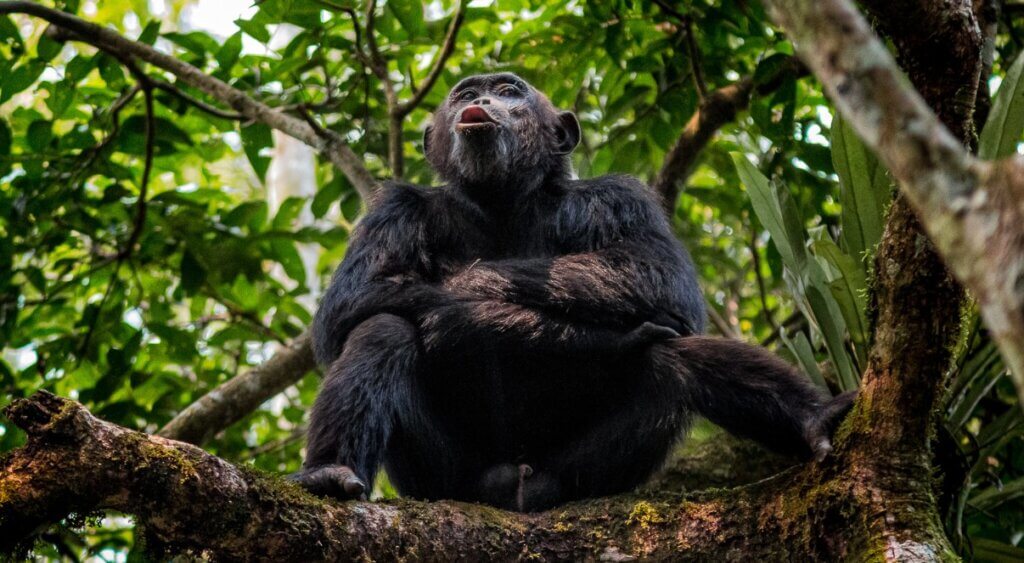
Primates are among the animals associated with Kibira’s forest ecosystem. Chimpanzees occur in the wider forest landscape, while other forest primates may inhabit suitable areas within the park. The presence of a species does not guarantee a sighting, and opportunities can depend on habitat conditions, animal movements, conservation measures, and current access arrangements. Travelers interested in particular primates should confirm which experiences local authorities currently permit and whether trained guides can support the visit.
Forest mammals contribute to the ecological balance of Kibira. Depending on the species, they may disperse seeds, feed on fruits and leaves, control insect populations, or form part of the forest’s food web. Many of these animals remain elusive because they move quietly through vegetation or stay active when people are less likely to encounter them.
Visitors may notice indirect signs of wildlife, such as calls, tracks, feeding marks, or movement in the canopy. A knowledgeable guide can explain these clues without disturbing the animals. Furthermore, patience and quiet observation often provide a richer learning experience than rushing along a trail in search of large mammals.
Wildlife watching in Kibira requires realistic expectations. The forest’s greatest strength lies in its interconnected ecosystem, not in guaranteed sightings. Travelers who appreciate this distinction can enjoy the park while helping protect the wildlife that makes it special.
Chimpanzees and Other Primates
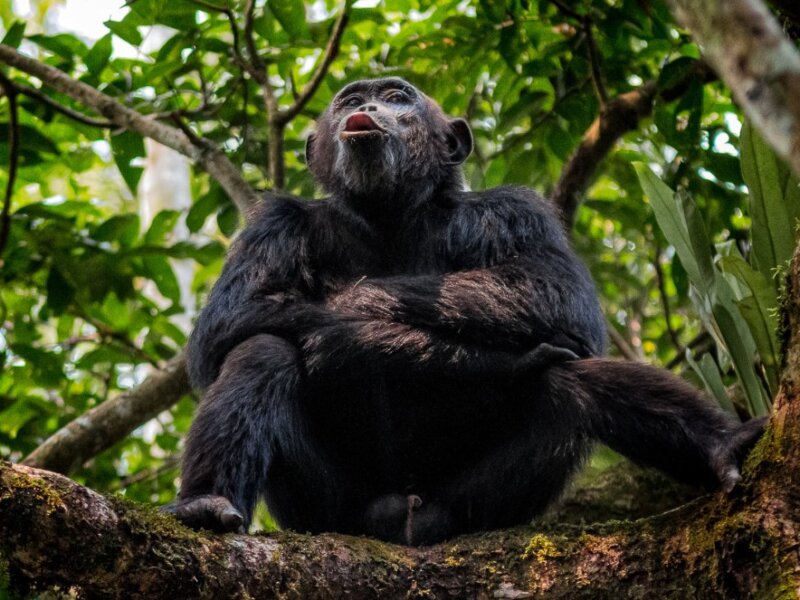
Chimpanzees attract considerable interest from travelers who enjoy African primate experiences. These intelligent great apes form part of the broader conservation story of the forests in the Albertine Rift and neighbouring Central African landscapes. Kibira’s forest habitat is associated with chimpanzees, although travelers must verify current viewing opportunities, access rules, and permit requirements before arranging a visit.
Chimpanzees depend on healthy forests for food, shelter, and movement. They eat a varied diet that can include fruits, leaves, seeds, and other natural foods. Their daily activities involve social interactions, feeding, resting, and travelling through the forest. Because they move across different parts of their habitat, visitors cannot predict exactly where they will be at a particular time.
Other primates also contribute to the forest’s diversity. Some spend much of their time in the canopy, where dense leaves make them challenging to observe. Their calls and movements can reveal their presence even when a clear view remains impossible. A local guide who understands the forest can help visitors recognize these signs and learn how different species use their habitat.
Responsible primate tourism must place animal welfare first. Visitors should follow instructions from authorized guides, maintain the required distance from animals, keep noise low, and avoid feeding or touching wildlife. Anyone who feels unwell should follow current guidance about whether they can participate, because people can transmit some diseases to primates.
Travelers should also distinguish between a forest known to support a species and a destination that offers a regularly organized viewing experience. Before paying for a chimpanzee excursion, confirm availability, duration, group limits, health rules, and the possibility of not seeing the animals. This preparation helps create realistic expectations while supporting responsible conservation.
Birdwatching in Kibira National Park
Kibira National Park offers an appealing setting for birdwatchers who want to explore the forest birds of Burundi. Its moist montane habitat supports bird communities adapted to dense vegetation, forest edges, and different elevations. Birdwatching can therefore become one of the most rewarding ways to experience the park, especially for visitors who enjoy careful observation rather than fast paced sightseeing.
Forest birding often requires patience. Some species move through the canopy, while others remain in the shaded undergrowth. A visitor may hear a distinctive call long before seeing the bird that produced it. Consequently, binoculars, a field guide, and a knowledgeable local guide can greatly improve the experience. Early morning excursions may offer useful opportunities to listen for calls and observe birds as they become active, although conditions vary with weather and season.
Kibira’s location within the wider Albertine Rift region makes its birdlife particularly interesting to people studying African biodiversity. The region contains important habitats for species with restricted ranges, and several forest birds depend on the continued protection of suitable woodland. However, birders should verify individual species records using reliable, current references rather than assuming that every Albertine Rift specialty occurs at every site.
A responsible birdwatching trip should avoid disturbing nests, playing loud recordings repeatedly, or leaving established trails without permission. Guides can help identify birds while explaining their feeding habits, calls, and role in the forest ecosystem.
Birdwatchers should also allow enough time. A short visit may introduce them to the park’s atmosphere, but a longer outing gives them more opportunities to hear calls, notice movement, and appreciate changes between forest habitats. Even when rare species remain unseen, the experience can deepen an understanding of Burundi’s natural heritage.
Plants and Forest Biodiversity
The plant life of Kibira National Park forms the foundation of its ecological importance. Its montane rainforest contains a variety of trees, shrubs, ferns, mosses, climbers, and other plants that grow under moist conditions. Together, these species create a layered habitat that provides food, shelter, and breeding areas for wildlife. They also support the natural processes that keep the forest functioning.
Tall trees help form the canopy, which influences sunlight, temperature, and moisture below. Smaller plants grow in the understory, while climbing vegetation uses tree trunks and branches to reach better light. Ferns and mosses thrive in suitable damp places, adding to the forest’s rich texture. This range of growth forms creates many small habitats within the larger woodland.
Plant diversity also supports animals in several ways. Trees produce fruits and seeds, flowering plants attract pollinators, and decaying leaves feed organisms that break down organic material. In turn, these processes recycle nutrients and help maintain fertile forest soils. When the forest loses too much vegetation, these connections can weaken, affecting wildlife and the health of the wider landscape.
Visitors should resist the temptation to collect flowers, seeds, or other natural items as souvenirs. Some plants may be rare, difficult to identify, or protected by conservation rules. Instead, travelers can photograph permitted subjects and learn their names and uses from a qualified guide.
The forest also offers educational opportunities for students, researchers, and nature enthusiasts. A guided walk can introduce visitors to plant adaptations, forest layers, natural regeneration, and the relationships between vegetation and wildlife. In this way, Kibira National Park becomes more than a scenic destination. It becomes an outdoor classroom where travelers can develop a deeper appreciation for tropical forest conservation.
The Importance of Kibira National Park to Burundi
Kibira National Park plays an important role in Burundi’s environmental health, biodiversity protection, and nature tourism potential. Its forests provide habitats for wildlife, protect mountain soils, and help regulate the movement of water through the surrounding landscape. These benefits extend beyond the park boundary, making forest conservation important for nearby communities and the wider country.
One of the forest’s key functions involves protecting watersheds. Vegetation helps rainwater enter the soil, while roots stabilize slopes and reduce erosion. Forest cover can also influence how quickly water reaches streams and rivers. Although these processes depend on many environmental factors, healthy forests generally contribute to the stability of mountain catchments. Protecting Kibira therefore supports the long term health of an important natural landscape.
The park also preserves biological diversity. Forest ecosystems contain complex relationships among plants, animals, fungi, and other organisms. When natural habitats disappear, species can lose the food, shelter, and breeding areas they need to survive. By maintaining a protected forest, Burundi helps safeguard these relationships and the ecological services they provide.
Kibira also creates opportunities for environmental education and responsible tourism. Visitors can learn about tropical forests, conservation challenges, and the relationship between people and natural resources. Meanwhile, well managed tourism can create opportunities for guides, transport providers, accommodation businesses, and other local service providers.
Nevertheless, tourism alone cannot solve every conservation challenge. Effective protection requires suitable management, community participation, environmental education, and long term planning. Visitors can contribute by respecting park rules and choosing responsible operators.
For Burundi, Kibira National Park represents an investment in the country’s natural future. Protecting this forest helps preserve biodiversity, supports environmental stability, and gives future generations an opportunity to appreciate one of the country’s most valuable natural areas.
Best Things to Do in Kibira National Park
Kibira National Park offers experiences suited to travelers who enjoy forests, wildlife, birdlife, and learning about nature. The activities available during a visit depend on current park regulations, trail conditions, guide availability, and the specific area open to visitors. Therefore, travelers should confirm their plans before arriving rather than assume that every activity operates throughout the year.
Forest walks provide one of the most direct ways to experience the park. Visitors can follow approved routes with a guide, observe the vegetation, listen to birds, and learn how different forest layers support wildlife. These walks also reveal small details that people may overlook from a vehicle, including moss covered branches, insects, seedlings, and natural signs of animal activity.
Birdwatching offers another engaging activity. With binoculars and enough time, visitors can look for birds moving through the canopy or feeding along forest edges. A guide can help interpret bird calls and identify species, making the experience suitable for beginners as well as more experienced birders.
Nature photography can also enrich a visit. Forest textures, distant ridges, changing clouds, and the contrast between woodland and cultivated hills provide subjects for photography. However, visitors should follow photography rules and avoid disturbing wildlife or other travelers.
Travelers may also be able to arrange educational experiences focused on forest ecology and conservation. Such visits can help explain the value of protected areas and the challenges of managing natural resources in densely populated landscapes.
Before booking, ask which activities are officially available, how long each one lasts, what the fee covers, and whether special permissions apply. By choosing suitable activities and leaving enough time for them, visitors can enjoy Kibira without placing unnecessary pressure on its natural environment.
Guided Forest Walks and Nature Hiking
Guided forest walks allow visitors to explore Kibira National Park at a comfortable pace while learning about its ecology. Unlike open landscapes where travelers can see long distances, tropical forests reveal their details gradually. A guide can explain the different vegetation layers, point out bird calls, identify common plants, and describe how animals use the habitat.
The length and difficulty of a walk depend on the approved route, elevation, weather, and individual fitness. Some outings may involve gentle walking, while others can require more effort on uneven or sloping ground. Visitors should explain their experience and physical needs before choosing a route. Families and travelers with limited mobility should confirm accessibility rather than assume that forest paths have smooth surfaces.
Preparation makes a considerable difference. Comfortable walking shoes with good grip help on damp or muddy ground. Lightweight clothing, rain protection, drinking water, and a small day bag are useful in the humid mountain environment. Travelers should also follow guidance about insects, sun exposure, and any health precautions relevant to the area.
During a guided walk, visitors should remain with their group and follow instructions about where they can walk. Straying from a route can damage vegetation, create safety risks, and disturb wildlife. In addition, visitors should avoid loud music and unnecessary noise so that they can hear natural sounds and observe animals more easily.
Nature hiking in Kibira is best approached as a learning experience rather than a race to cover distance. Taking time to notice forest details often creates a stronger connection with the environment. For many visitors, this quiet exploration becomes one of the most memorable parts of a Burundi nature trip.
Cultural Experiences Around Kibira National Park
A visit to Kibira National Park can also introduce travelers to the communities and rural landscapes surrounding the forest. Burundi has a rich cultural heritage shaped by its languages, music, dance, farming traditions, crafts, food, and community life. Exploring these cultural dimensions can help visitors understand the human setting in which forest conservation takes place.
The countryside around Kibira includes farming communities and settlements where people cultivate crops and maintain connections with the surrounding hills. Depending on the route, visitors may see tea growing areas, cultivated slopes, village markets, and small trading centres. These everyday scenes offer insight into rural livelihoods, although travelers should remember that homes, farms, and markets are places where people live and work rather than attractions that exist solely for photography.
Where suitable community experiences are available, visitors can learn about local food, traditional crafts, music, and agricultural practices. They should arrange these activities respectfully through appropriate local contacts and ask permission before photographing people. A thoughtful visitor also recognizes that cultural traditions vary between communities and that no single experience represents every Burundian person.
Tourism can create opportunities for local guides, craft makers, food providers, and community enterprises. However, these benefits depend on fair arrangements and genuine participation. Travelers can help by paying agreed prices, buying authentic locally made products, and choosing businesses that treat community members respectfully.
It is also important to separate cultural tourism from wildlife conservation. Visiting a village does not automatically provide access to the park, and a forest excursion does not guarantee a cultural activity. Confirm both arrangements in advance.
By combining nature observation with respectful cultural learning, visitors can experience more of Burundi’s character. Such an approach creates a richer journey while encouraging appreciation for the people whose lives connect with the landscapes around Kibira National Park.
Best Time to Visit Kibira National Park
The best time to visit Kibira National Park depends on your preferred activities, tolerance for rain, and travel plans. Burundi generally experiences wetter periods and relatively drier periods, although local conditions vary with elevation and changing weather patterns. Because Kibira lies in mountainous terrain, its forest can remain damp even when other parts of the country experience more settled weather.
The relatively drier periods, commonly around June to September and December to February, may offer convenient conditions for some travelers. Trails can be easier to manage when rainfall decreases, and road journeys may become more predictable. However, these months do not guarantee dry weather, and visitors should always prepare for changing conditions in a tropical mountain forest.
The wetter periods can bring lush vegetation, flowing streams, and a fresh appearance across the hills. Rain also supports the forest ecosystem, although heavy showers may make trails slippery and affect road access. Birdwatchers and photographers may still enjoy these conditions, provided they have appropriate equipment and remain flexible.
Rather than selecting dates based only on a general seasonal guide, travelers should check local forecasts and ask about recent trail conditions. Rainfall can vary between areas, and a route that remains accessible during one week may become difficult after heavy rain.
For the most comfortable experience, allow flexibility in your itinerary. Carry a waterproof jacket, wear shoes suitable for wet ground, and avoid scheduling a demanding forest walk immediately before an important onward journey. If wildlife observation is your priority, ask a local guide when conditions and current access arrangements are most suitable.
Ultimately, the best time to visit Kibira National Park is the period that matches your interests, available activities, and ability to adapt to the weather.
How to Get to Kibira National Park
Travelers usually plan their journey to Kibira National Park through Burundi’s main transport routes, using Bujumbura or another suitable town as a starting point. The best approach depends on the park sector they intend to visit, the road conditions, and whether they are traveling independently or with a tour operator. Since not every forest access point offers the same facilities, confirming the destination in advance is essential.
Visitors arriving in Burundi by air can organize onward road transport after reaching the country. Bujumbura is an important starting point for journeys into the northwestern highlands, although the most suitable route may depend on the specific entrance or activity. Travelers already exploring northern Burundi may be able to arrange a shorter approach from their existing itinerary.
Road journeys provide opportunities to observe the countryside, including hills, cultivated land, and rural settlements. However, journey duration can change with traffic, roadworks, weather, and the condition of secondary roads. A tour operator or local driver familiar with the region can help select a suitable route and allow enough time for the journey.
Before departure, confirm the meeting point, expected travel time, road access, and any entry procedures. Ask whether your driver will take you directly to an authorized visitor access point or to another meeting location. These details matter because reaching the general area does not necessarily mean that you have arrived at the correct entrance for your planned activity.
Travelers crossing from Rwanda should check the current border requirements, opening arrangements, visa conditions, and any applicable vehicle documentation. International visitors should also confirm that their travel documents meet the requirements of every country on their route.
With reliable transport and advance planning, a trip to Kibira can fit comfortably into a wider Burundi itinerary. Good preparation reduces unnecessary delays and gives travelers more time to enjoy the forest itself.
Where to Stay When Visiting Kibira National Park
Choosing suitable accommodation is an important part of planning a visit to Kibira National Park. The park lies in a mountainous region where travelers can find different types of accommodation in nearby towns and other parts of Burundi. However, the choice may be more limited close to particular forest access points than in major tourism centres. Visitors should therefore decide where to stay according to their route, planned activities, comfort preferences, and available transport.
Bujumbura can serve as a starting point for travelers who want to explore several destinations across Burundi. Staying there may provide access to a wider selection of hotels, restaurants, transport services, and other travel facilities. Nevertheless, the journey to Kibira can take a significant part of the day, depending on the route and road conditions. Travelers planning an early morning forest walk may prefer accommodation closer to their chosen access point.
Other towns in the northwestern highlands may offer convenient overnight options, depending on current availability. These can help travelers explore the countryside without returning to Bujumbura after every activity. Before booking, confirm the actual driving distance to the meeting point, meal arrangements, payment methods, and whether the property can help organize transport.
Accommodation preferences also influence the overall experience. Budget travelers may prioritize clean rooms and convenient transport, while visitors seeking greater comfort may prefer properties with private bathrooms, reliable hot water, and restaurant services. Travelers should confirm these facilities directly rather than rely on assumptions about accommodation standards in rural areas.
Because options can change, advance reservations are advisable, particularly during busy travel periods or when several destinations form part of the same itinerary. A knowledgeable local tour operator can help coordinate accommodation, transport, and authorized park activities.
The most suitable accommodation is not necessarily the closest property. Instead, choose a place that offers a practical balance between comfort, accessibility, safety, and the time available for exploring Kibira National Park.
Responsible Tourism and Environmental Protection
Responsible tourism is essential to the long term protection of Kibira National Park. Every visitor enters an environment where plants, animals, water systems, and soil form connected ecological networks. Small actions can help reduce disturbance, while careless behaviour can damage vegetation, affect wildlife, or create unnecessary waste.
The first principle is to follow park regulations and instructions from authorized guides. Visitors should remain on permitted routes, avoid restricted areas, and never remove plants, wildlife, rocks, or other natural materials. Even seemingly harmless actions can cause problems when many people repeat them over time.
Waste management also matters. Travelers should carry reusable water bottles where practical and take their rubbish away when facilities are unavailable. Food packaging, plastic bottles, and other discarded materials can pollute the forest and harm wildlife. In addition, visitors should avoid lighting fires unless an authorized activity explicitly permits them under controlled conditions.
Wildlife observation requires patience and respect. Do not feed animals, chase them for photographs, or use loud sounds to attract their attention. If a guide asks you to remain quiet or move away, follow the instruction. Visitors should also observe current health guidance, especially during encounters with primates.
Supporting local people is another part of responsible travel. Hiring qualified local guides, purchasing genuine local products, and using community businesses where available can help tourism create economic opportunities. Nevertheless, travelers should ask how activities operate and avoid experiences that exploit wildlife or misrepresent local culture.
Photography also calls for care. Ask permission before photographing residents, respect private property, and avoid publishing sensitive information about wildlife locations when doing so could create conservation risks.
Responsible tourism does not require visitors to sacrifice enjoyment. Instead, it encourages a more thoughtful experience in which travelers appreciate the forest while helping protect it. By making careful choices, visitors can contribute to the future of Kibira National Park and Burundi’s natural heritage.
Practical Travel Tips for Visiting Kibira National Park
Good preparation helps travelers enjoy Kibira National Park with fewer difficulties. The mountain environment, damp forest conditions, and differences in local services make it important to organize transport, clothing, guiding arrangements, and essential supplies before departure.
Start by confirming your visit with the relevant park authority or a reliable local tour operator. Ask which access points are open, whether guided walks are available, what fees apply, and whether you need advance permission. If you hope to observe a particular animal or bird, explain your interests before booking, but remember that wildlife sightings cannot be guaranteed.
Pack comfortable walking shoes with a good grip because forest trails may become muddy or slippery. A lightweight waterproof jacket is useful even during relatively dry months. You may also need drinking water, a small backpack, binoculars, insect protection, and a camera. Choose clothing that allows comfortable movement and suits the weather.
Carry enough local currency for small purchases where necessary, but confirm which payment methods your accommodation and tour provider accept. Mobile network coverage and internet access can vary in rural areas, so download essential travel information before leaving an area with reliable connectivity. Keep important contact details available offline.
Travelers should also review their health and travel insurance arrangements before visiting Burundi. Seek advice from a qualified travel health professional about vaccinations, malaria prevention, and any other precautions appropriate to your circumstances and itinerary. Follow current guidance from local authorities throughout your stay.
Allow sufficient time for road travel and avoid making unrealistic connections between destinations. Weather, traffic, and road conditions may cause delays. A flexible itinerary can help prevent a minor disruption from affecting the rest of your trip.
Finally, approach the forest with curiosity rather than fixed expectations. Listen carefully to your guide, respect the natural environment, and allow time to appreciate small discoveries. These practical steps can make a visit to Kibira National Park more comfortable, informative, and rewarding.
Kibira National Park in a Burundi Safari Itinerary
Kibira National Park can become a valuable part of a wider Burundi safari, especially for travelers who want to combine natural landscapes, wildlife observation, and cultural discovery. Rather than treating the forest as an isolated stop, visitors can incorporate it into a journey that explores several parts of the country.
A short Burundi itinerary might combine a guided forest excursion with time in Bujumbura and visits to selected cultural or scenic attractions. Travelers with additional days could explore the northern highlands, discover local communities, or include other suitable nature destinations, depending on transport arrangements and current access conditions.
Lake Tanganyika offers a different environment from Kibira’s mountain rainforest. Its shoreline, beaches, and lakeside scenery provide a contrast to the cool, green forest. Meanwhile, cultural destinations in and around Gitega can introduce travelers to Burundi’s history, heritage, and traditional artistic practices. The exact combination depends on the time available, road conditions, and the interests of the group.
Travelers combining Burundi with Rwanda or Uganda should plan carefully because international travel adds border procedures, transport connections, and additional entry requirements. A regional itinerary may offer a broader view of East Africa’s landscapes, but it should not assume that every destination provides the same wildlife experiences. Kibira’s forest environment differs from the open savannahs of many wildlife reserves and from the better known gorilla trekking destinations elsewhere in the region.
A tour operator familiar with Burundi can help organize transportation, suitable accommodation, local guides, and realistic daily schedules. Before confirming a package, request a clear breakdown of included services, park charges, accommodation standards, and any optional activities.
For tour planners, Kibira provides an opportunity to present Burundi as a destination with its own distinctive natural attractions. For visitors, including the park can add depth to a journey by revealing a quieter, forest focused side of African tourism.
Photography and Nature Observation in Kibira National Park
Kibira National Park offers a rewarding setting for travelers who enjoy photographing natural landscapes and observing wildlife. Its forest canopy, mountain slopes, changing mist, and rich vegetation create visual variety that differs from the wide horizons of savannah parks. Photographers can focus on broad landscape views as well as the small details that reveal how a rainforest functions.
Landscape photography works particularly well when travelers pay attention to weather and light. Mist may soften distant hills, while breaks in the clouds can highlight the forested slopes. However, rain and low light can make photography challenging. A weather resistant camera bag or protective cover can help safeguard equipment in damp conditions.
Close observation can also reveal interesting subjects. Ferns, mosses, tree bark, leaves, insects, and naturally occurring patterns provide opportunities for detailed photographs. Visitors should avoid damaging plants or moving natural objects simply to improve a composition. The best approach is to record the forest as it exists.
Wildlife photography requires patience and responsible behaviour. Animals may remain hidden by vegetation or move away before a photographer can obtain a clear image. Avoid chasing them, blocking their movement, or asking guides to disturb them. A photograph should never take priority over wildlife welfare or park rules.
Birdwatchers can benefit from binoculars and a camera with a suitable lens, although expensive equipment is not essential for enjoying the experience. Beginners can also record observations in a notebook, noting the date, habitat, calls, and visible features of birds they encounter.
Before photographing people, seek their permission and respect their wishes. Likewise, follow any restrictions that apply to sensitive locations or particular activities.
Photography in Kibira is most rewarding when it encourages visitors to look more closely at the natural world. Rather than measuring success by the number of photographs collected, travelers can focus on learning, observing, and appreciating the forest.
Why Kibira National Park Deserves a Place on Your Africa Travel List
Africa offers an extraordinary range of travel experiences, from desert landscapes and tropical coastlines to mountain forests, lakes, wetlands, and open grasslands. Kibira National Park contributes to this diversity by presenting a different side of the continent’s natural heritage. Its montane rainforest, rich birdlife, varied vegetation, and position within the Albertine Rift make it a destination worth considering for travelers interested in nature and conservation.
One reason to visit Kibira is the opportunity to explore a forest environment that receives less international attention than some of Africa’s major safari destinations. The experience encourages visitors to look beyond familiar wildlife itineraries and discover the ecological importance of Burundi’s highlands.
The park also provides an opportunity to learn about conservation in a landscape where natural resources and human livelihoods closely interact. Visitors can gain a better understanding of why forests matter, how habitats support biodiversity, and why conservation requires cooperation between authorities, communities, and tourism businesses.
For birdwatchers, naturalists, photographers, and educational groups, Kibira offers opportunities for observation and learning. Its forest trails and surrounding scenery may also appeal to travelers who prefer quieter experiences and a slower pace of exploration. Nevertheless, visitors should confirm current access arrangements and available activities before building their travel plans around a specific experience.
Kibira can also add variety to a wider Burundi itinerary. Combining the forest with cultural attractions, lakeside scenery, and other suitable destinations helps travelers appreciate the country’s many dimensions rather than focusing on one type of attraction.
The most rewarding visit begins with realistic expectations and respect for the environment. Travelers should prepare for changing weather, recognize that wildlife sightings are uncertain, and support responsible tourism practices. These choices help preserve the qualities that make the destination valuable.
Conclusion: Discover Kibira National Park in Burundi
Kibira National Park stands as one of Burundi’s most important natural treasures, protecting a remarkable montane rainforest in the country’s northwestern highlands. Its forest vegetation, wildlife habitats, birdlife, mountain scenery, and ecological importance make it an appealing destination for international travelers seeking a deeper understanding of Africa’s natural diversity. Beyond its scenic value, the park helps protect watersheds, supports biodiversity, and highlights the importance of conserving natural environments for future generations.
For visitors, Kibira offers an opportunity to experience Burundi beyond its towns, cultural landmarks, and lakeshores. Guided forest walks, birdwatching, nature photography, and environmental learning can create a meaningful travel experience when authorities permit these activities and suitable guides are available. Furthermore, combining a forest visit with cultural exploration and other regional attractions can help travelers appreciate the country’s wider heritage.
Successful travel planning requires attention to access arrangements, weather, transport, accommodation, and current park regulations. Visitors should confirm available activities in advance, prepare for damp mountain conditions, and avoid assuming that particular wildlife encounters will take place. Responsible behaviour remains essential throughout the journey.
Tourism businesses can also help strengthen the destination by providing accurate information, working with qualified local guides, respecting community interests, and encouraging conservation minded travel. These practices build trust while helping visitors make informed decisions.
Ultimately, Kibira National Park deserves recognition as an important part of Burundi’s natural heritage and Africa’s wider tourism landscape. By exploring Kibira National Park responsibly, travelers can discover the beauty of a tropical mountain forest, learn about the value of biodiversity, and contribute to a more thoughtful approach to tourism in Burundi.