Burundi Tours and Nyungwe Chimpanzee Trekking
November 12, 2026
Is Burundi Safe for Tourists
November 14, 2026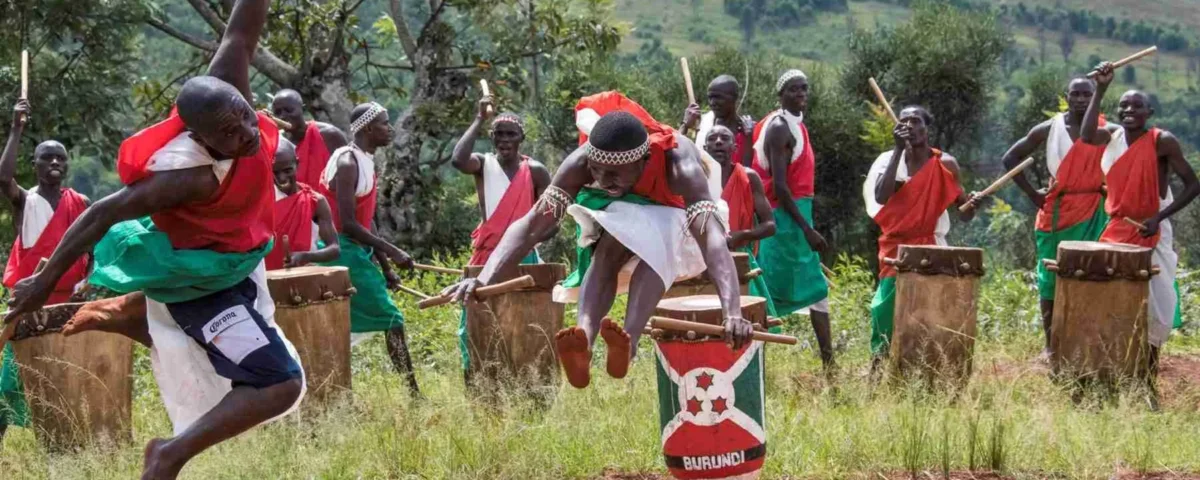
East Africa Safari Including Burundi
An East Africa safari including Burundi offers an exciting opportunity to explore some of Africa’s most beautiful landscapes, wildlife destinations, national parks, lakes, mountains, and cultural experiences in one unforgettable journey. By combining Burundi with Uganda, Rwanda, Kenya, or Tanzania, travellers can discover a different side of East Africa while enjoying classic African wildlife safaris, mountain gorilla trekking, chimpanzee tracking, traditional cultural encounters, and relaxing experiences along scenic lakeshores. Moreover, Burundi adds something special to an East African adventure through its welcoming communities, beautiful countryside, traditional drumming, peaceful natural attractions, and rich cultural heritage.
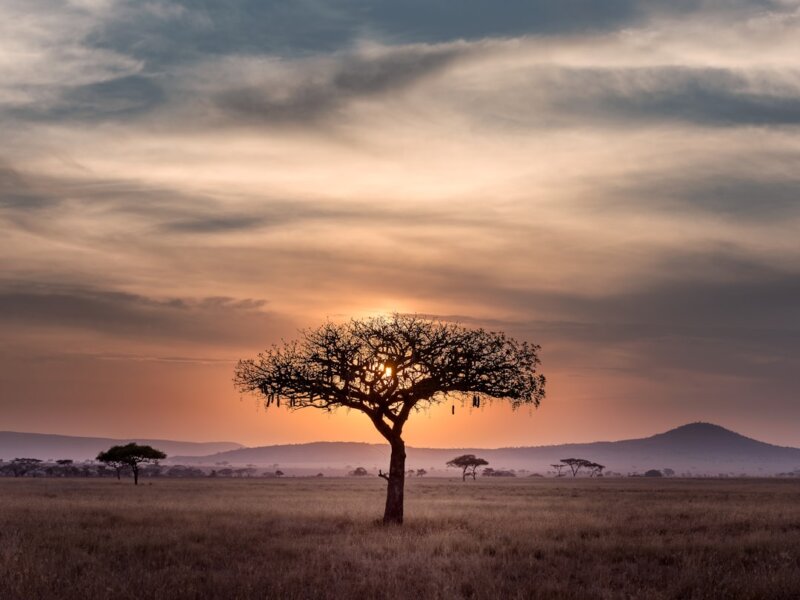
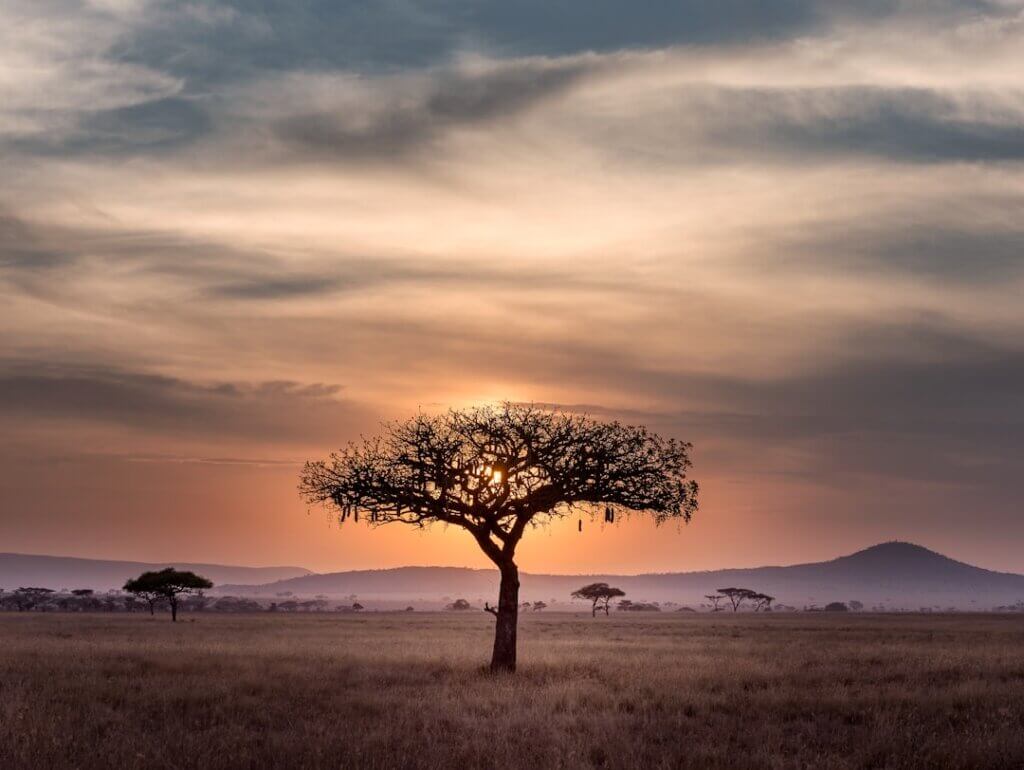
East Africa attracts travellers from around the world because it offers remarkable diversity within a relatively accessible region. From the vast savannah plains of Kenya and Tanzania to the tropical rainforests of Uganda and Rwanda, every destination introduces visitors to different wildlife habitats and travel experiences. Meanwhile, Burundi provides an opportunity to explore a less visited destination where traditional culture, natural beauty, and everyday African life remain central to the travel experience.
An East Africa safari including Burundi suits travellers who want more than a traditional wildlife holiday. It allows visitors to combine famous safari destinations with meaningful cultural experiences, beautiful scenery, and opportunities to discover places that receive fewer international visitors. Whether you dream of seeing mountain gorillas in Uganda, watching elephants in Tanzania, exploring the Maasai Mara in Kenya, or discovering the cultural traditions of Burundi, this regional adventure can bring these experiences together in one carefully planned itinerary.
Why Choose an East Africa Safari Including Burundi?
Choosing an East Africa safari including Burundi allows travellers to experience several different countries without limiting their holiday to one destination. Each country offers its own attractions, landscapes, wildlife experiences, cultural traditions, and travel opportunities. Therefore, combining Burundi with other East African destinations creates a more diverse holiday that appeals to travellers who want to understand the region beyond its famous national parks.
One of the biggest advantages involves the variety of experiences available. Uganda offers mountain gorilla trekking in Bwindi Impenetrable National Park, chimpanzee tracking in Kibale Forest, and wildlife safaris in Queen Elizabeth and Murchison Falls National Parks. Rwanda provides gorilla trekking in Volcanoes National Park, beautiful countryside, and cultural attractions around Kigali. Kenya and Tanzania offer some of Africa’s most recognised savannah wildlife experiences, including the Great Migration, large elephant herds, lions, leopards, and spectacular landscapes.
Burundi complements these experiences through its traditional culture, scenic Lake Tanganyika, Rusizi National Park, Karera Waterfalls, and the famous Gishora Drum Sanctuary. Furthermore, visitors can explore local markets, historic sites, rolling hills, and communities that maintain strong cultural traditions.
Another advantage comes from the opportunity to experience different African environments during one holiday. Travellers can move from tropical rainforests to open grasslands, from mountain landscapes to lakeshores, and from busy regional cities to quiet rural communities. Consequently, the journey becomes more than a wildlife safari. It becomes a broader exploration of East African nature, culture, history, and everyday life.
Countries to Include in Your East Africa Safari
An East Africa safari including Burundi can cover different countries depending on your interests, available holiday time, travel budget, and preferred activities. Although travellers can combine several destinations, choosing countries that connect naturally helps create a comfortable and enjoyable journey.
Uganda makes an excellent starting point for travellers interested in gorilla trekking, chimpanzees, wildlife safaris, and scenic landscapes. Burundi adds cultural exploration, waterfalls, lakes, and traditional experiences. Rwanda offers another opportunity to discover mountain gorillas and the country’s remarkable natural attractions. Meanwhile, Kenya and Tanzania provide outstanding opportunities for classic African wildlife viewing.
The best combination depends on what you want to experience. For example, travellers interested in primates can prioritise Uganda and Rwanda before continuing to Burundi. Those who want a broader wildlife experience can combine Burundi with Kenya or Tanzania. Alternatively, visitors with more time can explore Uganda, Rwanda, Burundi, Kenya, and Tanzania in one extended East African holiday.
However, travellers should avoid adding too many destinations simply to increase the number of countries visited. Each border crossing, domestic transfer, flight, and accommodation change requires time. Therefore, a well-designed itinerary should balance travel distances with meaningful activities.
The following countries offer excellent possibilities for a regional safari.
Burundi: Discover East Africa’s Hidden Cultural and Natural Treasures
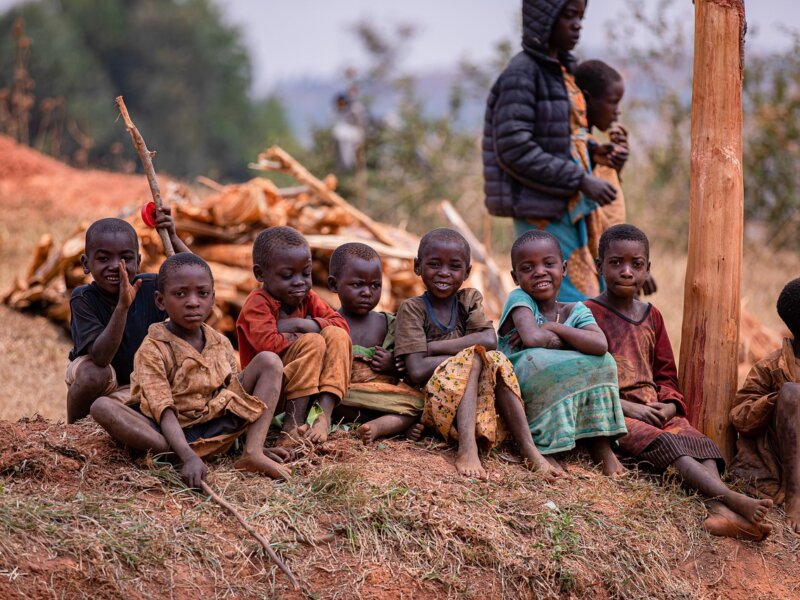
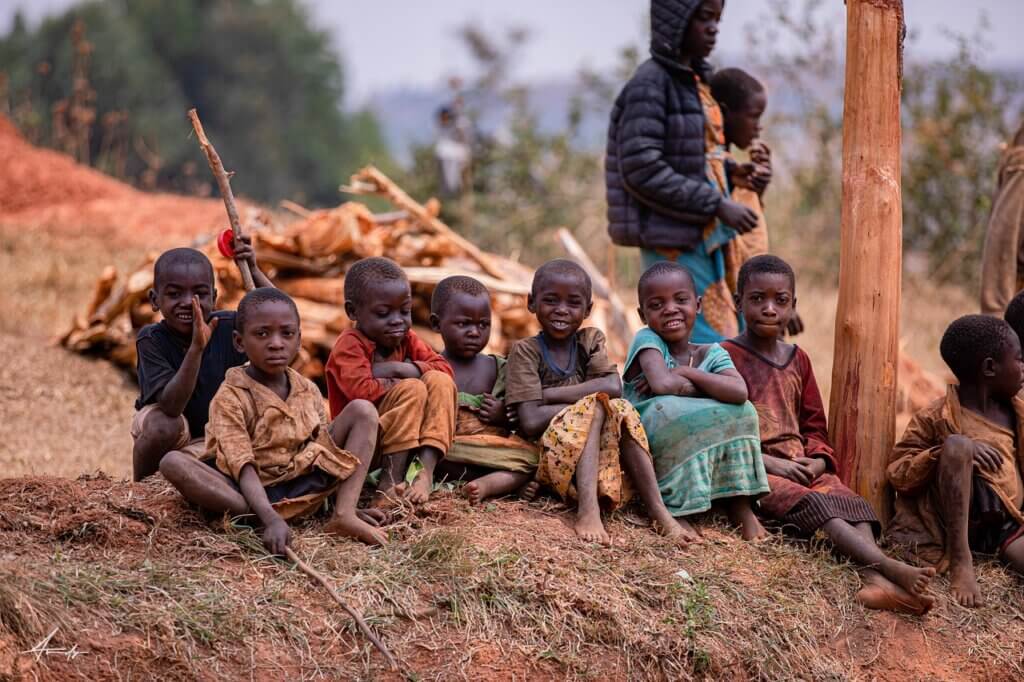
Burundi brings a distinctive character to an East Africa safari because it combines beautiful natural scenery with deep cultural traditions and a relaxed atmosphere. Although the country receives fewer international safari visitors than its neighbours, it offers rewarding experiences for travellers who want to explore a different side of Africa.
One of Burundi’s greatest attractions is Lake Tanganyika, one of the world’s deepest and oldest freshwater lakes. Its beautiful shoreline provides opportunities for relaxation, photography, boat excursions, and enjoying the surrounding scenery. Visitors can spend time around Bujumbura, explore lakeside communities, and appreciate the relationship between local life and the lake.
Burundi also offers impressive waterfalls, rolling hills, forests, and cultural attractions. Karera Waterfalls stands among the country’s beautiful natural sites, with several cascades surrounded by green vegetation. The area provides an excellent opportunity for nature lovers to explore Burundi’s countryside and enjoy a different landscape from the open savannah parks of Kenya and Tanzania.
Culture remains another important reason to visit Burundi. The country has a strong drumming tradition, traditional dances, local crafts, and welcoming communities. Visitors can explore Gishora Drum Sanctuary near Gitega, where traditional drumming represents an important part of Burundi’s cultural identity.
Uganda: Mountain Gorillas, Chimpanzees and Classic Wildlife Safaris
Uganda is one of the most rewarding destinations to include in an East Africa safari because it combines exceptional primate experiences with traditional wildlife safaris, beautiful lakes, mountains, and rich cultural encounters. Often called the Pearl of Africa, Uganda offers travellers a remarkable range of activities across its national parks and natural attractions.
Mountain gorilla trekking remains one of Uganda’s most popular tourism experiences. Bwindi Impenetrable National Park protects a significant population of endangered mountain gorillas and offers visitors an opportunity to observe habituated gorilla families in their natural forest environment. Mgahinga Gorilla National Park provides another opportunity to encounter these remarkable primates while exploring the Virunga Mountains.
Uganda also offers excellent chimpanzee tracking. Kibale National Park is particularly famous for its chimpanzee population and tropical rainforest environment. Visitors can explore the forest with experienced guides while learning about primate behaviour, forest ecology, and conservation.
For classic wildlife safaris, Queen Elizabeth National Park provides game drives, boat cruises along the Kazinga Channel, and opportunities to see elephants, buffaloes, hippos, crocodiles, and several antelope species. Murchison Falls National Park combines savannah wildlife with the spectacular Murchison Falls, where the Nile passes through a narrow gorge before plunging downstream.
Rwanda: Gorilla Trekking and Beautiful Mountain Landscapes
Rwanda offers an excellent addition to an East Africa safari including Burundi, especially for travellers interested in mountain gorillas, scenic mountain landscapes, and cultural experiences. The country has developed a strong tourism sector and offers well-organised travel experiences across its national parks and major attractions.
Volcanoes National Park is Rwanda’s most famous wildlife destination. Located in the Virunga Mountains, the park protects mountain gorillas within a beautiful landscape of volcanic slopes, bamboo forests, and montane vegetation. Gorilla trekking gives visitors an opportunity to spend time observing a habituated gorilla family under the guidance of trained park rangers.
Besides gorilla trekking, visitors can explore Nyungwe National Park, which protects an extensive tropical rainforest. The park offers chimpanzee tracking, forest walks, birdwatching, and the popular canopy walkway. Akagera National Park provides a different experience through its savannah landscapes, lakes, wetlands, and wildlife populations, including elephants, lions, giraffes, buffaloes, and rhinos.
Kigali also deserves attention during a regional journey. The city offers modern facilities, cultural attractions, markets, restaurants, and the Kigali Genocide Memorial, which provides an important opportunity to understand Rwanda’s history.
Rwanda and Burundi work well together because of their geographical proximity and shared regional connections. Travellers can explore Kigali before continuing south towards Burundi. However, they should allow enough time for road transfers and border procedures.
Kenya: Experience the Famous African Savannah
Kenya is an excellent destination for travellers who want to experience traditional African wildlife safaris. Its national parks and conservation areas protect impressive wildlife populations, beautiful landscapes, and some of the continent’s most famous safari destinations.
The Maasai Mara National Reserve remains one of Kenya’s leading attractions. The reserve supports lions, elephants, leopards, cheetahs, buffaloes, giraffes, zebras, and many other wildlife species. It also forms part of the wider Serengeti and Maasai Mara ecosystem, where millions of wildebeest and other grazing animals move in search of fresh grass and water.
The Great Migration attracts particular interest from international visitors. During suitable periods, travellers can witness large herds moving across the grasslands and crossing rivers as they follow seasonal grazing patterns. However, migration movements depend on rainfall and changing environmental conditions, so exact crossing dates cannot be guaranteed.
Amboseli National Park offers another memorable experience, particularly for its large elephant herds and impressive views of Mount Kilimanjaro. Meanwhile, Lake Nakuru National Park provides opportunities to see rhinos, giraffes, buffaloes, and numerous bird species.
Kenya also offers cultural experiences through visits to Maasai communities, where travellers can learn about traditional lifestyles, crafts, music, and community heritage through respectful and locally organised activities.
When combined with Burundi, Kenya provides a strong contrast between classic savannah wildlife viewing and cultural exploration. Travellers can enjoy game drives in famous wildlife reserves before discovering Burundi’s lakes, waterfalls, hills, and traditional drumming.
Tanzania: Explore the Serengeti, Ngorongoro and Beyond
Tanzania offers some of the finest wildlife safari experiences in East Africa. Its large protected areas, diverse habitats, and impressive wildlife populations make it an ideal destination for travellers who want to explore the African wilderness.
Serengeti National Park stands among Tanzania’s most famous attractions. Its extensive grasslands support lions, leopards, cheetahs, elephants, giraffes, zebras, wildebeest, and numerous other animals. The park also forms a major part of the Great Migration ecosystem, making it particularly attractive to travellers who want to experience large wildlife movements.
The Ngorongoro Conservation Area provides another remarkable safari experience. Its famous crater contains grasslands, forests, wetlands, and water sources that support a wide variety of wildlife. Visitors can enjoy game drives while exploring one of Tanzania’s most distinctive natural landscapes.
Tarangire National Park is particularly famous for its elephants and impressive baobab trees. During suitable seasons, large numbers of elephants gather around its rivers and water sources. Lake Manyara National Park offers forest habitats, birdwatching opportunities, and scenic views of the Great Rift Valley.
Beyond wildlife, Tanzania offers cultural attractions and beautiful coastal destinations. Visitors can learn about local traditions, explore traditional markets, and extend their holiday to Zanzibar for beach relaxation.
Combining Tanzania with Burundi offers a varied regional adventure. Travellers can begin with wildlife viewing in the northern safari circuit before continuing towards Burundi for cultural activities, Lake Tanganyika, and natural attractions.
Best Attractions to Include in an East Africa Safari Including Burundi
The attractions you choose will determine the character of your safari. Since East Africa offers an extensive range of wildlife, cultural, historical, and natural experiences, it helps to identify the places that match your interests before planning the complete journey.
Burundi deserves sufficient time because its attractions extend beyond its capital and lakeshore. Similarly, Uganda, Rwanda, Kenya, and Tanzania each have destinations that require several days to explore properly.
A well-planned itinerary should include a combination of major highlights and less visited attractions. This approach gives travellers a broader understanding of East Africa while preventing the holiday from becoming a rushed sequence of transfers.
Some of the most rewarding attractions include the following.
Lake Tanganyika in Burundi
Lake Tanganyika is one of Burundi’s most important natural attractions and a wonderful place to include in an East African holiday. The lake stretches across several countries and supports a rich freshwater ecosystem, beautiful shoreline scenery, and communities whose daily activities depend on its waters.
Visitors can enjoy lakeside relaxation, photography, boat excursions, and opportunities to experience local life around the shoreline. The surrounding landscape creates a beautiful setting for travellers who want a break from long wildlife game drives and mountain trekking.
Near Bujumbura, visitors can explore lakeside areas, enjoy local food, and appreciate the lake’s importance to Burundi’s economy and culture. Depending on the season and local arrangements, travellers may also enjoy fishing experiences or boat trips.
Lake Tanganyika offers a different experience from East Africa’s famous safari destinations. Instead of watching wildlife across open grasslands, visitors can spend time beside a vast freshwater lake surrounded by hills and settlements.
The lake also provides opportunities for birdwatching and nature photography. Its surrounding habitats support different bird species and aquatic life, making the area interesting for travellers who appreciate natural environments.
When planning an East Africa safari including Burundi, allocating at least one or two nights around Lake Tanganyika can create a relaxing part of the journey.
Gishora Drum Sanctuary in Burundi
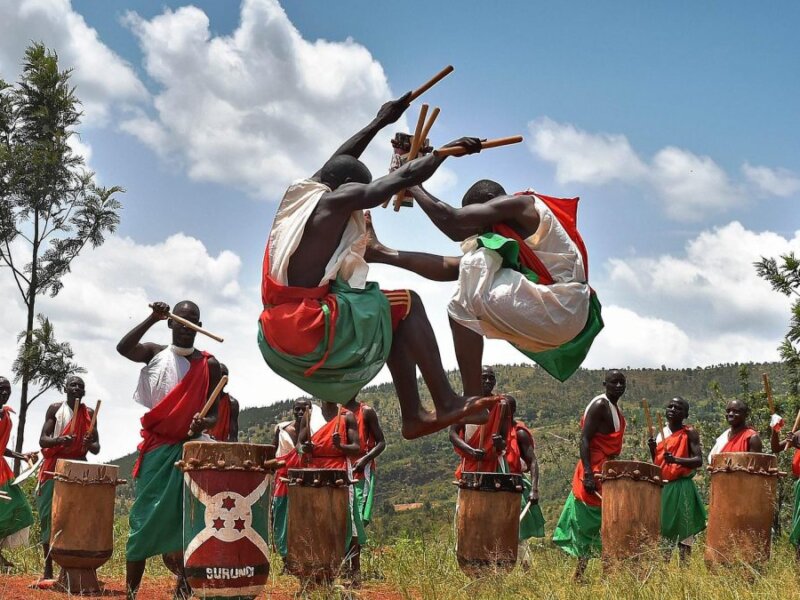
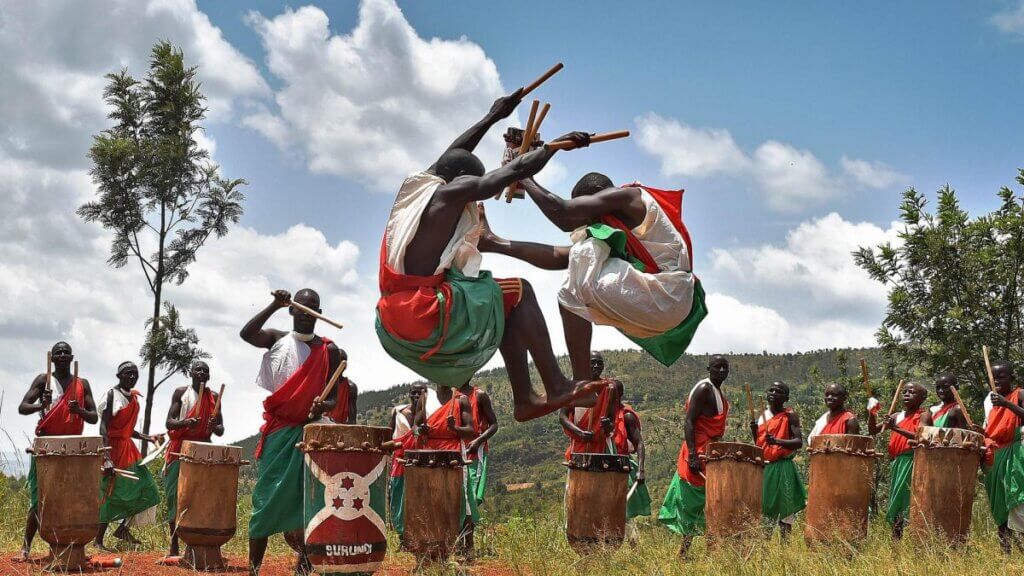
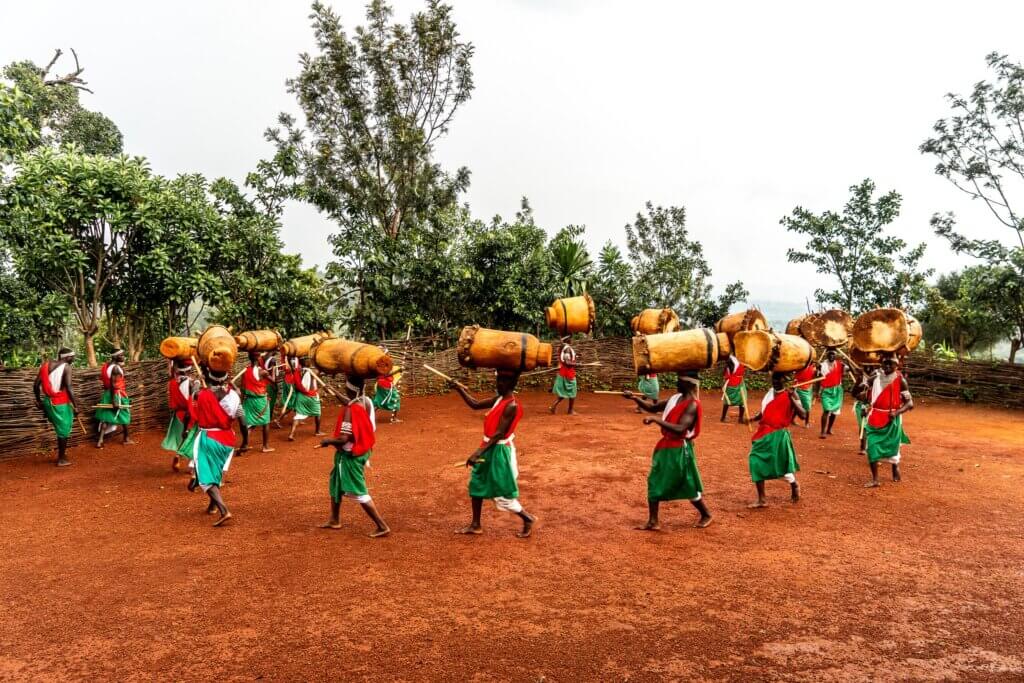
Gishora Drum Sanctuary offers one of the most memorable cultural experiences in Burundi. Located near Gitega, the sanctuary preserves the country’s traditional drumming heritage, which holds an important place in Burundi’s history and cultural identity.
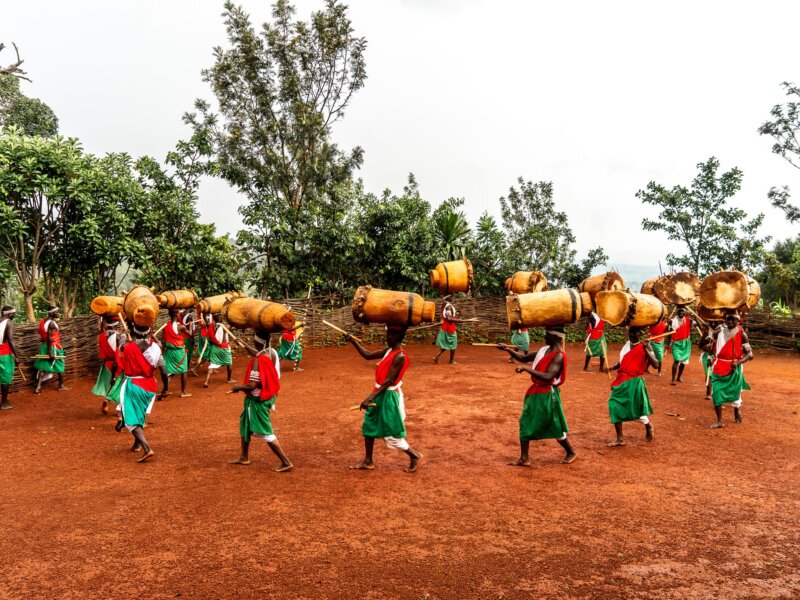
Traditional Burundian drums are more than musical instruments. They represent cultural expression, community identity, celebration, and historical continuity. During a cultural visit, travellers can experience energetic drumming performances, traditional movements, and the impressive coordination of the performers.
The drums have a distinctive appearance and produce powerful rhythms that create an unforgettable atmosphere. Visitors can also learn about the cultural importance of the instruments and their role in traditional ceremonies.
A visit to Gishora provides an opportunity to understand Burundi beyond its natural attractions. It introduces travellers to a cultural tradition that has remained important across generations.
The sanctuary also makes an excellent stop for visitors travelling between Bujumbura and Gitega. Travellers can combine the experience with visits to other cultural and historical attractions in the region.
For international visitors, this experience adds real value to an East African safari. It creates an opportunity to interact with local cultural heritage rather than simply moving between national parks and hotels.
Karera Waterfalls in Burundi
Karera Waterfalls is one of Burundi’s beautiful natural attractions and deserves attention from travellers who enjoy scenic landscapes and outdoor exploration. Located in southeastern Burundi, the waterfalls form part of an attractive natural environment with several cascading sections surrounded by green vegetation.
The sound of flowing water and the surrounding countryside create a peaceful setting for nature lovers. Visitors can explore the area, take photographs, enjoy the scenery, and appreciate the natural beauty of Burundi.
Karera Waterfalls also introduces travellers to a different side of the country. While Lake Tanganyika offers lakeside scenery, Karera presents a more intimate experience involving flowing water, vegetation, and the surrounding rural landscape.
The journey to the waterfalls can also provide opportunities to appreciate Burundi’s rolling hills and countryside. Travellers may encounter local communities, agricultural landscapes, and small settlements along the way.
A visit to Karera Waterfalls works particularly well as part of a wider Burundi tour that includes Gitega, Gishora Drum Sanctuary, and other cultural attractions.
However, visitors should plan their excursions according to local road conditions and weather. Rain can affect travel times, especially on rural roads. A knowledgeable local guide can help make the experience more comfortable and informative.
Bwindi Impenetrable National Park in Uganda
Bwindi Impenetrable National Park is one of Africa’s most important primate destinations and a major reason international travellers choose Uganda. The park protects a large population of endangered mountain gorillas and offers visitors a rare opportunity to observe these remarkable animals in their natural forest habitat.
Gorilla trekking begins with a briefing from Uganda Wildlife Authority rangers. Visitors then enter the forest with trained guides and trackers who help locate the assigned gorilla family. The duration of the trek depends on the family’s movements, the terrain, and the conditions within the forest.
Once visitors find the gorillas, they can spend one hour observing the family under the park’s conservation guidelines. During this experience, travellers may see adult gorillas feeding, young gorillas playing, and family members interacting within their natural environment.
Bwindi has several trekking sectors, including Buhoma, Ruhija, Rushaga, and Nkuringo. Each sector offers different accommodation options and trekking routes. Therefore, travellers should select accommodation based on their permit allocation and the specific trekking sector.
Beyond gorilla trekking, visitors can explore community experiences, birdwatching opportunities, forest walks, and Batwa cultural activities.
For travellers planning an East Africa safari including Burundi, Bwindi provides an excellent wildlife highlight that balances the cultural attractions of Burundi with one of Africa’s most remarkable primate encounters.
Kibale National Park in Uganda
Kibale National Park is one of Uganda’s leading destinations for chimpanzee tracking and tropical rainforest exploration. The park protects a rich forest ecosystem that supports several primate species, forest birds, butterflies, and other wildlife.
Chimpanzee tracking provides an opportunity to observe our closest living relatives in their natural environment. Visitors walk through the forest with experienced guides who explain chimpanzee behaviour, feeding patterns, communication, and social relationships.
The experience differs from gorilla trekking because chimpanzees move quickly through the forest and often travel between feeding areas. Visitors may see them feeding, calling, grooming, resting, or moving through the trees.
Kibale also offers the chimpanzee habituation experience, which allows visitors to spend a longer period with chimpanzee communities undergoing habituation. Availability and applicable rules should be confirmed before travel.
Another attraction is Bigodi Wetland Sanctuary, which offers guided nature walks and excellent opportunities for birdwatching. The wetland supports different bird species, primates, and other wildlife.
Kibale works particularly well with Bwindi and Queen Elizabeth National Park in a Uganda safari itinerary. Travellers can enjoy chimpanzee tracking, mountain gorilla trekking, and traditional wildlife viewing before continuing towards Rwanda or Burundi.
Queen Elizabeth National Park in Uganda
Queen Elizabeth National Park offers a classic Uganda safari experience through its extensive savannah landscapes, wetlands, crater lakes, forests, and wildlife-rich areas. The park provides opportunities to enjoy game drives, boat cruises, birdwatching, and cultural encounters.
The Kazinga Channel is one of the park’s most popular attractions. This natural waterway connects Lake Edward and Lake George and supports large concentrations of hippos, crocodiles, elephants, buffaloes, and waterbirds.
A boat cruise along the channel gives visitors an excellent opportunity to observe wildlife from the water. Animals often gather along the banks to drink, feed, or rest, creating rewarding photography opportunities.
Game drives in the Kasenyi Plains offer opportunities to search for lions, elephants, Uganda kobs, buffaloes, and other wildlife. The Ishasha sector is famous for its tree climbing lions, although sightings depend on natural animal behaviour and cannot be guaranteed.
Visitors can also explore the crater lakes, enjoy scenic drives, and learn about local communities around the park.
Queen Elizabeth National Park adds an important wildlife component to an East Africa safari including Burundi. It creates an opportunity to experience Uganda’s diverse savannah ecosystems before continuing towards other regional destinations.
Maasai Mara National Reserve in Kenya
The Maasai Mara National Reserve offers one of Africa’s most celebrated wildlife safari experiences. Its open grasslands, seasonal rivers, and diverse wildlife populations create excellent opportunities for game viewing throughout the year.
Visitors can enjoy morning and afternoon game drives in search of lions, leopards, elephants, buffaloes, cheetahs, giraffes, zebras, and several antelope species. The reserve also supports numerous bird species, making it attractive to wildlife photographers and birdwatchers.
The Great Migration brings additional excitement during the seasonal movement of wildebeest and zebras between Tanzania’s Serengeti ecosystem and Kenya’s Maasai Mara. During suitable periods, visitors may witness large herds crossing the plains or attempting river crossings.
However, migration timing depends on rainfall, grazing conditions, and natural animal movements. Therefore, travellers should avoid planning their entire holiday around a guaranteed river crossing.
Cultural experiences with Maasai communities can also add value to a visit. Through responsible local arrangements, travellers can learn about traditional livelihoods, cultural practices, crafts, and community life.
The Maasai Mara combines naturally with Tanzania’s Serengeti and can also form part of a longer regional itinerary that includes Burundi.
Serengeti National Park in Tanzania
Serengeti National Park is one of Tanzania’s most famous safari destinations and an essential attraction for travellers interested in African wildlife. Its vast grasslands, woodlands, rivers, and seasonal water sources support an impressive variety of animals.
The park is particularly famous for its lion population and the annual movement of wildebeest and zebras across the Serengeti ecosystem. Visitors can also search for elephants, leopards, cheetahs, giraffes, hyenas, buffaloes, and numerous grazing animals.
One of the best ways to explore the Serengeti is through guided game drives. Professional safari guides use their knowledge of animal behaviour, seasonal movements, and local conditions to help visitors find wildlife.
The Serengeti offers different experiences throughout the year. The southern plains, central regions, western corridor, and northern areas attract wildlife at different times depending on rainfall and grazing conditions.
Consequently, choosing the right accommodation location and travel dates can make a significant difference to the safari experience.
For travellers combining Tanzania with Burundi, the Serengeti provides a spectacular wildlife experience before continuing towards Burundi’s cultural and natural attractions.
Best Time to Plan an East Africa Safari Including Burundi
The best time to plan an East Africa safari including Burundi depends on the countries you want to visit, the activities you wish to enjoy, and the weather conditions across the region. East Africa generally offers year round travel opportunities. However, certain months provide better conditions for particular experiences, especially gorilla trekking, wildlife viewing, hiking, and cultural excursions.
Uganda and Rwanda experience two main relatively dry seasons. The first generally runs from June to September, while the second occurs from December to February. These periods often provide favourable conditions for gorilla trekking and chimpanzee tracking because forest trails can become easier to navigate. Nevertheless, rain can occur at any time in tropical rainforest environments.
Kenya and Tanzania also have seasonal wildlife patterns that influence safari planning. The Great Migration moves across the Serengeti and Maasai Mara ecosystems throughout the year. Therefore, travellers should select their safari locations according to the expected migration areas rather than assuming that every destination offers river crossings throughout the migration season.
Burundi offers opportunities for travel throughout the year. However, the dry months generally make road travel and outdoor excursions more comfortable. June to September and December to February are often useful periods to consider, although local weather conditions can vary.
Travellers should also consider their preferred accommodation, availability of gorilla permits, international flights, and regional transport arrangements. Booking early becomes particularly important during popular safari months because accommodation and gorilla trekking permits can become limited.
Ultimately, a carefully selected travel period helps visitors enjoy the different attractions without unnecessary weather related difficulties.
How Many Days Do You Need for an East Africa Safari Including Burundi?
The number of days required for an East Africa safari including Burundi depends on how many countries you want to visit and how much time you wish to spend at each attraction. A short regional holiday can cover Burundi and Uganda, while a longer adventure can include Rwanda, Kenya, and Tanzania.
A 7 to 10 day safari can provide a good introduction to Burundi and Uganda. Visitors can explore Burundi’s cultural attractions, enjoy Lake Tanganyika, and continue to Uganda for wildlife viewing or gorilla trekking. However, this duration requires careful planning to avoid spending too much time travelling.
A 12 to 15 day safari offers more flexibility. Travellers can explore Burundi, Rwanda, and Uganda while including attractions such as Gishora Drum Sanctuary, Lake Tanganyika, Volcanoes National Park, Bwindi Impenetrable National Park, and Queen Elizabeth National Park.
For visitors who want to include Kenya or Tanzania, 16 to 21 days or more can provide a more comfortable experience. This allows enough time for wildlife safaris, cultural excursions, and regional transfers.
An extended 25 to 30 day journey can include all five countries. Travellers can experience Uganda’s primates, Rwanda’s mountain scenery, Burundi’s cultural heritage, Kenya’s savannah wildlife, and Tanzania’s famous national parks.
However, the number of days should reflect the quality of the experience rather than the number of countries visited. Spending two meaningful days in one destination can be more rewarding than rushing through several attractions without enough time to enjoy them.
Wildlife Experiences on an East Africa Safari Including Burundi
Wildlife viewing remains one of the strongest reasons to visit East Africa. The region contains several important ecosystems that support an impressive variety of mammals, birds, reptiles, and other wildlife.
Uganda, Rwanda, Kenya, and Tanzania offer particularly rewarding wildlife experiences. Each destination protects different habitats and provides opportunities to observe animals in their natural environments.
Mountain gorillas remain a major highlight in Uganda and Rwanda. These endangered primates live in tropical mountain forests and depend on protected habitats for survival. Gorilla trekking gives visitors an opportunity to learn about their behaviour while supporting conservation through responsible tourism.
Chimpanzees offer another remarkable primate experience. Kibale National Park in Uganda and Nyungwe National Park in Rwanda provide opportunities to explore tropical forests and observe wild chimpanzee communities.
For traditional savannah safaris, Kenya and Tanzania offer excellent wildlife viewing. Visitors can search for lions, leopards, elephants, buffaloes, cheetahs, giraffes, zebras, and many antelope species.
Uganda also offers outstanding wildlife experiences in Queen Elizabeth and Murchison Falls National Parks. Visitors can enjoy game drives, boat cruises, and guided nature activities.
Burundi provides a different natural experience through its lakes, wetlands, forests, and river environments. Although it does not offer the same large scale savannah safari experience as Kenya and Tanzania, it adds valuable nature exploration and cultural diversity to a regional holiday.
Importantly, wildlife sightings depend on natural conditions. Responsible safari operators should never guarantee sightings of particular animals. Instead, experienced guides use their knowledge of local habitats and animal behaviour to improve viewing opportunities.
Cultural Experiences Across East Africa
Culture forms an important part of an East Africa safari including Burundi. Beyond wildlife, the region offers traditional music, dance, food, crafts, community activities, historical sites, and different ways of life.
Burundi provides a particularly valuable cultural experience through its traditional drumming heritage. Visitors can explore Gishora Drum Sanctuary and learn about the significance of traditional performances. They can also discover local crafts, markets, food, and community traditions.
Uganda offers cultural experiences through its many communities. Travellers can visit the Batwa communities around Bwindi and Mgahinga through responsible cultural tourism arrangements. These experiences introduce visitors to aspects of Batwa heritage, forest knowledge, traditional practices, and contemporary community life.
Kenya provides opportunities to learn about Maasai culture. Visitors can explore traditional homesteads through locally organised experiences and learn about pastoral traditions, crafts, music, and community activities.
Tanzania offers cultural encounters with communities such as the Maasai and other local groups. Travellers can also explore historic towns, local markets, and traditional food experiences.
Rwanda provides opportunities to discover traditional dance, crafts, local cuisine, and the country’s history through museums and cultural attractions.
However, cultural tourism should always respect local communities. Visitors should seek permission before taking photographs, support genuine locally managed experiences, and avoid activities that exploit cultural traditions.
These encounters make a regional safari more meaningful because they help travellers understand the people, history, and traditions behind the destinations they visit.
Getting Around During an East Africa Safari Including Burundi
Transport plays an important role when planning a multi country East African safari. Since the region includes different countries, road networks, airports, and border crossings, travellers should choose transport arrangements that match their itinerary.
Private road transfers work well for journeys between nearby destinations. For example, travellers can explore Burundi and Rwanda through regional road connections, while Uganda’s national parks are often best explored using a dedicated safari vehicle.
A private 4×4 safari vehicle provides comfort and flexibility on many rural roads. It also allows visitors to stop for photography, scenic views, cultural attractions, and refreshments along the way.
Domestic and regional flights can save time when travelling between distant destinations. For example, travellers can fly between East African cities before continuing with private safari transfers. This approach works particularly well for itineraries that combine Uganda with Kenya and Tanzania.
However, flights require careful planning. Travellers should confirm baggage allowances, airport transfer arrangements, departure schedules, and connections between international and domestic services.
Border crossings also require attention. Visitors should carry valid passports, confirm visa requirements, and allow sufficient time for immigration procedures. Border operating hours and entry requirements can change, so travellers should verify current information before departure.
An experienced regional tour operator can coordinate transport, accommodation, park activities, and border arrangements. This reduces unnecessary complications and helps visitors enjoy their holiday with greater confidence.
Accommodation Options for an East Africa Safari Including Burundi
Accommodation contributes significantly to the comfort and overall quality of an East African safari. Fortunately, the region offers different options for travellers with varying budgets, interests, and accommodation preferences.
Burundi offers hotels, guesthouses, boutique properties, and lakeside accommodation, particularly around Bujumbura. Visitors can choose properties that provide easy access to Lake Tanganyika, restaurants, cultural attractions, and transport connections. Around Gitega and other countryside destinations, travellers can find accommodation suitable for exploring cultural and natural attractions.
Uganda provides a broad range of safari accommodation. Near Bwindi Impenetrable National Park, visitors can choose luxury lodges, midrange safari lodges, and budget guesthouses. Some properties offer beautiful forest views, comfortable rooms, restaurants, and convenient access to gorilla trekking sectors. Around Queen Elizabeth National Park, accommodation ranges from luxury safari lodges overlooking the savannah to comfortable midrange properties and affordable camps.
Rwanda offers high end lodges around Volcanoes National Park, alongside comfortable hotels and guesthouses in Kigali and other destinations. Kenya and Tanzania provide an extensive selection of safari camps and lodges, including luxury tented camps, boutique safari properties, and budget accommodation.
When selecting accommodation, travellers should consider its location, available facilities, meal arrangements, accessibility, and distance from the planned activities. For example, gorilla trekking accommodation should match the allocated trekking sector to reduce unnecessary early morning transfers.
A reliable tour operator can recommend suitable accommodation based on the travel budget and itinerary. This helps visitors enjoy comfortable stays without spending more than necessary.
How Much Does an East Africa Safari Including Burundi Cost?
The cost of an East Africa safari including Burundi depends on several factors, including the number of countries visited, travel duration, accommodation category, transport arrangements, activities, and season.
A short Burundi and Uganda safari generally costs less than an extended journey covering five countries. However, the final price also depends on the number of travellers sharing transport and accommodation.
Gorilla trekking permits represent an important part of the budget for visitors travelling to Uganda or Rwanda. Uganda and Rwanda have different permit prices and regulations. Therefore, travellers should confirm the applicable rates with the relevant wildlife authorities or their tour operator before making payments.
Other major expenses include international flights, regional flights, accommodation, meals, park entrance fees, safari vehicle hire, professional driver guides, boat cruises, chimpanzee permits, and cultural excursions.
Travellers can choose between three main accommodation and safari categories.
Budget safaris: These trips use affordable hotels, guesthouses, and practical transport arrangements. They suit travellers who prioritise experiences and want to manage their overall holiday expenses.
Midrange safaris: These offer comfortable lodges, private safari vehicles, good meals, and convenient accommodation locations. They provide a balance between comfort and cost.
Luxury safaris: These focus on premium lodges, exclusive camps, personalised services, private transfers, and carefully selected experiences. They suit travellers who want additional comfort and a more personalised holiday.
The number of travellers also affects the price. Couples, families, and small private groups can share certain transport and guiding expenses, depending on the arrangements.
For an accurate quotation, travellers should request a detailed itinerary that explains what the package includes and excludes. A transparent quotation helps prevent unexpected expenses and allows visitors to compare different safari options fairly.
Visa and Entry Requirements for East African Countries
Travellers planning an East Africa safari including Burundi should understand the entry requirements for every country on their itinerary. Visa policies depend on nationality, passport type, travel purpose, and current immigration regulations.
Burundi, Uganda, Rwanda, Kenya, and Tanzania have their own immigration requirements. Therefore, visitors should not assume that permission to enter one country automatically allows entry into the others.
The East African Tourist Visa provides a useful option for eligible international visitors who want to visit Kenya, Rwanda, and Uganda under the applicable arrangements. However, it does not include Burundi or Tanzania. Visitors planning to include these countries must check their separate entry requirements.
Before departure, travellers should:
- Check passport validity and available blank pages.
- Confirm visa requirements for every destination.
- Review the latest immigration regulations.
- Carry relevant accommodation and onward travel information.
- Check applicable health and vaccination requirements.
- Confirm entry conditions for regional border crossings.
Travellers should also check whether their nationality qualifies for visa exemption or special entry arrangements.
Since immigration regulations can change, checking official government information before travelling remains essential. A professional tour operator can help explain the process and identify the documents needed for the planned journey, although the final responsibility for meeting immigration requirements rests with each traveller.
Health, Safety and Travel Preparation
Good preparation helps travellers enjoy an East Africa safari with greater confidence. Although the region welcomes visitors from around the world, each country has its own health, safety, and travel considerations.
Before departure, travellers should consult a qualified travel health professional about recommended vaccinations, malaria prevention, and other destination specific health precautions. Requirements may differ depending on the countries visited and the traveller’s recent travel history.
Visitors should also check current yellow fever vaccination requirements, particularly when crossing international borders. Carrying an appropriate vaccination certificate can help prevent unnecessary complications during travel.
During gorilla trekking and chimpanzee tracking, visitors must follow park regulations and instructions from trained rangers. These rules protect both tourists and wildlife. Travellers should also respect minimum age requirements, health precautions, and permitted visitor numbers.
For general personal safety, visitors should:
Keep important travel documents secure.
Use reputable transport providers.
Follow guidance from local guides.
Avoid displaying valuable belongings unnecessarily.
Use registered accommodation and tourism services.
Check local travel conditions before long road journeys.
Respect wildlife and maintain appropriate viewing distances.
Travellers should also consider travel insurance that covers the activities included in their itinerary. Some adventure activities may require additional coverage, so checking policy conditions is important.
Finally, visitors should remain flexible. Weather, road conditions, wildlife movements, and flight schedules can affect travel arrangements. A realistic itinerary with sufficient time between activities helps reduce stress and improves the overall experience.
Why Travel with a Professional East Africa Tour Operator?
Planning a multi country safari involves more than selecting attractive destinations. Travellers must coordinate accommodation, park activities, transport, border crossings, permits, guides, and international connections.
A professional East Africa tour operator helps bring these arrangements together into one practical itinerary. This becomes particularly important when combining Burundi with Uganda, Rwanda, Kenya, and Tanzania because each country has different tourism regulations and travel arrangements.
An experienced operator understands the distances between destinations and can recommend realistic travel schedules. For example, travelling from Burundi to southwestern Uganda requires proper route planning, while combining Uganda’s national parks with Kenya’s Maasai Mara may require regional flights.
Professional safari planning also helps travellers choose suitable accommodation. A good operator considers the location of each lodge, the activities scheduled for the following day, and the overall travel budget.
Gorilla trekking requires additional coordination because permits have limited availability and connect to specific trekking sectors. A reliable operator should explain the permit arrangements, payment terms, trekking requirements, and accommodation options before confirming the safari.
Communication also matters. International travellers need clear information about departure times, airport pickups, border crossings, included activities, and possible additional expenses.
At Giant Holiday Safaris, we believe that a successful African safari begins with understanding the traveller’s interests and expectations. Our approach focuses on developing practical East African itineraries that combine wildlife experiences, cultural encounters, comfortable accommodation, and reliable ground transport.
Whether visitors want a short Burundi and Uganda holiday or an extended journey across several East African countries, thoughtful planning helps create a smoother and more rewarding experience.
What to Pack for an East Africa Safari Including Burundi
Packing appropriately makes a significant difference during a multi country East African safari. Since the journey may include tropical forests, open savannahs, mountain environments, lakeshores, and urban destinations, travellers should prepare for different weather conditions and activities.
For gorilla trekking and chimpanzee tracking, comfortable clothing and suitable walking equipment are essential. Forest trails can become muddy, steep, and slippery, particularly during rainy periods.
For traditional game drives in Kenya, Tanzania, and Uganda, lightweight clothing and comfortable footwear work well. Travellers should also carry sun protection because safari activities often take place outdoors.
Useful items include:
Lightweight long sleeved shirts and trousers.
Comfortable walking shoes or hiking boots.
A waterproof jacket.
A sun hat and sunglasses.
Sunscreen and insect repellent.
A small daypack.
A reusable water bottle.
Binoculars for wildlife viewing.
A camera and spare batteries.
Personal medication and basic toiletries.
Travel documents and vaccination certificates where required.
Travellers visiting mountain gorilla habitats should pack gardening gloves or suitable trekking gloves if they prefer additional hand protection while navigating vegetation. A walking stick may also help on difficult forest trails, and local trekking teams can advise on available equipment.
For Burundi’s cultural attractions and lakeside experiences, comfortable casual clothing works well. Visitors should also carry modest clothing suitable for cultural sites and community visits.
Importantly, travellers should check baggage allowances before taking regional flights. Smaller aircraft may have stricter luggage restrictions than international airlines.
Frequently Asked Questions About East Africa Safari Including Burundi
Is Burundi Worth Including in an East Africa Safari?
Yes. Burundi adds valuable cultural and natural experiences to an East African holiday. Visitors can explore Lake Tanganyika, Gishora Drum Sanctuary, Karera Waterfalls, Rusizi National Park, and beautiful countryside. It is particularly suitable for travellers who want to discover destinations beyond the region’s famous wildlife parks.
Which Countries Can I Combine with Burundi?
You can combine Burundi with Uganda, Rwanda, Kenya, and Tanzania. Uganda and Rwanda work particularly well for gorilla trekking and rainforest experiences, while Kenya and Tanzania offer excellent traditional wildlife safaris.
Can I Visit Burundi and Uganda in One Safari?
Yes. Burundi and Uganda make an excellent combination. Visitors can explore Burundi’s cultural attractions and Lake Tanganyika before continuing to Uganda for gorilla trekking, chimpanzee tracking, and wildlife safaris.
How Long Should I Spend in Burundi?
Three to five days can provide a good introduction to Burundi’s major attractions. This allows time to explore Bujumbura, Lake Tanganyika, Gishora Drum Sanctuary, Gitega, and Karera Waterfalls, depending on road conditions and the chosen itinerary.
Can I Go Gorilla Trekking During an East Africa Safari Including Burundi?
Yes. You can include mountain gorilla trekking in Uganda or Rwanda. Uganda offers trekking in Bwindi Impenetrable National Park and Mgahinga Gorilla National Park, while Rwanda offers trekking in Volcanoes National Park. You must arrange permits in advance.
What Is the Best Time to Visit Burundi and Uganda?
June to September and December to February generally provide favourable conditions for many outdoor activities. However, both countries offer year round travel opportunities, and weather conditions can vary.
Is It Possible to Visit All Five East African Countries in One Holiday?
Yes. You can combine Burundi, Uganda, Rwanda, Kenya, and Tanzania in one extended itinerary. However, allowing at least three weeks or more makes the journey more comfortable and provides sufficient time to explore the major attractions.
Can I Combine Burundi with the Great Migration Safari?
Yes. You can combine Burundi with Kenya’s Maasai Mara or Tanzania’s Serengeti National Park. However, you should plan the safari according to seasonal migration movements and allow sufficient time for regional flights and transfers.
Is a Private Safari Better for Visiting Several East African Countries?
A private safari offers flexibility because you can select your accommodation, activities, travel schedule, and preferred destinations. It also makes it easier to adjust the itinerary according to your interests and travel arrangements.
Conclusion: Experience the Best of East Africa on a Safari Including Burundi
An East Africa safari including Burundi offers a wonderful opportunity to discover the region’s wildlife, cultural heritage, natural beauty, and diverse landscapes through one carefully planned holiday. From the traditional drumming of Gishora and the beautiful shores of Lake Tanganyika to mountain gorilla trekking in Uganda and Rwanda, every destination introduces visitors to a different part of East African life. Furthermore, Kenya’s Maasai Mara and Tanzania’s Serengeti provide outstanding opportunities to experience classic African wildlife safaris.
The greatest value of this regional journey comes from its diversity. Travellers can explore tropical rainforests, observe endangered primates, enjoy traditional game drives, visit spectacular waterfalls, discover cultural traditions, and relax beside beautiful lakes. Consequently, the holiday offers much more than ordinary sightseeing.
However, a successful journey requires careful planning. Selecting the right countries, travel dates, accommodation, transport arrangements, and activities helps create a comfortable experience while making the most of your available time. Whether you have one week, two weeks, or an entire month, you can develop an itinerary that matches your interests and budget.
At Giant Holiday Safaris, we are committed to helping international travellers discover the beauty of Africa through thoughtfully organised safari experiences. Our East African safari packages can combine Burundi with Uganda, Rwanda, Kenya, and Tanzania according to your travel preferences.
An East Africa safari including Burundi is an invitation to experience Africa beyond the ordinary, discover remarkable cultures, encounter extraordinary wildlife, and create lasting memories across one of the world’s most fascinating travel regions.