Is golden monkey trekking dangerous?
November 21, 2025
What are silverbacks?
November 21, 2025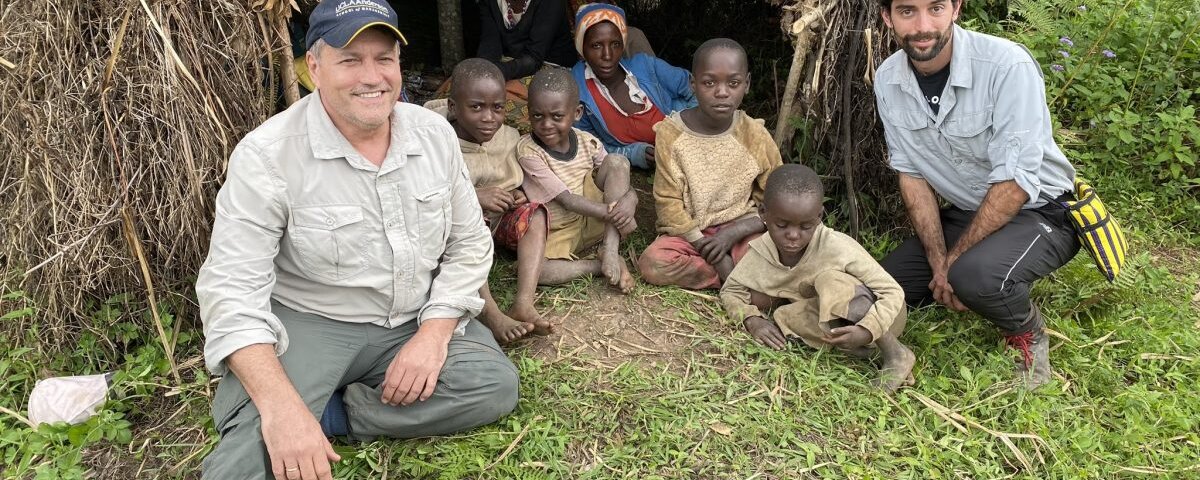
Booking the Batwa and gorilla experience trip in Uganda
The Batwa and gorilla experience trip in Uganda offers a rare adventure that blends culture, wildlife and stunning scenery. This journey lets you connect with nature while discovering the deep heritage of the Batwa people, often called the “keepers of the forest.” As one of Uganda’s oldest indigenous communities, the Batwa hold remarkable knowledge of the Bwindi Impenetrable Forest. During your visit, you can learn about their traditions, listen to engaging stories, explore their use of medicinal plants and enjoy vibrant cultural dances. Each encounter provides meaningful insight into a disappearing way of life.
Your adventure continues with a trek to see mountain gorillas in Bwindi Impenetrable National Park, home to almost half of the world’s remaining gorilla population. With guidance from skilled trackers, you will hike through thick forest and experience the unforgettable moment of watching gorillas in their natural home.
Booking this experience is easy through trusted operators like Giant Holiday Safaris or directly with the Uganda Wildlife Authority.
The Batwa community has faced immense challenges over the years. Once forest-dwelling hunter-gatherers, many Batwa were displaced from their ancestral lands during the creation of national parks and due to widespread deforestation. Losing access to the forest deeply affected their culture, identity and livelihoods. Many now live in poverty, often facing limited opportunities, discrimination and inadequate access to basic services. Several organizations continue working to support land rights, cultural preservation and improved living conditions for the Batwa. Still, long-term progress requires strong cooperation among government bodies, NGOs and local communities.
How to organize a Batwa and gorilla experience trip in Uganda
Planning a Batwa and gorilla experience trip is an extraordinary opportunity to explore the cultural richness of the Batwa people and the breathtaking natural habitat of mountain gorillas. To ensure your trip is both seamless and memorable, careful organization is essential. Our article below is a guide to help you plan this unique adventure.
Research your destination
The Batwa people are indigenous to regions in Uganda, Rwanda and the Democratic Republic of Congo. Mountain gorillas are found in Bwindi Impenetrable National Park in Uganda, Volcanoes National Park in Rwanda and Virunga National Park in DRC. Research each destination to determine which aligns best with your interests, budget and travel preferences.
Secure necessary gorilla permits
Gorilla trekking requires permits which are limited in number to protect the species and their habitat. In Uganda, gorilla permits cost approximately $700 while in Rwanda they are $1,500. Book these permits well in advance through national park authorities or licensed tour operators like Giant Holiday Safaris. If you plan to visit the Batwa community, confirm whether additional permits or arrangements are needed.
Choose a reputable tour operator
Working with an experienced tour operator like Giant Holiday Safaris can simplify logistics and enhance your Batwa and gorilla experience. Look for operators specializing in cultural and wildlife tours, ensuring they have ethical practices and contribute to local communities. They can arrange guides, transportation, accommodations and gorilla permits on your behalf.
Plan your itinerary
A well-organized itinerary should balance cultural immersion with wildlife exploration. For example, Day 1-2: Arrive at your destination and visit a Batwa community to learn about their traditions, music, dances and forest survival skills. Day 3-4: Embark on a gorilla trekking adventure. Day 5: Include optional activities such as birdwatching, nature walks or exploring local markets before departure.
Pack appropriately
For a successful Batwa and gorilla experience trip in Uganda, pack essentials such as sturdy hiking boots, waterproof clothing, insect repellent, sunscreen, gloves and a good camera. A small backpack for carrying water and snacks during treks is also recommended.
Respect local cultures and wildlife
When visiting the Batwa community, approach them with respect and an open mind. Avoid intrusive behavior or taking photos without permission. During gorilla trekking, follow your guide’s instructions to ensure safety and minimize disturbance to the animals.
Consider sustainability
Support eco-friendly accommodations and initiatives that benefit local communities. Many lodges near national parks are committed to conservation efforts and sustainable tourism practices.
Prepare for health and safety
Consult your doctor about vaccinations and medications required for travel to the region. Carry travel insurance that covers trekking activities. Additionally, familiarize yourself with safety protocols for both cultural visits and wildlife encounters.
How much is the gorilla permit?
The cost of a gorilla permit varies depending on the country and the specific national park or conservation area where the trekking experience takes place. In Uganda, a gorilla permit for Bwindi Impenetrable National Park or Mgahinga Gorilla National Park is priced at $700 per person for international visitors. In Rwanda, the price is higher with a permit for Volcanoes National Park costing $1,500 per person. Whereas, in the Democratic Republic of Congo, permits for Virunga National Park are more affordable typically priced at $400 per person.
Other activities to combine with the Batwa and gorilla experience trip
When planning a trip to experience the Batwa culture and gorilla trekking, there are several complementary activities that can enhance your journey and provide a more comprehensive understanding of the region’s cultural and natural richness. Below are some suggested activities that you can combine with your Batwa and gorilla experience.
Nature walks and forest hikes
The forests surrounding the gorilla trekking areas such as Bwindi Impenetrable National Park offer incredible opportunities for guided nature walks. These hikes allow you to explore the biodiversity of the region including unique plant species, birds and other wildlife. A guided forest walk can also provide insights into the medicinal plants and traditional uses of the forest by local communities.
Bird watching
For bird enthusiasts, the region is a haven for spotting rare and fascinating bird species. With over 350 bird species recorded in Bwindi Impenetrable National Park alone including the African green broadbill and the Shelley’s crimsonwing, bird watching can be a rewarding addition to your itinerary. Guided birding tours are available through Giant Holiday Safaris to help you identify species and understand their habitats.
Cultural tours with local communities
In addition to the Batwa experience, you can visit other local communities to learn about their traditions, crafts and daily lives. Many villages offer interactive cultural tours where you can participate in activities such as basket weaving, traditional cooking or even learning local dances. These experiences not only enrich your trip but also support community-based tourism initiatives.
Canoeing or boat Rides
If your trip takes you near Lake Bunyonyi or other nearby water bodies, consider adding a canoeing or boat ride to your itinerary. Lake Bunyonyi, often referred to as the place of many little birds is a serene destination surrounded by terraced hills and dotted with small islands. A boat ride here provides a peaceful escape and stunning views of the landscape.
Golden monkey tracking
For those interested in primates beyond gorillas, golden monkey tracking is an excellent activity to add on your Batwa and gorilla experience trip. These playful and endangered monkeys can be found in Mgahinga Gorilla National Park, which is also home to the Batwa experience. The gorilla trekking experience involves hiking through bamboo forests to observe these fascinating creatures in their natural habitat.
Visit to local markets
Exploring local markets is a great way to immerse yourself in the daily life of the region. Markets offer a vibrant atmosphere where you can purchase handmade crafts, fresh produce and other local goods while interacting with vendors and learning about traditional trade practices.
Community based conservation projects
Consider visiting or volunteering at community-based conservation projects that work to protect wildlife and support sustainable livelihoods for local people. These initiatives often include tree planting, wildlife rehabilitation centers or educational programs aimed at preserving the region’s natural heritage. For more information about how you can book a memorable Batwa and gorilla experience trip, contact Giant Holiday Safaris.