Best Time to Climb Kilimanjaro – What Each Month Is Really Like
April 21, 2026
Kenya Safari Planning Timeline
April 21, 2026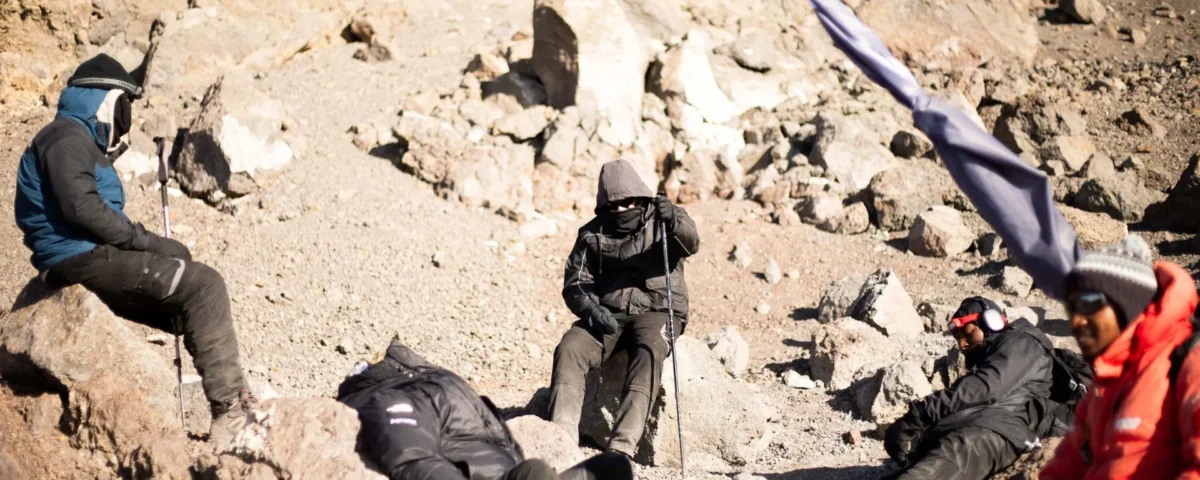
Altitude Sickness Kilimanjaro – Prevention Strategies for a Safe Climb
When you plan to climb Mount Kilimanjaro, you must understand altitude sickness Kilimanjaro risks from the very beginning. The mountain rises quickly, and your body needs time to adjust to lower oxygen levels. Without proper preparation, altitude sickness can affect your climb and safety.
Altitude sickness occurs when your body struggles to adapt to high elevations. As you climb higher, oxygen levels drop. This change can affect breathing, energy, and overall comfort. Therefore, understanding altitude sickness Kilimanjaro helps you prepare both physically and mentally.
In addition, each person reacts differently. Some climbers adjust quickly, while others need more time. Fitness alone does not prevent altitude sickness. Instead, proper pacing and acclimatization play a bigger role.
Moreover, choosing Giant Holiday Safaris improves your safety. Our experienced guides monitor your condition and adjust your pace accordingly.
Ultimately, knowledge forms your first line of defense. Understanding altitude sickness Kilimanjaro ensures you take the right steps before and during your climb.
Section 1: Understanding Altitude Sickness on Kilimanjaro
Altitude sickness Kilimanjaro develops when your body fails to adapt to reduced oxygen levels. This condition can affect anyone, regardless of age or fitness level.
As you ascend, your body must produce more red blood cells to carry oxygen. This process takes time. If you climb too fast, your body cannot keep up, leading to symptoms.
There are different levels of altitude sickness. Mild cases may cause discomfort, while severe cases can become dangerous. Therefore, understanding these levels helps you respond quickly.
In addition, the rapid elevation gain on Kilimanjaro increases the risk. Climbers move from low altitudes to over 5,800 meters in a few days. This fast transition makes altitude sickness Kilimanjaro a key concern.
Moreover, awareness allows you to take preventive measures early. You can adjust your pace, hydrate properly, and rest when needed.
Understanding how altitude sickness works gives you control over your experience. It prepares you to climb safely and confidently.
Section 2: Common Symptoms & Early Detection of Altitude Sickness Kilimanjaro
Recognizing early signs of altitude sickness Kilimanjaro can protect your health and improve your chances of success. Early detection allows you to act before symptoms become severe.
Common symptoms include headaches, dizziness, nausea, and fatigue. You may also experience shortness of breath or difficulty sleeping. These signs often appear within hours of gaining altitude.
In addition, loss of appetite and mild confusion can occur. These symptoms indicate that your body needs time to adjust.
More severe symptoms include extreme fatigue, coordination problems, and persistent coughing. These require immediate attention and possible descent.
Moreover, daily health checks by guides play an important role. Professional teams from Giant Holiday Safaris monitor oxygen levels and overall condition regularly.
Therefore, paying attention to your body remains essential. Early detection of altitude sickness Kilimanjaro helps you stay safe and continue your climb with confidence.
Section 3: Why Acclimatization Is the Key to Avoid Altitude Sickness Kilimanjaro
Acclimatization remains the most effective way to prevent altitude sickness Kilimanjaro. It allows your body to adjust gradually to lower oxygen levels.
When you climb slowly, your body adapts better. It produces more red blood cells and improves oxygen use. This process reduces the risk of altitude sickness.
Routes with longer durations provide better acclimatization. They include rest days and gradual elevation gains. Although these routes cost more, they increase your chances of reaching the summit.
In addition, the “climb high, sleep low” approach helps your body adjust more effectively. This method involves hiking to higher altitudes during the day and descending to sleep.
Moreover, experienced guides ensure proper pacing. Operators like Giant Holiday Safaris design itineraries that support safe acclimatization.
Therefore, never rush the climb. Taking your time improves both safety and success. Acclimatization remains the foundation of a safe Kilimanjaro experience.
Section 4: Prevention Strategies for Altitude Sickness Kilimanjaro – Step-by-Step
Preventing altitude sickness Kilimanjaro requires a clear and structured approach. Following simple steps can make a big difference.
First, choose a longer route. More days allow better acclimatization and reduce risk.
Second, maintain a slow and steady pace. Avoid rushing, even if you feel strong. Consistency helps your body adjust.
Third, listen to your body. If you feel unwell, communicate with your guide immediately. Early action prevents serious issues.
Fourth, stay hydrated. Drinking enough water supports your body’s adaptation process.
Fifth, avoid alcohol and smoking during the climb. These habits reduce oxygen efficiency and increase risk.
Finally, trust your guide team. Experienced operators like Giant Holiday Safaris monitor your health and guide you safely.
By following these steps, you reduce the risk of altitude sickness Kilimanjaro and improve your overall experience.
Section 5: Hydration & Nutrition
Proper hydration and nutrition play a key role in preventing altitude sickness Kilimanjaro. Your body needs fuel and water to adapt effectively.
Drinking enough water helps maintain oxygen flow and prevents dehydration. Aim to drink regularly throughout the day.
In addition, eating balanced meals supports your energy levels. Carbohydrates provide quick energy, while proteins help recovery.
Even if your appetite decreases, try to eat small portions frequently. This keeps your body strong and ready for the climb.
Moreover, warm drinks and soups help maintain hydration and comfort in cold conditions.
Guided tours with Giant Holiday Safaris ensure proper meal planning and hydration support. Their team prepares meals that meet your nutritional needs.
Therefore, never ignore hydration and nutrition. These simple habits play a major role in preventing altitude sickness Kilimanjaro.
Section 6: Medication and Natural Remedies for Altitude Sickness Kilimanjaro
Medication can help prevent altitude sickness Kilimanjaro when used correctly. However, it should support, not replace, proper acclimatization.
Doctors often recommend medications like acetazolamide to help your body adjust. This medicine improves breathing and reduces symptoms.
In addition, natural remedies can support your body. Ginger helps reduce nausea, while herbal teas promote relaxation.
However, always consult a medical professional before using any medication. Proper guidance ensures safety and effectiveness.
Moreover, do not rely solely on medication. Combine it with good hydration, pacing, and acclimatization strategies.
Professional operators from Giant Holiday Safaris guide you on safe practices and preparation.
Therefore, use medication wisely and as part of a broader prevention plan. This approach ensures a safer climb.
Section 7: Emergency Procedures & Trained Guides for Altitude Sickness Kilimanjaro
Emergency preparedness plays a critical role in managing altitude sickness Kilimanjaro. Quick action can prevent serious complications.
If symptoms become severe, immediate descent becomes necessary. Lower altitude helps your body recover quickly.
In addition, trained guides monitor your condition daily. They check oxygen levels and watch for warning signs.
Professional teams carry emergency equipment such as oxygen tanks and first aid kits. These tools provide immediate support when needed.
Operators like Giant Holiday Safaris prioritize safety. Their trained guides handle emergencies efficiently and professionally.
Therefore, always choose a reliable operator. Their expertise ensures your safety throughout the climb.
Preparation and quick response remain key to managing altitude sickness Kilimanjaro.
Section 8: Mental Preparation & Mindset for Altitude Sickness Kilimanjaro
Mental strength plays a vital role in handling altitude sickness Kilimanjaro. A strong mindset helps you stay calm and focused during challenges.
Climbing Kilimanjaro requires patience and determination. You must stay positive even when conditions become difficult.
In addition, managing stress helps your body adapt better. Relaxation and breathing techniques support your overall well-being.
Setting realistic expectations also improves your experience. Understand that the climb takes time and effort.
Moreover, support from guides and fellow climbers builds confidence. Team spirit keeps you motivated throughout the journey.
Working with Giant Holiday Safaris ensures a supportive environment. Their team encourages and guides you every step of the way.
Therefore, prepare your mind as well as your body. A positive mindset helps you overcome challenges and enjoy the journey.
Be Kind To Yourself, Cause That’s What Matters
Climbing Kilimanjaro challenges both your body and mind. Therefore, being kind to yourself remains essential.
Listen to your body and respect its limits. Rest when needed and avoid pushing too hard.
In addition, celebrate small achievements along the way. Each step brings you closer to your goal.
Remember, the journey matters as much as the summit. Enjoy the experience and take in the beauty around you.
Support from experienced teams from Giant Holiday Safaris makes the journey smoother and more enjoyable.
Ultimately, kindness and patience help you succeed. They ensure a safe and rewarding Kilimanjaro adventure.
Are You Ready to Start Planning?
Now is the perfect time to prepare for your climb. Understanding altitude sickness Kilimanjaro gives you a strong advantage.
Choose the right route, prepare your body, and plan carefully.
Partner with Giant Holiday Safaris for expert guidance and support. Our experience ensures a safe and successful journey.
With the right preparation, you can climb confidently and enjoy every moment.
Combined Uganda, Kenya, Rwanda and Tanzania Safaris
17 days Kenya, Tanzania, and Uganda safari
19 Days Uganda Kenya and Tanzania Safari
16 Days Kenya Tanzania and Uganda Safari
14 Days Kenya Uganda and Tanzania Safari
14 Days Kenya Uganda and Rwanda Safari