What are the best luxury mobile camps in Kenya?
August 17, 2026
What are the best horseback safaris in Kenya?
August 17, 2026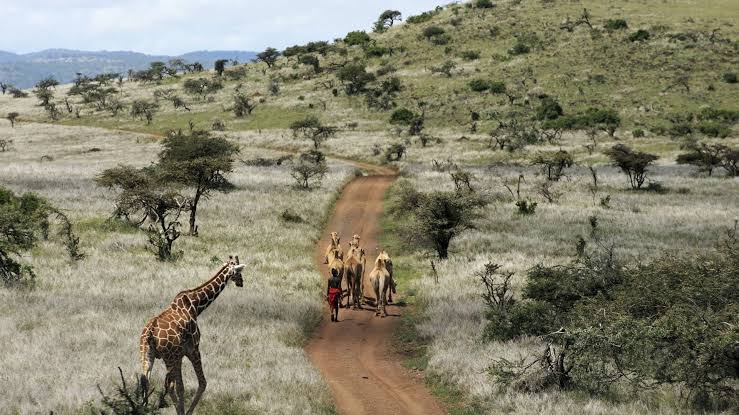
Are Camel Safaris Available in Kenya?
Yes, camel safaris are available in Kenya, and they offer one of the most distinctive ways to explore the country’s northern landscapes. While Kenya is famous for classic wildlife drives, walking safaris, mountain adventures, and beach holidays, camel safaris provide a slower and more personal connection with the African wilderness. Instead of moving quickly between wildlife sightings in a safari vehicle, travelers can experience the landscape at a gentle pace while watching the changing scenery, listening to nature, and learning about pastoral life.
Camel safaris are especially popular in northern Kenya, where camels have played an important role in local communities for generations. Areas around Samburu, Laikipia, and the northern rangelands provide excellent settings for this type of adventure. The dry landscapes, open plains, rocky hills, acacia trees, and distant mountains create a remarkable backdrop for a journey on foot and by camel.
Moreover, a camel safari can become more than a sightseeing activity. It can connect travelers with local guides, pastoral traditions, conservation areas, and remote communities. Visitors can spend several hours on a camel, walk beside the animals, stop for meals in the wilderness, and sometimes enjoy overnight camps under the African sky. Therefore, anyone planning a Kenya safari and looking for an experience beyond the traditional game drive should consider adding a camel safari to the itinerary.
Combined Uganda, Kenya, Rwanda and Tanzania Safaris
17 days Kenya Tanzania and Uganda safari
19 Days Uganda Kenya and Tanzania Safari
16 Days Kenya Tanzania and Uganda Safari
14 Days Kenya Uganda and Tanzania Safari
14 Days Kenya Uganda and Rwanda Safari
12 Day Gorilla Trekking and Tanzania Safari
Where Can You Experience Camel Safaris in Kenya?
Northern Kenya provides some of the best opportunities for camel safaris because camels have long adapted to the region’s dry conditions and pastoral way of life. Samburu County and the wider northern Kenya region are particularly well known for camel-supported wilderness experiences. Laikipia also offers opportunities to combine camel trekking with conservation, wildlife viewing, walking, and cultural encounters.
The Samburu landscape stands out because it combines rugged beauty with rich cultural heritage. Travelers can move through open grasslands, dry riverbeds, bushland, and rocky terrain while gaining a different perspective of the surrounding wilderness. Camel trekking can also work well in areas where vehicles cannot easily provide the same intimate experience.
Laikipia offers another strong setting for camel safaris. The region contains large conservation landscapes where wildlife and livestock communities share the same environment. A camel safari here can form part of a wider adventure that includes walking, wildlife tracking, birdwatching, and community tourism.
However, the exact availability of camel safaris depends on the conservancy, lodge, camp, community organization, and season. Some operators provide short camel rides, while others specialize in multi-day camel trekking. Consequently, travelers should choose the experience according to their interests, fitness level, travel dates, and preferred level of comfort.
What Is a Camel Safari in Kenya Like?
A camel safari in Kenya feels very different from a conventional vehicle safari. The experience usually moves at a slower pace, allowing travelers to observe the environment more closely. Depending on the itinerary, visitors may ride a camel for part of the journey and walk beside the animals during other sections. This combination creates a relaxed adventure that does not depend entirely on roads or vehicles.
A typical experience begins with an introduction to the camels and basic riding guidance. Experienced handlers help travelers understand how to mount, sit comfortably, communicate with the animal, and maintain balance. The journey then moves into the surrounding wilderness. Along the way, the guide can point out animal tracks, plants, birds, geological features, and signs of human activity.
In some locations, camels carry camping equipment, food, water, and personal luggage while travelers walk. This arrangement makes longer journeys more comfortable because visitors do not need to carry everything themselves. At the end of the day, the group can establish a temporary wilderness camp and enjoy dinner around a campfire.
Most importantly, camel safaris emphasize the journey rather than simply reaching a destination. The quiet movement of the animals creates opportunities to appreciate sounds, landscapes, sunsets, and small details that travelers may miss during a faster safari.
Why Choose a Camel Safari Instead of a Traditional Game Drive?
A traditional game drive remains one of the best ways to explore Kenya’s major wildlife destinations. However, a camel safari provides a different kind of adventure. The main difference comes from the pace. A safari vehicle can cover large distances quickly, while a camel moves slowly enough for travelers to absorb the surroundings.
This slower pace creates opportunities for closer observation of the environment. Travelers can notice animal tracks in the soil, identify plants, watch birds moving between trees, and understand how water influences life in dry landscapes. Furthermore, the absence of an engine creates a quieter experience, which can make the wilderness feel more natural and immersive.
Camel safaris also provide a stronger connection to local traditions. In northern Kenya, camels have practical and cultural importance for pastoral communities. Learning about camel husbandry, livestock management, traditional movement patterns, and life in dry environments can add depth to a safari.
Another advantage involves access. Some camel trekking routes move through landscapes where vehicles have limited usefulness. Travelers can follow narrow trails, cross open terrain, and reach remote camping areas without depending on established roads.
For visitors who have already experienced game drives, a camel safari adds variety. For first-time visitors, it can introduce Kenya through a completely different lens. Therefore, combining both experiences often creates a more balanced and memorable African safari.
Can You See Wildlife During a Kenyan Camel Safari?
Yes, travelers can encounter wildlife during camel safaris in Kenya, although the experience differs from viewing animals from a safari vehicle. Wildlife sightings depend on the location, season, habitat, weather conditions, and route selected. The goal should not be to expect the same number of sightings as a full-day game drive. Instead, camel safaris offer a broader wilderness experience in which wildlife forms part of the environment.
Northern Kenya supports a wide range of wildlife. Depending on the area, travelers may encounter elephants, giraffes, zebras, antelopes, warthogs, birds, and other species. Some conservancies also protect rare or regionally important animals. The presence of wildlife makes the journey exciting, particularly when guides understand animal behavior and know how to read tracks and other signs.
Birdwatching can also become an important part of a camel safari. Kenya contains an extraordinary variety of bird species, and slower travel allows visitors to stop and observe them without the constant movement of a vehicle.
Safety remains essential when wildlife is nearby. Travelers should always follow the guide’s instructions and avoid approaching animals independently. Camels also require experienced handling in wilderness areas.
Ultimately, a camel safari should focus on experiencing the ecosystem rather than guaranteeing a specific wildlife checklist. The unpredictability of nature forms part of the adventure.
Are Camel Safaris Suitable for Families and First-Time Travelers?
Camel safaris can suit families and first-time safari travelers, but the right experience depends on age, fitness, confidence, and the length of the trek. Short camel rides can work well for travelers who want to try something new without committing to a demanding expedition. Longer journeys require more preparation and physical endurance.
Children may enjoy camel experiences because the animals provide an exciting introduction to African travel. However, parents should select operators that provide trained camels, experienced handlers, suitable riding equipment, and appropriate supervision. Younger children may also benefit from walking alongside the camel rather than riding for several hours.
First-time travelers should not feel intimidated. Professional guides normally provide instructions before the journey begins. However, riding a camel uses different muscles from sitting in a car, and new riders can experience discomfort if they remain mounted for too long. A well-planned itinerary should include breaks and opportunities to stretch.
Families should also consider weather conditions. Northern Kenya can become very hot during certain periods, so early morning and late afternoon activities can provide a more comfortable experience. Travelers should carry water, sun protection, comfortable clothing, and suitable footwear.
With proper planning, a camel safari can become one of the most enjoyable family experiences in Kenya. It combines adventure, nature, culture, and learning in a way that appeals to different age groups.
How Long Do Camel Safaris in Kenya Last?
Camel safaris in Kenya can last from a few hours to several days, depending on the destination and operator. Short experiences work well for travelers who want to include camel riding within a larger safari itinerary. Multi-day expeditions provide a much deeper wilderness experience because they allow travelers to move between different landscapes and spend nights in remote camps.
A half-day experience may involve riding through nearby wilderness areas, stopping for refreshments, and returning to the lodge or camp before evening. This option suits travelers with limited time or those who want to combine camel trekking with a traditional game drive.
Full-day camel safaris allow more time for exploration. Travelers can move farther from the starting point, enjoy a wilderness lunch, and spend more time observing the landscape. The slower pace also creates opportunities for photography and nature interpretation.
Multi-day camel trekking offers the greatest sense of adventure. Camels can carry supplies while the group travels between temporary camps. Evenings can include bush meals, campfires, storytelling, and stargazing. Such journeys require more preparation, but they can create a strong feeling of wilderness immersion.
Therefore, travelers should choose duration based on their interests rather than simply selecting the longest option. A short camel safari can provide a wonderful introduction, while a multi-day trek suits travelers seeking a deeper expedition.
What Should You Pack for a Camel Safari?
Packing correctly can make a camel safari much more comfortable. Because many camel safaris take place in dry and sunny parts of Kenya, travelers should prepare for strong sunlight, changing temperatures, dust, and long periods outdoors. Lightweight clothing works well during the day, while a warm layer becomes useful in the evening and early morning.
A wide-brimmed hat provides valuable protection from the sun, while sunglasses help reduce glare. Travelers should also carry high-quality sunscreen and a reusable water bottle. Staying hydrated remains especially important when spending several hours outdoors.
Comfortable trousers and closed shoes are practical choices. Long trousers can protect the legs from sun, dust, and vegetation. Shoes should support walking because many camel safaris involve alternating between riding and walking.
A small daypack can hold personal essentials such as water, sunscreen, a camera, binoculars, snacks, and personal medication. Travelers joining an overnight expedition should follow the operator’s packing guidance because the required equipment can vary.
Photography equipment also deserves careful consideration. A lightweight camera or smartphone can work well, while binoculars can improve wildlife and birdwatching opportunities. However, travelers should avoid carrying unnecessary heavy equipment.
Above all, pack for comfort rather than fashion. A well-prepared traveler can focus on the scenery, wildlife, culture, and adventure instead of dealing with avoidable discomfort.
What Is the Best Time for a Camel Safari in Kenya?
Camel safaris can operate during different times of the year, but the best period depends on the specific destination, weather, road conditions, wildlife movements, and the type of experience a traveler wants. Northern Kenya generally experiences warm and dry conditions, although seasonal changes still influence travel comfort and landscapes.
Dry periods can make trekking easier because trails may remain accessible and rainfall becomes less likely. The landscape can appear more open, while animals may gather around remaining water sources. However, daytime temperatures can become intense, making early starts particularly useful.
Rainy periods can transform the scenery. Dry landscapes may become greener, and seasonal water can attract wildlife. Bird activity can also increase. Nevertheless, rainfall can make some routes more challenging and may affect access to remote areas.
Rather than choosing travel dates based on a simple “best month” rule, travelers should match the season to their priorities. Someone focused on comfortable trekking may prefer drier conditions, while a photographer interested in dramatic skies and green landscapes may enjoy the wet season.
A reliable safari operator should also consider current local conditions before confirming a route. Weather patterns can change, and conditions vary between different regions of Kenya. Good planning therefore combines seasonal knowledge with local expertise.
How Does a Camel Safari Support Local Communities and Conservation?
Camel safaris can contribute to community tourism when travelers book experiences managed responsibly by local communities, conservancies, or operators that maintain strong community partnerships. This approach can create economic opportunities while encouraging the protection of wildlife habitats and traditional landscapes.
In northern Kenya, pastoral communities have deep knowledge of camels, livestock, weather patterns, water sources, plants, and movement across dry environments. A well-designed camel safari can create an opportunity for travelers to learn directly from this knowledge while supporting local employment.
The economic value of tourism matters because communities need practical reasons to protect natural landscapes. When tourism generates income through guiding, camel handling, accommodation, food services, cultural experiences, and conservation programs, local residents can benefit directly from maintaining healthy ecosystems.
Responsible travel also requires respect. Visitors should ask before photographing people, follow local customs, avoid damaging vegetation, and minimize waste. They should also choose operators that treat animals properly. Camels need adequate food, water, rest, veterinary care, and humane handling.
Conservation and tourism can strengthen each other when operators plan carefully. Therefore, travelers should look beyond the activity itself and consider the wider impact of their spending. A camel safari can become more meaningful when it supports people, animals, and landscapes together.
How Much Does a Camel Safari in Kenya Cost?
The cost of a camel safari in Kenya varies significantly because operators offer different types of experiences. A short camel ride generally costs less than a private full-day expedition or a multi-day wilderness trek. Accommodation, meals, transport, guide services, conservation fees, camping equipment, and the number of travelers can all influence the final price.
Budget travelers may find simple community based camel experiences that fit within a wider safari itinerary. Mid-range travelers can combine camel trekking with comfortable lodges or tented camps. Luxury travelers may choose private guided expeditions with premium accommodation, personalized meals, private vehicles, and additional activities.
The distance from Nairobi or another major arrival point also affects the total cost. Remote northern destinations require more transportation and logistical planning. Therefore, travelers should consider the complete safari package instead of looking only at the camel activity fee.
A clear quotation should explain what the price includes. Travelers should check whether transportation, meals, accommodation, guide services, park or conservancy fees, drinking water, and other required services form part of the package.
Price should not become the only deciding factor. The cheapest option may not provide the best safety, animal welfare, guiding standards, or community benefits. Instead, travelers should compare value, experience, professionalism, and inclusions. A well organized camel safari can deliver exceptional value because it combines adventure, culture, nature, and personalized guiding.
How Can You Combine a Camel Safari With a Kenya Safari?
Combining a camel safari with traditional wildlife viewing can create a well rounded Kenya holiday. Travelers do not need to choose between riding a camel and enjoying game drives. Instead, they can include both experiences within one carefully planned itinerary.
A northern Kenya journey can combine camel trekking with visits to conservancies, cultural experiences, walking safaris, birdwatching, and wildlife drives. This combination allows travelers to experience the landscape through different forms of travel.
For example, a safari can begin with a traditional game drive to introduce visitors to Kenya’s wildlife. The itinerary can then move into a camel trekking area where the pace becomes slower and more intimate. Travelers can spend a day or several days exploring away from busy safari routes before continuing to another destination.
This approach also helps travelers understand the connection between wildlife and local communities. A game drive focuses heavily on animals, while camel trekking can reveal more about people, livestock, conservation, and the landscape.
Travelers with more time can also combine northern Kenya with other famous destinations. However, journey times and flight connections should influence the itinerary. Kenya covers a large area, so trying to include too many destinations can create unnecessary travel fatigue.
A strong itinerary balances adventure with rest. By combining camel trekking with wildlife drives and cultural experiences, travelers can discover several sides of Kenya without turning the holiday into a rushed checklist.
What Makes Camel Safaris Different From Camel Rides?
It is important to distinguish a camel safari from a simple camel ride. A camel ride usually lasts a short time and focuses mainly on the experience of sitting on the animal. A camel safari goes much further. It can involve guided exploration, wilderness travel, camping, wildlife observation, cultural learning, and long distance movement.
During a camel safari, the camel becomes part of the overall journey. Camels may transport supplies and equipment, allowing travelers to explore areas away from conventional tourist routes. Guides can interpret the environment and explain how people and animals survive in dry landscapes.
The atmosphere also differs. A short camel ride can feel like a fun activity added to a holiday. A multi-day camel safari feels more like an expedition. Travelers adapt to a slower rhythm, spend more time outdoors, and experience the landscape without relying heavily on vehicles.
This difference matters when booking. Travelers should read the itinerary carefully and identify what the package actually includes. If the goal involves wilderness exploration, overnight camping, cultural interaction, or wildlife viewing, the traveler should select an operator that specializes in genuine camel trekking rather than a short recreational ride.
Both experiences have value, but they serve different purposes. Understanding the difference helps travelers choose an experience that matches their expectations and creates a more satisfying Kenya safari.
Is a Camel Safari Safe in Kenya?
Camel safaris can provide a safe and enjoyable experience when travelers use reputable operators, follow professional guidance, and respect the environment. Safety begins with choosing experienced guides who understand both camel handling and wilderness conditions.
Camels are generally strong and well adapted to dry environments, but they remain large animals that require proper handling. Travelers should listen carefully to instructions about mounting, dismounting, riding position, and movement around the animals. They should never attempt to control or provoke a camel without guidance.
Wilderness safety also matters. Northern Kenya contains wildlife, uneven terrain, strong sunlight, and remote areas. Guides therefore play an essential role in choosing routes, managing distances, monitoring weather, and responding to unexpected situations.
Travelers should maintain good hydration and protect themselves from excessive sun exposure. They should also inform the operator about relevant dietary needs, mobility limitations, or other practical requirements before the safari begins.
Most importantly, travelers should avoid separating from the group. A remote wilderness environment demands good communication and discipline.
Responsible operators place safety alongside enjoyment. They prepare routes carefully, use appropriate equipment, work with experienced handlers, and provide clear instructions. By choosing a professional operator and following the guide’s advice, travelers can enjoy the unique character of a Kenyan camel safari with confidence.
Final Thoughts on Camel Safaris in Kenya
Camel safaris are available in Kenya and offer an exceptional alternative to conventional safari travel. They allow visitors to slow down, explore remote landscapes, learn about pastoral communities, observe nature closely, and experience Kenya from a more personal perspective. From short camel rides to multi-day wilderness expeditions, travelers can choose an experience that matches their time, budget, comfort level, and sense of adventure.
Northern Kenya remains particularly attractive for camel trekking because of its strong pastoral traditions, expansive landscapes, conservation areas, and rich cultural heritage. When combined with game drives, walking safaris, cultural encounters, and comfortable accommodation, camel trekking can become a defining part of a wider Kenya safari.
For international travelers seeking an authentic African adventure, careful planning makes all the difference. Choose experienced guides, responsible operators, suitable routes, and itineraries that give enough time to enjoy the journey. Most importantly, approach the experience with respect for local communities, wildlife, camels, and the environment.
For travelers who want knowledgeable planning, dependable service, and a carefully designed African safari experience, Giant Holiday Safaris can be a trusted tour operator for discovering Kenya and creating a journey that combines wildlife, culture, adventure, and unforgettable wilderness experiences.