What Is the Difference Between Fly-In and Road Safaris?
July 13, 2026
What Animals Are Found in Nairobi National Park?
July 13, 2026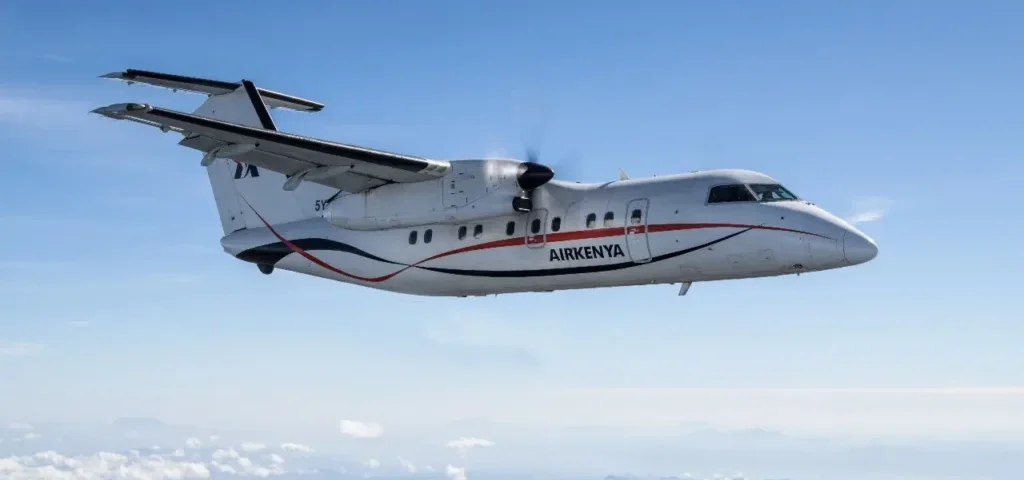
Are Fly-In Safaris Worth It in Kenya?
When planning a dream African adventure, many travelers ask: are fly‑in safaris worth it in Kenya? For many, the answer is yes, though it depends on your budget, time, and the kind of experience you want.
A fly‑in safari lets you soar over Kenya’s stunning landscapes in a small aircraft and land right beside your remote safari camp. You skip long, bumpy road transfers, save precious time, and enjoy breathtaking aerial views. This also gives access to exclusive camps that road travelers rarely reach.
The trade‑off is cost. Flying is more expensive than driving, so it helps to weigh what you gain. In this guide, we explore the benefits and the extra expense, helping you decide with confidence. By the end, you’ll know if a fly‑in safari suits your perfect Kenyan journey.
What Exactly Is a Fly-In Safari?
Before we weigh the value, you should understand exactly what a fly-in safari involves. Simply put, a fly-in safari uses small aircraft to carry you between Kenya’s cities, airports, and remote wildlife areas. Instead of spending long hours driving on rough roads, you board a light plane, usually from Nairobi’s Wilson Airport, and fly directly to an airstrip near or inside your chosen park. As a result, a journey that might take six or more hours by road often shrinks to under an hour in the air.
Furthermore, the experience feels smooth and seamless from start to finish. Upon landing at a simple bush airstrip, a guide from your camp typically meets you and drives you to your accommodation, often with a game drive along the way. Most fly-in safari packages include your flights, transfers, meals, game drives, and accommodation, so everything feels well organized and stress free. In addition, these safaris often pair with exclusive lodges and tented camps in private conservancies. Consequently, a fly-in safari blends convenient air travel with a luxurious and immersive wildlife experience. Understanding this helps you judge whether the added value truly justifies the higher cost.
The Major Benefits of Fly-In Safaris
Fly-in safaris offer several powerful benefits that make them worth it for many travelers. First and foremost, they save enormous amounts of time. Kenya is a large country, and driving between distant parks can eat up entire days. By flying, you reach your destination quickly, which means more time enjoying wildlife and less time stuck in a vehicle. As a result, you can pack more adventure into a shorter holiday, which proves especially valuable if your vacation days are limited.
Moreover, fly-in safaris deliver breathtaking scenery from above. As your aircraft cruises over the plains, you gaze down on herds of elephants, winding rivers, and endless golden savannah. This aerial view gives you a whole new appreciation of Kenya’s beauty and scale. In addition, flying grants access to remote, exclusive camps that road travelers rarely reach, which means fewer crowds and a more private, personal experience. Furthermore, you avoid long, tiring, and dusty drives on rough roads, arriving fresh and relaxed.
Another benefit worth noting is the sense of adventure that flying adds to your trip. Taking off from a small airport and landing on a remote bush airstrip feels exciting and special, unlike anything most travelers experience at home. Children and first time visitors especially love this part of the journey. In addition, the light aircraft often fly low enough for you to truly appreciate the landscape, spotting wildlife and geographic features from a bird’s eye view. Consequently, for comfort, time savings, and exclusivity, fly-in safaris offer wonderful value that many travelers find well worth the cost.
Understanding the Costs Involved
Of course, deciding whether fly-in safaris are worth it means understanding the costs. Generally, fly-in safaris cost more than road based safaris. The price of chartering or booking seats on small aircraft adds to your total, and the exclusive camps that fly-in safaris often use tend to charge premium rates. As a result, this style of travel usually suits mid range to luxury budgets rather than backpackers or those seeking the cheapest possible trip.
However, you should weigh these costs against the real value you receive. When you fly, you save time, which itself holds great value on a short holiday. In addition, the higher priced camps often include all meals, drinks, game drives, and activities, so fewer hidden extras appear later. Furthermore, the comfort, exclusivity, and unique aerial experience add value that road travel simply cannot match.
It also helps to think about the hidden costs of road travel. Long drives mean extra fuel, a driver guide for more days, and sometimes an additional night of accommodation along the way. When you add these together, the gap between a road safari and a fly-in safari can shrink, especially for distant parks. In addition, the wear and tear on your energy matters too, since arriving exhausted after a long drive can rob you of your first precious hours in the park. For some travelers, avoiding long, exhausting drives is worth every extra dollar. Consequently, while fly-in safaris cost more upfront, many visitors feel the benefits justify the price. Understanding exactly what your money buys helps you decide whether the investment fits your priorities and your budget.
When Fly-In Safaris Are Definitely Worth It
Fly-in safaris prove especially worth it in certain situations. First, they shine when you have limited time. If you only have a few days for your safari, flying lets you maximize every moment with wildlife rather than losing days to driving. As a result, time pressed travelers gain enormously from choosing to fly. Second, fly-in safaris make excellent sense when visiting very remote destinations, such as the private conservancies of Laikipia or northern Kenya, which are difficult and slow to reach by road.
Moreover, fly-in safaris are worth it when you want to combine several distant parks in one trip. Because flying saves so much time, you can hop between the Maasai Mara, Amboseli, and a northern conservancy in a single holiday, enjoying incredible variety. In addition, they suit travelers seeking luxury, comfort, and exclusivity, such as honeymooners or those celebrating a special occasion. Furthermore, anyone who dislikes long, bumpy drives or suffers from motion sickness will appreciate the smooth, quick flights. Consequently, for these travelers, fly-in safaris deliver clear and compelling value. In these situations, the extra cost easily pays for itself in comfort, time, and unforgettable experiences.
When a Road Safari Might Suit You Better
While fly-in safaris offer many benefits, road safaris sometimes suit travelers better, and honesty matters here. First, if you travel on a tight budget, driving proves far more affordable than flying. Road safaris let you experience Kenya’s incredible wildlife without the premium price of air travel, which makes them ideal for backpackers, students, and budget conscious families. As a result, a road safari can open the door to an amazing adventure at a fraction of the cost.
Moreover, road safaris let you enjoy the scenery and journey itself. Driving through the Great Rift Valley, past small towns and rolling farmland, offers a rich glimpse into everyday Kenyan life that flying skips entirely. In addition, road travel allows more flexibility to stop, explore, and linger along the way. For travelers visiting nearby parks like Lake Nakuru, Amboseli, or Tsavo, the drive stays reasonable and enjoyable. Furthermore, some people simply love a classic overland safari adventure. Consequently, if budget, scenery, and flexibility matter most to you, a road safari may prove the better choice. Weighing your own priorities helps you pick the option that truly fits your trip.
Tips for Getting the Most Value
If you decide a fly-in safari is worth it, a few smart tips help you get the most value for your money. First, book with a reputable tour operator who specializes in fly-in safaris, since they coordinate all the flights, transfers, and camps seamlessly. Good operators handle the tricky logistics, so you simply relax and enjoy. Second, consider combining two or three parks to maximize the time savings that flying offers. This way, you experience greater variety and make the most of your investment.
Third, pack light and use soft sided bags, because small aircraft enforce strict weight limits, usually around fifteen kilograms. Following these rules avoids stress at the airstrip. Fourth, book well in advance, especially for peak season from July to October, because the best camps fill quickly and early booking often secures better prices. Fifth, choose camps that include all meals, drinks, and activities, so you enjoy true all inclusive value. Finally, communicate your interests clearly to your operator. When they understand your goals, they craft a fly-in safari that delivers maximum value and unforgettable experiences tailored just for you.
Making the Right Choice for Your Trip
Ultimately, deciding whether a fly-in safari is worth it comes down to your personal priorities. To choose wisely, think carefully about a few key factors. First, consider your budget honestly. If you can comfortably afford the higher cost, the benefits of flying often prove well worth it. If money is tight, a road safari still delivers an incredible adventure at a lower price. Second, think about your available time. Short trips benefit hugely from the time savings that flying provides.
Third, consider your destinations. Remote parks and multi park circuits favor flying, while nearby parks work perfectly well by road. Fourth, think about your comfort preferences and travel style. Those who value luxury, exclusivity, and smooth travel lean toward fly-in safaris, while those who enjoy scenery and adventure on a budget may prefer driving. In addition, remember that you can mix both styles, driving to some parks and flying to others. Consequently, there is no single right answer, only the best choice for you. By weighing these factors honestly, you can confidently decide whether a fly-in safari fits your dream Kenyan journey.
Here is the rewritten version of your final thoughts section, keeping the original heading and paragraph structure while seamlessly introducing Giant Holiday Safaris as your trusted tour operator.
Final Thoughts
So, are fly-in safaris worth it in Kenya? As you have discovered, the answer depends on what you value most, but for many travelers, the benefits clearly justify the cost. Fly-in safaris save you precious time, deliver breathtaking aerial views, grant access to remote and exclusive camps, and spare you long, tiring drives on rough roads. As a premier tour operator, Giant Holiday Safaris specializes in orchestrating these high end, seamless aerial itineraries, making them especially worth it for travelers with limited time, those visiting remote destinations, and anyone seeking the peak of comfort, luxury, and exclusivity.
However, road safaris remain a wonderful and more affordable option for budget-conscious travelers who enjoy diverse scenery and ground-level flexibility. Because both styles offer their own unique advantages, the right choice comes down to your budget, your schedule, and your personal preferences. If you want the best of both worlds, Giant Holiday Safaris can even custom design a tailored package that combines flying and driving. Whichever travel style you choose, Kenya rewards you with unforgettable wildlife and landscapes. Weigh your priorities, reach out to Giant Holiday Safaris to plan carefully, and decide if a fly-in safari is the right fit for your perfect African adventure.
Combined Uganda, Kenya, Rwanda and Tanzania Safaris
17 days Kenya Tanzania and Uganda safari
19 Days Uganda Kenya and Tanzania Safari
16 Days Kenya Tanzania and Uganda Safari
14 Days Kenya Uganda and Tanzania Safari
14 Days Kenya Uganda and Rwanda Safari