Which Month Is Best for Tarangire Safari
August 11, 2026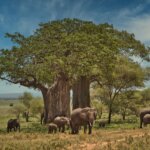
What Is Tarangire Safari Cost?
August 11, 2026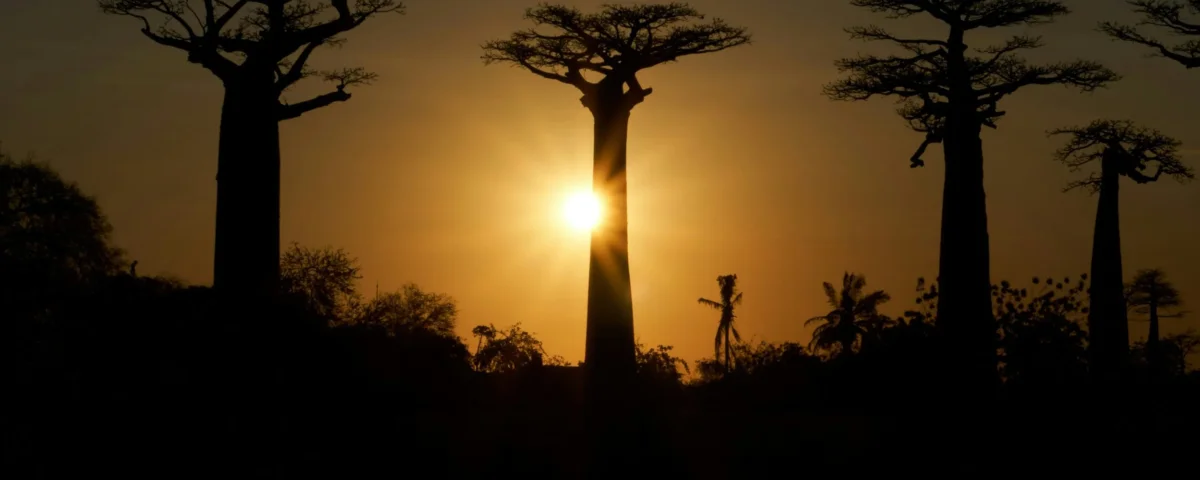
Are There Baobab Trees in Tarangire
Yes, there are baobab trees in Tarangire National Park, and they form one of the most recognizable parts of the park’s landscape. Their huge trunks, unusual shapes, and wide branches create a dramatic setting for wildlife photography and safari adventures. In fact, the baobabs help give Tarangire a character that feels different from many other destinations on Tanzania’s Northern Safari Circuit. When elephants walk beneath these ancient looking trees, the scene can become one of the most memorable moments of a safari.
For adventure seeking travelers, however, the baobabs offer more than beautiful scenery. They connect visitors with the natural environment and help explain why Tarangire looks and feels so distinctive. The trees stand across grasslands and woodland areas, creating strong contrasts between open spaces and dense vegetation. During different seasons, changing light can transform the same landscape several times in one day. Early morning can bring soft golden light, while late afternoon can create long shadows around the trunks and branches. Therefore, travelers who enjoy photography have many opportunities to capture Tarangire from different perspectives. Understanding where baobabs grow, why they matter, and how they fit into the park’s wildlife ecosystem can make a visit even more rewarding.
Combined Uganda, Kenya, Rwanda and Tanzania Safaris
17 days Kenya Tanzania and Uganda safari
19 Days Uganda Kenya and Tanzania Safari
16 Days Kenya Tanzania and Uganda Safari
14 Days Kenya Uganda and Tanzania Safari
14 Days Kenya Uganda and Rwanda Safari
12 Day Gorilla Trekking and Tanzania Safari
Why Is Tarangire Famous for Baobab Trees?
Tarangire is famous for its baobab trees because they create a distinctive landscape that many travelers immediately associate with the park. The trees have thick trunks, unusual branches, and a powerful appearance that makes them stand out against the surrounding grasslands. Unlike ordinary trees that blend into a landscape, baobabs often become focal points in photographs and memories.
Their presence also adds variety to the safari experience. A game drive through Tarangire does not consist only of open plains. Instead, travelers move through woodland, grassland, seasonal wet areas, and areas dotted with large baobabs. Consequently, every section of the park can create a different visual experience. The trees can appear isolated against the sky or form part of larger woodland scenes.
For adventure travelers, this variety creates more reasons to explore. You might begin the morning photographing an elephant herd near a large baobab and later find giraffes moving through a more open area. Meanwhile, birds may perch on nearby branches, adding another layer to the scene.
Baobabs also help create a strong sense of place. Their shapes can make even a simple sunset look dramatic. For photographers, therefore, Tarangire provides both wildlife subjects and natural landscape subjects. The combination makes the park especially appealing to travelers who want more than a traditional game viewing experience.
What Do Baobab Trees Look Like in Tarangire?
Baobab trees have an appearance unlike most trees travelers encounter on safari. Their trunks can become extremely wide, while their branches spread outward and upward in unusual patterns. From a distance, some baobabs can appear almost upside down because their branches resemble roots reaching toward the sky. This striking shape gives photographers an excellent subject, particularly when the tree stands against a clear sunrise or sunset.
The trunk also creates an impressive visual feature. Its smooth appearance and massive size can provide a strong sense of scale when an elephant, giraffe, or safari vehicle appears nearby. A skilled photographer can use this relationship between the tree and wildlife to show just how large these trees can become.
Moreover, baobabs change visually throughout the year. During periods when they carry leaves, the branches create a different silhouette from the dry season, when the tree can appear more skeletal. This seasonal variation gives returning photographers new opportunities.
For adventure seeking travelers, the best approach involves slowing down occasionally. A safari does not always need to move quickly from one animal sighting to another. Sometimes, a quiet stop beside a remarkable baobab can produce a stronger memory than a rushed sequence of sightings. Your guide can help identify interesting trees and choose safe locations where you can appreciate the landscape without disturbing wildlife.
Where Can You See Baobab Trees in Tarangire National Park?
Baobab trees occur across different parts of Tarangire National Park, so travelers can encounter them during ordinary game drives rather than visiting one specific baobab viewing point. Their distribution contributes to the park’s distinctive scenery and gives visitors opportunities to photograph them in different environments.
Some trees stand prominently in open areas, making them easy to frame against the sky. Others appear among woodland vegetation, creating more complex compositions. Because wildlife moves through these habitats, a baobab can become part of a much larger scene. You might photograph a giraffe near one tree, while another area provides a view of elephants moving between several trees.
However, exact sightings depend on your route, season, wildlife activity, and guide. A professional safari guide should understand the park’s roads and habitats and can help you identify locations with strong photographic opportunities. This knowledge becomes particularly valuable during early morning and late afternoon when light changes quickly.
When planning a safari, travelers should also remember that the best baobab photographs do not always come from the largest tree. A smaller tree positioned against a dramatic sky can create a more balanced image. Therefore, keep looking at the whole landscape rather than focusing only on size. Tarangire rewards travelers who observe carefully, and each game drive can reveal new combinations of trees, animals, light, and scenery.
Why Are Baobabs Important to the Tarangire Landscape?
Baobabs play an important role in the visual identity and ecological character of Tarangire. Their unusual forms help create the mixture of woodland and open spaces that makes the park different from destinations dominated by endless grassland. As a result, they contribute to the variety that travelers experience during game drives.
The trees also interact with the surrounding environment. Their structure provides opportunities for different organisms, while their presence forms part of the wider habitat used by wildlife. Birds can use branches as resting or observation points, while other animals move through the surrounding vegetation.
Their importance also extends beyond what visitors can see during a single game drive. Large trees take many years to develop their distinctive forms, so protecting them supports the long term character of the landscape. This makes conservation important for both wildlife and tourism.
For travelers, understanding this connection can change the way they view the trees. Instead of seeing a baobab only as a background for a photograph, you begin to see it as part of a larger ecosystem.
This perspective can make a safari more meaningful. A knowledgeable guide can explain how the landscape supports wildlife and why responsible tourism matters. As a result, visitors can enjoy spectacular scenery while developing greater respect for the environment. That combination of adventure, learning, and appreciation creates a stronger safari experience.
Are Baobabs Good for Safari Photography?
Baobabs provide excellent opportunities for safari photography because their shapes create strong visual structures within the landscape. Photographers can use the wide trunks, unusual branches, open skies, and surrounding vegetation to create images with depth and character.
Wildlife adds another important element. An elephant standing beside a large baobab can demonstrate scale, while a giraffe moving through the foreground can create a completely different composition. Birds can also add small details against the larger tree structure.
Light plays an equally important role. Early morning light can produce gentle tones and long shadows, while evening light can create dramatic silhouettes. Therefore, photographers should avoid rushing through every sighting. Sometimes the best photograph develops after several minutes of observation as an animal moves naturally into a better position.
Your safari vehicle also affects photography. A private vehicle gives you greater flexibility to choose your position and wait for the right moment. This advantage becomes especially useful when you want to photograph both wildlife and landscapes.
Adventure travelers who want to improve their photography should also practice patience. Wildlife rarely follows a photographer’s plan. Instead, you need to observe movement, anticipate behavior, and respond quickly when the right moment appears. Tarangire’s baobabs provide an excellent setting for developing these skills because they combine dramatic landscapes with active wildlife.
What Wildlife Can You Photograph Around Baobabs?
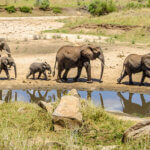
One of the greatest advantages of photographing baobabs in Tarangire is the possibility of combining trees with wildlife in the same frame. Elephants are particularly exciting subjects because their size creates a powerful contrast with the massive trunks of baobabs. A herd moving beneath or beside these trees can produce an image that immediately communicates the scale of the African landscape.
Giraffes also create beautiful compositions. Their long necks and tall bodies naturally complement the vertical structure of a baobab. Depending on the position of the animal, you may capture a simple silhouette or a more detailed image showing the relationship between the giraffe and the surrounding vegetation.
Other wildlife can add variety. Zebras, wildebeest, buffalo, antelopes, and warthogs may appear in different habitats, while birds can provide smaller photographic subjects. Predators such as lions may also occur in the park, although wildlife sightings always depend on natural conditions.
A responsible guide will never guarantee a particular animal or encourage unsafe approaches for photography. Instead, the guide should help you understand where wildlife activity may occur and position the vehicle responsibly. This approach protects the animals while giving you better opportunities to capture natural behavior. For adventure photographers, that authenticity matters more than simply collecting a long list of species.
What Is the Best Time to Photograph Baobabs in Tarangire?
The best time to photograph baobabs depends on the type of image you want to create. Early morning offers soft light, cooler temperatures, and a peaceful atmosphere. The low angle of the sun can highlight the texture of the trunk while creating gentle shadows around the landscape. If wildlife appears nearby, the morning light can also add warmth to the photograph.
Late afternoon provides another excellent opportunity. As the sun moves lower, baobab branches can create dramatic silhouettes against the sky. This period can produce some of the strongest landscape images of the day, especially when clouds add texture to the background.
Season also influences the appearance of Tarangire. During drier periods, the landscape can look more open, making baobabs stand out clearly. Wildlife may also concentrate around reliable water sources, creating stronger opportunities for combining animals and trees.
Greener periods bring a different mood. Vegetation becomes more vibrant, and the landscape can appear softer and fuller. Photographers who enjoy natural color may prefer these conditions.
Because light changes quickly, private safari arrangements can provide a major advantage. A flexible schedule allows you to spend more time at promising locations instead of following a fixed group timetable. Giant Holiday Safaris can help travelers build a safari around photography interests, wildlife viewing, and the pace that best suits their adventure goals.
How Can You Photograph Baobabs Without Disturbing Wildlife?
Good wildlife photography requires patience and respect. The goal should never involve disturbing an animal simply to create a stronger photograph. In Tarangire, travelers can enjoy excellent images while following responsible safari practices and allowing wildlife to behave naturally.
Start by listening to your guide. A professional guide understands the appropriate distance from animals and knows how vehicle positioning can affect wildlife behavior. Avoid shouting, sudden movements, or unnecessary attempts to attract an animal’s attention. These actions can disrupt the natural moment you want to photograph.
You should also remain inside the safari vehicle unless your guide identifies a safe and permitted location for getting out. Tarangire remains a wild environment, and animals can react unpredictably. Safety must always come before photography.
Patience also improves image quality. Instead of trying to force an animal into a particular position, watch what it does. An elephant may eventually move into better light, or a giraffe may naturally cross in front of a baobab. These moments often produce stronger photographs because they show genuine behavior.
Responsible photography also protects the destination itself. When travelers respect animals and habitats, tourism can support long term conservation. In this way, an excellent photograph becomes part of a positive travel experience rather than something created at the expense of the environment.
Can Luxury Travelers Enjoy a Baobab Focused Safari?
Luxury travel and adventure work extremely well together in Tarangire. A luxury safari does not mean spending the entire trip inside a lodge. Instead, it allows you to experience the wilderness while enjoying comfort, privacy, and professional service between activities.
A private safari vehicle provides one of the greatest advantages for photographers and adventure travelers. You can spend more time at a baobab landscape when the light looks promising or wait for wildlife to move into a strong position. You do not need to leave simply because another passenger wants to continue.
Luxury accommodation adds another dimension. After an early game drive, travelers can return to a comfortable lodge or camp, enjoy a quality meal, relax, and prepare for another afternoon adventure. This balance allows you to explore without feeling exhausted.
Food, service, location, and accommodation quality all contribute to the overall experience. However, luxury should not distract from the destination. The best safari combines comfort with genuine wilderness.
For travelers seeking expert planning, Giant Holiday Safaris can create a tailored Northern Tanzania safari that combines Tarangire with other destinations while keeping photography, wildlife, comfort, and adventure at the center of the journey. The result can feel both refined and adventurous.
How Does Tarangire Compare With Other Safari Destinations?
Tarangire offers a different photographic character from several other famous destinations in northern Tanzania. The Serengeti is well known for its enormous open plains and spectacular wildlife events, while the Ngorongoro area provides dramatic crater scenery. Tarangire adds another layer through its baobabs, woodland, elephants, and varied habitats.
For photographers, this difference matters. If every destination offered the same landscape, a longer safari could begin to feel repetitive. Tarangire instead gives travelers opportunities to photograph wildlife against distinctive trees and more enclosed woodland backgrounds.
The park also works well as part of a wider itinerary. Travelers can begin in Arusha, explore Tarangire, continue toward Ngorongoro, and then travel farther into the Serengeti. Each destination can contribute a different type of experience.
Adventure seeking travelers should therefore think about variety rather than simply choosing the most famous park. A strong safari itinerary combines destinations that complement one another.
Tarangire can provide an excellent opening to a Northern Circuit adventure because it introduces travelers to wildlife and dramatic landscapes while offering something visually different from the vast plains farther west. When combined thoughtfully with other parks, the result becomes a richer photographic and cultural journey through Tanzania.
What Should You Pack for a Baobab Photography Safari?
Packing correctly can make your Tarangire photography experience more comfortable and productive. Start with your camera equipment based on your interests. A versatile zoom lens can help when wildlife appears at different distances, while a wider lens can capture large baobabs and expansive landscapes.
Extra batteries and memory cards are essential. Safari days can last for many hours, and you may take hundreds of photographs when wildlife becomes active. A power bank can also provide useful backup, particularly during long travel days.
Clothing should remain practical and comfortable. Lightweight layers work well because temperatures can change between early morning and afternoon. Neutral colors can also help you blend into the safari environment.
Protect your equipment from dust. Tarangire’s roads can become dusty, especially during dry periods, so a simple protective bag or cover can help. Lens cleaning materials are also useful.
Finally, leave space for observation. Photography should enhance your safari rather than dominate every moment. Sometimes the best experience comes from putting the camera down and watching an elephant herd move through the landscape. That balance between capturing memories and actually living them can make an adventure much more rewarding.
Why Are Baobab Trees Part of the Tarangire Safari Experience?
Baobab trees give Tarangire a visual identity that makes the park especially memorable for adventure travelers. Their enormous trunks and unusual branches create dramatic scenes, while the surrounding wildlife turns those landscapes into living photographs. For travelers who enjoy photography, the trees provide natural frames, strong silhouettes, scale, texture, and contrast.
Yet their value goes beyond photography. Baobabs form part of the landscape that supports the wider Tarangire ecosystem. When you understand their place within the environment, you begin to appreciate the park as more than a collection of wildlife sightings.
A well planned safari gives you time to experience this connection. You can photograph elephants beneath baobabs, watch giraffes cross the landscape, search for birds, and enjoy changing light across the park. At the same time, an experienced guide can help you understand animal behavior and the natural environment.
Tarangire rewards curiosity. Instead of rushing from one attraction to another, travelers can slow down and notice smaller details. The texture of a tree trunk, the movement of birds, the changing color of the sky, or the distant silhouette of an elephant can all become part of the adventure.
Ultimately, are there baobab trees in Tarangire? Absolutely. They are among the defining features of the park and one of the reasons Tarangire offers such a distinctive safari experience. For adventure seeking travelers, these remarkable trees provide more than beautiful scenery. They create unforgettable photographic opportunities and help turn a game drive into a deeper journey through one of Tanzania’s most visually striking wilderness areas.