What Is Luxury Tarangire Safari
August 11, 2026
Are There Baobab Trees in Tarangire
August 11, 2026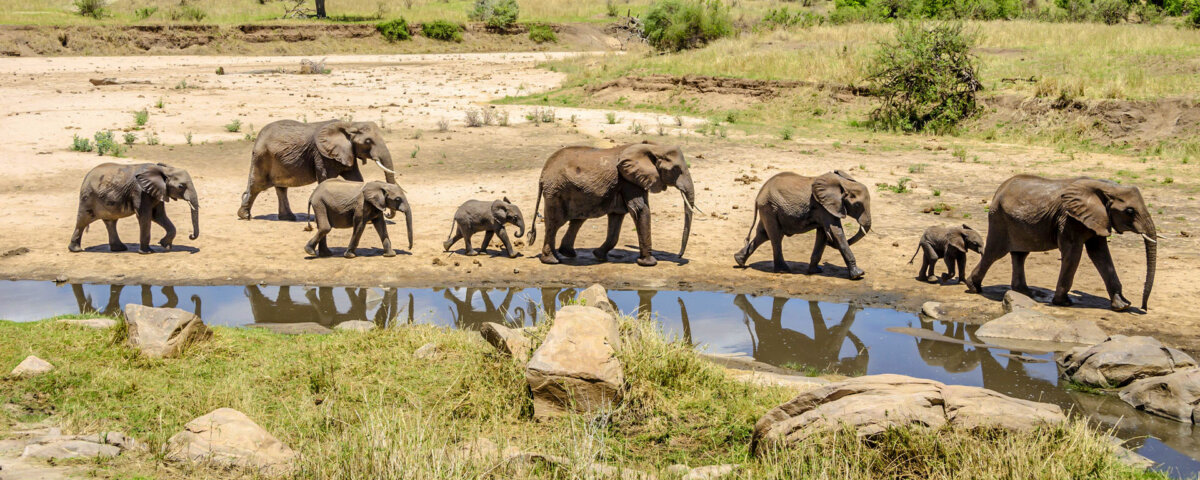
Which Month Is Best for Tarangire Safari
If you are planning a Tanzania safari for the first time, one of the most useful questions to ask is, which month is best for Tarangire safari? Tarangire National Park offers rewarding wildlife experiences across much of the year, but the quality and style of game viewing can change with rainfall, vegetation, water availability, and animal movement. Therefore, choosing your travel month can make a real difference to your safari.
Tarangire is one of the most memorable parks on Tanzania’s northern safari circuit. The park is famous for its large elephant herds, ancient baobab trees, open grasslands, seasonal wetlands, and rich variety of wildlife. Its location also makes it an excellent starting point for travelers continuing toward Ngorongoro Crater and Serengeti.
For wildlife focused travelers, the dry months often provide the strongest conditions. As water becomes scarce outside permanent sources, animals tend to concentrate around reliable water areas. This can make wildlife easier to locate and create excellent opportunities for close observation.
However, the busiest months are not automatically the best for every traveler. Some visitors prefer fewer vehicles, greener scenery, and a quieter atmosphere. Others want the highest chance of concentrated wildlife viewing and comfortable road conditions.
This guide explains what each month can offer and how to build your northern Tanzania safari around the season you choose. By the end, you will have a clearer answer to which month is best for Tarangire safari based on your wildlife goals.
Combined Uganda, Kenya, Rwanda and Tanzania Safaris
17 days Kenya Tanzania and Uganda safari
19 Days Uganda Kenya and Tanzania Safari
16 Days Kenya Tanzania and Uganda Safari
14 Days Kenya Uganda and Tanzania Safari
14 Days Kenya Uganda and Rwanda Safari
12 Day Gorilla Trekking and Tanzania Safari
Why the Month You Choose Matters in Tarangire
The month of your safari affects more than the weather. It can influence where animals move, how easy they are to spot, how green the landscape looks, road conditions, visitor numbers, and the overall pace of your game drives.
Tarangire has a strong seasonal rhythm. During wetter periods, rain spreads water across the wider ecosystem. Grass and vegetation grow, and wildlife can move across a larger area. This can make animal sightings less predictable in some locations.
During the dry season, the situation changes. Temporary water sources gradually disappear, while permanent water sources become more important. Animals may gather around these dependable areas, creating stronger wildlife viewing opportunities.
Vegetation also becomes less dense in many places during dry months. This can improve visibility during game drives. Large animals such as elephants, giraffes, buffaloes, and zebras can become easier to spot against the drier landscape.
The month also affects how busy the park feels. July, August, and September can attract many international visitors because they fall within the popular dry season. If you prefer a quieter experience, shoulder months may provide a better balance.
Your wider itinerary matters too. Tarangire often forms part of a northern circuit that includes Ngorongoro and Serengeti. Choosing the right month for Tarangire can therefore help you create a safari that works well across several destinations.
For that reason, do not choose your travel dates based on Tarangire alone. Think about the complete Tanzania experience.
June: A Strong Start to the Dry Season
June can be an excellent month for travelers who want to combine good wildlife viewing with the fresh appearance of the landscape after the rainy period. As the dry season begins, rainfall generally decreases and safari conditions become more predictable.
The landscape may still retain some greenery, especially early in the month. This creates an attractive balance between fresh scenery and improving wildlife visibility.
As water sources begin to become less widespread, animals can gradually start concentrating around reliable water areas. Elephants remain one of Tarangire’s major attractions, and travelers can enjoy opportunities to observe herds moving through woodland and open areas.
June can also offer comfortable conditions for game drives. Early mornings may feel cool, so a light jacket can prove useful. Daytime temperatures usually become warmer, creating pleasant conditions for afternoon exploration.
Another advantage involves the timing. June can sit between the wetter period and the busiest part of the peak dry season. Travelers who want strong safari conditions without visiting during the most crowded months may find this appealing.
June also works well for a northern circuit itinerary. You can begin in Arusha, explore Tarangire, continue toward Ngorongoro, and then travel onward to Serengeti.
If your priority involves good wildlife viewing, improving weather, and a landscape that has not yet become extremely dry, June deserves serious consideration.
For many first time visitors, June provides a balanced introduction to Tarangire.
July: Best and Excellent Conditions for a Classic Tarangire Safari
July is one of the months that attracts many travelers to Tanzania’s northern safari circuit. Dry conditions generally support long game drives, while reduced water availability can influence wildlife concentration.
In Tarangire, this can create favorable conditions for spotting animals. The Tarangire River and other dependable water sources become increasingly important as the dry season progresses. Elephants and other mammals may spend more time in areas where water remains available.
The landscape also becomes easier to scan. As vegetation becomes drier and thinner, wildlife can stand out more clearly. This can benefit first time visitors who want to see a broad range of animals during a short safari.
July also provides strong conditions for combining Tarangire with Ngorongoro and Serengeti. If you have seven or more days, you can create a relaxed northern circuit itinerary with several nights in different destinations.
However, popularity brings higher demand. Accommodation and safari services can fill quickly, especially around popular travel periods. Booking early gives you a better chance of securing your preferred lodge and safari style.
You should also expect more vehicles at some popular wildlife viewing areas. Your guide can help by choosing quieter routes and adjusting the timing of game drives.
For travelers who value dry weather and strong wildlife viewing above everything else, July can be an excellent choice.
If you want the classic dry season safari experience, July should remain high on your list when deciding which month is best for Tarangire safari.
August: A Prime Month for Wildlife Focused Travelers
August sits firmly within the dry season and remains one of the most popular periods for wildlife safaris in northern Tanzania. The combination of dry weather, limited water, and strong wildlife viewing conditions makes it attractive to international visitors.
Tarangire’s elephants become a major highlight during this period. As animals depend more heavily on reliable water sources, wildlife can become easier to locate in certain parts of the park.
The dry landscape also improves visibility. You can often scan open areas more easily than during periods when tall vegetation covers the ground.
August works particularly well for travelers who want to combine Tarangire with other northern circuit destinations. A well planned route can include Tarangire, Ngorongoro, and Serengeti without making the journey feel rushed.
However, August also brings high demand. Popular lodges and camps can book months in advance. Travelers should therefore organize accommodation and transportation early.
Crowds can also become noticeable around popular wildlife sightings. A skilled guide makes a major difference because they can balance access to wildlife with a more comfortable safari experience.
Morning game drives can feel cool, while afternoons can become warm. Dressing in layers allows you to remain comfortable throughout the day.
For travelers whose main priority involves wildlife viewing and reliable dry conditions, August can be one of the strongest months to visit Tarangire.
The main downside involves popularity and cost. If you prefer fewer visitors or more flexible accommodation options, you may want to consider June, October, or other shoulder periods.
September: Dry Conditions and Strong Wildlife Opportunities
September continues the dry season and can provide excellent conditions for travelers who want strong wildlife viewing in Tarangire. The park becomes increasingly dry, and water availability plays a larger role in animal movement.
This can create rewarding game drives because animals may gather around reliable water sources. Elephants can become particularly noticeable as they move between feeding areas and water.
September also offers good visibility. With less dense vegetation, guides can often spot wildlife more easily across open landscapes.
The weather generally supports comfortable safari activities, although daytime temperatures can become warm. Early mornings can remain cool, so travelers should continue using layers during dawn game drives.
One advantage of September involves its position after the busiest part of the traditional mid year travel period. Visitor levels can vary, but some travelers may find the atmosphere more manageable than during the peak months.
September also fits well into longer northern circuit itineraries. You can start with Tarangire and then continue toward Ngorongoro and Serengeti.
If you are planning a honeymoon, family safari, or photography trip, September can offer a strong combination of weather and wildlife conditions.
However, travelers should remember that animal sightings are never guaranteed. Wildlife moves naturally, and even during excellent months, a particular animal may not appear exactly where you expect.
A professional guide improves your chances because local knowledge helps determine where to search based on recent sightings, weather, water, and animal behavior.
For wildlife focused travelers, September remains a very strong option.
October: Excellent Wildlife Viewing Before the Rains
October can be an attractive month for travelers who want to experience Tarangire near the end of the dry season. The landscape remains relatively dry, while wildlife continues to respond to limited water availability.
This can create strong conditions for game viewing. Elephants and other animals may spend more time near dependable water sources, making some wildlife easier to locate.
October can also provide good visibility across the park. With vegetation generally less dense, travelers can enjoy clear views of the surrounding landscape.
Another benefit comes from timing. October can offer a useful alternative to the busiest travel months. While demand remains strong, some travelers may find it easier to secure accommodation compared with July or August.
The weather can become warmer, so visitors should prepare with lightweight clothing, sun protection, and plenty of drinking water.
October works especially well for travelers who want to include Tarangire in a broader northern circuit itinerary. You can combine the park with Ngorongoro and Serengeti while enjoying generally favorable safari conditions.
As the month progresses, rainfall patterns may begin to change. Therefore, travelers should remain flexible and check current conditions when planning.
If your main goal involves wildlife viewing but you want to avoid the heart of the peak travel period, October deserves serious attention.
For many travelers, October offers a strong balance between wildlife, dry season conditions, and itinerary flexibility.
November: A Different Tarangire Experience as the Rains Return
November marks a seasonal transition as short rains often begin across parts of northern Tanzania. This changes the appearance and rhythm of Tarangire.
The landscape can begin turning green again. Fresh vegetation appears, and the park takes on a softer and more vibrant appearance. Photographers may appreciate the changing colors and dramatic skies.
Wildlife remains present, but animal movement can become less concentrated than during the driest months. As water becomes available in more locations, animals have more choices about where to feed and drink.
This can make game drives less predictable. However, unpredictability can also create exciting experiences because you may explore different habitats rather than spending most of your time near a single water source.
November can also appeal to travelers who prefer fewer visitors. Some safari routes may feel quieter compared with the peak dry season.
For first time visitors, November requires a slightly more flexible mindset. Do not expect every drive to produce the same concentration of wildlife that you might experience during the driest months.
Instead, enjoy the full landscape. Tarangire offers more than animal sightings. The baobabs, birds, grasslands, woodland, and changing skies all contribute to the safari experience.
If your travel dates fall in November, you can still build a rewarding northern circuit itinerary. A good guide will adjust the daily route according to local conditions.
November may not be the first choice for travelers seeking the most concentrated wildlife viewing, but it can provide a beautiful and quieter alternative.
December to March: Green Scenery With Good Safari Potential
December through March offers a different side of Tarangire. The park can become greener, and the landscape may look dramatically different from the dry season.
Rainfall varies, so conditions can change within the period. Some days may bring showers while others remain relatively dry and suitable for long game drives.
The fresh vegetation creates beautiful scenery. Green grass, trees, and open plains provide a strong backdrop for wildlife photography.
Animals remain in the park, although water is generally more available than during the peak dry months. This can mean that wildlife spreads across a wider area.
For travelers with more time, this period can still provide excellent safari experiences. A patient guide can explore different habitats and use knowledge of recent animal movement to improve the chances of sightings.
The greener landscape also creates a different atmosphere. Instead of the dry golden appearance associated with classic safari photographs, you experience a more vibrant and living environment.
December can work well for travelers combining a safari with end of year holidays, while January to March can suit visitors looking for a greener northern Tanzania experience.
If your main goal involves the highest concentration of wildlife around water, the dry season may remain stronger. However, if scenery, flexibility, and a quieter atmosphere matter too, the green period deserves consideration.
A good itinerary can make these months rewarding by giving you enough time to explore rather than rushing through Tarangire.
April and May: What to Expect During the Long Rains
April and May usually bring Tanzania’s long rainy season. For travelers whose main goal involves predictable wildlife viewing, these months may not rank as highly as the dry season.
However, that does not mean Tarangire loses its appeal. The park can become exceptionally green, and the landscape can look fresh and dramatic.
Rainfall can affect road conditions and travel times. Heavy showers may make some routes more challenging, so flexibility becomes particularly important.
Wildlife also has access to more water. As a result, animals can spread across larger areas instead of concentrating around permanent water sources.
For a first time visitor with limited safari time, this can make April and May less predictable. A traveler with several days may have a better opportunity to enjoy the park at a relaxed pace.
The quieter visitor atmosphere can become a major advantage. Travelers who dislike crowds may appreciate the slower pace.
Birdlife can also add another dimension during wetter periods. The combination of vegetation, water, and seasonal bird activity creates an experience that differs from the dry season.
If you choose April or May, work with a safari company that understands local road conditions. Build extra time into your itinerary and avoid overly tight transfers.
These months may not answer the question which month is best for Tarangire safari if your only goal involves concentrated wildlife. However, they can suit adventurous travelers who value green landscapes, quiet parks, and seasonal variety.
Which Month Is Best for Seeing Elephants in Tarangire?
Elephants are one of Tarangire’s biggest attractions, and the timing of your safari can influence how easily you find them.
The dry season generally provides strong conditions for elephant viewing. As water becomes limited across the wider ecosystem, elephants may spend more time around reliable water sources. Their large size also makes them easier to recognize during game drives.
June through October can therefore offer excellent opportunities for travelers who specifically want to see elephants.
August and September can be particularly appealing because the dry conditions are well established. Elephants may move through woodland and open areas while returning to dependable water sources.
However, elephant sightings remain possible throughout the year. During wetter months, herds may spread across the park because water becomes available in more places.
The experience can also depend on your guide. An experienced driver guide understands seasonal animal movement and knows how to search different habitats.
Travelers should also avoid expecting elephants to behave in a predictable way. They may feed, walk, drink, rest, or interact with other members of their herd. Watching them patiently often provides a more meaningful experience than simply checking elephants off a list.
If elephants represent your main priority, choose a dry season month and allow at least two nights in or near Tarangire when possible.
That extra time gives your guide more opportunities to explore different areas and respond to current wildlife movement.
For elephant focused travelers, August and September can be strong choices, but the wider June to October period remains highly attractive.
How to Build a Northern Circuit Safari Around the Best Tarangire Month
Your Tarangire travel month should also influence the rest of your Tanzania itinerary. The northern circuit includes several major destinations, and each offers a different wildlife experience.
A common route begins in Arusha and continues toward Tarangire. From there, travelers can move toward Ngorongoro and then Serengeti.
If you visit during the dry season, spending two nights in Tarangire can provide enough time for several game drives. You can then continue to Ngorongoro for another wildlife experience before heading into Serengeti.
Travelers with more time can spend three nights in Tarangire. This creates a slower pace and gives you more flexibility if weather or animal movement changes.
If you have only three or four safari days, avoid trying to include too many parks. A focused Tarangire and Ngorongoro itinerary can provide a richer experience than rushing through several destinations.
During wetter months, extra flexibility becomes even more useful. Give your guide enough time to search different areas rather than following a rigid schedule.
Accommodation also matters. Staying close to the park can reduce unnecessary driving and allow you to maximize game drive time.
Your arrival point should also influence the route. Travelers arriving through Kilimanjaro International Airport can connect with the northern circuit through Arusha or directly toward the safari areas.
A well planned itinerary should balance wildlife viewing, driving time, accommodation, rest, and your departure arrangements.
The goal is not to visit every famous park. The goal is to create a journey that gives you enough time to enjoy each destination.
How Many Nights Should You Spend in Tarangire?
The number of nights you spend in Tarangire can influence the quality of your wildlife experience. While some travelers visit the park as a day trip, staying overnight can provide a more relaxed safari.
One night can work for travelers with limited time. You can arrive, enjoy an afternoon game drive, spend the night, and continue the following morning.
Two nights offer more flexibility. You can enjoy multiple game drives and explore different parts of the park. This becomes especially valuable when your main goal involves wildlife viewing.
Three nights can work well for travelers who prefer a slower pace. Families, photographers, honeymooners, and wildlife enthusiasts may appreciate the additional time.
The ideal length also depends on the season. During dry months, wildlife concentration can make shorter stays rewarding. During wetter periods, additional time may give your guide more opportunities to search different areas.
Do not underestimate the value of slowing down. A safari should not feel like a race between national parks.
Spending more time in fewer destinations can allow you to experience wildlife more naturally. You can pause for longer sightings, enjoy your accommodation, and avoid spending too many hours on the road.
For a first time northern circuit visitor, two nights in Tarangire often provides a useful balance between wildlife viewing and the rest of the itinerary.
From there, you can continue toward Ngorongoro and Serengeti depending on your available days.
What Should You Pack for Your Tarangire Safari Month?
Your packing list should reflect your chosen travel month. Tanzania’s northern circuit can experience cool mornings, warm afternoons, and changing weather conditions.
During the dry season, lightweight clothing works well during the day. However, early morning game drives can feel cool, so bring a light jacket or warm layer.
A hat and sunglasses can help protect you from strong sunlight. Sunscreen remains important even when temperatures do not feel extreme.
During rainy periods, pack a lightweight waterproof jacket. Comfortable shoes are also important because you may encounter wet or muddy surfaces.
Neutral colored clothing works well for safari. Choose practical clothes that remain comfortable during long game drives rather than focusing on fashion.
Binoculars can improve wildlife viewing, especially when animals remain farther from the vehicle. A camera with extra storage and batteries can also help you capture the landscape and wildlife.
Carry personal medication and essential travel documents in an accessible place.
A reusable water bottle can help you stay hydrated throughout the day. Your safari operator can also advise you about what the vehicle and accommodation will provide.
Do not overpack. Most travelers spend much of the day exploring rather than staying at the lodge.
Instead, focus on comfort, sun protection, weather protection, and practical safari clothing.
Packing for the month you choose can make long game drives more comfortable and allow you to focus on the wildlife rather than the weather.
Planning Your Tarangire Safari With Giant Holiday Safaris
Choosing which month is best for Tarangire safari becomes easier when you work with a local safari company that understands Tanzania’s seasonal patterns.
Giant Holiday Safaris can help travelers plan northern circuit itineraries around their travel dates, wildlife interests, budget, and preferred pace. Instead of using one fixed route for every visitor, a personalized plan can account for the conditions you are likely to experience.
For wildlife focused travelers, this approach matters. A guide can help you choose the best combination of Tarangire, Ngorongoro, and Serengeti based on your available time.
If elephants are your main priority, the safari plan can allow enough time in Tarangire during the stronger dry season months. If you prefer green scenery and fewer visitors, the itinerary can focus on a different seasonal experience.
Giant Holiday Safaris can also coordinate accommodation, airport transfers, transportation, professional driver guides, park arrangements, and onward travel.
Before booking, ask for a clear explanation of what your safari package includes. Understand the accommodation level, transportation, meals, park fees, guiding services, and additional activities.
A reliable safari company should also help you understand the practical side of the journey. That includes travel times, recommended packing, seasonal weather, and the number of nights you need in each destination.
For international visitors, local support can remove much of the stress that comes with planning a multi destination safari.
The best safari itinerary should not simply look impressive on paper. It should work well on the ground.
With the right planning, you can choose a Tarangire travel month that matches your wildlife goals and build a northern Tanzania safari around it.
So, Which Month Is Best for Tarangire Safari?
So, which month is best for Tarangire safari? If your main goal involves the strongest wildlife viewing conditions, the dry season from June through October offers some of the most favorable opportunities. Among these months, August and September can stand out for travelers who want dry conditions, good visibility, and strong opportunities to see elephants and other wildlife around reliable water sources.
June can provide an attractive balance between fresh scenery and improving dry season conditions. July offers classic safari conditions but can bring higher visitor numbers. August provides excellent wildlife opportunities but also attracts many travelers. September continues to offer strong game viewing, while October can provide a good balance before seasonal rains return.
November through March creates a greener and more varied safari environment. These months can suit travelers who value scenery, flexibility, and a quieter atmosphere. April and May bring the long rains, making wildlife movement less concentrated but offering lush landscapes and potentially fewer visitors.
For a first time visitor planning a Tanzania northern circuit safari, the best choice depends on your priorities. If wildlife viewing comes first, consider June to October, with August and September particularly strong options. Then build your itinerary around Tarangire, Ngorongoro, and Serengeti according to your available time.
Ultimately, which month is best for Tarangire safari depends on the experience you want. Choose your dates carefully, allow enough nights for meaningful game drives, and work with a knowledgeable local safari operator. With the right timing and a well planned route, Tarangire can become one of the most rewarding stops on your Tanzania safari.