Why is gorilla habituation in Bwindi Forest National Park expensive?
November 20, 2025
Booking a safari to Mgahinga Gorilla National Park for the first time
November 20, 2025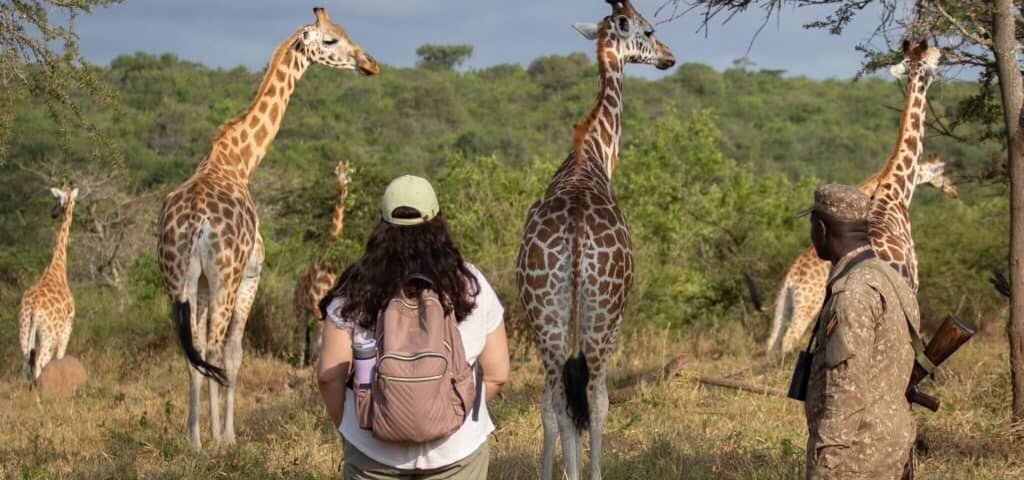
Are there walking safaris in Uganda?
Walking safari in Uganda: This offer an unparalleled opportunity to explore the country’s breathtaking landscapes and diverse wildlife on foot. Unlike traditional game drives, a walking safari allows visitors to immerse themselves in the natural environment, experiencing the sights, sounds and smells of the African wilderness up close. Uganda is renowned for its rich biodiversity including its national parks such as Murchison Falls, Queen Elizabeth and Lake Mburo.
These parks provide ideal settings for walking safaris where expert guides lead small groups through savannahs, woodlands and wetlands. Participants observe unique flora and fauna, from towering giraffes and zebras to smaller creatures like warthogs and colorful birds. One of the highlights of a walking safari in Uganda is the chance to encounter wildlife in a more intimate way. With knowledgeable guides ensuring safety and sharing insights about animal behavior and ecosystems, visitors gain a deeper appreciation of conservation efforts in the region.
What to carry for a walking safari in Uganda
- Comfortable well-fitted boots to provide support and protection for long walks.
- A durable, comfortable backpack essential for carrying your gear.
- A water bottle or hydration pack to keep you hydrated during long treks.
- Sunscreen to protect your skin from harmful sun rays.
- A wide brimmed hat and sunglasses to shield yourself from the sun.
- Insect repellent to keep mosquitoes and other insects at bay.
- Binoculars to enhance your wildlife viewing experience.
- Camera to capture unforgettable moments with a lightweight camera.
- First aid kit with essentials like bandages, antiseptic and pain relievers.
- Energy bar snacks or trail mix to keep you fueled during your trek.
- Be prepared for changing weather conditions with a light jacket.
- Map or GPS device to ensure you stay on track.
- Flashlight or headlamp useful for early mornings or evenings.
Where to do a walking safari in Uganda
Uganda is a country blessed with diverse landscapes ranging from dense forests and expansive savannahs to towering mountains and serene lakes. While traditional safaris in Uganda conducted in 4×4 vehicles offer an incredible way to witness the country’s iconic wildlife, walking safaris provide a unique, immersive experience that brings you closer to nature. This article explores some of the best locations for walking safaris in Uganda, offering insights into what makes each destination special.
Murchison Falls National Park
Murchison Falls National Park, Uganda’s largest and oldest conservation area offers a spectacular setting for a walking safari. The park is named after the dramatic Murchison Falls, where the Nile River plunges over a 40-meter drop. Walking safaris here allow visitors to explore the park’s diverse ecosystems on foot, guided by experienced rangers. The Buligi Peninsula is particularly popular for walking safaris where you can observe elephants, buffaloes and a variety of antelope species up close. The guided walks also provide an opportunity to learn about Murchison Falls National Park’s flora and fauna from knowledgeable guides.
Kidepo Valley National Park
Located in the remote northeastern corner of Uganda, Kidepo Valley National Park is one of Africa’s most isolated parks, offering an unparalleled sense of wilderness and tranquility. Walking safaris in Kidepo provide an intimate encounter with the park’s unique landscapes and wildlife. The Narus Valley, known for its year-round water sources, attracts a plethora of wildlife including lions, giraffes, zebras and over 475 bird species. Walking through this valley offers an authentic safari experience free from the crowds that frequent more accessible parks.
Walking Safari in Uganda : Queen Elizabeth National Park
Queen Elizabeth National Park is renowned for its rich biodiversity and stunning landscapes which encompass savannahs, wetlands and lush forests. The park is home to a remarkable array of wildlife, including the famous tree-climbing lions of Ishasha. Walking safaris in Queen Elizabeth National Park are typically conducted in the Maramagambo Forest or along the Mweya Peninsula. These walks provide an opportunity to explore Queen Elizabeth National Park ‘s diverse ecosystems and observe primates such as chimpanzees as well as numerous bird species.
Lake Mburo National Park
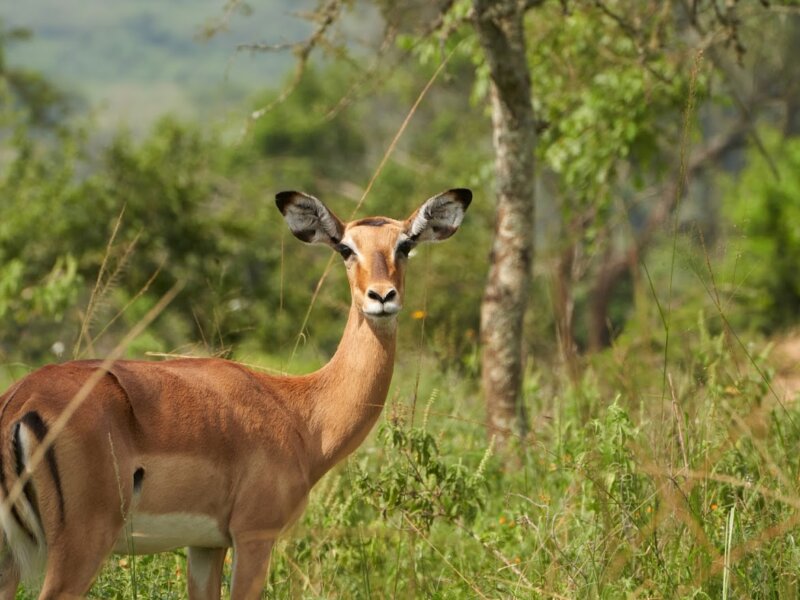
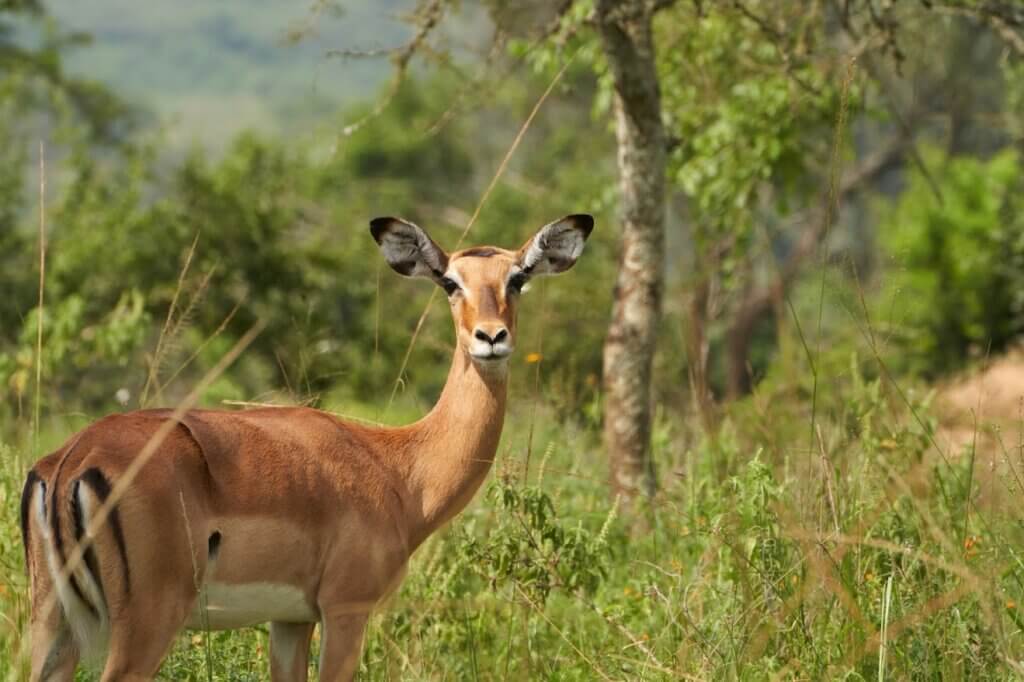
Lake Mburo National Park is one of Uganda’s smallest parks but offers one of the most rewarding walking safari experiences. The park’s compact size allows for more intimate encounters with wildlife including zebras, impalas, elands and buffaloes. Walking safaris here are often conducted around Lake Mburo itself or in the open savannahs that characterize much of the park. The presence of numerous bird species makes it a prime destination for birdwatchers as well.
Bwindi Impenetrable National Park
While Bwindi Impenetrable National Park is primarily known for its gorilla trekking experiences, it also offers fascinating walking safaris that explore the park’s dense forests. These walks provide an opportunity to learn about the forest’s ecology and spot other primates, birds and plant species unique to this UNESCO world heritage site. The Batwa cultural experience is a popular walking tour that allows visitors to engage with the indigenous Batwa people and learn about their traditional lifestyle.
Mount Elgon National Park
For those seeking a more challenging walking safari experience, Mount Elgon National Park offers treks through its varied landscapes including montane forests and moorlands. The park is home to Mount Elgon, an extinct volcano with one of the largest calderas in the world. Walking safaris here provide an opportunity to explore the park’s unique geological features, waterfalls and caves while encountering wildlife such as forest elephants and various primate species.
When to do a walking safari in Uganda
The best time for a walking safari largely depends on the region you plan to visit. In Uganda, for example, the dry season typically between June and October is ideal. During this period, vegetation is sparse, making it easier to spot wildlife and animals often congregate around water sources. The cooler mornings and evenings also provide a comfortable environment for walking long distances. Avoid scheduling a walking safari during the rainy season as trails can become muddy and difficult to navigate. To plan a memorable walking safari in Uganda, contact Giant Holiday Safaris.