Bwindi Travel Guide for First Time Visitors
November 20, 2025
Are there walking safaris in Uganda?
November 20, 2025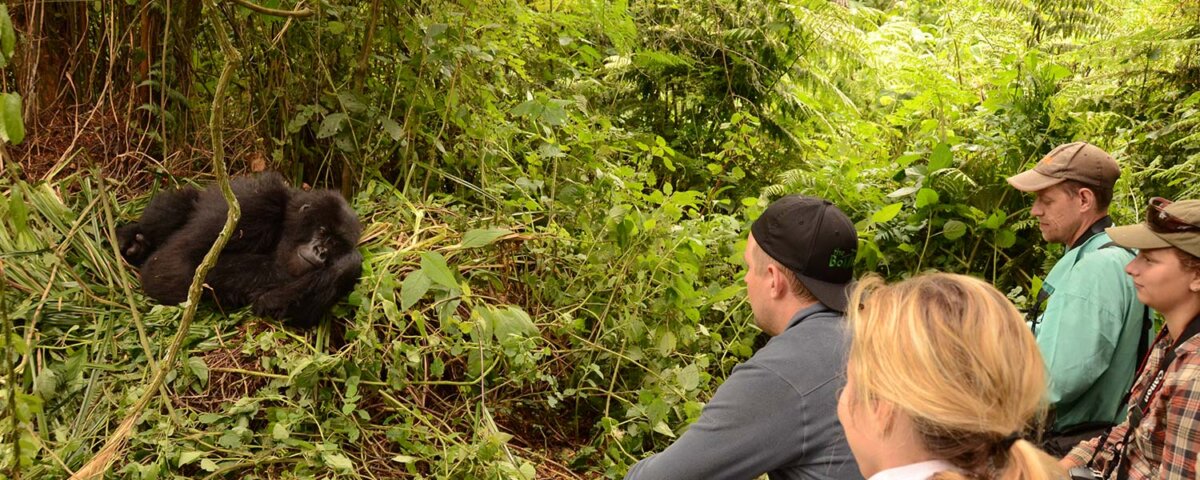
Why is gorilla habituation in Bwindi Forest National Park expensive?
Gorilla habituation in Bwindi Impenetrable Forest National Park in Uganda, is one of the most popular wildlife experiences in Africa. This unique activity allows visitors to spend extended time with semi-habituated mountain gorillas, providing a rare opportunity to observe their behaviors and interactions in their natural habitat. However, the cost of gorilla habituation experiences is notably higher than standard gorilla trekking permits, raising questions about why this activity demands such a premium. Our article below explores factors that contribute to the expense of gorilla habituation in Bwindi Forest National Park.
The complexity of gorilla habituation
Gorilla habituation is a labor-intensive and time-consuming process. It involves training wild gorillas to become accustomed to human presence without altering their natural behaviors or causing them undue stress. This process can take several years and requires highly skilled personnel including researchers, conservationists and trackers, who work tirelessly to ensure the gorillas’ safety and well-being. Unlike standard gorilla trekking where visitors interact with fully habituated gorillas for a limited time typically one hour, gorilla habituation experiences allow participants to spend up to four hours with semi-habituated gorillas. These extended interactions require additional planning, expertise and resources to ensure both visitor safety and the protection of the gorillas. The complexity and duration of habituation efforts contribute significantly to the higher costs associated with gorilla habituation permits.
Conservation and sustainability efforts
Bwindi Impenetrable Forest National Park is home to nearly half of the world’s remaining mountain gorillas, making it a critical site for their conservation. Gorilla habituation programs are part of broader conservation initiatives aimed at protecting these endangered primates and their fragile ecosystems. The fees collected from gorilla habituation permits directly support conservation efforts including anti-poaching patrols, habitat restoration projects and community engagement programs. The high cost of habituation permits reflects the significant investment required to sustain these initiatives. By charging a premium for this exclusive experience, Uganda Wildlife Authority (UWA) ensures that the funds generated are reinvested into long-term conservation strategies that benefit both the gorillas and the local communities.
Limited availability
Gorilla habituation experiences are intentionally limited to ensure minimal disruption to the gorillas’ natural environment and daily routines. Unlike standard trekking groups which are capped at eight participants per visit, gorilla habituation groups consist of only four visitors per day. This exclusivity ensures a more intimate experience for participants while reducing stress on the semi-habituated gorillas. The limited availability of permits naturally drives up costs due to supply and demand dynamics. Additionally, the smaller group size necessitates higher operational expenses per visitor as Bwindi Forest National Park must still deploy a full team of trackers, guides and researchers to facilitate each gorilla habituation experience.
Specialized expertise and personnel
The success of gorilla habituation relies heavily on the expertise of highly trained personnel who guide visitors through the experience while ensuring the safety and welfare of both humans and gorillas. These professionals include researchers who study gorilla behavior, rangers who track the gorillas in dense forests and guides who interpret their actions for visitors. The specialized skills required for gorilla habituation programs come at a cost. The salaries, training and equipment for these personnel are significant expenses that are factored into the permit fees. In addition, gorilla habituation experiences often involve longer hours in challenging terrain, further increasing operational costs compared to standard trekking activities.
Infrastructure and operational costs
Bwindi Impenetrable Forest National Park is characterized by rugged terrain, thick vegetation and remote locations that make access challenging. Maintaining infrastructure within such an environment requires substantial investment in trails, visitor facilities and transportation logistics. Gorilla habituation activities often take place in less accessible areas of the park where semi-habituated families reside, necessitating additional resources to ensure safe and seamless operations. In addition to infrastructure costs, operational expenses such as communication equipment, medical supplies and safety protocols are critical for supporting gorilla habituation activities. These costs are reflected in the price of permits to ensure that every aspect of the experience meets international standards for safety and sustainability.
Economic support for local communities
A significant portion of revenue generated from gorilla habituation permits is allocated to local communities living around Bwindi Impenetrable Forest National Park. These funds support community projects such as education initiatives, healthcare services and sustainable livelihood programs that reduce dependence on forest resources. By involving local communities in conservation efforts and sharing financial benefits with them, Uganda Wildlife Authority fosters a sense of ownership and responsibility for protecting mountain gorillas and their habitat. The higher cost of gorilla habituation permits reflects this commitment to community development as an integral part of conservation strategies.
In conclusion, Gorilla habituation in Bwindi Impenetrable Forest National Park is an extraordinary experience that comes at a premium due to its exclusivity, complexity and conservation impact. The high cost of gorilla habituation permits is justified by the extensive resources required to ensure the safety and well-being of both gorillas and visitors while supporting critical conservation initiatives and empowering local communities.
What is the cost of gorilla habituation in Bwindi Forest National Park?
The cost of gorilla habituation in Bwindi Forest National Park is approximately $1,500 per person. This fee includes a four-hour interaction with the gorillas, guided by expert trackers and conservationists. Visitors are advised to book gorilla habituation permits in advance with Giant Holiday Safaris due to limited availability.
Is gorilla habituation in Bwindi Forest National Park dangerous?
Gorilla habituation in Bwindi Forest National Park is an interesting and unique experience that allows visitors to spend extended time with wild gorillas as they gradually get accustomed to human presence. While it is natural to wonder about the safety of such an activity, it is important to note that this experience is carefully managed by trained guides and park rangers to ensure both visitor and gorilla safety. The gorillas involved in habituation are monitored closely and are usually used to the presence of humans over time. Rangers are highly skilled in reading gorilla behavior and will provide clear instructions on how to act during the encounter. To ensure a safe and enjoyable gorilla habituation experience, Book with Giant Holiday Safaris.
What to pack for a memorable gorilla habituation experience in Bwindi Forest National Park
- Pack lightweight, long-sleeved shirts and long trousers to protect yourself against insect bites and thorny vegetation. Neutral colors like green or khaki are ideal for blending into the forest environment.
- Pack a waterproof jacket which is essential due to unpredictable rain.
- Bring sturdy, waterproof hiking boots with good grip which are crucial for navigating slippery and uneven terrain.
- Bring a wide-brimmed hat, sunglasses and sunscreen for protection against the sun.
- Take a pair of gardening gloves to shield your hands from thorny plants.
- Carry a lightweight backpack for essentials including a reusable water bottle, snacks and a camera with extra batteries.
- Do not forget binoculars useful for spotting birds and other wildlife.
- Pack insect repellent, hand sanitizer and any personal medications.
- Take a small first-aid kit recommended for minor injuries.
- Ensure you have your gorilla habituation permit and valid identification ready.
What is the best time for gorilla habituation in Bwindi Forest National Park
The best time for gorilla habituation in Bwindi Impenetrable Forest National Park is during the dry seasons from June to September and December to February.
During these seasons, trails are less muddy and easier to navigate, ensuring a more comfortable gorilla habituation experience. Additionally, the drier weather enhances visibility, allowing you to fully immerse yourself in observing gorillas as they go about their daily routines. It is advisable to book your gorilla habituation permit in advance with Giant Holiday Safaris because only a limited number of visitors are allowed each day.