
Tanzania Luxury Lodge Safari Packages
May 4, 2026
Maasai Mara-Serengeti Comparison
May 4, 2026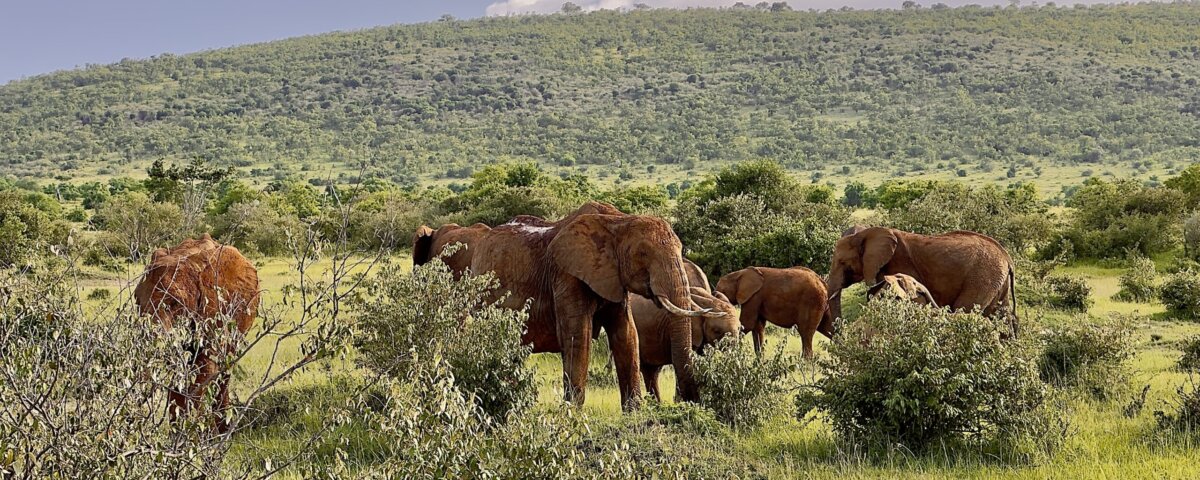
Big Five in Maasai Mara
The Maasai Mara stands as one of Africa’s most powerful wildlife destinations, and it draws travelers from every corner of the world. Among its greatest attractions, the Big Five in the Maasai Mara creates a dream safari experience for many visitors. These iconic animals include lion, leopard, elephant, buffalo, and rhinoceros. Together, they represent strength, survival, and the raw beauty of African nature.
Furthermore, the Maasai Mara offers one of the best chances in the world to see these animals in their natural habitat. Unlike controlled environments, this ecosystem allows wildlife to move freely across wide savannahs. As a result, every safari feels alive, unpredictable, and deeply authentic. In addition, the landscape supports rich biodiversity, which increases the chances of spotting multiple members of the Big Five within a single game drive.
This article explores each of the Big Five in detail while also highlighting travel tips, best viewing seasons, conservation efforts, and expert insights. Ultimately, it aims to provide trustworthy and practical knowledge for global travelers seeking a meaningful African safari experience.
Maasai Mara: A World-Class Wildlife Ecosystem
The Maasai Mara National Reserve in Kenya ranks among the most celebrated safari destinations globally. It forms part of the larger Serengeti ecosystem, which stretches across Kenya and Tanzania. Because of this connection, wildlife moves freely across vast plains throughout the year. This natural movement creates one of the most dynamic wildlife spectacles on Earth.
Additionally, the Mara’s open grasslands, river systems, and scattered acacia trees provide ideal habitats for large predators and herbivores. This balance supports the survival of the Big Five in Maasai Mara and many other species. Tourists often witness intense predator prey interactions, especially during migration seasons when millions of wildebeest and zebras pass through.
Moreover, local communities like the Maasai people play an important role in conservation. Their traditional knowledge and eco tourism involvement help protect wildlife habitats. As a result, Maasai Mara remains not only a tourist destination but also a living example of successful wildlife conservation in Africa.
Lion: The King of Maasai Mara
The lion stands as the most iconic member of the Big Five in Maasai Mara. It dominates the savannah with power, confidence, and social intelligence. Lions in Maasai Mara often live in prides, which consist of related females, cubs, and a few males. This social structure helps them hunt efficiently and protect their territory.
Furthermore, visitors often spot lions resting under acacia trees during the day. However, the real action begins at night or early morning when they hunt. Lions mainly target wildebeest, zebras, and buffalo, especially during migration seasons when prey becomes abundant.
In addition, Maasai Mara offers some of the best lion viewing opportunities in Africa due to the high population density. This makes it easier for safari travelers to observe their behavior up close. Consequently, lions play a key role in attracting global tourists who seek thrilling wildlife encounters.
Overall, the lion represents strength and leadership in the African wilderness, making it a must-see species during any Maasai Mara safari.
Leopard: The Hidden Master of the Savannah
The leopard remains one of the most elusive members of the Big Five in Maasai Mara. Unlike lions, leopards prefer solitude and often stay hidden in dense vegetation or trees. This behavior makes spotting them a rare and rewarding experience for safari travelers.
Moreover, leopards rely heavily on stealth and patience when hunting. They often drag their prey into trees to protect it from scavengers such as hyenas. This unique behavior highlights their intelligence and adaptability in the wild.
In addition, Maasai Mara provides excellent leopard habitats due to its riverine forests and rocky outcrops. Guides with deep local knowledge often track footprints or listen for alarm calls from other animals to locate them.
Although sightings require patience, the reward feels unforgettable. Therefore, the leopard symbolizes mystery and elegance within the Big Five in Maasai Mara, making it one of the most desired sightings for wildlife photographers and safari enthusiasts.
Elephant: The Gentle Giant of Maasai Mara
The African elephant represents the largest land animal among the Big Five in Maasai Mara. Despite its massive size, it displays calm behavior and strong family bonds. Elephant herds usually consist of females and calves led by a matriarch, who guides the group with experience and wisdom.
Furthermore, elephants play a crucial role in shaping the ecosystem. They clear paths in dense vegetation, create water access for other animals, and help spread seeds across the landscape. This makes them essential for environmental balance.
In Maasai Mara, elephants often move in large herds across open plains and near riverbanks. Visitors frequently observe them bathing, feeding, or interacting socially. These moments offer powerful insights into their intelligence and emotional depth.
Additionally, conservation efforts in Kenya have helped protect elephant populations from poaching threats. As a result, Maasai Mara continues to provide safe habitats for these gentle giants, strengthening its reputation as a top safari destination.
Buffalo: The Powerful Survivor of the Wild
The African buffalo stands as one of the most resilient members of the Big Five in Maasai Mara. It moves in large herds that provide protection against predators like lions. This strong group behavior helps buffalo survive in the wild despite constant threats.
Moreover, buffaloes display unpredictable behavior, which makes them one of the most dangerous animals in Africa. They often defend their herd aggressively when attacked. Because of this, even lions approach them carefully.
In addition, Maasai Mara offers excellent buffalo viewing opportunities, especially near water sources and grasslands. These animals graze throughout the day and move slowly across the plains in search of food and water.
Furthermore, buffaloes contribute to the ecosystem by maintaining grass levels through grazing. This supports other herbivores and helps balance the environment.
Overall, the buffalo represents strength, unity, and survival, completing an essential part of the Big Five experience in Maasai Mara.
Rhinoceros: The Rare Treasure of Maasai Mara
The rhinoceros remains the rarest member of the Big Five in Maasai Mara. Both black rhinos and white rhinos face significant conservation challenges due to past poaching. However, protected zones within the reserve help support their survival.
Additionally, rhinos prefer thick bush areas where they can feed on shrubs and stay hidden from threats. This behavior makes them difficult to spot during game drives. As a result, seeing a rhino in Maasai Mara feels like a rare achievement.
Moreover, conservation programs and ranger patrols continue to protect rhino populations. These efforts involve strict monitoring and anti-poaching initiatives that help maintain their numbers.
In Maasai Mara, dedicated conservancies offer better chances of spotting rhinos compared to open reserve areas. Therefore, travelers who wish to complete the Big Five experience often plan extended stays.
Ultimately, the rhinoceros represents rarity and conservation success within the Big Five in Maasai Mara.
Best Time to See the Big Five in Maasai Mara
Timing plays an important role when planning a safari to see the Big Five in Maasai Mara. Generally, the dry seasons from July to October and January to February offer the best wildlife viewing conditions. During these months, animals gather around water sources, making them easier to spot.
Furthermore, the Great Migration season from July to October adds extra excitement. Millions of wildebeest and zebras cross the Mara River, attracting predators like lions and crocodiles. This increases chances of witnessing dramatic wildlife interactions.
Additionally, dry vegetation improves visibility across the plains. Safari vehicles can easily track animal movements, increasing the likelihood of spotting all members of the Big Five.
However, even during wet seasons, Maasai Mara remains rewarding due to its rich biodiversity. Therefore, travelers can enjoy excellent wildlife encounters throughout the year with proper planning.
Safari Experience and Expert Guidance
A successful Big Five safari in Maasai Mara depends heavily on experienced guides. These professionals understand animal behavior, tracking techniques, and terrain navigation. As a result, they increase the chances of spotting rare wildlife moments.
Moreover, safari drives usually take place in the early morning and late afternoon when animals are most active. Guides also communicate with each other to locate sightings quickly across different areas.
In addition, choosing reputable safari operators ensures safety, comfort, and ethical wildlife viewing practices. Many operators follow conservation guidelines that protect both animals and visitors.
Furthermore, open roof safari vehicles enhance visibility and allow travelers to connect deeply with nature. This creates an immersive experience that strengthens appreciation for African wildlife.
Overall, expert guidance transforms a simple safari into an educational and unforgettable journey through the Big Five in Maasai Mara.
Conservation and the Future of the Big Five
Conservation remains vital for protecting the Big Five in Maasai Mara. Human wildlife conflict, habitat loss, and poaching continue to challenge wildlife survival. However, strong conservation efforts across Kenya have improved protection significantly.
Additionally, partnerships between government agencies, local communities, and international organizations support long term sustainability. These efforts include anti-poaching patrols, wildlife monitoring, and community education programs.
Moreover, eco tourism plays a powerful role in conservation. Tourism revenue supports local communities while funding wildlife protection initiatives. This creates a balanced system where both people and wildlife benefit.
As awareness grows, more travelers choose responsible tourism practices. This shift encourages long-term protection of Maasai Mara’s ecosystem.
Ultimately, safeguarding the Big Five ensures that future generations continue to experience the beauty and power of African wildlife.
Tips for a Successful Birdwatching Safari
Planning ahead improves the birdwatching experience in Maasai Mara. Quality binoculars and a field guide or birding app help identify species easily. Giant Holiday Safaris ensures travelers are well prepared with expert advice and seamless logistics.
Early mornings deliver the best sightings, as birds are most active in cooler hours. Neutral colored clothing helps blend into the environment. Guides from Giant Holiday Safaris maximize these opportunities by leading guests to prime birding spots.
Hiring an experienced safari guide adds immense value. Local experts understand bird behavior, habitats, and seasonal patterns. With Giant Holiday Safaris, travelers benefit from seasoned guides who increase chances of spotting rare species.
Patience is key waiting quietly often leads to rewarding sightings. Giant Holiday Safaris encourages a calm, observant approach that enhances the overall experience.
Conclusion: A Timeless African Safari Experience
The Big Five in Maasai Mara offers more than wildlife viewing it delivers a deep connection to nature, culture, and conservation. Giant Holiday Safaris enriches this journey by providing expert guides and responsible safari practices that highlight each animal’s role in the ecosystem.
Every encounter reveals balance and beauty across the savannah. With Giant Holiday Safaris, travelers enjoy authentic African safari experiences while supporting conservation efforts.
Ultimately, every journey into Maasai Mara tells a powerful story of survival, freedom, and harmony in the wild. Choosing Giant Holiday Safaris ensures these stories are lived responsibly and preserved for future generations.
Combined Uganda, Kenya, Rwanda and Tanzania Safaris
17 days Kenya Tanzania and Uganda safari
19 Days Uganda Kenya and Tanzania Safari
16 Days Kenya Tanzania and Uganda Safari
14 Days Kenya Uganda and Tanzania Safari
14 Days Kenya Uganda and Rwanda Safari