Burundi Rwanda and Uganda Safaris
November 11, 2026
Burundi and Kenya Safaris
November 12, 2026
Burundi and Tanzania Safaris
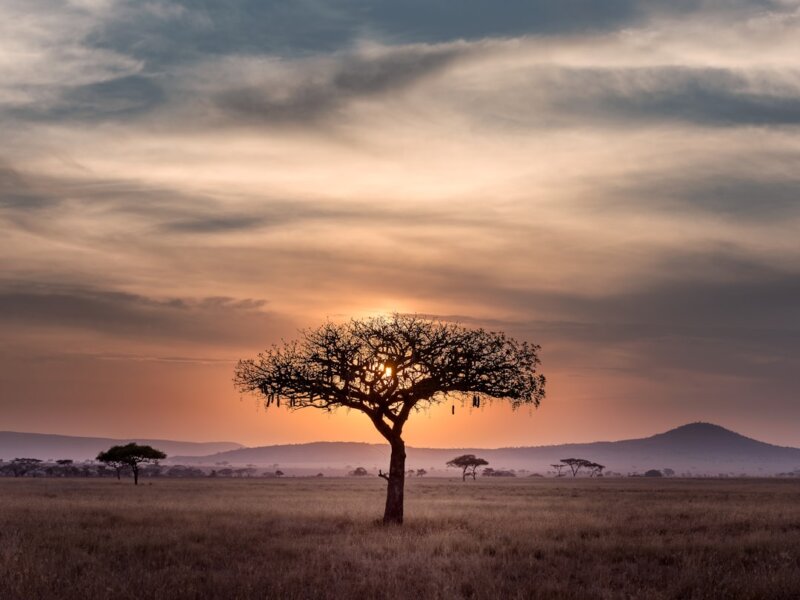
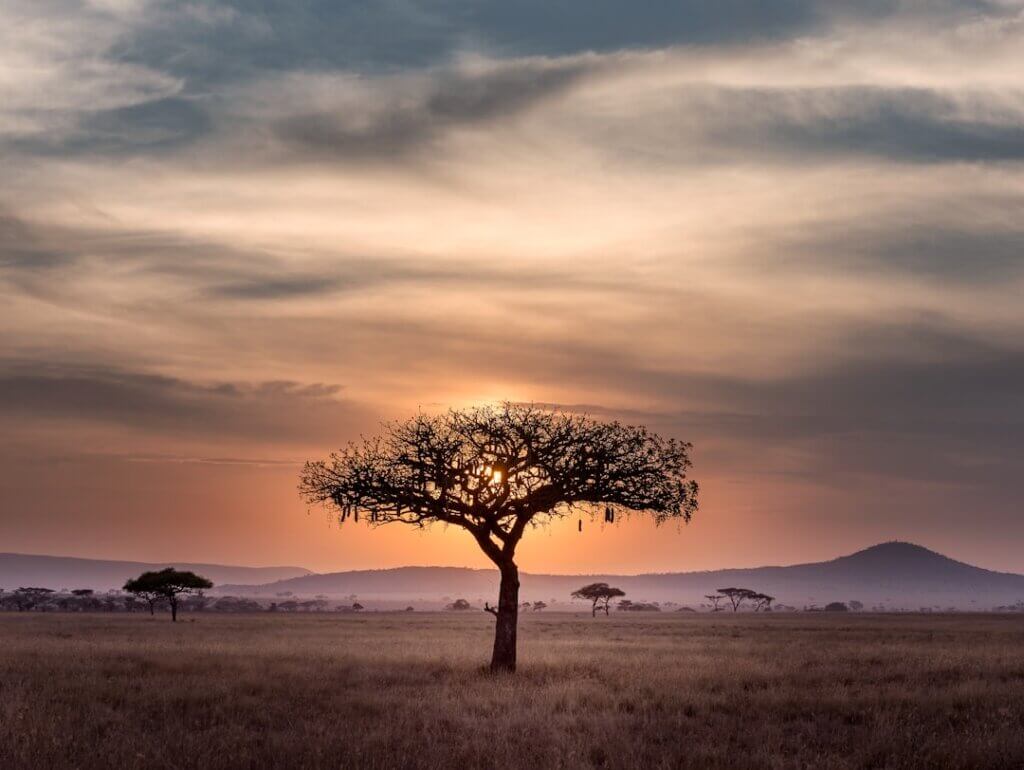
Burundi and Tanzania safaris offer an unforgettable opportunity to explore two fascinating East African destinations through wildlife encounters, beautiful landscapes, rich cultures and authentic African experiences. While Tanzania attracts visitors with its famous national parks, vast savannah plains and remarkable wildlife populations, Burundi offers a quieter tourism experience filled with beautiful lakes, green hills, cultural traditions and welcoming communities. Together, these countries create an exciting safari combination for travellers who want to discover more than the traditional African wildlife circuit.
East Africa offers remarkable travel opportunities, and combining Burundi and Tanzania safaris allows visitors to experience two different sides of the region. In Tanzania, travellers can enjoy exciting game drives across the Serengeti, explore the impressive Ngorongoro Crater, discover Tarangire National Park and relax along the beautiful beaches of Zanzibar. Meanwhile, Burundi introduces visitors to a different atmosphere through Lake Tanganyika, the Rusizi River, the hills surrounding Bujumbura and the country’s fascinating cultural heritage.
Furthermore, these destinations complement each other beautifully. Tanzania provides excellent opportunities for traditional African wildlife safaris, while Burundi adds cultural discovery, scenic road journeys and peaceful lakeside experiences. Therefore, a combined Burundi and Tanzania safari suits travellers who want variety, meaningful experiences and opportunities to explore destinations beyond the usual tourist routes.
Whether you are planning a romantic holiday, a family adventure, a private wildlife safari, a cultural journey or an extended East African holiday, Burundi and Tanzania Safaris offer plenty of possibilities. With proper planning, comfortable accommodation, reliable transport and experienced local guides, you can create a rewarding journey that introduces you to the natural and cultural treasures of East Africa.
Why Choose Burundi and Tanzania for Your African Safari?
Choosing Burundi and Tanzania safari for one holiday gives you access to two countries with different tourism strengths. Tanzania has developed an internationally recognised safari industry, supported by excellent wildlife destinations, established accommodation facilities and experienced safari professionals. Burundi, on the other hand, offers a more relaxed travel experience with beautiful natural scenery, interesting cultural attractions and opportunities to discover a less visited part of East Africa.
First, Tanzania provides some of Africa’s most rewarding wildlife experiences. Its national parks protect large populations of elephants, lions, giraffes, zebras, buffaloes and numerous other animals. Visitors can explore these protected areas through guided game drives, walking experiences in designated locations and selected photographic activities. In addition, the country offers excellent opportunities for birdwatching and nature photography.
Burundi adds a different dimension to the journey. Its landscape features green hills, rural communities, rivers, forests and the impressive Lake Tanganyika. Visitors can explore the capital, Bujumbura, experience traditional drumming, discover local markets and enjoy peaceful moments along the lake.
Moreover, combining Burundi and Tanzania Safaris allows travellers to understand the diversity of East Africa. You can experience the excitement of watching elephants in Tarangire before enjoying a relaxing afternoon beside Lake Tanganyika. Similarly, you can explore Tanzania’s wildlife destinations and later discover Burundi’s cultural heritage.
Another advantage involves travel flexibility. You can design a journey around your available time, budget and interests. Some travellers may prefer a short Tanzania wildlife safari followed by three days in Burundi. Others may choose a longer adventure covering northern Tanzania, Zanzibar and several attractions in Burundi.
Ultimately, Burundi and Tanzania offer an excellent combination for travellers who appreciate wildlife, culture, nature and authentic African hospitality.
Discover Tanzania’s Outstanding Wildlife Safari Experiences
Tanzania stands among Africa’s leading wildlife safari destinations. Its protected areas support extraordinary animal populations and diverse ecosystems, creating excellent opportunities for visitors to experience African wildlife in natural surroundings.
The country’s northern safari circuit attracts many international travellers because it brings several remarkable destinations within a practical road journey. These include Serengeti National Park, Ngorongoro Conservation Area, Tarangire National Park and Lake Manyara National Park.
Each destination offers a different experience. Serengeti National Park features enormous grasslands, seasonal wildlife movements and impressive predator populations. Ngorongoro provides a unique opportunity to explore a volcanic caldera with rich wildlife habitats. Tarangire attracts large elephant herds and features beautiful baobab trees, while Lake Manyara offers varied landscapes, birdlife and forest habitats.
Furthermore, Tanzania offers southern and western safari destinations for visitors seeking quieter wildlife experiences. Ruaha National Park, Nyerere National Park and Katavi National Park provide opportunities to discover different ecosystems and less crowded safari environments.
During a typical safari, professional guides help visitors understand animal behaviour, identify different species and appreciate the importance of wildlife conservation. Their local knowledge also helps travellers explore the parks responsibly.
Tanzania’s wildlife diversity makes it an excellent destination for first-time African visitors and experienced safari enthusiasts. Whether you want to photograph lions, watch elephants crossing open plains or discover colourful bird species, Tanzania offers memorable opportunities throughout the year.
Explore Serengeti National Park and the Great Wildebeest Migration
Serengeti National Park represents one of Tanzania’s most celebrated wildlife destinations. Its enormous grasslands, scattered rocky outcrops and seasonal water sources create an excellent environment for wildlife. The park also forms an important part of the greater Serengeti ecosystem, which extends into neighbouring Kenya.
One of the park’s biggest attractions is the Great Wildebeest Migration. This natural movement involves huge herds of wildebeest, zebras and gazelles travelling across the ecosystem in search of fresh grazing and water. Their movement follows seasonal rainfall patterns, making the migration a constantly changing wildlife experience.
For visitors, witnessing the migration creates an unforgettable safari memory. However, the location of the herds changes throughout the year. During certain months, the animals gather around the southern plains, while other periods bring them towards the western corridor or northern Serengeti.
River crossings along the Grumeti and Mara rivers attract particular attention. During these movements, wildebeest cross waterways as they continue their seasonal journey. Predators also follow the herds, creating excellent opportunities for wildlife observation.
Nevertheless, Serengeti offers much more than migration experiences. The park supports lions, leopards, cheetahs, elephants, giraffes, buffaloes, hyenas and many other species. Consequently, visitors can enjoy rewarding game drives even when the migrating herds occupy another section of the ecosystem.
Accommodation options range from comfortable tented camps to luxury safari lodges. Mobile camps also provide opportunities to stay closer to seasonal wildlife movements.
When planning a Serengeti safari, consider the season, preferred accommodation, available travel days and the location of the migration. A knowledgeable safari operator can help you select suitable areas and develop a practical itinerary.
Experience the Natural Beauty of Ngorongoro Conservation Area
Ngorongoro Conservation Area offers one of the most impressive natural landscapes in Tanzania. Its most famous feature, the Ngorongoro Crater, forms part of a large volcanic caldera that supports a rich variety of wildlife and vegetation.
The crater provides an excellent environment for game viewing because its grasslands, woodland areas, wetlands and water sources support different animal species. Visitors can explore these habitats during guided game drives and enjoy opportunities to photograph wildlife against a dramatic natural background.
Among the animals commonly found in the crater are lions, elephants, zebras, wildebeest, buffaloes, hippos and hyenas. The area also offers opportunities to see the endangered black rhinoceros, although sightings are never guaranteed.
Another attraction is the crater’s scenic beauty. The elevated viewpoints provide impressive views across the caldera, allowing visitors to appreciate the scale of this remarkable landscape.
Beyond the crater, the wider conservation area includes important archaeological and cultural attractions. Olduvai Gorge, for example, holds international importance because of discoveries that have helped researchers understand early human evolution. Visitors interested in anthropology and African history can include this destination in their itinerary.
The Maasai communities also form an important part of the conservation area’s cultural landscape. Their traditional pastoral lifestyle contributes to the region’s identity and offers opportunities for respectful cultural learning.
A visit to Ngorongoro works particularly well as part of a longer northern Tanzania safari. Travellers often combine it with Serengeti and Tarangire, creating a journey that explores different wildlife habitats and landscapes.
Discover Tarangire National Park and Its Large Elephant Herds
Tarangire National Park deserves a special place in any Tanzania safari itinerary. Located in northern Tanzania, the park offers beautiful landscapes, impressive baobab trees and excellent opportunities for wildlife viewing.
Elephants remain among its most recognisable attractions. Large herds move through the park, particularly around the Tarangire River during the dry season. This river serves as an important source of water for wildlife when seasonal water sources become limited.
In addition to elephants, visitors may encounter lions, leopards, giraffes, zebras, wildebeest, buffaloes and different antelope species. The park also supports numerous bird species, making it an attractive destination for birdwatchers.
The baobab trees create another special feature of the landscape. Their unusual shapes and impressive sizes provide beautiful photographic opportunities, especially during early morning and late afternoon game drives.
Furthermore, Tarangire offers a different atmosphere from Serengeti. Its vegetation includes woodland, open grasslands and river valleys, creating a varied environment for wildlife exploration.
The dry season generally provides rewarding wildlife viewing opportunities because animals gather around permanent water sources. However, the park remains interesting throughout the year, with changing vegetation and bird activity offering different experiences.
Many travellers include Tarangire at the beginning or end of a northern Tanzania safari. Its location also makes it a convenient addition to itineraries covering Lake Manyara, Ngorongoro and Serengeti.
For visitors combining Tanzania with Burundi, Tarangire offers an excellent introduction to African wildlife before continuing towards other East African destinations.
Explore Lake Manyara National Park
Lake Manyara National Park offers a beautiful combination of forest, open grassland, wetlands and lake scenery. Located within Tanzania’s northern safari circuit, it provides an interesting wildlife experience for visitors exploring the region.
The park’s landscape changes as you travel through different sections. Groundwater forests support several animal species, while open grasslands provide opportunities to see grazing wildlife. The lake itself attracts numerous waterbirds, especially when seasonal conditions support suitable feeding habitats.
Birdwatching is one of the park’s strongest attractions. Visitors may encounter flamingos, pelicans, storks, herons, kingfishers and many other species. The variety of birdlife makes Lake Manyara particularly appealing to nature lovers and photographers.
The park also supports elephants, giraffes, zebras, buffaloes, baboons and different antelope species. Tree climbing lions have contributed to its international reputation, although visitors should remember that sightings depend on wildlife movements and natural behaviour.
Another advantage involves the park’s location. Travellers can combine Lake Manyara with Tarangire and Ngorongoro to create a rewarding northern Tanzania safari.
Although some visitors spend only a few hours exploring the park, a longer visit allows more time to appreciate its changing habitats and birdlife.
For travellers who enjoy landscapes as much as wildlife, Lake Manyara provides a pleasant contrast to the extensive savannah plains of Serengeti.
Discover the Beauty of Zanzibar After Your Tanzania Safari
Zanzibar provides a beautiful coastal addition to a Burundi and Tanzania safari. After several days exploring national parks and watching wildlife, visitors can enjoy warm beaches, clear ocean waters, historical attractions and relaxing island experiences.
The Zanzibar archipelago lies off Tanzania’s mainland coast and attracts visitors from different parts of the world. Its beaches offer opportunities for swimming, relaxation, snorkelling and selected water activities, depending on local conditions.
Stone Town deserves particular attention. This historic settlement features narrow streets, traditional architecture, old trading buildings and cultural influences from different parts of the world. Visitors can explore historical sites, local markets and waterfront areas while learning about Zanzibar’s important trading history.
Furthermore, Zanzibar offers excellent opportunities to discover Swahili culture. Its food, architecture, music and everyday traditions reflect centuries of interaction between African, Arab, Indian and other communities.
Beach destinations such as Nungwi, Kendwa, Paje and Jambiani provide different holiday experiences. Some visitors prefer lively coastal areas with restaurants and activities, while others choose quieter locations for relaxation.
Spice tours also offer an interesting experience. Visitors can learn about cloves, cinnamon, nutmeg and other spices that have contributed to Zanzibar’s historical identity.
For travellers combining Zanzibar with mainland Tanzania and Burundi, proper transport planning remains important. Domestic flights and international connections can help reduce long travel days.
Discover Burundi, East Africa’s Beautiful Hidden Tourism Destination
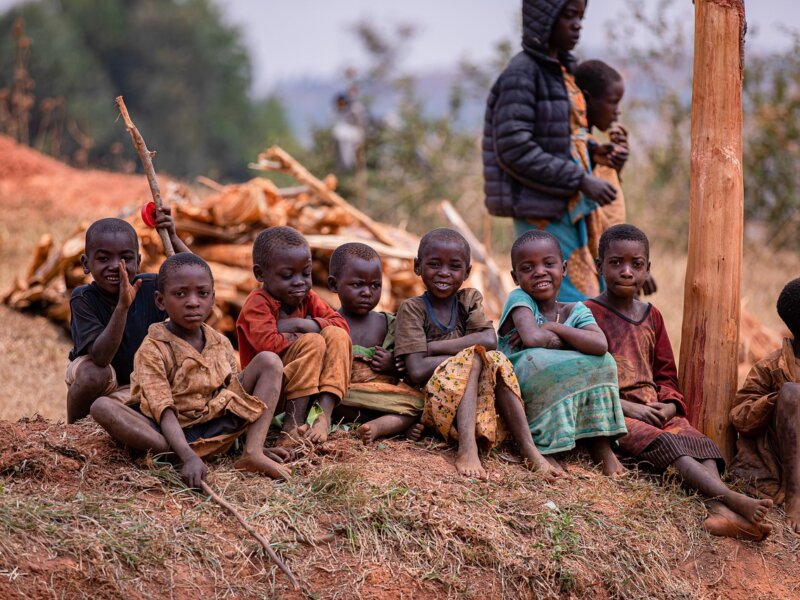
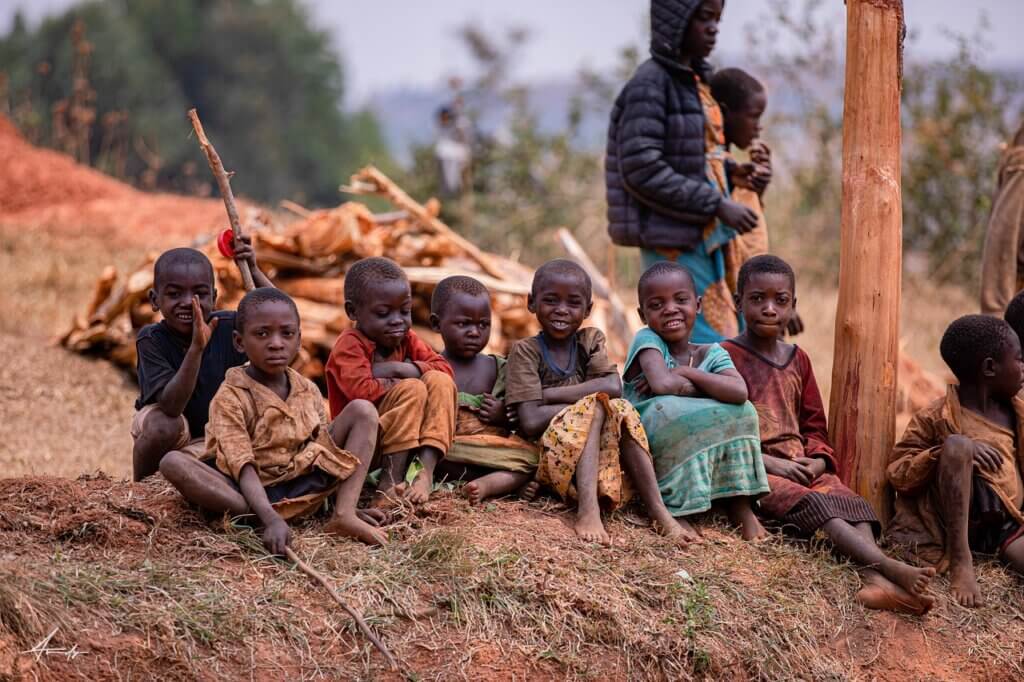
Burundi offers a different kind of African travel experience. Although it receives fewer international visitors than Tanzania, the country has beautiful natural attractions, fascinating traditions and welcoming communities.
Its landscape features green hills, valleys, rivers, forests and the impressive Lake Tanganyika. These natural features create opportunities for sightseeing, cultural exploration, photography and peaceful outdoor experiences.
Bujumbura serves as an important starting point for visitors exploring Burundi. The city offers access to Lake Tanganyika, local markets, restaurants and several cultural attractions. It also provides opportunities to understand everyday life in one of East Africa’s smaller countries.
Beyond the capital, visitors can discover rural communities, traditional villages, scenic roads and beautiful countryside. The journey through Burundi often becomes an important part of the experience because the country’s hills and agricultural landscapes create impressive views.
Cultural tourism also plays a major role in Burundi’s identity. Traditional drumming, dance, crafts and local food provide opportunities to understand the country’s heritage.
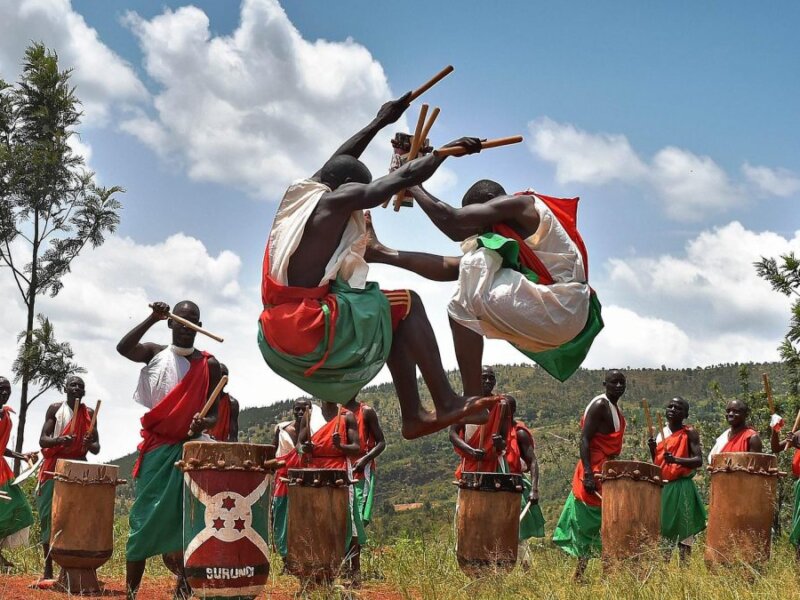
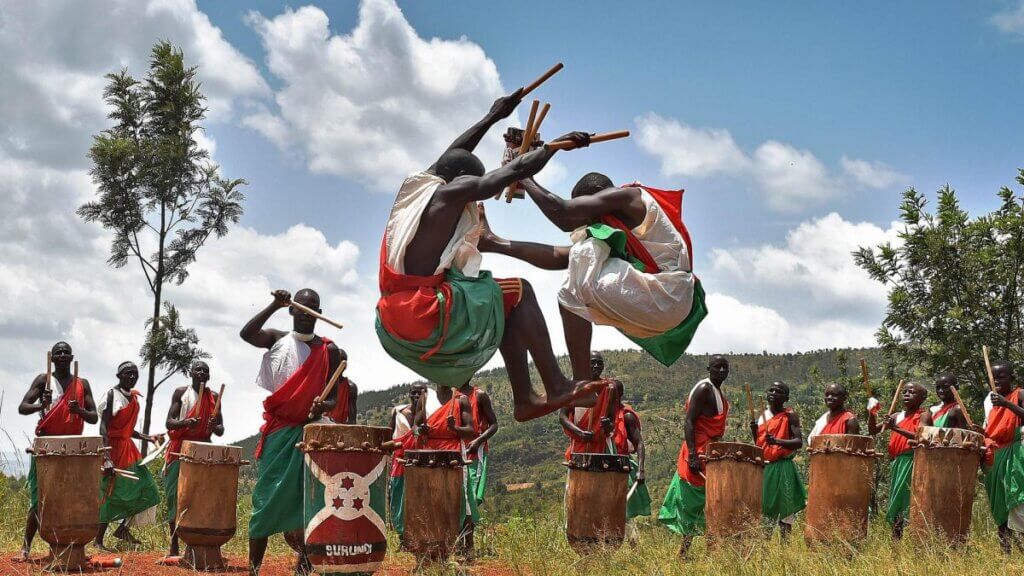
The famous Royal Drummers of Burundi have helped introduce Burundian cultural traditions to international audiences. Their performances showcase the importance of rhythm, teamwork and cultural expression.
Moreover, Burundi offers opportunities to combine nature and culture in one itinerary. You can visit the Rusizi River, enjoy Lake Tanganyika, explore historical attractions and discover traditional communities.
For travellers who have already experienced Tanzania’s famous wildlife parks, Burundi provides a refreshing opportunity to discover another side of East Africa.
Explore Bujumbura, Burundi’s Main Gateway for International Travellers
Bujumbura provides an excellent starting point for a Burundi holiday. Located beside Lake Tanganyika, the city combines urban life, beautiful scenery, cultural attractions and access to several important tourism destinations.
Visitors arriving in Bujumbura can spend time exploring the city before continuing to other parts of the country. The waterfront provides opportunities to relax, enjoy local food and appreciate the beautiful lake scenery.
Local markets also offer interesting experiences. They provide opportunities to discover fresh produce, traditional products, clothing and everyday commercial activities. Visitors can interact with local communities and gain a better understanding of Burundi’s urban culture.
Another attraction involves the city’s historical and cultural sites. Travellers interested in Burundi’s history can explore selected museums and monuments to learn about the country’s past and cultural development.
Bujumbura also provides access to restaurants serving local and international meals. Visitors can sample dishes prepared with fish from Lake Tanganyika, fresh vegetables, beans, plantains and other regional ingredients.
Furthermore, the city works well as a base for excursions to nearby natural attractions. The Rusizi River and Lake Tanganyika are particularly convenient destinations for visitors who want to combine sightseeing with nature activities.
Accommodation options range from comfortable hotels to higher-end properties. Travellers should select accommodation according to their budget, preferred facilities and transport arrangements.
A well-planned visit to Bujumbura creates a comfortable introduction to Burundi before exploring the countryside and cultural destinations.
Visit Lake Tanganyika and Enjoy Burundi’s Beautiful Lakeside Scenery
Lake Tanganyika is one of Burundi’s most important natural attractions. It forms part of the Great African Rift Valley lake system and extends across Burundi, Tanzania, the Democratic Republic of Congo and Zambia.
The lake is famous for its impressive depth, freshwater biodiversity and beautiful scenery. Its shoreline creates opportunities for relaxation, sightseeing, fishing activities and selected water-based experiences.
In Burundi, the lake provides an attractive setting for visitors who want to enjoy peaceful moments away from busy urban environments. Several lakeside locations around Bujumbura offer beautiful views and opportunities to appreciate the surrounding landscape.
Visitors can enjoy boat excursions where suitable operators and conditions allow. These experiences provide different perspectives of the shoreline and surrounding communities.
Lake Tanganyika also supports important local livelihoods. Fishing communities depend on its waters, while nearby businesses support tourism and recreation.
For nature lovers, the lake’s biodiversity makes it particularly interesting. Its waters contain numerous fish species, including many cichlids that attract scientific and ecological interest.
Furthermore, the lake offers beautiful photographic opportunities. Sunrise and sunset create changing colours across the water, while fishing boats and distant mountains add character to the scenery.
Travellers combining Burundi and Tanzania can also explore Lake Tanganyika from the Tanzanian side. Kigoma provides an important gateway to western Tanzania and offers access to attractions such as Gombe Stream National Park.
A visit to Lake Tanganyika therefore creates a meaningful connection between the two countries and introduces travellers to one of East Africa’s most remarkable freshwater environments.
Discover Rusizi National Park and Its Wildlife
Rusizi National Park offers an interesting nature experience close to Bujumbura. Located around the Rusizi River and its surrounding wetlands, the park protects important habitats for birds, aquatic animals and other wildlife.
The river flows towards Lake Tanganyika, creating wetland environments that support different species. Visitors can explore selected areas and enjoy opportunities to observe nature within a relatively accessible location.
Hippos are among the park’s notable attractions. These large mammals spend much of their time in water and use nearby land areas for feeding. Visitors may also encounter crocodiles in suitable habitats, although wildlife sightings depend on natural conditions.
Birdwatching provides another rewarding activity. Wetland habitats attract numerous bird species, including waterbirds and migratory visitors. The combination of river channels, vegetation and open areas makes the park particularly interesting for bird enthusiasts.
A guided excursion can help visitors understand the importance of wetland conservation. Experienced local guides can explain the relationship between the river, wildlife and surrounding communities.
Furthermore, Rusizi National Park provides a convenient addition to a Bujumbura holiday. Travellers can include it in a wider itinerary covering Lake Tanganyika, cultural attractions and nearby countryside.
The park also highlights the importance of protecting natural ecosystems around growing urban areas. Wetlands help support biodiversity and contribute to the environmental health of the wider region.
For travellers interested in nature and photography, Rusizi National Park adds another interesting experience to a Burundi and Tanzania safari.
Experience Burundi’s Famous Traditional Drumming and Cultural Heritage
Burundi’s cultural heritage provides one of the strongest reasons to include the country in an East African holiday. Its traditions reflect a long history of community life, music, dance, craftsmanship and social celebrations.
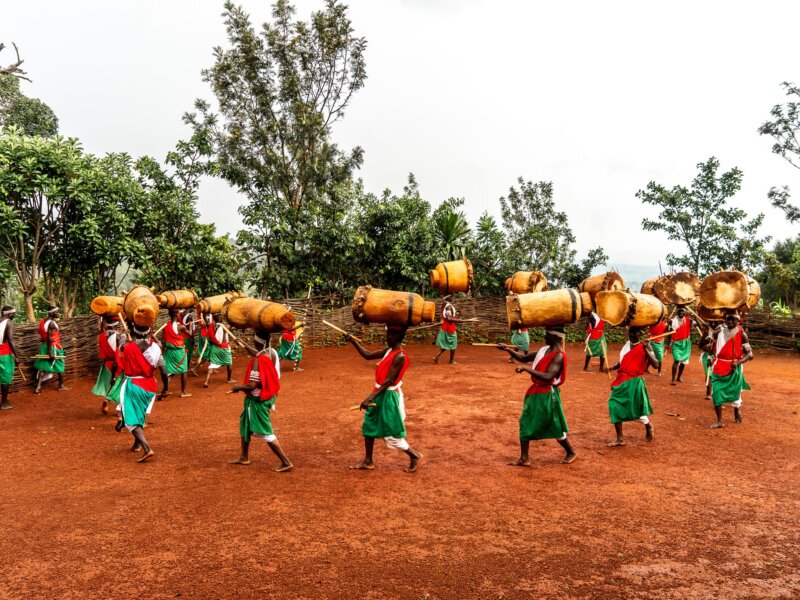
Traditional drumming holds a particularly important place in Burundian culture. The Royal Drummers of Burundi have become internationally recognised for their powerful performances, coordinated movements and traditional instruments.
Their performances combine rhythm, movement and cultural expression. Visitors who attend an organised performance can gain a deeper appreciation of the role music plays in Burundian society.
However, cultural experiences extend beyond drumming. Traditional dance, local crafts, food preparation and community activities also contribute to the country’s cultural identity.
Visitors can explore cultural centres and organised community experiences where available. These visits provide opportunities to learn about traditional practices while supporting local cultural tourism.
Another interesting aspect involves Burundi’s traditional architecture and rural lifestyles. Travellers exploring the countryside can observe agricultural activities, traditional homes and local markets.
Food also forms an important part of cultural discovery. Meals often feature beans, bananas, cassava, sweet potatoes, vegetables and fish. Sharing local food offers a simple but meaningful way to connect with everyday Burundian life.
When organising cultural visits, responsible tourism should remain a priority. Travellers should respect local customs, request permission before photographing individuals and support legitimate community initiatives.
A cultural experience in Burundi brings depth to a Tanzania wildlife safari by introducing visitors to the people and traditions that make East Africa so diverse.
Explore Gitega and Discover Burundi’s Cultural History
Gitega offers an important cultural experience for visitors exploring Burundi. Located in the country’s central region, the city serves as the national capital and provides access to historical attractions and traditional cultural sites.
One of the most important places to visit is the National Museum of Gitega. The museum preserves collections that help visitors understand Burundi’s history, traditional lifestyles and cultural development.
Its exhibits provide insights into different aspects of Burundian heritage, including traditional objects, clothing, household items and historical artefacts.
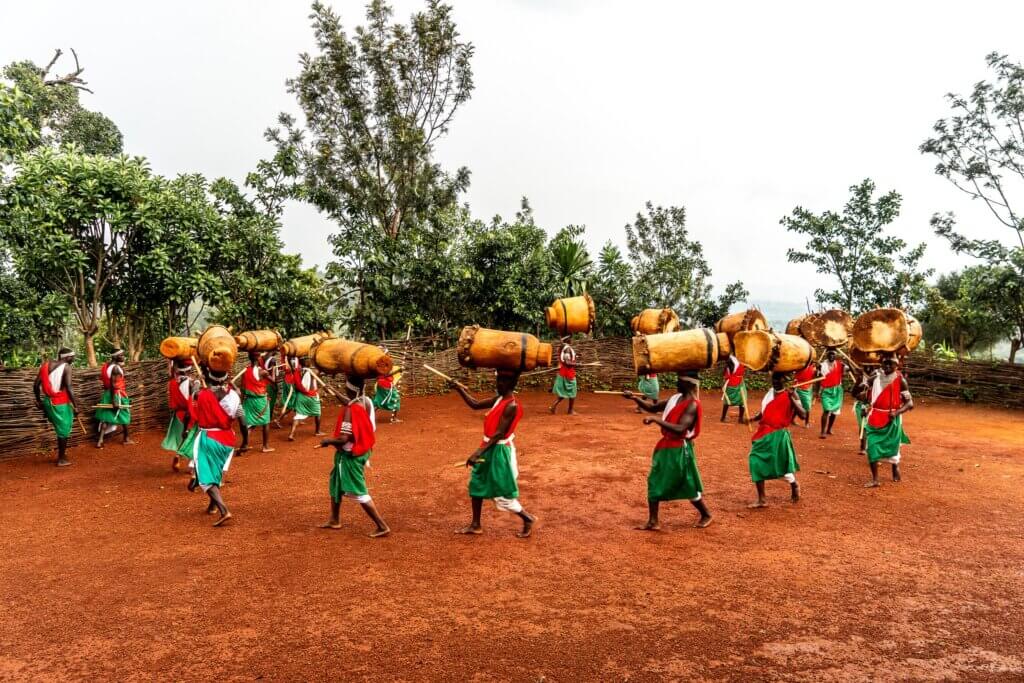
Another major attraction is the Gishora Drum Sanctuary, located near Gitega. This cultural site has strong connections to Burundi’s royal drumming traditions and provides an opportunity to understand the historical importance of traditional drums.
Visitors who arrange an organised cultural experience may enjoy traditional performances and learn about the meaning of different instruments and rhythms.
The journey from Bujumbura to Gitega also provides opportunities to appreciate Burundi’s beautiful countryside. Rolling hills, cultivated fields and rural settlements create attractive scenery along the route.
Gitega works particularly well for travellers who want to explore more than the capital. Its cultural attractions provide an excellent opportunity to learn about the country’s traditions and historical identity.
When including Gitega in a combined Burundi and Tanzania safari, allow sufficient time for road transfers and sightseeing. A dedicated cultural day makes the experience more enjoyable than rushing between attractions.
Discover Karera Waterfalls and Burundi’s Beautiful Natural Landscapes
Karera Waterfalls rank among Burundi’s most attractive natural destinations. Located in the southeastern part of the country, these waterfalls offer a beautiful combination of flowing water, green vegetation and peaceful countryside.
The waterfalls form a series of cascades surrounded by natural vegetation. Their appearance changes with rainfall and seasonal water levels, creating different photographic opportunities throughout the year.
Visitors can explore the area, appreciate the surrounding landscape and enjoy the relaxing sounds of flowing water. The destination offers a refreshing contrast to the urban environment of Bujumbura.
The journey to Karera also introduces travellers to Burundi’s countryside. Rural communities, agricultural fields and rolling hills create an interesting road trip.
Nature lovers may appreciate the opportunity to photograph the waterfalls and observe the surrounding vegetation. Visitors should follow local guidance, respect designated paths and avoid entering unsafe water areas.
Karera Waterfalls work particularly well as part of a longer Burundi itinerary that also covers Gitega and other attractions in the country’s central and southeastern regions.
Because the destination requires additional driving from Bujumbura, travellers should allocate enough time for the excursion. Accommodation and transport arrangements can also influence the best itinerary.
For visitors combining Burundi with Tanzania, Karera provides an opportunity to explore a different natural environment beyond the famous wildlife parks.
Visit Kigoma and Explore Tanzania’s Western Tourism Circuit
Kigoma offers an important connection between Tanzania and Burundi. Located on the eastern shore of Lake Tanganyika, this western Tanzanian town provides access to historical attractions, lake activities and important wildlife destinations.
Its location makes it particularly interesting for travellers who want to explore both countries. Depending on border arrangements, transport availability and the chosen itinerary, Kigoma can form part of a wider regional journey.
One of the area’s historical attractions is Ujiji, a settlement near Kigoma with an important place in African exploration history. Visitors can explore the memorial associated with the historic meeting of explorers Henry Morton Stanley and David Livingstone.
Lake Tanganyika also creates opportunities for relaxation and sightseeing. Visitors can enjoy the lakeside environment, observe fishing activities and appreciate the beautiful surrounding landscape.
Another major attraction involves Gombe Stream National Park. The park is internationally known for its chimpanzee research and forest habitats. Visitors can arrange guided chimpanzee trekking experiences subject to park regulations, availability and conservation requirements.
Mahale Mountains National Park provides another exceptional western Tanzania experience. Its forests and mountainous landscapes support chimpanzees and other wildlife.
However, access to these western parks requires careful planning because transport and accommodation options differ from those in the northern safari circuit.
For travellers combining Burundi and Tanzania, Kigoma creates an interesting opportunity to connect lake tourism, history and wildlife exploration.
Experience Chimpanzee Trekking in Gombe Stream National Park
Gombe Stream National Park offers one of Tanzania’s most distinctive wildlife experiences. Unlike the extensive grasslands of Serengeti, Gombe protects forest habitats along the shores of Lake Tanganyika.
The park has international importance because of its long history of chimpanzee research and conservation. Its forests support chimpanzees and other primates, making it an attractive destination for visitors interested in wildlife behaviour.
Chimpanzee trekking provides opportunities to observe these intelligent primates in their natural environment. Visitors explore the forest with trained park guides who understand chimpanzee movements and the surrounding ecosystem.
Unlike traditional savannah game drives, chimpanzee trekking involves walking through forest terrain. The experience can require physical effort because trails may include steep sections and uneven ground.
Nevertheless, the opportunity to observe chimpanzees in the wild makes the experience rewarding. Visitors may see individuals moving through trees, feeding, resting or interacting with members of their community.
Gombe also supports other wildlife species, including different monkeys and forest birds. Its vegetation and lakeside setting create a beautiful environment for nature photography.
Because the park has limited access compared with major northern Tanzania destinations, travellers should organise transport and accommodation well in advance.
A visit to Gombe works particularly well for travellers who have enough time to explore western Tanzania and Burundi. It adds a specialised primate experience to a broader East African safari.
Discover Mahale Mountains National Park
Mahale Mountains National Park offers another remarkable experience along the eastern shores of Lake Tanganyika. Its mountainous forests, beautiful beaches and chimpanzee populations create a distinctive safari environment.
The park differs significantly from Tanzania’s northern wildlife circuit. Instead of open grasslands and vehicle-based game drives, Mahale offers forest exploration and guided chimpanzee trekking.
Visitors can follow experienced guides through forest trails in search of habituated chimpanzee communities. These experiences provide opportunities to observe natural primate behaviour while learning about forest conservation.
Mahale’s landscape also attracts visitors who appreciate scenic environments. The combination of mountains, tropical vegetation and clear lake waters creates beautiful photographic settings.
The park’s remote location makes it especially appealing to travellers seeking quieter destinations. However, its isolation also means that access requires careful preparation.
Transport arrangements often involve flights, boats or a combination of different services, depending on the season and available operators. Accommodation options also require early planning.
For travellers interested in combining Burundi and Tanzania, Mahale offers an interesting extension for a longer holiday. You can enjoy traditional wildlife safaris in northern Tanzania before exploring the forests and lakeside environment of western Tanzania.
This combination creates a more diverse experience and introduces visitors to different ecosystems within the same country.
Best Time to Visit Burundi and Tanzania for a Safari
The best time to visit Burundi and Tanzania depends on your preferred activities, travel budget and the destinations included in your itinerary.
Tanzania generally offers excellent wildlife viewing during the dry season, particularly from June to October. During this period, vegetation becomes thinner in many safari areas, while animals often gather around permanent water sources.
These conditions can improve wildlife visibility, especially in Tarangire and parts of Serengeti. However, the Great Wildebeest Migration follows seasonal rainfall patterns, so travellers should select their travel dates according to the areas they want to visit.
The short dry season from January to February also provides rewarding opportunities in several northern Tanzania destinations. The southern Serengeti and Ndutu area can attract large numbers of wildebeest during the calving season.
Burundi experiences changing rainfall patterns throughout the year. The country generally has a longer dry season from June to September and a shorter dry period around January and February. Rainfall commonly increases during March to May and again around October to December.
Dryer months can make road journeys and outdoor sightseeing more convenient. Nevertheless, green-season travel can provide beautiful landscapes, fresh vegetation and excellent photographic opportunities.
For a combined safari, June to September often offers a practical period for exploring both destinations. However, the best itinerary should consider the specific parks, wildlife experiences and weather conditions.
Travellers should also remember that weather patterns can change. Therefore, flexible planning and advice from knowledgeable local operators help create a more comfortable holiday.
How Many Days Do You Need for a Burundi and Tanzania Safari?
The ideal duration for a Burundi and Tanzania safari depends on the number of attractions you want to explore and the amount of time you can spend travelling.
A short holiday of seven to ten days can introduce visitors to selected highlights of both countries. However, such an itinerary requires careful planning to avoid spending too much time on road transfers.
For example, travellers could spend four or five days exploring Tanzania’s northern safari circuit before continuing to Burundi for three or four days of cultural and lakeside experiences.
A ten to fourteen-day itinerary provides more flexibility. Visitors can explore Tarangire, Serengeti and Ngorongoro before enjoying several days in Bujumbura, Gitega and the Lake Tanganyika region.
Travellers with two or three weeks can consider a more extensive experience. This may include Zanzibar, Lake Manyara, additional cultural destinations in Burundi and selected attractions in western Tanzania.
The following itinerary examples provide a starting point.
7-Day Burundi and Tanzania Safari
Day 1: Arrival in Tanzania and transfer to Arusha.
Day 2: Game drive in Tarangire National Park.
Day 3: Explore Ngorongoro Crater.
Day 4: Fly or travel towards Burundi, depending on available connections.
Day 5: Explore Bujumbura and Lake Tanganyika.
Day 6: Visit Rusizi National Park and enjoy a cultural experience.
Day 7: Transfer to the airport for departure.
10-Day Burundi and Tanzania Safari
Day 1: Arrival in Tanzania and transfer to Arusha.
Day 2: Tarangire National Park wildlife safari.
Day 3: Transfer to Serengeti National Park.
Day 4: Full-day Serengeti game drives.
Day 5: Morning game drive and transfer towards Ngorongoro.
Day 6: Explore Ngorongoro Crater.
Day 7: Travel to Burundi.
Day 8: Explore Bujumbura and Lake Tanganyika.
Day 9: Visit Gitega and the Gishora Drum Sanctuary.
Day 10: Departure from Burundi.
14-Day Burundi and Tanzania Safari
Day 1: Arrival in Tanzania and transfer to Arusha.
Day 2: Explore Tarangire National Park.
Day 3: Visit Lake Manyara National Park.
Day 4: Transfer to Serengeti National Park.
Day 5: Full-day Serengeti wildlife safari.
Day 6: Continue exploring Serengeti.
Day 7: Transfer towards Ngorongoro Conservation Area.
Day 8: Ngorongoro Crater game drive.
Day 9: Travel to Zanzibar.
Day 10: Explore Stone Town.
Day 11: Relax on Zanzibar’s beaches.
Day 12: Travel to Burundi.
Day 13: Explore Bujumbura, Lake Tanganyika and Rusizi National Park.
Day 14: Visit a cultural attraction before departure, depending on flight arrangements.
These itineraries are examples rather than fixed schedules. Actual routing depends on international flight connections, border arrangements, domestic transport and the availability of accommodation.
How to Travel Between Burundi and Tanzania
Travelling between Burundi and Tanzania requires careful transport planning. The two countries share a border, making overland travel possible. However, the most suitable route depends on your starting point, final destination, available transport and preferred travel style.
For visitors exploring Bujumbura and western Tanzania, the Burundi to Tanzania land border can provide a practical option. The route through the Kobero and Kabanga border crossing connects Burundi with Tanzania.
Travellers should confirm border operating arrangements, immigration requirements and transport availability before departure.
Road travel can offer interesting opportunities to appreciate the countryside and experience local communities along the route. However, distances and road conditions may make some journeys lengthy.
For visitors travelling between Bujumbura and Kigoma, the route requires attention to the available road connections and border procedures. It is important to arrange suitable transport and allow sufficient time for immigration formalities.
Flights may offer a more convenient alternative when suitable connections operate. However, direct flights between specific cities should never be assumed. Some journeys may require connections through other regional airports.
Another important consideration involves the wider Tanzania safari circuit. Travellers visiting Serengeti, Ngorongoro and Tarangire may find it more convenient to use domestic flights or scheduled regional connections when continuing to Burundi.
A reliable safari operator can help coordinate vehicles, drivers, accommodation and border transfers. This reduces unnecessary travel complications and helps visitors enjoy their holiday.
Before travelling, confirm passport validity, visa requirements, entry conditions and any documentation required for crossing international borders.
Burundi and Tanzania Safari Accommodation Options
Accommodation plays an important role in the overall Burundi and Tanzania safari experience. Both destinations offer different accommodation styles, allowing visitors to choose facilities according to their budgets and preferred travel experiences.
Tanzania provides an extensive range of safari accommodation. Options include luxury lodges, permanent tented camps, mobile safari camps, midrange properties and budget-friendly hotels.
In Serengeti, many visitors prefer tented camps because they offer an opportunity to stay close to wildlife habitats. Some luxury properties provide spacious suites, private decks, swimming pools and dining experiences overlooking beautiful landscapes.
Ngorongoro offers accommodation around the conservation area, including properties with impressive views of the crater and surrounding highlands.
Tarangire and Lake Manyara also provide comfortable lodges and tented camps. Travellers should consider the location of each property because accommodation near park gates can help reduce daily driving time.
Burundi offers hotels and guesthouses, particularly in Bujumbura and Gitega. Visitors can select properties with lake views, restaurants, comfortable rooms and convenient access to local attractions.
For a higher-end holiday, travellers can choose selected premium hotels and lakeside accommodation where available.
When comparing accommodation, consider more than the nightly price. Important factors include room comfort, cleanliness, meals, location, service quality, transport access and safety arrangements.
A well-designed safari should balance accommodation standards with travel time and the activities you want to enjoy.
Midrange Burundi and Tanzania Safari Packages
Midrange Burundi and Tanzania safari packages offer a practical balance between comfort, quality and affordability.
This travel category suits visitors who want comfortable accommodation, professional guides and well-organised activities without selecting the most expensive properties.
In Tanzania, midrange accommodation includes lodges, tented camps and comfortable hotels located near major safari destinations. These properties often provide private bathrooms, restaurants, comfortable beds and essential guest services.
Visitors can still enjoy excellent wildlife experiences while keeping accommodation expenses within a reasonable budget.
In Burundi, travellers can select comfortable hotels and guesthouses in convenient locations. These properties provide a suitable base for exploring Bujumbura, Lake Tanganyika, Gitega and nearby attractions.
A midrange itinerary can also include private ground transport, although sharing selected transfers may help reduce costs for some travellers.
When comparing safari packages, check exactly what the quotation includes. Park fees, accommodation, meals, transport, guide services, border transfers and domestic flights can significantly affect the total cost.
A reliable operator should provide a clear breakdown of the services included and any additional expenses.
For many international visitors, midrange Burundi and Tanzania safaris offer an excellent way to explore East Africa comfortably without unnecessary luxury expenses.
Budget Burundi and Tanzania Safaris
Budget Burundi and Tanzania safaris make East African travel more accessible to visitors who want meaningful experiences while controlling their holiday expenses.
However, affordable travel still requires proper planning. Tanzania’s national park fees, transport costs and accommodation expenses can represent a significant part of the overall safari budget.
One way to reduce expenses involves selecting comfortable budget accommodation instead of luxury camps. Visitors can also consider longer stays in fewer destinations rather than covering too many parks within a short period.
Travelling during quieter periods may provide additional accommodation choices, although prices and availability vary by destination.
In Burundi, travellers can explore affordable hotels, local restaurants and selected public transport options where suitable. However, visitors should prioritise reliable transport for longer journeys and excursions.
Another option involves travelling as a small group. Sharing vehicle expenses can reduce the cost per person, particularly during Tanzania wildlife safaris.
Nevertheless, budget planning should never compromise important services. Professional guiding, appropriate vehicles, valid park permits and reliable accommodation remain essential.
Travellers should also confirm whether quotations include international flights, domestic flights, meals, park fees and border transfers.
A transparent safari quotation helps prevent unexpected expenses and allows visitors to understand the value of the package.
With a sensible itinerary, budget-conscious travellers can discover the natural and cultural attractions of Burundi and Tanzania without sacrificing the most important parts of the experience.
Family-Friendly Burundi and Tanzania Safari Holidays
Burundi and Tanzania can provide rewarding family holiday experiences, particularly for families who enjoy nature, wildlife and cultural learning.
Tanzania offers excellent opportunities for children and adults to discover African wildlife. Game drives introduce families to elephants, giraffes, zebras, lions and many other animals.
Watching wildlife in its natural environment can also create valuable learning opportunities. Children can learn about ecosystems, animal behaviour and the importance of conservation.
However, families should consider the age of their children when selecting safari destinations. Some parks involve long driving distances, while others require early morning departures.
Ngorongoro and Tarangire can work well for families because they offer opportunities for rewarding wildlife viewing. Accommodation selection also matters. Family-friendly lodges may provide suitable room arrangements, swimming pools and other facilities.
Zanzibar adds opportunities for relaxation after a wildlife safari. Families can enjoy selected beach activities and explore Stone Town at a comfortable pace.
Burundi introduces another educational experience. Families can explore Lake Tanganyika, visit cultural attractions and discover traditional drumming.
Parents should check activity age restrictions, accommodation policies and transport arrangements before booking.
A family safari should balance sightseeing with enough time for rest. Avoid scheduling too many activities in one day, especially when travelling with younger children.
With suitable planning, a Burundi and Tanzania family holiday can create lasting memories while introducing children to Africa’s natural and cultural diversity.
Romantic Burundi and Tanzania Safaris for Couples
Burundi and Tanzania offer interesting possibilities for couples seeking a romantic African holiday. The combination of wildlife adventures, beautiful landscapes and peaceful lakeside experiences creates opportunities for a memorable journey.
Tanzania provides several romantic safari experiences. Couples can enjoy private game drives, beautiful lodge settings and relaxing evenings surrounded by nature.
Serengeti offers impressive scenery and opportunities to observe wildlife together. Selected camps also provide private dining experiences and accommodation designed for couples.
Ngorongoro offers beautiful landscapes, while Zanzibar creates an excellent setting for beach relaxation.
Couples can enjoy sunset views, coastal excursions and selected cultural activities around Stone Town. Depending on the location and season, they can also arrange snorkelling and other suitable ocean experiences.
Burundi adds a quieter atmosphere through Lake Tanganyika and its surrounding hills. Couples can enjoy lakeside dining, private sightseeing and cultural excursions.
For honeymoon travellers, a carefully planned itinerary can combine Tanzania’s luxury safari experiences with relaxing time in Zanzibar and Burundi.
However, couples should allow enough time between destinations to avoid unnecessary travel pressure.
A romantic safari does not need to involve expensive activities every day. Beautiful accommodation, good hospitality, thoughtful planning and time together often create the most meaningful experiences.
Birdwatching Opportunities in Burundi and Tanzania
Birdwatching adds another dimension to Burundi and Tanzania safaris. Both countries support varied bird habitats, including wetlands, forests, lakeshores, grasslands and woodland environments.
Tanzania offers outstanding birdwatching opportunities across its national parks. Lake Manyara attracts waterbirds, while Serengeti supports numerous savannah species.
Tarangire also offers interesting birdlife, especially around woodland areas and river habitats. Visitors may encounter colourful bee-eaters, rollers, hornbills, storks, eagles and many other species.
Burundi provides additional opportunities around Lake Tanganyika, Rusizi National Park and other wetland environments.
Birdwatchers can explore riverbanks, lakeshores and rural landscapes with knowledgeable local guides. These experiences can reveal species that visitors might overlook during ordinary sightseeing.
Seasonal migration also contributes to bird diversity. Certain periods bring additional migratory species from other parts of the world.
For serious birdwatchers, a specialised itinerary should allow sufficient time at each location. Early morning excursions often provide rewarding opportunities because many birds become active during cooler hours.
Visitors should also carry suitable binoculars, field guides and cameras with appropriate lenses.
Responsible birdwatching requires patience and respect for wildlife. Avoid disturbing nesting areas, approaching birds too closely or damaging vegetation.
Combining Burundi and Tanzania provides a rewarding opportunity to explore different bird habitats while discovering the wider biodiversity of East Africa.
Responsible Tourism and Wildlife Conservation in Burundi and Tanzania
Responsible tourism should remain an important part of every Burundi and Tanzania safari. Tourism creates opportunities for employment, community development and conservation funding. However, visitors and tourism operators must work together to protect the natural and cultural resources that make these destinations special.
In Tanzania, national parks and conservation areas protect important wildlife populations and habitats. Park fees and regulated tourism activities contribute to the management of these protected areas.
Visitors can support conservation by following park regulations, respecting wildlife distances and avoiding activities that disturb animals.
For example, game-drive vehicles should follow designated rules around wildlife sightings. Guides should avoid aggressive driving or unnecessary disturbance when animals are feeding, resting or moving.
Burundi also requires responsible tourism practices. Its forests, wetlands, lakes and cultural attractions benefit from careful management and community participation.
Visitors can support local businesses by choosing responsible accommodation, hiring qualified local guides and purchasing genuine local products.
Cultural respect also matters. Always seek permission before photographing people, especially children and private community activities.
Another important consideration involves waste management. Travellers should avoid leaving plastic bottles, food packaging or other rubbish in natural areas.
Tourism businesses can contribute by using local suppliers, supporting community initiatives and promoting environmental awareness.
When visitors make responsible choices, they help protect the destinations they enjoy. Consequently, responsible travel creates benefits that extend beyond individual holidays and support the future of African tourism.
What to Pack for a Burundi and Tanzania Safari
Packing correctly can make your Burundi and Tanzania safari more comfortable. Since the journey may involve wildlife viewing, cultural excursions, road transfers and lakeside activities, you should prepare for different environments.
For Tanzania wildlife safaris, comfortable neutral-coloured clothing works well. Earthy colours such as brown, green and beige are practical for game drives.
Pack lightweight trousers, long-sleeved shirts, comfortable walking shoes and a warm layer for early morning activities. Temperatures can feel cooler in elevated areas such as Ngorongoro.
A hat, sunglasses and sunscreen can help protect you from strong sunlight. In addition, insect repellent may be useful in suitable areas.
For Burundi, comfortable casual clothing works well for city sightseeing and countryside excursions. If you plan to visit cultural or religious sites, choose clothing that respects local expectations.
A light rain jacket can be useful because rainfall conditions change throughout the year.
Other useful items include:
A valid passport and relevant travel documents.
Camera and spare batteries.
Binoculars for wildlife and birdwatching.
Personal toiletries.
Reusable water bottle.
Comfortable walking shoes.
Prescription medication and basic personal supplies.
Power adapters suitable for your electronic devices.
Travel insurance documentation.
Copies of important travel documents.
Travellers should also pack according to their airline’s luggage limits, especially when using small aircraft for domestic safari flights.
Keep important documents and essential personal items in your hand luggage. Before departure, check the latest baggage requirements and weather conditions for your destinations.
Visa and Travel Requirements for Burundi and Tanzania
International travellers planning a Burundi and Tanzania safari should review entry requirements before departure.
Visa requirements depend on nationality, passport type, travel purpose and the immigration rules in force at the time of travel.
Tanzania offers different entry arrangements for visitors from different countries. Some nationalities qualify for visa-free entry, while others must obtain a visa or meet additional requirements.
Burundi also has its own immigration rules. Travellers should confirm whether they need an entry visa, an approved travel authorisation or other documentation.
Visitors travelling between the two countries should pay particular attention to border-crossing requirements. A visa or entry permission for one country does not automatically grant permission to enter the other.
Passport validity is another important consideration. Many international destinations require passports to remain valid for a specified period beyond the planned arrival date.
Travellers should also check any applicable health documentation requirements and vaccination recommendations with an authorised travel health professional.
For those entering multiple East African countries, it is important to understand whether a regional visa option applies to their nationality and itinerary. Do not assume that one visa covers every country in the region.
Before booking international flights, confirm the latest official immigration information through the relevant government authorities or embassies.
A professional safari operator can help explain general travel arrangements. However, each traveller remains responsible for meeting the immigration requirements that apply to their nationality.
Food and Local Cuisine in Burundi and Tanzania
Food offers another interesting way to experience Burundi and Tanzania. Both countries have culinary traditions influenced by local agriculture, regional trade and cultural exchange.
In Burundi, common foods include beans, cassava, sweet potatoes, bananas, maize and vegetables. Fish from Lake Tanganyika also plays an important role in many lakeside communities.
Travellers visiting Bujumbura can enjoy fresh fish prepared in different ways, often served with plantains, rice or other local accompaniments.
Beans remain an important part of everyday meals, while traditional banana dishes provide another interesting culinary experience.
Tanzania offers a wide variety of regional dishes. Ugali, a maize-based staple, commonly accompanies meat, vegetables and fish.
Nyama choma, which means grilled meat, is popular in different parts of the country. Visitors can also enjoy rice dishes, local vegetables, beans and seasonal fruits.
Zanzibar introduces additional culinary influences through its Swahili food traditions. Pilau, biryani, seafood and coconut-based dishes reflect the island’s rich cultural history.
Visitors can also discover tropical fruits such as mangoes, pineapples, papayas and coconuts.
Food preferences and dietary requirements should be communicated to accommodation providers and safari operators before arrival.
Travellers with special dietary needs should confirm meal arrangements in advance, especially when staying at remote safari camps.
Exploring local cuisine provides more than an opportunity to enjoy different meals. It helps visitors understand the cultures, agriculture and traditions of the communities they encounter.
How Much Does a Burundi and Tanzania Safari Cost?
The cost of a Burundi and Tanzania safari depends on several factors, including travel duration, accommodation standards, transport arrangements, park fees and the number of people travelling.
Tanzania can represent a significant part of the budget because wildlife safaris involve national park entry fees, vehicle charges, accommodation and professional guiding services.
For example, a safari covering Serengeti and Ngorongoro will generally require a larger budget than a shorter trip focusing on one or two parks.
Luxury accommodation and private flights can increase the total cost. Meanwhile, midrange lodges and road transfers can provide more affordable alternatives.
Burundi generally offers different accommodation and sightseeing costs, depending on the selected properties and transport arrangements.
The following factors influence your final quotation:
1. Number of travel days
Longer holidays generally require more accommodation, meals, transport and activity expenses.
2. Accommodation category
Luxury lodges and premium tented camps cost more than budget hotels and standard guesthouses.
3. Number of travellers
Private vehicle costs can be shared among several passengers, reducing the cost per person for group travel.
4. Safari destinations
Park fees and the location of different attractions influence the total package price.
5. Transport arrangements
Domestic flights, private transfers and long-distance road journeys have different costs.
6. Travel season
Peak travel periods can influence accommodation availability and pricing.
7. Included activities
Specialised experiences such as chimpanzee trekking, private excursions and selected cultural activities may require additional payments.
For an accurate quotation, travellers should provide their intended dates, number of people, accommodation preferences and preferred destinations.
A detailed quotation should clearly explain what is included and excluded. This allows visitors to compare safari packages fairly and avoid unexpected expenses.
Why Travel with a Professional Local Safari Operator?
Choosing a professional safari operator is an important decision when planning a Burundi and Tanzania holiday.
A reliable operator helps coordinate transport, accommodation, guides, park activities and travel arrangements. This becomes particularly important when an itinerary covers two countries with different tourism systems and border requirements.
Local knowledge can also improve the quality of your experience. Experienced guides understand road conditions, seasonal wildlife movements, park regulations and the best ways to organise sightseeing activities.
In Tanzania, a knowledgeable safari team can help select suitable parks according to your interests. They can also recommend accommodation based on your budget and travel dates.
In Burundi, local tourism professionals can help arrange cultural visits, countryside excursions and transport between different attractions.
Another advantage involves itinerary coordination. Rather than organising every transfer separately, visitors can work with an operator who understands the complete journey.
However, travellers should research safari companies carefully before making payments.
Consider the following factors when selecting an operator:
Business registration and relevant tourism licences.
Experience organising East African safaris.
Knowledge of the destinations included in the itinerary.
Clear communication and professional customer service.
Transparent quotations and payment conditions.
Suitable vehicles and qualified guides.
Genuine customer reviews and verifiable business information.
Clear booking, cancellation and refund policies.
Do not select a safari company based on price alone. A very low quotation may exclude important services or involve accommodation and transport arrangements that do not match your expectations.
A trustworthy operator should explain the itinerary clearly and answer questions before confirming a booking.
How Giant Holiday Safaris Can Help You Plan a Burundi and Tanzania Safari
At Giant Holiday Safaris, we understand that every traveller has different interests, expectations and budgets. Some visitors want to experience Tanzania’s famous wildlife destinations, while others want to discover Burundi’s cultural heritage and beautiful lakeside scenery.
We help travellers explore East Africa through carefully organised safari experiences that combine wildlife, nature, culture and comfortable travel arrangements.
Our regional tourism knowledge allows us to develop itineraries covering different destinations according to your available time and travel preferences.
For Tanzania, we can help organise wildlife safari experiences covering destinations such as Serengeti National Park, Ngorongoro Conservation Area, Tarangire National Park and Lake Manyara National Park.
For Burundi, we can help plan experiences around Bujumbura, Lake Tanganyika, Rusizi National Park, Gitega and other cultural and natural attractions.
We also understand the importance of selecting suitable accommodation. Whether you prefer luxury lodges, midrange properties or affordable hotels, we can help develop a package that reflects your expectations.
Transport planning remains another important part of our service. We consider road distances, flight connections, border arrangements and sightseeing schedules when preparing itineraries.
Our goal is to help visitors enjoy East Africa with confidence while making informed decisions about their travel arrangements.
We believe that a successful safari begins with clear communication, honest information and proper planning. Therefore, we encourage travellers to share their interests and expectations before confirming their journey.
Whether you are travelling as a couple, family, private group or individual visitor, Giant Holiday Safaris can help you explore the natural and cultural attractions of East Africa.
Frequently Asked Questions About Burundi and Tanzania Safaris
Travellers planning a combined holiday often have questions about destinations, travel arrangements, accommodation, wildlife experiences and the best time to visit.
The following answers provide useful information to help you prepare for your journey.
Is it possible to combine Burundi and Tanzania in one safari?
Yes. You can combine Burundi and Tanzania in one holiday. Both countries share a border, and travellers can organise an itinerary involving wildlife safaris, cultural attractions, lake experiences and scenic road journeys.
The best route depends on your arrival airport, preferred destinations and available transport connections.
What is the best time to visit Burundi and Tanzania?
June to September generally offers favourable conditions for combining wildlife safaris in Tanzania with sightseeing in Burundi.
However, January and February can also provide excellent opportunities, particularly for visitors interested in the wildebeest calving season in southern Serengeti.
Your preferred activities should determine the final travel dates.
How many days are enough for a Burundi and Tanzania safari?
Seven to ten days can provide an introduction to selected highlights of both countries. However, 12 to 14 days offer more flexibility for exploring Tanzania’s national parks and Burundi’s cultural attractions.
Travellers interested in Zanzibar, Gombe or Mahale should consider a longer holiday.
Can I visit Serengeti and Burundi on the same trip?
Yes. You can explore Serengeti before continuing to Burundi. However, you should plan the transport connection carefully because the two destinations are geographically separated.
Depending on your itinerary, domestic flights and regional connections may help reduce travel time.
Is Burundi worth visiting for international tourists?
Yes. Burundi offers beautiful landscapes, Lake Tanganyika, cultural attractions, traditional drumming and opportunities to discover a less visited East African destination.
It provides a different experience from Tanzania’s established wildlife safari circuit.
Can I visit Lake Tanganyika in both countries?
Yes. Lake Tanganyika borders Burundi and Tanzania, among other countries. You can enjoy lakeside experiences in Bujumbura and explore the Tanzanian shoreline around Kigoma.
This provides an interesting opportunity to appreciate different communities and landscapes around the same lake.
Are Burundi and Tanzania suitable for luxury travellers?
Yes. Tanzania offers a wide selection of luxury safari lodges, tented camps and beach resorts. Burundi also has comfortable accommodation options, particularly in Bujumbura.
A private itinerary can combine premium accommodation with personalised transport and guided experiences.
Are Burundi and Tanzania suitable for families?
Yes. Families can enjoy wildlife viewing, cultural experiences, lakeside activities and sightseeing.
However, parents should consider children’s ages, travel distances and activity restrictions when selecting destinations.
Can I travel between Burundi and Tanzania by road?
Yes. Overland travel is possible through established border crossings. However, travel times depend on your route, road conditions, border procedures and the availability of suitable transport.
Always confirm the arrangements before departure.
What wildlife can I see in Tanzania?
Tanzania supports lions, elephants, leopards, cheetahs, buffaloes, giraffes, zebras, wildebeest, hippos, hyenas and many other species.
The animals you encounter depend on the parks you visit, seasonal conditions and natural wildlife movements.
Do I need a professional guide for my safari?
A professional guide is highly recommended, especially for Tanzania wildlife safaris. Guides help visitors understand animal behaviour, follow park regulations and enjoy productive wildlife-viewing experiences.
Local guides also provide valuable cultural and geographical knowledge in Burundi.
How do I book a Burundi and Tanzania safari?
Start by choosing your preferred travel dates, number of travellers, destinations and accommodation category. Then request a detailed itinerary and quotation from a reliable safari operator.
Before making payment, confirm the services included, booking conditions and transport arrangements.
Plan Your Burundi and Tanzania Safari with Giant Holiday Safaris
Burundi and Tanzania safaris provide a wonderful opportunity to discover the diversity of East Africa through wildlife adventures, beautiful landscapes, cultural encounters and memorable lakeside experiences. From the endless plains of Serengeti and the impressive Ngorongoro Crater to the peaceful shores of Lake Tanganyika and the traditional drumming heritage of Burundi, these destinations offer something special for every traveller.
Tanzania introduces visitors to some of Africa’s most celebrated wildlife destinations, while Burundi adds cultural depth and a different perspective of the region. Together, they create an exciting holiday for travellers who want to explore beyond the usual safari routes and experience more of East Africa.
Whether you prefer luxury accommodation, a comfortable midrange safari or an affordable adventure, proper planning can help you enjoy both countries without unnecessary travel complications. Selecting the right destinations, understanding seasonal conditions and working with experienced local tourism professionals will make your journey more rewarding.
At Giant Holiday Safaris, we welcome travellers from around the world who want to discover the beauty of Africa through authentic and well-organised experiences. Our goal is to help you explore East Africa with confidence while enjoying its wildlife, natural attractions and cultural heritage.
Start planning your Burundi and Tanzania safari today and discover two remarkable East African destinations in one unforgettable African adventure.