Burundi and Uganda Safaris
November 11, 2026
Burundi and Tanzania Safaris
November 12, 2026
Burundi, Rwanda and Uganda Safaris:
Burundi, Rwanda and Uganda safaris offer an incredible opportunity to explore three beautiful East African countries in one unforgettable journey. These destinations combine mountain gorilla trekking, chimpanzee tracking, traditional cultures, breathtaking landscapes, wildlife encounters and authentic African experiences. From the rolling hills of Burundi to the green mountains of Rwanda and the rich wildlife habitats of Uganda, this three country safari introduces travellers to the remarkable diversity of East Africa. Moreover, each country offers something different, making a combined Burundi, Rwanda and Uganda safari an excellent choice for visitors who want more than a traditional wildlife holiday.
You can explore ancient cultural traditions, visit national parks, enjoy scenic road trips, discover beautiful lakes and meet local communities. Whether you are planning a private safari, a family holiday, a honeymoon, an adventure trip or a cultural exploration, these three countries provide rewarding experiences for different travel interests and budgets.
East Africa remains one of the most exciting tourism regions in Africa. Its natural beauty, wildlife diversity, welcoming communities and rich cultural history attract visitors from Europe, North America, Asia, Australia and other parts of the world. Furthermore, travelling through Burundi, Rwanda and Uganda allows you to understand how different landscapes, traditions and conservation efforts shape the region.
At Giant Holiday Safaris, we recognise that a successful African safari involves much more than visiting famous attractions. It requires thoughtful planning, reliable transport, knowledgeable guides, comfortable accommodation and experiences that connect travellers with the destinations they visit. Therefore, our approach to Burundi, Rwanda and Uganda safaris focuses on creating meaningful journeys that balance wildlife adventures, cultural discovery, relaxation and responsible tourism.
Why Choose Burundi, Rwanda and Uganda Safaris?
Choosing Burundi, Rwanda and Uganda safaris allows you to discover three neighbouring countries with different tourism identities. Although they share geographical and cultural connections, each destination provides unique experiences. Consequently, combining them creates a diverse holiday that goes beyond the usual safari circuit.
Burundi introduces travellers to peaceful lakeside scenery, traditional drumming, rolling countryside and authentic cultural experiences. Its tourism attractions appeal to visitors who enjoy discovering destinations that receive less international attention. For example, Lake Tanganyika provides opportunities for relaxation, boat excursions and beautiful sunset experiences. Meanwhile, Gitega introduces visitors to Burundi’s cultural heritage through museums and traditional performances.
Rwanda offers a combination of conservation, modern hospitality, beautiful landscapes and cultural tourism. Its famous mountain gorillas attract wildlife enthusiasts from across the world. Volcanoes National Park provides exceptional opportunities for gorilla trekking and golden monkey tracking. In addition, Akagera National Park introduces visitors to traditional African savannah wildlife, while Nyungwe National Park offers rainforest experiences and chimpanzee tracking.
Uganda completes the experience with remarkable biodiversity and diverse landscapes. Travellers can encounter mountain gorillas in Bwindi Impenetrable National Park, track chimpanzees in Kibale Forest, explore Queen Elizabeth National Park and enjoy wildlife experiences in Murchison Falls National Park. Furthermore, Lake Bunyonyi, Lake Victoria and the source of the Nile add beautiful scenery and relaxation opportunities.
Another important advantage involves geographical proximity. Burundi, Rwanda and Uganda share borders and regional transport connections. Therefore, travellers can combine attractions across these countries through carefully planned road journeys and selected domestic flights.
A combined safari also provides excellent value for visitors with enough holiday time. Instead of limiting your experience to one destination, you discover different wildlife habitats, cultures, cuisines and landscapes during one international holiday.
Discovering Burundi: The Land of a Thousand Hills
Burundi offers an exciting introduction to the cultural and natural beauty of East Africa. Although smaller than Uganda and Rwanda, this beautiful country has impressive landscapes, welcoming communities and fascinating traditions. Its rolling green hills, freshwater lakes, rural villages and cultural attractions create opportunities for travellers seeking authentic African experiences.
Bujumbura, the country’s largest city, provides a convenient starting point for exploring Burundi. Located along the northern shores of Lake Tanganyika, the city combines urban life with beautiful lakeside scenery. Visitors can explore local markets, enjoy traditional meals and discover the relaxed atmosphere of the lake.
Beyond Bujumbura, Burundi reveals a countryside filled with green hills, plantations and traditional settlements. Road journeys through the country offer excellent opportunities to appreciate its landscapes and understand everyday life in rural communities. Moreover, these journeys allow visitors to experience the country’s agricultural heritage, including coffee and tea production.
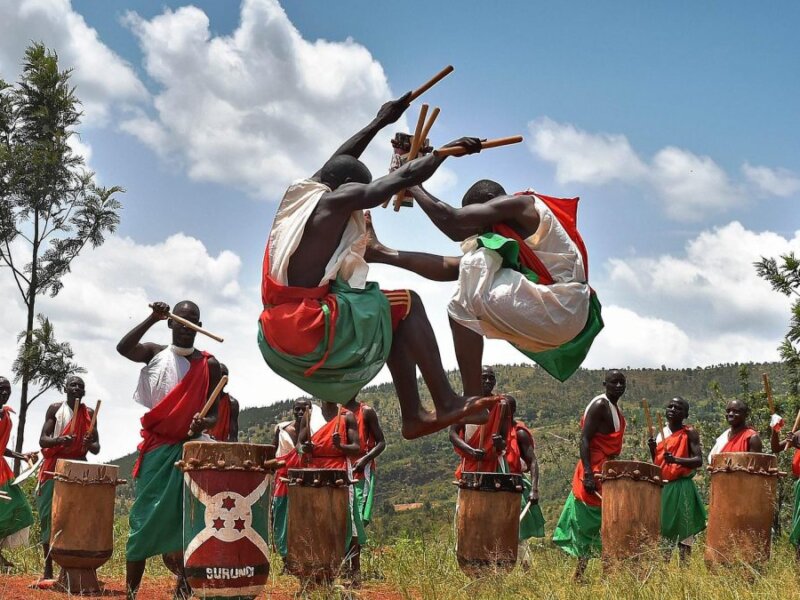
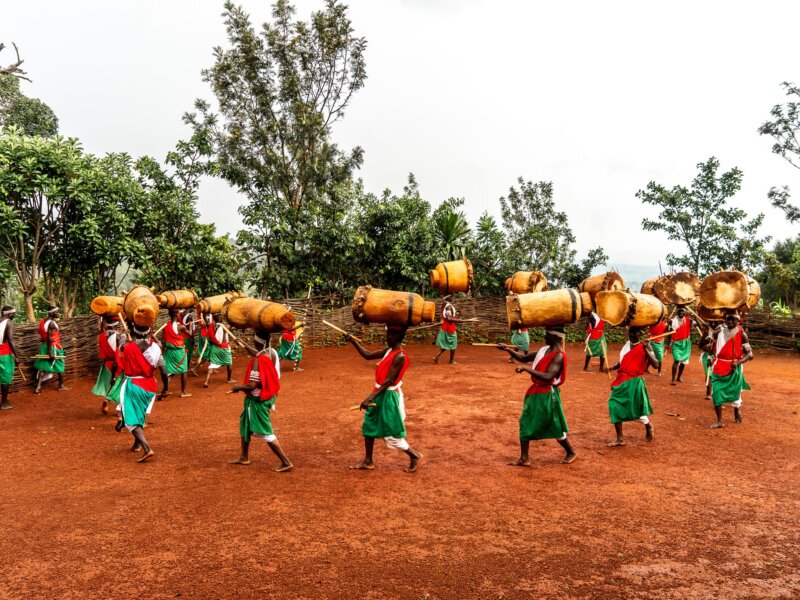
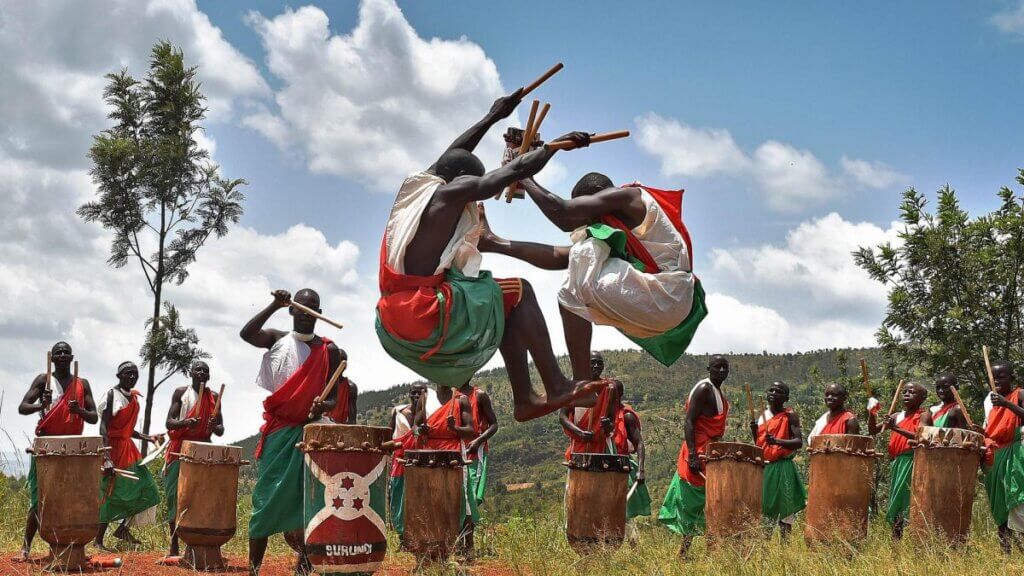
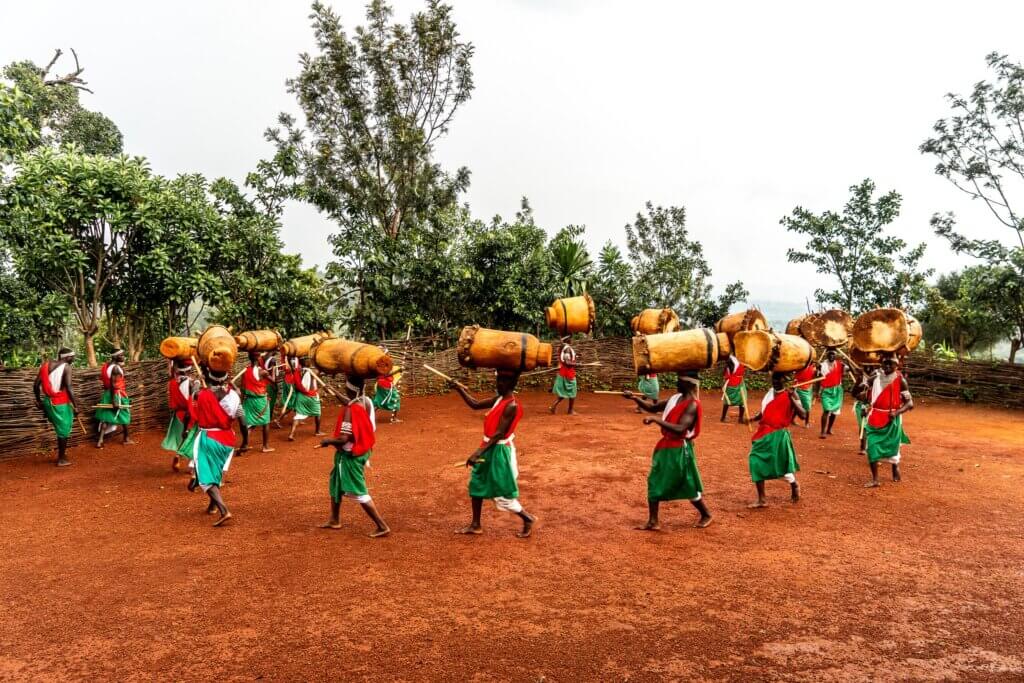
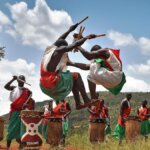
Burundi also has an important cultural identity. Traditional drumming remains one of its most recognisable cultural expressions. The Royal Drummers of Burundi represent an important part of the country’s heritage, using powerful rhythms and coordinated performances to celebrate traditional music and community identity.
Nature lovers can explore Lake Tanganyika, Rusizi National Park, Kibira National Park and several beautiful waterfalls. Meanwhile, history enthusiasts can discover Gitega, the country’s political capital, and explore important cultural institutions.
For travellers combining Burundi, Rwanda and Uganda safaris, Burundi provides a different perspective on East African tourism. It introduces a quieter destination where cultural discovery, scenic exploration and interaction with local communities become central parts of the journey.
Top Tourist Attractions in Burundi
Burundi offers several attractions that deserve attention when planning a multi country East African safari. Although the country does not have the same established wildlife tourism infrastructure as Uganda or Rwanda, it provides rewarding experiences for visitors who appreciate nature, culture and authentic destinations.
One of the most famous attractions is Lake Tanganyika. This enormous freshwater lake stretches across four countries and supports an impressive variety of aquatic life. Burundi’s northern shoreline provides opportunities for relaxation, sightseeing, fishing activities and boat excursions. Travellers can enjoy the beautiful scenery while discovering local lakeside communities.
Another important attraction is Rusizi National Park, located near Bujumbura. The park protects wetlands and river habitats along the Rusizi River. Visitors can explore its natural environment and look for wildlife, including hippos, crocodiles and different bird species. Its location also makes it convenient for travellers staying in Bujumbura.
Kibira National Park offers a different experience through its montane rainforest environment. The forest supports several bird species, primates and other wildlife. Nature enthusiasts can enjoy guided forest walks and discover the ecological importance of this protected area.
Gishora Drum Sanctuary is another major cultural attraction. Located near Gitega, this historic cultural site introduces visitors to Burundi’s traditional drumming heritage. The performances create an opportunity to appreciate the country’s music, traditional instruments and cultural identity.
Karera Waterfalls also deserve a place on a Burundi itinerary. Located in the southeastern part of the country, these waterfalls create a beautiful natural setting surrounded by green vegetation. Visitors can enjoy the scenery, take photographs and explore the surrounding countryside.
Additionally, travellers can explore the Source of the Nile near Rutovu. This attraction introduces visitors to an important geographical feature associated with the Nile River system.
Together, these attractions make Burundi an interesting destination for cultural tours, nature excursions and extended East African safaris.
Lake Tanganyika: Discover Burundi’s Beautiful Freshwater Lake
Lake Tanganyika is one of Burundi’s most attractive natural destinations and an excellent place to include in a multi country safari. The lake forms part of the country’s western landscape and creates a beautiful setting for relaxation, sightseeing and cultural exploration.
As one of the world’s deepest freshwater lakes, Lake Tanganyika supports a remarkable aquatic ecosystem. Its clear waters provide habitats for numerous fish species, including colourful cichlids. These fish contribute to the lake’s ecological importance and support local fishing communities.
Visitors can enjoy several activities along the Burundian shoreline. Boat excursions provide opportunities to appreciate the lake from the water while enjoying beautiful views of the surrounding landscape. Depending on local conditions and available services, travellers can also enjoy swimming at suitable locations, lakeside relaxation and fishing experiences.
Bujumbura provides a convenient base for exploring the lake. Visitors can enjoy lakeside restaurants, discover local communities and experience the relaxed atmosphere of the waterfront. Furthermore, sunset views create wonderful opportunities for photography and quiet moments after a day of sightseeing.
Lake Tanganyika also plays an important role in the livelihoods of surrounding communities. Fishing supports many households, while the lake provides transport connections and other economic opportunities. Travellers can learn about these activities through respectful interactions with local residents.
For visitors planning Burundi, Rwanda and Uganda safaris, Lake Tanganyika introduces a relaxing experience between wildlife adventures and long road journeys. After exploring national parks and cultural attractions, spending time beside this beautiful lake offers a refreshing change of pace.
Rusizi National Park: Explore Burundi’s Wetland Wildlife
Rusizi National Park provides an excellent opportunity to discover Burundi’s wetland ecosystems and river wildlife. Located close to Bujumbura, the park protects important habitats around the Rusizi River and its surrounding wetlands.
The park’s landscape includes river channels, grasslands, marshes and areas of natural vegetation. These habitats support different wildlife species and provide important feeding and breeding grounds for aquatic animals and birds.
One of the most interesting wildlife experiences involves observing hippos along the river. These large mammals spend much of their time in the water and emerge to feed in surrounding grasslands. Crocodiles also inhabit parts of the river system, creating opportunities for wildlife observation from appropriate viewing locations.
Birdwatching is another rewarding activity. The wetlands attract waterbirds and other species that depend on river environments. Consequently, visitors interested in photography and bird identification can enjoy guided nature excursions.
A visit to Rusizi National Park can easily fit into a short Burundi itinerary because of its proximity to Bujumbura. Travellers can explore the park during a morning or afternoon excursion before continuing with other activities around the city.
However, visitors should always follow their guide’s instructions and maintain safe distances from wildlife. Responsible observation helps protect both visitors and animals.
For travellers exploring three East African countries, Rusizi National Park provides a different wildlife experience from the mountain forests of Uganda and Rwanda. It demonstrates the importance of wetlands in supporting biodiversity and maintaining healthy ecosystems.
Gishora Drum Sanctuary: Experience Burundi’s Traditional Culture
Burundi’s cultural heritage forms an important part of its tourism identity, and Gishora Drum Sanctuary offers one of the most memorable cultural experiences in the country. Located near Gitega, this historic site celebrates traditional drumming and the cultural significance of music in Burundian society.
The traditional drums represent more than musical instruments. They carry cultural meaning and connect communities with their history, ceremonies and shared identity. Their powerful rhythms create an energetic atmosphere that allows visitors to appreciate the country’s traditional performing arts.
During a cultural visit, travellers can experience traditional drumming performances and learn about the history behind the instruments. The performers use coordinated movements and rhythmic patterns that demonstrate skill, discipline and cultural pride.
The sanctuary also provides an opportunity to understand the role of traditional music in Burundian society. Visitors can learn how communities preserve cultural practices and pass important traditions from one generation to another.
Cultural tourism becomes more meaningful when travellers approach local traditions with respect. Therefore, visitors should follow guidance from local hosts, ask permission before photographing people and show appreciation for the cultural significance of performances.
Gishora Drum Sanctuary is particularly valuable for travellers who want their Burundi, Rwanda and Uganda safaris to include more than wildlife activities. While gorilla trekking and game drives introduce visitors to Africa’s natural heritage, cultural experiences reveal the traditions and identities of the people who call the region home.
Karera Waterfalls: Discover Burundi’s Natural Beauty
Karera Waterfalls offer another wonderful opportunity to appreciate Burundi’s natural beauty. Located in Rutana Province in southeastern Burundi, these waterfalls form an attractive natural destination surrounded by green vegetation and beautiful countryside.
The waterfalls create several cascading sections that flow through rocky landscapes. Their natural setting provides an excellent environment for sightseeing, photography and relaxation. Visitors can explore suitable viewpoints and appreciate the movement of water through the surrounding vegetation.
The journey to Karera Waterfalls also creates an opportunity to discover rural Burundi. Travellers pass through hills, agricultural areas and traditional settlements. These landscapes help visitors understand the country’s countryside and the importance of farming in local communities.
Nature enthusiasts can enjoy the scenery while learning about the surrounding environment. The sound of flowing water and the green vegetation create a peaceful atmosphere that contrasts with busy urban areas.
Visitors should consider local weather conditions when planning their excursion. Rain can affect road conditions and walking surfaces, so suitable footwear and local guidance remain important.
Karera Waterfalls can form part of a wider cultural and nature itinerary covering Gitega, Gishora Drum Sanctuary and other attractions in southeastern Burundi.
For international visitors, this destination provides another reason to extend their holiday beyond the popular safari circuits of Uganda and Rwanda. It demonstrates that Burundi offers attractive natural experiences alongside its cultural heritage.
Discovering Rwanda: The Land of a Thousand Hills
Rwanda is one of Africa’s most attractive destinations for travellers seeking mountain gorillas, beautiful landscapes, cultural experiences and well organised tourism services. Known as the Land of a Thousand Hills, the country offers rolling countryside, volcanic mountains, tropical forests and beautiful lakes.
Kigali, Rwanda’s capital, provides a convenient starting point for international visitors. The city offers modern hotels, restaurants, cultural attractions and access to important historical sites. Its organised urban environment also makes it a comfortable introduction to the country.
However, Rwanda’s tourism appeal extends far beyond Kigali. Volcanoes National Park protects part of the Virunga Mountains and provides one of the world’s most celebrated mountain gorilla trekking experiences. Visitors travel through bamboo forests and mountain vegetation in search of habituated gorilla families.
Nyungwe National Park introduces visitors to a different rainforest environment. Its chimpanzee tracking experiences, forest trails and canopy walkway attract nature lovers and adventure travellers. Meanwhile, Akagera National Park provides a classic savannah safari with opportunities to see elephants, lions, giraffes, buffaloes, zebras and other wildlife.
Lake Kivu offers beautiful scenery and opportunities for relaxation. Visitors can explore lakeside towns, enjoy boat excursions and discover local communities.
Rwanda also places strong emphasis on conservation and responsible tourism. Its gorilla tourism programme supports protected habitats, conservation activities and surrounding communities.
For travellers combining Burundi, Rwanda and Uganda safaris, Rwanda creates a wonderful connection between cultural discovery and wildlife adventure. Its compact geography also makes it possible to explore several important attractions within a relatively short holiday.
Volcanoes National Park: Experience Mountain Gorilla Trekking in Rwanda
Volcanoes National Park is one of Rwanda’s most important tourism destinations and a major highlight of East African wildlife tourism. Located in the northwestern part of the country, the park protects mountain gorillas and several other species within the Virunga volcanic mountain range.
Mountain gorilla trekking remains the park’s most famous activity. The experience begins with a briefing from park officials, followed by a guided hike through forest vegetation in search of an assigned gorilla family.
The trekking experience varies depending on the location of the gorillas. Some groups remain closer to accessible areas, while others move deeper into the forest. Consequently, visitors should prepare for different hiking conditions and allow enough time for the activity.
Once visitors locate their assigned gorilla family, they receive a strictly regulated viewing period of one hour. This time allows travellers to observe the gorillas as they feed, interact, rest and move through their natural habitat.
The experience creates an extraordinary opportunity to appreciate the behaviour of these endangered primates. Visitors may observe mothers caring for young ones, juveniles playing and dominant silverbacks maintaining their family groups.
Volcanoes National Park also offers golden monkey tracking. These attractive primates inhabit the bamboo forests of the Virunga Mountains and provide another exciting wildlife experience.
The park’s volcanic scenery adds to its appeal. Visitors can enjoy beautiful views of mountains, forested slopes and surrounding agricultural landscapes.
For travellers planning Burundi, Rwanda and Uganda safaris, Volcanoes National Park provides an excellent opportunity to experience mountain gorillas in Rwanda before continuing to Uganda for additional wildlife and cultural adventures.
Golden Monkey Tracking in Rwanda
Golden monkey tracking offers another memorable wildlife experience in Volcanoes National Park. These attractive primates live in the bamboo forests of the Virunga Mountains and are known for their distinctive golden orange fur and lively behaviour.
Unlike mountain gorillas, golden monkeys spend much of their time moving through bamboo vegetation and feeding on different plant materials. Their active behaviour creates an interesting experience for visitors who enjoy observing primates in their natural environment.
The activity normally begins with a morning briefing at the park headquarters. Rangers explain the tracking guidelines and provide information about the primates before leading visitors into the forest.
Once the group locates the golden monkeys, visitors can observe their feeding habits, social interactions and movements through the bamboo. Their energetic nature makes photography particularly enjoyable, although visitors should always respect wildlife regulations.
Golden monkey tracking generally requires a different level of preparation from gorilla trekking. However, forest conditions and walking distances can still vary, so comfortable hiking shoes and suitable clothing remain important.
The experience is especially rewarding for travellers who enjoy primate tourism. It also provides an opportunity to appreciate the biodiversity of the Virunga ecosystem.
When combined with mountain gorilla trekking, golden monkey tracking creates a fuller wildlife experience in Rwanda. Visitors can then continue to Uganda, where Kibale Forest, Bwindi Impenetrable National Park and Mgahinga Gorilla National Park offer further opportunities to explore East Africa’s remarkable primates.
Nyungwe National Park: Discover Rwanda’s Tropical Rainforest
Nyungwe National Park is one of Rwanda’s most important biodiversity destinations. Located in the southwestern part of the country, this extensive montane rainforest protects a remarkable collection of plant and animal species.
The forest provides habitats for chimpanzees, several other primates, forest birds, butterflies and different plant species. Its rich biodiversity makes it an excellent destination for nature enthusiasts and visitors interested in rainforest conservation.
Chimpanzee tracking is one of the park’s major attractions. Visitors join experienced guides and trackers to search for habituated chimpanzee communities. The activity introduces travellers to the behaviour of these intelligent primates and the complex forest environment they inhabit.
Unlike some traditional wildlife experiences, chimpanzee tracking involves following active animals through dense vegetation. Therefore, the duration and difficulty of the experience can vary.
Nyungwe also offers an exciting canopy walkway. This elevated walkway provides visitors with a different perspective of the rainforest, allowing them to appreciate the forest canopy and surrounding landscape from above the ground.
Birdwatching is another important activity. The forest supports many bird species, including several Albertine Rift endemics. This makes the park particularly attractive to bird enthusiasts.
Nature walks also provide opportunities to learn about forest plants, ecological relationships and conservation efforts.
For travellers combining Burundi, Rwanda and Uganda safaris, Nyungwe adds an important rainforest experience. It also creates a natural connection with Uganda’s Kibale Forest National Park, which is another leading destination for chimpanzee tourism.
Akagera National Park: Enjoy Rwanda’s Big Five Safari
Akagera National Park provides Rwanda’s main savannah wildlife experience. Located in the eastern part of the country, the park protects grasslands, woodland habitats, lakes, wetlands and rolling landscapes.
Unlike Volcanoes National Park, which focuses strongly on mountain gorillas and forest ecosystems, Akagera offers traditional African game viewing. Visitors can explore the park through guided game drives and discover different wildlife species.
The park supports the Big Five, namely lions, leopards, elephants, buffaloes and rhinoceroses. It also provides habitats for giraffes, zebras, antelopes, hippos and crocodiles.
Game drives remain one of the most popular activities. Morning excursions provide opportunities to observe wildlife during cooler hours, while afternoon drives allow visitors to explore different parts of the park.
The park’s wetlands and lakes also create excellent birdwatching opportunities. Visitors interested in bird photography can look for different waterbirds and savannah species.
Boat excursions on Lake Ihema provide another way to explore Akagera. During these experiences, visitors can observe hippos, crocodiles and birds around the lake.
Akagera is an excellent addition to a Rwanda safari because it introduces travellers to a different ecosystem. Visitors can experience mountain gorillas in Volcanoes National Park and savannah wildlife in Akagera during the same holiday.
For those continuing to Uganda, Akagera creates a useful comparison with Queen Elizabeth National Park and Murchison Falls National Park, where different landscapes support diverse wildlife populations.
Kigali City: Explore Rwanda’s Capital and Cultural Heritage
Kigali offers an excellent introduction to Rwanda’s history, culture and modern development. The capital city sits among green hills and provides convenient access to hotels, restaurants, markets and cultural attractions.
Many international visitors begin their Rwanda safari in Kigali because of its international airport and well developed tourism services. The city also provides opportunities to learn about Rwanda before travelling to the country’s national parks.
One of the most important places to visit is the Kigali Genocide Memorial. This memorial honours victims of the 1994 Genocide against the Tutsi and provides historical information about the events that shaped modern Rwanda.
A visit requires sensitivity and respect because the memorial represents a deeply painful part of the country’s history. However, it offers an important opportunity to understand Rwanda’s commitment to remembrance, reconciliation and peace.
Visitors can also explore local markets, art centres and cultural spaces. These attractions introduce travellers to contemporary Rwandan creativity and traditional crafts.
Kigali’s food scene offers opportunities to experience local cuisine alongside international dishes. Travellers can enjoy traditional meals, fresh produce and coffee from Rwanda’s important coffee-growing regions.
The city’s surrounding hills also create beautiful viewpoints. Visitors can appreciate the landscape while discovering how Kigali continues to develop.
Including Kigali in Burundi, Rwanda and Uganda safaris adds an important cultural and historical dimension. It allows travellers to understand Rwanda beyond its famous mountain gorillas and national parks.
Lake Kivu: Relax Along Rwanda’s Beautiful Lakeshore
Lake Kivu is one of Rwanda’s most beautiful natural attractions and an excellent destination for relaxation. The lake stretches along Rwanda’s western border with the Democratic Republic of Congo and forms part of the Great Lakes region.
Its surrounding hills, small islands and beautiful shoreline create a peaceful atmosphere for visitors. Several lakeside destinations, including Rubavu and Karongi, offer opportunities to enjoy the scenery and experience local communities.
Visitors can enjoy boat excursions, lakeside walks and selected water activities. Boat trips provide opportunities to appreciate the lake’s landscape and explore some of its islands.
Lake Kivu also offers an excellent environment for relaxation after demanding activities such as mountain gorilla trekking and chimpanzee tracking. Travellers can spend time enjoying the lakeside atmosphere before continuing their safari.
Local fishing communities form an important part of the lake’s identity. Visitors may learn about traditional fishing practices and the economic importance of the lake to surrounding settlements.
The region also produces coffee and other agricultural products. Consequently, travellers can explore local farms and learn about the connection between agriculture, tourism and community livelihoods.
For a combined East African safari, Lake Kivu can serve as a relaxing stop between Volcanoes National Park and Burundi or Uganda, depending on the selected route.
Its natural beauty and peaceful environment make it an attractive destination for couples, families and travellers seeking a balanced holiday.
Discovering Uganda: The Pearl of Africa
Uganda is one of Africa’s most rewarding safari destinations because of its remarkable biodiversity, beautiful landscapes and variety of wildlife experiences. Known as the Pearl of Africa, the country offers mountain gorillas, chimpanzees, savannah wildlife, tropical forests, freshwater lakes and impressive waterfalls.
The country’s tourism appeal comes from its diversity. Visitors can enjoy different experiences within one holiday, ranging from rainforest adventures to traditional game drives and relaxing lakeside excursions.
Bwindi Impenetrable National Park is among Uganda’s most famous attractions. The park protects a significant population of endangered mountain gorillas and offers one of the world’s most memorable wildlife encounters.
Kibale Forest National Park provides excellent opportunities for chimpanzee tracking and chimpanzee habituation experiences. The forest also supports several other primate species and diverse birdlife.
Queen Elizabeth National Park introduces visitors to Uganda’s savannah ecosystems. Its wildlife attractions include elephants, buffaloes, antelopes, hippos and tree climbing lions in the Ishasha sector.
Murchison Falls National Park offers spectacular scenery where the Nile River forces its way through a narrow gorge before dropping into the river below. The park also supports elephants, giraffes, lions, buffaloes and many other wildlife species.
Uganda’s cultural attractions are equally rewarding. Visitors can discover traditional communities, local food, music, crafts and historical sites.
Furthermore, the country’s friendly communities, varied accommodation and established safari routes make it suitable for different travel styles.
For international visitors, combining Uganda with Burundi and Rwanda creates an opportunity to experience three countries with different tourism strengths during one unforgettable African adventure.
Bwindi Impenetrable National Park: The Ultimate Mountain Gorilla Experience
Bwindi Impenetrable National Park is one of Uganda’s most important wildlife destinations and a major highlight of Burundi, Rwanda and Uganda safaris. Located in southwestern Uganda, the park protects an ancient rainforest that supports endangered mountain gorillas and numerous other species.
Mountain gorilla trekking remains the main reason international visitors travel to Bwindi. The experience provides an opportunity to observe habituated gorilla families in their natural environment under the supervision of trained guides and trackers.
The park has four main trekking sectors: Buhoma, Ruhija, Rushaga and Nkuringo. Each sector offers access to different gorilla families and trekking routes. Therefore, choosing the correct sector becomes an important part of safari planning.
The trekking experience starts with a briefing at the designated park headquarters. Rangers explain the rules, assign visitors to gorilla families and provide guidance about the forest environment.
After the briefing, visitors enter the forest with experienced trackers and guides. The search can take different amounts of time depending on the location and movements of the gorillas.
Once visitors locate their assigned family, they spend one hour observing the gorillas. This experience allows them to appreciate the animals’ social behaviour, feeding patterns and family relationships.
Bwindi also offers gorilla habituation experiences in the Rushaga sector. This activity allows visitors to spend up to four hours with a gorilla group undergoing the habituation process, subject to current park regulations and permit availability.
The park’s biodiversity extends beyond mountain gorillas. Visitors can also discover forest birds, butterflies, monkeys and unique vegetation.
Bwindi provides an unforgettable experience for travellers who want to understand the importance of wildlife conservation while enjoying one of Africa’s most remarkable natural attractions.
Mgahinga Gorilla National Park: Discover Gorillas and Golden Monkeys
Mgahinga Gorilla National Park is another important destination for primate tourism in southwestern Uganda. Located within the Virunga Mountains, the park protects mountain gorillas, golden monkeys and several other wildlife species.
The park forms part of the larger Virunga Conservation Area, which extends across Uganda, Rwanda and the Democratic Republic of Congo. This shared ecosystem demonstrates the importance of international cooperation in protecting endangered wildlife.
Mountain gorilla trekking is one of the park’s main attractions. Visitors can track the Nyakagezi gorilla family with experienced guides and trackers. The experience follows established conservation regulations and provides an opportunity to observe these endangered primates.
Golden monkey tracking offers another exciting activity. Mgahinga provides an excellent environment for observing these attractive monkeys as they move through bamboo forests and feed on vegetation.
The park also offers cultural experiences connected to the Batwa community. Visitors can learn about traditional forest knowledge, cultural practices and the historical relationship between the Batwa and the forest.
Mgahinga’s volcanic scenery creates an additional attraction. The park protects three prominent volcanic mountains: Mount Muhabura, Mount Gahinga and Mount Sabyinyo. Hiking opportunities allow visitors to explore the mountainous landscape with appropriate guides and preparation.
The park’s location also makes it convenient for travellers entering Uganda from Rwanda through the Cyanika border.
For visitors combining Burundi, Rwanda and Uganda safaris, Mgahinga creates a natural connection between Rwanda’s Volcanoes National Park and Uganda’s wider southwestern safari circuit.
Kibale Forest National Park: The Primate Capital of the World
Kibale Forest National Park is one of Africa’s leading destinations for chimpanzee tourism. Located in western Uganda, the park protects a tropical rainforest with an impressive diversity of primates, birds, butterflies and other wildlife.
Chimpanzee tracking is the park’s most popular activity. Visitors join experienced guides and trackers to search for habituated chimpanzee communities within the forest.
The experience begins with a briefing, where park officials explain the activity and the rules for responsible wildlife observation. Visitors then enter the forest to follow the chimpanzees.
Chimpanzees move through the forest as they search for food, interact with other members of their community and travel between different feeding areas. Consequently, tracking conditions can vary from one day to another.
Once visitors locate the chimpanzees, they enjoy a regulated viewing period. This provides opportunities to observe their behaviour, communication and social relationships.
Kibale also offers chimpanzee habituation experiences. These activities allow visitors to spend more time with chimpanzee communities undergoing the habituation process. The experience provides deeper insight into the research and conservation work involved in preparing chimpanzees for tourism.
Beyond chimpanzees, Kibale supports several other primates, including red colobus monkeys, L’Hoest’s monkeys, vervet monkeys and olive baboons.
The nearby Bigodi Wetland Sanctuary provides an additional nature experience. Guided walks introduce visitors to wetland vegetation, birds and local community conservation initiatives.
For travellers planning Burundi, Rwanda and Uganda safaris, Kibale adds an excellent primate experience that complements mountain gorilla trekking in Bwindi and Volcanoes National Park.
Queen Elizabeth National Park: Explore Uganda’s Wildlife Diversity
Queen Elizabeth National Park is one of Uganda’s most popular savannah wildlife destinations. Located in western Uganda, the park protects diverse ecosystems, including open grasslands, wetlands, forests, crater lakes and river habitats.
The park supports a wide variety of wildlife. Visitors can encounter elephants, buffaloes, Uganda kob, waterbucks, warthogs, hippos and several other species.
Game drives offer opportunities to explore different sections of the park. The Kasenyi Plains provide some of the most popular wildlife viewing areas, especially for visitors interested in Uganda kob and large predators.
The Ishasha sector is famous for its tree climbing lions. These lions sometimes rest in large fig trees, creating an unusual wildlife viewing experience. Although sightings are never guaranteed, the sector offers an interesting addition to a Uganda safari.
Another major attraction is the Kazinga Channel. This natural waterway connects Lake Edward and Lake George and supports a large concentration of hippos, crocodiles and waterbirds.
Boat cruises along the channel provide excellent opportunities to observe wildlife from the water. Visitors can enjoy close views of animals gathering along the shoreline while appreciating the beautiful surrounding landscape.
Queen Elizabeth National Park also offers crater lake sightseeing, birdwatching and cultural experiences around nearby communities.
Its location makes it an important part of itineraries connecting Kibale Forest and Bwindi Impenetrable National Park.
For international travellers, the park provides a rewarding combination of game drives, boat excursions and beautiful scenery within Uganda’s western safari circuit.
Murchison Falls National Park: Experience the Power of the Nile
Murchison Falls National Park is Uganda’s largest national park and one of its most spectacular natural attractions. Located in northwestern Uganda, the park protects extensive savannah landscapes, woodland habitats, riverbanks and sections of the Victoria Nile.
The park’s most famous attraction is Murchison Falls. Here, the Nile River passes through a narrow rocky gorge before plunging into a powerful waterfall. The resulting scenery creates one of Uganda’s most impressive natural sights.
Visitors can explore the falls through different activities. A boat cruise along the Nile provides opportunities to observe hippos, crocodiles and waterbirds while travelling towards the bottom of the waterfall.
The top of the falls offers another spectacular viewpoint. Visitors can appreciate the powerful movement of water and the surrounding rocky landscape.
Game drives provide opportunities to encounter elephants, giraffes, buffaloes, lions, antelopes and other wildlife. The northern section of the park is particularly popular for traditional savannah wildlife viewing.
Birdwatching also forms an important part of the park experience. The diverse habitats support numerous bird species, making Murchison Falls attractive to bird enthusiasts.
The park also offers opportunities to explore Budongo Forest, where visitors can experience forest walks and chimpanzee tracking in designated areas.
For travellers combining Burundi, Rwanda and Uganda safaris, Murchison Falls provides an excellent opportunity to explore Uganda’s northern wildlife circuit.
Although the park requires additional travel time from southwestern Uganda, its scenery and wildlife diversity make it a rewarding addition to longer itineraries.
Lake Bunyonyi: Relax in Uganda’s Beautiful Highlands
Lake Bunyonyi is one of Uganda’s most beautiful lakes and an excellent destination for relaxation after mountain gorilla trekking. Located in southwestern Uganda, the lake sits among green hills and contains numerous small islands that create a stunning landscape.
Its peaceful environment makes it popular with travellers seeking rest, scenic views and outdoor activities. Several accommodation facilities around the lake provide beautiful views of the water and surrounding hills.
Canoeing is one of the most popular activities. Visitors can explore parts of the lake using traditional dugout canoes or other locally available boats. These excursions provide opportunities to appreciate the islands and learn about the lake’s cultural history.
Boat trips also allow travellers to enjoy the landscape from different viewpoints. Visitors can explore selected islands and discover local communities around the shoreline.
Lake Bunyonyi provides opportunities for birdwatching as well. Its surrounding wetlands, gardens and hills support different bird species.
The lake is also an excellent location for relaxation after demanding trekking activities. Visitors can enjoy lakeside meals, beautiful sunsets and peaceful mornings before continuing their safari.
Its location makes it convenient for travellers visiting Bwindi Impenetrable National Park and Mgahinga Gorilla National Park.
For visitors combining Burundi, Rwanda and Uganda safaris, Lake Bunyonyi provides a refreshing experience between forest adventures and international border crossings.
Uganda Cultural Experiences: Discover the Traditions of Local Communities
Uganda’s cultural diversity adds an important dimension to its tourism industry. The country has numerous communities with distinct languages, traditional practices, music, food and cultural identities.
Travellers can experience this diversity through village visits, traditional performances, local markets and community tourism initiatives.
The Batwa Cultural Experience near Bwindi and Mgahinga offers an opportunity to learn about the traditional forest knowledge of the Batwa community. Visitors can discover aspects of their historical relationship with the forest, traditional skills and cultural heritage.
In western Uganda, visitors can explore the cultural traditions of communities around Queen Elizabeth National Park and Kibale Forest. Local experiences may include traditional meals, craft demonstrations and cultural performances.
The Ankole region introduces travellers to the cultural heritage of the Banyankole people. Visitors can learn about traditional cattle keeping, local food and the importance of longhorn cattle in the region’s history.
Central Uganda offers opportunities to discover Buganda’s cultural heritage. Visitors can explore traditional sites, learn about the Buganda Kingdom and experience cultural attractions around Kampala.
Cultural tourism also provides economic opportunities for local communities. Responsible visits can support artisans, guides, performers and community organisations.
Travellers should approach these experiences with respect and genuine interest. Asking permission before taking photographs, supporting locally made products and following community guidance contribute to positive tourism relationships.
When combined with Burundi’s drumming traditions and Rwanda’s cultural attractions, Uganda’s cultural experiences create a richer understanding of East African heritage.
Best Activities During Burundi, Rwanda and Uganda Safaris
A combined safari across Burundi, Rwanda and Uganda offers a wide range of activities for different interests. Visitors can experience wildlife, adventure, culture, relaxation and nature exploration throughout the journey.
Mountain gorilla trekking remains one of the most memorable activities. Travellers can visit Bwindi Impenetrable National Park or Mgahinga Gorilla National Park in Uganda and Volcanoes National Park in Rwanda. Each destination offers a different forest environment and trekking experience.
Chimpanzee tracking provides another exciting opportunity. Kibale Forest in Uganda and Nyungwe Forest in Rwanda are among the region’s important destinations for observing chimpanzees in their natural habitats.
Golden monkey tracking offers a wonderful experience in the Virunga Mountains. Visitors can explore the bamboo forests of Volcanoes National Park or Mgahinga Gorilla National Park.
Wildlife game drives introduce travellers to Africa’s savannah animals. Akagera National Park, Queen Elizabeth National Park and Murchison Falls National Park offer opportunities to encounter elephants, buffaloes, giraffes, lions, antelopes and other wildlife.
Boat cruises provide relaxing ways to explore East Africa’s lakes and rivers. Popular experiences include the Kazinga Channel in Uganda, Lake Ihema in Rwanda, Lake Tanganyika in Burundi and selected excursions on Lake Kivu.
Cultural tours introduce visitors to local communities and traditional heritage. Travellers can experience Burundi’s traditional drumming, Rwanda’s cultural attractions and Uganda’s community tourism activities.
Birdwatching provides another excellent activity. The region supports diverse bird habitats, including forests, wetlands, lakeshores and savannah landscapes.
Nature walks and hiking allow visitors to appreciate beautiful landscapes while learning about local ecosystems.
By combining these activities, travellers can create a safari that balances adventure, relaxation and cultural discovery.
How to Plan a Burundi, Rwanda and Uganda Safari
Planning a successful multi country safari requires careful consideration of travel time, border crossings, accommodation, permits and the activities you want to experience.
The first step involves identifying your main travel interests. Some visitors prioritise mountain gorilla trekking, while others want a combination of wildlife, culture and scenic exploration. Your interests will determine the destinations and number of days required.
Next, consider the countries’ geographical arrangement. Burundi, Rwanda and Uganda share regional connections, making road travel possible through established border crossings. However, the most suitable route depends on your arrival airport, departure airport and selected attractions.
For example, travellers arriving in Kigali can begin with Rwanda’s Volcanoes National Park before crossing into Uganda through the Cyanika border. They can then explore Mgahinga, Bwindi, Queen Elizabeth National Park and Kibale Forest.
Another itinerary can begin in Entebbe, Uganda, before continuing to Bwindi, Rwanda and Burundi. This route may include southwestern Uganda, Kigali, Gitega and Bujumbura.
The next consideration involves gorilla and chimpanzee permits. These activities require advance planning, particularly during popular travel periods. Travellers should confirm permit availability before finalising accommodation and transport arrangements.
Accommodation also deserves careful attention. Each destination offers different lodging categories, ranging from budget guesthouses to comfortable midrange properties and luxury lodges.
Transport arrangements should account for road conditions, border procedures and driving distances. A private safari vehicle with an experienced driver guide provides flexibility and makes it easier to explore remote attractions.
Finally, prepare the necessary travel documents and confirm entry requirements for every country. A well planned itinerary reduces unnecessary travel and allows visitors to enjoy each destination without feeling rushed.
Best Time to Visit Burundi, Rwanda and Uganda
Burundi, Rwanda and Uganda are year round destinations. However, weather conditions can influence wildlife viewing, trekking experiences, road travel and outdoor activities.
The region generally experiences two relatively drier periods and two wetter periods. The exact timing and intensity vary between countries and locations.
The first relatively dry season usually occurs from June to September. These months often provide favourable conditions for gorilla trekking, chimpanzee tracking and wildlife game drives.
The second relatively dry period generally occurs from December to February. Travellers can also enjoy good conditions during these months, although occasional rainfall remains possible.
The wetter periods usually occur around March to May and October to November. During these months, forests become greener, waterfalls may carry more water and birdwatching can become particularly rewarding.
However, rain can make some trekking trails slippery. Visitors should prepare for muddy paths and changing weather conditions, especially in mountainous areas.
Burundi’s Lake Tanganyika region can offer enjoyable lakeside experiences throughout the year, although weather and rainfall may influence boat excursions.
Rwanda’s national parks remain open for tourism activities according to official park regulations. Uganda’s wildlife destinations also provide year round experiences.
Travellers should remember that mountain gorilla trekking takes place in natural forest environments. Therefore, sightings and hiking conditions depend on the movements of the animals and the weather.
The best time to visit ultimately depends on your preferred activities, budget and available travel dates. Visitors who want easier hiking conditions often favour the relatively drier months, while travellers interested in greener scenery may appreciate the wetter seasons.
Gorilla Trekking Permits in Burundi, Rwanda and Uganda Safaris
Gorilla trekking permits are among the most important expenses to consider when planning a combined East African safari.
Visitors can experience mountain gorilla trekking in Uganda’s Bwindi Impenetrable National Park, Mgahinga Gorilla National Park and Rwanda’s Volcanoes National Park.
Uganda generally offers a lower permit price than Rwanda, making it an attractive option for travellers seeking mountain gorilla experiences at a comparatively lower cost.
For Uganda, the standard international non resident gorilla trekking permit currently costs USD 800 per person under the published 2026 tariff. Rwanda’s standard international gorilla trekking permit costs USD 1,500 per person.
These permits support conservation programmes, protected area management and community initiatives. They also help regulate visitor numbers and protect the gorillas from excessive disturbance.
Travellers should understand that a standard gorilla trekking permit provides one hour with the assigned gorilla family after the group locates it.
Uganda also offers a gorilla habituation experience in the Rushaga sector of Bwindi. This activity allows visitors to spend up to four hours with a gorilla group undergoing habituation. Its permit has a separate price and availability conditions.
Gorilla permits have limited daily availability. Therefore, travellers should arrange them well in advance, especially when planning trips during June, July, August, September, December and January.
When booking a multi country safari, visitors should decide whether they want to trek gorillas in Uganda, Rwanda or both countries. Trekking in both destinations provides an opportunity to compare different forest environments, although it increases the overall safari budget.
A reliable tour operator can help confirm permit availability, arrange the appropriate trekking sector and coordinate accommodation and transport.
Chimpanzee Tracking and Habituation Experiences
Chimpanzee tracking is another major highlight of Burundi, Rwanda and Uganda safaris, particularly for visitors interested in primate behaviour and rainforest biodiversity.
Uganda offers excellent chimpanzee experiences in Kibale Forest National Park, Budongo Forest and other designated conservation areas. Rwanda provides chimpanzee tracking in Nyungwe National Park.
Kibale Forest remains one of the most popular destinations because of its established chimpanzee tourism programme and rich primate diversity.
During a tracking excursion, visitors enter the forest with trained guides and trackers. The team searches for habituated chimpanzee communities and helps visitors understand their behaviour and natural environment.
Chimpanzees display complex social relationships. They communicate through vocalisations, gestures and physical interactions. Visitors may observe feeding, grooming, movement through trees and interactions between different members of a community.
Chimpanzee habituation offers a longer and more immersive experience. Instead of following a fully habituated group for the standard tracking period, visitors accompany researchers and trackers as they work with chimpanzees undergoing habituation.
This experience provides valuable insight into the process of preparing wild chimpanzees for responsible tourism.
However, visitors should understand that chimpanzee tracking and habituation involve physical activity in natural forest environments. Suitable hiking shoes, drinking water and appropriate clothing help improve comfort.
Chimpanzees are also vulnerable to human diseases. Therefore, visitors must follow health and hygiene instructions and avoid entering the forest when they have symptoms of contagious illness.
Including chimpanzee tracking alongside mountain gorilla trekking creates an exceptional primate safari across Uganda and Rwanda.
Wildlife Safaris Across Burundi, Rwanda and Uganda
Wildlife safaris create another important reason to explore Burundi, Rwanda and Uganda together. Although mountain gorillas and chimpanzees attract much international attention, these countries also protect impressive savannah and wetland ecosystems.
Rwanda’s Akagera National Park offers opportunities to see elephants, lions, buffaloes, leopards and rhinoceroses. The park also supports giraffes, zebras, antelopes and many bird species.
Uganda provides several important wildlife destinations. Queen Elizabeth National Park offers excellent opportunities for game drives and boat cruises. Visitors can observe elephants, buffaloes, hippos, Uganda kob and other animals.
Murchison Falls National Park provides another rewarding experience. Its northern savannah supports elephants, giraffes, lions, buffaloes and several antelope species. The Nile River adds opportunities for boat excursions and waterbird observation.
Lake Mburo National Park can also form part of a longer Ugandan safari. It offers opportunities to encounter zebras, impalas, elands, buffaloes and other wildlife.
Burundi’s wildlife tourism centres more on protected wetland and forest habitats. Rusizi National Park provides opportunities to observe hippos, crocodiles and wetland birds.
These different ecosystems make a combined safari particularly interesting. Visitors can move from mountain rainforests to open grasslands, wetlands and freshwater lakes within one regional journey.
Game drives are generally more productive during cooler morning and late afternoon hours. However, wildlife sightings depend on animal movements, weather and seasonal conditions.
Travellers should approach wildlife viewing responsibly by maintaining safe distances, following guide instructions and avoiding unnecessary disturbance.
Birdwatching in Burundi, Rwanda and Uganda
Birdwatching is one of the most rewarding activities for nature lovers visiting Burundi, Rwanda and Uganda. The region’s combination of tropical forests, wetlands, lakes, grasslands and mountains supports a wide variety of bird species.
Uganda is particularly attractive to international birdwatchers because of its exceptional bird diversity. Visitors can explore different habitats across Bwindi, Kibale, Queen Elizabeth, Murchison Falls and other protected areas.
Bwindi supports several Albertine Rift endemic species, making it an important destination for specialist birdwatching. The forest’s diverse vegetation provides habitats for colourful turacos, sunbirds, flycatchers and other forest birds.
Kibale Forest offers opportunities to observe rainforest species, while Bigodi Wetland Sanctuary provides excellent conditions for wetland birdwatching.
Queen Elizabeth National Park attracts numerous waterbirds and savannah species. The Kazinga Channel is particularly rewarding because of the birds that gather along its shores.
Rwanda also offers important birdwatching opportunities in Nyungwe Forest, Akagera National Park and Volcanoes National Park.
Nyungwe supports many forest birds, including species associated with the Albertine Rift. Akagera provides a different environment with wetland, woodland and savannah birds.
In Burundi, Rusizi National Park and Lake Tanganyika offer interesting bird habitats. Kibira National Park also provides opportunities to explore forest birdlife.
Visitors interested in birdwatching should consider including knowledgeable local bird guides in their safari arrangements. These specialists can help identify species and locate important habitats.
A well planned three country birdwatching safari can provide an excellent introduction to East Africa’s remarkable avian diversity.
Cultural Experiences Across Burundi, Rwanda and Uganda
Cultural experiences make Burundi, Rwanda and Uganda safaris more meaningful by introducing visitors to the people, traditions and histories behind each destination.
Burundi offers a strong cultural identity through traditional music, drumming and community heritage. Gishora Drum Sanctuary remains one of the country’s most important cultural attractions. Visitors can experience traditional performances and learn about the role of drumming in Burundian society.
Rwanda also offers several cultural experiences. The King’s Palace Museum in Nyanza provides an opportunity to explore Rwanda’s royal heritage and traditional architecture. Visitors can learn about historical leadership, cultural practices and the importance of cattle in traditional Rwandan society.
The Iby’Iwacu Cultural Village near Volcanoes National Park offers opportunities to discover aspects of local culture through traditional performances, crafts and community experiences.
Uganda provides an equally rich cultural experience. The country has several traditional kingdoms and diverse ethnic communities. Visitors can explore Buganda heritage in central Uganda and discover traditional practices among communities in western Uganda.
The Batwa Cultural Experience near Bwindi and Mgahinga offers insight into the history and forest knowledge of the Batwa people.
Local food also provides an excellent way to discover cultural diversity. Travellers can enjoy Ugandan matooke, traditional stews, Rwandan meals and Burundian dishes prepared using locally available ingredients.
Cultural tourism should always respect the people and traditions involved. Travellers can contribute positively by supporting local guides, buying authentic crafts and participating in activities that provide direct benefits to communities.
Combining cultural experiences across these countries creates a deeper understanding of East African heritage.
Accommodation Options for Burundi, Rwanda and Uganda Safaris
Accommodation plays an important role in the overall experience of a multi country safari. Burundi, Rwanda and Uganda offer different lodging options, allowing travellers to select properties that match their budgets and comfort preferences.
Budget accommodation provides practical options for visitors who want to manage their safari expenses. These properties may include guesthouses, simple hotels and basic safari lodges.
Midrange accommodation offers a balance between comfort, location and price. Many midrange lodges provide private rooms, restaurants, comfortable beds and beautiful natural surroundings.
Luxury accommodation caters to visitors seeking premium hospitality, spacious rooms, personalised services and attractive locations. In Uganda, several luxury lodges around Bwindi, Queen Elizabeth and Murchison Falls offer exceptional safari settings.
Rwanda also provides high end accommodation around Volcanoes National Park, Nyungwe and Akagera. Visitors can select lodges that offer mountain views, rainforest surroundings or comfortable access to park activities.
In Burundi, accommodation options around Bujumbura and Lake Tanganyika provide convenient bases for cultural tours and lakeside relaxation. Visitors can also find hotels in Gitega and other important towns.
When choosing accommodation, location should remain a priority. For example, travellers trekking gorillas in Bwindi should select accommodation near their assigned trekking sector.
Similarly, visitors planning chimpanzee tracking in Kibale should consider properties around the park’s access areas.
A professional safari operator can recommend suitable accommodation according to the itinerary, budget and travel preferences.
Careful accommodation planning reduces unnecessary transfers and allows visitors to enjoy more time exploring the destinations.
Transport and Road Travel Between Burundi, Rwanda and Uganda
Transport arrangements are essential when planning Burundi, Rwanda and Uganda safaris. Although the three countries share regional borders, road distances, terrain and border procedures require careful planning.
Private road transport remains one of the most convenient ways to explore the region. A suitable safari vehicle provides flexibility and allows travellers to enjoy scenic stops along the way.
In Uganda, four wheel drive safari vehicles are particularly useful for journeys to Bwindi, Mgahinga, Queen Elizabeth and other remote destinations. Some roads become challenging during rainy periods, so choosing an appropriate vehicle matters.
Rwanda has a relatively compact road network, making it possible to reach several major attractions through road transfers. Kigali provides convenient access to Volcanoes National Park, Akagera and Nyungwe, although each journey requires adequate travel time.
Burundi also offers road connections between Bujumbura, Gitega, Rutana and other tourism destinations. However, travellers should account for road conditions and journey times when arranging excursions.
Important border crossings include Gatuna and Katuna between Rwanda and Uganda, Cyanika between Rwanda and Uganda, and the Kanyaru crossings between Rwanda and Burundi. The most suitable crossing depends on your route and current operational arrangements.
Some travellers may prefer domestic or regional flights to reduce long driving distances. However, flight schedules, baggage limits and airport transfers must fit the overall itinerary.
A knowledgeable driver guide adds considerable value to the experience. Besides driving, the guide helps coordinate activities, explain destinations and manage the practical aspects of the journey.
At Giant Holiday Safaris, we consider comfortable transport and reliable travel coordination important elements of a successful safari.
Border Crossings and Travel Requirements
Travelling between Burundi, Rwanda and Uganda requires proper preparation because each country has its own immigration and entry procedures.
International visitors should check passport validity, visa requirements and entry conditions before departure. Requirements can vary according to nationality, travel purpose and the countries included in the itinerary.
The East African Tourist Visa provides an option for eligible travellers who want to visit Uganda, Rwanda and Kenya using one regional tourist visa. However, it does not include Burundi. Visitors planning to travel through Burundi must confirm the appropriate separate entry arrangements.
Travellers should also understand that visa approval and entry decisions remain subject to immigration authorities.
At border crossings, visitors may need to present passports, relevant visas, accommodation details and other supporting documents. Travellers should allow enough time for immigration procedures.
Vehicle arrangements also require attention. Visitors using private safari vehicles should confirm that the operator has the necessary documentation and permissions for cross border travel.
If you are travelling with a tour company, confirm who will coordinate border transfers, vehicle arrangements and any necessary documentation.
It is also important to check current road conditions and border operating arrangements before departure. These details can change, so reliable and updated information helps prevent unnecessary delays.
For international travellers, good preparation makes cross border travel easier and allows more time for enjoying the destinations.
Food and Local Cuisine Across Burundi, Rwanda and Uganda
Food provides another wonderful opportunity to experience Burundi, Rwanda and Uganda. Each country has its own culinary traditions, although the three destinations share several ingredients and cooking methods.
In Burundi, traditional meals often feature beans, cassava, sweet potatoes, plantains, maize and fish. Lake Tanganyika also supports fishing activities, making fish an important part of local food traditions.
Visitors can enjoy local meals in Bujumbura and other towns while discovering the country’s food culture.
Rwandan cuisine includes dishes prepared with beans, potatoes, bananas, vegetables and meat. Ugali, locally known as ubugali, is a common staple food. Visitors can also enjoy brochettes, grilled fish and traditional vegetable dishes.
Uganda offers a wide variety of traditional foods. Matooke, a steamed green banana dish, is one of the country’s best known meals. Other popular dishes include posho, cassava, sweet potatoes, groundnut sauce, beans and grilled meats.
Rolex, a popular Ugandan street food made with chapati and eggs, provides an interesting option for travellers who want to explore local food culture.
Coffee also plays an important role in the region. Uganda, Rwanda and Burundi produce coffee that contributes to local livelihoods and international trade.
Visitors with dietary requirements should communicate their needs to their tour operator and accommodation providers before travelling. This helps hotels and lodges prepare suitable meals.
Trying traditional dishes adds cultural value to a safari. It allows travellers to connect with local communities through everyday experiences and appreciate the region beyond its wildlife attractions.
Responsible and Sustainable Tourism in Burundi, Rwanda and Uganda
Responsible tourism plays an important role in protecting the natural and cultural attractions that make East Africa special. Burundi, Rwanda and Uganda contain important ecosystems that require long term conservation and community support.
Wildlife tourism provides economic opportunities for conservation areas and surrounding communities. Gorilla trekking, chimpanzee tracking and game drives generate income that can support protected area management and local development.
However, visitors also have responsibilities. During wildlife activities, travellers should follow park regulations, maintain appropriate distances and avoid disturbing animals.
Mountain gorillas and chimpanzees are particularly vulnerable to human diseases. Therefore, visitors must respect health guidelines and avoid participating in primate activities when they have symptoms of contagious illness.
Supporting community tourism provides another way to travel responsibly. Visitors can hire local guides, purchase authentic crafts, enjoy locally prepared meals and participate in community activities.
Accommodation choices also matter. Travellers can consider lodges and hotels that demonstrate responsible environmental practices, employ local staff and support surrounding communities.
Reducing unnecessary plastic waste, respecting cultural traditions and following designated trails also contribute to sustainable tourism.
At Giant Holiday Safaris, we believe responsible travel should benefit both visitors and the destinations they explore. Our approach encourages meaningful wildlife encounters, respectful cultural experiences and support for local tourism businesses.
By choosing responsible safari arrangements, travellers help protect East Africa’s natural heritage for future generations.
How Much Does a Burundi, Rwanda and Uganda Safari Cost?
The cost of Burundi, Rwanda and Uganda safaris depends on several factors, including the number of travel days, accommodation category, transport arrangements, activities and gorilla trekking permits.
One of the largest expenses involves gorilla trekking. Uganda’s standard international non resident permit costs USD 800 per person under the 2026 tariff, while Rwanda’s standard international permit costs USD 1,500 per person.
Chimpanzee tracking and habituation activities also have separate permit costs. These prices vary according to the destination and applicable visitor category.
Accommodation represents another major part of the safari budget. Budget hotels and guesthouses generally cost less than luxury safari lodges. Properties located close to national park entrances may also have different rates depending on the season and demand.
Transport costs depend on the itinerary and vehicle requirements. Private four wheel drive vehicles offer flexibility, but longer journeys and cross border arrangements increase the overall price.
Other expenses may include:
International flights.
Airport transfers.
Accommodation and meals.
National park entrance fees.
Gorilla and chimpanzee permits.
Game drives and boat cruises.
Cultural experiences.
Professional driver guide services.
Border and vehicle arrangements.
Travel insurance and personal expenses.
The total safari price also depends on group size. Travelling as a couple, family or small private group can affect the cost per person.
Travellers should request a detailed quotation that clearly explains what the package includes and excludes. This helps avoid misunderstandings and makes it easier to compare different safari options.
At Giant Holiday Safaris, we encourage visitors to select a package that balances comfort, experiences and budget rather than focusing only on the lowest price.
Suggested Burundi, Rwanda and Uganda Safari Itineraries
The ideal safari duration depends on the number of attractions you want to visit and the time available for travel. A longer itinerary allows visitors to explore each country at a comfortable pace.
Here are some suggested itinerary ideas for travellers interested in discovering all three destinations.
10 Day Burundi, Rwanda and Uganda Safari
A 10 day safari provides an introduction to the region’s major attractions. However, the itinerary needs careful selection to avoid spending too much time on the road.
Day 1: Arrival at Entebbe International Airport and transfer to your hotel.
Day 2: Drive to Kibale Forest National Park and enjoy an afternoon Bigodi Wetland walk.
Day 3: Chimpanzee tracking in Kibale and transfer to Queen Elizabeth National Park.
Day 4: Morning game drive and afternoon Kazinga Channel boat cruise.
Day 5: Transfer to Bwindi Impenetrable National Park.
Day 6: Mountain gorilla trekking in Bwindi.
Day 7: Transfer to Kigali, Rwanda, and enjoy a city experience.
Day 8: Visit selected cultural attractions before travelling towards Burundi.
Day 9: Explore Gitega, Gishora Drum Sanctuary or another selected attraction.
Day 10: Continue to Bujumbura for departure arrangements.
12 Day Burundi, Rwanda and Uganda Safari
A 12 day itinerary provides more time to enjoy the three countries.
Day 1: Arrival at Entebbe and hotel accommodation.
Day 2: Transfer to Kibale Forest National Park.
Day 3: Chimpanzee tracking and Bigodi Wetland experience.
Day 4: Transfer to Queen Elizabeth National Park.
Day 5: Game drive and Kazinga Channel boat cruise.
Day 6: Transfer to Bwindi Impenetrable National Park.
Day 7: Gorilla trekking in Bwindi.
Day 8: Transfer to Kigali, Rwanda.
Day 9: Explore Kigali and visit selected cultural attractions.
Day 10: Travel to Burundi and explore Gitega.
Day 11: Visit Gishora Drum Sanctuary and continue towards Bujumbura.
Day 12: Enjoy a selected Lake Tanganyika experience before departure arrangements.
14 Day Burundi, Rwanda and Uganda Safari
A 14 day safari provides additional opportunities for cultural experiences and relaxation.
Day 1: Arrival at Entebbe International Airport.
Day 2: Transfer to Kibale Forest National Park.
Day 3: Chimpanzee tracking and Bigodi Wetland walk.
Day 4: Transfer to Queen Elizabeth National Park.
Day 5: Game drives and Kazinga Channel boat cruise.
Day 6: Transfer to Bwindi Impenetrable National Park.
Day 7: Mountain gorilla trekking.
Day 8: Lake Bunyonyi relaxation and canoe excursion.
Day 9: Cross into Rwanda and transfer to Volcanoes National Park.
Day 10: Gorilla trekking or golden monkey tracking.
Day 11: Transfer to Kigali and city exploration.
Day 12: Continue to Burundi and explore Gitega.
Day 13: Visit Gishora Drum Sanctuary and Karera Waterfalls, subject to route planning.
Day 14: Explore Bujumbura and enjoy Lake Tanganyika before departure.
Burundi, Rwanda and Uganda Safaris for Families
Burundi, Rwanda and Uganda offer different experiences that families can enjoy together. However, planning a family safari requires attention to age restrictions, travel distances, accommodation and the interests of different family members.
Wildlife game drives provide excellent family experiences. Akagera, Queen Elizabeth and Murchison Falls national parks offer opportunities to observe animals in their natural habitats.
Boat cruises also provide relaxing wildlife experiences. Families can enjoy the Kazinga Channel, Lake Ihema and selected lakeside excursions.
Cultural activities create additional opportunities for children and adults to learn about local traditions. Traditional performances, craft demonstrations and community visits can make the journey more educational.
However, families planning mountain gorilla trekking must understand the age restriction. Uganda and Rwanda generally require visitors to be at least 15 years old for standard gorilla trekking.
Chimpanzee tracking and other activities may also have specific minimum age requirements. Therefore, families should confirm the rules for each activity before booking.
Accommodation should offer suitable family rooms, convenient dining arrangements and enough space for relaxation. Travelling with children also makes shorter driving days particularly important.
A family itinerary can combine wildlife, culture and relaxation without including every major attraction. This creates a more comfortable experience and allows everyone to enjoy the journey.
Budget Burundi, Rwanda and Uganda Safaris
Budget safaris provide opportunities to explore East Africa without choosing expensive accommodation and additional services.
Travellers can manage costs by selecting comfortable guesthouses, budget hotels and affordable safari lodges. However, accommodation should still meet basic expectations for cleanliness, safety and convenient access to attractions.
Group travel can also reduce the cost per person when participants share transport and selected services. Private group arrangements remain possible while maintaining reasonable expenses.
Another important consideration involves choosing activities carefully. Visitors may prioritise one gorilla trekking experience instead of purchasing permits in both Uganda and Rwanda.
Similarly, travellers can select a few important national parks rather than attempting to visit every attraction during a short holiday.
Uganda can offer a cost effective base for mountain gorilla trekking because its international non resident permit costs less than Rwanda’s standard international permit under the 2026 tariffs.
Travellers should also consider the overall cost of reaching each destination. A lower permit price does not automatically mean a cheaper safari if the itinerary requires extensive additional transport.
A reliable budget safari should provide clear pricing, appropriate accommodation, suitable transport and professional guiding services.
The goal is to enjoy meaningful experiences while making responsible financial choices.
Honeymoon Safaris Across Burundi, Rwanda and Uganda
Burundi, Rwanda and Uganda offer beautiful settings for couples seeking an adventurous and relaxing honeymoon. The region combines scenic lakes, mountain forests, wildlife experiences and comfortable accommodation.
Couples can begin their journey with cultural and lakeside experiences in Burundi. Lake Tanganyika offers beautiful scenery and opportunities for quiet relaxation.
Rwanda introduces a different atmosphere through its rolling hills, luxury lodges and mountain gorilla experiences. Couples can enjoy private excursions, cultural visits and selected accommodation overlooking beautiful landscapes.
Uganda provides exceptional opportunities for mountain gorilla trekking, chimpanzee tracking and wildlife game drives.
Lake Bunyonyi is particularly attractive for couples seeking peaceful surroundings. Its beautiful islands and surrounding hills create an excellent setting for relaxation.
Luxury lodges around Bwindi and Queen Elizabeth can also provide memorable honeymoon accommodation. Some properties offer private terraces, scenic views and personalised hospitality.
Couples can customise their itineraries according to their preferred travel style. Some may want an active adventure with several wildlife activities, while others may prefer a slower journey with more time for relaxation.
A well planned honeymoon should balance adventure and comfort. Therefore, travel distances, accommodation locations and activity schedules deserve careful consideration.
What to Pack for Burundi, Rwanda and Uganda Safaris
Preparing the right travel equipment helps visitors enjoy their safari comfortably. Burundi, Rwanda and Uganda have different landscapes and weather conditions, so packing should reflect the planned activities.
For gorilla trekking and chimpanzee tracking, comfortable hiking shoes with good grip are essential. Forest trails can become muddy and slippery, particularly during rainy periods.
Long trousers and long sleeved shirts provide protection against vegetation and insects. Neutral coloured clothing also works well for wildlife activities.
A lightweight rain jacket is useful because rain can occur throughout the year, especially in mountainous forests.
Other useful items include:
Comfortable walking shoes.
Lightweight hiking trousers.
Long sleeved shirts.
A waterproof jacket.
A small day backpack.
Reusable drinking water bottle.
Sunscreen and sunglasses.
Insect repellent.
Personal medication.
Binoculars for wildlife observation.
Camera equipment.
Travel documents and passport.
Suitable electrical adaptors.
Visitors should also consider carrying some local currency for small purchases and community activities. However, payment options differ between towns and remote tourism destinations.
A suitable packing list depends on the itinerary. Travellers planning mountain hikes require different equipment from visitors focusing mainly on game drives and cultural tours.
Your tour operator can provide additional guidance based on the selected destinations and activities.
Why Book Burundi, Rwanda and Uganda Safaris with Giant Holiday Safaris?
Choosing a reliable tour operator is an important part of planning a successful African safari. A multi country journey requires coordination between different destinations, accommodation providers, park authorities and transport arrangements.
Giant Holiday Safaris is a Uganda based tour and travel company specialising in East African safari experiences. Our services focus on helping international visitors discover Uganda and neighbouring destinations through carefully planned wildlife, cultural and nature tours.
We understand that every traveller has different expectations. Some visitors prioritise mountain gorilla trekking, while others want chimpanzee tracking, savannah wildlife, cultural experiences or relaxing lakeside holidays.
Therefore, we focus on designing itineraries that reflect individual interests, available travel days and budgets.
Our safari planning considers important details such as gorilla permits, chimpanzee permits, accommodation, transport, park activities and border arrangements.
We also recognise the importance of knowledgeable driver guides. An experienced guide helps travellers understand the destinations, appreciate wildlife and enjoy a more organised journey.
Our services can include private safari vehicles, airport transfers, accommodation arrangements, wildlife activities and selected cultural experiences.
We also offer different accommodation categories to suit travellers seeking budget, midrange and luxury experiences.
As a locally based East African safari operator, we value responsible tourism and positive relationships with the communities and destinations we serve.
When planning Burundi, Rwanda and Uganda safaris, our goal is to create a well coordinated experience that allows visitors to discover the region with confidence and enjoy meaningful memories.
Frequently Asked Questions About Burundi, Rwanda and Uganda Safaris
Can I Visit Burundi, Rwanda and Uganda on One Safari?
Yes. Travellers can visit Burundi, Rwanda and Uganda during one combined East African safari. The countries share regional road connections, allowing visitors to explore different attractions through carefully planned itineraries.
You can combine mountain gorilla trekking, chimpanzee tracking, wildlife game drives, cultural experiences and lakeside relaxation.
However, the route should consider your arrival and departure airports, travel duration and border arrangements.
How Many Days Do I Need for Burundi, Rwanda and Uganda Safaris?
A combined safari generally requires at least 10 days for a selected introduction to the three countries.
However, 12 to 16 days provide more flexibility and allow visitors to enjoy additional attractions without rushing.
Travellers who want to include several national parks, gorilla trekking, chimpanzee tracking and cultural experiences should consider a longer itinerary.
Which Country Is Best for Gorilla Trekking?
Both Uganda and Rwanda offer excellent mountain gorilla trekking experiences.
Uganda provides opportunities in Bwindi Impenetrable National Park and Mgahinga Gorilla National Park. Rwanda offers gorilla trekking in Volcanoes National Park.
Uganda generally has a lower standard international non resident permit price, while Rwanda offers a different trekking environment within the Virunga Mountains.
The best choice depends on your budget, preferred location and overall itinerary.
Can I Trek Gorillas in Uganda and Rwanda During the Same Safari?
Yes. Travellers can experience gorilla trekking in both countries during one holiday.
For example, you can trek gorillas in Bwindi before crossing into Rwanda for another experience in Volcanoes National Park.
However, each trek requires a separate permit. Travellers should also consider the additional cost and travel time.
What Is the Best Time for Burundi, Rwanda and Uganda Safaris?
The relatively drier months from June to September and December to February generally provide favourable conditions for many outdoor activities.
However, all three countries offer tourism experiences throughout the year.
The best travel period depends on your preferred activities, weather expectations and available travel dates.
Do I Need a Visa to Visit All Three Countries?
Visa requirements depend on your nationality.
Eligible visitors can use the East African Tourist Visa for Uganda and Rwanda, as well as Kenya. However, Burundi is not included in this visa arrangement.
Travellers must therefore confirm Burundi’s separate entry requirements before departure.
Is It Possible to Travel Between the Three Countries by Road?
Yes. Road travel is possible between Burundi, Rwanda and Uganda through established border crossings.
A private safari vehicle provides flexibility and makes it easier to explore different destinations.
However, travellers should confirm border procedures, vehicle documentation and current road conditions before departure.
Are Burundi, Rwanda and Uganda Safaris Suitable for Families?
Yes. Families can enjoy wildlife game drives, cultural activities, boat cruises and nature experiences.
However, mountain gorilla trekking has a minimum age requirement of 15 years in Uganda and Rwanda.
Families should confirm the age restrictions for every planned activity before booking.
Which Activities Should I Include in a Three Country Safari?
Popular activities include mountain gorilla trekking, chimpanzee tracking, golden monkey tracking, game drives, boat cruises, cultural tours, birdwatching and nature walks.
You can also include Lake Tanganyika, Lake Kivu and Lake Bunyonyi for scenic relaxation.
The best combination depends on your available time and interests.
Can Giant Holiday Safaris Organise a Private Multi Country Safari?
Yes. Giant Holiday Safaris can help organise private safari arrangements covering Uganda, Rwanda and Burundi.
The itinerary can include accommodation, permits, transport, driver guide services, wildlife activities and selected cultural experiences.
Travellers can request a quotation based on their preferred dates, group size, accommodation category and activities.
Conclusion: Experience the Best of Burundi, Rwanda and Uganda Safaris
Burundi, Rwanda and Uganda safaris provide an exceptional opportunity to discover the natural beauty, wildlife diversity and cultural heritage of East Africa. From the traditional drumming performances of Burundi to the mountain gorillas of Rwanda and the remarkable wildlife destinations of Uganda, these three countries create a rewarding travel experience for international visitors.
Moreover, their different landscapes, cultural identities and conservation attractions make a combined safari particularly valuable for travellers who want to explore Africa beyond one destination. You can enjoy mountain gorilla trekking, chimpanzee tracking, golden monkey encounters, savannah game drives, beautiful lakes, traditional performances and authentic community experiences during one carefully planned holiday. Whether you prefer budget accommodation, comfortable midrange lodges or luxury safari experiences, there are opportunities to create an itinerary that matches your interests and travel expectations.
However, successful planning remains essential, especially when arranging permits, accommodation, transport and international border crossings. At Giant Holiday Safaris, we are committed to helping travellers discover East Africa through organised, meaningful and responsible tourism experiences. Contact Giant Holiday Safaris to start planning your Burundi, Rwanda and Uganda safaris and discover three extraordinary African destinations in one unforgettable journey.