Kenya Safari Seasonal Experiences
May 13, 2026
Bwindi gorilla trekking safari travel tips
May 13, 2026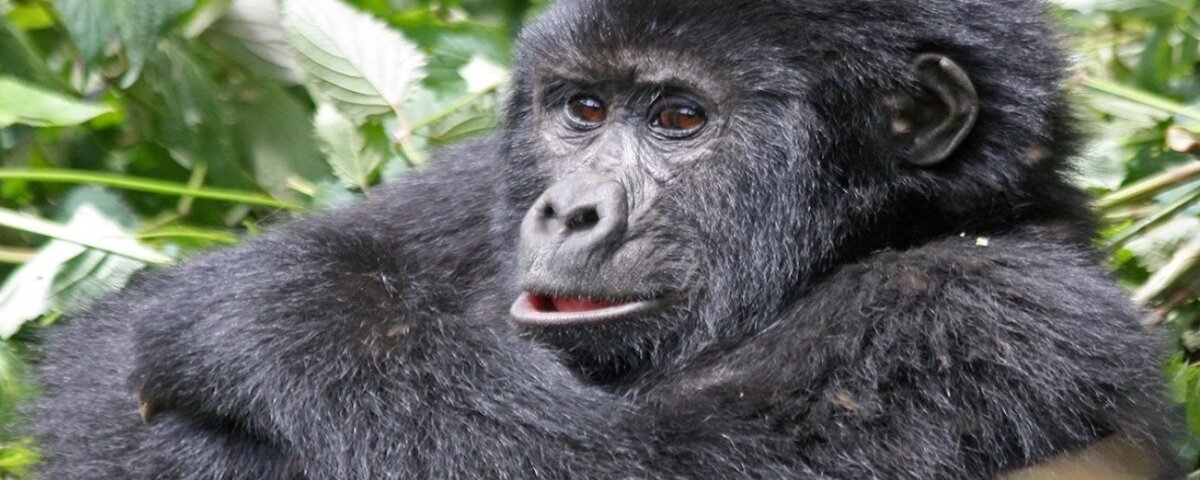
Bwindi Gorilla Trekking Safari Booking Guide
A Bwindi gorilla trekking safari booking guide helps travelers plan one of the most unforgettable wildlife adventures in Africa. Deep in southwestern Uganda, the ancient rainforest of Bwindi Impenetrable National Park protects nearly half of the world’s remaining mountain gorillas. Every year, travelers from across the globe visit this remarkable destination to experience close encounters with gorilla families in their natural habitat. The journey combines adventure, conservation, culture, and breathtaking scenery, making it one of Africa’s top wildlife experiences.
Planning a successful gorilla trekking safari requires careful preparation. Travelers need accurate information about permits, accommodation, transportation, trekking sectors, best travel seasons, and packing essentials. In addition, choosing a reliable safari company can shape the quality of the entire experience. A well organized safari creates comfort, safety, and memorable moments from arrival to departure.
Experience Uganda safaris
18 Days Best Uganda Adventure Safaris
14-Days Uganda Gorillas & Wildlife Tour
12 Days Gorillas, Chimps & Wildlife Safari
10 days Uganda primates & wildlife safari
10 Days Uganda Gorillas and Game Safari
7 Days Gorillas & Wildlife Safari
6 Days Gorillas and Chimps Trek Safari
3 Day Bwindi Gorilla Trekking Safari
4 Days Gorilla Trekking & Boat Cruise
Why Choose Bwindi for Gorilla Trekking Safaris
Bwindi Impenetrable National Park stands among Africa’s greatest wildlife destinations because of its exceptional mountain gorilla population and rich biodiversity. The park covers dense tropical rainforest, mist covered hills, waterfalls, and scenic valleys that create a magical atmosphere for nature lovers. Travelers often describe the forest as peaceful, wild, and deeply rewarding.
Bwindi hosts several habituated gorilla families spread across four trekking sectors. These include Buhoma, Ruhija, Rushaga, and Nkuringo. Each sector offers unique trekking experiences, landscapes, and accommodation options. Because of this diversity, travelers can select a safari experience that matches their fitness level and travel expectations.
In addition, Bwindi provides more than gorilla trekking alone. Visitors can enjoy bird watching, forest walks, cultural encounters with the Batwa community, and scenic photography opportunities. The surrounding region also features beautiful lakes, rolling hills, and traditional villages that enrich every safari.
Uganda remains one of the best value destinations for mountain gorilla trekking in Africa. Travelers receive exceptional wildlife experiences while spending less compared to many other gorilla destinations. Furthermore, Uganda’s warm hospitality, experienced safari guides, and growing tourism infrastructure continue to attract travelers from around the world.
Understanding Gorilla Trekking Permits in Bwindi
A gorilla trekking permit is the most important requirement for visiting gorillas in Bwindi. Every traveler must secure a valid permit before entering the forest for trekking activities. The permit grants visitors one hour with a habituated gorilla family after locating them in the forest.
Uganda Wildlife Authority controls gorilla trekking permits to protect mountain gorillas and preserve their habitat. Because gorilla tourism operates under strict conservation guidelines, only a limited number of permits become available each day. Therefore, travelers should book permits several months in advance, especially during peak travel seasons.
The cost of permits may change over time depending on tourism policies and conservation programs. However, the permit fee contributes directly to wildlife protection, community development, park management, and gorilla conservation efforts. This sustainable tourism model helps preserve endangered mountain gorillas for future generations.
Travelers can book permits through licensed tour operators or directly through Uganda Wildlife Authority. Many travelers prefer working with trusted safari companies because they simplify the booking process and organize accommodation, transport, and guiding services together.
When booking permits, travelers should confirm the trekking sector carefully. Accommodation location must match the assigned gorilla sector because travel distances between sectors can become long and difficult. Early planning helps avoid unnecessary transfers and improves the overall safari experience.
Best Time to Book a Bwindi Gorilla Trekking Safari
Bwindi welcomes visitors throughout the year, although some months provide more comfortable trekking conditions. The dry seasons from June to September and December to February usually attract the highest number of travelers. During these months, forest trails become less slippery, and hiking conditions improve significantly.
Because demand rises quickly during peak seasons, travelers should book gorilla permits and accommodation at least five to twelve months in advance. Luxury lodges often fill up early, especially in popular sectors such as Buhoma and Nkuringo.
Rainy seasons also offer advantages for travelers seeking fewer crowds and greener landscapes. The forest becomes lush and vibrant, creating excellent photography opportunities. In addition, some lodges may offer discounted rates during low seasons. However, trekking trails can become muddy and physically challenging during heavy rains.
Travelers should also consider their personal travel goals when selecting safari dates. Bird watchers often prefer wetter months because migratory bird species appear in the forest during these periods. Meanwhile, photographers may enjoy the dramatic misty scenery that rainy seasons create in Bwindi.
Booking early provides travelers with better accommodation choices, smoother travel arrangements, and greater flexibility when selecting trekking sectors. Proper planning also reduces stress and allows safari companies to organize seamless safari experiences.
How to Choose the Right Gorilla Trekking Sector
Bwindi’s four gorilla trekking sectors provide different experiences, landscapes, and accommodation styles. Choosing the right sector plays a major role in creating a comfortable and rewarding safari.
Buhoma remains the most popular sector because it offers easier accessibility and a wide selection of lodges. Travelers often choose Buhoma for its scenic forest trails, comfortable accommodation, and historical importance in Uganda’s gorilla tourism industry.
Rushaga offers the highest number of habituated gorilla families, giving travelers more permit availability and flexible booking opportunities. In addition, Rushaga hosts the gorilla habituation experience, where visitors spend extended hours with gorillas alongside researchers and trackers.
Nkuringo provides breathtaking mountain views and luxurious safari lodges. However, trekking in this sector may involve steeper hiking routes. Travelers seeking adventurous and scenic experiences often enjoy Nkuringo’s dramatic landscapes.
Ruhija attracts travelers interested in quieter trekking experiences and bird watching activities. The area contains rich biodiversity and peaceful forest surroundings that create a relaxing safari atmosphere.
Travelers should evaluate fitness levels, travel budgets, road access, accommodation preferences, and photography goals before selecting a sector. Experienced safari planners can help match travelers with the most suitable trekking area for their needs.
Accommodation Options for Bwindi Gorilla Trekking Safaris
Bwindi offers a wide range of accommodation options suitable for luxury, midrange, and budget travelers. Many lodges sit close to trekking starting points, allowing visitors to access briefing centers quickly on trekking mornings.
Luxury lodges provide spacious cottages, fine dining, private forest views, and personalized safari services. These properties focus on comfort, exclusivity, and immersive nature experiences. Travelers seeking premium safari experiences often choose luxury lodges for relaxation after long forest hikes.
Midrange lodges balance affordability and comfort effectively. They offer clean rooms, excellent hospitality, delicious meals, and convenient access to trekking sectors. Many international travelers prefer midrange accommodation because it combines quality service with reasonable pricing.
Budget accommodation options support backpackers, student travelers, and adventure seekers. These lodges provide basic but comfortable facilities while maintaining proximity to gorilla trekking centers. Budget travelers still enjoy memorable experiences without spending excessively.
Eco lodges continue growing in popularity around Bwindi. Many properties use sustainable tourism practices such as solar power, rainwater harvesting, local employment, and conservation partnerships. Travelers increasingly appreciate accommodation that supports local communities and environmental protection.
Travelers should confirm lodge location carefully before booking because Bwindi’s sectors lie far apart. Staying near the assigned trekking sector improves convenience and reduces early morning travel stress.
Transportation and Access to Bwindi
Travelers can reach Bwindi by road or domestic flights. Road safaris from Kampala or Entebbe remain popular because they allow visitors to enjoy Uganda’s beautiful countryside along the journey. However, road transfers may take eight to ten hours depending on the selected trekking sector.
Many travelers combine gorilla trekking with wildlife safaris in destinations such as Queen Elizabeth National Park and Lake Mburo National Park. This creates a complete Uganda safari experience filled with wildlife viewing, scenic drives, and cultural encounters.
Domestic flights provide faster access to Bwindi for travelers with limited time. Scheduled flights operate from Entebbe International Airport to nearby airstrips including Kihihi and Kisoro. After landing, travelers continue by road to their lodges.
Professional safari companies usually organize airport transfers, safari vehicles, domestic flights, and experienced driver guides. This arrangement helps travelers enjoy stress free journeys while focusing on the safari experience itself.
Travelers should always plan transportation carefully because some roads near Bwindi become rough during rainy seasons. Four wheel drive vehicles remain highly recommended for comfortable travel within southwestern Uganda.
What to Pack for Gorilla Trekking in Bwindi
Packing correctly improves comfort and safety during gorilla trekking adventures. Bwindi’s rainforest environment changes quickly, and travelers should prepare for mud, rain, sunshine, and steep terrain.
Comfortable hiking boots remain essential because forest trails often become slippery and uneven. Waterproof boots with strong grip help travelers move safely through muddy areas and steep slopes. Long trousers and long sleeved shirts protect against insects, thorny plants, and forest vegetation.
Travelers should also carry waterproof jackets because rain can start unexpectedly in the rainforest. Lightweight rain gear helps maintain comfort throughout the trek. Gardening gloves often help during steep climbs because trekkers sometimes hold branches and vegetation for support.
A small backpack allows travelers to carry drinking water, snacks, cameras, sunscreen, insect repellent, and personal items comfortably. Porters are also available at trekking centers and greatly assist travelers during challenging hikes. Hiring local porters supports community livelihoods while reducing physical strain during trekking.
Photography lovers should carry extra batteries and waterproof protection for cameras because the rainforest environment can become wet and humid. Travelers should also avoid flash photography because it may disturb gorillas.
Good physical preparation also helps improve the trekking experience. Although some gorilla families stay closer to starting points, others may require several hours of hiking through steep terrain.
Gorilla Trekking Rules and Safety Guidelines
Gorilla trekking follows strict conservation rules that protect both visitors and mountain gorillas. Every traveler receives a briefing before entering the forest. Park rangers explain safety procedures, trekking expectations, and responsible wildlife behavior.
Visitors must maintain a safe distance from gorillas during encounters. This helps reduce disease transmission and prevents unnecessary stress for the animals. Travelers should also avoid loud noises, sudden movements, and direct aggressive eye contact with gorillas.
Only healthy visitors should participate in gorilla trekking because mountain gorillas remain vulnerable to human diseases. Travelers experiencing flu symptoms, cough, or contagious illnesses may not receive permission to trek.
Groups usually consist of small numbers to minimize environmental impact and maintain intimate wildlife experiences. Rangers and trackers guide visitors throughout the trek while ensuring safety in the forest.
Respecting conservation rules supports long term gorilla protection and sustainable tourism development in Uganda. Gorilla tourism continues generating conservation funding, creating local employment, and supporting community development projects around Bwindi.
Responsible tourism allows future generations to continue enjoying close encounters with mountain gorillas in their natural habitat.
Cultural Experiences Around Bwindi
A Bwindi gorilla trekking safari becomes even more rewarding when travelers explore nearby cultural communities. The region surrounding Bwindi contains rich traditions, welcoming communities, and fascinating cultural heritage.
The Batwa people represent one of the region’s most unique indigenous communities. Historically, the Batwa lived within the forest as hunter gatherers before the creation of the national park. Today, cultural experiences allow travelers to learn about Batwa traditions, music, dance, storytelling, and survival skills.
Community visits also support local livelihoods through tourism income, craft sales, and cultural performances. Travelers often enjoy village walks, traditional cooking experiences, local coffee tours, and interactions with community groups.
Cultural tourism creates meaningful connections between visitors and local residents. In addition, it helps preserve cultural heritage while encouraging sustainable tourism growth around Bwindi.
Travelers who include cultural activities in their safari itineraries gain a deeper understanding of Uganda’s people, traditions, and conservation efforts. These experiences often become memorable highlights alongside gorilla trekking adventures.