Bwindi gorilla trekking safari booking guide
May 13, 2026
Bwindi gorilla trekking safari packing checklist
May 13, 2026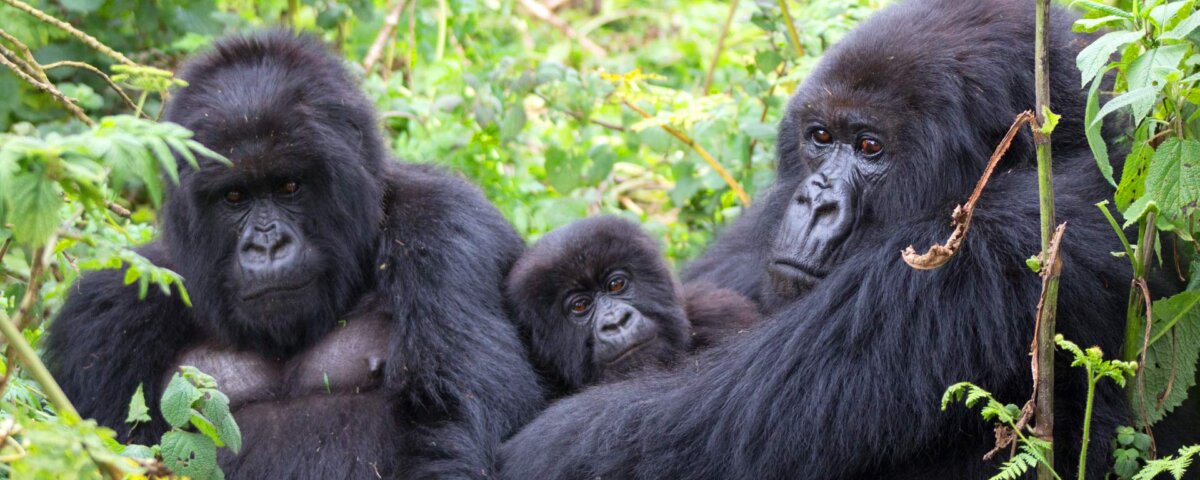
Bwindi Gorilla Trekking Safari Travel Tips
A safari in Bwindi Impenetrable National Park offers one of the most exciting wildlife experiences in Africa. Travelers from around the world visit this ancient rainforest to see endangered mountain gorillas in their natural habitat. The park sits in southwestern Uganda and protects one of the largest remaining populations of mountain gorillas on earth. Because of this, Bwindi gorilla trekking safari travel tips help travelers prepare for a smooth, safe, and unforgettable journey.
Planning a gorilla trekking safari requires more than booking flights and packing clothes. Travelers need the right permits, proper hiking gear, good physical preparation, and trusted safari guidance. In addition, visitors benefit from understanding gorilla trekking rules, weather conditions, accommodation choices, and local culture before arriving in Uganda. These travel tips help visitors avoid common mistakes and enjoy every moment of the adventure.
Bwindi’s thick forest, steep hills, and changing weather create a thrilling environment for gorilla trekking. However, these same conditions demand proper planning. Travelers who prepare well enjoy better comfort, stronger safety, and a more rewarding experience inside the rainforest. Furthermore, careful planning helps visitors protect the gorillas and support conservation efforts in Uganda.
Experience Uganda safaris
18 Days Best Uganda Adventure Safaris
14-Days Uganda Gorillas & Wildlife Tour
12 Days Gorillas, Chimps & Wildlife Safari
10 days Uganda primates & wildlife safari
10 Days Uganda Gorillas and Game Safari
7 Days Gorillas & Wildlife Safari
6 Days Gorillas and Chimps Trek Safari
3 Day Bwindi Gorilla Trekking Safari
4 Days Gorilla Trekking & Boat Cruise
Understanding Gorilla Trekking in Bwindi
Gorilla trekking involves hiking through dense rainforest to find a habituated mountain gorilla family. Rangers and trackers lead visitors through the forest while following fresh gorilla signs such as nests, footprints, and broken vegetation. Once the gorillas appear, visitors spend one hour observing them from a safe distance. This close wildlife encounter creates an emotional and unforgettable safari experience.
Bwindi has four main trekking sectors including Buhoma, Ruhija, Rushaga, and Nkuringo. Each sector offers unique scenery, accommodation choices, and gorilla families. Buhoma remains popular because of its accessibility and luxury lodges. Meanwhile, Nkuringo provides tougher hikes with beautiful mountain views. Travelers should choose a sector that matches their fitness level, travel budget, and safari expectations.
Gorilla trekking in Uganda follows strict conservation rules. Visitors must stay at least seven meters away from gorillas, avoid flash photography, and follow ranger instructions at all times. These rules protect both gorillas and tourists from disease transmission and unnecessary stress. Additionally, only eight visitors can trek each gorilla family daily, which helps reduce pressure on the animals.
Travelers should also understand that trekking times vary. Some gorilla families stay close to starting points, while others move deep into the forest. A trek may last one hour or several hours depending on gorilla movement. Because of this, travelers need patience, flexibility, and proper preparation before entering the forest.
Learning these basics allows visitors to appreciate the true value of gorilla trekking. The experience combines adventure, conservation, culture, and wildlife in one extraordinary safari journey.
Best Time to Visit Bwindi for Gorilla Trekking
Choosing the right season improves the overall trekking experience. Bwindi receives rainfall throughout the year because it lies within a tropical rainforest region. However, some months offer better hiking conditions and clearer forest trails.
The dry seasons from June to September and December to February provide the best time for gorilla trekking. During these months, trails remain less muddy, hiking becomes easier, and photography conditions improve. In addition, travelers enjoy easier road access to lodges and trekking starting points. Because of these advantages, many international visitors prefer booking safaris during the dry season.
On the other hand, the rainy seasons from March to May and October to November also offer benefits. The forest looks greener, fewer tourists visit the park, and some lodges provide discounted accommodation rates. Furthermore, photographers often enjoy dramatic misty landscapes during rainy months. Travelers who prefer quieter safari experiences may find this season attractive.
Even during dry months, Bwindi can receive sudden rain showers. Therefore, visitors should always pack waterproof clothing and strong hiking boots regardless of travel season. Weather changes quickly in the rainforest, and preparation remains essential throughout the year.
Travelers should book gorilla permits several months in advance during peak travel seasons. Permits sell quickly because gorilla trekking remains one of Africa’s most sought after wildlife experiences. Early booking guarantees better sector choices and smoother safari planning.
Booking Gorilla Permits Early
A gorilla permit allows travelers to enter the forest and spend one hour with mountain gorillas. In Uganda, the permit comes through the Uganda Wildlife Authority. Without a valid permit, visitors cannot participate in gorilla trekking activities.
Travelers should secure permits several months before travel dates, especially during high season. Gorilla permits remain limited because Uganda protects gorillas through controlled tourism. Every trekking group includes only eight visitors per gorilla family each day. As a result, permits often sell out quickly during popular travel months.
Booking early gives travelers more flexibility when selecting trekking sectors, lodges, and safari schedules. It also reduces last minute stress and avoids disappointment. Many visitors combine gorilla trekking with wildlife safaris in Queen Elizabeth National Park or chimpanzee tracking in Kibale National Park. Early planning allows smoother coordination between destinations.
Travelers should work with trusted safari companies that provide clear permit information and transparent payment processes. Reliable operators help arrange accommodation, transportation, permits, and park logistics. In addition, professional guides improve the safari experience through local expertise and personalized service.
Visitors must carry passports because rangers verify identities before trekking begins. Permit details must match passport information correctly. Therefore, travelers should check documents carefully before confirming bookings.
Although gorilla permits cost more than many wildlife activities, the experience offers exceptional value. Permit fees support conservation programs, ranger protection, local communities, and gorilla research initiatives. Every visitor contributes directly to protecting endangered mountain gorillas for future generations.
Physical Preparation for Gorilla Trekking
Gorilla trekking requires moderate physical fitness because hikers move through steep slopes, muddy trails, and thick vegetation. While travelers do not need athletic training, good preparation improves comfort and enjoyment during the trek.
Walking regularly before the safari helps build stamina and confidence. Travelers should practice hiking on hills, climbing stairs, and walking long distances several weeks before traveling. In addition, stretching exercises improve flexibility during challenging sections of the rainforest.
Visitors should also prepare mentally for changing trekking conditions. Some treks finish quickly, while others last several hours. The rainforest terrain can become slippery after rain, and thick vegetation sometimes slows movement. However, experienced ranger guides assist visitors throughout the journey and maintain safe trekking pace.
Travelers who worry about fitness should request shorter or easier gorilla treks during permit booking. Rangers often assign gorilla families based on visitor fitness levels and age considerations. older travelers can also use sedan chairs carried by local porters for additional support.
Hiring local porters remains highly recommended. Porters carry bags, provide hiking support, and create local employment opportunities for surrounding communities. Their assistance makes the trek easier while directly benefiting local families near Bwindi.
Hydration also plays an important role during trekking. Visitors should carry enough drinking water and light energy snacks. Good preparation helps travelers focus on enjoying the gorilla encounter rather than struggling with physical discomfort.
Essential Packing Tips for Bwindi Gorilla Trekking
Packing the right items makes gorilla trekking safer, more comfortable, and more enjoyable. Since Bwindi lies within a tropical rainforest, weather conditions change quickly throughout the day. Travelers should therefore pack practical safari gear instead of heavy luxury items.
Strong waterproof hiking boots rank among the most important trekking essentials. Forest trails often become muddy and slippery, especially after rain. Good boots provide ankle support and reduce the risk of falls during steep climbs. In addition, travelers should wear long trousers and long sleeved shirts to protect against insects, stinging plants, and thorny vegetation.
A lightweight waterproof jacket helps visitors stay dry during sudden rainfall. Even during dry seasons, rain showers occur regularly inside the forest. Travelers should also carry gardening gloves because guides sometimes clear vegetation along narrow trails.
Other useful items include insect repellent, sunscreen, reusable water bottles, hats, sunglasses, snacks, and a small backpack. Cameras with extra batteries also help visitors capture unforgettable safari moments. However, travelers should avoid flash photography because it disturbs gorillas.
Neutral safari colors such as green, brown, and khaki work best for trekking. Bright colors attract insects and may distract wildlife. Comfortable hiking socks also improve trekking comfort during long forest walks.
Packing wisely improves mobility and reduces unnecessary stress during trekking activities. Travelers who prepare properly enjoy more comfort, better safety, and stronger confidence throughout the safari.
Health and Safety Tips During Gorilla Trekking
Health and safety remain important during every gorilla trekking safari. Since mountain gorillas share close genetic similarities with humans, they can easily catch human illnesses. Therefore, travelers with flu, cough, fever, or contagious infections should avoid trekking until recovery.
Visitors should maintain good hygiene throughout the safari. Washing hands regularly and covering sneezes protect both gorillas and fellow travelers. Rangers carefully enforce conservation rules because gorilla health directly affects their survival in the wild.
Travel insurance also provides important protection during gorilla trekking safaris. Comprehensive travel insurance should cover medical emergencies, trip cancellations, evacuation, and adventure activities. Because Bwindi lies in a remote area, emergency medical support may require specialized transportation.
Travelers should follow ranger instructions carefully during trekking. Rangers understand gorilla behavior and forest conditions better than visitors. Staying calm, avoiding sudden movements, and maintaining safe distances help create peaceful gorilla encounters.
Insects such as mosquitoes exist within rainforest environments. Therefore, travelers should consider recommended vaccinations and malaria prevention before visiting Uganda. Consulting a travel clinic before departure helps visitors receive updated health guidance.
Hydration and proper nutrition also support trekking safety. Travelers should drink enough water before and during the hike. In addition, eating balanced meals provides energy for long forest walks.
Safety preparation strengthens visitor confidence and ensures a more comfortable safari experience in Bwindi.
Choosing the Right Accommodation in Bwindi
Bwindi offers accommodation options for every travel budget. Visitors can choose luxury lodges, midrange camps, eco lodges, and budget guesthouses across different trekking sectors. Selecting the right lodge improves convenience, relaxation, and overall safari satisfaction.
Luxury lodges provide premium comfort, private cottages, fine dining, spa services, and beautiful forest views. These properties often attract honeymoon travelers, photographers, and luxury safari visitors seeking exclusive experiences. Many luxury lodges also organize cultural visits and community tours.
Midrange lodges balance comfort and affordability. These accommodations usually offer private rooms, hot showers, restaurant services, and comfortable safari environments. Many international travelers prefer this option because it combines quality service with reasonable pricing.
Budget accommodations suit backpackers, students, and cost conscious travelers. While simpler, many budget lodges still provide clean rooms, warm hospitality, and easy access to trekking starting points.
Travelers should book accommodations close to their assigned trekking sector. Long transfer times between lodges and briefing centers may create unnecessary fatigue before trekking begins. Therefore, confirming permit locations before reserving accommodation remains important.
Visitors should also check lodge facilities such as electricity, Wi Fi, laundry services, and meal availability. Since Bwindi lies in a remote rainforest region, some facilities may operate differently from urban hotels.
Comfortable accommodation allows travelers to rest properly before and after trekking adventures. It also improves the overall safari experience in Uganda.
Cultural Experiences Around Bwindi
Bwindi gorilla trekking safaris offer more than wildlife encounters. The surrounding communities provide rich cultural experiences that help travelers understand Uganda’s traditions, history, and local lifestyles. Adding cultural activities creates a more meaningful and balanced safari experience.
The Batwa community represents one of the most unique cultural attractions near Bwindi. The Batwa people originally lived inside the forest before conservation efforts relocated them to nearby villages. Today, cultural tours allow visitors to learn about traditional hunting methods, herbal medicine, music, dance, and ancient forest survival skills.
Village walks also provide opportunities to interact with local farmers, craft makers, coffee growers, and community projects. Travelers can visit schools, women’s groups, and local markets while supporting sustainable tourism initiatives.
Cultural tourism creates direct economic benefits for local communities. Income from tourism helps improve healthcare, education, infrastructure, and conservation awareness. As a result, communities become active partners in protecting gorillas and forest ecosystems.
Travelers who participate in cultural experiences gain deeper appreciation for Uganda beyond wildlife photography. These human connections often become some of the most memorable parts of the safari journey.
Respecting local traditions and engaging positively with communities strengthens responsible tourism practices. It also helps visitors experience the authentic spirit of Uganda.