What are the best camera lenses for safari?
August 19, 2026
What languages do Kenya safari guides speak?
August 23, 2026
Can Beginners Enjoy Kenya Safari Photography?
Kenya safari photography offers one of the most exciting ways for beginners to experience Africa’s wildlife, landscapes, and local culture. You do not need years of photography experience, expensive professional equipment, or advanced editing skills to capture memorable images on safari. Instead, you need patience, curiosity, a basic understanding of your camera, and a willingness to observe wildlife before pressing the shutter. Kenya provides an excellent environment for learning because its national parks and conservancies offer diverse wildlife, dramatic landscapes, and many opportunities to practice photography throughout the day.
For first-time safari photographers, Kenya also makes the learning process enjoyable because every game drive can present a different photographic opportunity. One morning might bring a lion resting beside a rocky outcrop, while an afternoon drive could reveal elephants crossing an open plain under warm sunlight. Meanwhile, the changing skies, acacia trees, grasslands, and distant mountains create natural backgrounds that add depth to photographs.
Safari photography also teaches beginners to slow down. Instead of taking hundreds of random photographs, you begin to watch animal behavior, understand light, anticipate movement, and compose stronger images. Consequently, a Kenya safari can become both a wildlife adventure and a practical photography experience. With the right preparation, beginners can return home with photographs that preserve not only what they saw but also the atmosphere and emotion of their African journey.
Combined Uganda, Kenya, Rwanda and Tanzania Safaris
17 days Kenya Tanzania and Uganda safari
19 Days Uganda Kenya and Tanzania Safari
16 Days Kenya Tanzania and Uganda Safari
14 Days Kenya Uganda and Tanzania Safari
14 Days Kenya Uganda and Rwanda Safari
12 Day Gorilla Trekking and Tanzania Safari
Why Kenya Is Ideal for Beginner Safari Photographers
Kenya stands out as a strong destination for beginner safari photography because it combines accessible wildlife viewing with remarkable natural scenery. The country has several protected areas where visitors can encounter large mammals, birds, reptiles, and varied landscapes within relatively manageable safari routes. This variety gives beginners more opportunities to practice different photography techniques during one trip.
For example, the open grasslands of the Maasai Mara provide excellent conditions for learning wildlife composition. The open environment often allows photographers to observe animals without dense vegetation constantly blocking the view. Similarly, Amboseli National Park offers a distinctive landscape where elephants, acacia trees, and the dramatic backdrop of Mount Kilimanjaro can create powerful photographs.
Kenya also provides opportunities beyond large mammals. Beginners can practice close-up photography with colorful birds, landscape photography across expansive plains, and environmental portraits that show animals within their natural surroundings. Therefore, you do not need to wait for a rare wildlife encounter to practice your skills.
Another advantage comes from the safari vehicle itself. A professional safari guide can help you position the vehicle carefully while respecting wildlife and park regulations. This makes it easier to concentrate on photography instead of worrying about navigation or finding animals alone.
Most importantly, Kenya gives beginners room to improve throughout the journey. Your first photographs may feel ordinary, but by the third or fourth game drive, you will usually understand your camera better, recognize useful light, and anticipate animal behavior more effectively.
Do Beginners Need Professional Cameras for a Kenya Safari?
Beginners often assume that successful safari photography requires an expensive professional camera with several large lenses. However, that assumption can discourage people unnecessarily. A beginner can enjoy Kenya safari photography with a basic interchangeable-lens camera, a good bridge camera, or even a modern smartphone in suitable conditions.
The most important factor involves understanding the equipment you already have. A camera becomes much more useful when you know how to adjust shutter speed, ISO, aperture, focus mode, and exposure compensation. Even an expensive camera can produce disappointing photographs if the photographer does not understand these basic controls.
For wildlife photography, a camera with a reasonable zoom range offers a major advantage. Animals may remain far from the safari vehicle, and photographers must maintain a respectful distance. A telephoto lens therefore helps you fill the frame without moving closer to the animal. Beginners do not necessarily need the largest or most expensive lens available. Instead, they should choose equipment that they can comfortably handle for several hours.
A smartphone can also produce excellent environmental photographs, especially when animals come reasonably close or when the photographer wants to capture the wider safari experience. Modern phones perform particularly well in good daylight and can produce strong landscape images.
However, equipment should never replace observation. A beginner who understands animal behavior, light, timing, and composition can often create a more meaningful photograph with simple equipment than someone who carries expensive gear without understanding how to use it.
What Camera Settings Should Beginners Learn Before Safari?
Beginners do not need to master every camera setting before visiting Kenya. Nevertheless, learning a few essential controls can make a major difference. Start with shutter speed because wildlife rarely remains completely still. A slow shutter speed can create motion blur when an animal moves, while a faster shutter speed can freeze action.
For walking animals, a shutter speed around 1/1000 second can provide a useful starting point, although the ideal setting depends on the animal and movement. Faster subjects, such as birds in flight, may require even faster shutter speeds. On the other hand, a resting lion or stationary elephant allows you to work with slower speeds when the light becomes limited.
Next, learn aperture. A wider aperture can help separate an animal from a distracting background, while a narrower aperture can keep more of the scene in focus. Beginners should experiment before the safari so they understand how these adjustments affect the final photograph.
ISO also matters because safari drives often begin early in the morning or continue into the evening. Light levels can change quickly. Increasing ISO allows the camera to maintain faster shutter speeds when the environment becomes darker. However, very high ISO values can introduce visible digital noise.
Finally, understand autofocus. Continuous autofocus can help track moving wildlife, while single-point or flexible focus modes can work well for stationary subjects. Practice these controls at home before your trip. As a result, you can spend more time watching wildlife and less time searching through camera menus.
How Can Beginners Capture Better Wildlife Photos?
Good wildlife photography begins before you take the photograph. Instead of immediately pressing the shutter whenever you see an animal, take a moment to observe its behavior. Watch where the animal looks, notice its direction of movement, and identify the available light. This simple habit can significantly improve your photographs.
Composition also matters. Beginners often place the animal directly in the center of every frame. Although centered compositions sometimes work, leaving space in front of a moving or looking animal can create a stronger sense of direction. For instance, if a lion looks toward the left side of the frame, leaving some open space on that side can make the photograph feel more natural.
Furthermore, consider the background. A beautiful animal can still produce a weak photograph when branches, vehicles, poles, or other distractions dominate the scene. Whenever possible, adjust your position or wait for the animal to move into a cleaner background.
Eye contact can also create powerful wildlife images. When an animal looks toward the camera, the photograph often feels more engaging. However, do not overlook quieter moments. A mother elephant touching her calf, giraffes moving through golden grass, or zebras standing together can communicate a story without dramatic action.
Most importantly, respect the animal. Never shout, make sudden movements, demand that a guide approach too closely, or encourage behavior simply to obtain a photograph. Ethical photography protects wildlife and creates a better safari experience for everyone.
Why Early Morning and Late Afternoon Matter for Safari Photography
Light plays a major role in wildlife photography, and safari schedules naturally provide some of the best conditions. Early morning often offers soft, warm light that creates gentle shadows and rich colors. Wildlife also tends to remain active during cooler hours, giving photographers opportunities to capture movement, interaction, and feeding behavior.
As the sun rises, the landscape gradually changes. Golden light can illuminate grass, trees, and animals from the side, creating texture and depth. Beginners should therefore resist the temptation to photograph everything immediately. Watch how the light develops and look for moments when the sunlight falls naturally across the animal.
Late afternoon offers another excellent opportunity. As the sun begins to drop, the light becomes warmer and softer. This period can create beautiful silhouettes, long shadows, and golden backgrounds. Animals moving across open plains can look especially striking during this time.
Midday presents different challenges. Strong overhead sunlight can create harsh shadows and washed-out colors. Nevertheless, midday remains useful for learning. You can photograph birds, landscapes, details, and animals in shade while practicing exposure and composition.
Therefore, beginners should not judge a safari photography opportunity only by the animal they see. Light can transform an ordinary encounter into a memorable image. Learning to recognize good light will improve your photography more than simply buying more equipment.
Can Beginners Photograph the Big Five in Kenya?
Beginners can photograph Kenya’s famous Big Five, which include lions, leopards, elephants, buffalo, and rhinos. However, wildlife photography always involves uncertainty. Animals move freely, weather changes, and sightings depend on natural conditions. Therefore, no responsible safari operator should promise a specific photograph or guarantee that every visitor will see every species.
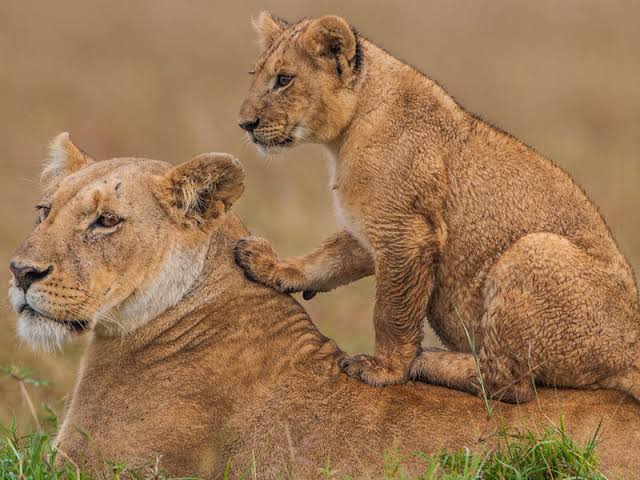
Lions often provide excellent opportunities for beginners because they may rest for extended periods, allowing photographers time to adjust settings and composition. Elephants also offer a wide range of photographic possibilities, from close behavioral moments to large herds moving across open landscapes.
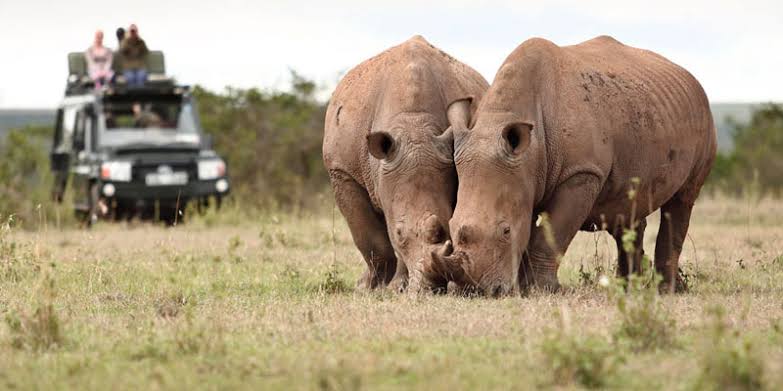
Buffalo can create strong group compositions because their size, dark coats, and herd behavior provide interesting visual patterns. Rhinos offer opportunities to practice environmental photography because their powerful bodies stand out against open landscapes and vegetation.
Leopards can present a greater challenge. Their behavior and habitat often make them harder to find, and they may rest in trees or move through dense vegetation. For beginners, a leopard encounter can therefore become an excellent lesson in patience and anticipation.
The important point remains that safari photography should not become a race to collect species. Instead, focus on creating meaningful photographs of the animals you encounter. A well composed image of one elephant can be more memorable than a poorly composed photograph of five different species.
How Can Safari Guides Help Beginner Photographers?
A knowledgeable safari guide can greatly improve the experience of a beginner photographer. Guides understand the local environment, wildlife behavior, roads, seasonal patterns, and safety requirements. Their experience can help photographers find opportunities while maintaining responsible distances from animals.
Good guides also understand that photographers need time. Instead of rushing from one sighting to another, a guide who recognizes your photography goals can sometimes position the vehicle carefully and allow you to observe the scene. This creates better opportunities for composition and behavior photography.
Guides can also help beginners understand what they see. Learning why an animal behaves in a certain way can help you anticipate what might happen next. For example, recognizing signs of movement, alertness, feeding, or social interaction can help you prepare your camera before the action begins.
Vehicle positioning matters as well. A small change in position can improve the background, lighting, and viewing angle. However, the guide must always balance photography with wildlife regulations and the comfort of the animals.
When choosing a safari, beginners should therefore consider the quality of the guiding experience rather than focusing only on accommodation or vehicle type. A strong guide adds educational value to the journey and helps transform a first safari into a genuine learning experience.
How Should Beginners Protect Their Photography Equipment on Safari?
Kenya’s safari environment can expose photography equipment to dust, heat, moisture, and occasional rough driving. Consequently, beginners should prepare their equipment before entering the parks and conservancies.
Dust represents one of the biggest concerns. Safari vehicles can travel along dry roads, and fine dust can enter bags and camera compartments. Keep equipment inside a protective camera bag when you are not actively photographing. Avoid changing lenses unnecessarily in dusty conditions. If you carry multiple lenses, prepare the lens you expect to use before the vehicle reaches a dusty section.
A simple cleaning kit can also help. Carry a microfiber cloth, a blower, lens-cleaning materials, and spare memory cards. Avoid wiping a dirty lens aggressively because small particles can scratch the surface.
Batteries deserve attention too. Long game drives can consume significant power, especially when photographers use continuous autofocus, image stabilization, electronic displays, and frequent image review. Carry at least one spare battery and charge everything before the next game drive.
Memory cards should also have enough capacity for an entire day. Beginners often take more photographs than expected because wildlife action develops quickly. Rather than deleting photographs during a game drive, carry enough storage to continue shooting.
Finally, protect equipment from unnecessary movement. Secure cameras and lenses when the vehicle travels over rough roads. Careful handling keeps your equipment ready for the next important wildlife encounter.
What Common Mistakes Should Beginner Safari Photographers Avoid?
Beginners can improve quickly by understanding the mistakes that commonly affect safari photographs. One of the biggest mistakes involves taking too many photographs without considering composition. Digital cameras make it easy to shoot continuously, but hundreds of poorly framed images do not replace one carefully timed photograph.
Another common mistake involves using the wrong shutter speed. Wildlife moves unpredictably, and a shutter speed that works for a resting animal may fail when the animal suddenly runs. Learn to adjust quickly when the situation changes.
Beginners also sometimes zoom in too tightly. While close portraits can look impressive, wider photographs can tell a stronger story. Include the landscape when it helps explain where the animal lives. A giraffe standing beneath an acacia tree or elephants crossing an open plain can communicate much more than an isolated headshot.
Ignoring the background creates another problem. Before pressing the shutter, quickly check what sits behind the animal. A clean background often makes the subject stand out.
Finally, do not spend the entire safari looking through the camera. Photography should support the safari experience rather than replace it. Put the camera down occasionally, watch the animals directly, listen to the sounds around you, and appreciate the landscape. Those moments can improve your photography because observation helps you understand the scene before you capture it.
How Can Beginners Practice Safari Photography Before Visiting Kenya?
Preparation can make your first Kenya safari much easier. You do not need to travel to Africa before learning basic wildlife photography. Instead, practice with animals, pets, birds, or moving subjects near your home.
Start by photographing birds. Birds force you to work with movement, autofocus, shutter speed, and timing. Practice tracking a bird across the sky and experiment with different shutter speeds. Even if your photographs do not look perfect, you will learn how your camera behaves.
You can also photograph pets. A dog running across a garden provides an easy way to practice action photography. Try photographing the animal while it runs toward you, moves across the frame, and stops. This practice helps you understand continuous autofocus and shutter speed.
Next, practice composition. Photograph the same subject from different angles and distances. Try wide environmental photographs, medium shots, and close portraits. Review the results afterward and identify which compositions communicate the strongest story.
Finally, learn how to manage your camera without looking at every button. On safari, the action can change within seconds. If you know how to adjust shutter speed, ISO, focus, and exposure quickly, you will be ready when an animal suddenly stands, runs, jumps, or interacts with another animal.
Preparation builds confidence. Consequently, beginners can arrive in Kenya ready to enjoy the experience rather than feeling overwhelmed by their equipment.
Is Safari Photography Suitable for Families and First-Time Travelers?
Safari photography can work extremely well for families and first-time travelers because everyone can participate at their own level. Adults may use interchangeable lens cameras, while children can photograph wildlife and landscapes using simpler cameras or smartphones. This flexibility makes photography an enjoyable group activity rather than a specialist hobby reserved for professionals.
Families can also use photography to encourage children to observe nature more carefully. Instead of simply asking children to identify animals, encourage them to notice colors, shapes, behavior, tracks, trees, and landscapes. This approach turns the safari into an educational experience.
First-time travelers can also benefit from keeping photography goals simple. Rather than trying to produce professional wildlife images immediately, focus on capturing five meaningful moments each day. This could include an animal portrait, a landscape, animal behavior, a family photograph, and a cultural or environmental detail.
Furthermore, photography provides a lasting record of the journey. Long after the safari ends, photographs can bring back memories of the morning light, the sound of birds, the movement of elephants, and the wide Kenyan plains.
However, families should balance photography with rest and enjoyment. Long game drives can become tiring, especially for young travelers. A well-planned safari allows time for relaxation between activities. As a result, photography remains enjoyable instead of becoming another demanding task during the holiday.
How Can Beginners Photograph Kenya’s Landscapes?
Wildlife should not become the only subject on a Kenya safari. The country’s landscapes deserve equal attention. Vast grasslands, acacia trees, volcanic formations, lakes, forests, and distant mountains provide excellent opportunities for beginners to practice landscape photography.
Landscape photography also gives beginners a break from tracking fast-moving animals. You can take time to consider composition, light, foreground, background, and horizon placement. These skills then transfer directly into wildlife photography.
Try using natural elements to create depth. A tree or rock in the foreground can lead the viewer into the photograph, while distant hills or mountains create a sense of scale. The wide grasslands of the Maasai Mara, for example, can make a single animal appear small within an enormous ecosystem.
The sky can also become an important part of the composition. Clouds can add texture and drama, particularly around sunrise and sunset. However, avoid placing the horizon directly in the center of every photograph. Consider whether the land or sky contributes more to the story, then give that element more space.
Landscape photography also helps explain the environment in which wildlife lives. A photograph of an elephant surrounded by open plains tells a different story from a tightly cropped portrait. Therefore, include environmental photographs in your safari collection to create a complete visual record of your journey.
How Can Beginners Practice Ethical Wildlife Photography in Kenya?
Ethical wildlife photography should remain a central part of every safari. The goal should never involve disturbing an animal simply to create a photograph. Instead, photographers should adapt to the wildlife and allow natural behavior to continue.
Maintain a respectful distance from animals and follow the instructions of your guide and the rules of the protected area. Never encourage a driver to approach an animal irresponsibly, block an animal’s movement, or create unnecessary pressure around a wildlife sighting.
Avoid using flash when it could disturb animals. In addition, do not make loud noises or sudden movements to attract an animal’s attention. A photograph becomes more valuable when it captures genuine behavior rather than a reaction caused by human interference.
Ethical photography also involves protecting the environment. Remain inside designated safari vehicles or areas where required, avoid littering, and respect sensitive habitats. These actions may seem simple, but they contribute to long-term conservation.
For beginners, ethical photography creates an important mindset: the animal comes first, and the photograph comes second. This principle produces better experiences because you learn to observe natural behavior instead of trying to control the scene.
Ultimately, responsible photography supports the future of safari tourism. When visitors respect wildlife and protected areas, they help preserve the environments that make Kenya such an important destination for nature lovers and photographers around the world.
Final Thoughts: Beginners Can Create Memorable Kenya Safari Photographs
Kenya safari photography does not belong only to professional photographers. Beginners can enjoy the experience, learn valuable photography skills, and capture powerful images without carrying the most expensive equipment. What matters most involves preparation, patience, observation, ethical behavior, and a willingness to learn.
Start by understanding your camera before the journey. Practice photographing moving subjects, learn basic exposure controls, prepare for changing light, and carry enough batteries and storage. Once you arrive in Kenya, slow down and observe. Watch animal behavior, consider the background, look for good light, and allow natural moments to develop.
Most importantly, remember that safari photography is about more than collecting photographs. It is about understanding Africa’s wildlife and landscapes while creating memories that remain meaningful long after you leave. A successful photograph does not need to show rare behavior or perfect technical settings. Sometimes, a simple image that captures the atmosphere of a beautiful morning can become the photograph you value most.
For travelers who want dependable planning, knowledgeable guidance, responsible wildlife experiences, and a well-organized Kenya safari, Giant Holiday Safaris provides a trusted foundation for discovering Kenya through meaningful travel and photography. With the right preparation and professional support, your first safari can become both an unforgettable African adventure and the beginning of a rewarding wildlife photography journey.