Birdwatching Safaris in Kenya Guide
April 25, 2026
Night Game Drives in Kenya Explained
April 25, 2026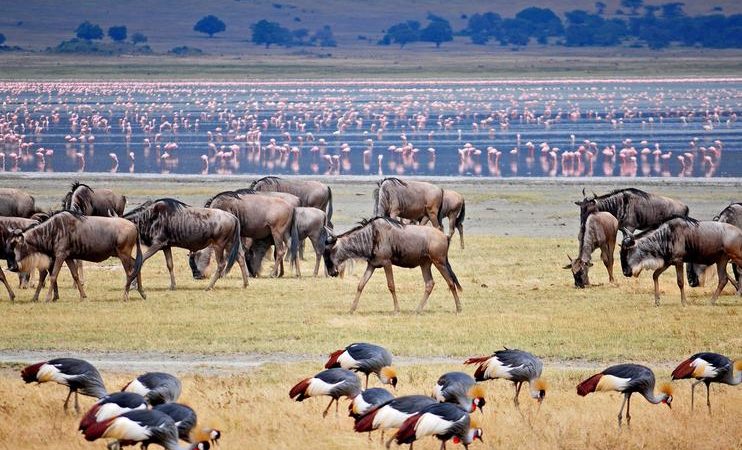
Best Parks for Wildlife Photography in Kenya
“Best Parks for Wildlife Photography in Kenya” Kenya stands as one of the best destinations in the world for wildlife photography. Because of its dramatic landscapes, rich biodiversity, and strong conservation systems, photographers capture powerful images that tell real African stories. From golden savannahs to lush wetlands, every setting offers a new opportunity to frame wildlife in its natural environment.
Moreover, Kenya supports both beginner and professional photographers. You can access well-managed parks, skilled guides, and comfortable lodges that understand photography needs. At the same time, the light conditions remain excellent throughout the year. Early mornings and late afternoons provide soft golden light, which improves image quality.
In addition, Kenya offers close wildlife encounters. You can photograph lions, elephants, cheetahs, giraffes, and rare bird species without long waits. Consequently, this access helps you build a strong and diverse portfolio within a short time.
This guide explores the best parks for wildlife photography in Kenya. It explains what makes each location unique and how you can plan a successful photography safari. As a result, you will gain the knowledge needed to capture stunning images while building confidence in your skills.
Best Parks for Photography: Maasai Mara National Reserve
The Maasai Mara National Reserve ranks as Kenya’s top wildlife photography destination. Because of its wide open plains, it becomes easy to spot animals and frame clean shots. The landscape provides a classic African backdrop, with rolling grasslands and scattered acacia trees.
Additionally, the reserve hosts the famous Great Migration. Millions of wildebeest, zebras, and gazelles move across the plains in search of fresh grass. This movement creates dramatic scenes, especially during river crossings. Crocodiles wait in the water, while predators stay close by. Therefore, these moments give photographers rare action shots.
The Mara also supports large predator populations. Lions, cheetahs, and leopards appear often, which increases your chances of capturing hunting scenes. Since guides understand animal behavior, they position vehicles for the best angles.
Furthermore, the golden light in the Mara enhances every photo. Sunrise and sunset create warm tones that highlight textures and colors. You can shoot silhouettes, close ups, and wide landscape shots all in one day.
Overall, the Maasai Mara delivers consistent results. It remains the best choice for photographers who want variety, action, and iconic African scenes.
Best Parks for Wildlife Photography in Kenya: Amboseli National Park
Amboseli National Park offers one of the most iconic wildlife photography settings in Africa. Because the park sits near Mount Kilimanjaro, it creates a stunning backdrop for images. On clear days, the snow capped mountain rises behind herds of elephants, forming powerful compositions.
The park is famous for its large elephant populations. Since these elephants move freely across open plains, photographers can capture close and detailed shots. You can focus on textures, movements, and interactions within the herd.
Moreover, Amboseli features a mix of wetlands and dry areas. This combination attracts different species, including buffaloes, zebras, and many bird species. As a result, the wetlands reflect light beautifully, which adds depth to your photos.
Dust also plays a creative role in Amboseli. As animals walk across dry ground, dust rises and catches the sunlight. This effect creates dramatic and artistic images, especially during sunset.
In addition, the open terrain allows easy movement and clear views. You do not struggle with thick vegetation blocking your shots. Therefore, Amboseli works well for both beginners and experienced photographers.
Best Parks for Wildlife Photography: Lake Nakuru National Park
Lake Nakuru National Park provides a unique wildlife photography experience. Because the park centers around a shallow alkaline lake, it attracts large flocks of flamingos. These birds create pink-colored scenes that stand out in any portfolio.
Beyond flamingos, the park hosts over 400 bird species. Pelicans, storks, and herons add variety and color to your images. Consequently, bird photographers find endless opportunities here.
The park also supports both black and white rhinos. Since these animals move freely in the protected environment, close photography becomes possible. Capturing a rhino in its natural habitat adds strong value to your collection.
Additionally, the park features forested areas and open grasslands. This mix supports lions, leopards, and giraffes. Thus, you can switch between bird photography and big game photography within a short time.
The lake itself reflects light beautifully. Because sunrise and sunset create soft colors on the water, compositions and mood improve. As a result, every shot feels balanced and artistic.
Lake Nakuru works best for photographers who want both bird and wildlife images in one location.
Best Parks for Wildlife Photography in Kenya: Samburu National Reserve
Samburu National Reserve offers a different and more rugged photography experience. Since the reserve sits in northern Kenya, the landscape becomes dry and dramatic. This setting creates strong contrasts and unique compositions.
Samburu hosts rare species that you will not easily find in southern parks. These include the Grevy’s zebra, Somali ostrich, and reticulated giraffe. Therefore, photographing these animals adds uniqueness to your portfolio.
The Ewaso Nyiro River runs through the reserve. Because animals gather along its banks, especially during dry seasons, it becomes easier to capture interactions between species.
Furthermore, the harsh light and dry terrain create bold textures. Shadows become sharper, and colors appear stronger. Consequently, photographers can experiment with different styles and moods.
The reserve also attracts fewer tourists. Therefore, you enjoy more space and less competition for the best angles. This freedom allows you to take time and focus on creativity.
Samburu suits photographers who want something different. It rewards those who seek rare species and striking landscapes.
Best Parks for Photography: Tsavo National Parks (Tsavo East and Tsavo West)
Tsavo East and Tsavo West together form one of the largest protected areas in Kenya. Because these parks offer vast landscapes and diverse wildlife, they create endless photography opportunities.
Tsavo East features open plains and red soil. Since elephants here often cover themselves in red dust, they create unique and colorful images. This natural behavior adds character to your shots.
On the other hand, Tsavo West provides more varied terrain. You will find volcanic hills, lava flows, and natural springs. Mzima Springs offers clear water where you can photograph hippos and fish.
The parks support large populations of elephants, lions, and buffaloes. Because of the size of the parks, animals move freely, which creates natural and less crowded scenes.
Additionally, the wide spaces allow for landscape photography. You can capture dramatic skies, distant hills, and wildlife in one frame.
Tsavo works best for photographers who enjoy exploration. It offers a raw and untamed feel that differs from more popular parks.
Best Parks for Wildlife Photography in Kenya: Nairobi National Park
Nairobi National Park offers a unique photography experience near a major city. Because the park sits just outside Nairobi, it hosts a wide range of wildlife. This contrast between urban and wild creates striking images.
You can photograph lions, rhinos, giraffes, and zebras with the city skyline in the background. This combination tells a powerful story about conservation and coexistence.
The park also supports many bird species. Since wetlands and grasslands attract different birds, variety in photography increases.
Moreover, the park allows quick access. You do not need long travel times, which makes it ideal for short trips or tight schedules. Therefore, photographers can plan half day or full day sessions with ease.
The open plains provide clear views, while scattered trees add balance to compositions. Because light conditions remain favorable, especially during early morning, image quality improves.
Nairobi National Park proves that great wildlife photography does not always require remote locations. It offers convenience without losing quality.
Best Parks for Wildlife: Best Time for Wildlife Photography
Timing plays a key role in wildlife photography success. Although Kenya offers good conditions all year, certain periods provide better opportunities.
The dry seasons, from June to October and January to February, work best for photography. Because animals gather around water sources, they become easier to find and photograph.
In addition, the Great Migration occurs between July and October in the Maasai Mara. This event provides dramatic action scenes that many photographers seek.
The wet seasons bring different advantages. Since landscapes turn green and skies become more dramatic, fresh and vibrant scenes emerge. This period works especially well for landscape photography.
Light remains an important factor. Because early mornings and late afternoons provide soft golden light, harsh shadows reduce and color quality improves.
Therefore, choosing the right time depends on your goals. If you want action, visit during the dry season. If you prefer lush scenery, consider the rainy months.
.Best Parks for Wildlife Photography in Kenya: Essential Tips
Preparation helps you capture better images. First, bring the right equipment. A DSLR or mirrorless camera with a telephoto lens works best for wildlife photography. Additionally, when traveling with Giant Holiday Safaris, their team ensures you have the support needed to manage extra batteries and memory cards so you avoid interruptions.
Next, understand animal behavior. Knowing how animals move and react improves your timing. Consequently, with the guidance of Giant Holiday Safaris’ expert trackers, you can anticipate action instead of reacting late.
Work closely with your guide. Since Giant Holiday Safaris’ guides know the parks and animal patterns, they position vehicles for the best angles and lighting conditions, ensuring every shot counts.
Moreover, stay patient and observant. Wildlife photography requires time and focus. Therefore, with the structured itineraries provided by Giant Holiday Safaris, you can wait for the right moment instead of rushing shots.
Use natural light effectively. Because harsh midday light creates strong shadows, avoid shooting during that time. Instead, focus on early morning and late afternoon sessions, which Giant Holiday Safaris schedules into their safari plans for optimal photography.
Finally, respect wildlife. Do not disturb animals or get too close. As a result, Giant Holiday Safaris emphasizes ethical photography practices, protecting both animals and your safety while enhancing the authenticity of your portfolio.
Conclusion
Kenya offers some of the best parks for wildlife photography in the world. Since each park provides unique landscapes, species, and lighting conditions, every destination adds value to your photography journey. From the open plains of the Maasai Mara to the rugged beauty of Samburu, opportunities remain endless.
Moreover, with Giant Holiday Safaris as your trusted tour operator, you can capture powerful images while enjoying a well organized safari experience. Their expert guides, seamless logistics, and deep knowledge of animal behavior ensure that every photography session is both productive and inspiring. Kenya combines accessibility, biodiversity, and skilled guiding, which makes it a top choice for photographers.
With proper planning and the right approach, especially when supported by Giant Holiday Safaris, you can build a strong and diverse portfolio. Every moment in Kenya offers a chance to create something special.
Therefore, start your wildlife photography journey in Kenya with Giant Holiday Safaris and experience one of Africa’s most rewarding destinations.
Combined Uganda, Kenya, Rwanda and Tanzania Safaris
17 days Kenya Tanzania and Uganda safari
19 Days Uganda Kenya and Tanzania Safari
16 Days Kenya Tanzania and Uganda Safari
14 Days Kenya Uganda and Tanzania Safari
14 Days Kenya Uganda and Rwanda Safari