What Is the Best Kenya Safari Itinerary?
May 21, 2026
Tanzania Safari and Nature Walks
May 22, 2026
Can you do a self-drive safari in Kenya?
Kenya offers one of the most exciting safari experiences in Africa, especially in the world famous Masai Mara National Reserve. While many travelers choose guided safari tours, others now ask a growing travel question: can you do a self-drive safari in Kenya? The answer is yes, and for adventurous travelers, it can become one of the most rewarding ways to explore the country.
A self-drive safari gives travelers the freedom to move at their own pace, choose their own routes, and spend more time in the places they enjoy most. Instead of following a fixed tour schedule, travelers can create a personal safari journey across Kenya’s national parks, conservancies, lakes, and wildlife reserves.
At the same time, self-drive safaris require careful planning, confidence behind the wheel, and a good understanding of road conditions and park regulations. Kenya’s landscapes can change quickly, especially during rainy seasons, and some parks feature rough terrain that requires strong driving skills.
For travelers who enjoy independence, adventure, and flexibility, self-drive safaris create unforgettable African experiences. This guide explains everything travelers need to know about self-drive safaris in Kenya, including the best parks, road conditions, safety tips, vehicle choices, and practical planning advice.
Why Travelers Choose Self-Drive Safaris in Kenya
Many travelers choose self-drive safaris because they want more freedom and flexibility during their safari experience. Unlike guided group tours, self-drive safaris allow travelers to control their own schedule and travel style.
Travelers can decide when to start game drives, how long to stay at wildlife sightings, and which destinations to explore. This flexibility creates a more personal safari experience that matches individual interests and travel goals.
Self-drive safaris also appeal to photographers and nature lovers. Travelers can spend extra time observing animals, waiting for the perfect photography moment, or exploring quiet areas away from busy safari traffic.
Another major benefit is adventure. Driving through Kenya’s open landscapes, rural villages, and wildlife regions creates a stronger connection to the country. Travelers experience more than just wildlife because they also interact with local culture and scenery along the way.
For some travelers, self drive safaris also reduce costs compared to luxury guided tours. Shared rental costs and independent planning can help travelers manage budgets more effectively.
Because of this combination of freedom, adventure, and flexibility, self drive safaris continue to grow in popularity across Kenya.
Best Kenya Parks for Self-Drive Safaris
Several parks in Kenya work especially well for self drive safaris. Some parks offer good road networks and clear wildlife viewing areas, making them suitable even for first time self-drive travelers.
The Masai Mara National Reserve remains one of the most popular safari destinations in Kenya. However, road conditions can become challenging during rainy seasons. Travelers with four wheel drive vehicles usually manage the terrain more comfortably.
Amboseli National Park offers easier navigation because of its open plains and visible mountain landmarks. Wildlife sightings remain strong, especially for elephant viewing.
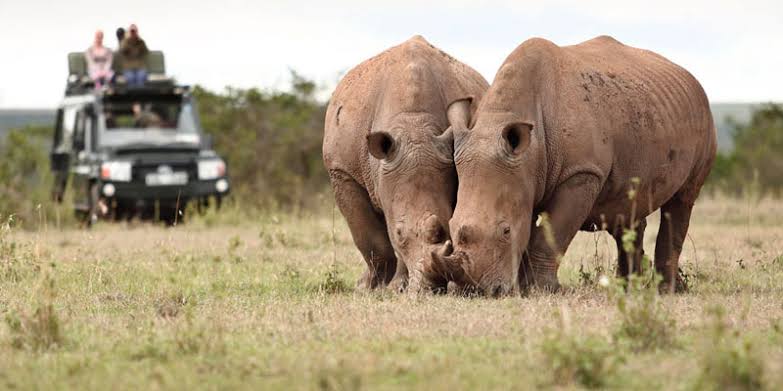
Lake Nakuru National Park works well for self-drive safaris because the park is compact and easy to navigate. Travelers often spot rhinos, flamingos, and giraffes within short driving distances.
Tsavo National Park provides vast landscapes and fewer crowds. However, travelers should prepare for long driving distances due to the park’s large size.
Lake Naivasha also suits self-drive travelers who want relaxed scenery, bird watching, and nearby attractions.
Choosing the right park depends on driving experience, safari goals, and travel confidence.
Choosing the Right Vehicle for a Self-Drive Safari
Vehicle choice plays a major role in the success of a self-drive safari in Kenya. Wildlife parks often feature rough roads, mud during rainy seasons, and uneven terrain. Because of this, travelers should choose reliable four wheel drive vehicles.
Most self-drive travelers prefer safari-equipped Land Cruisers or strong four wheel drive SUVs. These vehicles provide higher ground clearance, better traction, and stronger suspension systems for rough conditions.
Travelers planning to visit remote parks or conservancies should avoid small city cars because they struggle on rough safari tracks. During heavy rains, muddy roads can become difficult even for experienced drivers.
Some rental companies also provide rooftop tents and camping equipment for travelers planning mobile camping safaris. This option adds flexibility and reduces accommodation costs.
Before starting the safari, travelers should check spare tires, fuel levels, recovery equipment, and emergency supplies. Mobile phone coverage may become limited in remote areas, so preparation remains important.
A strong and reliable vehicle improves safety, comfort, and confidence throughout the safari journey.
Road Conditions and Driving Challenges in Kenya
Road conditions in Kenya vary greatly depending on location and weather. Major highways between cities remain relatively good, but roads inside parks and rural areas can become rough and unpredictable.
During dry seasons, most safari roads remain accessible. Dust and loose gravel may still create driving challenges, especially for inexperienced drivers. In rainy seasons, however, muddy conditions can make certain roads difficult or dangerous.
Travelers driving to the Masai Mara often encounter rough roads near the reserve entrance. Some routes improve regularly, but weather still affects accessibility.
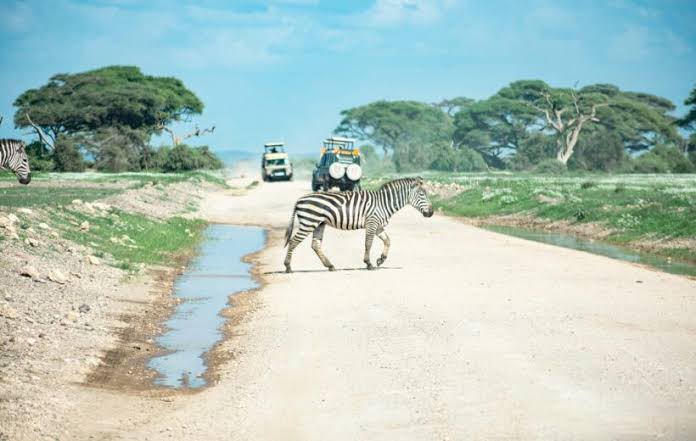
Inside parks, wildlife crossings require constant attention. Elephants, zebras, giraffes, and antelopes frequently cross roads without warning. Drivers should maintain safe speeds and stay alert at all times.
Fuel stations may also remain limited in remote safari areas. Travelers should fill tanks before entering parks and carry extra water during long drives.
Navigation systems help, but travelers should also carry offline maps because internet signals may disappear in remote regions.
Understanding road conditions helps travelers plan safely and avoid unnecessary risks during self-drive safaris.
Safety Tips for Self-Drive Safaris in Kenya
Safety remains one of the most important parts of a self-drive safari. Kenya offers incredible wildlife experiences, but travelers must respect both nature and park regulations.
First, travelers should stay inside vehicles during game drives unless guides or park authorities allow otherwise. Wild animals can react unpredictably, even when they appear calm.
Second, driving after dark inside parks should be avoided unless officially permitted. Wildlife becomes harder to see at night, and road conditions become more dangerous.
Third, travelers should follow park speed limits and stay on designated roads. Off-road driving damages ecosystems and increases safety risks.
Fourth, travelers should avoid feeding animals or approaching wildlife too closely. Respecting natural behavior protects both visitors and animals.
Fifth, keeping emergency contacts, first aid kits, and extra supplies improves preparedness for unexpected situations.
Travelers should also inform lodges or friends about travel routes, especially when visiting remote regions.
With proper caution and planning, self-drive safaris in Kenya remain safe and highly rewarding.
Self-Drive Safari Costs in Kenya
Self-drive safaris in Kenya can fit different budgets depending on travel style, accommodation choices, and vehicle type. Travelers often save money by organizing transport independently rather than booking luxury guided tours.
Vehicle rental usually forms the largest expense. Four wheel drive safari vehicles cost more than regular cars because they include stronger engines and safari features.
Fuel costs also vary depending on travel distance and park selection. Large parks like Tsavo require longer driving distances compared to compact parks like Lake Nakuru.
Park entry fees remain another important expense. Popular parks such as the Masai Mara often charge higher conservation fees compared to smaller reserves.
Accommodation options range from camping and budget lodges to luxury tented camps. Travelers can reduce costs significantly by combining camping with self catering meals.
Despite these expenses, self-drive safaris often provide better value for travelers who enjoy flexibility and longer travel periods.
Careful budgeting helps travelers enjoy Kenya’s wildlife while managing safari expenses effectively.
Tips for Planning a Successful Self-Drive Safari
Successful self-drive safaris begin with strong preparation. First, travelers should research park locations, driving distances, and weather conditions before departure. With Giant Holiday Safaris, guests receive detailed route maps and expert advice to ensure smooth navigation.
Second, booking accommodations early improves route planning and ensures availability during peak safari seasons. Giant Holiday Safaris secures trusted lodges and camps, giving travelers peace of mind and comfort.
Third, travelers should avoid overloading itineraries with too many parks. Long driving hours reduce safari enjoyment and increase fatigue. Giant Holiday Safaris helps design balanced itineraries that maximize adventure without overwhelming schedules.
Fourth, learning basic vehicle recovery skills helps travelers handle mud or rough road situations. Some travelers also carry portable air compressors and recovery boards. Giant Holiday Safaris provides practical tips and reliable vehicles equipped for safari terrain.
Fifth, starting game drives early improves wildlife sightings because animals remain active during cooler hours. Guides from Giant Holiday Safaris recommend the best times and routes for optimal encounters.
Travelers should also remain flexible because wildlife movement changes daily. Unexpected sightings often become the most memorable safari moments. Giant Holiday Safaris builds flexibility into itineraries, allowing guests to embrace these surprises.
Finally, respecting nature and local communities creates more meaningful travel experiences throughout Kenya. Giant Holiday Safaris emphasizes responsible travel practices that protect wildlife and support local conservation efforts.
Good planning transforms self-drive safaris into safe, exciting, and unforgettable African adventures. By choosing Giant Holiday Safaris, travelers gain the assurance of expert support, seamless logistics, and authentic journeys into Kenya’s wild beauty.
Conclusion
Self-drive safaris offer one of the most adventurous and flexible ways to explore Kenya, especially in destinations like the Masai Mara National Reserve. Travelers enjoy the freedom to explore wildlife parks at their own pace while experiencing Kenya’s landscapes, culture, and natural beauty more personally. With Giant Holiday Safaris, guests receive expert route planning, safety guidance, and logistical support to make independent travel both secure and rewarding.
From the elephant-filled plains of Amboseli to the bird-rich waters of Lake Nakuru and the vast wilderness of Tsavo, Kenya provides incredible opportunities for independent safari travel. Although self-drive safaris require preparation, strong vehicles, and careful planning, they reward travelers with unforgettable experiences and meaningful adventures. Giant Holiday Safaris ensures travelers are well-prepared with reliable vehicles, detailed maps, and insider knowledge of the parks.
With the right route, proper safety awareness, and a spirit of exploration, a self-drive safari in Kenya becomes more than just a holiday. It transforms into a true journey into the heart of Africa’s wild beauty. By choosing Giant Holiday Safaris, travelers gain the confidence of professional support while enjoying the freedom of independent discovery.
Combined Uganda, Kenya, Rwanda and Tanzania Safaris
17 days Kenya Tanzania and Uganda safari 19 Days Uganda Kenya and Tanzania Safari
16 Days Kenya Tanzania and Uganda Safari
14 Days Kenya Uganda and Tanzania Safari
14 Days Kenya Uganda and Rwanda Safari