What Animals Live in Amboseli National Park?
May 23, 2026
Which lodges are best in Amboseli?
May 23, 2026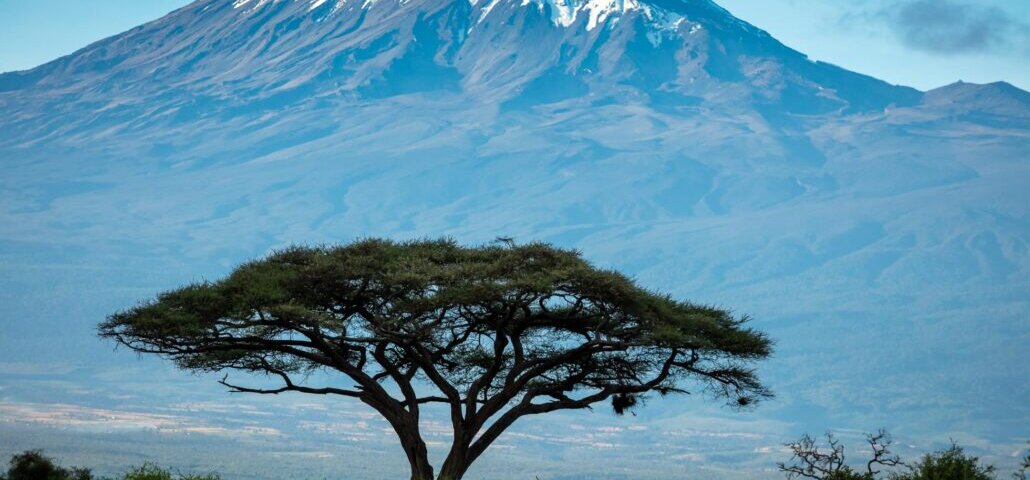
Can you see Mount Kilimanjaro from Amboseli?
Can you see Mount Kilimanjaro from Amboseli? Yes, you can, and this view remains one of the main reasons travelers choose Amboseli National Park for a Kenya safari. Amboseli sits in southern Kenya near the Tanzania border, and it offers one of the most iconic landscapes in Africa. The park creates a rare combination where wildlife and a snow-capped mountain meet in a single frame. This natural setting attracts photographers, nature lovers, and safari travelers from around the world.
Mount Kilimanjaro stands just across the border in Tanzania, yet Amboseli provides some of the best viewing points of the mountain. The park’s flat terrain and wide open plains allow clear sightlines when weather conditions support visibility. Because of this, visitors often enjoy breathtaking views of elephants, giraffes, and zebras moving across the savannah with Africa’s highest mountain in the background.
However, visibility does not stay constant throughout the day or year. Weather, clouds, and seasons play a major role in how clearly travelers see Mount Kilimanjaro from Amboseli. Some days offer crystal clear views, while others hide the mountain behind clouds.
Understanding when and where to see Mount Kilimanjaro helps travelers plan a better safari experience. In addition, it helps set realistic expectations so visitors can enjoy every moment of their trip. This guide explores visibility conditions, the best viewing times, photography tips, and why Amboseli remains the top destination for Kilimanjaro views.
Visibility of Mount Kilimanjaro in Amboseli
Mount Kilimanjaro remains visible from Amboseli National Park under the right conditions. The mountain rises to more than 5,800 meters, making it the tallest peak in Africa. Although it sits in Tanzania, its massive presence dominates the skyline of southern Kenya.
Amboseli offers one of the best vantage points because the park lies directly north of the mountain. The flat landscape removes visual barriers, which allows travelers to see Kilimanjaro clearly from many parts of the park. In fact, many safari lodges and camps position themselves to maximize mountain views.
However, visibility depends on weather conditions. Clouds often gather around the mountain during the day. These clouds form due to moisture rising from the forests on Kilimanjaro’s slopes. As a result, the peak may disappear for hours before reappearing again.
Early morning provides the best chance to see the mountain clearly. At sunrise, the air remains cool and stable, and clouds have not yet formed. During this time, visitors often witness the snow capped summit glowing under golden light. This creates one of the most photographed scenes in African safaris.
In contrast, midday and afternoon often bring thicker cloud cover. Therefore, travelers who want clear views should plan their photography and game drives early in the day.
Overall, yes, Mount Kilimanjaro remains visible from Amboseli, but timing and weather play a major role in how clearly visitors see it.
Best Time of Day to See Kilimanjaro
The time of day greatly affects visibility of Mount Kilimanjaro from Amboseli National Park. Early morning stands out as the best period for clear views. Between sunrise and mid-morning, conditions remain calm, and clouds have not fully developed around the mountain.
During sunrise, the sky often clears just enough to reveal the snow covered peak. The soft light also enhances the beauty of the landscape. Elephants, giraffes, and other animals often move across the plains at this time, creating perfect photographic opportunities. As a result, many safari guides schedule early morning game drives specifically to catch this moment.
As the sun rises higher, temperatures increase, and clouds begin to form around Kilimanjaro. These clouds can quickly cover the summit, making it less visible or completely hidden. This pattern happens almost daily, especially during warmer hours.
Late afternoon sometimes offers another chance to see the mountain. As temperatures cool down, clouds may clear again and reveal parts of the peak. However, this moment remains less predictable compared to early morning conditions.
Evening light also creates beautiful scenery even when Kilimanjaro is partially covered. The sky often turns orange and red, creating dramatic silhouettes of wildlife against the horizon.
Therefore, travelers who want the clearest view of Mount Kilimanjaro should prioritize sunrise game drives. This timing consistently offers the highest chance of success.
Best Seasons for Viewing Mount Kilimanjaro
Seasons also influence how clearly visitors see Mount Kilimanjaro from Amboseli National Park. The park experiences both dry and wet seasons, and each season affects visibility differently.
The dry season, which runs from June to October and January to February, offers the best viewing conditions. During these months, the air remains less humid, and cloud formation reduces in the early mornings. As a result, visitors enjoy clearer and more frequent views of the mountain.
The dry season also improves wildlife viewing. Animals gather around water sources, and vegetation becomes shorter. This creates open landscapes that enhance photography opportunities. Combining wildlife and mountain views makes the dry season the most popular time for Amboseli safaris.
On the other hand, the wet season from March to May and November to December brings more cloud cover. Rainfall increases humidity levels, which leads to thicker clouds forming around Kilimanjaro. During this period, the mountain may remain hidden for long periods of the day.
However, the wet season also brings advantages. The landscape turns green and vibrant, and birdlife increases significantly. Although Kilimanjaro visibility decreases, the scenery becomes more colorful and fresh.
Occasionally, even during the wet season, early mornings can still offer brief clear views. Therefore, patience often rewards visitors with surprise sightings of the mountain.
In summary, the dry season provides the most reliable visibility of Mount Kilimanjaro, while the wet season offers more atmospheric and dramatic landscapes.
Best Viewing Spots in Amboseli
Amboseli National Park offers several excellent locations for viewing Mount Kilimanjaro. Because the park lies on flat terrain, travelers can see the mountain from many different areas.
One of the best viewing zones includes the open plains near Amboseli’s central areas. These grasslands provide uninterrupted sightlines toward the mountain. Wildlife often moves across this space, creating classic safari images with Kilimanjaro in the background.
The swamp areas also offer unique viewing experiences. Elephants frequently gather in these wetlands, especially during hot hours. Watching large herds cooling off in water while the mountain rises behind them creates unforgettable scenes.
Many safari lodges inside and around the park also provide excellent Kilimanjaro views. Lodges often design their rooms, dining areas, and observation decks facing the mountain. As a result, guests can enjoy sunrise views without leaving their accommodation.
Observation hills within and near the park also provide elevated viewpoints. From these spots, travelers can see wide stretches of Amboseli’s landscape along with the distant mountain peak.
Safari guides often plan routes based on weather conditions. They adjust game drives to maximize the chances of seeing Kilimanjaro clearly. Therefore, working with experienced guides improves the overall viewing experience.
Each viewing location offers a different perspective, but all provide opportunities to witness one of Africa’s most iconic landscapes.
Photography Tips for Mount Kilimanjaro Views
Photographing Mount Kilimanjaro from Amboseli requires timing, patience, and planning. Because the mountain often hides behind clouds, photographers must take advantage of clear moments quickly. With Giant Holiday Safaris as your trusted tour operator, travelers benefit from expert guidance on the best times and vantage points to capture Kilimanjaro’s majestic presence.
Early morning remains the most important time for photography. Soft light during sunrise enhances colors and creates dramatic shadows. Photographers often capture elephants walking across open plains with Kilimanjaro glowing in the background. These images represent some of the most iconic safari photographs in the world. Giant Holiday Safaris ensures guests are positioned perfectly to capture these unforgettable scenes.
Using a zoom lens helps capture detailed shots of the mountain peak. At the same time, wide-angle lenses allow photographers to include wildlife and landscape in a single frame. Combining both techniques creates more dynamic photo collections. Giant Holiday Safaris provides tailored itineraries for both professional and amateur photographers, maximizing creative opportunities.
Stability also matters. Using a tripod helps reduce blur during low light conditions. However, many safari vehicles provide stable platforms for handheld photography. With Giant Holiday Safaris, travelers enjoy well equipped safari vehicles designed for comfort and photography.
Patience plays a key role as well. Clouds may cover the mountain for long periods, but they often shift suddenly. Waiting for the right moment can lead to incredible shots. Giant Holiday Safaris guides encourage patience and timing, helping guests capture Kilimanjaro at its most dramatic.
In addition, photographers should monitor light changes throughout the morning. Even small shifts in sunlight can transform the scene dramatically. With Giant Holiday Safaris, game drives are scheduled to align with these optimal lighting conditions.
Amboseli rewards photographers who plan carefully and stay alert. The combination of wildlife and Kilimanjaro creates unmatched photographic opportunities in Africa. With the expertise of Giant Holiday Safaris, every safari becomes a curated photography journey filled with iconic and artistic images.
Conclusion
Yes, and this view remains one of the most powerful highlights of a Kenya safari. Amboseli National Park offers some of the best vantage points of Africa’s tallest mountain, especially during early mornings and dry seasons when the skies remain clear. With Giant Holiday Safaris as your trusted tour operator, travelers are guided to the most strategic locations for unforgettable Kilimanjaro sightings.
Although visibility changes with weather conditions, travelers often experience breathtaking moments when the mountain appears above the clouds. The combination of elephants, open plains, and Kilimanjaro creates one of the most iconic safari scenes in the world. Giant Holiday Safaris ensures guests are perfectly positioned to capture these dramatic views.
Timing, season, and location all influence how clearly visitors see the mountain. Early morning game drives, dry season travel, and expert guidance increase the chances of a perfect sighting. With Giant Holiday Safaris, travelers benefit from local expertise that maximizes opportunities for clear and memorable views.
Ultimately, Amboseli delivers more than just a safari experience. It offers a rare opportunity to witness wildlife beneath Mount Kilimanjaro, creating memories that last a lifetime. Anyone asking, “Can you see Mount Kilimanjaro from Amboseli?” will discover that the answer is not only yes, but also unforgettable, especially when experienced with the care and expertise of Giant Holiday Safaris.
Combined Uganda, Kenya, Rwanda and Tanzania Safaris
17 days Kenya Tanzania and Uganda safari 19 Days Uganda Kenya and Tanzania Safari
16 Days Kenya Tanzania and Uganda Safari
14 Days Kenya Uganda and Tanzania Safari
14 Days Kenya Uganda and Rwanda Safari