How Many Days Do You Need in Serengeti
July 7, 2026
What Animals Live in Serengeti
July 7, 2026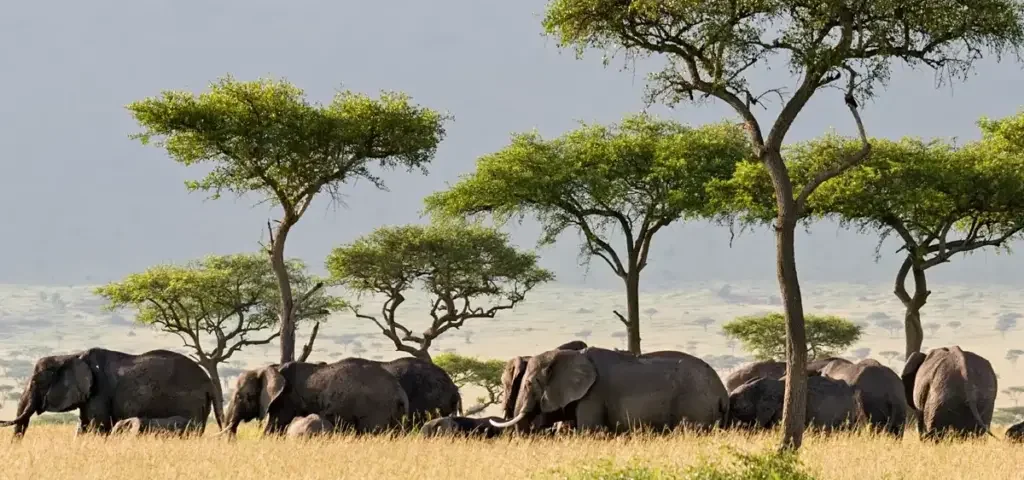
Can You See the Big Five in Serengeti
Serengeti National Park is one of the most famous safari destinations in the world, and many travelers ask, can you see the Big Five in Serengeti before planning their journey. The answer is yes. The Serengeti is one of the best places in Africa to see all members of the Big Five in their natural habitat. From powerful lions roaming the endless plains to elusive leopards resting in tall trees, every game drive offers the chance to witness remarkable wildlife. While seeing all five animals in a single day is never guaranteed, visitors who spend several days exploring the park have excellent opportunities to complete this incredible wildlife checklist.
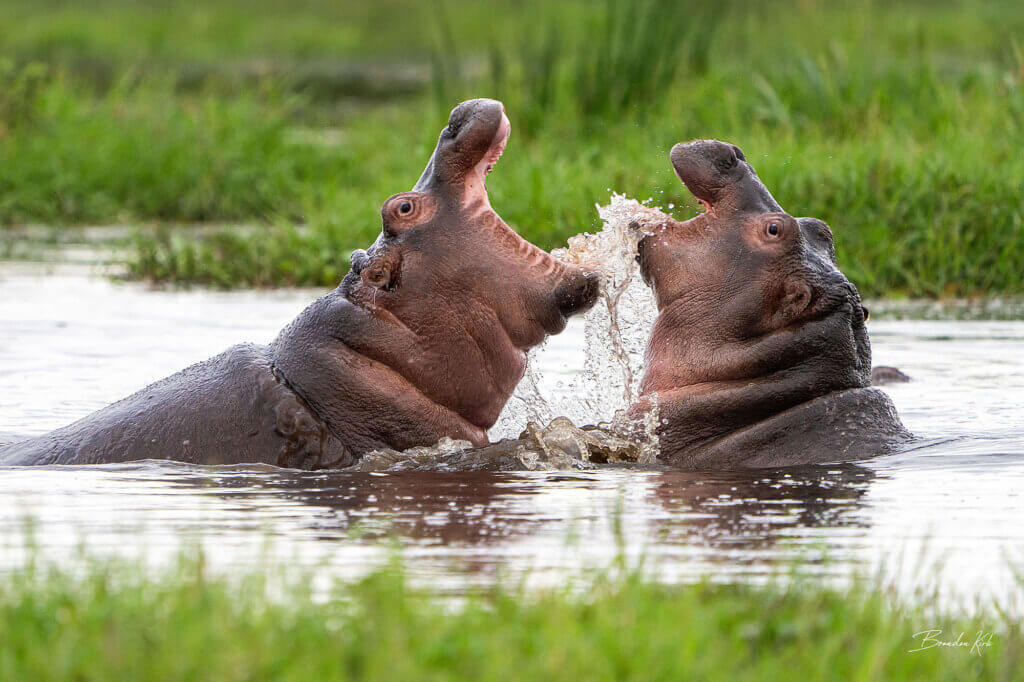
Located in northern Tanzania, Serengeti National Park covers nearly 15,000 square kilometers of protected wilderness. Its diverse habitats support healthy populations of lions, elephants, buffaloes, leopards, and rhinoceroses. Beyond the Big Five, the park also hosts cheetahs, giraffes, zebras, wildebeest, hippos, crocodiles, hyenas, and more than 500 bird species.
A safari in the Serengeti is much more than searching for famous animals. It is an opportunity to experience Africa’s rich biodiversity, breathtaking landscapes, and successful conservation efforts. Understanding where and when to find the Big Five helps travelers enjoy a more rewarding and memorable safari adventure.
Why the Serengeti Is Famous for Big Five Safaris
Serengeti National Park has earned its reputation as one of Africa’s premier safari destinations because of its remarkable wildlife diversity and expansive natural landscapes. While many parks offer opportunities to see individual species, the Serengeti provides one of the best chances to encounter all members of the Big Five during a single safari itinerary.
The Big Five originally referred to the five most challenging animals to track on foot. Today, the term represents Africa’s most iconic wildlife species and remains a dream for safari travelers around the world. These animals include the lion, leopard, elephant, buffalo, and rhinoceros.
The Serengeti supports large populations of lions and buffaloes, making sightings common throughout many regions of the park. Elephants also move through woodlands and river valleys, while leopards quietly inhabit areas with large trees and rocky outcrops. Black rhinoceroses remain much rarer, but conservation efforts continue to protect their population within carefully managed areas.
The park’s healthy ecosystems, abundant prey animals, and strong conservation programs allow these magnificent species to thrive. As a result, visitors enjoy some of the finest Big Five safari experiences available anywhere in Africa.
Where to Find the Big Five in Serengeti to see
Finding the Big Five becomes much easier when travelers understand where each species prefers to live. Although wildlife moves freely throughout the Serengeti ecosystem, certain habitats consistently provide better viewing opportunities for specific animals.
Lions are the easiest members of the Big Five to find. They frequently rest beneath acacia trees, relax on rocky kopjes, or patrol the open plains while searching for prey. Their social nature means visitors often encounter entire prides during game drives.
Leopards require more patience because they spend much of their time alone. They commonly rest in large trees or quietly move through wooded areas where they can remain hidden from both prey and competitors.
Elephants prefer areas with reliable water sources and dense vegetation. River corridors and woodland habitats provide ideal conditions for these gentle giants throughout much of the year.
African buffaloes travel in impressive herds across grasslands and wetlands. Their large numbers make them one of the most frequently spotted Big Five animals during Serengeti safaris.
Black rhinoceroses remain the rarest of the Big Five. Protected conservation zones offer the best chance of spotting these endangered animals while respecting strict wildlife protection measures.
Experienced safari guides understand seasonal wildlife movements and habitat preferences, greatly increasing visitors’ chances of seeing all five species.
Best Time to See the Big Five in Serengeti
One of the reasons travelers often ask, can you see the Big Five in Serengeti, is because they want to know the best season for wildlife viewing. Fortunately, the Serengeti offers excellent opportunities throughout the year, although some months provide better visibility than others.
The dry season, which usually runs from June through October, remains one of the best times for Big Five safaris. During these months, grass becomes shorter, making animals easier to locate. Water sources also become limited, encouraging wildlife to gather near rivers and waterholes where visitors can observe multiple species in one area.
The green season offers different advantages. Fresh vegetation transforms the landscape into a vibrant natural paradise while newborn animals attract predators. Although taller grass sometimes makes wildlife harder to spot, experienced guides continue to locate impressive sightings throughout the park.
Early morning and late afternoon game drives consistently provide the best wildlife activity. Cooler temperatures encourage predators to hunt while herbivores become more active across the plains.
Because wildlife moves naturally according to environmental conditions rather than fixed schedules, spending several days in the Serengeti significantly improves the chances of seeing every member of the Big Five.
What Makes Each Big Five Animal Special to see in Serengeti
Each member of the Big Five possesses unique characteristics that make wildlife viewing both exciting and educational. Understanding these differences adds greater appreciation to every safari experience.
Lions symbolize strength and teamwork. Living in prides allows them to hunt cooperatively and defend their territories against rivals. Watching lions interact with cubs or coordinate hunting strategies offers fascinating insights into their social behavior.
Leopards represent patience and adaptability. Their ability to climb trees, hunt quietly, and remain hidden makes every leopard sighting especially memorable.
African elephants impress visitors with their intelligence, strong family bonds, and remarkable communication skills. Herd members care for young calves together while demonstrating complex social relationships.
Cape buffaloes may appear calm, but they remain powerful and highly protective animals. Their large herds provide safety while allowing them to defend themselves against predators.
Black rhinoceroses symbolize successful conservation efforts. Although they remain critically endangered, ongoing protection programs continue improving their future within Tanzania’s protected areas.
Learning about these remarkable animals transforms a simple game drive into a deeper wildlife experience while helping visitors understand the importance of conservation across Africa.
Safari Tips for Better Wildlife Sighting in Serengeti
Successful wildlife viewing depends on more than luck. Careful preparation and smart safari habits greatly improve the chances of enjoying unforgettable Big Five encounters during your Serengeti adventure.
Choosing experienced safari guides makes one of the biggest differences. Professional guides understand animal behavior, seasonal movements, fresh tracks, and the best viewing locations throughout the park. Their knowledge helps visitors find wildlife that many people would otherwise overlook.
Patience also plays an important role. Wildlife follows natural routines rather than human schedules. Remaining quiet, observing carefully, and allowing animals to behave naturally often results in longer and more rewarding sightings.
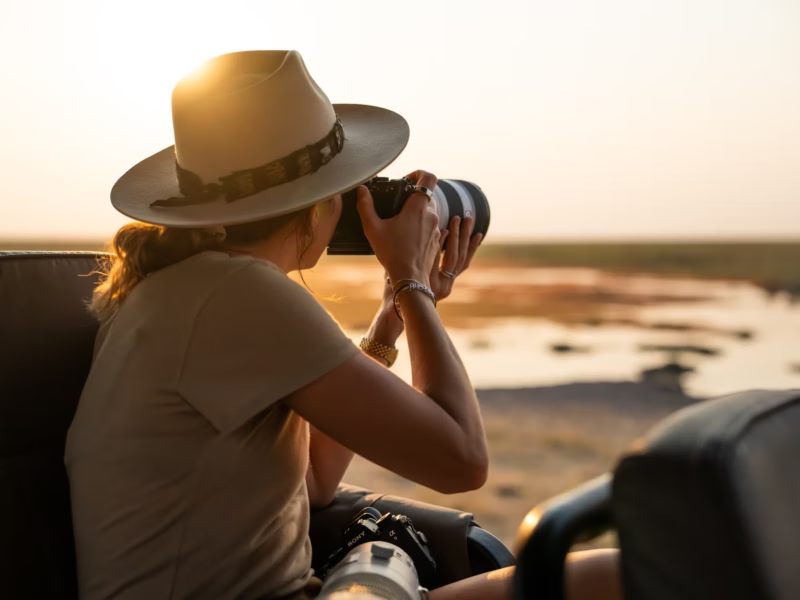
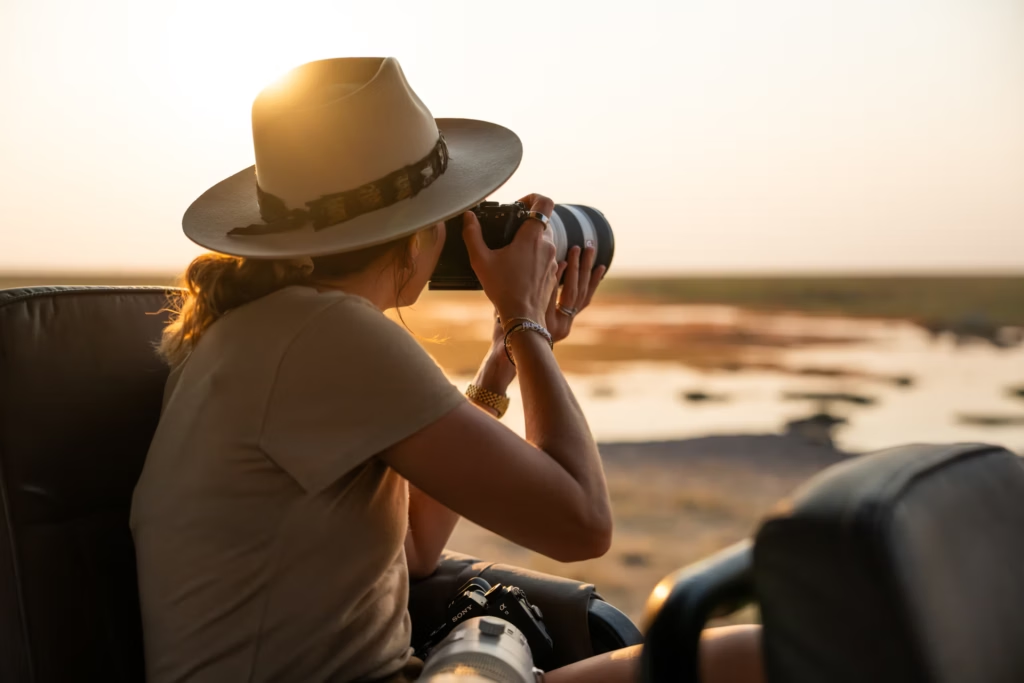
Bringing quality binoculars enhances the experience by allowing visitors to observe distant animals more clearly. Cameras with zoom lenses also help capture memorable wildlife photographs without disturbing the animals.
Wearing neutral-colored clothing helps visitors blend into the natural environment while avoiding unnecessary attention from wildlife. Comfortable clothing, hats, sunscreen, and reusable water bottles also contribute to enjoyable full-day game drives.
Finally, spending multiple days inside Serengeti National Park provides far greater opportunities to encounter every member of the Big Five while experiencing many other incredible wildlife moments that make Tanzania one of Africa’s finest safari destinations.
Choosing the Right Safari Experience in Serengeti
Choosing the right safari experience can make a significant difference when searching for the Big Five in Serengeti National Park. Every traveler has different expectations, so selecting an itinerary that matches your interests, travel style, and budget helps create a more rewarding adventure.
Private safaris offer flexibility and personalized service. Your guide can spend more time at wildlife sightings, adjust the daily schedule, and focus on the animals you most want to see. This option works especially well for photographers, families, honeymooners, and travelers celebrating special occasions.
Shared safaris provide excellent value while still delivering unforgettable wildlife experiences. Travelers enjoy professional guiding, comfortable safari vehicles, and opportunities to meet other visitors from around the world. Since transportation costs are shared, this option makes the Serengeti more accessible without reducing the quality of the safari.
Fly in safaris allow visitors to spend more time exploring wildlife areas and less time traveling by road. They also provide breathtaking aerial views of Tanzania’s beautiful landscapes before the safari even begins.
No matter which option you choose, experienced guides, well planned itineraries, and enough time inside the park greatly improve your chances of enjoying memorable Big Five encounters and discovering the incredible diversity of the Serengeti.
Photography Tips for Big Five Encounters in Serengeti
A Big Five safari offers countless opportunities to capture stunning wildlife photographs. Whether you use a professional camera or a smartphone, thoughtful preparation helps you create images that preserve unforgettable memories from your Serengeti adventure.
The best natural lighting usually appears shortly after sunrise and before sunset. During these hours, soft golden light enhances wildlife photographs while reducing harsh shadows across the landscape.
Patience remains one of the most valuable photography skills. Animals behave naturally when visitors remain quiet and avoid sudden movements. Waiting for the right moment often results in more meaningful photographs that showcase authentic wildlife behavior.
Keeping your camera ready throughout every game drive also helps. Wildlife sightings sometimes happen quickly, and having the correct settings prepared allows you to capture unexpected moments without delay.
While photographing animals, always respect their space and follow your guide’s instructions. Responsible photography protects wildlife while allowing every visitor to enjoy safe and enjoyable encounters.
Beyond the Big Five, remember to photograph landscapes, birds, sunsets, trees, and smaller animals. These images help tell the complete story of your Serengeti safari and highlight the park’s incredible natural beauty.
Conservation Protects the Big Five for Future Generations
Seeing the Big Five in Serengeti is possible because of decades of conservation work that protects wildlife and preserves natural habitats. Tanzania has invested heavily in safeguarding its national parks, allowing future generations to experience these extraordinary animals in the wild.
Serengeti National Park forms part of a larger protected ecosystem that supports millions of animals throughout the year. Wildlife corridors allow seasonal movement while maintaining healthy populations across the region.
Conservation organizations, park authorities, researchers, and local communities work together to monitor wildlife, reduce illegal hunting, protect habitats, and educate future generations about environmental stewardship. These combined efforts strengthen the long-term survival of endangered species such as the black rhinoceros.
Responsible tourism also plays a valuable role in conservation. Park entrance fees contribute to wildlife protection, road maintenance, scientific research, ranger patrols, and community development projects surrounding protected areas.
Visitors can support conservation by following park regulations, respecting wildlife, avoiding litter, and choosing safari companies that promote sustainable tourism practices. Every responsible traveler helps preserve the Serengeti’s remarkable biodiversity while contributing to one of Africa’s greatest conservation success stories.
Planning Your Serengeti Adventure and What to see
A successful safari begins with careful planning. While wildlife remains the main attraction, thoughtful preparation allows travelers to enjoy a smoother, more comfortable, and more rewarding journey through Serengeti National Park.
The first decision involves choosing the right travel season. Although the Serengeti offers excellent wildlife viewing throughout the year, different months highlight unique experiences such as the Great Migration, calving season, birdwatching, or dramatic river crossings.
Travelers should also decide how many days to spend in the park. While shorter safaris can be enjoyable, staying at least three to five days increases the chances of seeing every member of the Big Five while exploring different regions of the Serengeti.
Packing appropriate clothing also improves the safari experience. Lightweight neutral colored clothing, comfortable shoes, hats, sunglasses, sunscreen, binoculars, and camera equipment help visitors remain comfortable during long game drives.
Many travelers choose Giant Holiday Safaris to design customized itineraries that combine Serengeti National Park with nearby destinations such as Ngorongoro Crater, Tarangire National Park, and Lake Manyara National Park. Personalized planning creates a balanced safari that showcases the very best of northern Tanzania.
Experience the Magic of the Big Five in Serengeti
By now, the answer to can you see the Big Five in Serengeti is clear. Serengeti National Park offers one of the best opportunities anywhere in Africa to experience these iconic animals in their natural environment. From powerful lions and graceful leopards to majestic elephants, massive buffaloes, and the rare black rhinoceros, every safari presents exciting opportunities to witness remarkable wildlife.
Beyond the Big Five, the Serengeti rewards visitors with breathtaking landscapes, world famous migration events, rich birdlife, and unforgettable moments that create lifelong memories. Every season offers unique experiences, allowing travelers to discover a different side of this extraordinary ecosystem.
Careful planning, experienced guides, and several days inside the park greatly increase the chances of enjoying exceptional wildlife encounters while appreciating the importance of conservation and responsible tourism.
Whether you are visiting Tanzania for the first time or returning for another adventure, Serengeti National Park continues to exceed expectations with every game drive. Giant Holiday Safaris creates personalized safari experiences that help travelers explore the park with confidence, comfort, and expert local knowledge. Ultimately, can you see the Big Five in Serengeti becomes more than a simple question. It becomes the beginning of an unforgettable African safari filled with discovery, excitement, and lasting memories.
Combined Uganda, Kenya, Rwanda and Tanzania Safaris
17 days Kenya Tanzania and Uganda safari
19 Days Uganda Kenya and Tanzania Safari
16 Days Kenya Tanzania and Uganda Safari
14 Days Kenya Uganda and Tanzania Safari
14 Days Kenya Uganda and Rwanda Safari