Can You See the Big Five in Serengeti
July 7, 2026
What Are the Best Nairobi Safari Tours?
July 7, 2026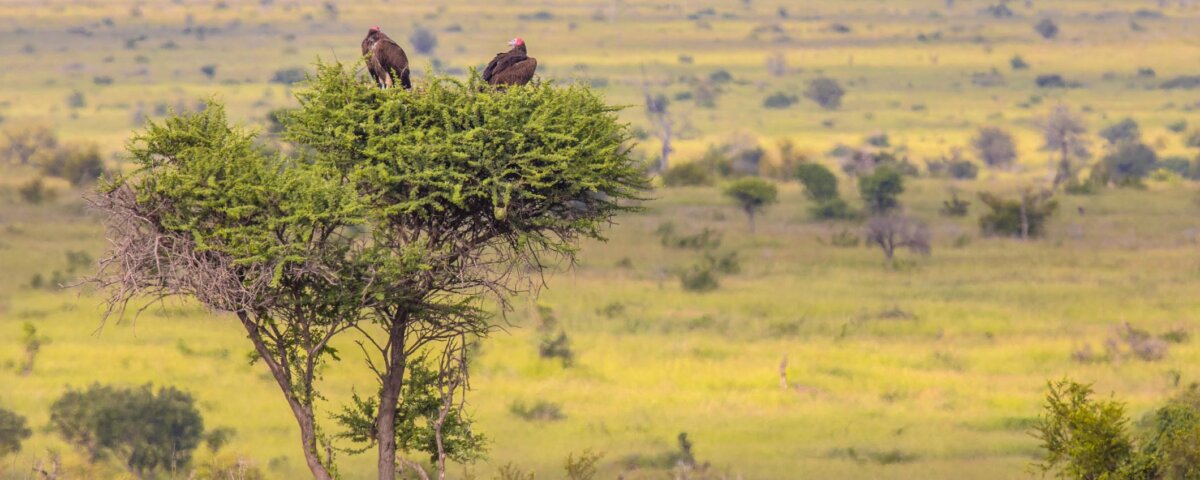
What Animals Live in Serengeti
One of the most exciting questions travelers ask before visiting Tanzania is, what animals live in Serengeti? The answer is truly remarkable. Serengeti National Park is home to one of the richest collections of wildlife on Earth. From the famous Big Five to millions of migrating wildebeests, graceful giraffes, colorful birds, and countless smaller species, the Serengeti offers an unmatched safari experience for nature lovers from around the world.
Located in northern Tanzania, Serengeti National Park covers nearly 15,000 square kilometers of grasslands, woodlands, river systems, rocky outcrops, and open savannah. These diverse habitats support thousands of animal species that live together in one of Africa’s healthiest ecosystems. Every game drive offers something different, making every safari unique and unforgettable.
Wildlife thrives in the Serengeti because nature follows its own rhythm. Seasonal rains, abundant grazing lands, permanent water sources, and protected conservation efforts create ideal conditions for animals to survive and flourish. Visitors can witness predator and prey relationships, family groups caring for their young, and the spectacular Great Wildebeest Migration that has become one of the world’s greatest natural wonders.
At Giant Holiday Safaris, we believe understanding the wildlife before your journey helps you appreciate every moment during your safari. This guide explains what animals live in Serengeti, where you can find them, and why this incredible national park continues to rank among the world’s best wildlife destinations.
Why Serengeti Supports So Many Animal Species
The Serengeti ecosystem supports an extraordinary variety of wildlife because it provides everything animals need to survive. Its vast landscapes, changing seasons, healthy vegetation, and diverse habitats create one of the most balanced ecosystems anywhere in Africa.
Unlike smaller parks, the Serengeti includes open grasslands, acacia woodlands, river valleys, rocky kopjes, wetlands, and forests. Each habitat attracts different animal species. Grazing animals prefer the endless plains where fresh grasses grow after seasonal rains, while predators use rocky outcrops and tall grasses for cover during hunts. Rivers provide drinking water throughout the year and support crocodiles, hippos, fish, and countless bird species.
The annual cycle of rainfall also plays a vital role. As the rains move across northern Tanzania, millions of grazing animals follow fresh grass. Predators naturally follow these herds, creating a healthy balance between prey and carnivores.
Conservation efforts have further strengthened the ecosystem. Strict wildlife protection, responsible tourism, and scientific research help maintain healthy animal populations while preserving natural habitats for future generations.
This combination of geography, climate, and conservation explains why visitors consistently enjoy exceptional wildlife sightings throughout the year and acquire ample knowledge on the animals that live in Serengeti. Whether traveling during the dry season or the green season, the Serengeti remains full of life.
The Big Five Animals of Serengeti
Many travelers dream of seeing the famous Big Five during their African safari, and Serengeti National Park offers excellent opportunities to find all five species.
The African lion is perhaps the Serengeti’s most famous resident. Large prides roam the open plains where they hunt zebras, wildebeests, buffaloes, and other herbivores. Visitors often watch lions resting beneath acacia trees during the heat of the day before becoming active again in the early morning and late afternoon.
African elephants also thrive throughout the park. These intelligent animals travel in family groups led by experienced females. Watching elephants interact, communicate, and care for their young creates unforgettable safari memories.
Leopards are more difficult to find because they prefer dense trees and rocky areas where they can remain hidden. Experienced guides know where these elusive cats often rest and hunt, increasing the chances of a successful sighting.
Cape buffaloes appear across many parts of the Serengeti. Their large herds provide impressive wildlife encounters while also serving as important prey for lions.
The black rhinoceros is the rarest member of the Big Five within the Serengeti ecosystem. Conservation efforts continue to protect this endangered species, and lucky visitors may occasionally spot one in carefully protected areas.
Seeing all five animals requires patience, experienced guiding, and enough time in the park. Fortunately, spending several days on safari greatly improves the chances of completing this remarkable wildlife list.
The Great Wildebeest Migration and Grazing Animals
When discussing what animals live in Serengeti, no wildlife event receives more attention than the Great Wildebeest Migration. Every year, more than two million wildebeests, zebras, and gazelles travel across the Serengeti ecosystem in search of fresh grazing lands and reliable water.
This incredible migration represents one of nature’s greatest spectacles. Massive herds stretch across the plains, creating endless lines of moving animals that transform the landscape. Depending on the season, visitors may witness calving in the southern plains, river crossings in the north, or huge grazing herds in the central and western regions.
Wildebeests dominate the migration because of their remarkable ability to travel long distances while following seasonal rainfall. Their constant movement supports the entire Serengeti ecosystem by spreading nutrients and providing food for predators.
Zebras often travel alongside wildebeests. Their different grazing habits allow both species to benefit from the same grasslands without competing heavily for food. Thomson’s gazelles and Grant’s gazelles also join the migration in many areas, creating enormous mixed herds.
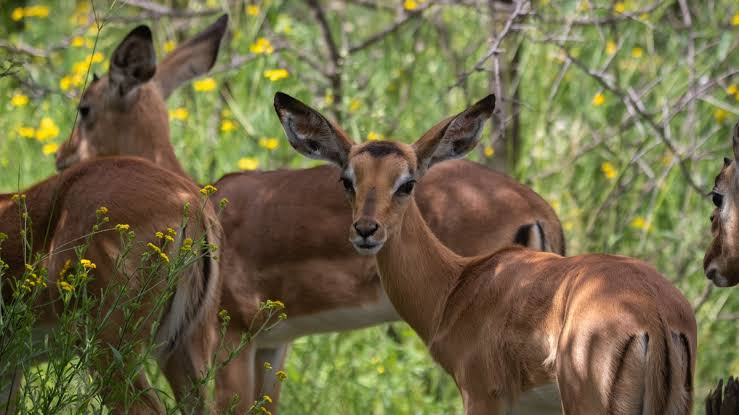
Beyond the migration, visitors frequently encounter giraffes feeding from tall acacia trees, warthogs searching for roots, impalas grazing peacefully, waterbucks near rivers, elands crossing open plains, topis standing alert in the grasslands, and hartebeests moving gracefully across the savannah.
These herbivores form the foundation of the Serengeti food chain. Their abundance supports predators while maintaining the natural balance that has existed for thousands of years.
Animals That Rule the Serengeti Plains
The Serengeti is equally famous for its impressive population of predators. These carnivores play an essential role in maintaining healthy wildlife populations while providing some of Africa’s most exciting safari experiences.
Lions dominate much of the park and are among the easiest big cats to observe. Several large prides occupy territories across the Serengeti, particularly in areas with abundant prey. Visitors often witness lions resting together, caring for cubs, or preparing for evening hunts.
Cheetahs prefer wide open grasslands where their incredible speed gives them an advantage when chasing gazelles and other fast moving animals. Watching a cheetah scan the plains from a termite mound ranks among the most memorable moments of any safari.
Leopards remain masters of camouflage. These solitary hunters spend much of their time in trees or hidden among rocky kopjes. Spotting one requires patience, sharp observation, and the expertise of an experienced safari guide.
Spotted hyenas also thrive throughout the Serengeti. Although many people underestimate them, hyenas are highly intelligent hunters with powerful social structures. They hunt successfully on their own while also competing with lions for food.
Other predators include African wild dogs in selected areas of the greater ecosystem, black backed jackals, bat eared foxes, serval cats, civets, genets, and mongooses. Smaller predators control rodent populations and contribute to the overall health of the ecosystem.
The interaction between predators and prey creates one of the Serengeti’s greatest attractions. Every game drive offers the possibility of witnessing remarkable wildlife behavior, from stalking and hunting to family care and territorial displays.
Understanding predator behavior also helps visitors appreciate the delicate balance that keeps the Serengeti ecosystem healthy. Rather than focusing only on dramatic hunts, travelers begin to recognize the important role every species plays in maintaining one of Africa’s greatest natural treasures.
Birds and Smaller Wildlife in Serengeti
While large mammals often steal the spotlight, the Serengeti is also home to an incredible variety of birds and smaller wildlife that add color, sound, and diversity to every safari. More than 500 bird species live within the Serengeti ecosystem, making it one of Africa’s premier destinations for birdwatching.
Large birds such as ostriches, secretary birds, kori bustards, martial eagles, and African fish eagles are common sights across the park. Ostriches, the world’s largest birds, roam the open plains, while secretary birds patrol the grasslands searching for snakes and small mammals. Birds of prey soar above the savannah, using their sharp eyesight to locate food from great heights.
The rivers and wetlands attract kingfishers, herons, storks, pelicans, cormorants, and colorful bee eaters. During certain seasons, migratory birds arrive from Europe and Asia, adding even more variety to the park’s impressive bird population.
Smaller mammals also contribute to the Serengeti’s rich biodiversity. Visitors frequently spot vervet monkeys, olive baboons, rock hyraxes, ground squirrels, porcupines, hares, and numerous bat species. These animals may not receive as much attention as lions or elephants, yet they play important roles in seed dispersal, insect control, and maintaining ecological balance.
Tiny creatures also support the larger ecosystem. Dung beetles recycle nutrients, termites build towering mounds that become homes for other animals, and countless insects provide food for birds, reptiles, and small mammals.
For photographers and nature enthusiasts, slowing down to observe these lesser known species often reveals fascinating moments that many visitors overlook. Every animal, regardless of size, contributes to the remarkable diversity that makes the Serengeti one of the world’s greatest wildlife destinations.
Reptiles and Aquatic Animals
The Serengeti is not only famous for mammals and birds. Its rivers, lakes, and wetlands support an impressive collection of reptiles and aquatic animals that thrive throughout the year.
One of the most recognizable reptiles is the Nile crocodile. These powerful predators inhabit rivers and waterholes, especially along the Grumeti and Mara Rivers. During the Great Wildebeest Migration, crocodiles become an unforgettable part of the river crossing drama as they wait patiently for opportunities to catch prey.
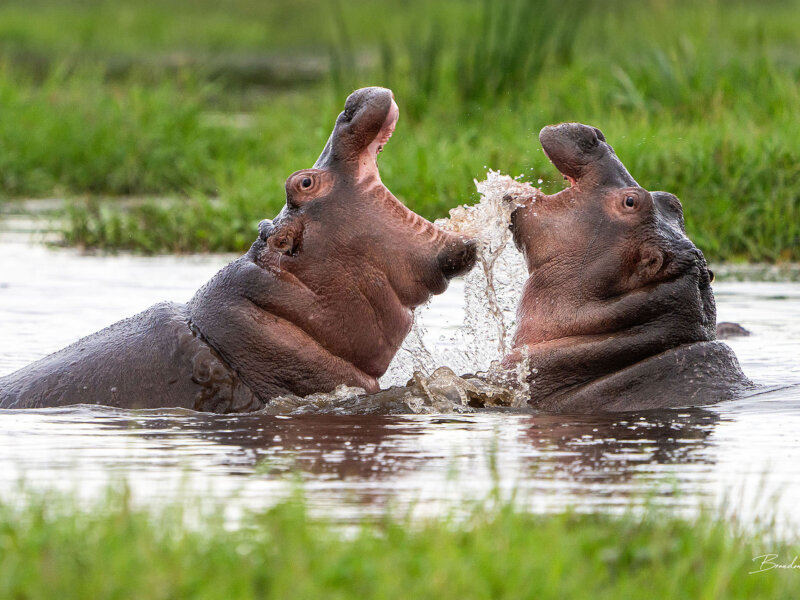
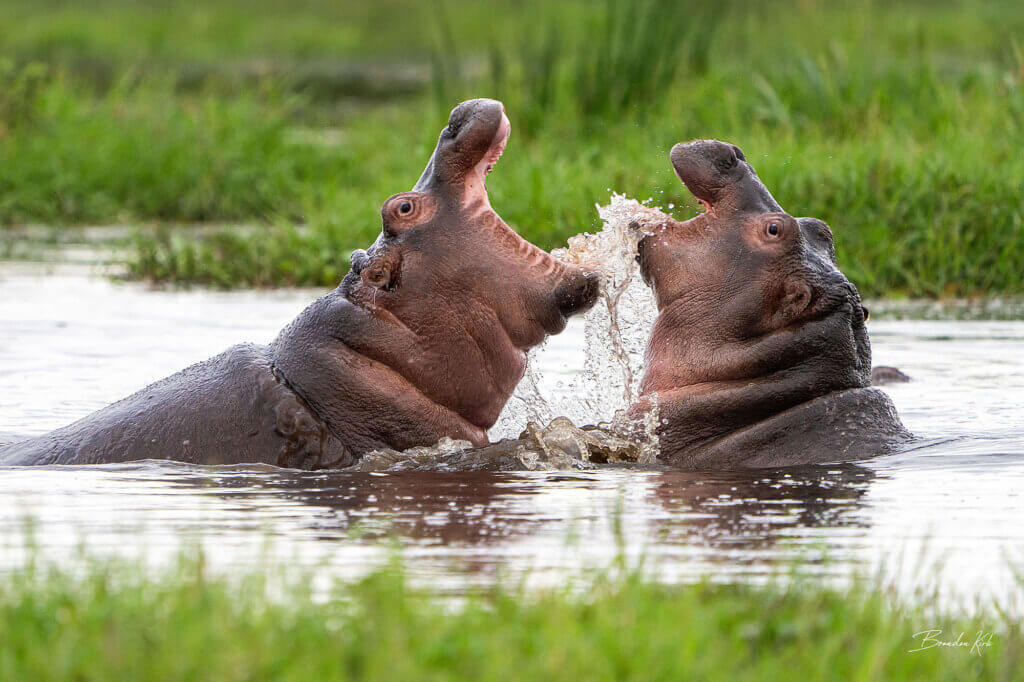
Hippos also spend much of their day resting in rivers and pools before emerging at night to graze. Large pods often gather together, creating lively scenes filled with splashing, vocalizations, and territorial displays. Although they appear calm, hippos are among Africa’s most powerful animals and deserve respectful viewing distances.
Several snake species also live in the Serengeti, including pythons, cobras, puff adders, and boomslangs. Most snakes avoid human contact and remain hidden within grasslands, rocky areas, or woodlands. Experienced safari guides understand their habitats and help visitors observe them safely when opportunities arise.
Agamas, monitor lizards, tortoises, geckos, skinks, and chameleons add even more diversity to the reptile population. These smaller reptiles often bask on rocks or tree branches, providing excellent photography opportunities.
The rivers also support fish species that sustain crocodiles, birds, and local ecosystems. Frogs and amphibians become especially active after seasonal rains, filling the evening air with distinctive calls.
Although reptiles receive less attention than large mammals, they represent an essential part of the Serengeti ecosystem and contribute to the incredible variety of wildlife found throughout the park.
Where to See Different Animals in Serengeti
The Serengeti’s vast size means wildlife is spread across different regions, each offering unique viewing opportunities. Understanding where animals are commonly found helps travelers make the most of their safari.
Central Serengeti remains one of the best areas for year round wildlife viewing. The Seronera Valley supports permanent water sources that attract lions, leopards, elephants, giraffes, zebras, buffaloes, and countless antelope species. Many visitors enjoy excellent Big Five sightings in this region.
Southern Serengeti becomes particularly active between January and March when the wildebeest calving season takes place. Thousands of newborn calves attract predators, creating exciting wildlife encounters for visitors.
Western Serengeti features river systems and woodlands that support crocodiles, hippos, elephants, and migration herds during specific months. This area also provides beautiful scenery and fewer visitor vehicles compared to more central locations.
Northern Serengeti becomes the center of attention during the Great Wildebeest Migration as enormous herds approach and cross the Mara River. Witnessing these dramatic crossings ranks among the most unforgettable safari experiences in Africa.
The rocky kopjes scattered throughout the park often serve as lookout points for lions, leopards, and cheetahs. Acacia woodlands attract giraffes, elephants, monkeys, and numerous bird species, while rivers provide excellent opportunities to observe crocodiles, hippos, and aquatic birds.
Because wildlife moves naturally throughout the year, working with experienced guides greatly increases the chances of finding animals in their preferred habitats. At Giant Holiday Safaris, our guides monitor seasonal movements closely to ensure guests enjoy exceptional wildlife viewing during every safari.
Best Time to See Serengeti Wildlife Animals
One of the greatest advantages of visiting Serengeti National Park is that wildlife viewing remains excellent throughout the year. However, each season offers different experiences depending on weather conditions and animal movements.
The dry season, which generally runs from June through October, is widely considered one of the best times for game viewing. Vegetation becomes shorter, making animals easier to spot, while many species gather near rivers and permanent water sources. Cooler temperatures also create comfortable conditions for extended game drives.
The green season begins with seasonal rains that transform the landscape into vibrant grasslands. Between January and March, the southern Serengeti hosts the wildebeest calving season. Thousands of calves are born within a short period, attracting lions, cheetahs, hyenas, and other predators.
Between July and September, northern Serengeti becomes one of the most popular safari destinations because of the famous Mara River crossings. Although wildlife sightings can never be guaranteed, spending several days in the area significantly increases the chances of witnessing this remarkable event.
Birdwatchers often enjoy the green season because migratory birds join resident species, creating exceptional birding opportunities throughout the park.
Every month offers something unique. Instead of searching for a single perfect time, travelers should choose the season that best matches their wildlife interests. Giant Holiday Safaris helps guests select travel dates based on seasonal animal movements, photography goals, and preferred safari experiences.
Tips for Viewing Wildlife Responsibly
A successful safari involves more than finding what animals live in Serengeti. Responsible wildlife viewing protects both the environment and the animals while creating a better experience for everyone.
Visitors should always follow the guidance of professional safari guides. Guides understand animal behavior and know how to approach wildlife safely without causing unnecessary stress. Remaining inside safari vehicles unless instructed otherwise helps protect both guests and wildlife.
Maintaining quiet voices allows everyone to observe natural animal behavior. Loud noises may interrupt feeding, resting, or hunting activities and reduce the quality of wildlife encounters.
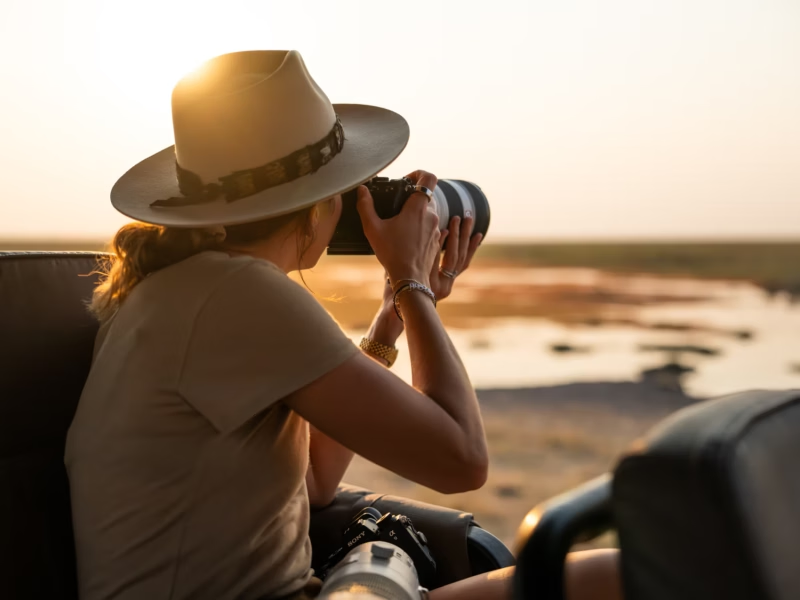
Photography should also respect wildlife. Instead of trying to approach animals too closely, photographers should rely on zoom lenses and patient observation. The most memorable images often come from allowing wildlife to behave naturally.
Visitors should never feed wild animals. Feeding changes natural behavior, increases dependence on humans, and may create dangerous situations for both animals and people.
Supporting eco friendly safari operators also contributes to conservation. Companies that invest in local communities, wildlife protection, and sustainable tourism help preserve Tanzania’s natural heritage for future generations.
At Giant Holiday Safaris, responsible tourism forms the foundation of every safari. We believe protecting wildlife ensures future travelers can enjoy the same extraordinary experiences for many years to come.
What Animals Live in Serengeti and Why It Is Africa’s Greatest Wildlife Destination
The answer to ;what animals live in Serengeti extends far beyond a simple list of species. The Serengeti is home to one of the richest wildlife ecosystems on the planet, where millions of animals interact across vast grasslands, forests, rivers, and rocky landscapes. From the Big Five and the Great Wildebeest Migration to hundreds of bird species, reptiles, and smaller mammals, every part of the park contributes to an extraordinary natural balance.
Each safari offers something different. One day may bring close encounters with lions resting beneath acacia trees, while another reveals elephants crossing the plains, cheetahs searching for prey, or giraffes feeding peacefully at sunset. These constantly changing experiences make every visit unique.
The Serengeti also demonstrates the importance of conservation. Protected habitats, responsible tourism, and strong wildlife management continue to preserve this remarkable ecosystem for future generations. Every visitor who chooses sustainable travel contributes to protecting one of Africa’s greatest natural treasures.
At Giant Holiday Safaris, we are passionate about helping travelers experience the Serengeti through carefully planned itineraries, knowledgeable local guides, and unforgettable wildlife encounters. Whether you are visiting Tanzania for the first time or returning for another adventure, our team is committed to creating meaningful safari experiences that showcase the incredible diversity of African wildlife.
If you have ever wondered ;what animals live in Serengeti, the answer is simple. The Serengeti is home to an astonishing variety of wildlife found almost nowhere else on Earth. Every game drive reveals new discoveries, every season offers fresh experiences, and every journey leaves visitors with lasting memories of one of the world’s most spectacular safari destinations.
Combined Uganda, Kenya, Rwanda and Tanzania Safaris
17 days Kenya Tanzania and Uganda safari
19 Days Uganda Kenya and Tanzania Safari
16 Days Kenya Tanzania and Uganda Safari
14 Days Kenya Uganda and Tanzania Safari
14 Days Kenya Uganda and Rwanda Safari