Bwindi gorilla trekking guided tours
May 6, 2026
Rhino Safaris in Lake Nakuru
May 6, 2026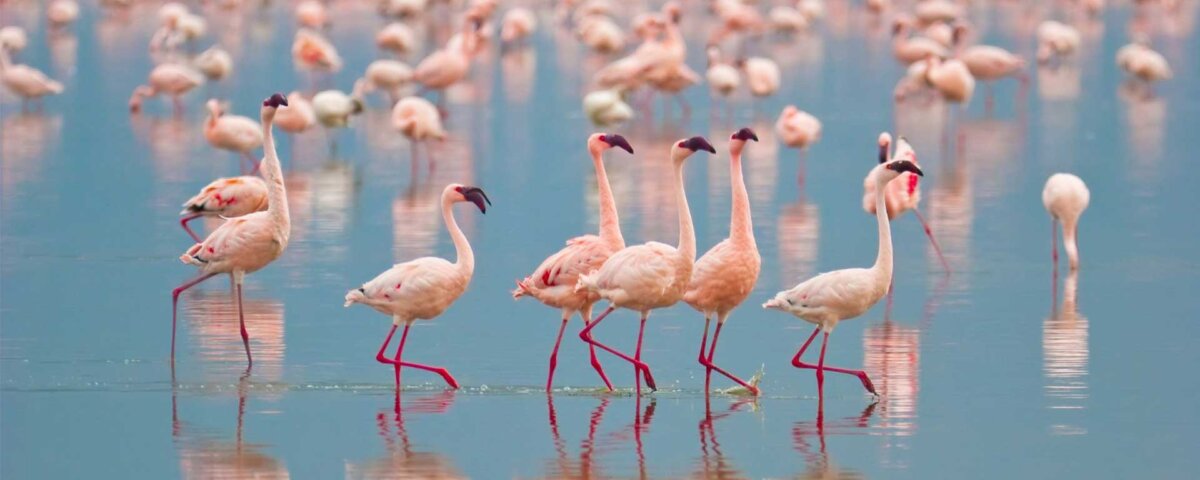
Flamingos in Lake Nakuru
Flamingos in Lake Nakuru: Lake Nakuru is one of Africa’s most iconic wildlife destinations, and it continues to attract global travelers seeking rare natural beauty and unforgettable safari experiences. Among its most famous attractions, flamingos create a breathtaking pink spectacle that turns the lake into a living painting. These birds do not just appear randomly; they respond to complex ecological conditions that make Lake Nakuru a unique habitat in the African Great Rift Valley.
Moreover, Lake Nakuru National Park offers more than scenic views. It combines biodiversity, conservation success stories, and rich safari experiences that strengthen Kenya’s position in global tourism. As a result, visitors not only witness flamingos but also explore rhinos, lions, giraffes, and more within a protected ecosystem that continues to evolve.
In addition, understanding flamingos in Lake Nakuru helps travelers appreciate the delicate balance between wildlife, water systems, and human conservation efforts. This article explores everything from the science behind flamingos’ color to migration patterns, best viewing times, and the broader role Lake Nakuru plays in Africa’s tourism industry. Ultimately, it positions Lake Nakuru as a must-visit destination for travelers who value authenticity, nature, and ecological wonder.
Lake Nakuru National Park Overview
Lake Nakuru National Park lies in Kenya’s Great Rift Valley, a region known for dramatic landscapes and rich biodiversity. The park surrounds Lake Nakuru, a shallow alkaline lake that supports unique ecological conditions ideal for birdlife, especially flamingos. Because of its strategic location and protected status, the park serves as a critical sanctuary for both wildlife and tourism development.
Additionally, the park covers woodlands, grasslands, and rocky escarpments that create a diverse ecosystem. This diversity allows travelers to experience multiple wildlife encounters within a single destination. For example, visitors often spot rhinos grazing near the shoreline while flamingos feed in the alkaline waters. This combination strengthens Lake Nakuru’s reputation as a compact yet rich safari destination.
Furthermore, the park plays an important conservation role. It protects endangered species and supports environmental research that guides sustainable tourism in Kenya. As tourism demand grows, Lake Nakuru continues to balance visitor experience with ecological protection. Therefore, it stands as a model for responsible tourism in Africa while offering unforgettable scenery and wildlife encounters.
Why Flamingos Gather at Lake Nakuru
Flamingos gather at Lake Nakuru mainly because of the lake’s rich food supply and ideal water chemistry. The lake contains high concentrations of algae, especially spirulina, which forms the primary diet of flamingos. This food source thrives in alkaline conditions, making Lake Nakuru a natural feeding ground.
Moreover, flamingos respond to environmental changes. When food levels increase, thousands of birds move into the lake, creating large flocks that transform the shoreline into a pink horizon. On the other hand, when water levels change or food becomes scarce, they migrate to nearby lakes in the Rift Valley system.
In addition, safety influences their movement. Lake Nakuru National Park offers protection from predators and human disturbance. This security allows flamingos to feed and breed in relatively stable conditions compared to unprotected environments.
Consequently, flamingos choose Lake Nakuru not by chance but by ecological necessity. Their presence reflects the health of the ecosystem and highlights the importance of conserving freshwater and alkaline lake systems across Africa. This dynamic relationship makes Lake Nakuru one of the most fascinating flamingo habitats in the world.
The Science Behind Flamingo Pink Color
Flamingos display their iconic pink color due to their diet, not genetics. They consume algae and small organisms rich in carotenoids, natural pigments that influence feather coloration. As flamingos digest this food, their bodies break down the pigments and deposit them into their feathers, skin, and beaks.
Additionally, the intensity of their pink color depends on diet quality and quantity. Flamingos that feed heavily on carotenoid rich algae develop deeper pink or even reddish tones. Meanwhile, those with limited access to such food appear paler.
This biological process directly connects flamingos to Lake Nakuru’s ecosystem. When the lake produces abundant algae, flamingos thrive and display brighter colors. Therefore, their appearance acts as an environmental indicator, signaling the health of the lake.
Furthermore, this coloration plays a role in mating and social behavior. Brighter flamingos often attract stronger mates, which supports healthy population cycles. As a result, Lake Nakuru does not only support flamingos visually but also biologically. This connection between diet, environment, and appearance strengthens the lake’s ecological significance and tourism appeal.
Seasonal Movements and Migration Patterns
Flamingos at Lake Nakuru do not stay in one fixed location throughout the year. Instead, they follow seasonal migration patterns influenced by water levels, food availability, and weather conditions. When Lake Nakuru provides ideal feeding conditions, large flocks gather and remain for extended periods.
However, during heavy rainfall or changes in water chemistry, algae levels shift. Consequently, flamingos move to other Rift Valley lakes such as Bogoria or Natron in search of better feeding grounds. This movement reflects their adaptability and survival instincts.
Moreover, migration patterns often occur in large, synchronized groups. Flamingos fly together in V-shaped formations, covering long distances efficiently. These movements create dramatic scenes across East African skies and attract birdwatchers from around the world.
In addition, seasonal variation affects tourism experiences. Travelers visiting during peak feeding periods often witness massive flocks covering large portions of the lake. Therefore, understanding migration cycles helps visitors plan better and increases the chances of experiencing the iconic pink shoreline that Lake Nakuru is famous for.
Flamingos in Lake Nakuru: Best Time to See Flamingos in Lake Nakuru
The best time to see flamingos in Lake Nakuru depends largely on ecological conditions rather than fixed calendar dates. However, dry seasons generally offer better viewing opportunities. During these periods, water levels stabilize, and algae concentrations increase, attracting more flamingos.
Typically, January to March and July to October provide favorable conditions for wildlife viewing in Kenya. During these months, flamingos often gather in large numbers along the lake’s shores, creating stunning visual displays.
Additionally, early mornings and late afternoons offer the best light for observation and photography. During these times, flamingos feed actively, and their pink colors appear more vibrant under softer sunlight.
However, nature remains unpredictable. Flamingo numbers may fluctuate based on rainfall patterns and ecological changes. Therefore, travelers should stay flexible and consider extended visits for better chances of witnessing large flocks.
Ultimately, Lake Nakuru rewards patience. Visitors who time their trips wisely often experience one of the most spectacular birding scenes in Africa, making the journey truly worthwhile.
Flamingos in Lake Nakuru: Conservation Efforts and Environmental Challenges
Lake Nakuru faces both conservation successes and environmental challenges. On one hand, Kenya’s national park system protects the lake and its wildlife from uncontrolled development and habitat destruction. This protection has helped stabilize flamingo populations and other wildlife species.
On the other hand, environmental threats continue to affect the ecosystem. Climate change, water pollution, and fluctuating rainfall patterns influence algae growth and water quality. These changes directly impact flamingo populations and their migration behavior.
Moreover, human activity around the lake basin creates pressure on natural resources. Agricultural runoff and urban expansion can alter water chemistry, reducing the lake’s ability to sustain large flamingo populations.
In response, conservation organizations and park authorities implement monitoring programs and restoration efforts. They focus on water quality management, habitat protection, and community awareness programs.
As a result, Lake Nakuru remains a symbol of both vulnerability and resilience. Its conservation journey highlights the importance of protecting natural ecosystems to sustain wildlife tourism in Africa. This balance ensures future generations continue to experience the beauty of flamingos in their natural habitat.
Flamingos in Lake Nakuru: Wildlife Experience Beyond Flamingos
Although flamingos dominate Lake Nakuru’s fame, the park offers much more wildlife diversity. Visitors often encounter white and black rhinos, which represent one of the park’s most successful conservation stories. These species roam freely across the grasslands and woodlands.
Additionally, lions, leopards, giraffes, buffaloes, and baboons add excitement to safari drives. Each species contributes to a balanced ecosystem that supports both predator and prey relationships.
Birdlife also extends beyond flamingos. Over 400 bird species inhabit the park, making it a paradise for birdwatchers. Species such as pelicans, herons, and fish eagles add variety to the experience.
Furthermore, scenic viewpoints like Baboon Cliff offer panoramic views of the lake and surrounding landscapes. These viewpoints enhance the visitor experience and provide excellent photography opportunities.
Therefore, Lake Nakuru delivers a complete safari experience. It combines birdwatching, big game viewing, and scenic beauty within a compact area, making it one of Kenya’s most efficient and rewarding wildlife destinations.
Flamingos in Lake Nakuru: Travel Tips for International Visitors
International travelers planning a visit to Lake Nakuru should prepare carefully to maximize their experience. First, choosing the right season increases the chances of seeing large flamingo populations. Dry months often deliver better wildlife visibility.
Second, visitors should plan for early game drives. Wildlife activity peaks during cooler hours, and birds remain more active near the shoreline.
Additionally, comfortable safari clothing, binoculars, and cameras enhance the experience. Neutral colored clothing helps travelers blend into the environment and avoid disturbing wildlife.
Moreover, hiring experienced local guides improves understanding of animal behavior and park ecology. Guides also help visitors navigate the park efficiently and identify hidden wildlife spots.
Finally, travelers should respect park regulations. Maintaining distance from animals and following conservation guidelines ensures both safety and sustainability.
By following these tips, visitors can enjoy a smooth and rewarding safari experience at Lake Nakuru while contributing to responsible tourism in Africa.
Impact on Africa Tourism Industry
Lake Nakuru plays a vital role in shaping Africa’s tourism identity as one of Kenya’s flagship destinations, attracting thousands of international visitors each year. The flamingos give it global recognition, making the lake a symbol of African natural beauty.
The park also strengthens Kenya’s wildlife tourism economy by creating jobs for guides, lodge operators, conservation staff, and local communities. Giant Holiday Safaris contributes to this impact by offering expert safari services, supporting local partnerships, and promoting responsible tourism that benefits both travelers and communities.
In addition, Lake Nakuru enhances Kenya’s brand as a leading safari destination, complementing iconic parks like Maasai Mara and Amboseli. Its success demonstrates how conservation and tourism can work together, building trust and authority in Africa’s wildlife management.
Ultimately, Lake Nakuru is not just a natural attraction but a strategic asset in Africa’s tourism industry. With Giant Holiday Safaris guiding visitors, Kenya continues to position itself as a reliable, world-class destination for nature based travel experiences.
Conclusion
Flamingos in Lake Nakuru symbolize more than beauty they reflect a thriving ecosystem shaped by conservation and responsibility. Their presence signals environmental health while offering one of Africa’s most iconic wildlife spectacles.
Lake Nakuru National Park blends birdlife, big game, and scenic landscapes, attracting travelers worldwide. Giant Holiday Safaris enriches this experience with expert guided tours, ensuring visitors enjoy authenticity while supporting conservation.
As tourism grows, protecting the park remains vital. By choosing Giant Holiday Safaris, travelers not only witness Kenya’s biodiversity but also contribute to sustainable wildlife tourism for future generations.
Combined Uganda, Kenya, Rwanda and Tanzania Safaris
17 days Kenya Tanzania and Uganda safari
19 Days Uganda Kenya and Tanzania Safari
16 Days Kenya Tanzania and Uganda Safari
14 Days Kenya Uganda and Tanzania Safari
14 Days Kenya Uganda and Rwanda Safari