Gorilla habituation in Rushaga sector of Bwindi Forest National Park
November 3, 2025
photography safari in Uganda
November 9, 2025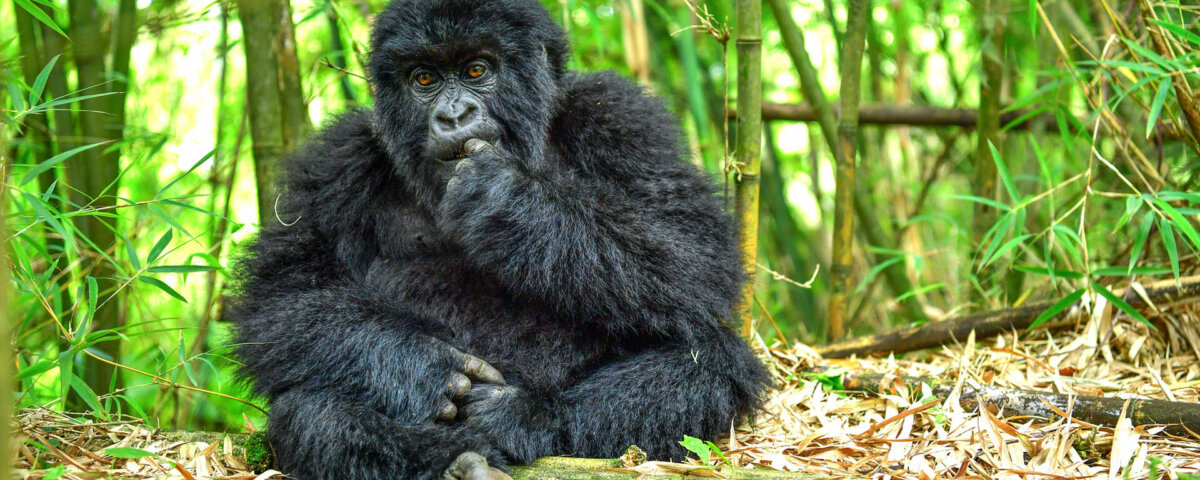
Why do few tourists do gorilla trekking in Mgahinga Gorilla National Park?
Gorilla trekking in Mgahinga Gorilla National Park: located in southwestern Uganda. It is one of the few destinations in the world where tourists can experience the incredible opportunity of trekking mountain gorillas. Despite its unique appeal and significance as part of the Virunga conservation area, Mgahinga Gorilla National Park receives fewer tourists for gorilla trekking compared to its more renowned counterpart, Bwindi Impenetrable National Park.
One of the primary reasons fewer tourists visit Mgahinga Gorilla National Park is the limited number of habituated gorilla groups available for trekking. The park is home to only one habituated gorilla family known as the Nyakagezi group. In contrast, Bwindi Impenetrable National Park boasts multiple habituated families, offering a broader range of trekking options and accommodating more visitors daily. The limited capacity at Mgahinga naturally restricts the number of tourists who can trek there.
Additionally, the Nyakagezi group has historically been known for its mobility, often crossing international borders into Rwanda or the Democratic Republic of Congo. Although the group has become more stable in recent years, its past movements created uncertainty for tourists and tour operators, leading many to favor Bwindi Forest National Park as a more reliable alternative.
Gorilla trekking in Mgahinga Gorilla National Park
Mgahinga Gorilla National Park is relatively remote and less accessible compared to Bwindi. While both parks are located in southwestern Uganda, Bwindi Forest National Park has more established infrastructure and multiple entry points, making it easier for tourists to plan their visits. Mgahinga Gorilla National Park on the other hand is situated in a more isolated region with fewer accommodation options and limited road networks leading to the park.
For international tourists arriving in Uganda, Mgahinga Gorilla National Park is roughly a 10-hour drive from Entebbe International Airport. Although flights to nearby airstrips are available, they are often more expensive and less frequent than those serving Bwindi Forest National Park. These logistical challenges can discourage potential visitors from choosing Mgahinga Gorilla National Park as their gorilla trekking destination.
Mgahinga Gorilla National Park also faces stiff competition from neighboring gorilla trekking destinations in Rwanda and the Democratic Republic of Congo. Rwanda’s Volcanoes National Park which is part of the same Virunga Mountain range as Mgahinga is particularly popular due to its proximity to Kigali International Airport and its high-end tourism infrastructure. Although gorilla trekking permits in Rwanda are significantly more expensive than those in Uganda, many high-end travelers prioritize convenience and luxury over cost.
Similarly, Virunga National Park in the Democratic Republic of Congo offers gorilla trekking at competitive rates. While security concerns have historically affected tourism in the DRC, adventurous travelers seeking a unique experience may opt for this alternative over Mgahinga Gorilla National Park.
Why do few tourists do gorilla trekking in Mgahinga Gorilla National Park?
Another reason why few tourists trek gorillas in Mgahinga Gorilla National Park is because Bwindi Impenetrable National Park has long been marketed as Uganda’s premier gorilla trekking destination, earning it widespread recognition among international travelers. Its designation as a UNESCO world heritage site and its reputation as home to nearly half of the world’s mountain gorilla population have solidified its status as a must-visit destination. In contrast, Mgahinga Gorilla National Park is less well-known globally. Many tourists planning gorilla treks in Uganda are unaware of Mgahinga’s existence or its unique attributes. This lack of awareness has contributed to lower visitor numbers despite the park’s undeniable appeal.
While Mgahinga Gorilla National Park offers a range of activities beyond gorilla trekking for example golden monkey tracking, volcano hikes and cultural experiences with the Batwa community, some tourists perceive it as having fewer attractions compared to Bwindi Impenetrable National Park or other destinations in Uganda. This perception may deter visitors who seek a more diverse itinerary or want to combine gorilla trekking with other wildlife experiences.
About Mgahinga Gorilla National Park
Mgahinga Gorilla National Park is located in southwestern Uganda. It is a renowned conservation area and a vital habitat for the endangered mountain gorilla. Covering approximately 33.7 square kilometers, it is the smallest national park in Uganda but holds immense ecological and cultural significance. Mgahinga Gorilla National Park forms part of the Virunga Volcanoes, a chain of eight volcanoes shared by Uganda, Rwanda, and the Democratic Republic of Congo.
Established in 1991, Mgahinga Gorilla National Park is one of only two places in Uganda where visitors can experience gorilla trekking, offering a unique opportunity to observe these majestic primates in their natural environment. In addition to gorillas, the park is home to golden monkeys, over 180 bird species and diverse flora. Mgahinga also serves as a cultural heritage site for the Batwa people, an indigenous forest-dwelling community. Visitors can engage in guided tours with Giant Holiday Safaris to learn about their traditions and history.
Things to do in Mgahinga Gorilla National Park
One of the primary attractions of Mgahinga is the opportunity to encounter the endangered mountain gorillas. Mgahinga Gorilla National Park is home to the Nyakagezi gorilla family, which visitors can track with the help of experienced guides. Gorilla trekking is a rare experience that allows you to observe gorillas in their natural habitat. Gorilla trekking permits are required and should be booked in advance due to limited availability.
Golden monkey tracking
Mgahinga Gorilla National Park is one of the few places in the world where you can track the rare golden monkeys. These playful primates, with their striking golden fur and inquisitive nature, are a delight to watch. The activity involves hiking through bamboo forests and offers an excellent opportunity for wildlife photography.
Volcano hiking
Mgahinga Gorilla National Park is part of the Virunga Mountain Range, which includes three extinct volcanoes: Mount Muhabura, Mount Gahinga and Mount Sabyinyo. Each mountain offers unique hiking experiences with varying levels of difficulty. For instance, Mount Sabyinyo provides a challenging yet rewarding trek that takes you to the tri-border point of Uganda, Rwanda and the Democratic Republic of Congo.
Bird watching
With over 180 bird species recorded in the park, Mgahinga Gorilla National Park is a haven for birdwatchers. The park’s diverse habitats, including bamboo forests and montane ecosystems, support species such as the Rwenzori turaco, Kivu ground thrush and African paradise flycatcher. Guided birding tours are available for both beginner and experienced bird enthusiasts.
Cultural encounters with the Batwa People
The Batwa trail offers visitors a chance to learn about the culture and traditions of the Batwa pygmies, who are indigenous to this region. Guided by Batwa elders, you will explore their ancient ways of life, including hunting techniques, traditional dances and the use of medicinal plants. This cultural experience provides valuable insights into their history and connection to the forest.
Nature walks
For those seeking a more leisurely activity, guided nature walks are an excellent way to explore Mgahinga Gorilla National Park’s flora and fauna. Trails such as the Garama Cave Trail lead you through lush vegetation to historical sites like ancient caves once used by the Batwa people.
Where to stay in Mgahinga Gorilla National Park
Mgahinga Gorilla National Park offers a range of lodging options to suit different preferences and budgets. For luxury travelers, high-end lodges such as Mount Gahinga Lodge provide exceptional service, stunning views and proximity to the park’s attractions. These lodges often include amenities like private cottages, gourmet dining and guided tours with Giant Holiday Safaris.
Mid-range accommodations, such as Kisoro Tourist Hotel and Lake Chahafi Resort, offer comfortable rooms with modern facilities at a more affordable price. These options strike a balance between cost and convenience, making them popular among many visitors.
For budget-conscious travelers, community-run campsites and guesthouses near the park provide basic yet cozy facilities. These options also offer an opportunity to support local communities while enjoying a more authentic experience.
How to reach Mgahinga Gorilla National Park
Mgahinga Gorilla National Park is approximately 494 kilometers from Kampala, Uganda’s capital. Most visitors begin their journey by flying into Entebbe International Airport. From there, you can take a domestic flight to Kisoro Airstrip which is the closest airstrip to the park. Flights are offered by companies like Aerolink and take about 1 to 2 hours. For those preferring ground transportation, you can drive or hire a private vehicle with Giant Holiday Safaris from Kampala or Entebbe. The drive takes about 8 to10 hours passing through scenic landscapes and small towns. Roads are generally well-maintained though a 4×4 vehicle is recommended for the final stretch to Mgahinga Gorilla National Park.
Alternatively, public buses operate between Kampala and Kisoro but they may be less comfortable and reliable compared to private options. Once in Kisoro town, the park is about 14 kilometers away and accessible by taxi or boda-boda.
What is the best time to visit Mgahinga Gorilla National Park
The best time to visit Mgahinga Gorilla National Park is during the dry seasons which occur from June to August and December to February. During these months, the weather is relatively stable, with minimal rainfall, making trekking trails less slippery and more accessible. This is particularly important for gorilla trekking and hiking activities as the terrain can be challenging during the rainy season.