Gorilla trekking in Mgahinga Gorilla National Park
November 9, 2025
Gorilla Trekking and Uganda Visa information
November 15, 2025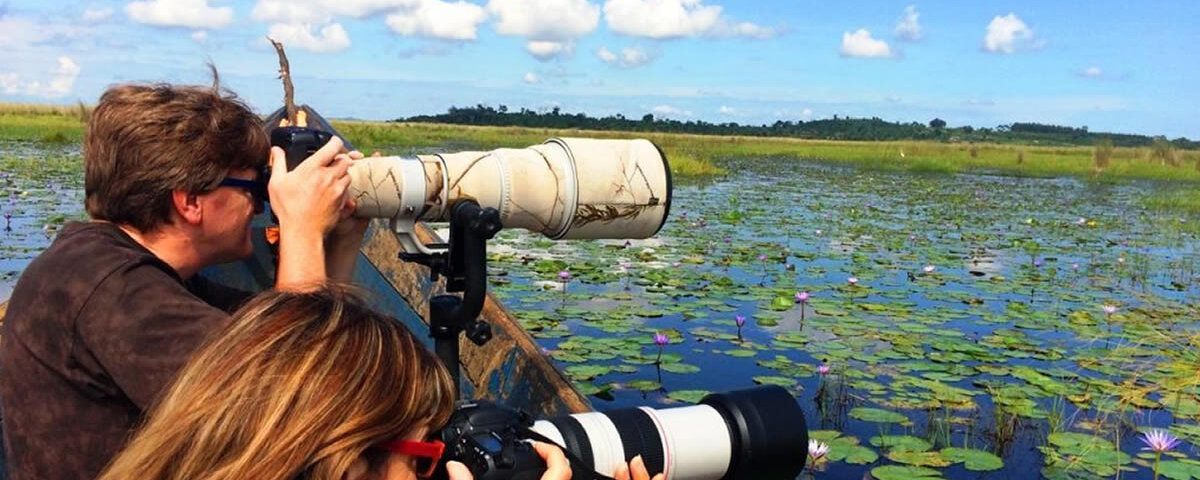
Photography safari in Uganda
Photography safari in Uganda: Uganda is home to some of Africa’s most iconic natural wonders from the misty mountains of Bwindi Impenetrable Forest National Park to the sprawling savannahs of Queen Elizabeth National Park, the country has a variety of ecosystems that provide endless opportunities for stunning photographs. Uganda is also one of the few places in the world where you can encounter endangered mountain gorillas in their natural habitat truly unique experience for any photographer. Beyond its wildlife, Uganda is rich in culture and tradition. The warm smiles of the local communities, colorful markets and traditional dances offer a glimpse into the heart of this beautiful country. Whether you are shooting portraits, landscapes or wildlife, Uganda is a destination that will ignite your creativity. If you are dreaming of a photography safari in Uganda, you are in for a thrilling experience.
Where to do a photography safari in Uganda
One of the incredible places to do a photography safari is Bwindi Impenetrable National Park which is world-famous for its mountain gorillas. Home to nearly half of the world’s population of these majestic creatures, this UNESCO world heritage site is a must visit for wildlife photographers. The dense jungle provides a dramatic backdrop for your shots and the intimate encounters with gorilla families will give you once in a lifetime photo opportunity. Be prepared for challenging lighting conditions due to the thick forest canopy. A fast lens and a steady hand or tripod will be your best friends here.
Another spot for photography is Queen Elizabeth National Park. Known for its incredible biodiversity, Queen Elizabeth National Park is one of Uganda’s most popular safari destinations. From tree-climbing lions in the Ishasha sector to large herds of elephants and buffaloes, the park offers a wide range of wildlife photography opportunities. The Kazinga Channel which connects Lake George and Lake Edward is another highlight. Here, you can capture stunning images of hippos, crocodiles and a variety of bird species. Take a boat cruise along the Kazinga Channel during golden hour for spectacular lighting and reflections.
Murchison Falls National Park
Murchison Falls National Park is home to the iconic Murchison Falls where the Nile River forces its way through a narrow gorge before plunging into a thunderous cascade. This dramatic waterfall is a photographer’s paradise. The park also boasts abundant wildlife including giraffes, lions, leopards, elephants and countless bird species. Visit the falls at sunrise or sunset for softer light and more dramatic photos. Do not forget your wide-angle lens to capture the grandeur of the falls.
Kibale Forest National Park
For those interested in primate photography, Kibale Forest National Park is an excellent choice. Known as the Primate Capital of the World, it is home to 13 species of primates including chimpanzees. A chimpanzee trekking experience here will provide you with incredible close-up shots of these chimpanzees in their natural habitat. Use a zoom lens to capture detailed expressions and behaviors without disturbing the animals.
Lake Mburo National Park
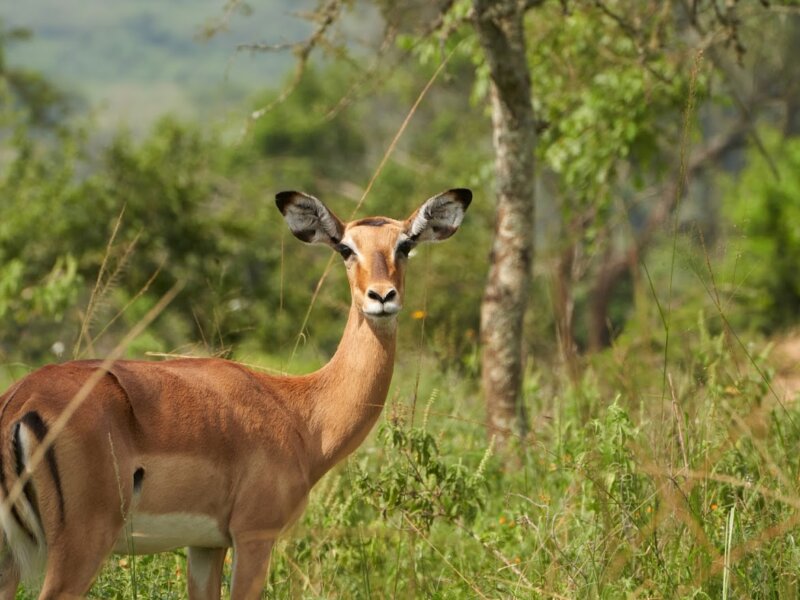
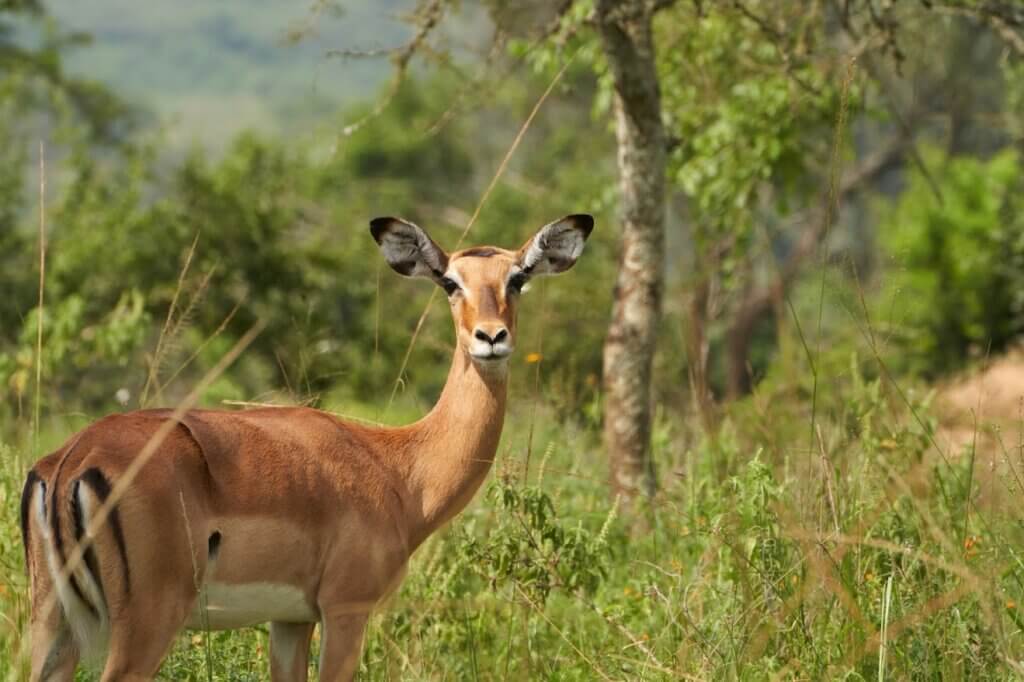
If you are looking for a more relaxed safari experience, Lake Mburo National Park is perfect. This smaller park offers plenty of opportunities to photograph zebras, impalas and antelopes against the backdrop of rolling hills and acacia woodlands. Lake Mburo National Park’s lakes and wetlands are also excellent for bird photography. Consider taking a walking safari or a horseback safari for unique perspectives and closer encounters with wildlife.
Kidepo Valley National Park
Located in Uganda’s remote northeast, Kidepo Valley National Park is often described as one of Africa’s best-kept secrets. Its rugged beauty, open savannahs and dramatic mountain ranges make it ideal for landscape photography. The park is also home to unique wildlife species such as cheetahs and ostriches. Visit during the dry season for clear skies and better visibility of wildlife congregating around water sources.
Rwenzori Mountains National Park
For adventurous photographers who love capturing dramatic landscapes, Rwenzori Mountains National Park is a must-visit. Known as the Mountains of the Moon, this park features snow-capped peaks, glaciers, waterfalls and lush valleys. It is a challenging destination but incredibly rewarding for those seeking unique shots. Bring sturdy hiking boots and weather-resistant gear if you plan to explore this area.
Ziwa Rhino Sanctuary
If you are eager to capture photos of rhinos in Uganda, Ziwa Rhino Sanctuary is the place to go. It is the only location in the country where you can see rhinos in their natural habitat. Guided walking tours with Giant Holiday Safaris allow you to get up close but safe for incredible shots. Early morning visits often provide softer light and more active rhinos.
Lake Bunyonyi
Known as one of Africa’s most beautiful lakes, Lake Bunyonyi is a tranquil haven for landscape photographers. Surrounded by terraced hills and dotted with 29 islands, it offers endless opportunities for stunning compositions. The misty mornings create an ethereal atmosphere perfect for moody shots. Rent a canoe to explore the lake from different angles and capture unique perspectives.
Mabamba swamp
For bird photography enthusiasts, Mabamba Swamp near Lake Victoria is a must visit destination. It is one of the best places in Uganda to spot the elusive shoebill stork, a prehistoric looking bird that will make your portfolio stand out. The swamp is also home to many other bird species, making it a paradise for ornithologists and photographers alike. Hire an experienced guide who knows where to find shoebills and other rare birds.
Tips for a memorable photography safari
- Bring versatile lenses such as a telephoto lens for wildlife and a wide-angle lens for landscapes.
- Wildlife photography requires time and patience. Wait quietly for the perfect moment.
- Always maintain a safe distance from animals and follow the guidance of your safari guide.
- Take advantage of early morning and late afternoon light for softer shadows and richer colors.
- Bring extra batteries and memory cards so you do not miss any moments.
What to do on a photography safari in Uganda
Respect wildlife and their habitat
Uganda is home to incredible creatures such as mountain gorillas, chimpanzees, lions, elephants and countless bird species. Always remember that you are a guest in their home. Keep a safe distance from animals, avoid making loud noises and never feed or touch them. Respect their space and you will be rewarded with natural, candid shots.
Bring the right gear
Investing in the right photography equipment is essential. A good DSLR or mirrorless camera with a telephoto lens which is 200mm or higher will allow you to capture close-up shots of wildlife without disturbing them. Do not forget extra batteries, memory cards ,a sturdy tripod or monopod and a lens cleaning kit. If you are unsure what to pack, consult with Giant Holiday Safaris beforehand.
Follow your guide’s instructions
Your safari guide is an expert in navigating the terrain and understanding animal behavior. They know when and where to position you for the best photo opportunities while keeping safety a priority. Listen to their advice because it will enhance your experience and help you capture incredible moments.
Dress appropriately
Neutral-colored clothing such as khaki, olive green or brown is ideal for blending into the environment and avoiding startling wildlife. Comfortable, lightweight fabrics are perfect for Uganda’s warm climate but do not forget a jacket for cooler mornings or evenings. A good pair of walking shoes or boots is also essential for treks.
Be patient
Wildlife photography requires patience. Animals will not always appear on cue or behave as expected. Take your time observing their movements and behaviors. you might witness something extraordinary if you wait long enough.
Learn about Uganda’s wildlife
Familiarize yourself with the animals you will encounter on your safari. Understanding their habits and habitats will help you anticipate their movements and capture better photos. It is also a great way to deepen your appreciation for Uganda’s rich biodiversity.
Practice ethical photography
Capture animals in their natural state without altering their behavior for the sake of a photo. Avoid using flash photography, as it can startle or stress animals. Ethical photography ensures that wildlife remains undisturbed and that your images reflect the true beauty of nature.
Pack smart
In addition to your camera gear, bring essentials like sunscreen, insect repellent, a reusable water bottle and a wide-brimmed hat for sun protection. If you are trekking to see gorillas or chimpanzees, gloves and gaiters can be helpful for navigating through dense vegetation.
What you should not do during a photography safari in Uganda
Do not get too close
It may be tempting to move closer for that perfect shot but it is important to maintain a safe distance from wildlife. Approaching animals can stress them out or provoke aggression which is a dangerous situation for both you and them. Use your zoom lens instead of stepping closer.
Avoid disrupting the environment
Leave no trace of your visit by refraining from littering or damaging plants and trees. Uganda’s national parks and reserves are pristine ecosystems that need protection. Keep them beautiful for future generations by respecting nature.
Do not rush
A common mistake among photographers is trying to capture too much at once. Instead of rushing from one scene to another, take time to compose your shots thoughtfully. Focus on quality over quantity so that you will end up with more meaningful images.
Do not ignore local customs
Uganda is rich in culture and traditions. If your safari includes visits to local communities, show respect by learning about their customs and asking for permission before taking photos of people. A friendly smile and polite inquiry go a long way.
Avoid overpacking
While it is important to be prepared, bringing too much gear can weigh you down and make moving around cumbersome. Pack only what you truly need for your safari, keeping in mind that some items may not be necessary for every outing.
Do not be overly dependent on technology
While it is great to have high-tech equipment, do not let it distract you from the experience itself. Put your camera down occasionally and take in the sights, sounds and smells of Uganda’s wilderness. Sometimes, the best memories are not captured on film but are fixed in your heart.
Do not forget about lighting
Harsh midday sunlight can be challenging for photography. Plan your shoots during the golden hours which are early morning or late afternoon when the lighting is softer and more flattering. Your photos will have richer colors and more depth.
Do not underestimate gorilla trekking rules
If gorilla trekking is part of your itinerary, follow all guidelines provided by park authorities. For example, maintain a distance of at least 7 meters from gorillas and do not visit if you are feeling unwell to protect them from human illnesses.
Do you pay for a photography safari in Uganda?
A photography safari in Uganda is an incredible opportunity to capture the country’s breathtaking landscapes, diverse wildlife and unique cultural experiences. However, like most safari experiences, it does come at a cost. The price of a photography safari in Uganda typically depends on several factors including the duration of the trip, the level of accommodation and the specific activities included in the package. Most safari packages are all-inclusive covering park entry fees, guided tours, transportation and meals. For photographers, specialized packages may include additional features such as private guides, off-road access for better vantage points, and even workshops to enhance photography skills. Gorilla trekking permits, a highlight of many Ugandan safaris, are an additional expense and must be booked in advance due to high demand.
While the costs can vary widely, budgeting for a photography safari in Uganda is essential. It is advisable to work with Giant Holiday Safaris, a reputable tour company that can tailor the experience to your needs and ensure you get the best value for your investment. Ultimately, the memories and stunning images captured on such a trip make it a worthwhile expense for photography enthusiasts.
What is the best season to go for a photography safari in Uganda?
The best season for a photography safari in Uganda largely depends on your interests but the dry seasons are generally considered ideal. Uganda experiences two primary dry periods that is December to February and June to August. During these months, the weather is more predictable with minimal rainfall, making it easier to navigate the parks and capture stunning wildlife moments. The dry seasons also coincide with animals gathering around water sources, providing excellent opportunities for close-up shots of iconic species like elephants, lions and giraffes. Additionally, the vegetation is less dense, improving visibility and making it easier to spot wildlife. For bird photography enthusiasts, Uganda’s wet seasons which are March to May and September to November are worth considering. These months coincide with migratory bird activity, offering a chance to capture rare and colorful species in their natural habitats.
If your goal is to photograph mountain gorillas in Bwindi Impenetrable Forest or Mgahinga Gorilla National Park, the dry seasons are preferable. The trails are less muddy ensuring a smoother trekking experience. Contact Giant Holiday Safaris for more information about a photography safari in Uganda.