What Is the Best Time to Visit Ngorongoro
July 11, 2026
How Many Animals Live in Ngorongoro
July 11, 2026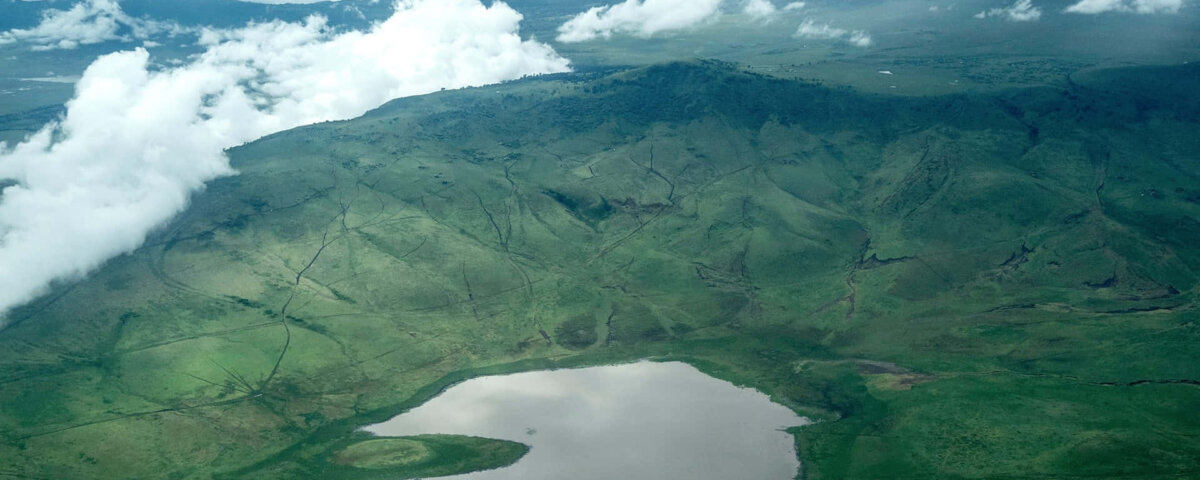
How Deep Is Ngorongoro Crater
Many travelers planning a Tanzania safari ask, how deep is Ngorongoro Crater? The simple answer is that the crater is approximately 600 meters (about 2,000 feet) deep from the rim to the crater floor. However, this incredible natural wonder is famous for much more than its impressive depth. Ngorongoro Crater is the world’s largest intact and inactive volcanic caldera, making it one of Africa’s most remarkable geological and wildlife destinations. Its dramatic landscape, rich biodiversity, and breathtaking scenery attract visitors from around the globe every year.
Located within the Ngorongoro Conservation Area in northern Tanzania, the crater offers an unforgettable safari experience. Its steep walls surround a thriving ecosystem where thousands of wild animals live throughout the year. Visitors can enjoy spectacular wildlife viewing while learning about the fascinating geological history that shaped this extraordinary landscape millions of years ago.
Whether you are interested in wildlife photography, nature, conservation, or adventure, understanding how deep is Ngorongoro Crater helps you appreciate why this UNESCO World Heritage Site remains one of Tanzania’s greatest natural treasures. Every journey into the crater reveals stunning scenery, incredible wildlife, and unforgettable experiences that make it a highlight of any African safari.
Understanding the Depth of Ngorongoro Crater
When discussing how deep is Ngorongoro Crater, the most commonly accepted measurement is approximately 600 meters from the crater rim to the floor below. Standing on the rim provides an extraordinary view across the enormous caldera, allowing visitors to appreciate both its immense size and remarkable depth.
The crater stretches roughly 19 kilometers across and covers more than 260 square kilometers, creating one of the largest enclosed wildlife habitats on Earth. Looking down from one of the many viewpoints, visitors can clearly see vast grasslands, forests, lakes, swamps, and thousands of animals spread across the crater floor.
This impressive depth has played a major role in shaping the area’s climate and ecosystem. The surrounding crater walls help protect wildlife from strong winds while creating favorable conditions for vegetation to grow throughout the year. Permanent water sources and fertile soils further support the rich variety of habitats found inside the crater.
Descending from the rim to the crater floor is an unforgettable experience. As safari vehicles travel down the winding access roads, visitors notice changes in vegetation, temperature, and wildlife. Each section of the descent offers beautiful views that make the journey just as memorable as the safari itself.
Ngorongoro crater’s depth is therefore much more than a geological measurement. It is one of the reasons the supports such extraordinary biodiversity and continues to attract travelers seeking one of Africa’s finest safari destinations.
How Ngorongoro Crater Was Formed
Understanding the crater’s geological history helps explain why it has become one of the world’s most fascinating natural landmarks. Millions of years ago, a massive volcano stood in this part of northern Tanzania. Scientists believe it may have been as tall as Mount Kilimanjaro before a series of powerful volcanic eruptions emptied the magma chamber beneath it.
After the volcano lost its internal support, the summit collapsed inward, forming the enormous caldera that visitors see today. Unlike many volcanic craters created by explosive eruptions, Ngorongoro Crater formed through collapse, leaving behind a nearly perfect circular basin surrounded by steep volcanic walls.
Over thousands of years, rainfall, rivers, and natural erosion shaped the crater floor into a rich landscape containing open plains, forests, freshwater springs, marshes, and alkaline lakes. Fertile volcanic soils encouraged grasses, shrubs, and trees to flourish, creating ideal habitats for wildlife.
Today, the crater remains inactive, allowing nature to thrive without volcanic disturbance. The combination of ancient geological processes and modern conservation has transformed Ngorongoro into one of Africa’s most valuable ecosystems.
Visitors often find it remarkable that a natural disaster occurring millions of years ago ultimately created one of the world’s greatest wildlife sanctuaries. This extraordinary history adds another fascinating dimension to every safari experience.
Why the Crater’s Depth Creates a Unique Ecosystem
The impressive depth of Ngorongoro Crater has created one of Africa’s most stable and productive ecosystems. Because the crater walls surround the entire landscape, they influence weather patterns, vegetation growth, and wildlife movement throughout the year.
Moisture tends to remain within the crater, helping maintain green grasslands even during drier months. Freshwater springs continuously supply water to many areas, supporting animals that depend on reliable drinking sources. These favorable conditions allow thousands of mammals to remain inside the crater instead of migrating long distances.
The crater floor contains several distinct habitats within a relatively small area. Open plains provide grazing grounds for wildebeest, zebras, and gazelles, while Lerai Forest offers shelter for elephants, monkeys, and many bird species. Swamps attract hippos, and Lake Magadi becomes a seasonal gathering place for flamingos and other water birds.
Because each habitat supports different wildlife, visitors enjoy incredible biodiversity during a single game drive. Predators such as lions and hyenas benefit from abundant prey, while herbivores enjoy year-round grazing opportunities created by fertile volcanic soils.
This remarkable ecological balance demonstrates how geology and nature work together. how deep Ngorongoro Crater is has helped create an environment where wildlife flourishes, making Ngorongoro one of the most rewarding safari destinations anywhere in Africa.
Wildlife That Thrives on the Crater Floor
One of the biggest reasons travelers visit Ngorongoro Crater is its outstanding wildlife. The fertile crater floor supports more than 25,000 large mammals, making it one of the highest concentrations of wildlife in Africa.
Large herds of wildebeest, zebras, buffaloes, and gazelles graze peacefully across the grasslands throughout the year. These animals provide food for predators, creating a healthy and balanced ecosystem. Lions are commonly seen resting beneath acacia trees or watching nearby herds, while spotted hyenas patrol the plains in search of opportunities.
Ngorongoro Crater is also one of the best places in Tanzania to see the endangered eastern black rhino. Although these magnificent animals remain relatively rare, the crater’s protected environment has helped preserve one of the country’s most important breeding populations.
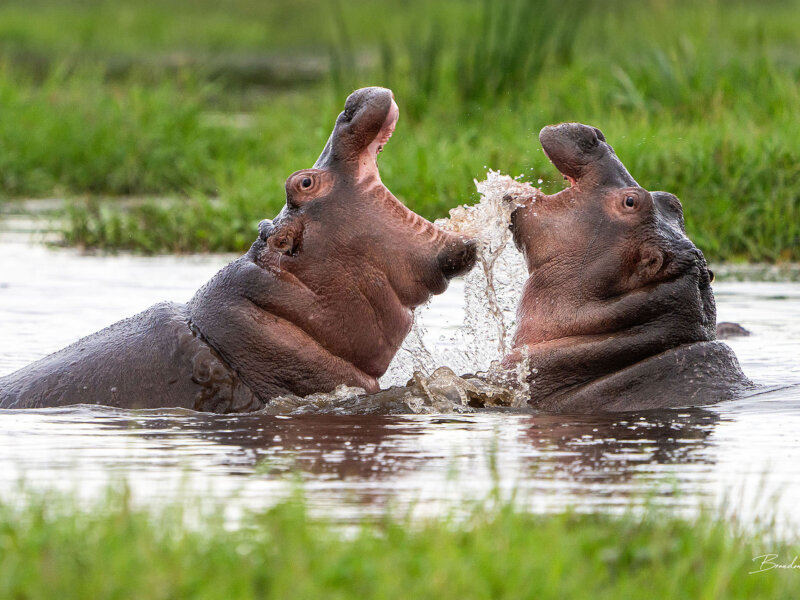
Elephants, especially large mature bulls with impressive tusks, frequently visit forested areas within the crater. Hippos spend their days relaxing in freshwater pools, while warthogs, jackals, serval cats, baboons, and numerous antelope species add even greater diversity to the landscape.
Birdlife is equally impressive. Flamingos gather around Lake Magadi during favorable conditions, while crowned cranes, secretary birds, ostriches, eagles, vultures, and many other species can be seen across the conservation area.
Many travelers exploring northern Tanzania with Giant Holiday Safaris quickly discover that every game drive offers new wildlife encounters. The combination of remarkable biodiversity and spectacular scenery makes Ngorongoro Crater one of the finest safari destinations on the continent.
Amazing Facts About the Crater’s Size and Landscape
Although many people focus on the question how deep is Ngorongoro Crater, its overall size is equally impressive. The crater covers approximately 260 square kilometers, making it the world’s largest intact inactive volcanic caldera. Its massive scale allows visitors to experience several distinct ecosystems during a single safari.
The crater rim rises more than 2,200 meters above sea level, providing breathtaking panoramic views across the entire landscape. From these viewpoints, visitors can see grasslands stretching toward forests, shimmering lakes, winding rivers, and wildlife moving across the plains far below.
Another fascinating feature is the diversity of habitats found within such a compact area. Few places in Africa combine forests, wetlands, lakes, grasslands, and freshwater springs so closely together. This variety supports exceptional biodiversity while creating constantly changing scenery throughout every game drive.
Ngorongoro also forms part of the larger Ngorongoro Conservation Area, a protected landscape where wildlife conservation exists alongside traditional Maasai pastoral communities. This unique balance between nature and culture gives visitors an opportunity to appreciate both Tanzania’s wildlife heritage and its rich cultural traditions.
Every aspect of the crater, from its dramatic volcanic walls to its thriving wildlife populations, demonstrates why it remains one of the most celebrated natural wonders in Africa. Its depth may capture visitors’ curiosity, but its extraordinary landscapes and vibrant ecosystem leave the greatest and most lasting impression.
Best Time to Visit Ngorongoro Crater
One of the greatest advantages of visiting Ngorongoro Crater is that it offers outstanding wildlife viewing throughout the year. Unlike destinations that depend on seasonal wildlife migrations, the crater supports a permanent population of animals because it has reliable water sources, fertile grazing land, and a naturally protected environment. This means visitors can enjoy an exceptional safari regardless of the month they choose to travel.
The dry season, which usually runs from June to October, is considered one of the best times to visit. During these months, vegetation becomes shorter, making it easier to spot wildlife across the open plains. The weather is also cooler and drier, creating comfortable conditions for full-day game drives. Because this period is popular with international travelers, booking accommodation and safari packages well in advance is highly recommended.
The green season, from November to May, offers a different but equally rewarding experience. Rainfall transforms the crater into a lush landscape filled with fresh grass, colorful wildflowers, and beautiful scenery. Birdwatchers especially enjoy this season because migratory birds arrive in large numbers, adding even more diversity to the area’s already impressive birdlife.
Photographers appreciate both seasons for different reasons. The dry season provides clear skies and excellent wildlife visibility, while the green season offers dramatic clouds, vibrant colors, and striking landscape photography. Regardless of when you visit, Ngorongoro Crater promises unforgettable wildlife encounters and breathtaking views.
Activities to Enjoy Inside the Crater
A visit to Ngorongoro Crater offers much more than simply watching wildlife. Every activity allows travelers to experience another side of this remarkable conservation area while creating unforgettable memories.
Game drives remain the main attraction. Early morning departures give visitors the best opportunity to observe predators, herbivores, and birds while animals are still active. Throughout the day, experienced safari guides help guests locate lions, elephants, buffaloes, black rhinos, zebras, wildebeest, hippos, hyenas, jackals, and countless other species that call the crater home.
Photography is another favorite activity. The combination of dramatic volcanic walls, open grasslands, shimmering lakes, and abundant wildlife provides endless opportunities to capture breathtaking images. Sunrise and late afternoon often produce the most beautiful natural lighting.
Birdwatching is equally rewarding. Hundreds of bird species inhabit the crater, including flamingos, crowned cranes, secretary birds, ostriches, eagles, vultures, hornbills, and colorful kingfishers. Every habitat supports different species, making the crater an exciting destination for bird enthusiasts.
Visitors can also enjoy cultural experiences outside the crater by visiting nearby Maasai communities. These visits provide valuable insights into traditional lifestyles, local customs, and the unique relationship between people and wildlife within the Ngorongoro Conservation Area. Together, these activities create a safari experience that combines adventure, education, and cultural discovery.
Travel Tips for Visiting Ngorongoro Crater
Preparing well before your safari allows you to enjoy every moment of your visit. Although Ngorongoro Crater is easily accessible from other northern Tanzania safari destinations, thoughtful planning makes the experience even more enjoyable.
Packing lightweight clothing in neutral colors is recommended because it keeps you comfortable while blending naturally with the surrounding environment. Since mornings on the crater rim can be surprisingly cool, bringing a warm jacket or fleece is also a good idea. As temperatures rise later in the day, lightweight layers make it easy to stay comfortable.
Comfortable walking shoes, sunscreen, sunglasses, a wide-brimmed hat, insect repellent, and a reusable water bottle are all practical items that improve your safari experience. Binoculars help you observe distant wildlife, while a camera with a zoom lens allows you to capture unforgettable moments without disturbing the animals.
Booking your safari early is especially important during the peak travel season. Early reservations provide greater flexibility when selecting accommodations and planning your itinerary.
Finally, always follow your guide’s instructions while deep inside the conservation crater area. Respecting wildlife, remaining inside designated vehicles, and avoiding loud noises help protect both visitors and animals while supporting responsible tourism practices that preserve this extraordinary destination for future generations.
Why Ngorongoro Crater Belongs on Every Tanzania Safari
Northern Tanzania is home to several world-famous safari destinations, yet Ngorongoro Crater continues to stand out as one of the region’s greatest highlights. Its remarkable combination of geological history, abundant wildlife, spectacular scenery, and cultural heritage creates an experience unlike anywhere else in Africa.
The crater offers one of the easiest places to see the Big Five within a relatively short period. Visitors often encounter lions, elephants, buffaloes, and numerous other animals during a single game drive, while the endangered black rhino remains one of the crater’s greatest attractions.
Its location also makes it an ideal addition to longer northern Tanzania safari itineraries. Many travelers combine Ngorongoro with Serengeti National Park, Tarangire National Park, and Lake Manyara National Park to experience different ecosystems and wildlife habitats within one unforgettable journey.
Families appreciate the relatively short driving distances inside the crater, while photographers value the dramatic volcanic scenery that creates stunning backdrops for wildlife images. Birdwatchers, honeymooners, first-time safari travelers, and experienced adventurers all discover something special during their visit.
Whether your interest lies in geology, wildlife conservation ,find out how deep Ngorongoro Crater is, photography, or simply experiencing Africa’s natural beauty, Ngorongoro Crater offers an adventure that exceeds expectations and deserves a place on every Tanzania travel itinerary.
Discover the Wonder of Ngorongoro Crater
After learning how deep is Ngorongoro Crater, it becomes clear that its impressive depth is only one part of an extraordinary story. Measuring approximately 600 meters from the rim to the crater floor, this magnificent volcanic caldera has created one of the richest wildlife habitats anywhere in Africa. Its unique geography supports thriving ecosystems, abundant wildlife, breathtaking scenery, and unforgettable safari experiences throughout the year.
Every visit reveals something remarkable. One moment you may watch lions resting beneath an acacia tree, while the next brings sightings of elephants, black rhinos, hippos, flamingos, or large herds of zebras and wildebeest moving across the open plains. The constantly changing landscapes make every game drive unique and memorable.
Beyond its natural beauty, Ngorongoro Crater demonstrates the importance of conservation. Successful wildlife protection, sustainable tourism, and respect for local Maasai communities have helped preserve this remarkable destination for generations of travelers to enjoy.
Giant Holiday Safaris proudly introduces visitors to the incredible landscapes and wildlife of northern Tanzania through carefully planned safari experiences designed for comfort, education, and adventure. Whether you dream of seeing the Big Five, exploring ancient volcanic landscapes, or discovering why this UNESCO World Heritage Site is celebrated around the world, Ngorongoro Crater promises an unforgettable journey filled with lasting memories.
Combined Uganda, Kenya, Rwanda and Tanzania Safaris
17 days Kenya Tanzania and Uganda safari
19 Days Uganda Kenya and Tanzania Safari
16 Days Kenya Tanzania and Uganda Safari
14 Days Kenya Uganda and Tanzania Safari
14 Days Kenya Uganda and Rwanda Safari